
FORKIN’ GOOD DRESSING
Kate Fenwick explains why DIY might just save your fridge – and the planet.
Kate Fenwick explains why DIY might just save your fridge – and the planet.
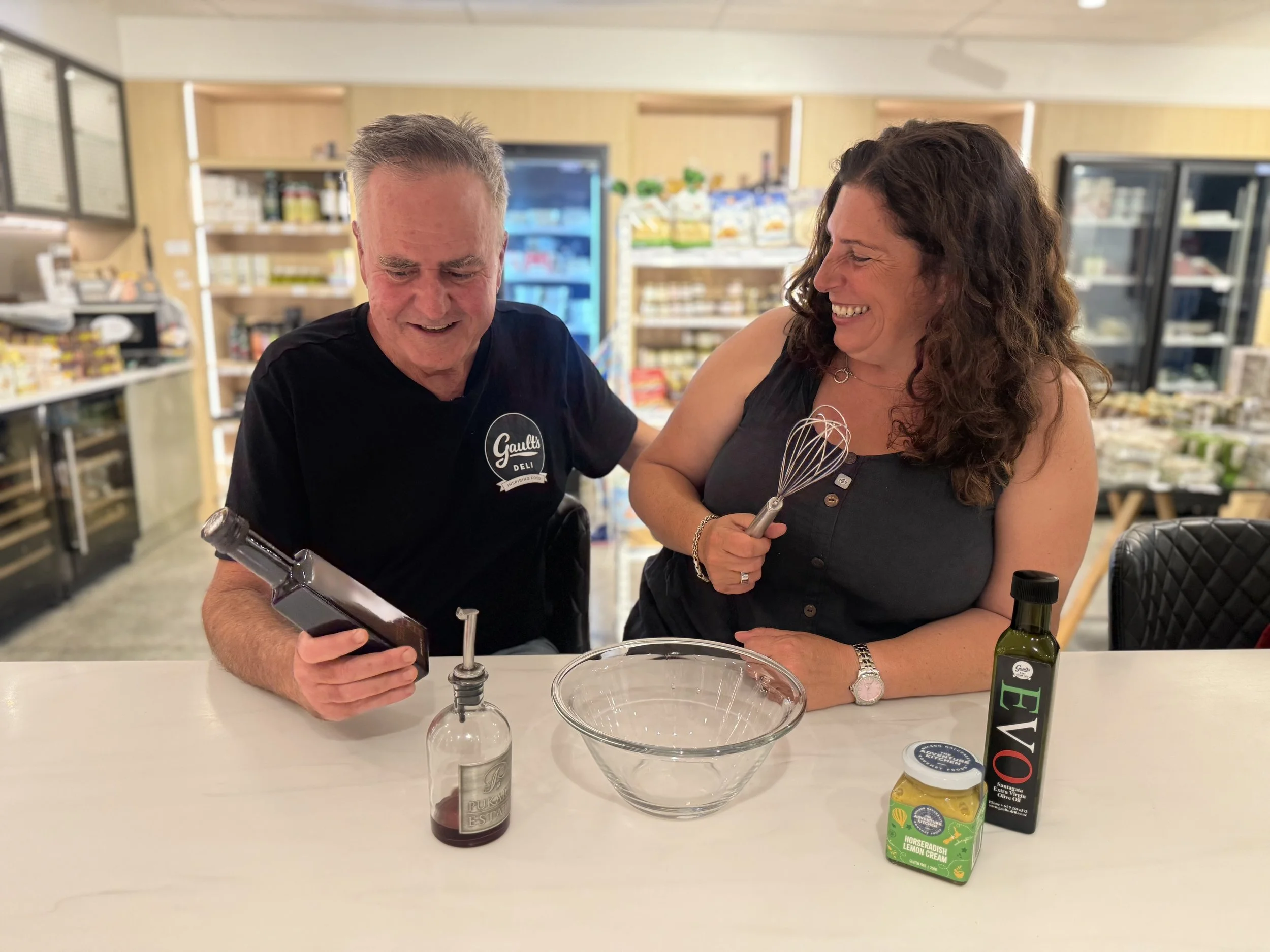
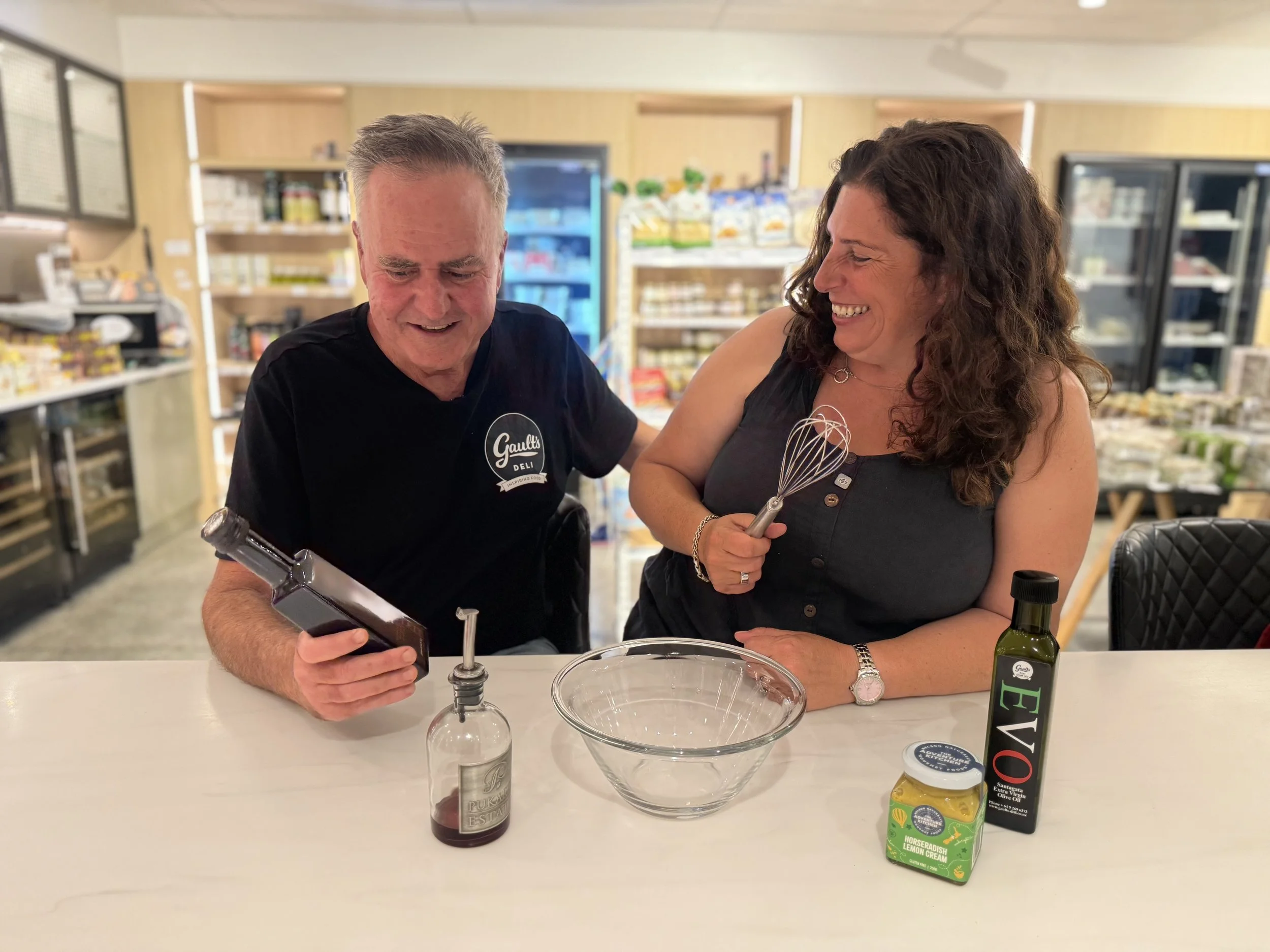
Simon and Kate on the set of their podcast, Forkin' Good.
If you’d told me last year that co-hosting a podcast with celebrity chef Simon Gault would turn me into a homemade salad dressing evangelist, I would have laughed and pointed to the 14 half-used condiments permanently living in my fridge door. Yet here we are.
The Forkin’ Good Podcast, for me, was meant to be about mainstreaming waste education, but it has also become my unofficial weekly cooking lesson, complete with gourmet wisdom and the occasional joke aimed at my "creative" kitchen habits.
One of Simon’s greatest gifts so far is teaching me the world’s simplest, most versatile salad dressing: 1 tsp creamy mustard, 3 tbsp extra virgin olive oil and any amount of balsamic vinegar you like. Whisk it. Then pretend you’re a culinary genius. It tastes incredible.
More importantly, it solves a huge part of the waste problem sitting in your fridge. New Zealand households throw away over 100,000 tonnes of food waste every year, much of it because we overbuy, underuse and forget what is lurking in the back of the fridge. Add to that the estimated 1.76 billion single-use plastic containers we send to landfill annually, and suddenly that innocent-looking bottle of sesame-lime dressing becomes part of a much bigger issue.
Store-bought dressings are classic "use once, abandon forever" items. You try a new flavour, use two tablespoons, then it becomes a long-term fridge tenant until the expiry date finally forces you to confront your choices. That is food waste and plastic waste in one sad bottle.
Making your own dressing means: using ingredients you already have, so there is less waste and fewer forgotten bottles; avoiding preservatives and fillers, which is better for you and better for the planet; cutting back on plastic, because you can reuse the same jar over and over; and actually finishing what you make (wild concept, I know). And the best part is that you become more connected to your food again.
It is a tiny step back toward the DIY kitchen culture our grandparents lived by, where food was simple and nothing went to waste because resources were respected. That is the heart of the Forkin’ Good Podcast: learning simple shifts and rediscovering the joy of doing things yourself.
So tune in if you want practical tips and the occasional roasting of my cooking skills. We are pretty much on every platform you can find, including YouTube if you want to actually see what we are up to. Your fridge, and the planet, will thank you.

THE BEACON
Commanding an expansive site on Ongare Point, this exceptional home stands proudly above its neighbours in this peaceful seaside enclave above Tauranga Harbour.
Commanding an expansive site on Ongare Point, this exceptional home stands proudly above its neighbours in this peaceful seaside enclave above Tauranga Harbour.
WORDS JO FERRIS
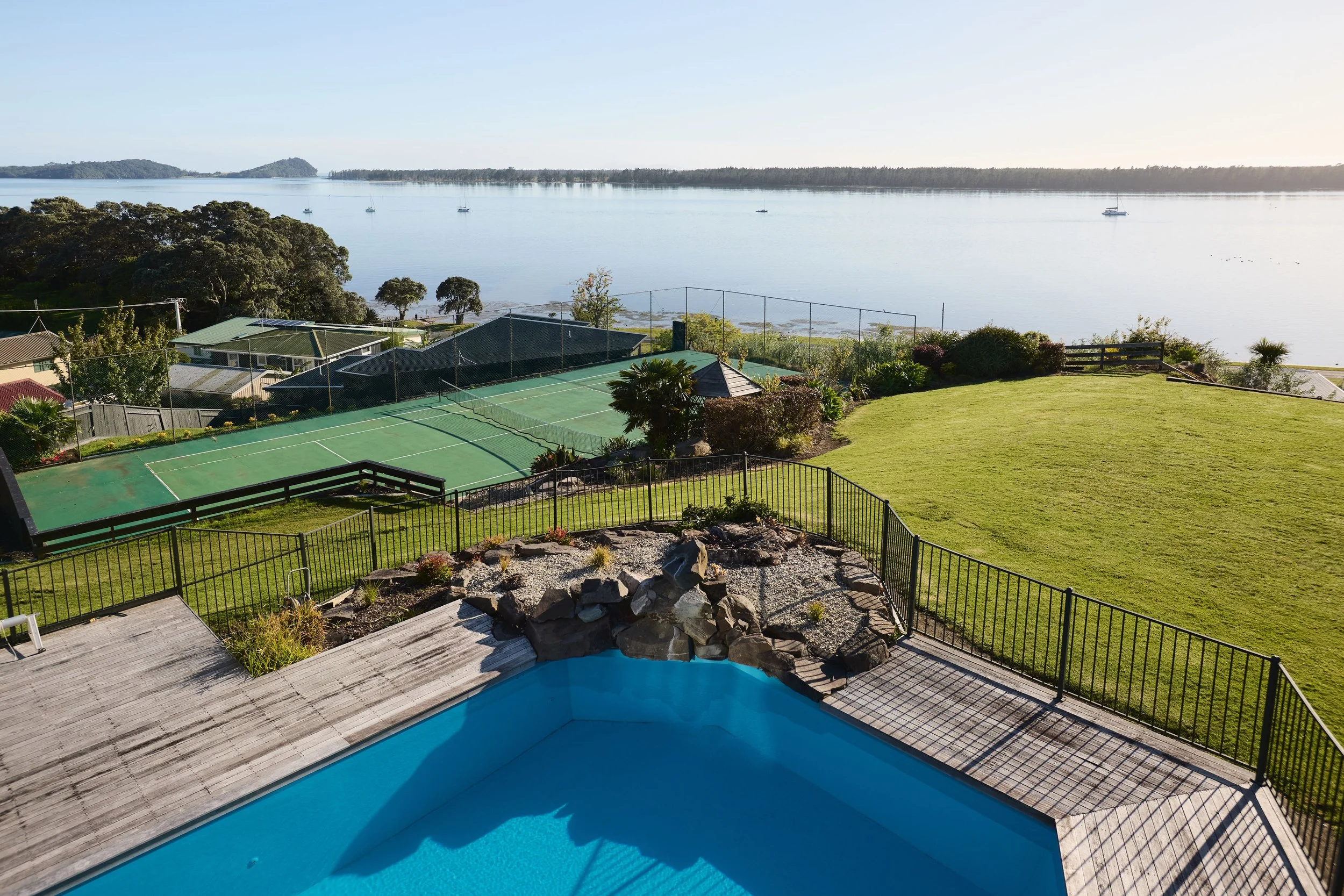
Set on a private ridge with gated entry, the residence is the result of a thoughtful collaboration between the owner, designer Richard Fuller and award-winning builder Belco Homes.
With deep family ties to the land, the owners paid homage to its history by salvaging native rimu from the original homestead — now reimagined as a stunning feature wall and bureau in the family room.
While this sentimental touch celebrates the heritage that inspired the new residence, this property also showcases what can be achieved today when space, design and craftsmanship unite in perfect harmony.
The master retreat is a true sanctuary, with sumptuous space and a grandstand balcony overlooking the harbour. Generous living zones on the lower level are designed for seamless indoor-outdoor flow, perfect for entertaining or quiet enjoyment.
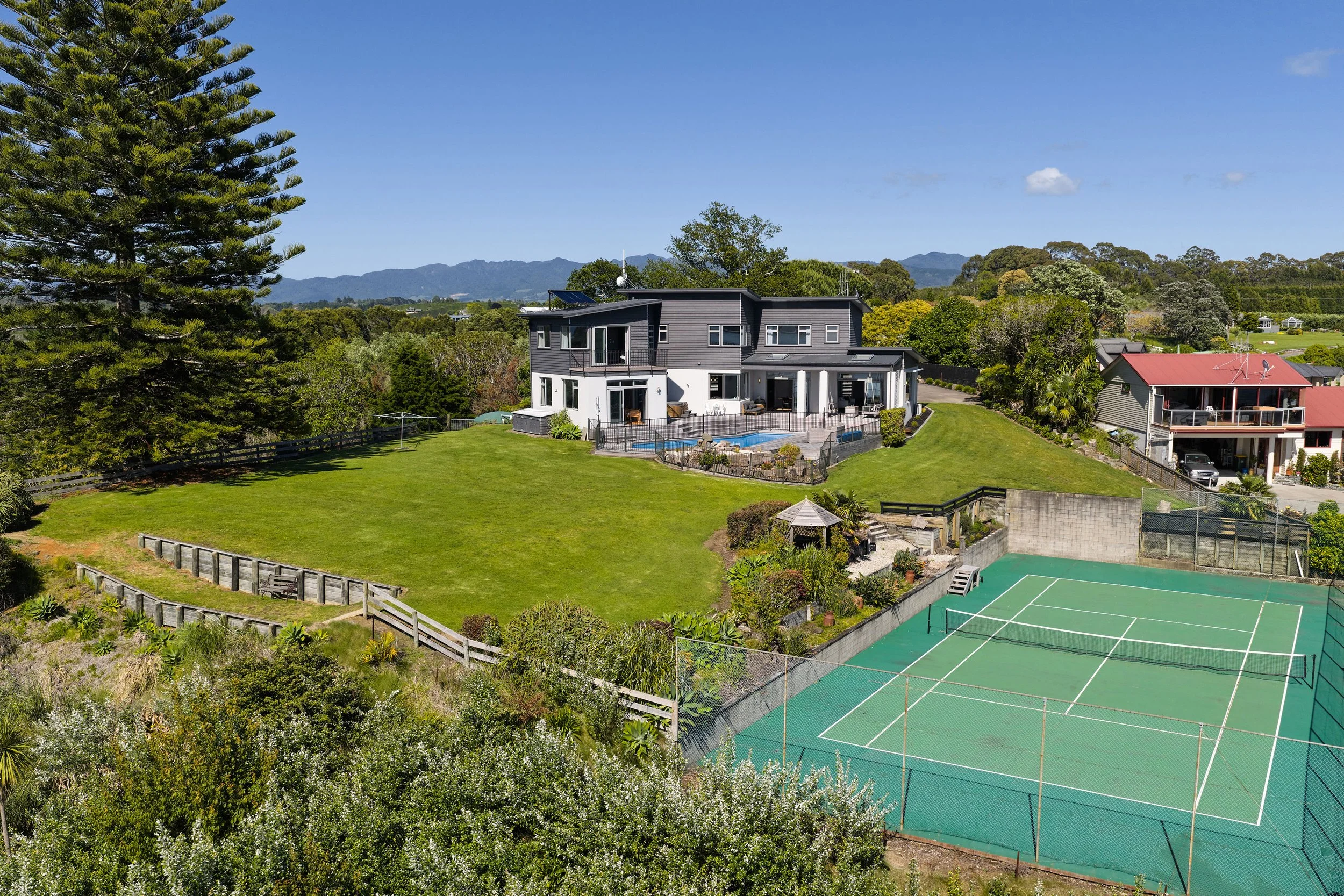
Serve refreshments and nibbles through sliding windows in the bespoke kitchen to the courtyard. Host friends in the sunny ambience of the games’ room. Enjoy alfresco entertainment outdoors, dine formally inside or relax fireside in the family living area.
Moods change to a more intimate ambience in the formal lounge. For ultimate unwinding however, sway gently in the innovative hanging furniture in the sheltered outdoor lounge.
Occupying a sprawling 5,529sqm site, the home extends across 451sqm over two levels. This is complemented by extensive shedding, a swimming pool and tennis court, yet still boasts ample space for recreation and relaxation in the beautifully landscaped grounds.
Every aspect of this home revolves around its breathtaking scenery. Sweeping harbour views capture Bowentown Heads, Matakana Island and beyond to Mauao and Mount Maunganui.
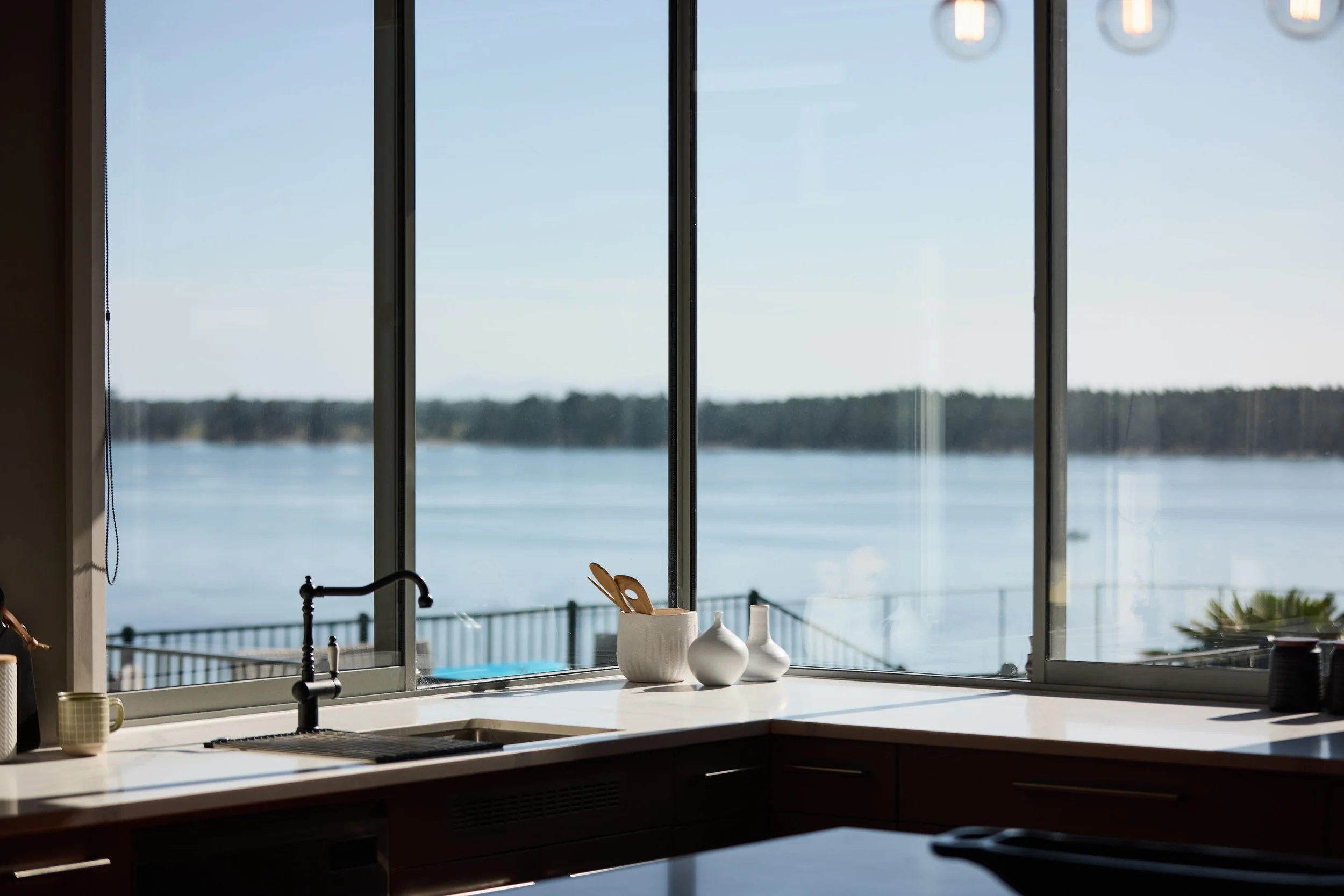
Each room enjoys a unique outlook; whether coastal or countryside. Offering four bedrooms, each enjoys its own ensuite, while a powder room increases convenience for guests.
Apart from the internal garage, substantial shedding provides further space for vehicles, storage or workshop use. This is complemented by a separate garden shed for tools and equipment.
Luxury and practicality combine through a host of high-spec features, both inside and out. These include advanced heating systems and a state-of-the-art sound system to robotic pool and lawn maintenance.
A home for the seasons and generations; this property is truly the jewel of Ongare Point — a rare opportunity to secure a landmark coastal resident of enduring quality, privacy and prestige.
300 Ongare Point Rd, Ongare Point
SLICE OF ROME
Tauranga’s Stassano Deli proves you don’t need a plane ticket to savor an authentic European deli escape.
Tauranga’s Stassano Deli proves you don’t need a plane ticket to savor an authentic European deli escape.
WORDS HAYLEY BARNETT / PHOTOS BEN PARKINSON @ PABLO CREATIVE
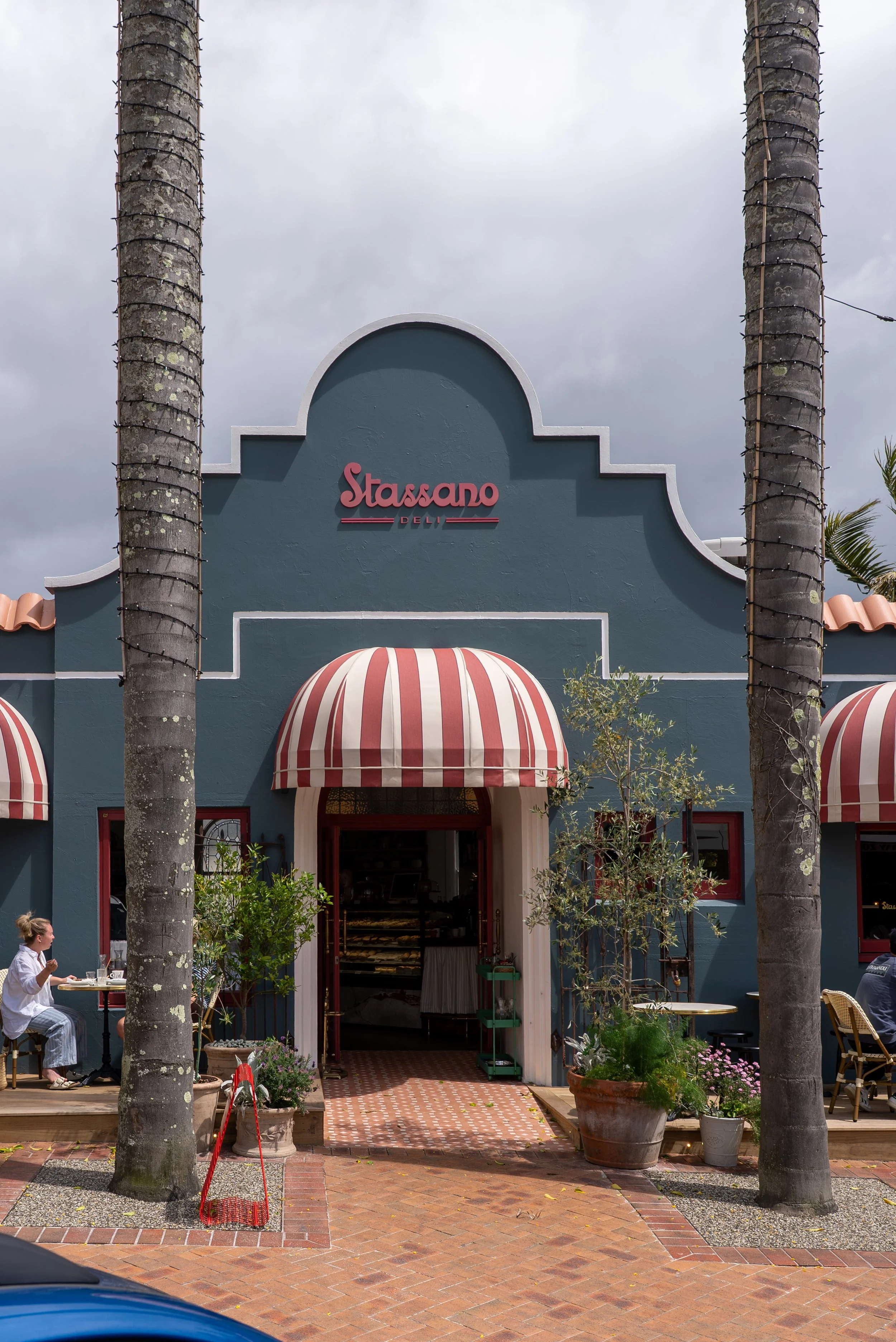
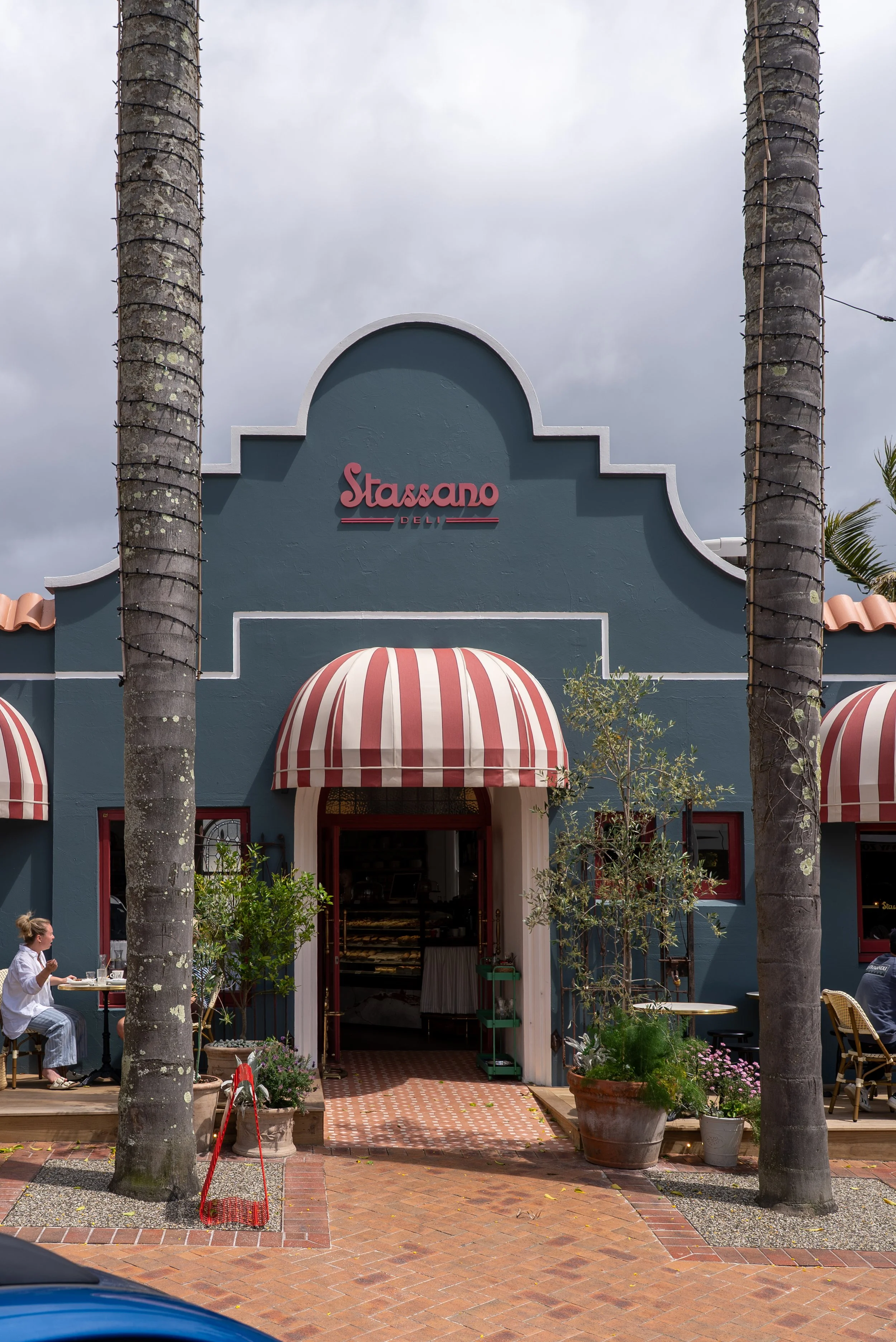
If, like me, you haven’t set foot in Europe in over a decade and you’re craving a dose of that effortlessly cool European culture, Stassano Deli is the place to go.
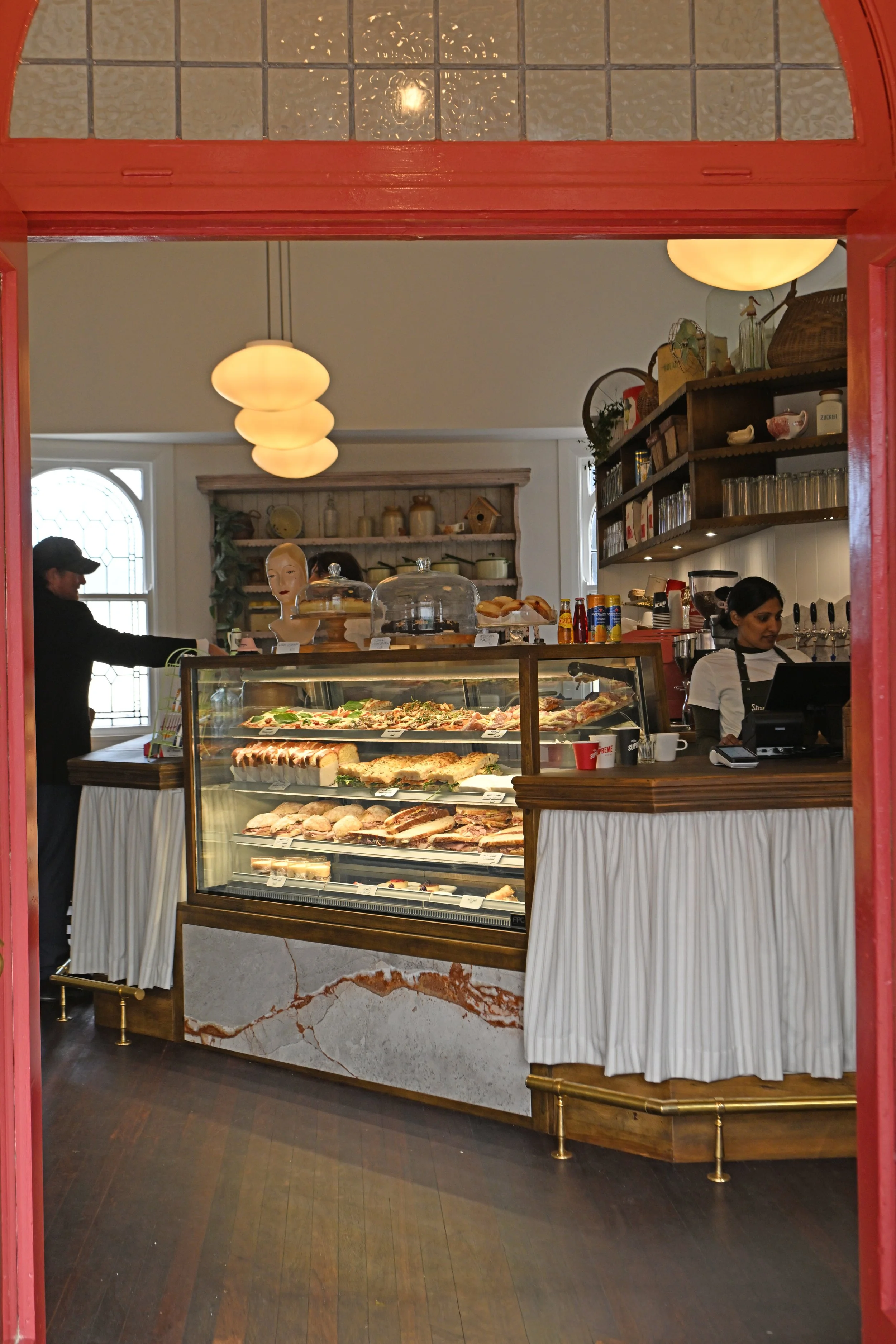
Taking over the stunning art deco building next to Barrio Brothers on Grey Street, this eatery couldn’t have picked a better spot. The light streams in through those huge heritage windows, and suddenly, you could be in Milan instead of Tauranga.
Noel and Kim Cimadon, the couple behind Tauranga favourites Picnicka, Clarence Bistro and Alpino, have once again struck gold. Stassano perfectly blends classic Italian style with a fresh, modern twist. And to top it off, they’ve found a charming young Italian named Edwardo to serve your espresso and deli sandwich, transporting you straight to the streets of Rome.
Admittedly, it feels almost surreal stepping into such an authentic Italian deli right in the heart of Tauranga’s CBD. What did we do to deserve this little slice of heaven?
When I asked Noel where the inspiration came from, his answer was simple: “We’ve just gone back to basics with Stassano. We really enjoy the simplicity of Italian hospitality rather than the over-complicated general hospitality at the moment.”
Noel describes it as “a little place that anyone who works in the city can go to,” whether that’s one of their loyal Clarence regulars or, as he puts it, “the office worker on a small salary.”
The goal was to create something approachable yet still affordable, even for the drinkers. “We’ve got very thoughtful wines and beers on tap with a very simple concept. Like in Italy, it’s just a carafe and a glass and that’s it.”
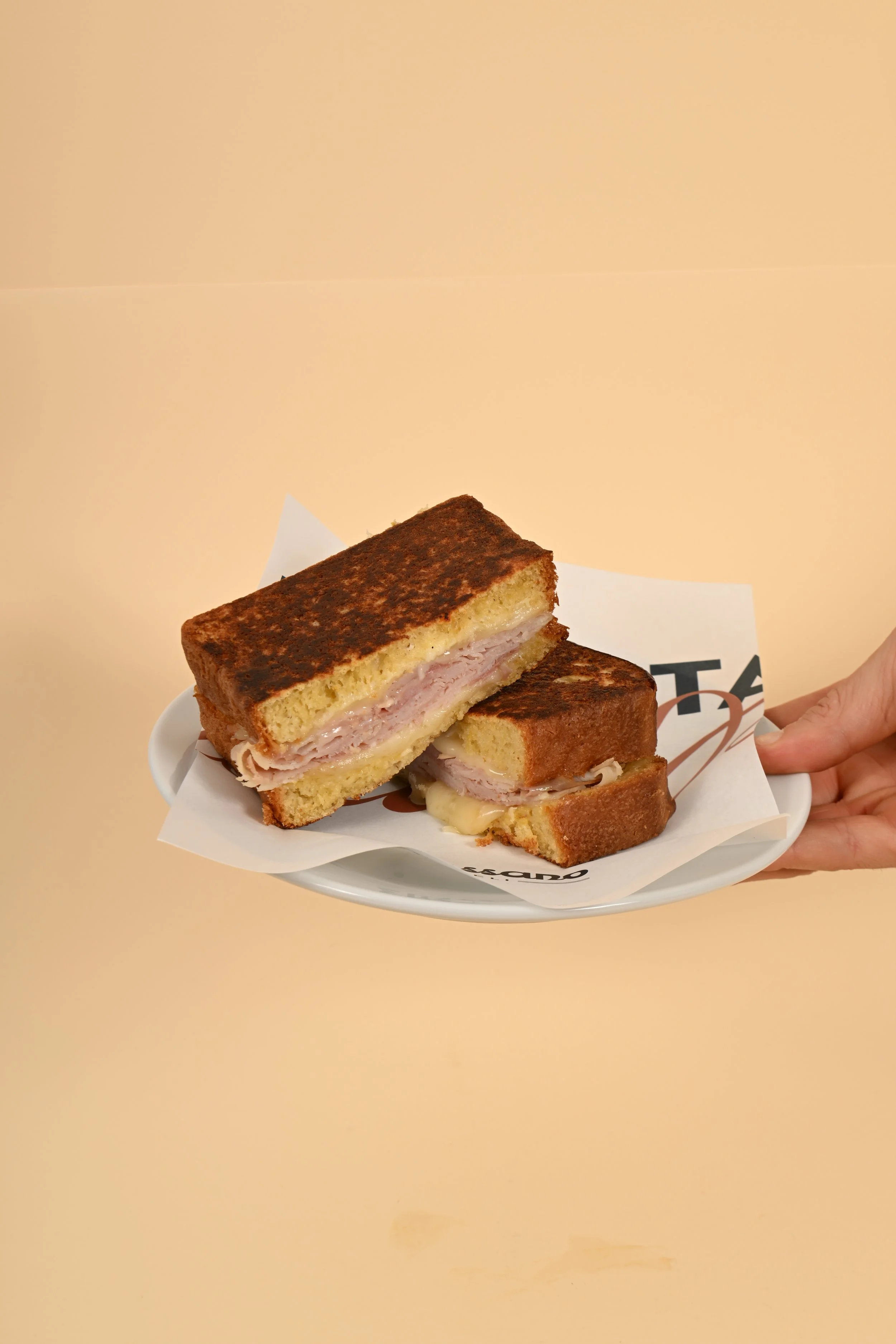
The menu is a mouth-watering mix of Mediterranean and Italian-inspired dishes, with a clear focus on classic deli sandwiches. The UNO team ordered a generous spread — the Ciabatta Mortadella, Chorizo Mozzarella, Sourdough Pastrami, Tramezzino Smoked Snapper, and a Brioche Ham and Cheese Toastie — and all promptly slipped into a glorious carb coma.
Take my advice and maybe just stick to one (though good luck choosing).
Noel told me his personal favourite is the same as mine: “I love mortadella. I love ciabatta. It just reminds me a lot of my childhood.”
His Italian roots give the place its heart, but he’s still keeping things evolving. “We just added the afternoons so we do after-work drinks and snacks… and the next thing is our gelato offering. My cousin is coming over from Italy to help get it started. He has been a gelato master over there for over 30 years.”
Another must-try is the naturally f lavoured Berry and Basil Soda, and of course, the decadent Tiramisu and Cannolo with Choc Nut Filling, which is the perfect sweet finish to an Italian escape.
As Noel says, “The vibe’s good, and it’s great to see people sitting on the street. It was just a dead corner, and now it kind of feels like a movement.”
107 Grey Street
AGE AGAINST THE MACHINE
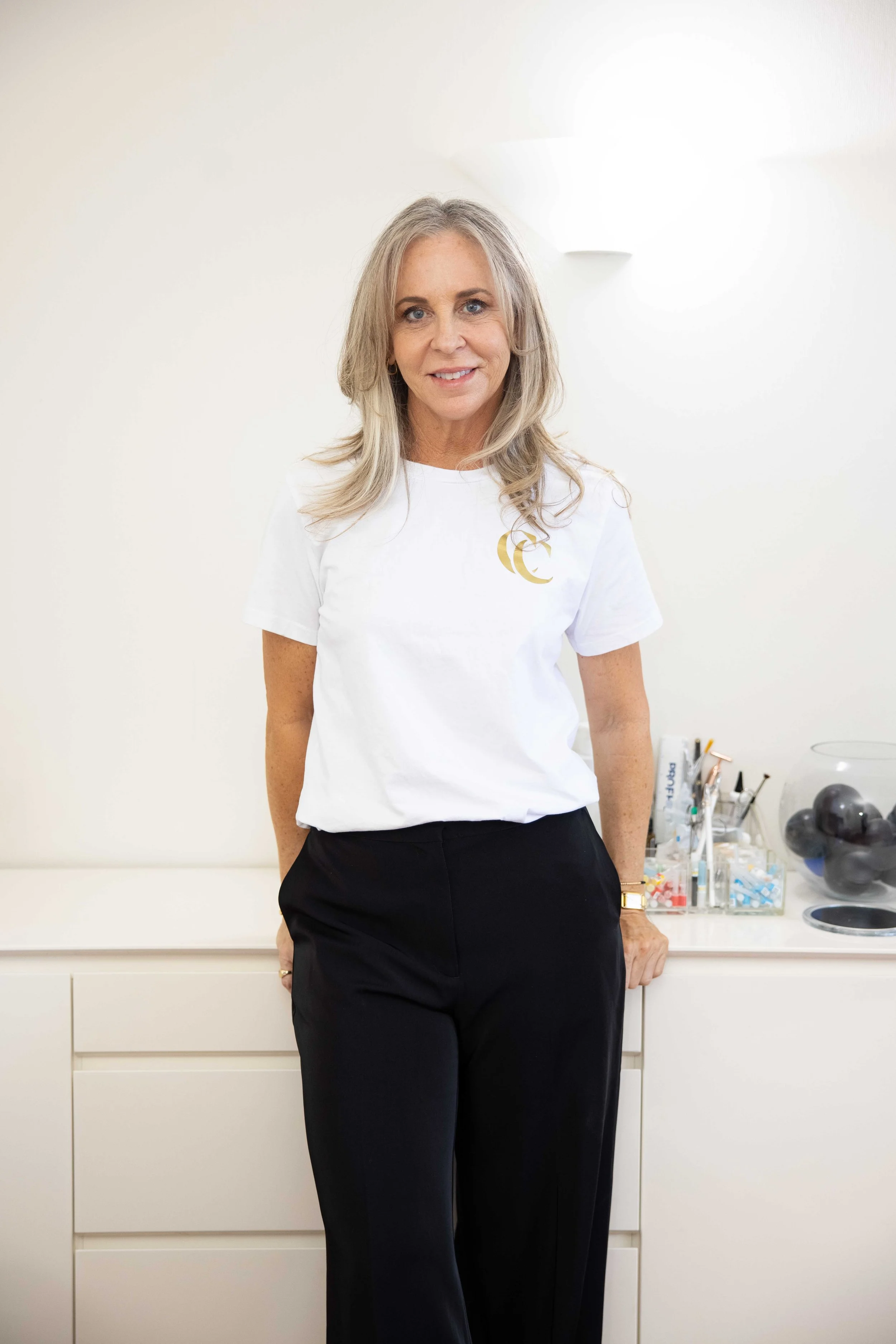
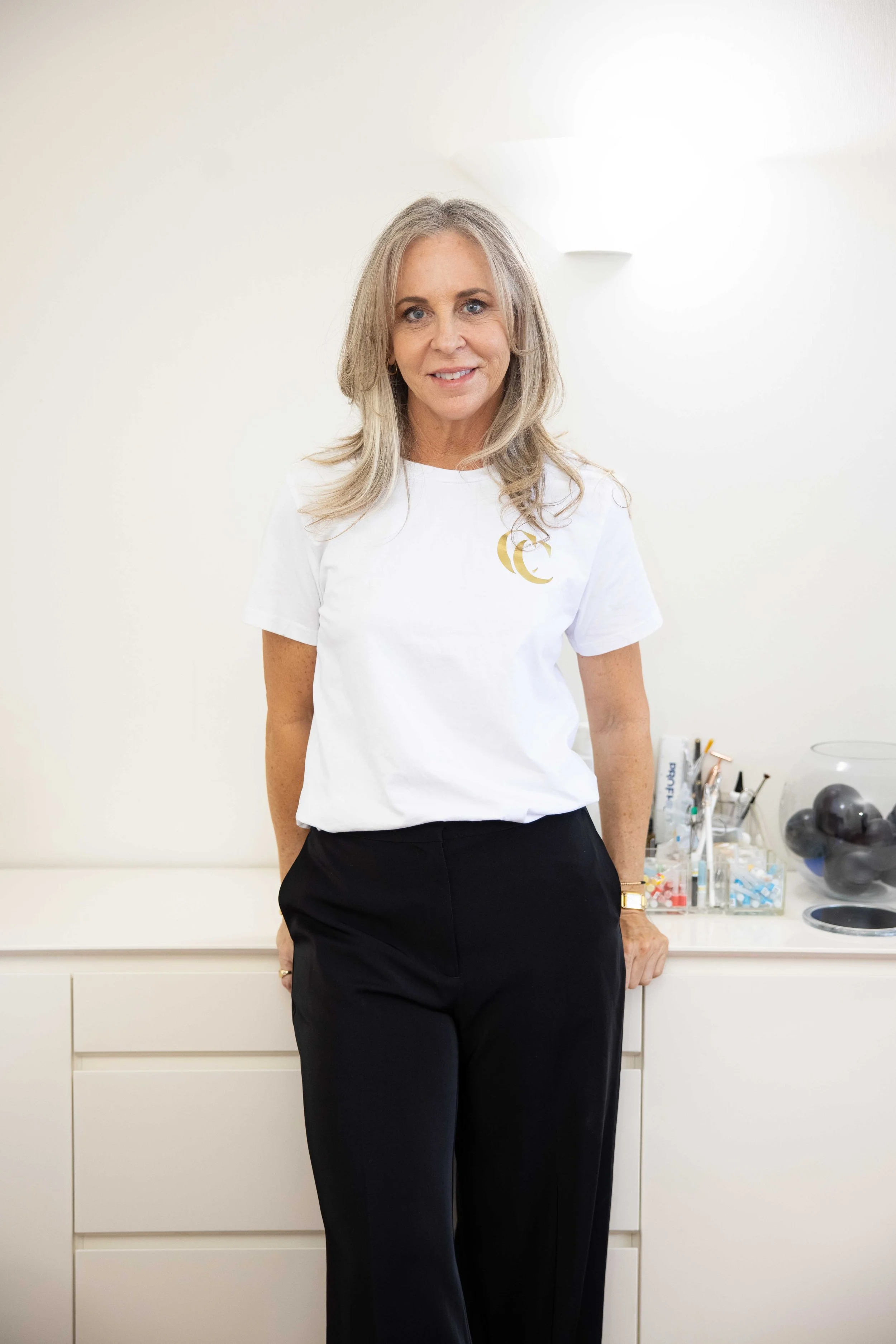
Cashmore Clinic’s Leanne Cashmore reveals why more people are choosing steady, regenerative treatments that age well.
Cashmore Clinic’s Leanne Cashmore reveals why more people are choosing steady, regenerative treatments that age well.
PHOTO SALINA GALVAN
As we wrap up 2025, I’ve been aware of how people’s approach to their skin treatments has changed over the years. More clients want a sensible, long-term approach instead of pinning their hopes on a single quick fix. Injectables are still a key part of treatment plans, but they’re no longer only about softening lines or adding volume.
There’s been a real move toward options that encourage the skin to strengthen itself. Treatments like Rejuran, Profhilo and Sunekos that boost collagen and elastin so the skin gradually feels sturdier and more refreshed. There’s also been growing curiosity around regenerative treatments that work deeper down.
Growth factors, exosome-based therapies and polynucleotides made from salmon DNA all support the way skin cells communicate and heal. When that foundation is functioning well, the improvement of the day-to-day look and feel of the skin naturally follows.
Lately, timing is something clients are paying closer attention to as well. Rather than waiting for lines or texture changes to fully settle, many clients are choosing to build and “bank” collagen earlier. To make that effective, we often map out a mix of treatments, like skin boosters, regenerative injectables, needling, LED, laser and targeted skincare, and pace them in a way that suits how the skin works best.
This change in attitude has shaped how I work, too. Good treatment planning has become just as important as technique in understanding what the skin needs now, what it’s likely to need next, and how each treatment supports the one before it. When the sequence is right, the results stay consistent and look true to the person.
Looking ahead, I think people will keep looking for treatments that feel gentle and sustainable. They want to slow the signs of ageing while keeping their skin healthy and comfortable — fresher, without that “done” look.
If I had to summarise the year, I’d say the most satisfying results came from a balanced plan and a bit of patience. When treatments are chosen carefully and given time to do their job, the change looks natural, but simply better.
IT TAKES A VILLAGE
Just a few minutes from Tauranga city centre, there’s a place that has evolved through the work of many, all adding colour and creativity around its heritage charm.
Just a few minutes from Tauranga city centre, there’s a place that has evolved through the work of many, all adding colour and creativity around its heritage charm.
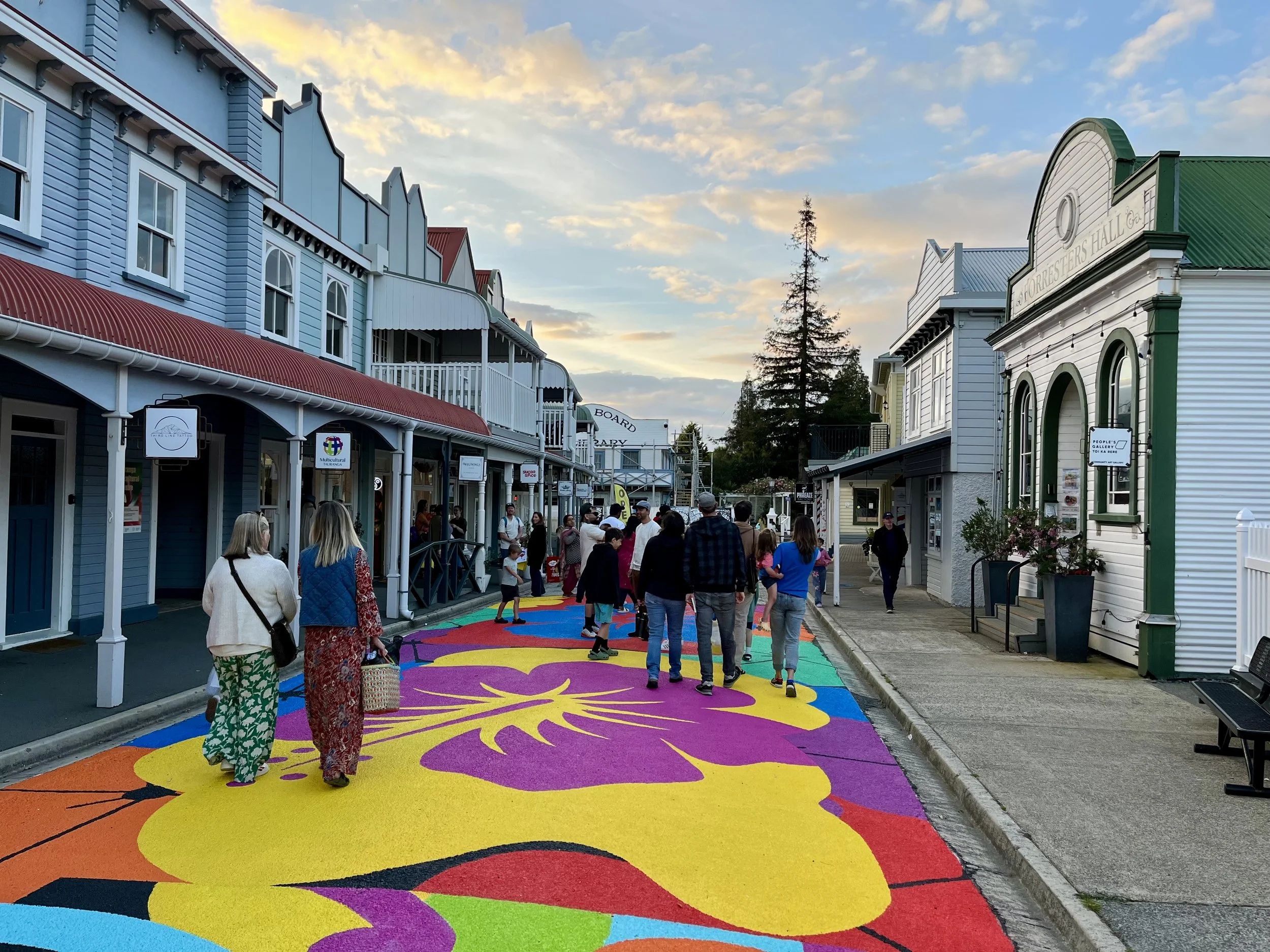
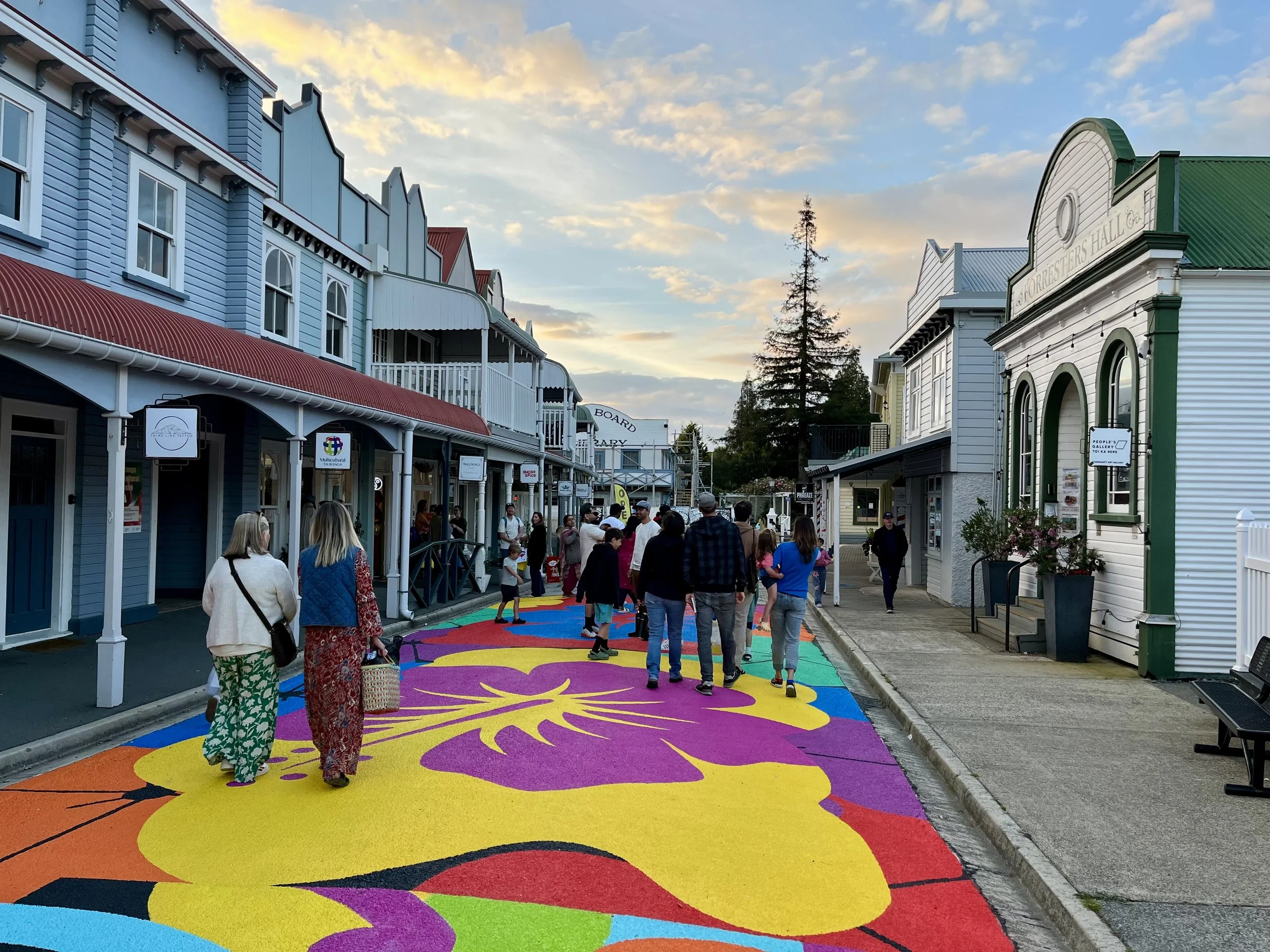
The Historic Village has come alive with a new wave of energy, its heritage buildings now filled with boutique sustainable shopping, artisan studios, galleries, modern venues and plenty of delicious food lining the sunny cobblestoned streets.
A recent refresh has brought a lift of colour, with some careful restoration. The tasty food offerings are just one of the many reasons to visit. But, of course, it’s also the creative energy that defines the Village.
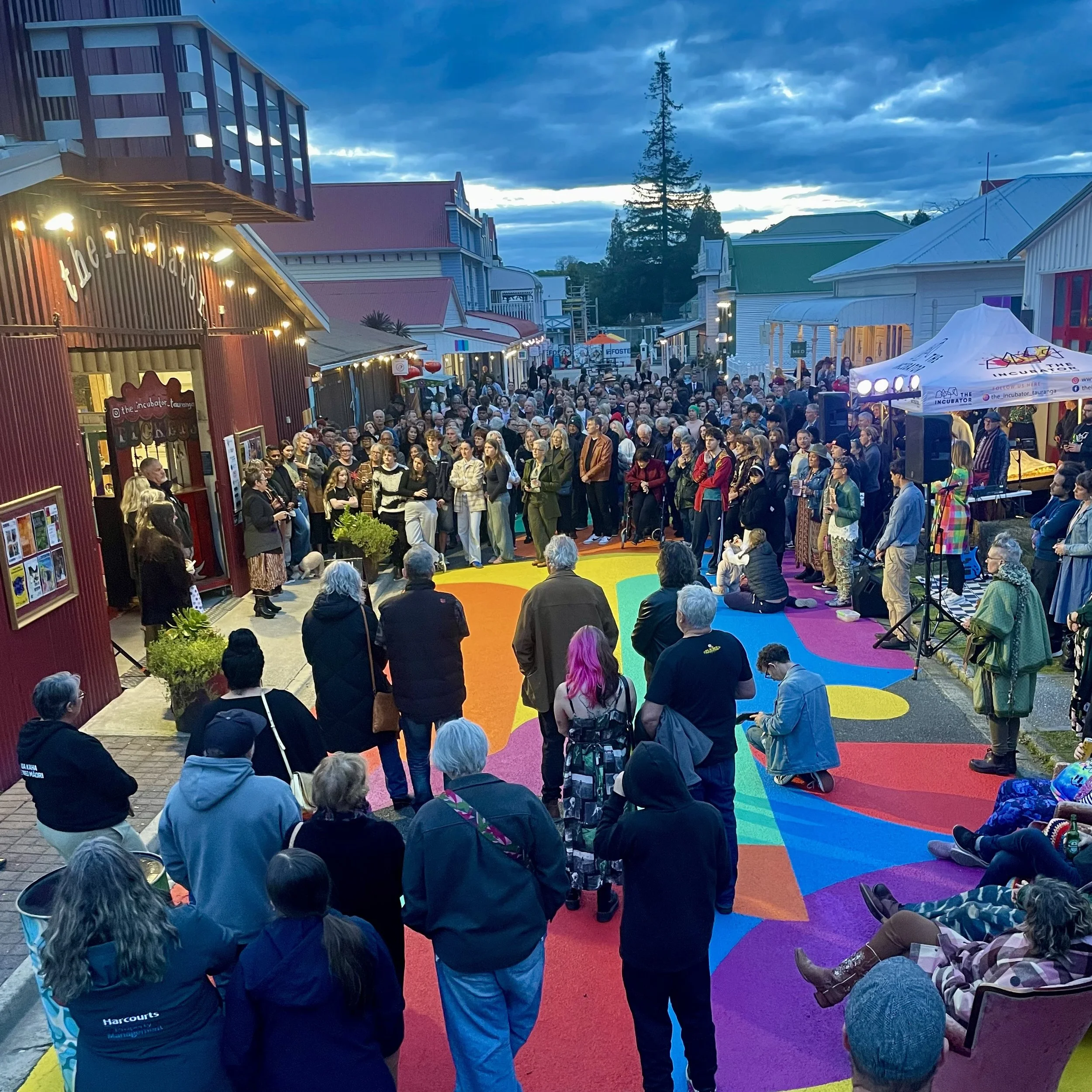
The Incubator Creative Hub anchors a broad arts community with exhibitions, workshops, a boutique cinema and live sessions at The Jam Factory. Their Tauranga Runway installation — nearly 100 metres of striking pavement art by local and international artists — has become a talking point on Main Street.
The Village also draws large community events, from Tauranga Diwali and Waitangi Day commemorations to the Multicultural Festival, Asian Food Festival and the ever-popular Jazz Village during the National Jazz Festival. It’s well worth a visit!
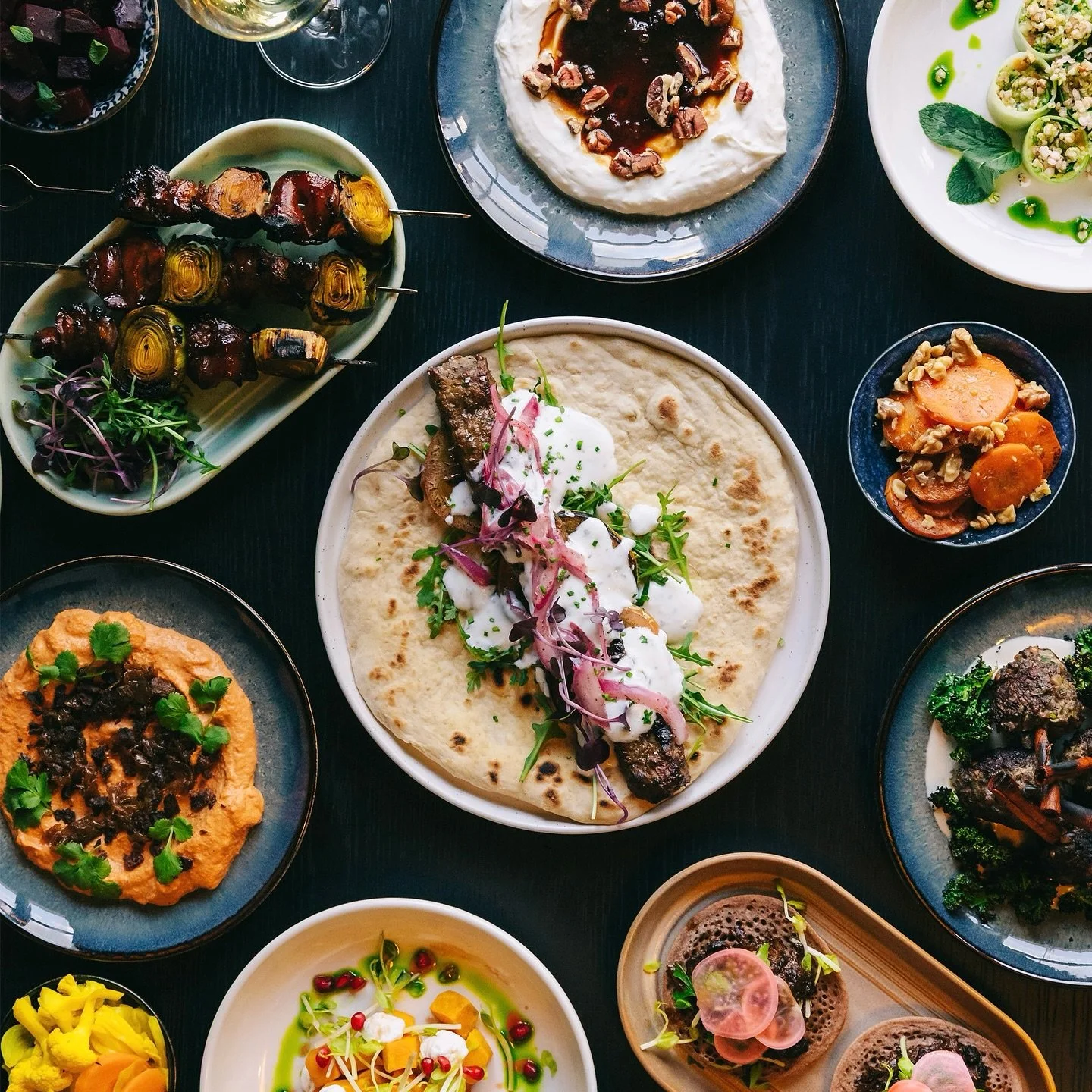
THE MED LOUNGE & GARDEN
For fans of delicious Mediterranean food, The Med Lounge & Garden is bright, welcoming and just a little addictive, thanks in part to its house-made pitas, baked fresh at Falafel Metro. Fillings range from chicken and beef to haloumi, sabich and falafel, each one loaded right to the bottom and finished with punchy sauces. Fries are golden, perfectly seasoned and seriously hard to resist. Lunches hum with locals, while dinner brings a slower, more social pace under the garden lights. The food and atmosphere will get you hooked.
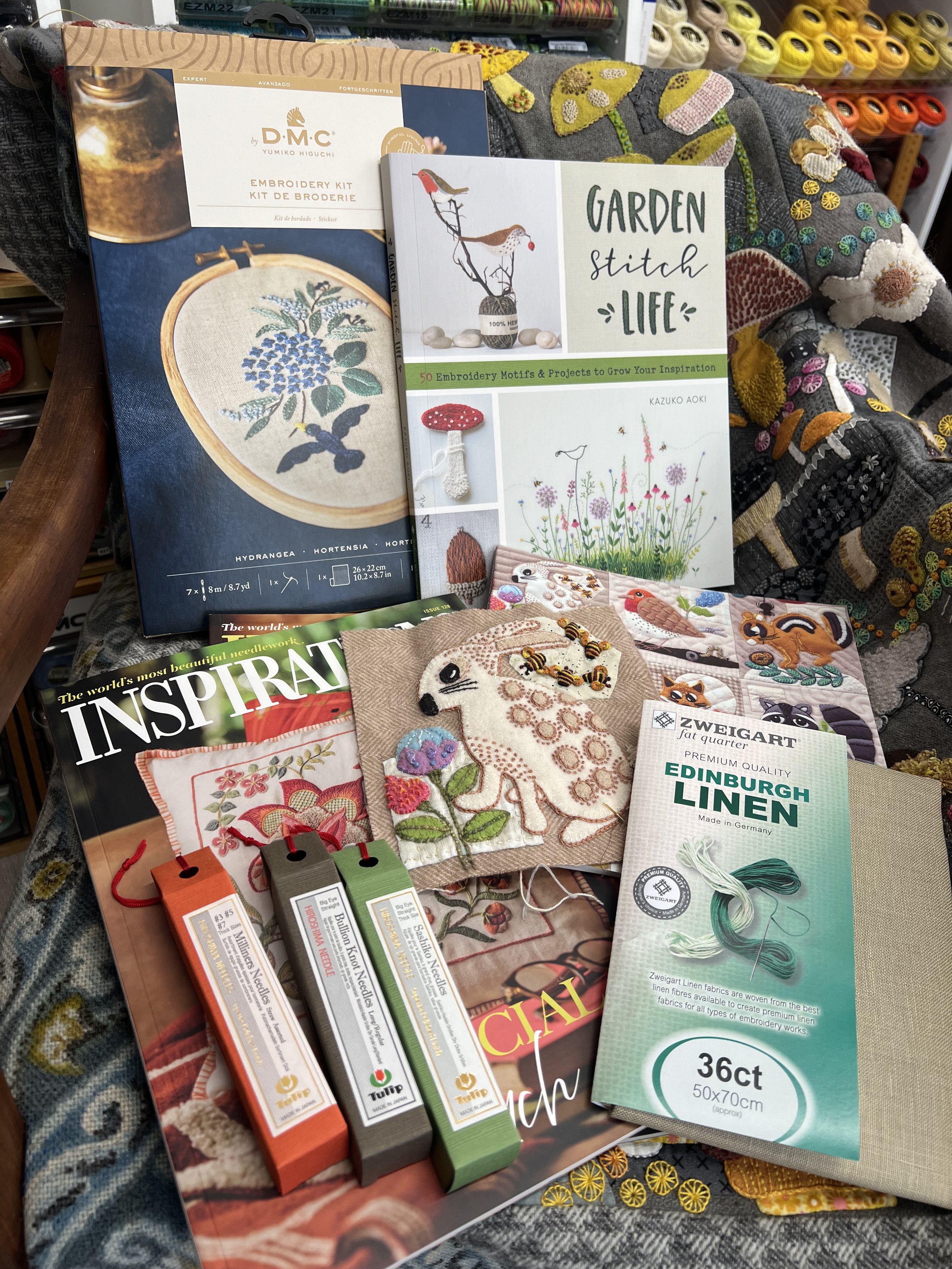
STITCHMAKERS
You might walk in thinking you just need a spool of thread, but you’ll leave inspired to start something new. At StitchMakers in Tauranga’s Historic Village, there are quality threads, fabrics, needles and kits that cater both to those new to the craft as well as someone embarking on their third embroidered masterpiece. It’s not just about supplies; it’s about being part of a creative community. It’s the place to restock your favourites, find a gift or finally start that project you’ve been planning. There’s colour and creativity everywhere.
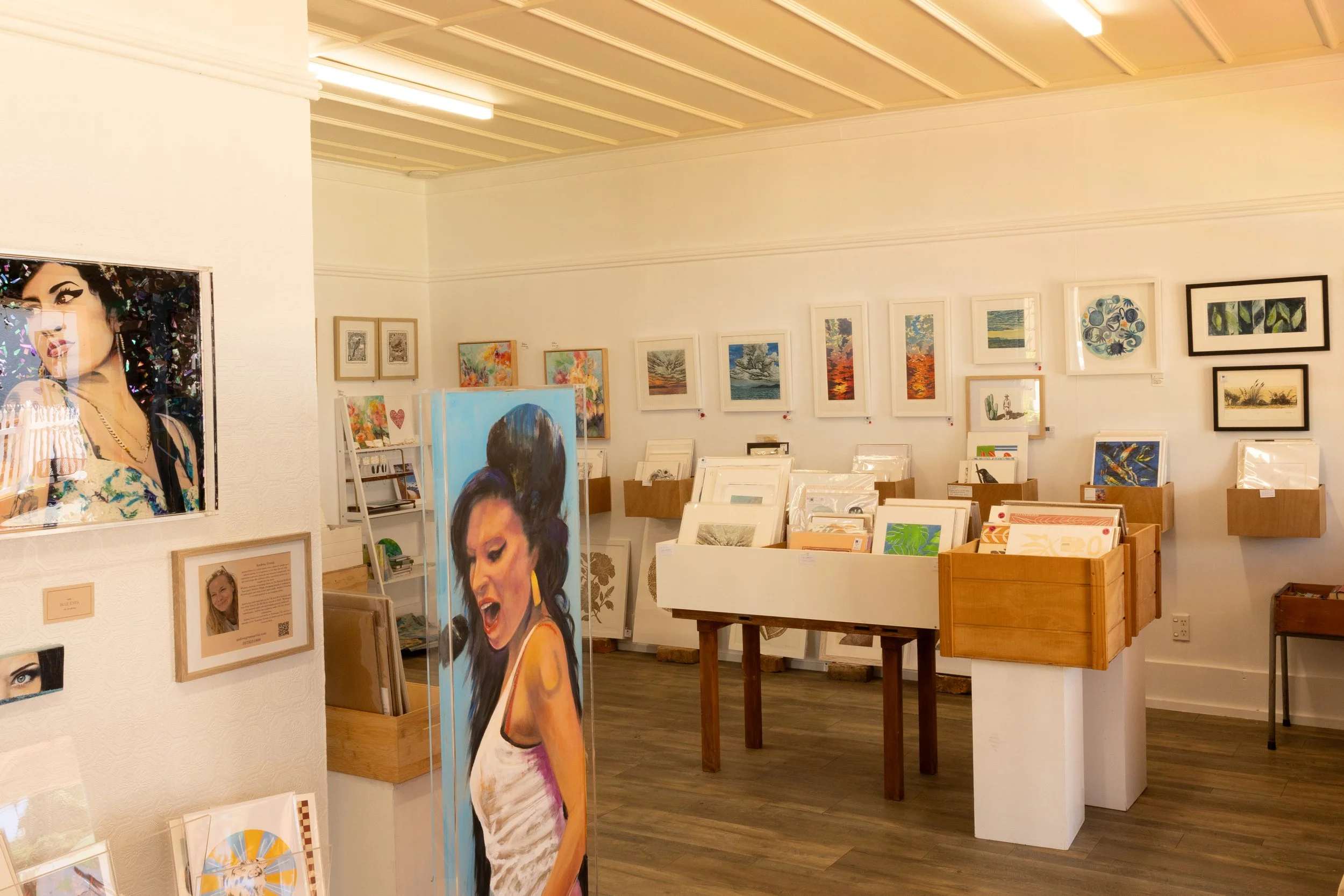
IMPRINT GALLERY
This light-filled gallery inside the village, showcases the work of three mixed-media artists – Andrea Green, Jackie Knotts and Stella Clark. Originally focused on original prints by New Zealand artists, it has since evolved to include paintings, giclée prints, cards, merchandise and a thoughtful selection of second-hand books. The exhibition space, known as The Cube, changes monthly and is available for hire. Open Tuesday to Sunday from 10am – 2pm, or by appointment, it’s an inviting stop for anyone who appreciates local creativity.
THE INCUBATOR CREATIVE HUB
Look beyond the big red barn to find the creative heart of Tauranga’s Historic Village. The Incubator Creative Hub supports 16 artist-run spaces spread throughout the Village, from ceramic studios and galleries to a vintage cinema, boutique music venue and art workshop campus. It’s where artists, makers and the wider community come together to create and celebrate. Monthly ‘street party’ exhibition openings turn the Village into a hive of art, while workshops and community projects keep the creative energy flowing all year round. It’s proudly accessible, and proof that art in Tauranga isn’t hidden in galleries, it’s thriving right out in the open.
AWHI
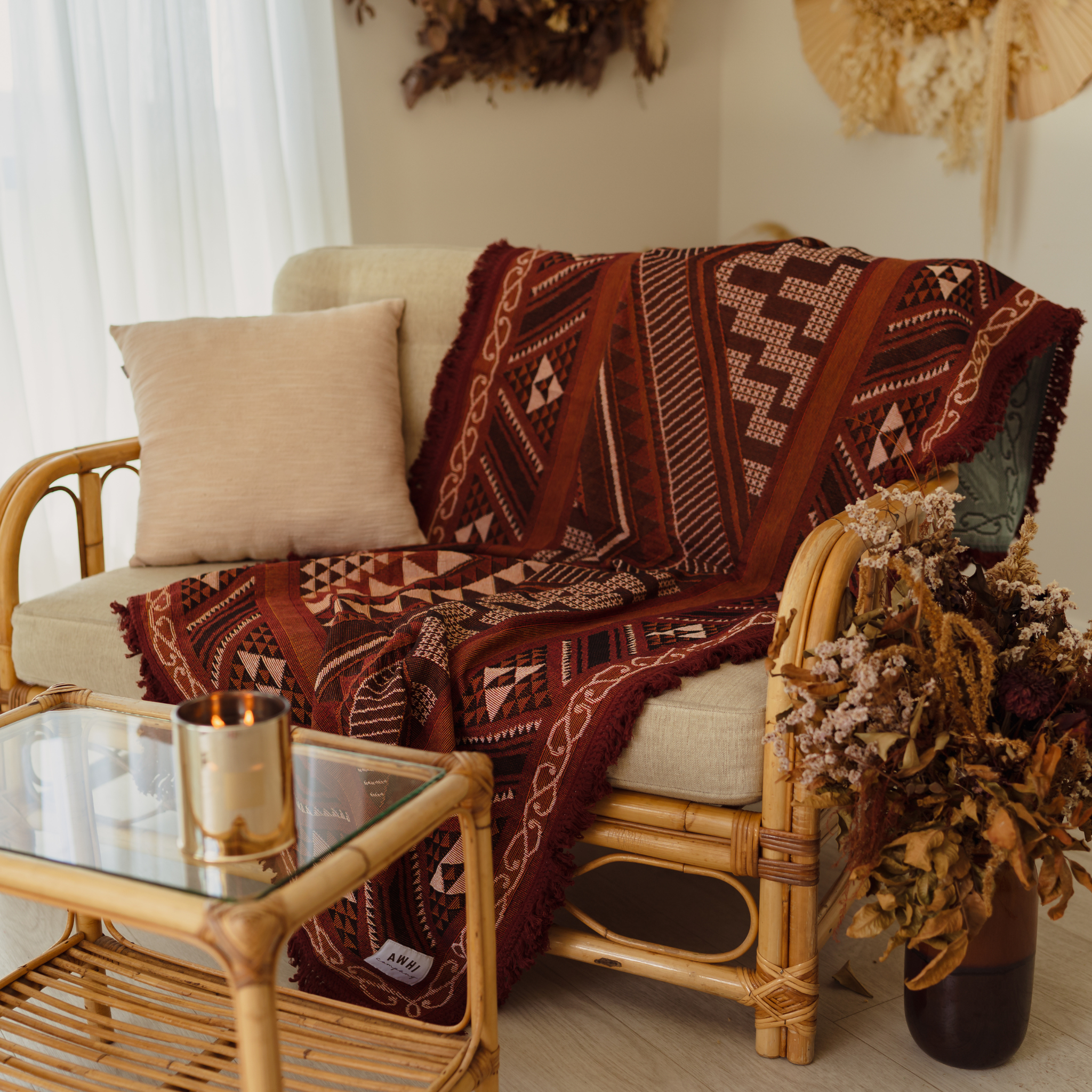
Awhi Company is a Māori-owned pakihi creating blankets for the whole whānau. Their store in Tauranga Moana includes pēpi essentials, clothing, kai, skincare, books, gifts and everyday home items. They support over 30 Māori-owned businesses and every product in store is chosen with love. What began with handmade baby blankets has grown into a place where everyone can discover products made with care and feel wrapped in aroha.
TRÉS CHIC / VILLAGE BEAUTY / HEMP DEPO (HISTORIC VILLAGE COLLECTIVE)
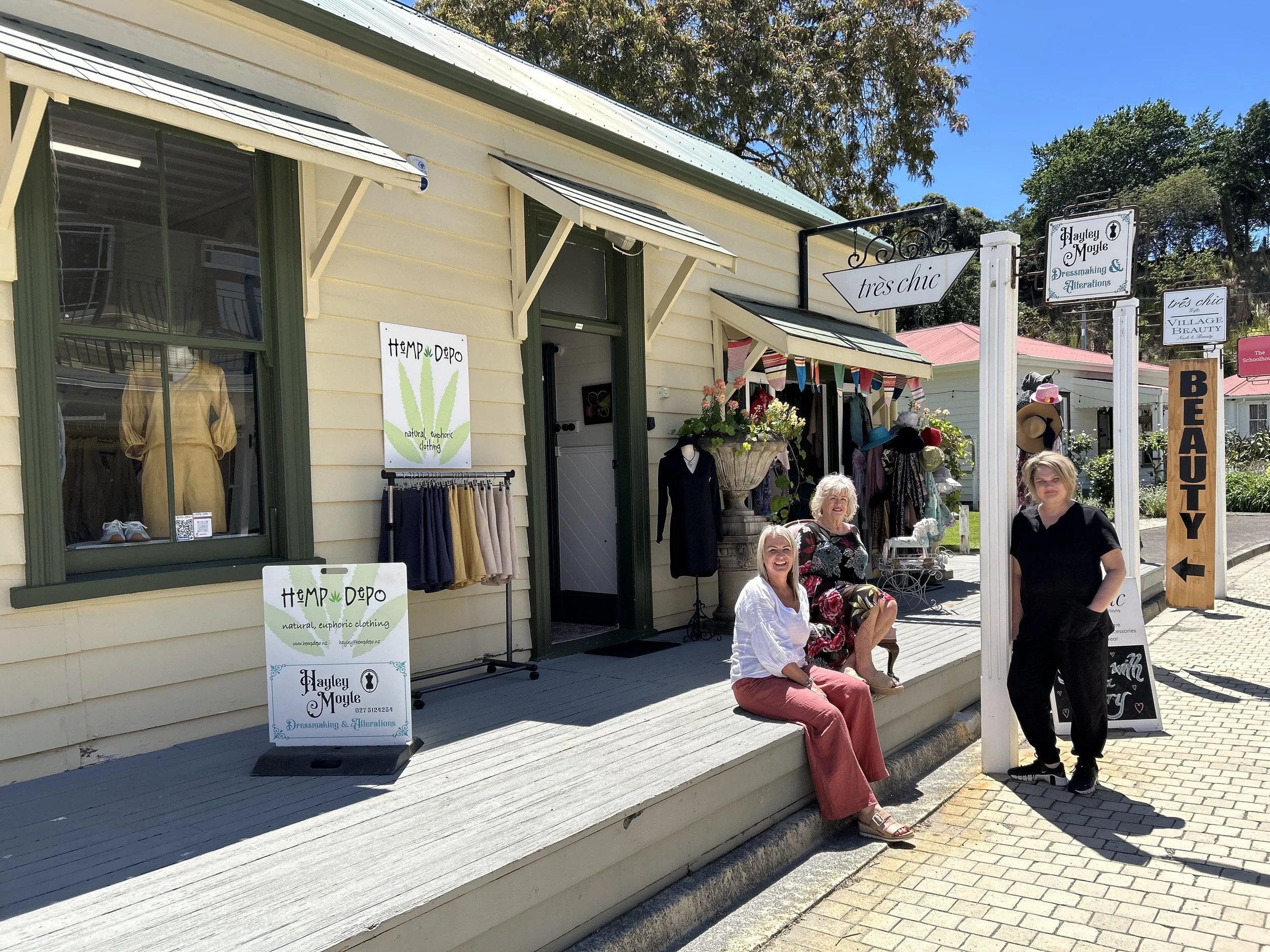
Three businesses share one roof here and each brings something distinct. Trés Chic adds flair with its mix of eclectic giftware and fabulosities, Village Beauty brings more than 30 years of experience in skin and beauty therapy, and Hemp Depo offers sustainable hemp clothing and alterations. Together they’ve created a friendly, community-driven marketplace where you can take your time, and easily f ind something you didn’t know you needed.
TIMBER WITH A CONSCIENCE
A centuries-old Japanese timber tradition brings sustainable beauty to Tauranga’s newest design showroom.
A centuries-old Japanese timber tradition brings sustainable beauty to Tauranga’s newest design showroom.
WORDS JO FERRIS / PHOTOS SALINA GALVAN + SUPPLIED
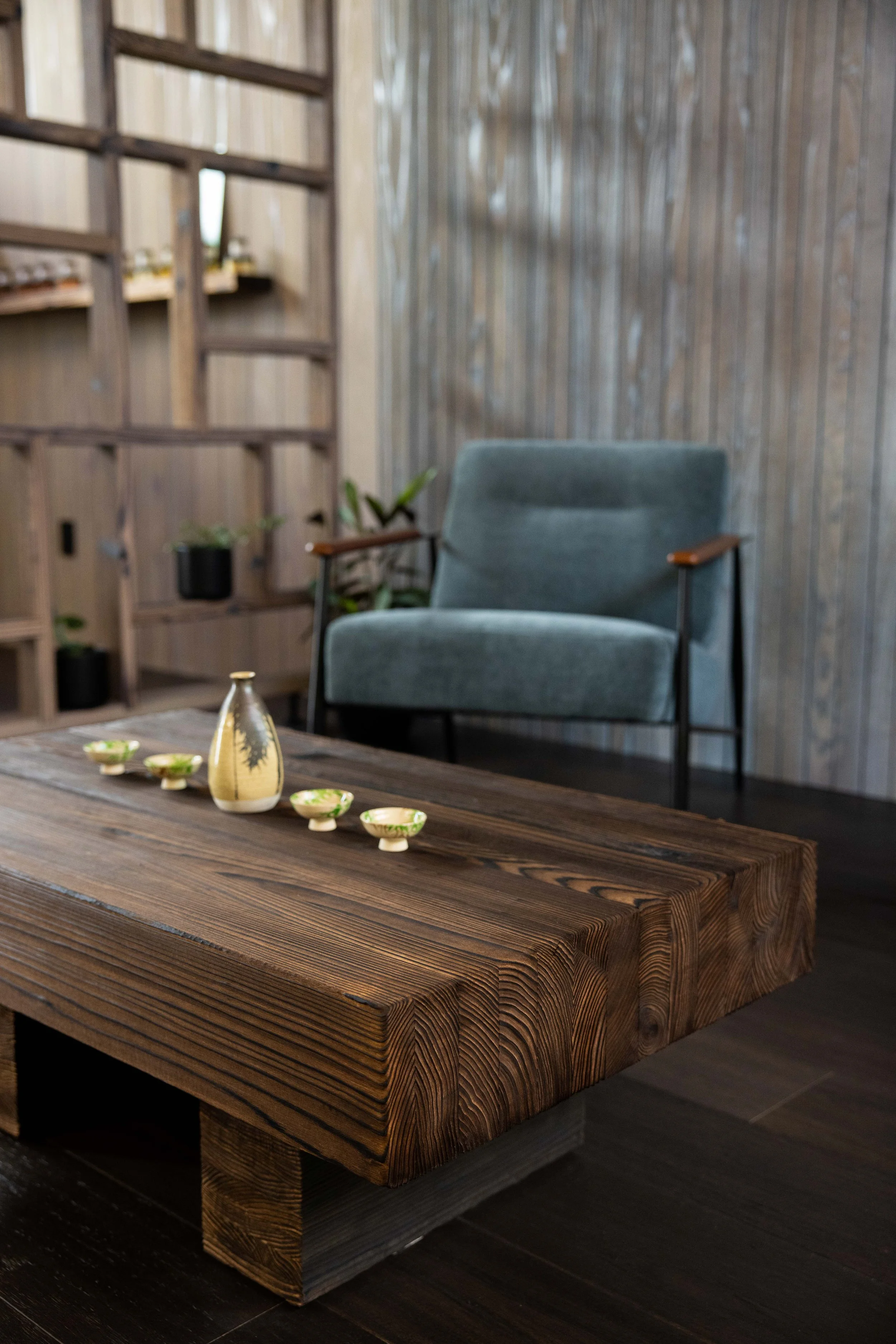
Centuries’ old Japanese philosophy and unique timber is catching eyes with the opening of a brand-new showroom in Tauranga’s Piccadilly Arcade. Sugi is Japanese cedar.
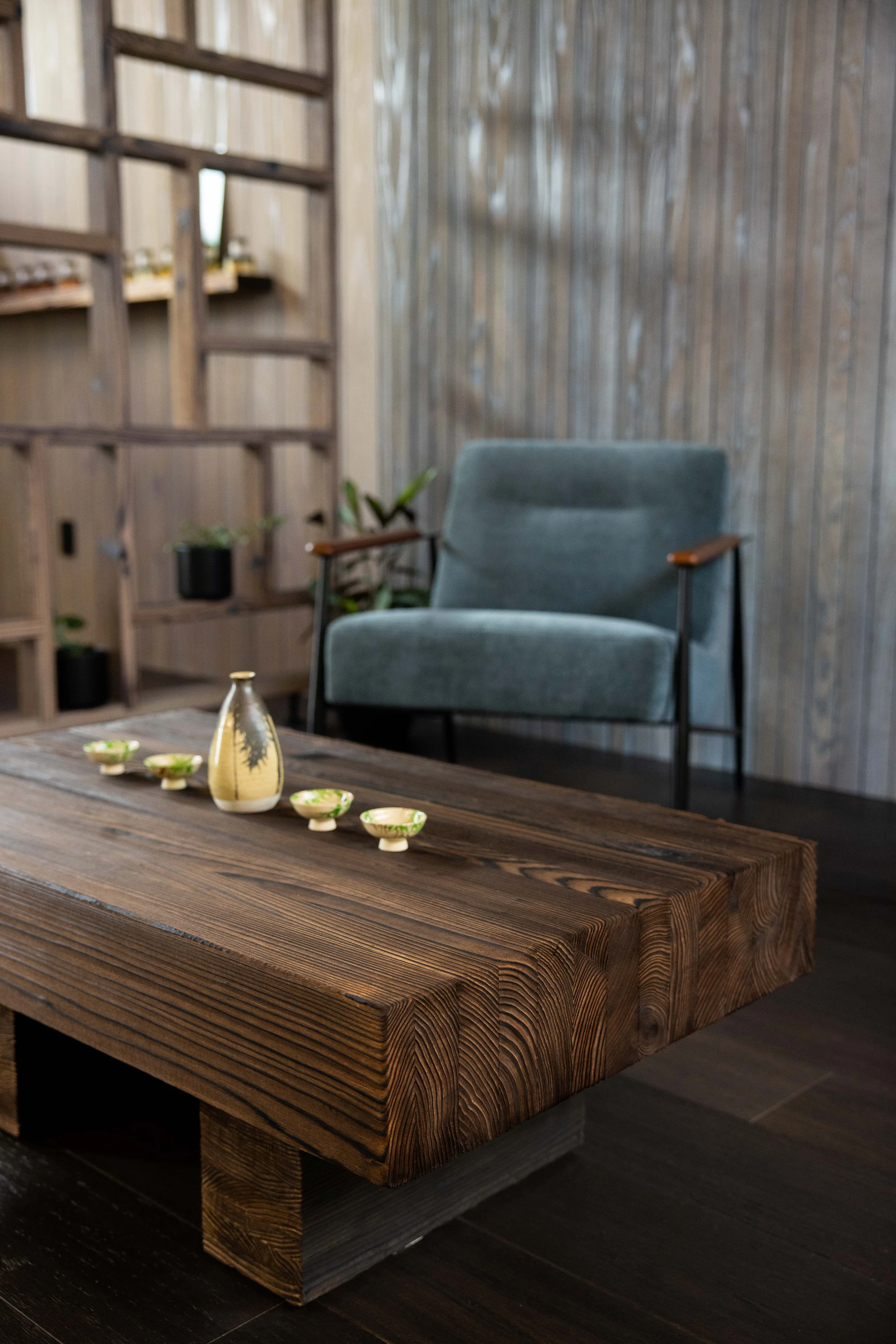
As a construction material, cedar isn’t new in this country. What makes yakisugi — charred Japanese cedar — unique, is the extraordinary effects created in various profiles; both as exterior cladding and internal elements.
Architects and builders have used sugi in several homes in this region. However, the product has sat relatively under the radar. Pentarch Forest Products is the New Zealand arm of Australian company Pentarch Forestry, one of Australia’s largest suppliers of hardwood. Its new showroom introduces this unique timber in a variety of forms and finishes.
Yakisugi isn’t simply cedar. It is an artform; complex in its simplicity, visually striking, durable and healthier.
Pentarch imports manager Margerita de Kwant says sugi is timber with a conscience. When you understand its history in Japanese culture over thousands of years, it’s easy to appreciate its place in New Zealand; as designers, builders and homeowners seek more eco-friendly products.
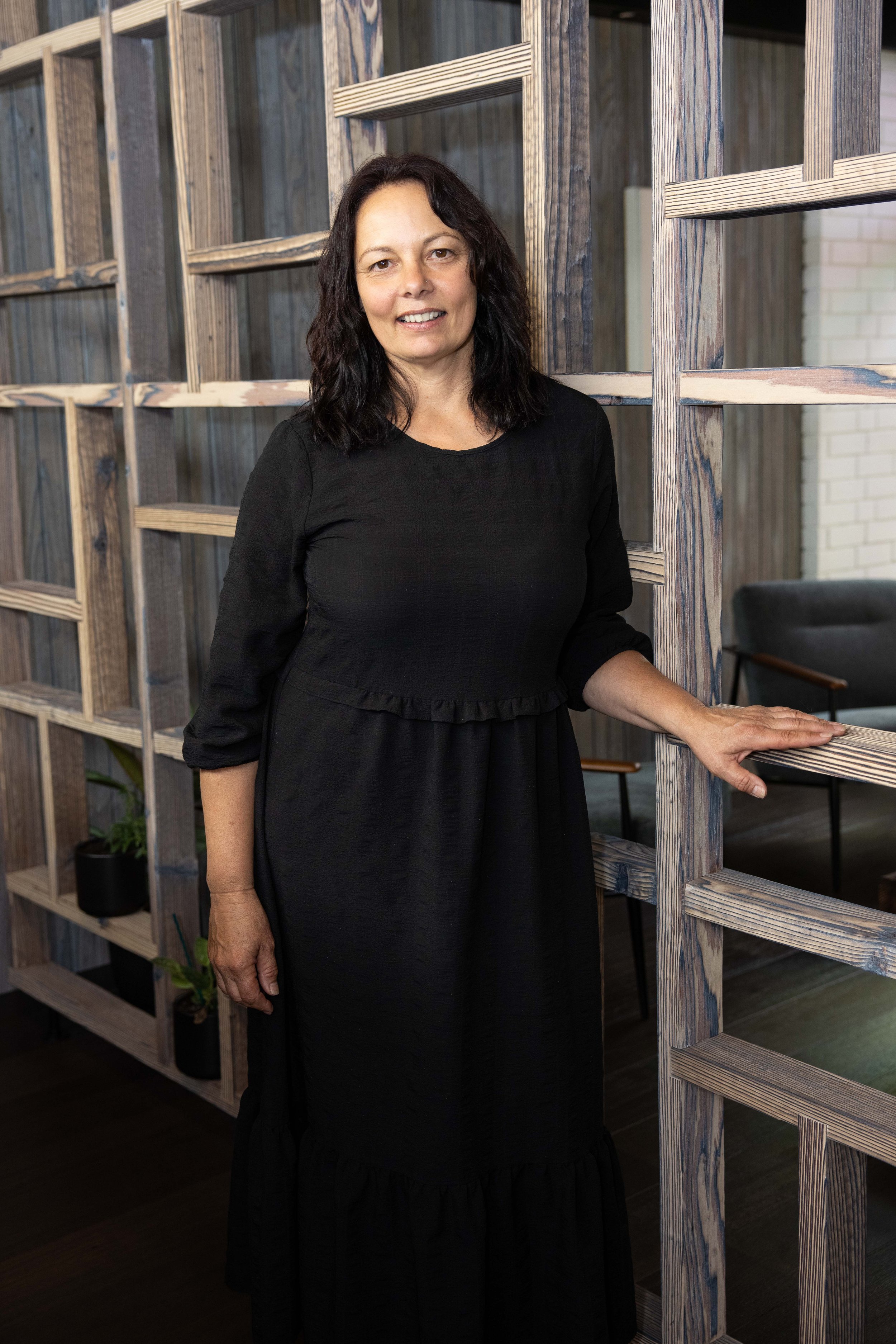
Pentarch imports manager Margerita de Kwant
With about 68 percent of Japan covered in forests, thoughtful stewardship involves careful planting; harvests timed to maintain forest health, while reducing waste and minimising transport impacts.
Thanks to Japan’s efficient marine freight, Margerita says the carbon footprint of shipping is on a par with sourcing other materials. With sugi sustainably grown in Japan and processed in New Zealand, it is an affordable alternative.
The secret lies in yakisugi’s making. Through a highly-controlled fire process, yakisugi achieves stronger durability in minutes — involving intense kiln drying and removing the need for chemical stains or synthetic paints.
Thanks to Pentarch’s association with Motueka-based Natural House Company, its range of natural oils — comprising earth pigments and beeswax — enhance sugi’s healthier aesthetics and striking tones. This, on top of the various profiles themselves. Defying logic, the fully charred, black surface provides the highest durability and thermal quality, as evidenced in the ancient shrines of Japan, according to Margerita.
As the timber is brushed to create differing effects, the result is not only artistic, it’s three-dimensional when viewed in different lights and angles. Against varying backdrops, colours also appear to change.
Depending on location, external cladding’s maintenance reduces as years pass; making yakisugi even more cost-effective. Internally, its use is limitless — wall panelling, battens, screens, architraves — even furniture. Stepping inside Pentarch’s showroom in Piccadilly Arcade is like entering a whole new world in construction and interior design.

RHYTHM AND FLOW
Tauranga Museum promises to transform the city centre as it unveils its stunning state-of-the-art floating design.
Tauranga Museum promises to transform the city centre as it unveils its stunning state-of-the-art floating design.
WORDS JO-MARIE BAKER

Hidden behind construction hoardings on Hamilton and Willow Street, a breathtaking project is beginning to rise that will at long last unleash Tauranga CBD’s full potential.
Tauranga Museum is due to open for Matariki celebrations in 2028 and will undoubtedly transform our city centre. The wider $306m civic precinct, Te Manawataki o Te Papa, is expected to triple daily visitor numbers, and the museum — with its stunning façade — will be a major drawcard.
Warren and Mahoney principal architect Vajini Pannila leads a large team who have designed the new museum to look as though it’s floating above the land.
“It’s a once-in-a-generation project,” she acknowledges. “It was a moment for zooming out and thinking about the future of cultural buildings and asking, ‘what will a museum be in the future?’ These cultural and arts projects are very close to my heart, and I believe quite deeply in the impact they can have on our next generation.”
Extensive design workshops and consultation with mana whenua have created a building which will return the site to a place of prosperity and become a vibrant public space.
“Mana whenua were once thriving on this piece of land. It was a place of abundance. One of our design strategies was to have a continuous landscape that’s uninterrupted underneath the building. That also means the general public should be able to flow through it, so the foyer is designed in such a way that you can walk from one side of the site to the other.
“One of the concepts for the site-wide landscape is this idea of flowing water and pebbles, and so we’ve shaped the entrance foyer, which has a big level difference, to get this feeling of water having carved away these ramps, stairs and terraces. We took the challenge of trying to create a place where people can stop and sit. It’s like a living room for the city.”
The façade itself is inspired by traditional Māori storage vessels, such as woven baskets and waka huia treasure boxes. Caramel-coloured aluminum blades with a hint of metallic speckle are woven around the outside of the building, while a textured brick bends and curves its way around the base of the exhibition space in a strong geometric design.
“We have some deep cutouts within the tilted blades with some reflective glass elements sitting behind them. So a weaving pattern emerges in different ways as the light hits it at different times of the day. The exterior melts away and then it builds back up. It’s got this rhythm to it,” Vajini explains.

Warren and Mahoney principal architect Vajini Pannila.
“We did a lot of work on developing a bespoke profile for those blades, to get this sense of reflectivity and shadow and depth. Throughout every day it will look different depending on where the sun is and the season. We put a lot of work into that.”
She’s most proud of how the design enables such a large building to sit so lightly on the land. “The façade was a challenge because in order to make the building look very simple, the form of it has to work really hard to tell the story of these vessels. Getting the material to flow around the corners is really pushing the innovation in New Zealand. I think we’ve turned something that was a challenge into something that will be a triumph for a lot of different New Zealand suppliers and contractors.”
One eye-catching feature is inspired by a hīnaki (eel trap), which has an opening to draw fish inside.
“Typically for museums and gallery spaces, natural light is not welcome. But we had a very collaborative process with the museum director and have created a large glass opening that you’ll be able to see from the waterfront to help attract people to visit. The museum is curating a very special object that will be seen from that aperture. It will look incredible!”
The design team also collaborated with local Māori artists whose work will be overlaid on various architectural features, such as a frit on the glazed atrium roof and walls, and patterns on some of the exterior brick.
“They’ve taken our site-wide concepts and they’ve translated it into their art. So there’s a lot of ideas that are reinforced and keep finding form through our work and their work.”
Vajini says cultural engagement and co-design has been integral to the project. “The museum is a moment of reconciliation where this site will return to being a place of coming together and prosperity again.
“Civic buildings are a place where we understand our shared identity. I think people will feel in awe of Tauranga’s history and really understand their place within these rich stories that have come before them.”

A FRESH CANVAS
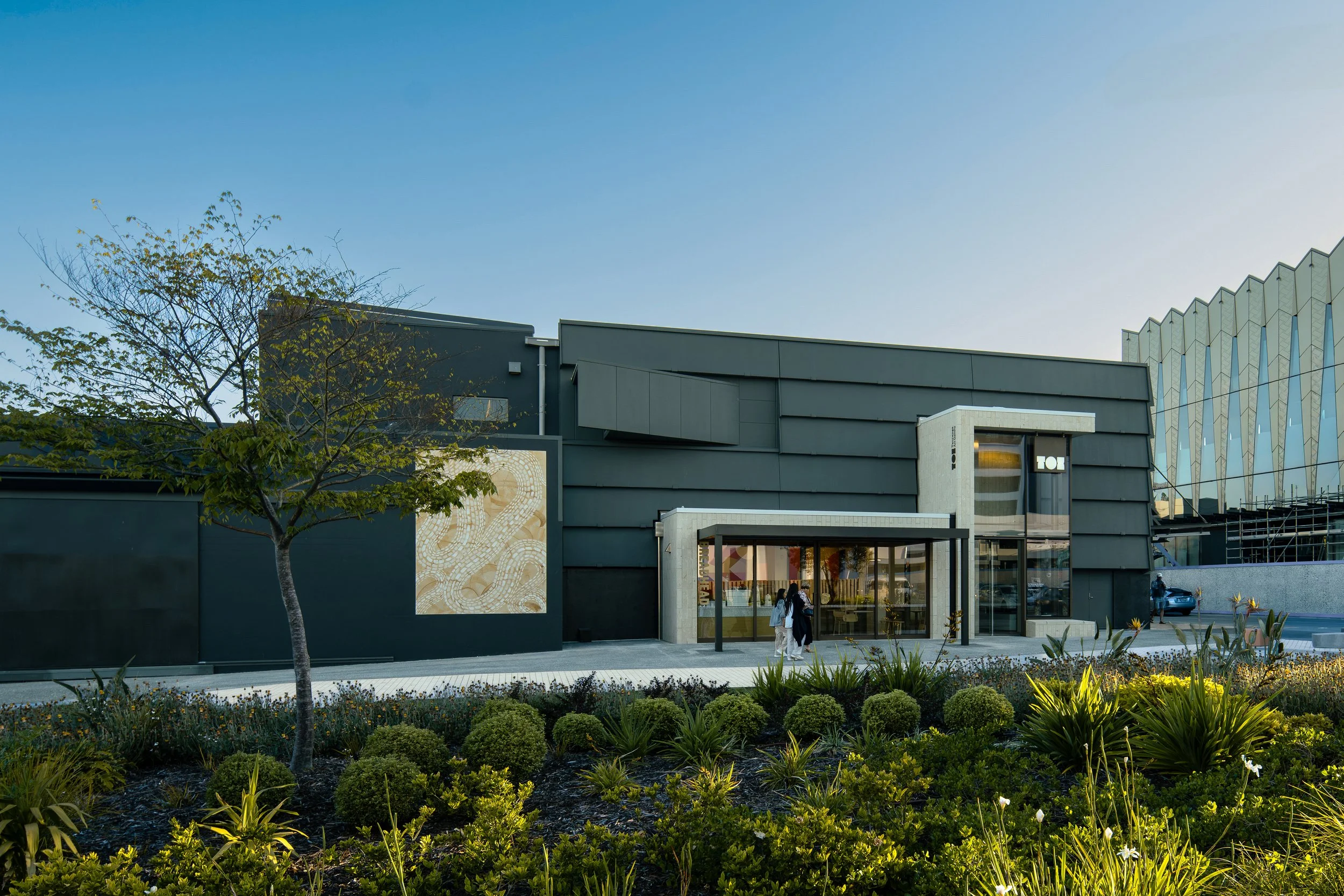
At Toi Tauranga Art Gallery, the new Creativity Centre offers a welcoming space to slow down and explore.
At Toi Tauranga Art Gallery, the new Creativity Centre offers a welcoming space to slow down and explore.
WORDS JO-MARIE BAKER | PHOTOS BRYDIE THOMPSON, IAN HUTCHINSON + SUPPLIED
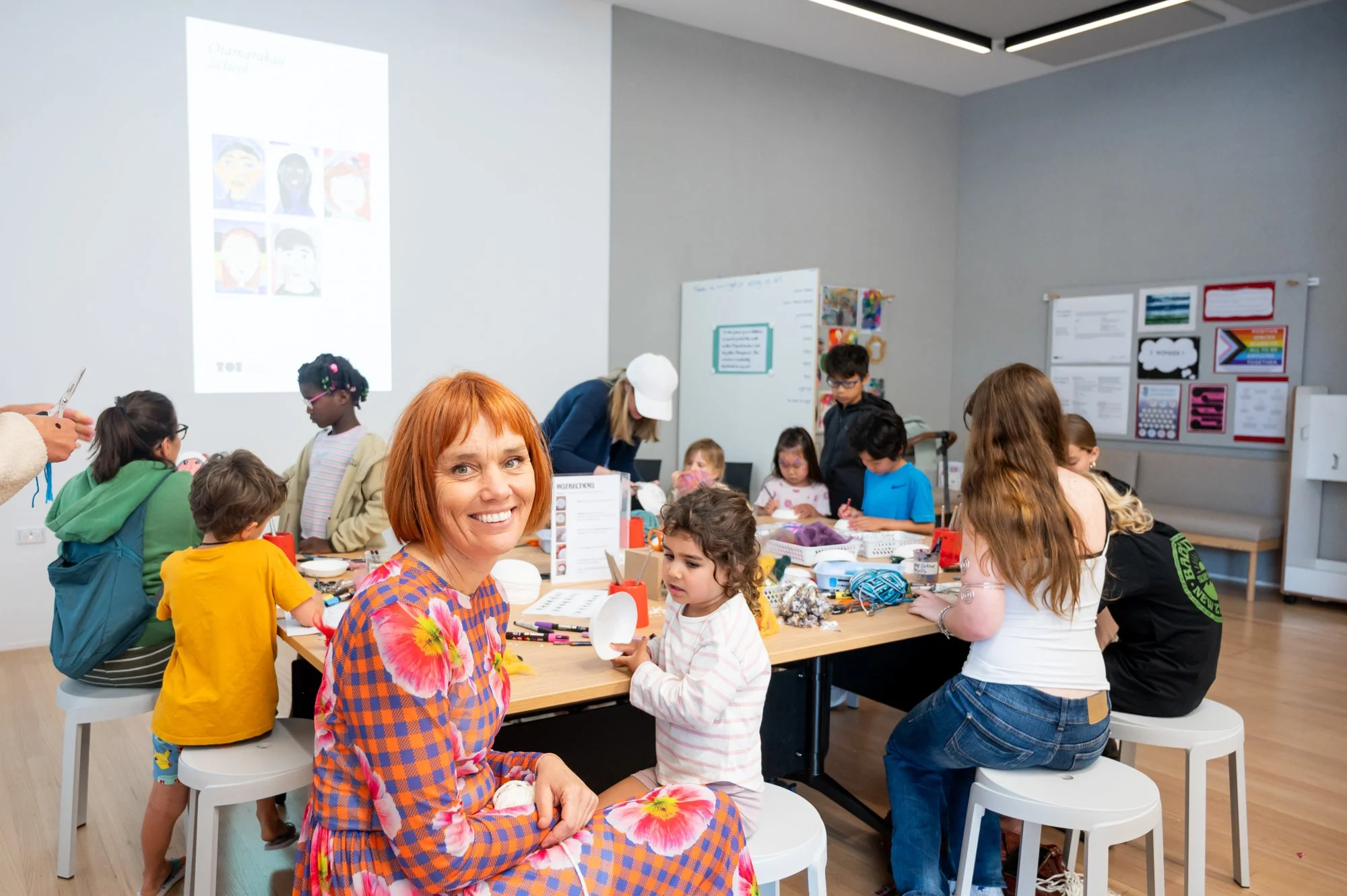
Angie Ogilvy-Clark, education lead at Toi Tauranga Art Gallery.
Hands-on creativity sparks curiosity and joy, and Toi Tauranga Art Gallery’s new Creativity Centre is now becoming a central city haven for tamariki and adults alike.
“Creating art is about communicating in a visual sense,” explains Toi Tauranga Art Gallery director Sonya Korohina. “It’s another language and a way to express yourself and begin to engage with the ideas of others. In our fast paced, over-stimulated world, our Creativity Centre encourages us to really just pause, slow down and engage more deeply with what’s in front of us.”
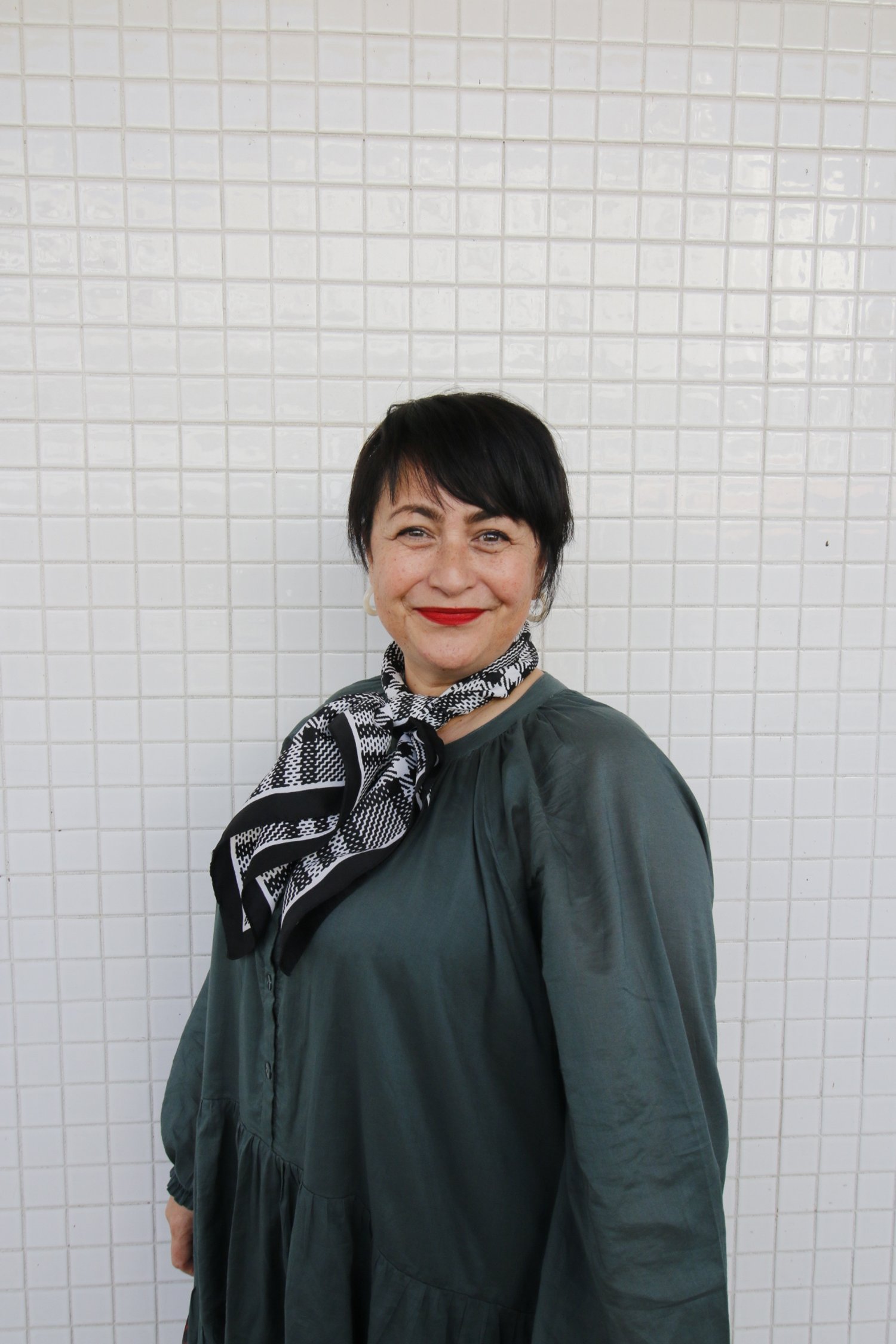
Sonya Korohina, director at Toi Tauranga Art Gallery
This light-filled space is one of the highlights of the gallery’s recent redevelopment and is designed to host school groups, holiday programmes, weekend drop-in activities, workshops for all ages and more.
“Our Creativity Centre is a wonderful education space for our schools to come through during the day but it’s a flexible space for all ages, so we can host everything from an art history lecture series to a community group who want to make tapa cloths. Parents can also bring their children here at weekends and do hands-on art activities. There’s lots of lovely natural light coming in too which is really important as that often affects your creative mood.”
Adjustable tables and custom-designed seating can accommodate different heights, while the addition of sinks, cupboards, a data projector and multi-use peg boards mean the Creativity Centre can transform into a creative workshop space suitable for different ages and diverse interests, or be hired for meetings and events.
Sonya says the gallery’s education programme ties in with the national curriculum, with free teaching resources provided to schools before and after their visit. A bus paid for by funders is also available, making it easy for schools to travel to the city centre.
“It’s really important that children get to experience exhibitions rather than just looking at art on an iPad,” she says. “There’s nothing like actually being able to view a painting with a lot of detail in it or seeing the brush marks that the artist has made.
“Our education staff are all trained teachers who also come from art backgrounds. They develop workshops and programmes that relate directly to the shows that are within the gallery, so that might include clay making, sculptures, painting or even screen printing. Each child leaves with an artwork they have created in response to something they have seen that day.”
The gallery is currently seeking a naming partner for the Creativity Centre and is keen to hear from interested businesses or organisations. “It’s a wonderful way to give back to the community and to our next generation as well. It’s also an opportunity to be aligned with creativity, innovation, toi Māori and design, and have that reach out into our schools and local families.”
“We’ve also developed an interactive ‘Curiosity Guide’, which is a free booklet for all ages. There’s a couple of pages for each artist, and you can literally spend all day drawing, painting and moving. There’s even a page that encourages you to move like a worm based on one exhibition. Our Curiosity Guide allows children and adults to have a more enriched and deeper experience at the gallery.”
An artistic treasure hunt also awaits young visitors. Four ‘wonderboxes’ are now hidden in the walls of the gallery, with small symbols the only clue that something lies inside. “When you find and open each door, all of which are at the height of children, there’s a little exhibition hiding there, all lit up, to view. We’ll be changing them out from time to time so artists are regularly being commissioned for a wonderbox installation.”
Sonya says the gallery’s vision is for the Creativity Centre to become a lasting creative legacy for Tauranga Moana, making it a place of innovation and community pride.
“We’re excited to now have a dedicated space that’s purpose-designed for creativity in the city centre. It engages all the senses and promotes lifelong learning, creativity and wellbeing for our whole community.”

STRAND AND DELIVER
Shelley Pullar from Salon G presents the ultimate summer hair survival guide.
Shelley Pullar from Salon G presents the ultimate summer hair survival guide.
PHOTOS KATIE COX + SUPPLIED

Let’s be honest. Summer is glorious, but it’s also a minefield for our hair. Our locks can go from glossy to frizzy faster than you can say “beach day.” Here’s your ultimate guide to surviving the season, from a stylist who’s seen every strand scenario.
FRIZZ HAPPENS
Humidity is just moisture in the air, and your hair loves to interact with it. Because hair is hygroscopic, it absorbs and releases water depending on the environment. At around 40–60 percent humidity, your hair feels flexible and manageable. But once it hits 70 percent or more, expect frizz and shape loss. That’s when sealing in moisture is key. Think anti-humidity serums like Wella’s Ultimate Smooth Oil, which gives 96 hours of frizz control and UV protection, or Sebastian’s Taming Elixir with avocado oil for intense smoothness. Finish your style with Sebastian Reshaper for lasting hold that defies damp air.
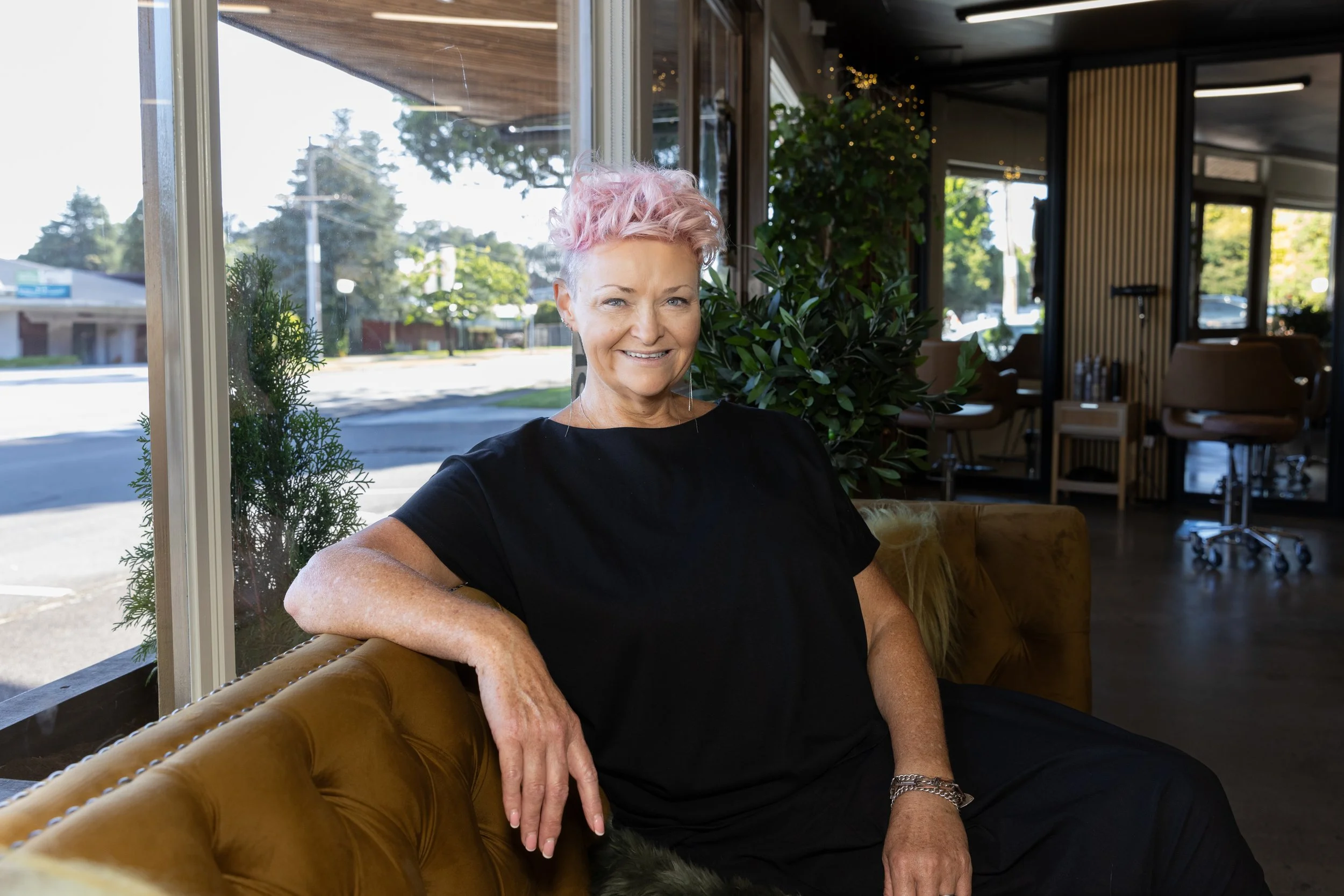
Shelley Pullar
WHEN THE AIR GETS DRY
Low humidity (under 30 percent) is just as challenging. It zaps hydration, leaving hair static and brittle. Bring back the moisture with nourishing masks or oils, and look for humectants like aloe. Curly girls swear by Clever Curl Leave-In Cream paired with Dry Weather Gel to keep curls soft and defined. Salt, sun and style Heading beachside? Prep before you dip. Dampen your hair and add a leave-in conditioner or System Professional Helio Spray, a UV barrier that prevents dehydration and colour fade. After swimming, rinse with fresh water and follow up with a rich mask. Your future self (and your comb) will thank you.
STYLE SMART
Put down the blow-dryer and embrace the effortless vibe. Braids, buns and twists are your best friends. Try the overnight braid trick for beachy waves or “sock curls” for heatless bounce. For extra texture, mist with salt spray and shake out with your fingers. Scalp and colour care Don’t forget your scalp. Sunburns here in the Bay are no joke. Protect with SPF sprays or a hat, and soothe any burn with aloe gel. For blondes, protect tone and shine with System Professional Lux Blonde Biphase and a weekly purple shampoo to keep brassiness at bay.
So, whether you’re beach-bound or battling humidity, remember that summer hair is meant to move and breathe, just like you.

IT’S ALL IN THE GENES
Romy Kerr from Genetic Insight explains how understanding your DNA can protect your health, and your family’s future.
Romy Kerr from Genetic Insight explains how understanding your DNA can protect your health, and your family’s future.
PHOTOS DEBORAH DE GRAAF

It was while watching her mum support a young couple going through the heartbreaking decision to terminate a pregnancy due to a serious congenital abnormality that Romy Kerr decided she too wanted to help people through some of life’s biggest and most distressing challenges. She was studying science at university and, in her words, stumbled into a genetics course by chance and quickly fell in love with it. Even still, she knew she didn’t want to work in a lab all day.
“I enjoyed the people side of genetics,” she says. “I wanted to sit with people who are making some of the hardest choices of their lives. They need love and they need kindness.”
This led her to the field of genetic counselling. It’s a relatively small field in New Zealand, but one that is in high demand overseas. Its impact can be profound for those facing potentially life-changing information.
“Genetic counselling is the process of taking a person through genetic testing for a number of different reasons,” Romy explains. “Genetic counsellors provide information about a genetic condition that might be in their family or help someone understand a new diagnosis. We provide information about their options and how a genetic result might impact them and their family. We also help with decisions around managing health after a diagnosis, or making decisions around having children without passing on a genetic condition.”
Romy says that genetic counsellors are an information source, but are also a source of support because many of the people that she sees are having to make increasingly scary decisions. They may be learning they are at risk of a condition that has no cure, or that their children may be at risk of a severe genetic condition.
“The topics are often quite heavy and emotional, and so we’re unpacking what that means for that person,” she says, noting that its impact can be profound in offering preventive options and emotional support for those facing potentially life-changing information.
For people with a known family condition, like breast cancer, for example, a simple swab test can put their mind at ease.
“If someone has been anxious about cancer their whole lives, they can now do something practical to check their risk and then find out early if they have cancer,” Romy says. “People have had genetic testing, decided to proactively take their ovaries out due to high risk, and have found cancer at that time that they just would never have known about. It saved their lives.”

FISHER? HOWZAT?!
The inside story on how a local promoter got Fisher, the world’s most in-demand DJ, to play the first-ever gig at the Mount’s iconic Bay Oval cricket ground.
The inside story on how a local promoter got Fisher, the world’s most in-demand DJ, to play the first-ever gig at the Mount’s iconic Bay Oval cricket ground.
WORDS KARL PUSCHMANN

For the past five years, TradeMark Live co-director Toby Burrows has been driving past the Bay Oval International Cricket Ground dreaming about putting on a show there.
With its vast space and prime location right in the heart of Mount Maunganui, the venue’s untapped potential was obvious to Toby. Not only would a successful show there bring energy, pride and cultural vibrancy to the community, it’d also be a massive boost to the local economy, filling hotels, restaurants, bars and local businesses as music fans, primed for a good time, flooded into town.
But, he also knew an event at this scale would take years of planning and would involve jumping through multiple consent hoops, adhering to strict conditions, not least of which included safeguarding the Oval’s “sacred” cricket pitch, and finding a summer window within the ground’s international cricket schedule. And, perhaps most difficult of all, the crucial task of finding an artist worthy of headlining such an iconic event.
Fortunately, Toby and his business partner Mitch Lowe knew just the man for the job.
“We pitched the idea to Fisher,” he says. The award winning DJ and house music producer is one of dance music’s most in-demand artists and is also one of Toby’s most requested acts. As he says, “Fisher and this venue were a perfect recipe.”
Having brought Fisher over last summer for two massive shows, including a record-breaking gig at Auckland’s Victoria Park, Toby and Mitch had an in, but with Fisher’s global popularity, they knew that they’d still have to convince the superstar.
“He’s a surfer, so I sold him on Mount Maunganui being a beachside town in the middle of summer,” he smiles. “And, I told him it would be the first time that this venue's ever been used for a large-scale concert, so it'd be a really iconic play that would go down in the history books.”
Even with the compelling sales pitch, Fisher made them sweat for an answer. “He sat with it for about four months,” Toby laughs, remembering the nervous wait. “But when he came back to us, he was really fired up about it. We definitely popped the champagne when he confirmed. We knew that when we announced it, it would get a massive response, and it has. It’s had a crazy, crazy response.”
Toby says they’re planning for a record-breaking 25,000-30,000 people at the show and is promising that it’ll be a big night.
“The production is so far beyond anything that's been done in New Zealand before,” Toby says. “Last year was big at Victoria Park. This is looking at three to five times bigger than that. With DJs, there’s a bit of a production arms race as to who can outdo each other. They're always trying to have the craziest show in the world. I think Fisher’s team have really outdone themselves with the design of this one. It's going to be pretty impressive.”
To mark the occasion and make a day of it, the gates will open in the afternoon. You can expect a festival atmosphere, with Toby saying there’ll be several support acts warming up the crowd and performing before Fisher takes the stage, to bring the event to a triumphant close.
“To do this dream idea in our hometown is really special,” Toby says. “Culturally, having something so cool in your city gives it an energy that makes it a desirable place to live. And even if there's no other show that ever happens at Bay Oval, this will be remembered forever.”
Fisher plays Bay Oval, Saturday, January 31.
For tickets, visit trademarklive.co.nz
A NEW ERA
With more stores, more experiences and more reasons to visit, Tauranga Crossing continues to grow with its community.
With more stores, more experiences and more reasons to visit, Tauranga Crossing continues to grow with its community.
WORDS JO-MARIE BAKER
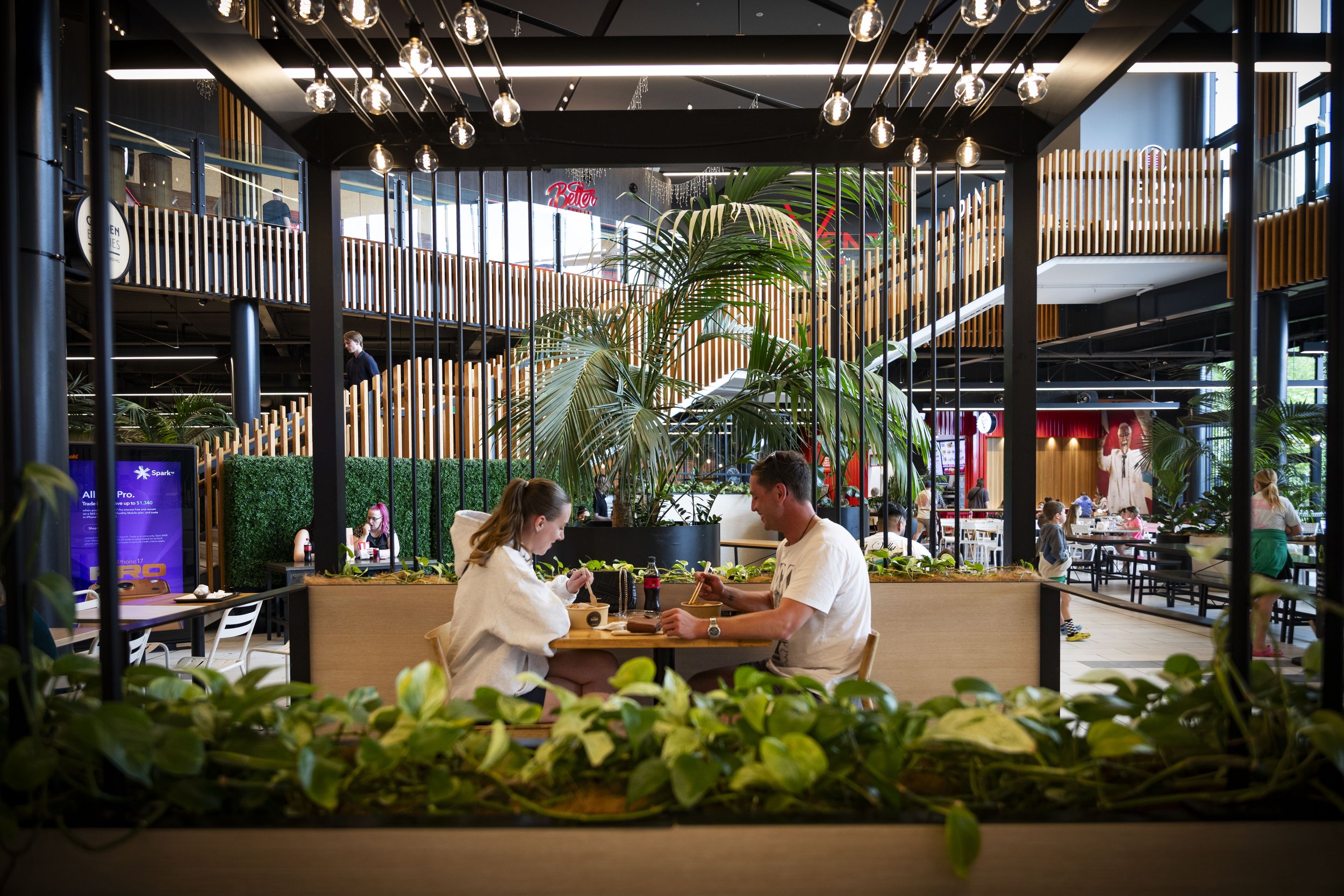
Tauranga Crossing is a shopping centre that has always had one eye on the future, and those dreams are now coming to fruition. With around 4,000 homes soon to be built in Tauriko West, and the suburb’s industrial estate continuing to expand, Tauranga Crossing is at the heart of one of our biggest growth areas.
“There is further development to come,” promises centre manager Janet Vincent. “Geographically, we’re right in the middle of the Golden Triangle and overseas retailers see that. With our new Farmers extension, we now have one of the largest retail footprints of any mall in the Bay of Plenty and we have plenty of room to expand. Plans are already underway.”
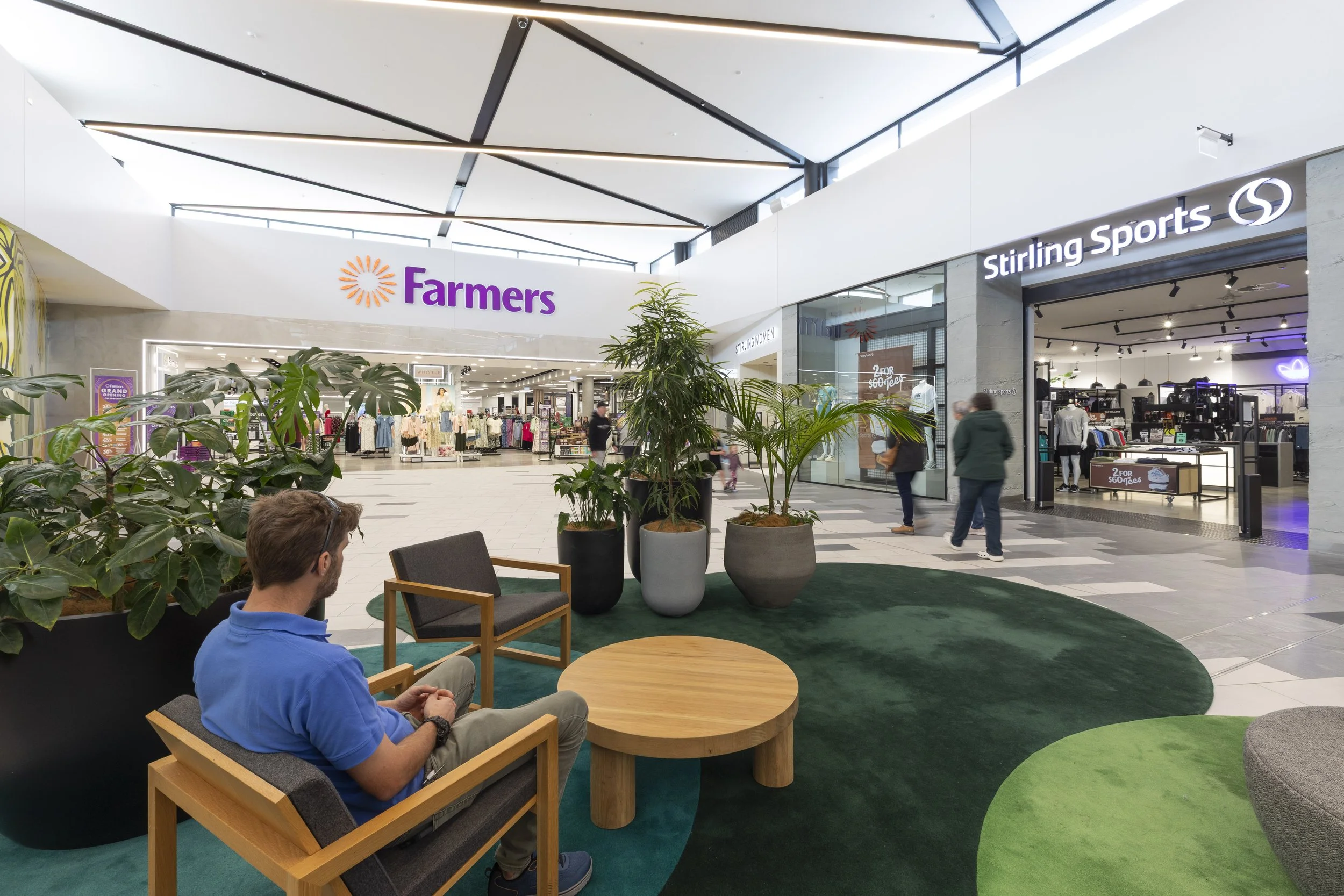
An additional 8,100m² of space at the north-east end of the mall opened in October, anchored by a two-storied flagship Farmers store alongside an expansive Toyworld, Stirling Sports, Stirling Women and Farmer Autovillage showroom. More retailers, including JB Hi-Fi, will be arriving in 2026.
“The Farmers extension is a huge milestone for us,” Janet says. “It’s a lovely, uplifting anchor to that end of the mall. It’s definitely the next generation of Farmers stores with beautiful details and finishings throughout — everything from the tiling to the lights, the dressing room décor and the shop-floor displays have been thoughtfully done and look incredible.”
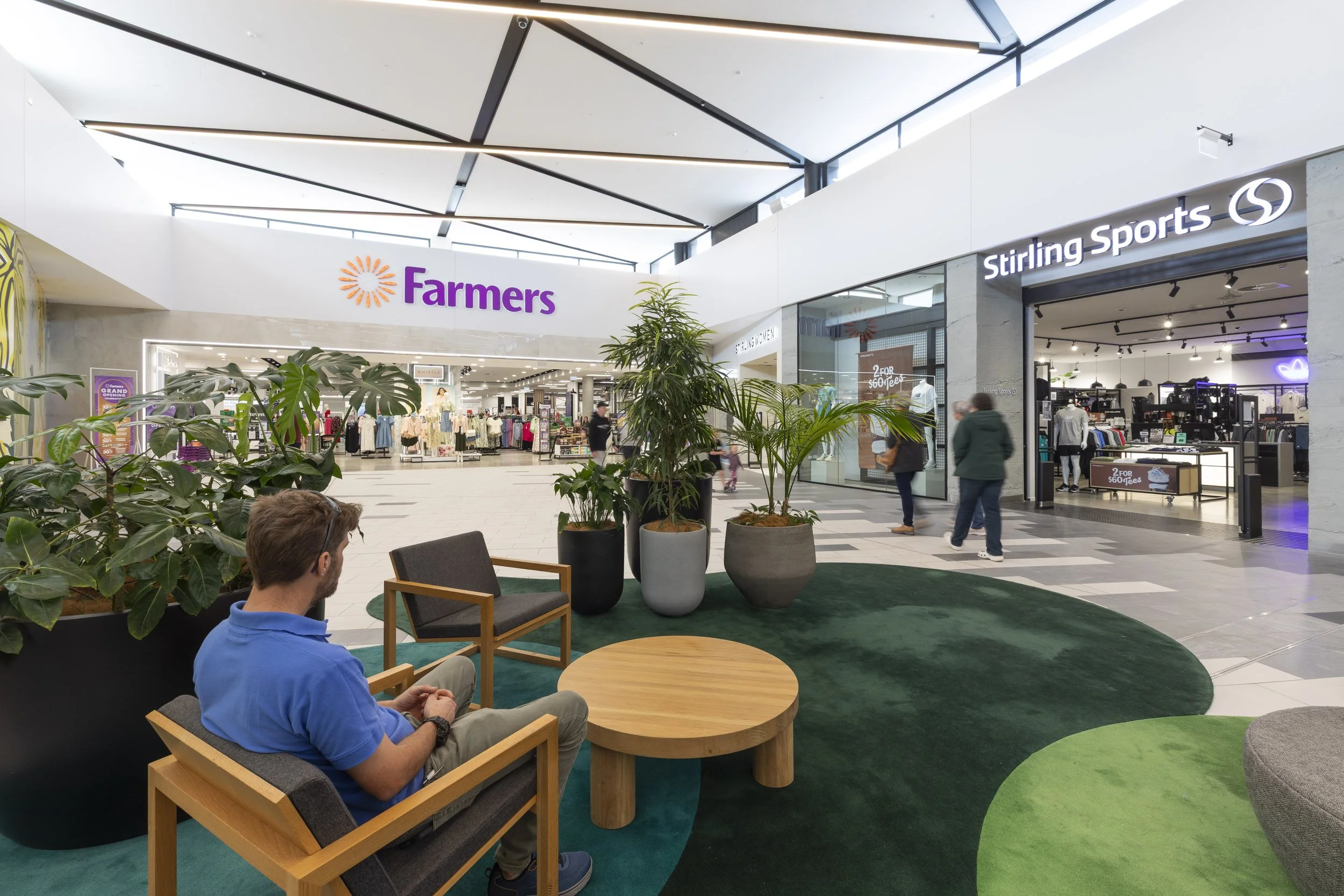
Just as much care has gone into sustainable planning and design, with 714 solar panels installed on the walls and roof above a hedge that wraps around the extension’s exterior. It will generate enough clean energy to offset the same amount of carbon as growing 1,800+ trees annually or avoiding nearly 170,000km of car travel (four times around the earth).
ChargeNet has also installed the largest collection of EV charging stations in New Zealand in the carpark — 10 fast charging points, including one campervan and one car and trailer.
Janet says Tauranga Crossing is designed to be a place where people feel welcome. And that’s never more apparent than at Christmas. “We really embrace Christmas. Being a shopping centre, there’s obviously a commercial side to it, but we want to celebrate the community side too and make it a magical space to come and visit and really immerse yourself in the Christmas spirit and excitement.
“Christmas is such an important time for retail but we’re also mindful that this can be a pressured time for people. Which is why we also provide opportunities for our community to help each other and show some Christmas generosity.”
Tauranga Crossing is hosting its second annual Trees for Charity campaign in partnership with Tauranga Community Foodbank. The public help to decorate 30 Christmas trees which will be on display throughout the centre before being donated to a family in need across the region, along with a $500 PAK’nSAVE gift card.
“We’re also collecting Foodbank donations to help bring joy and provide the essentials for everyone to enjoy a happy Christmas,” Janet says. “It’s really lovely to see how much comes in and how much the community want to be involved. It’s very special.”
With over 120 stores now spread over 50,000m² of retail space and more development on the horizon, there’s no doubt Tauranga Crossing is a significant player in our regional economy.
“We’re always listening to what customers want, and what brands they want to see here, and we’re excited for what’s to come. We still have significant development opportunities ahead including a Lifestyle Centre and Stage 4 expansion where we are actively in discussions with household-name tenants.
“But our intent is to create a space where you can experience a thriving community hub where everyone feels welcome.”
A LA MODE
A tropical escape beneath Mauao’s gaze, this Mount home is a bold masterpiece of imagination and indulgence.
A tropical escape beneath Mauao’s gaze, this Mount home is a bold masterpiece of imagination and indulgence.
WORDS JO FERRIS
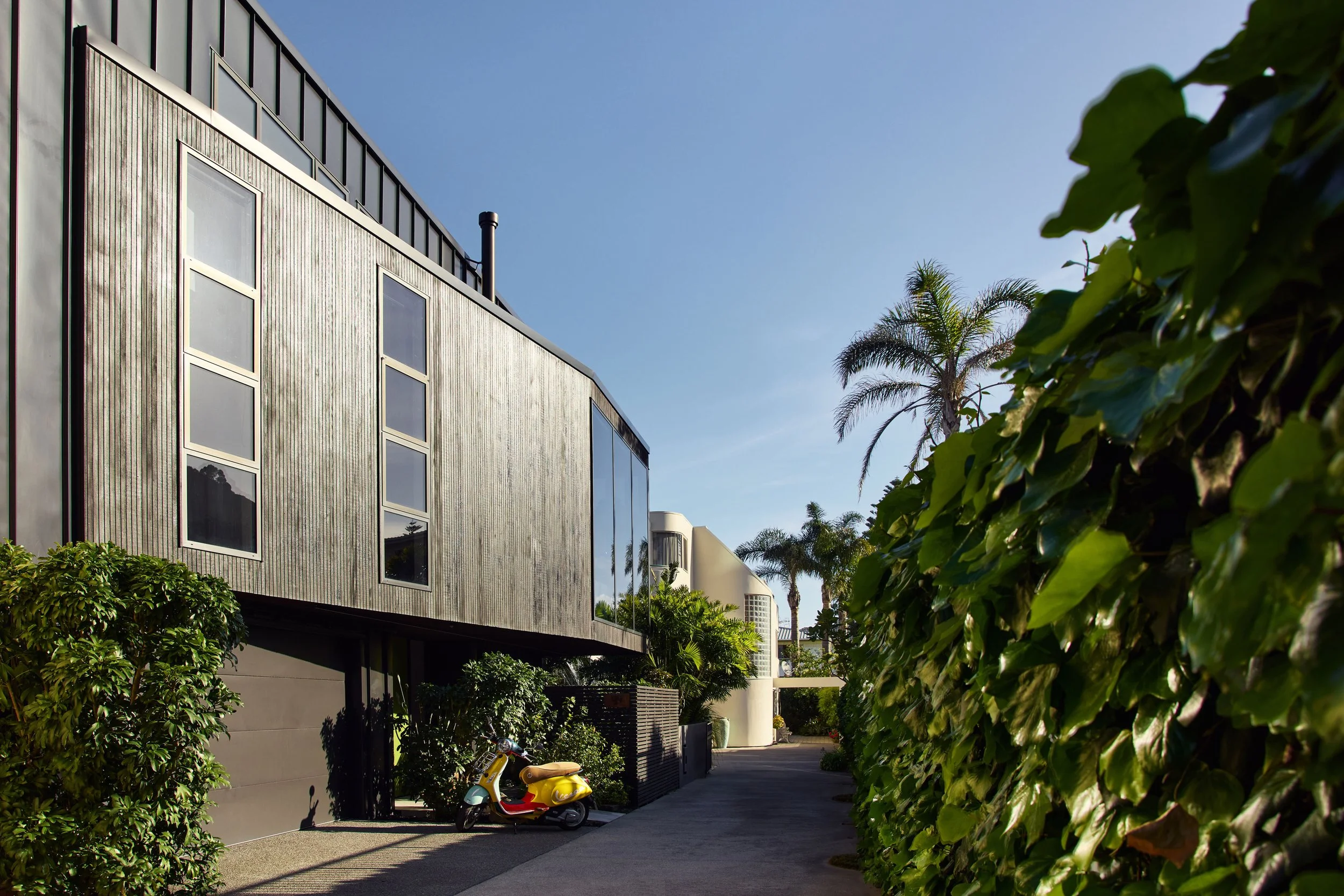
It’s hard to conceive a property like this even exists in Mount Maunganui’s blue-chip neck at the foot of Mauao; let alone one that transports you to a place of tropical indulgence. Knowing it’s the vision of a local business couple, it becomes apparent. This home is a work of art — a complex story, layered with mystique.
Hidden from the road and seemingly lost against a backdrop of high-rise towers; once inside, everything disappears. Apart from Mauao, of course. That’s one feature that should always be revered in this part of town. And revered it is, thanks to a wall of glazing in the lounge framing this iconic landmark, around to Pilot Bay.
Given a 230sqm, narrow site, wedged between a low-rise apartment complex and the house in front, a multi-level home was the only logical concept.
Tauranga architect Mark Carnachan worked to a brief that maximised sun, space and outlooks, while minimising views of neighbouring high-rises. The result is extraordinary — a multi-level home that defies any limitations of a tight spot.
The depth, tone, texture and ways each zone interacts is absorbing; the sense of seclusion, immersive. At its lowest point, a self-contained studio allows bespoke accommodation for family or guests. With both a lift and stairwell access, the home rises through five, split-levels in what is essentially four stories.
With the studio tucked below ground level, it shares access with a private, tropical garden — a complete surprise; with its spa-pool, designer seating and surreal vibe.
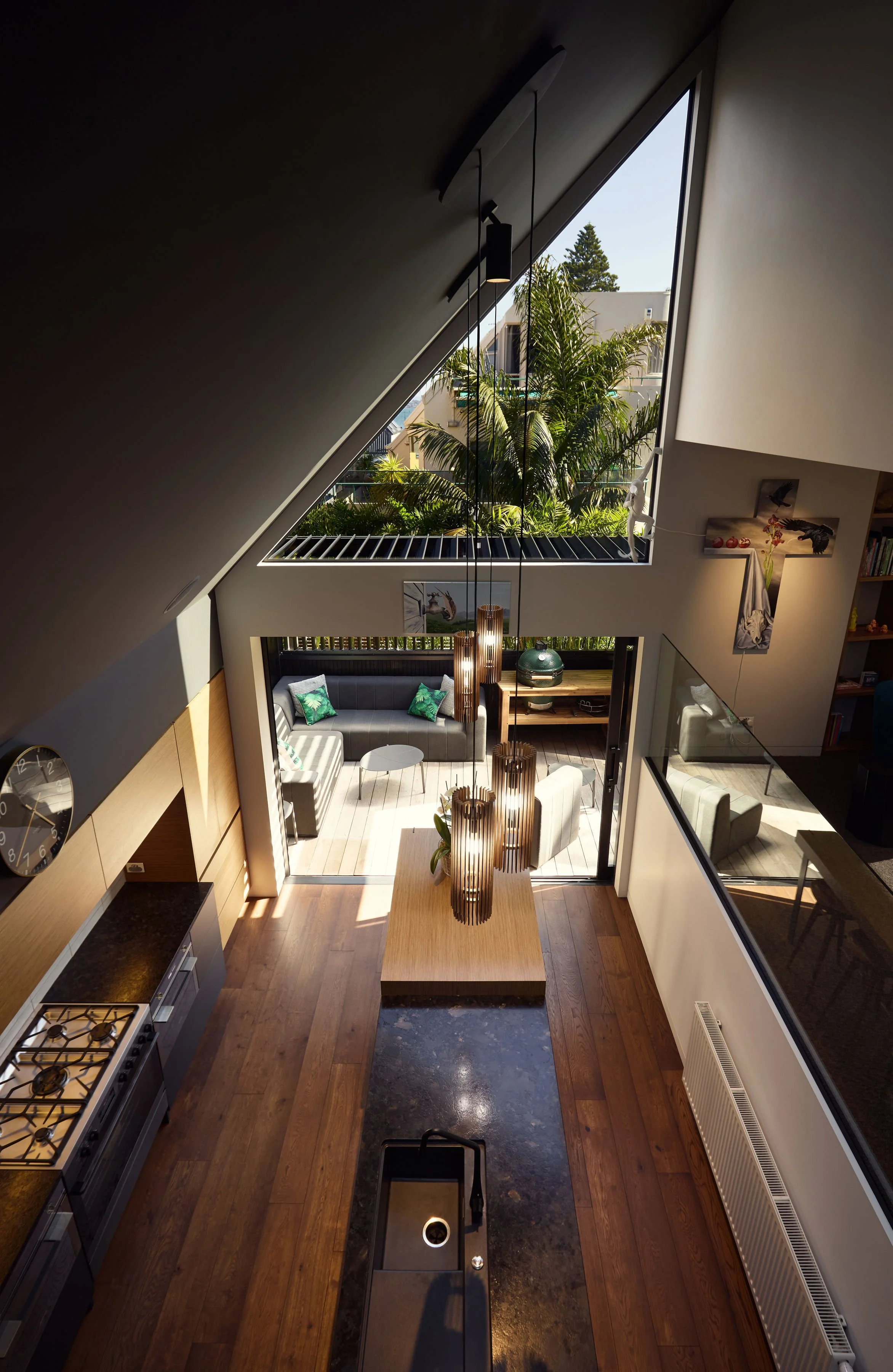
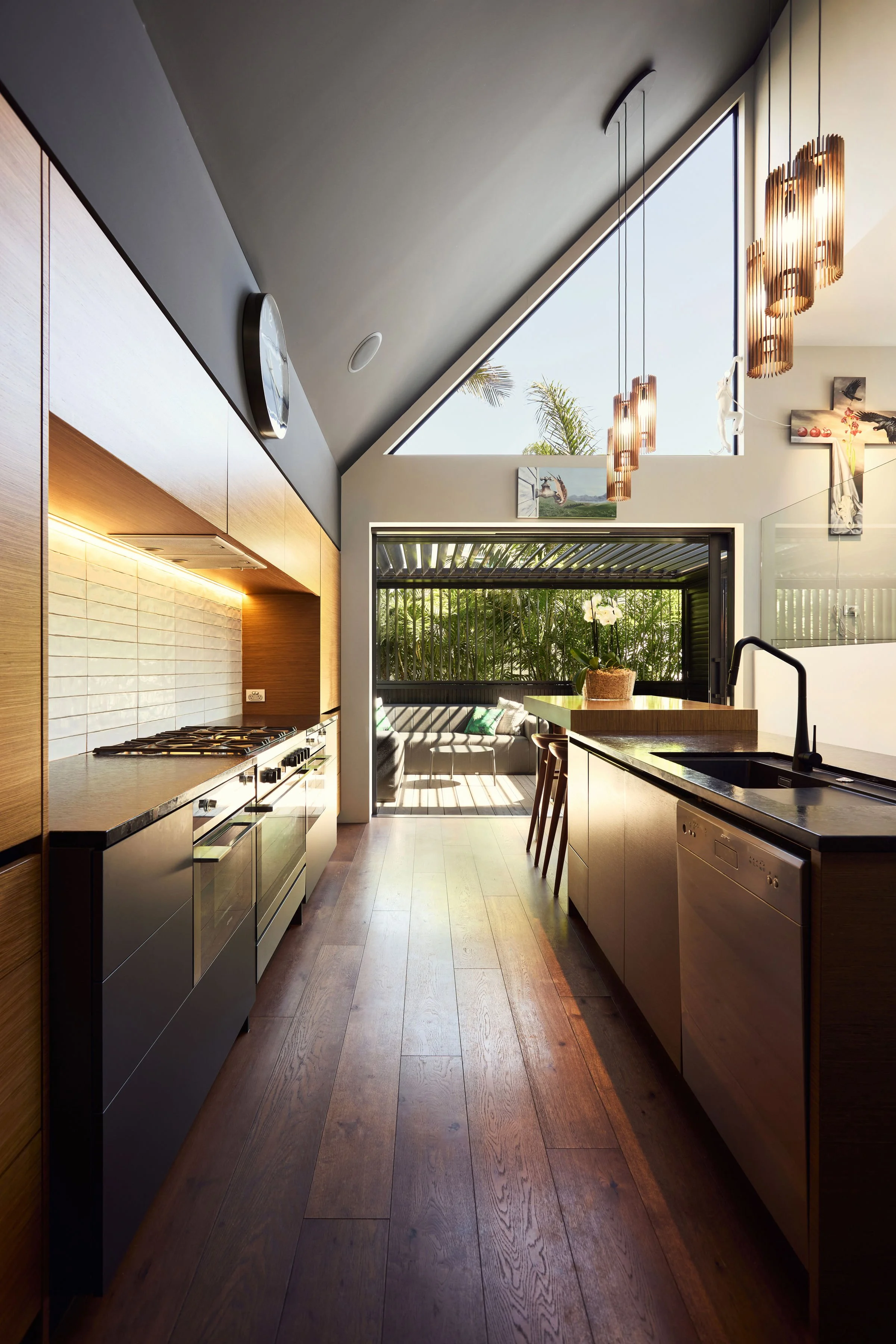
Every aspect of this home is a revelation, each level their own entity, yet linked in intimate ways. The gourmet kitchen, with its soaring, 7m black ceiling is pure magic. Flowing out to an alfresco lounge, screened above and to the side with motorised louvres and sliding doors, the tropics again come to mind.
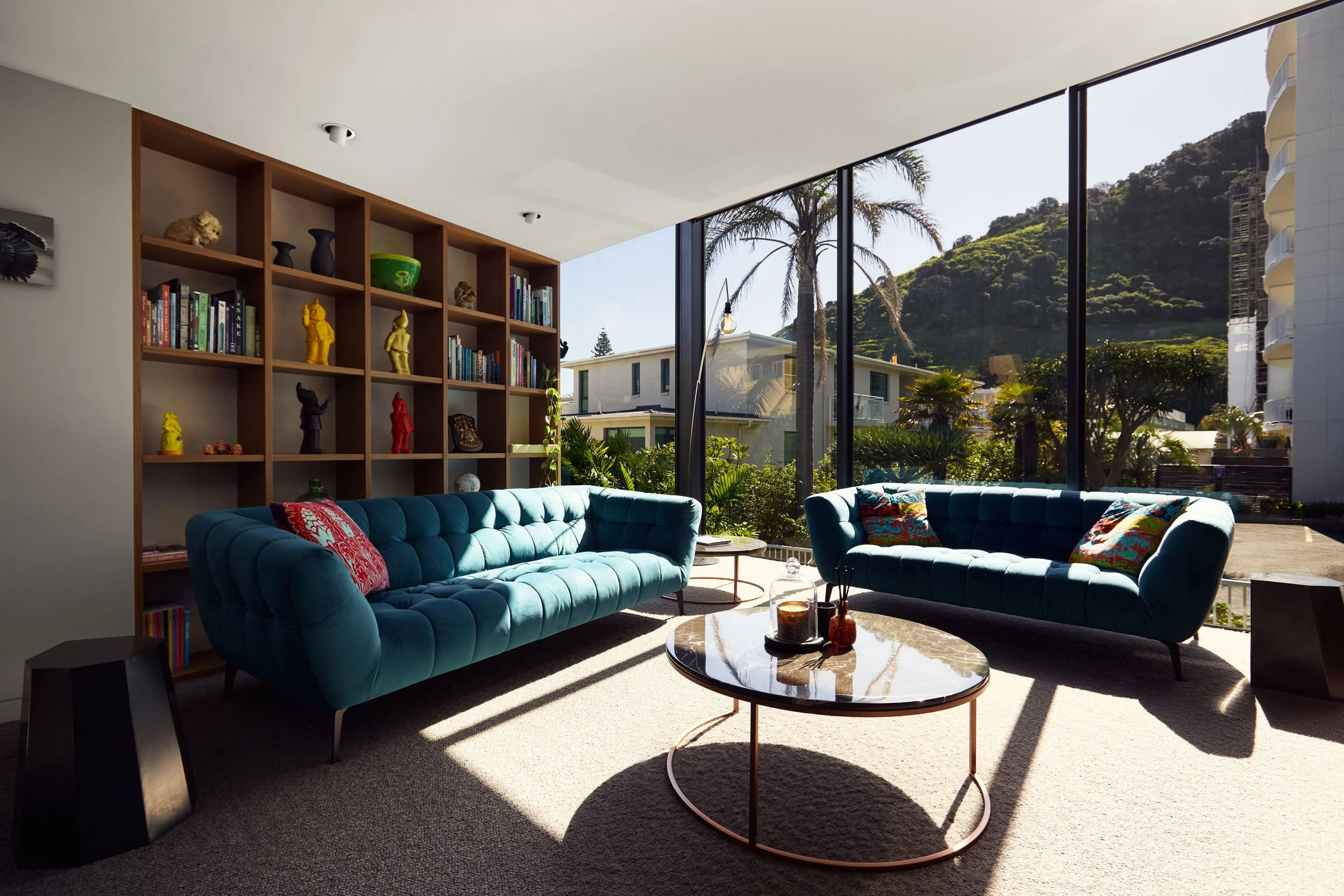
Connection with the lounge and dining room a few steps above is genius, the sloping ceiling and glass balustrade create a marriage of perfection. And that’s part of this home’s intrigue. Spaces are partitioned to create sensory connections, while flowing one to the other.
The ultimate luxury sits in the master retreat on the upper level, a bedroom and snug of velvety romance and bathroom of sheer indulgence, thanks to its twin showers and steam sauna. A home of pure imagination and focus on fun; it touches the senses in every conceivable way.
18b Maunganui Rd, Mount Maunganui
EPICUREAN ESCAPE
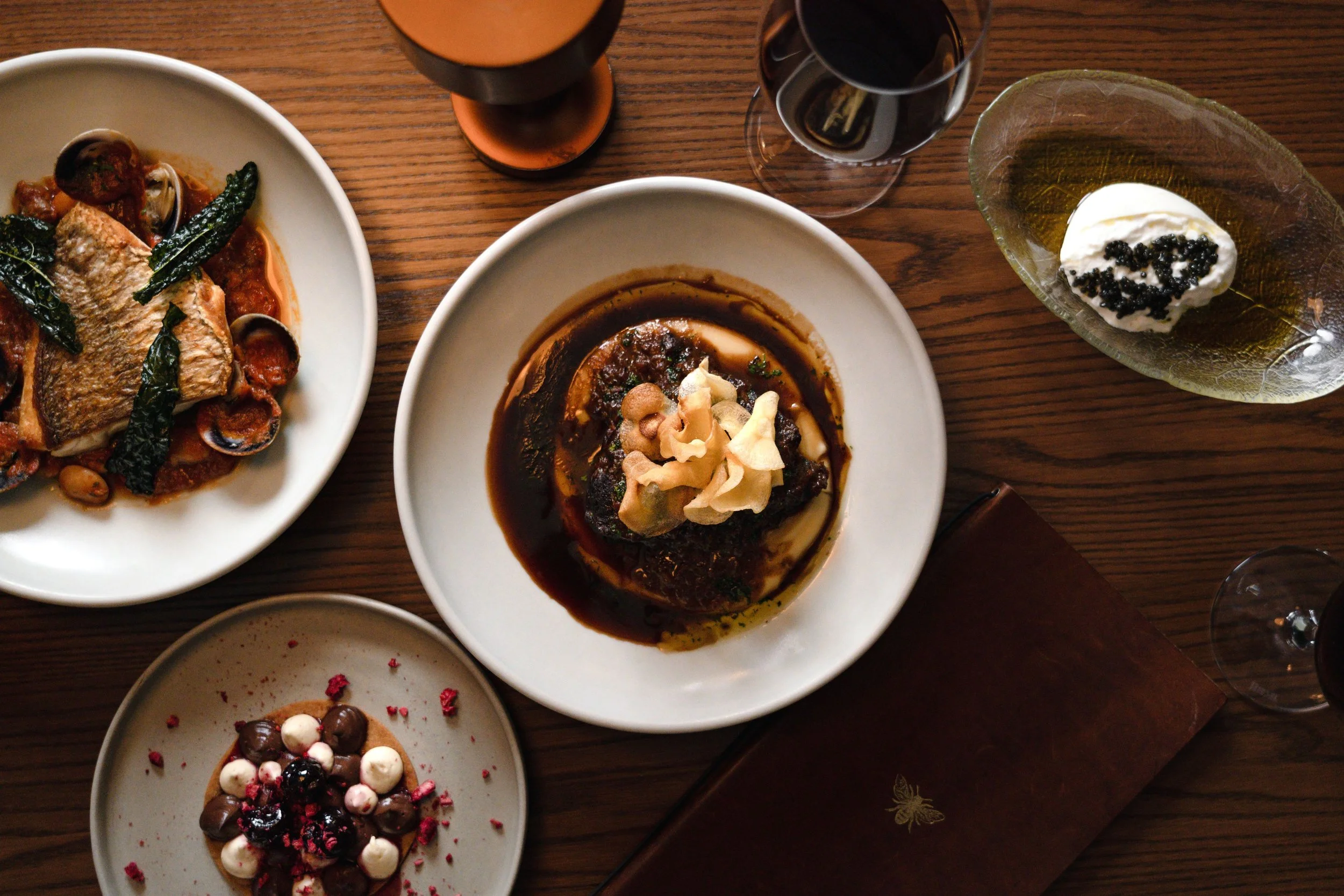
Downtown Tauranga’s finest dining gems are raising the bar when it comes to exquisite cuisine. Discover a taste of sophistication at every turn.
Downtown Tauranga’s finest dining gems are raising the bar when it comes to exquisite cuisine. Discover a taste of sophistication at every turn.
CLARENCE
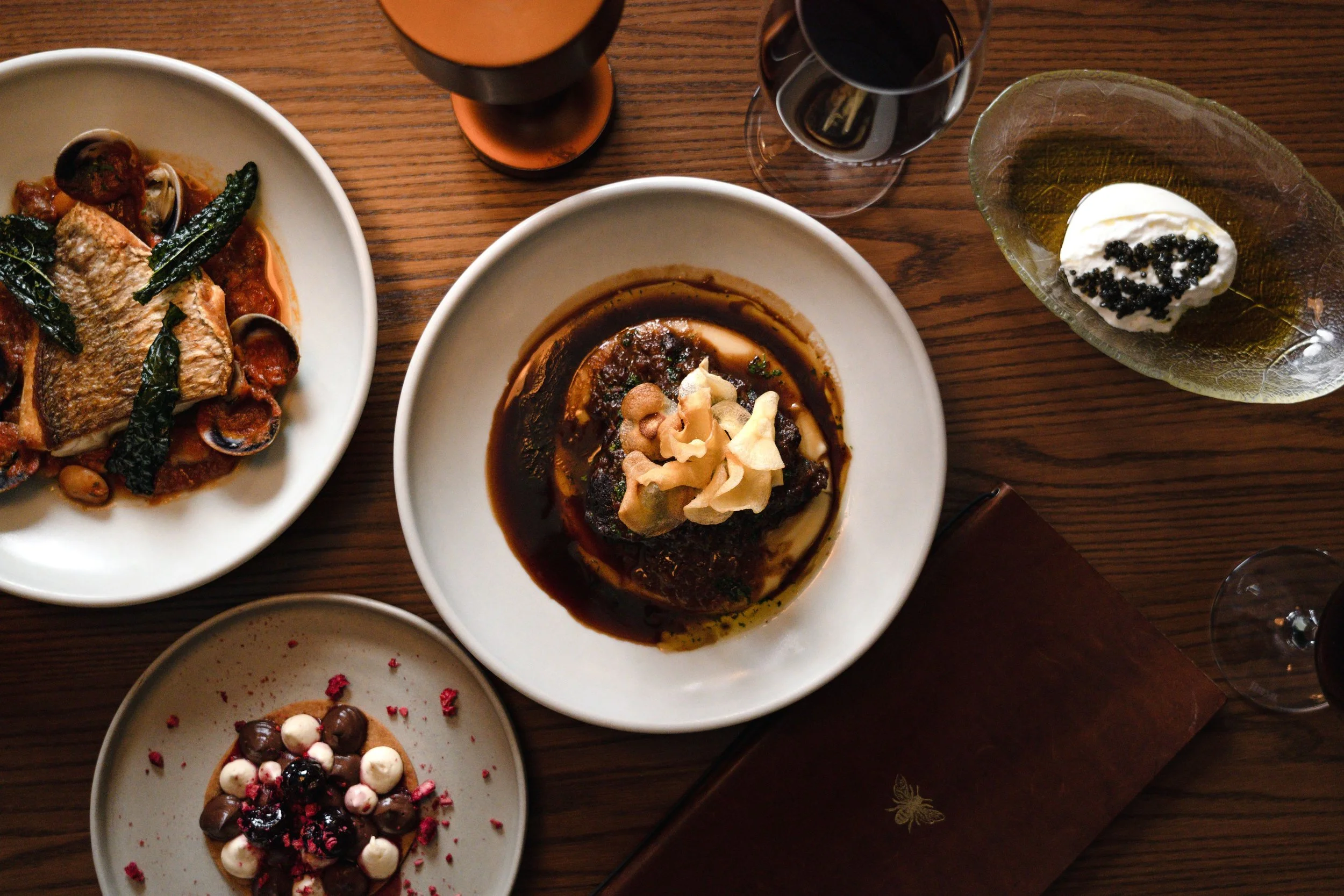
Tauranga’s diners know Clarence well. Set within one of the city’s landmark heritage buildings, the old post office, it offers a Mediterranean-inspired menu shaped by the seasons and driven by local produce. The relaxed yet refined atmosphere is ideal for an unhurried lunch, formal dinner or simply a glass of wine that turns into another. 51 Willow Street
SAINT WINE BAR
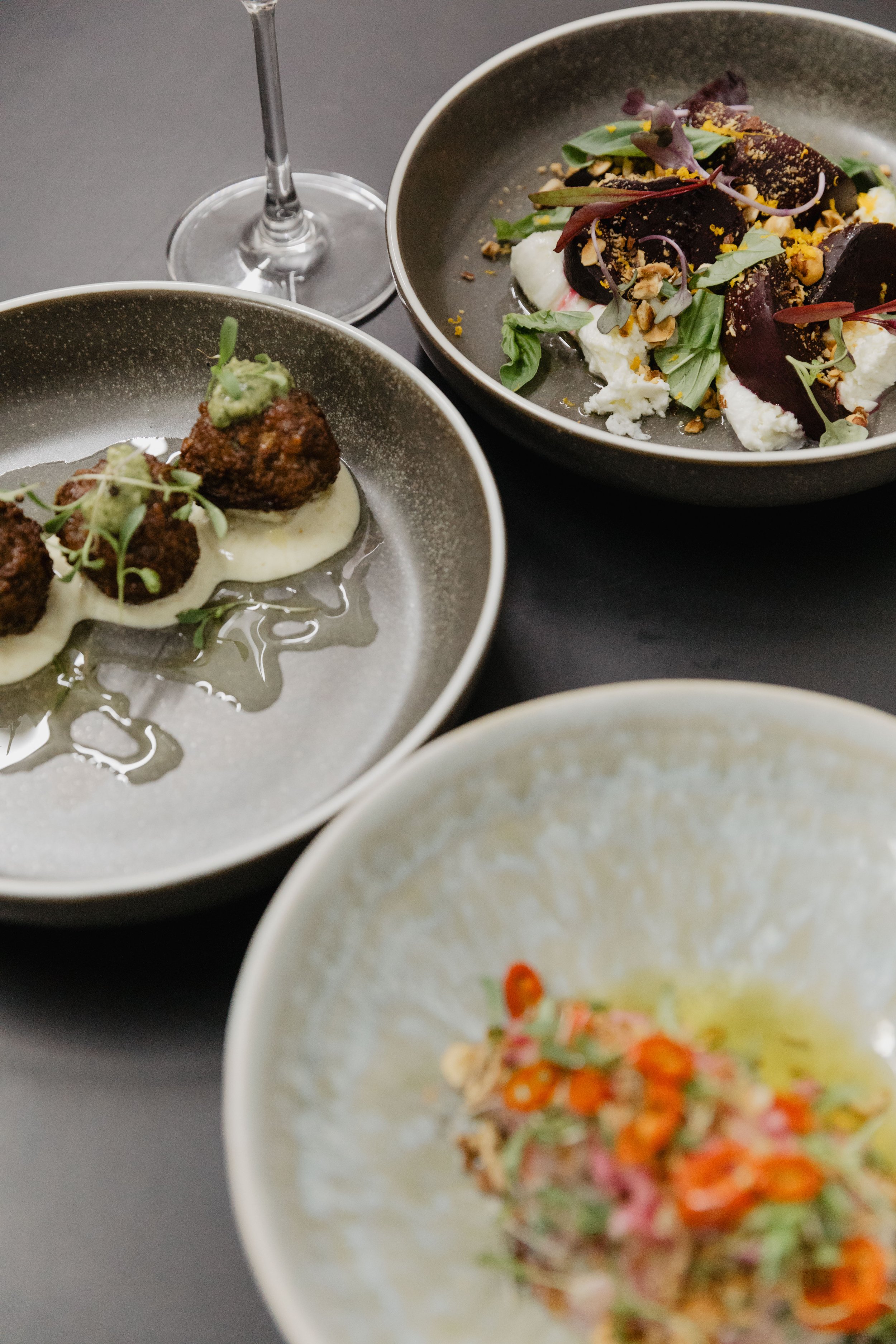
One of the best curated wine selections in town also comes with a selection of delicious seasonal shared plates. What screams summer better than a white anchovy doughnut, wagyu tataki or tuna crudo, washed down with a glass of Sparkling Albariño, or a Deep Down Blanc? Check the Saint Wine Bar socials for opening hours as they are subject to change each week.
105 The Strand
HARBOURSIDE RESTAURANT
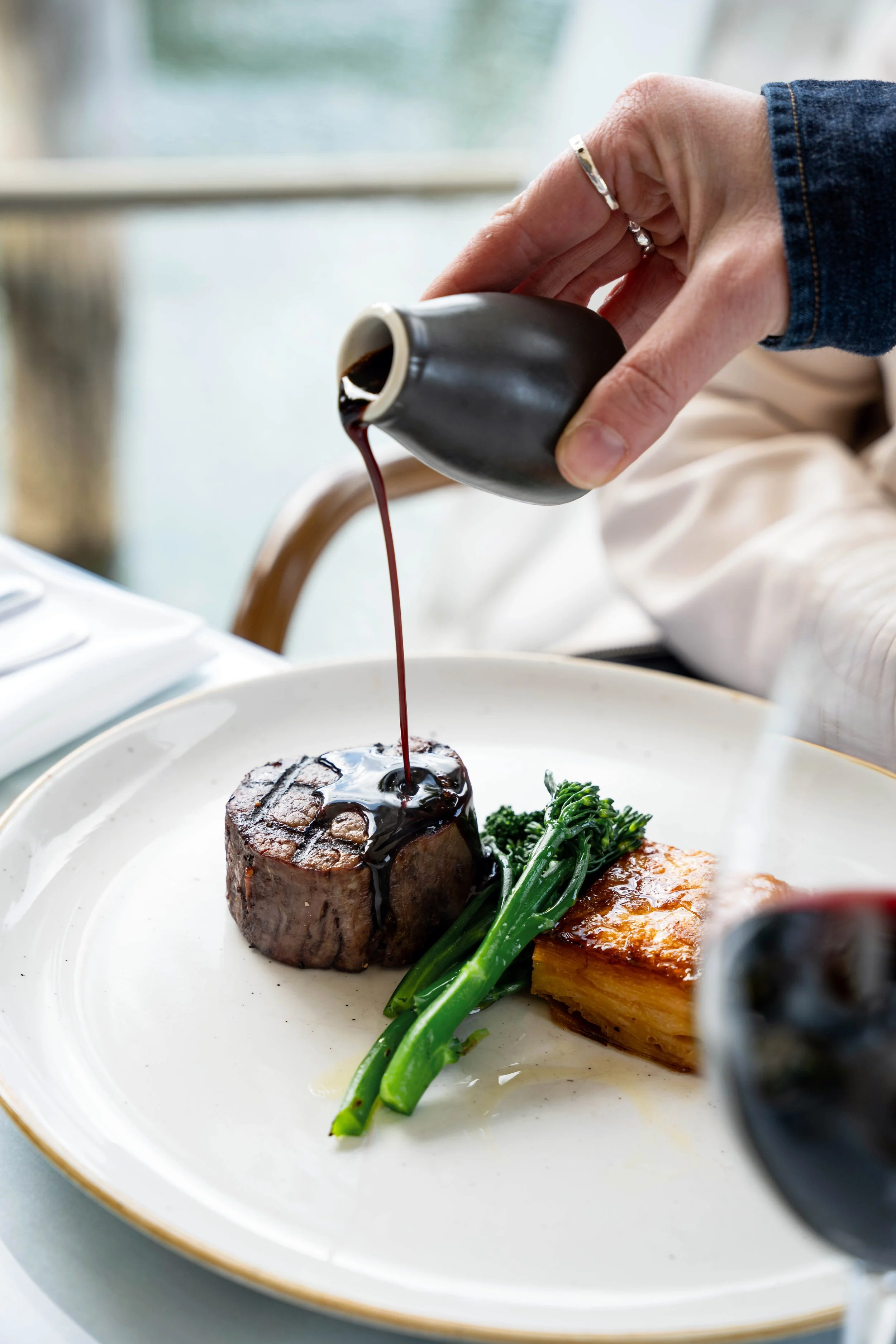
Overlooking Tauranga Harbour, Harbourside Restaurant blends modern fine dining with relaxed coastal charm. Housed in a lovingly restored 1930s yacht club, it’s a family run gem where Peter and Anita Ward, their son Cameron (head chef) and daughter-in-law Nicole (maître d’) create a beautiful all-round dining experience. The menu celebrates fresh, seasonal produce from local growers, crafted into flavour-driven dishes that reflect the Bay’s bounty. With sweeping waterfront views, Harbourside offers an elegant yet unpretentious taste of Tauranga at its best.
150 The Strand
1920 CUCINA & GRILL
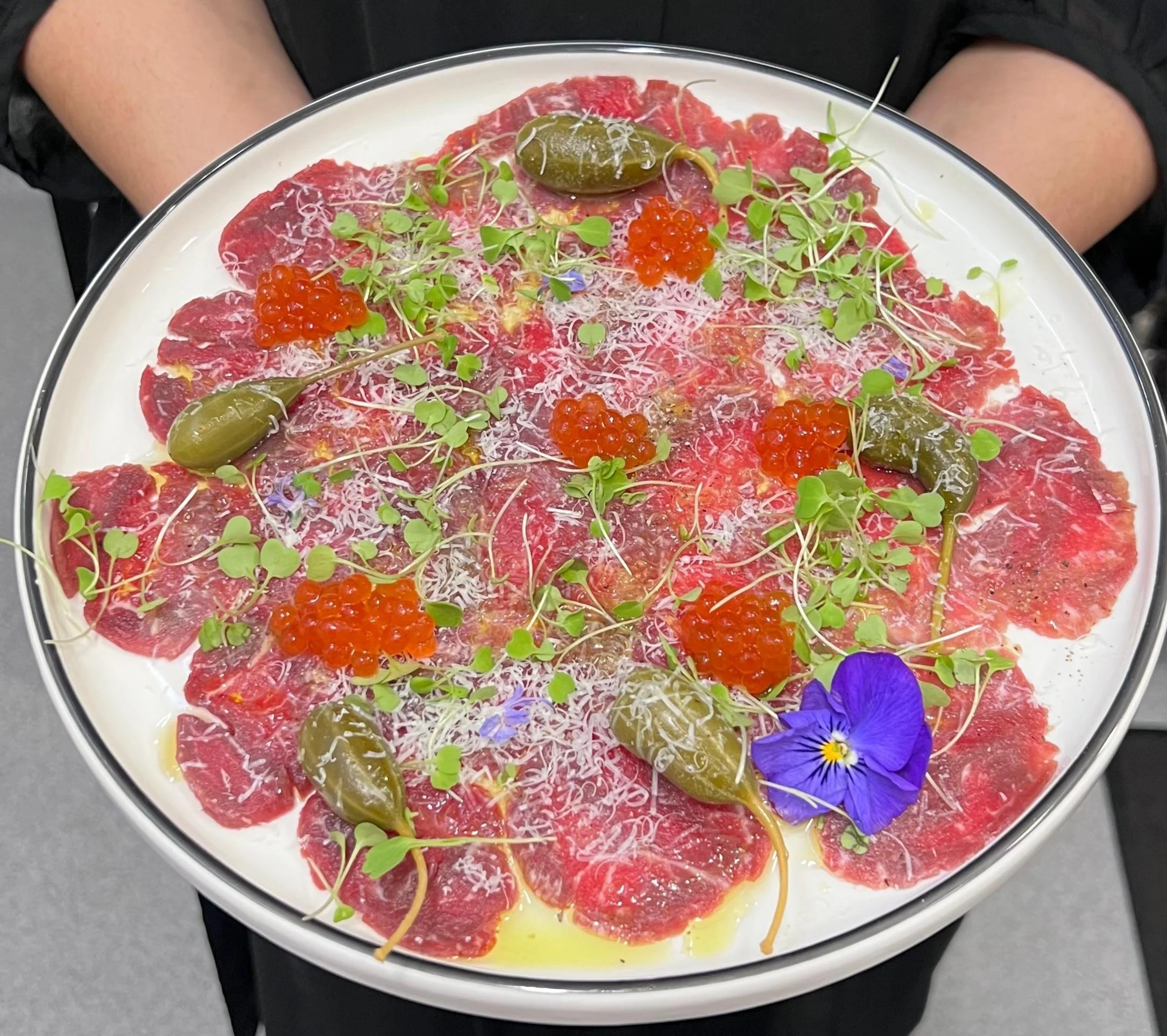
New to The Strand, Cucina and Grill offers a distinctive waterfront dining experience, housed in an historic 1920s building. The menu brings together Italian culinary traditions and the smoky flavours of Brazil’s Pampas grills. Share starters like Shiitake Arancini or Lamb Croquettes, then move to mains such as Pressed Pork, Lamb Rump or 12-hour slow-cooked Beef Ribs for two. Seasonal pasta and risotto, including Kumara Gnocchi and Mare e Monti, complement a relaxed atmosphere all year round.
85 The Strand
1920.CO.NZ
PICNICKA
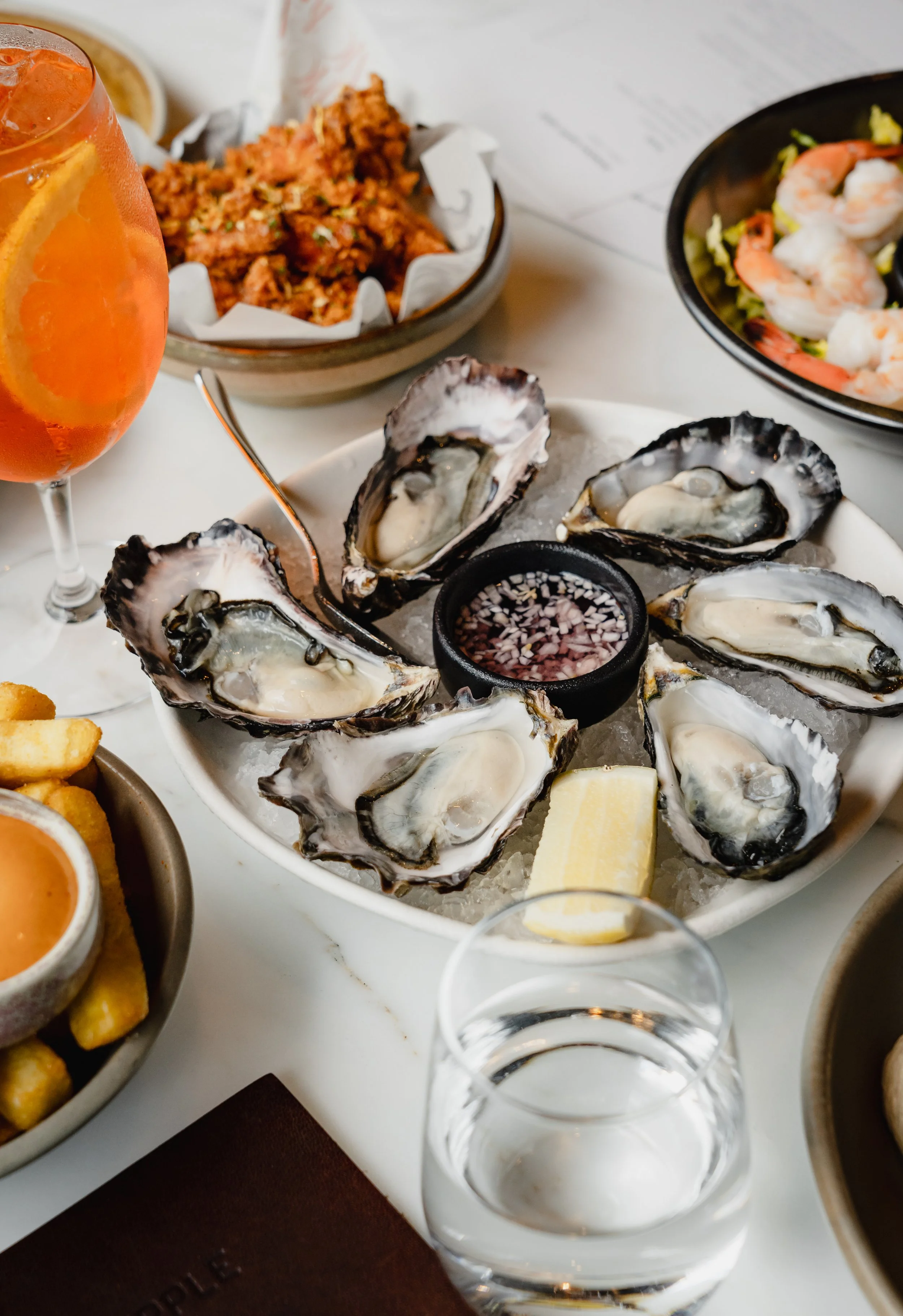
For those looking to dine in style, look no further than Picnicka. A vibrant open-air restaurant in the heart of Downtown Tauranga, Picnicka celebrates local produce, offering dry-aged meat cuts and a curated wine list. Designed for long lunches, after-work drinks and weekend gatherings, it’s a place where great food and people come together.
2/38 Elizabeth Street
TRINITY WHARF
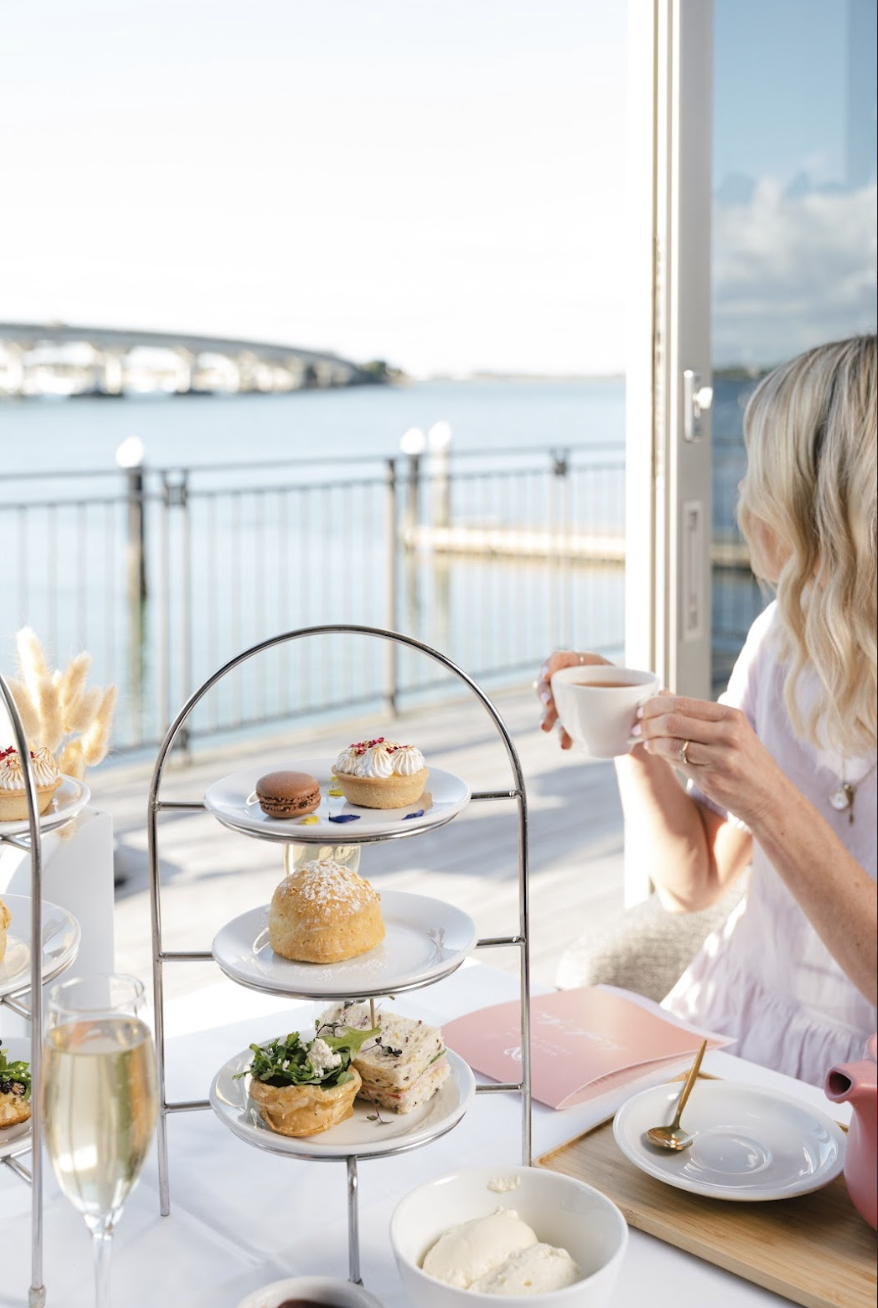
Perched on the waterfront, Trinity Wharf’s restaurant offers stunning harbour views from both its sun drenched interiors and inviting deck. Guests can pair elegant, seasonal dishes with an expertly curated selection of wines, craft beers and cocktails. For a more indulgent experience, traditional High Tea adds a touch of sophistication. Open daily for breakfast, lunch, drinks and dinner, it’s the ideal spot to enjoy one of the best harbour-side dining views.
51 Dive Crescent
MACAU
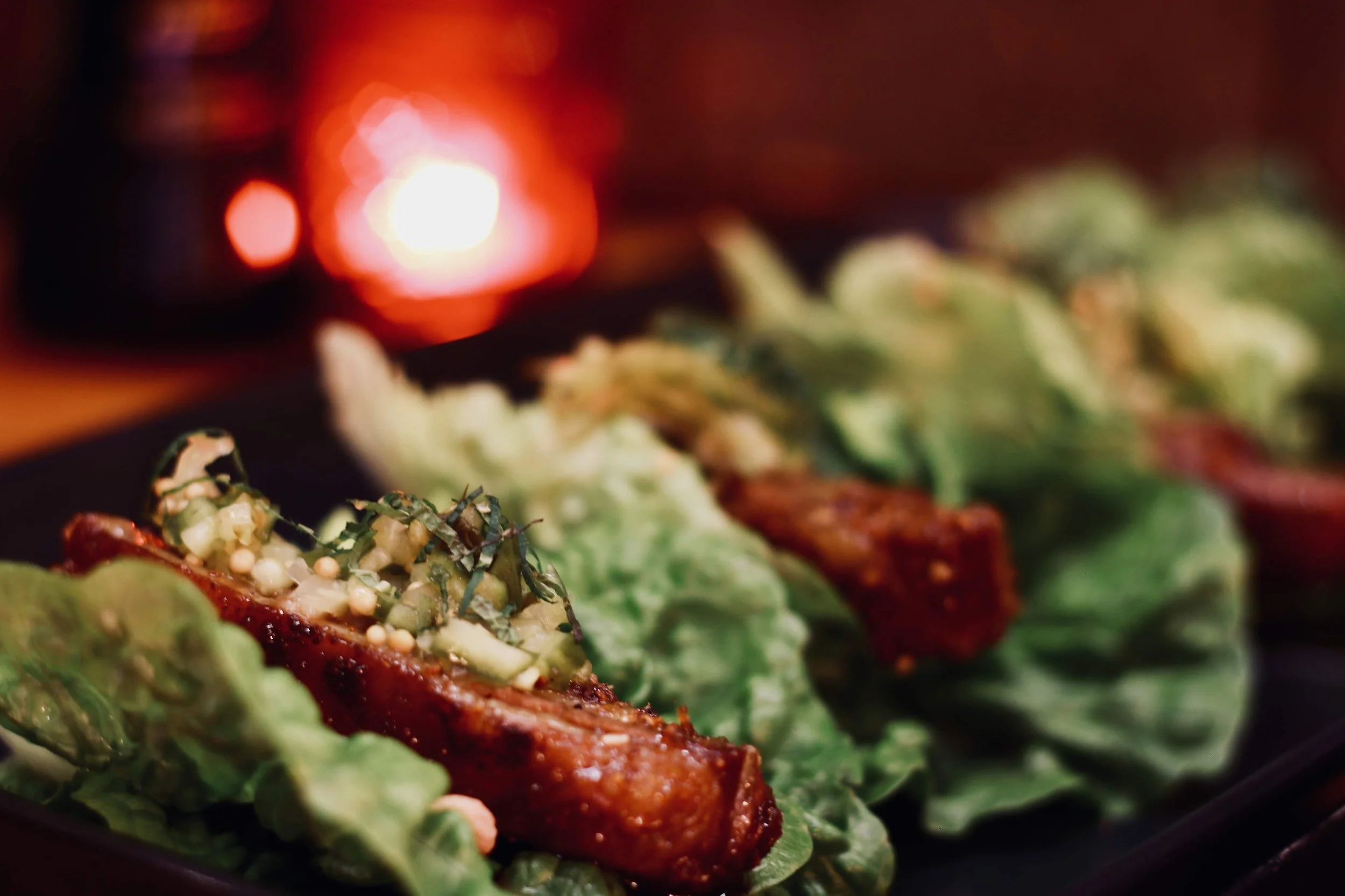
Step into Macau Restaurant on Tauranga’s waterfront for contemporary Asian flavours and share-style dining. This award-winning spot delivers communal plates inspired by pan-Asian fusion. Think fresh local produce, Pacific twists and big bold flavours. Their upstairs lounge offers creative cocktails and sweeping harbour views, and it’s available for private events or larger groups.
59 The Strand
THE BARREL ROOM
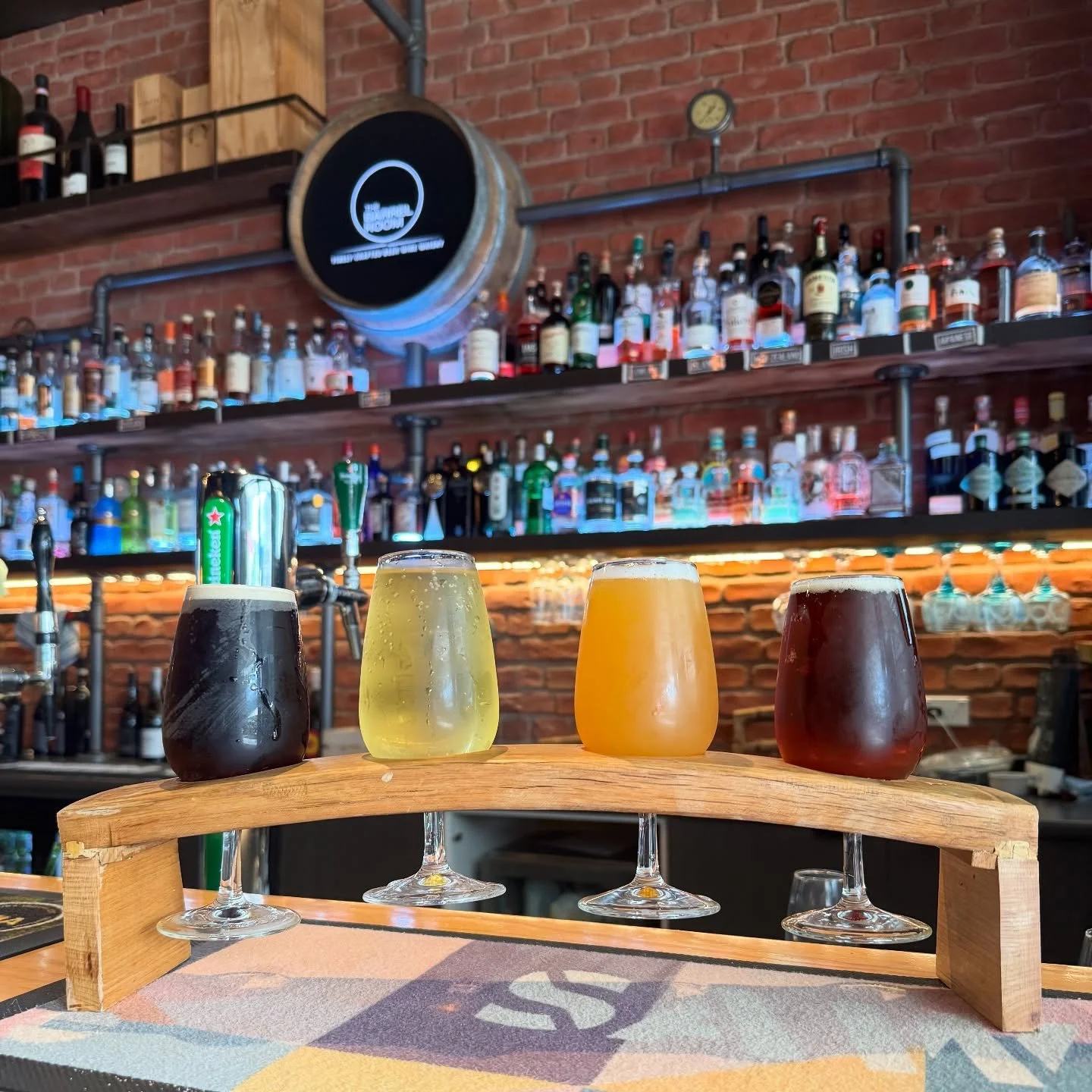
A cosy microbar and eatery serving finely crafted drinks and flavour-packed bites, The Barrel Room is where you will always find the perfect pour. With their epic weekday lunch deals, regular live music and events, a rotating selection of beverages sourced from top breweries, wineries and distilleries across New Zealand and beyond, it’s a great haunt for after-work drinks or settling in on a weekend.
26 Wharf Street
FLORENCE BISTRO
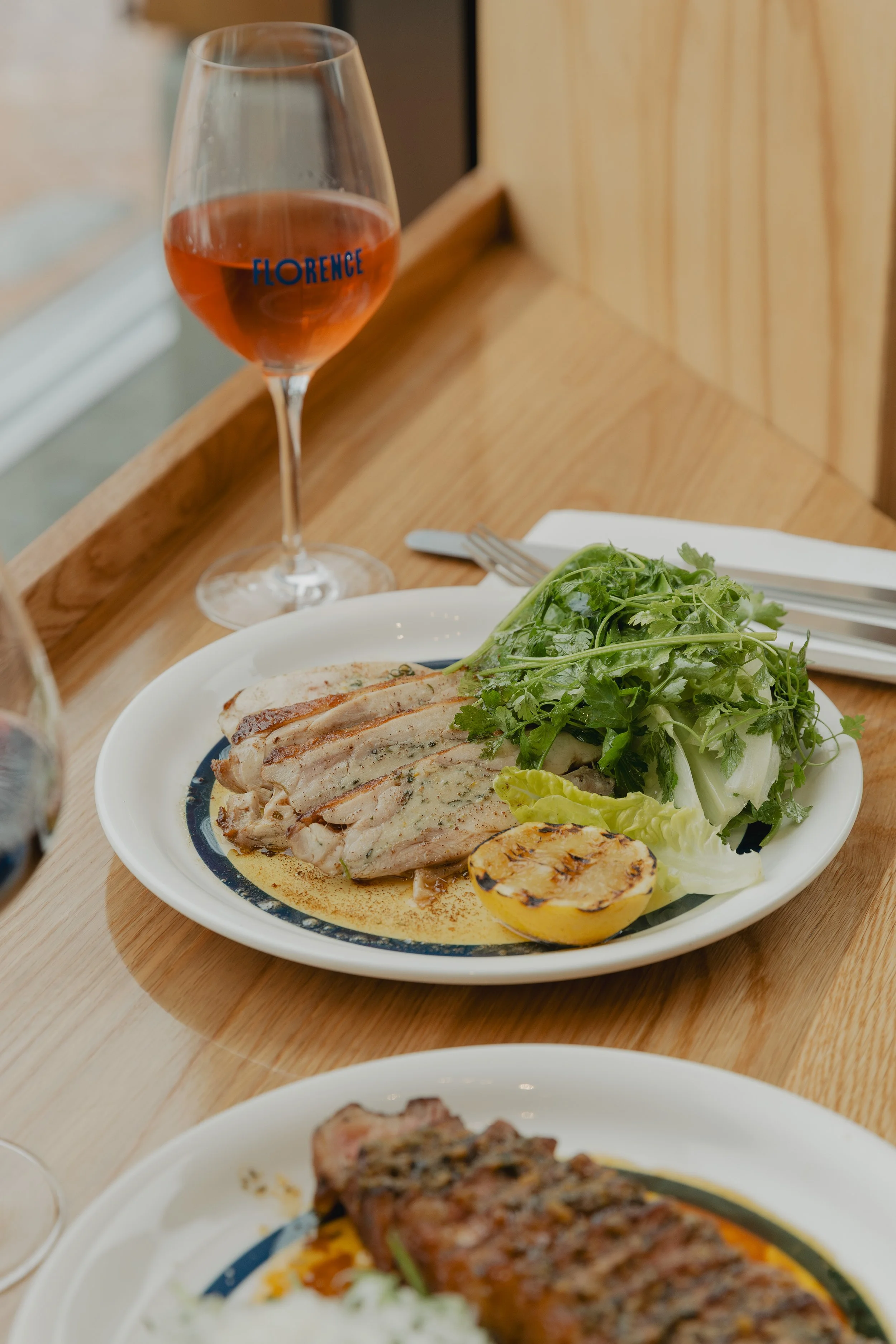
One of Tauranga's newest restaurants, Florence Bistro is full of Mediterranean charm, with fresh pasta, grilled seafood, crisp seasonal salads and rich comforting meats at the heart of every plate. It’s unfussy, with flavour packed cooking made with love, good oil and fresh ingredients that speak for themselves. Their menu is testament to the belief that great food doesn't need to be complicated to be exquisite.
90 Devonport Road
THE HOP HOUSE
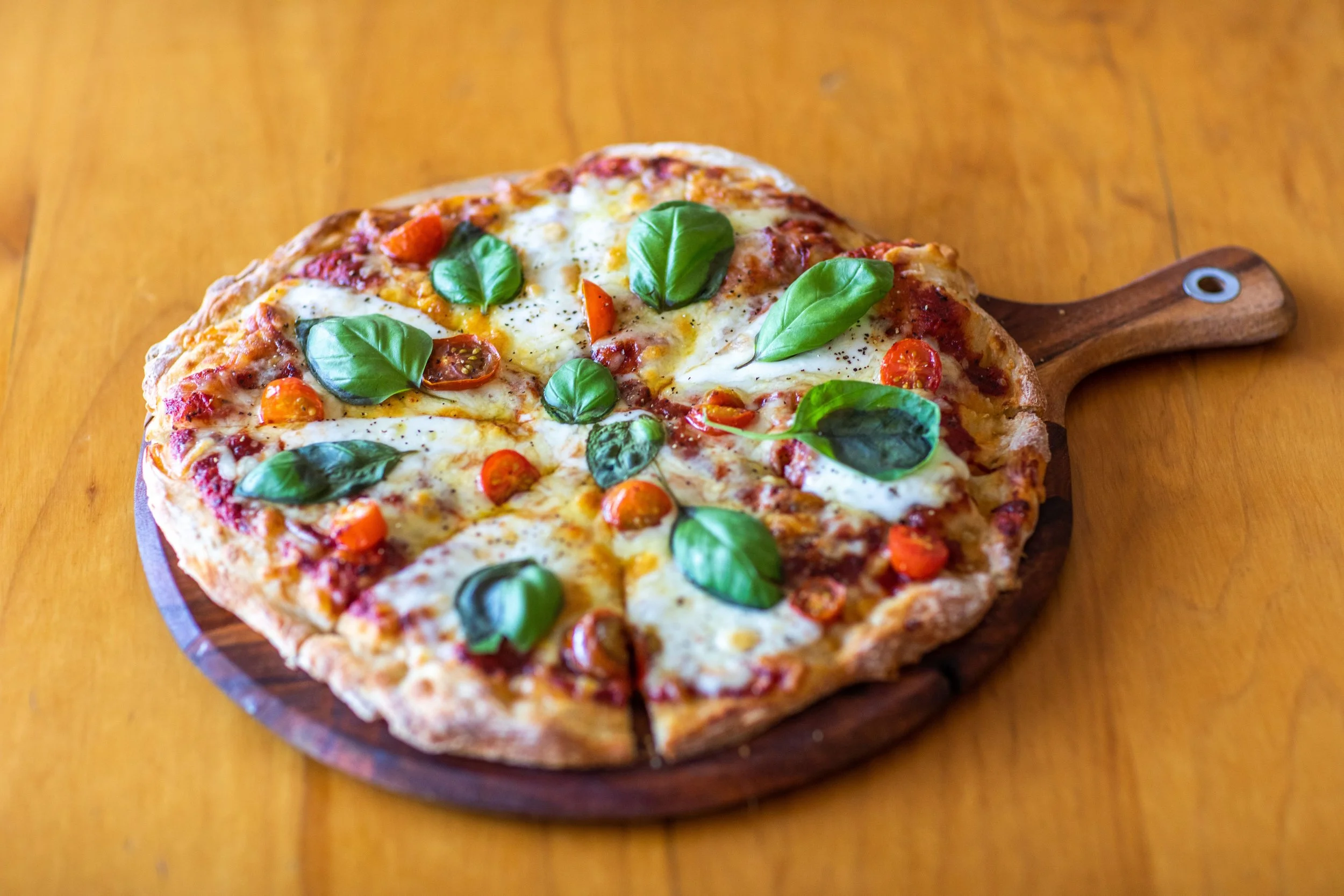
The Hop House offers some of the best hand-crafted burgers and pizzas in town. Quality ingredients and house-made sauces combine to deliver a flavourful experience at an affordable price. Add in a tasty brunch menu on the weekends or their famous Sunday Roast Lunch and you can't go wrong. Good beer and coffee, as well as great vibes and friendly service, is a top priority for this family-owned bar and eatery.
12 Wharf Street
TURNING LIFE INTO ART
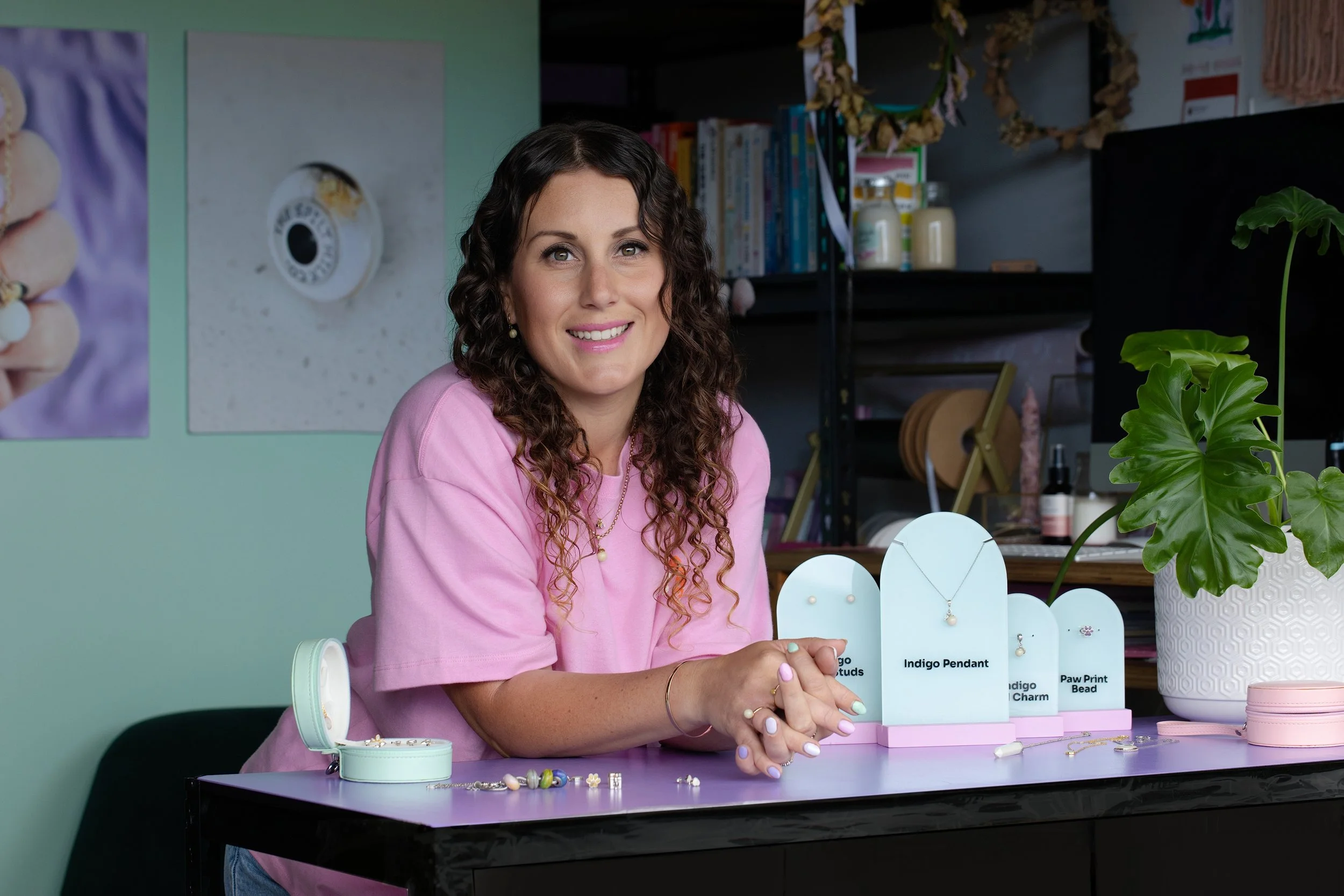
Amid the busy chaos of her Pāpāmoa home, talented mum of three Ashley De Grey is creating wearable art made with DNA.
Amid the busy chaos of her Pāpāmoa home, talented mum of three Ashley De Grey is creating wearable art made with DNA.
WORDS HAYLEY BARNETT / PHOTOS DEBORAH DE GRAAF
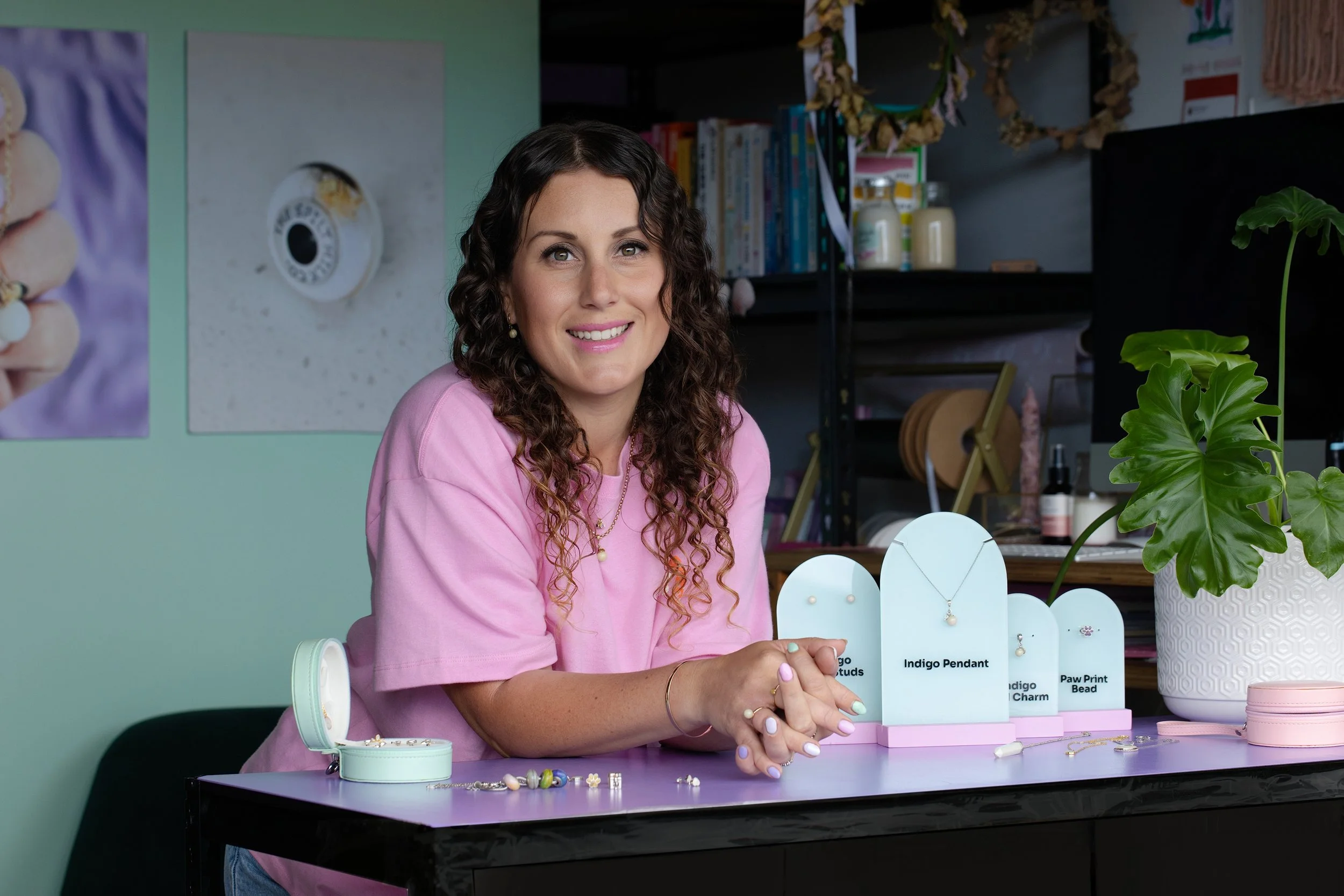
Pāpāmoa local Ashley De Grey is turning everything from breast milk and embryos to ashes and teeth into personal keepsakes and now, her once small home business is being recognised on the international stage. And it’s not nearly as strange as it sounds.
In fact, it’s really rather lovely. Since launching her unique business back in 2018, Ashley has just been awarded the 2025 Memories & Keepsake Product of the Year by the Pet Innovation Awards.
It all began, somewhat unexpectedly, with a spam email. While breastfeeding her daughter one night, Ashley noticed a message about breastmilk jewellery.
“It was an American site but it got me thinking about whether or not there might be a market for it here,” she explains.
It turns out, there was. Coincidentally, Ashley had spent years working in a jewellery store in her hometown of Taranaki and, with a design degree under her belt, she was perfectly placed to start something of her own. Her journey began with just one product.
“I started with beads,” Ashley recalls. “I found a manufacturer to do the welding and taught myself to build a website that was easy to use. I wanted mums to be able to order something quickly and easily, even in the middle of the night while breastfeeding.”
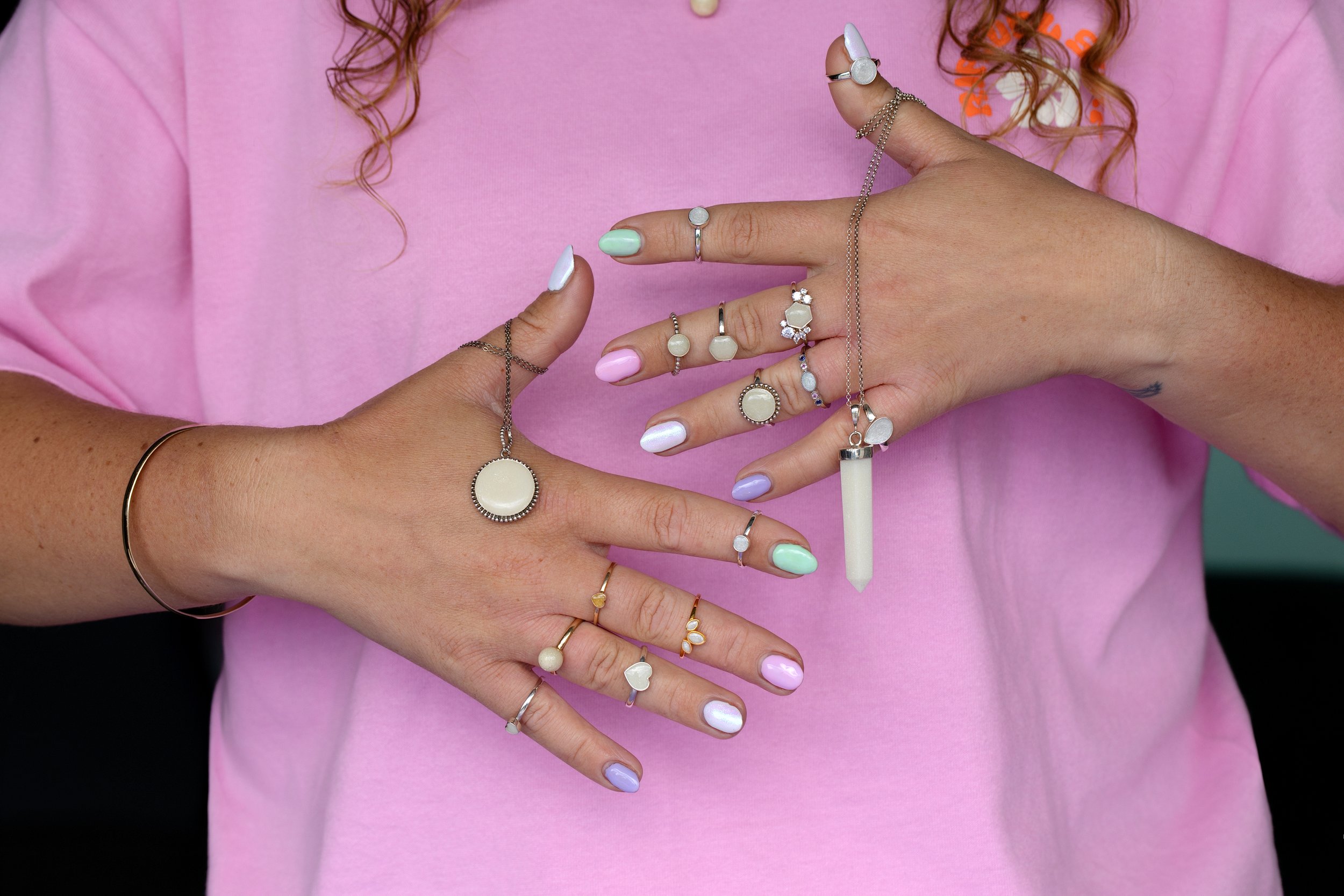
Back then, she would take orders through Instagram, jot them down by hand, print the details and craft each piece herself. Starting with breast milk, she soon realised there was also a deep need to commemorate loved ones who had passed. She began offering jewellery containing ashes, and even dehydrated embryos, for families completing their IVF journeys.
“Many people don’t know what to do with leftover embryos,” Ashley explains. “Some donate them, some destroy them, but others want to keep them close.”
The process involves carefully dehydrating the embryo material from vials of liquid, then embedding it into the jewellery. But embryos are just one of many unusual materials Ashley works with. She’s preserved snow collected from mountaintops, turning it into powder, and has incorporated sand, soil, baby blankets and fabric. One special project involved a grocery list written by a client’s late father.
“We scanned the note and used the letters to spell ‘Dad’ in his handwriting, both in English and Portuguese,” says Ashley. “It meant so much to the family.”
As she branched into pet keepsakes, incorporating fur and ashes, Ashley’s business really took off. “I’ve made jewellery out of baby puppy teeth for the puppy’s godparents before,” laughs Ashley. “People really get creative.”
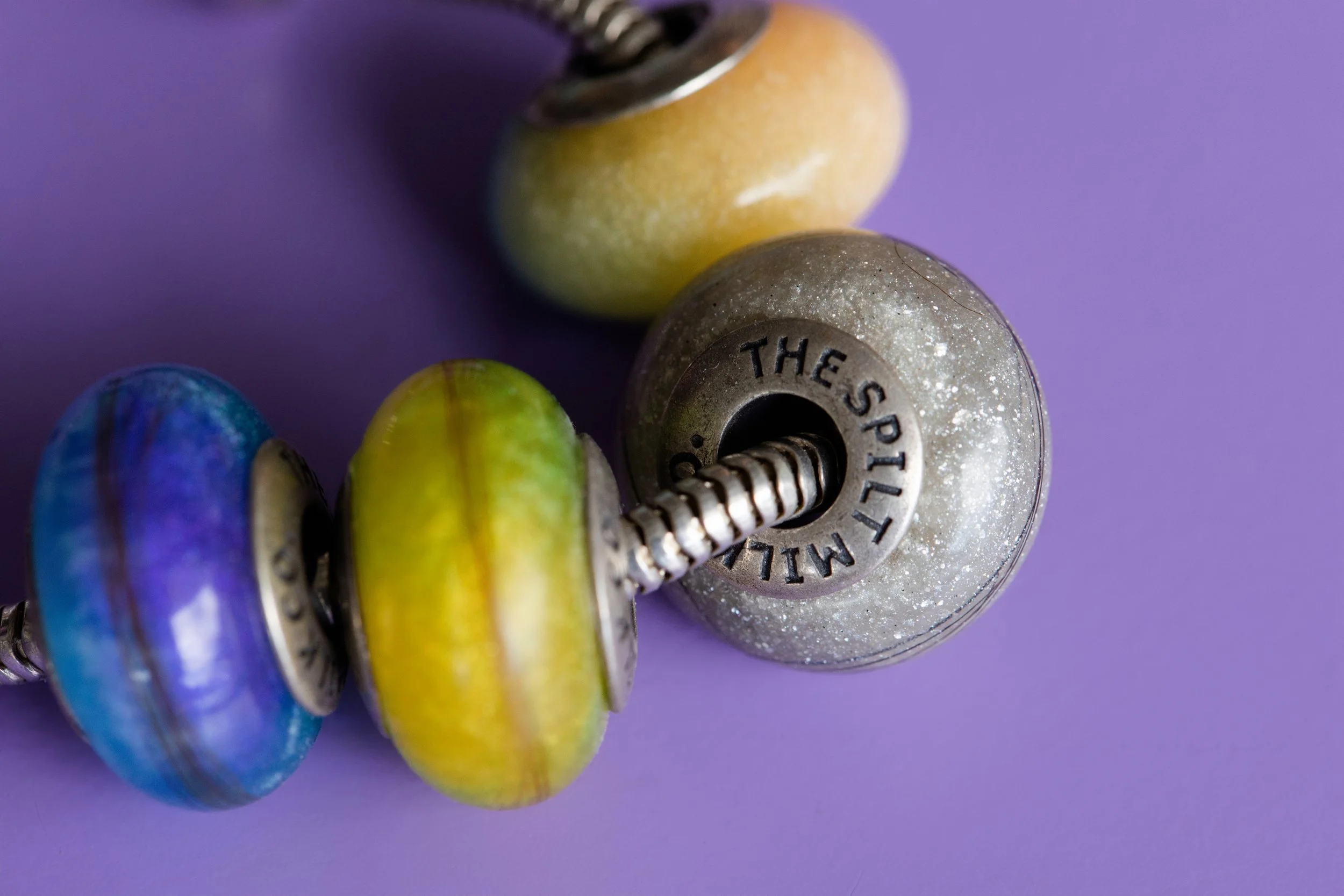
Winning a prestigious award has been both validation and motivation. “It feels amazing to be recognised,” she says. “It shows that what I’m doing matters beyond just my little corner of the world.”
Since starting, Ashley has created over 3000 pieces for more than 2000 clients, each one telling a story of love or loss. Her advice for anyone dreaming of starting their own business is to just begin.
“Even if it’s cringe and even if it’s not perfect, just do one thing a day. Post something, reply to an email, look up a supplier. And if it feels like you’re not getting anywhere, just keep showing up.”
She credits much of her success to knowing her audience. “At one point, I started adding bracelets and necklaces just to have more products, but they didn’t sell, because that’s not what people came to me for. So I pulled it back to what I do best.”
And what she does best is turn emotion into something tangible. Perhaps most inspiring of all, Ashley has shown her daughters what it looks like to build something from scratch and to believe in your vision, even when it feels impossible.
“They know that Mum works hard,” she says. “And they know that whatever they dream up, they can do it too.”

POLES APART
Penguins or polar bears? Are Antarctica and the Arctic similar or poles apart? Sarah Porter from Wild Earth Travel, supplier to YOU Travel & Cruise Bethlehem, sailed as a guest on the French ship, Ponant Le Commandant Charcot.
Penguins or polar bears? Are Antarctica and the Arctic similar or poles apart? Sarah Porter from Wild Earth Travel, supplier to YOU Travel & Cruise Bethlehem, sailed as a guest on the French ship, Ponant Le Commandant Charcot.
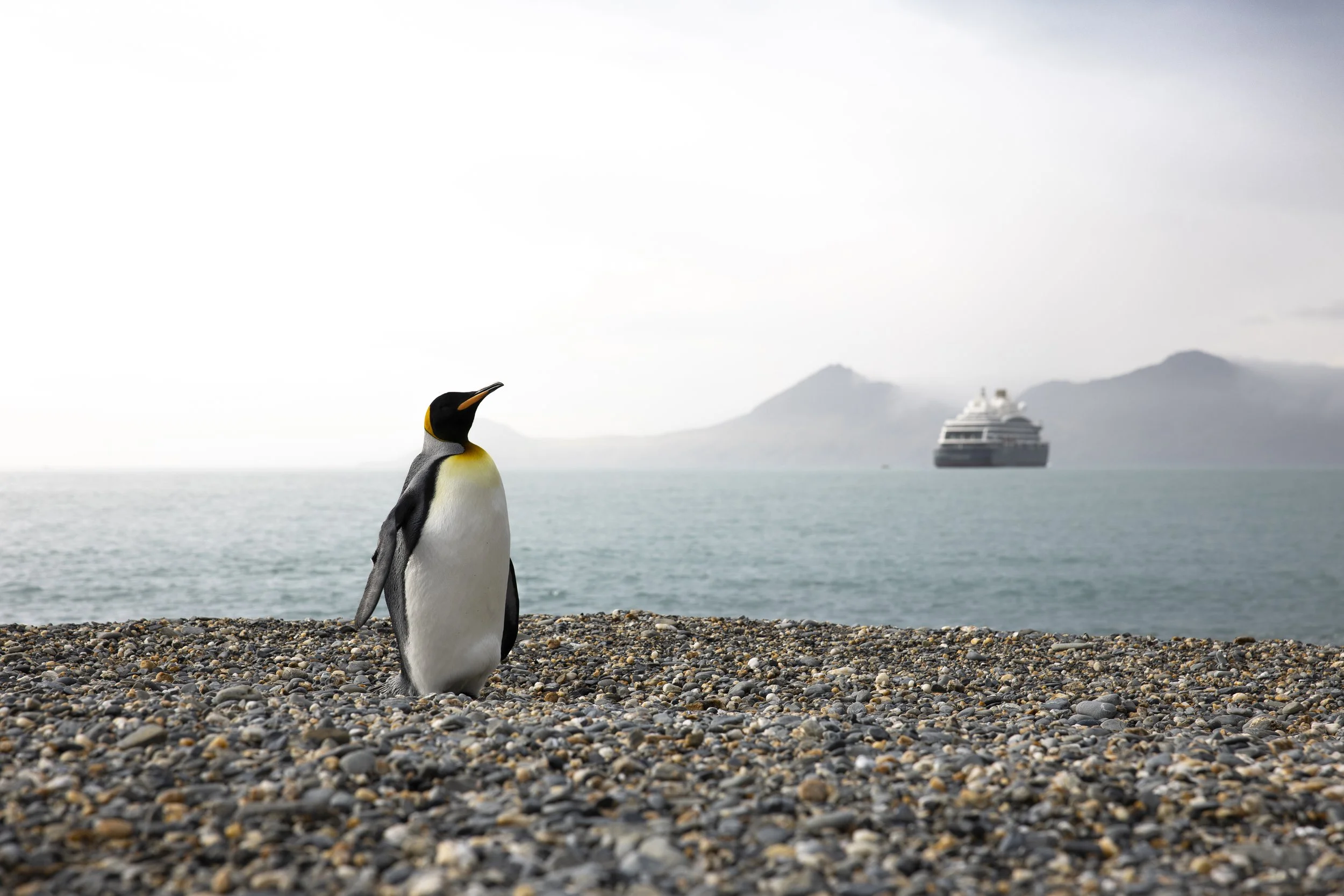
Understanding the difference between these two regions at the opposite ends of the globe starts with simple geography. Antarctica is a frozen continent surrounded by ocean; the Arctic is frozen sea surrounded by land.
The Arctic region extends over Canada, Alaska, Greenland, Russia, Norway and Iceland, which are all homes to native communities. Antarctica does not belong to any country and has many scientific bases, but no permanent inhabitants.
WILDLIFE
Wildlife is one of the biggest differences between the polar regions. My first view of Antarctic wildlife on South Shetland Island was a shoreline covered in penguins and seals, whales not far off land. Human contact is limited in the Antarctic which makes the animals fearless and inquisitive and penguins will likely come and inspect your boots.
The word Arctic is derived from the Greek ‘arktos’ meaning’ bear’, and one of the main reasons to visit the Arctic is to see the polar bear. Arctic foxes, reindeer, walrus, musk ox, seals and whales are also found in the north, as well as birdlife.
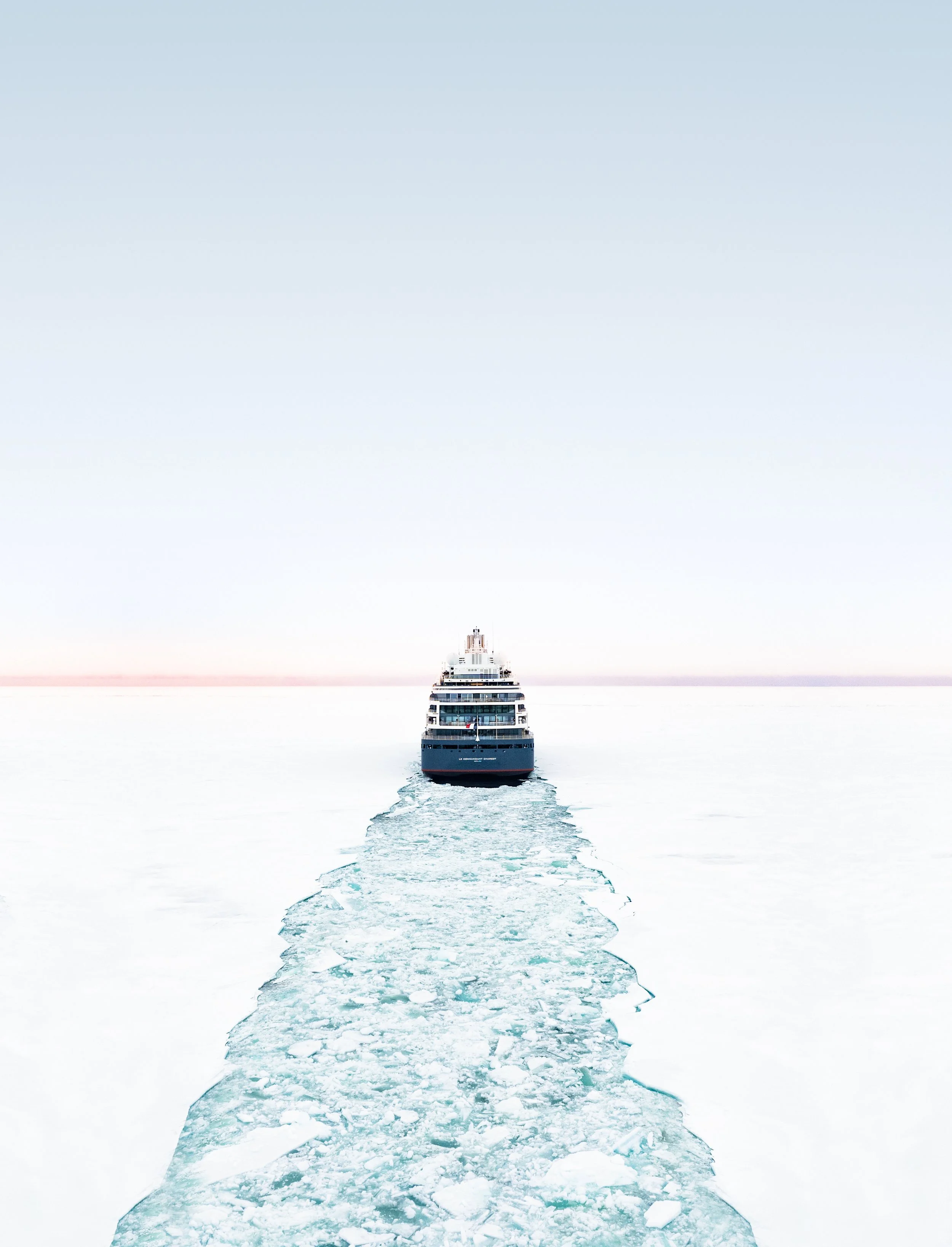
I visited the Arctic on a journey to East Greenland on the world’s only luxury ice breaker, Ponant’s Le Commandant Charcot, at the beginning of the season. We came across a whale carcass wedged between two ice sheets, a natural buffet attracting an astounding 68 polar bears, a first even for our captain and our Inuit ‘polar bear spotters’.
PEOPLE
The six countries of the Arctic region create diversity in culture, language and customs, though sharing traditional livelihoods like f ishing and hunting. As our Greenlandic guides kept watch for polar bears, I learnt what it is like to live in in complete darkness for much of the year and how their community of Ittoqqortoormiit (the most remote in the world) is only accessible by helicopter for nine months due to frozen sea ice.
On the Le Soleal in Antarctica I enjoyed chats with people posted at the bases and stations over the summer season, but there are no ‘locals’ in Antarctica. On both voyages historians within the ship’s expedition teams shared stories and insights into the early explorers, from Erik the Red in Greenland to Scott, Shackleton and other Antarctic explorers.
ICE
Ice became a topic of surprise and delight as I learnt how different it is in each region and how many forms it takes — fast ice, first-year ice, brash ice, pack ice and, of course, ice bergs (to name a few!). Sea ice in the Arctic freezes in winter and melts during summer. Antarctica is not constrained by landmasses so sea ice spreads over a much larger area. Antarctic glaciers are much bigger than those of the Arctic, the Arctic icebergs more jagged in shape.
SEASONS
You can only travel to Antarctica in summer (November – March), with the ice more pristine and the penguins courting early in the season. In February and March you see penguin chicks and March is best for whale watching. The Arctic summer is peak tourist season with longer days (the midnight sun) and milder temperatures for outdoor activities.
Many visit in winter to see the northern lights. Which wins? I loved both for the sense of vastness and unexpected wildlife encounters, the deafening silence and magical atmosphere. Seeing 68 bears made the Arctic my favourite voyage, however Antarctica would be my favourite destination. I’d return to both in a heartbeat for I have only experienced the very tip of the iceberg.

WAKE WITH CLARITY
Bay Eye Care’s Alex Petty reveals life-changing technology that literally transforms how you see the world.
Bay Eye Care’s Alex Petty reveals life-changing technology that literally transforms how you see the world.
PHOTOS GARY MARSHALL AT BLUE CHILLI
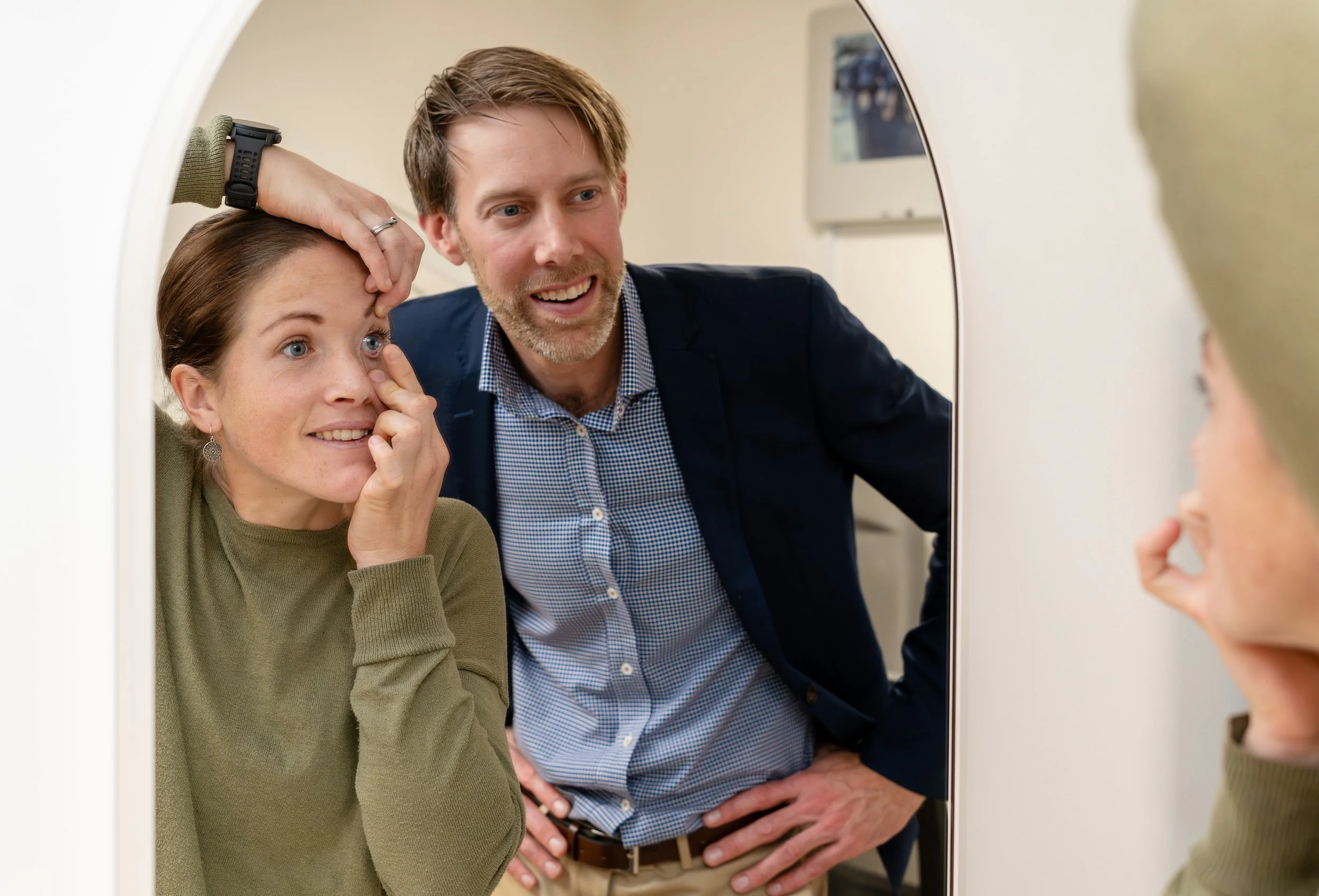
Explaining Ortho-K to patients sounds a bit like something out of a sci-fi movie. You wear a custom lens while you sleep, and by morning your vision is clear. No glasses or contacts during the day, and no surgery needed.
Ortho-K can be a game-changer. Those who have vision problems suddenly have the freedom to swim in the sea, play sports and go to school or work, without worrying about their glasses or contact lenses.
Short for orthokeratology, it involves wearing a specially designed rigid lens overnight. While you sleep, the lens reshapes the front surface of your eye. When you take the lens out in the morning, the temporary reshaping allows you to see clearly all day. For many, that means they can ditch their glasses or contact lenses altogether.
I’ve been fitting these lenses for over 15 years. In fact, as I write this, I am just returning from a weekend conference in Australia lecturing and teaching other optometrists about Ortho-K. These days, I mostly fit these lenses to treat myopia (short-sightedness), but also for long sightedness, astigmatism and even presbyopia, which is that frustrating shift in vision that hits in your 40s or 50s when reading becomes difficult.
Around the world, we’re seeing a sharp increase in short sightedness developing in children. Right now, roughly 30 percent of the global population is myopic, and research suggests that could reach 50 percent by 2050. Much of it comes down to lifestyle, such as increased screen use, more time indoors and not enough exposure to natural light. But over the past decade, Ortho-K has been proven to slow myopia progression in children.
As myopia worsens, the risk of serious eye conditions like retinal detachment, glaucoma and macular degeneration increases significantly. That’s why we now monitor not just prescription, but actual eye growth. Ortho-K can help slow that down, so we’re protecting long-term eye health.

People are often curious about comfort. Since Ortho-K lenses are rigid, there’s an adjustment period, but because they're worn while sleeping, most people get used to them surprisingly quickly. Once it becomes part of your nightly routine, it feels normal. Long-time users often tell me they wouldn’t dream of going back to glasses.
Of course, it’s a commitment. This isn’t a one-time fix. It only works as long as you wear the lenses each night, but that’s also part of its strength. It’s completely reversible and flexible. If your eyes change, we adjust the lenses, which makes it great for growing children or adults who aren't ready to commit to permanent solutions like surgery. All you need to get started is an initial visit to discuss Ortho-K and check your eye health to see if Ortho-K is right for you.
I’ve had patients come in because a friend or co-worker raved about how much Ortho-K changed their life. It spreads by word of mouth, and for good reason. It’s about being able to live your life without constantly thinking about your eyes. For me, I believe that’s a gift worth sharing.
MODERN ELEGANCE
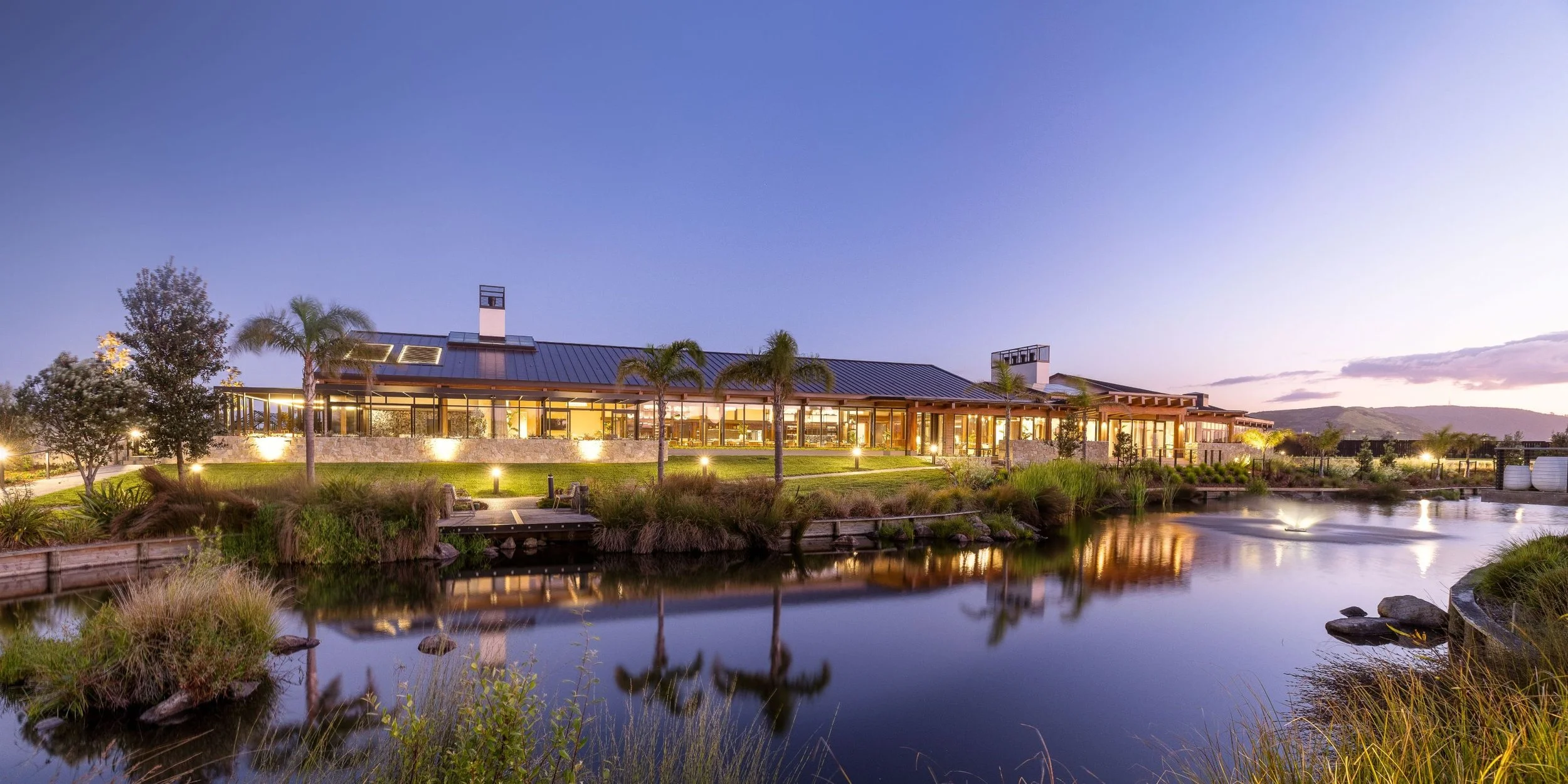
UNO takes a peek behind the doors of The Pavilion, the highly-anticipated community centre now open at Pacific Lakes Village in Pāpāmoa.
UNO takes a peek behind the doors of The Pavilion, the highly-anticipated community centre now open at Pacific Lakes Village in Pāpāmoa.
PHOTOS JAHL MARSHALL
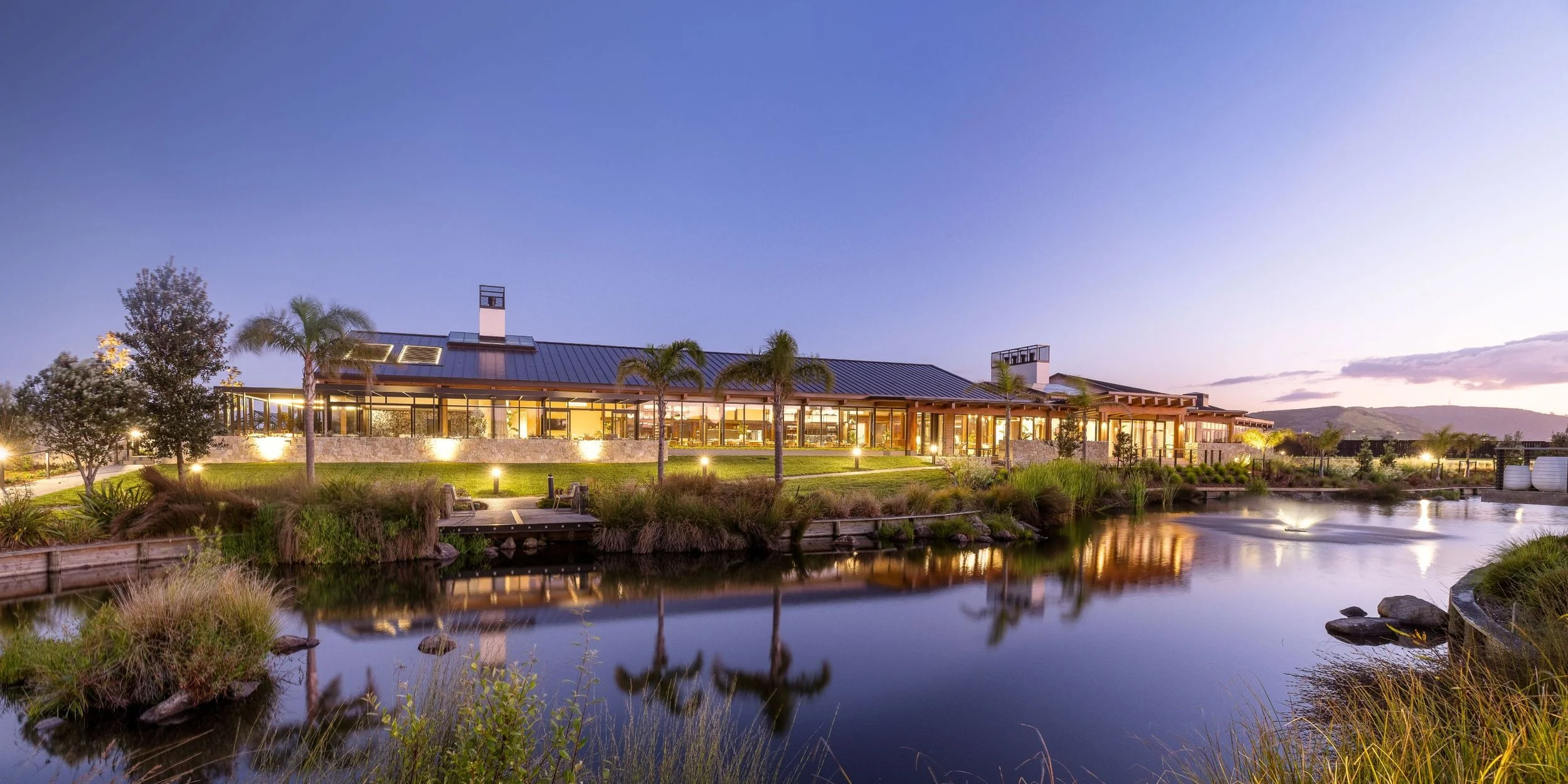
For the past few years, something big has been underway at Pacific Lakes Village. And now, it’s finally ready to be unveiled. The Pavilion is a striking new multi-function building that’s been thoughtfully designed to serve as the social heartbeat of the 350-plus resident community.
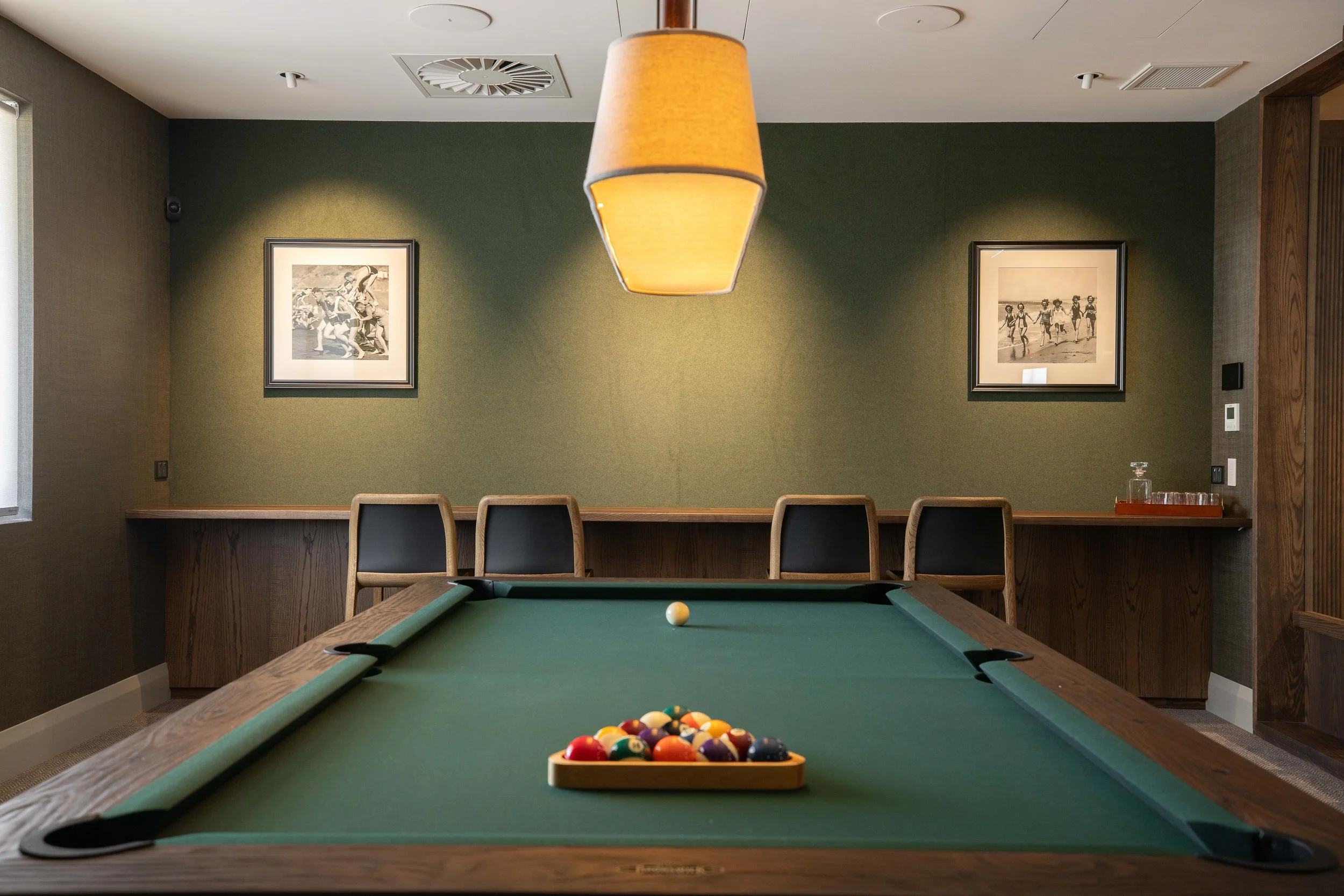
Designed by Peddlethorp, this distinctive architecture delivers residents a comprehensive hospitality and leisure offering overlooking the lakes, including versatile function spaces for events and performances, an Art Studio, a Library and Billiards Room. It also places a strong emphasis on wellness, featuring a salon, nail spa and treatment room. This offering will be further enhanced with the addition of a Hydrotherapy Pool and a Fitness Studio, in a further stage with construction commencing Spring 2026.
“Our vision was to create an environment that not only complemented existing venues but also met the social and recreational needs of our residents. Across our two Bay of Plenty villages, the facilities available to residents are extensive and of exceptionally high quality,” says Graham Wilkinson, director of Generus Living.
The Pavilion is an impressive architectural centrepiece spanning over 2500 square metres. Its muse was the Lake House, the Village’s smaller club across the Lake, that drew its design cues from its lodge-like warmth and character.
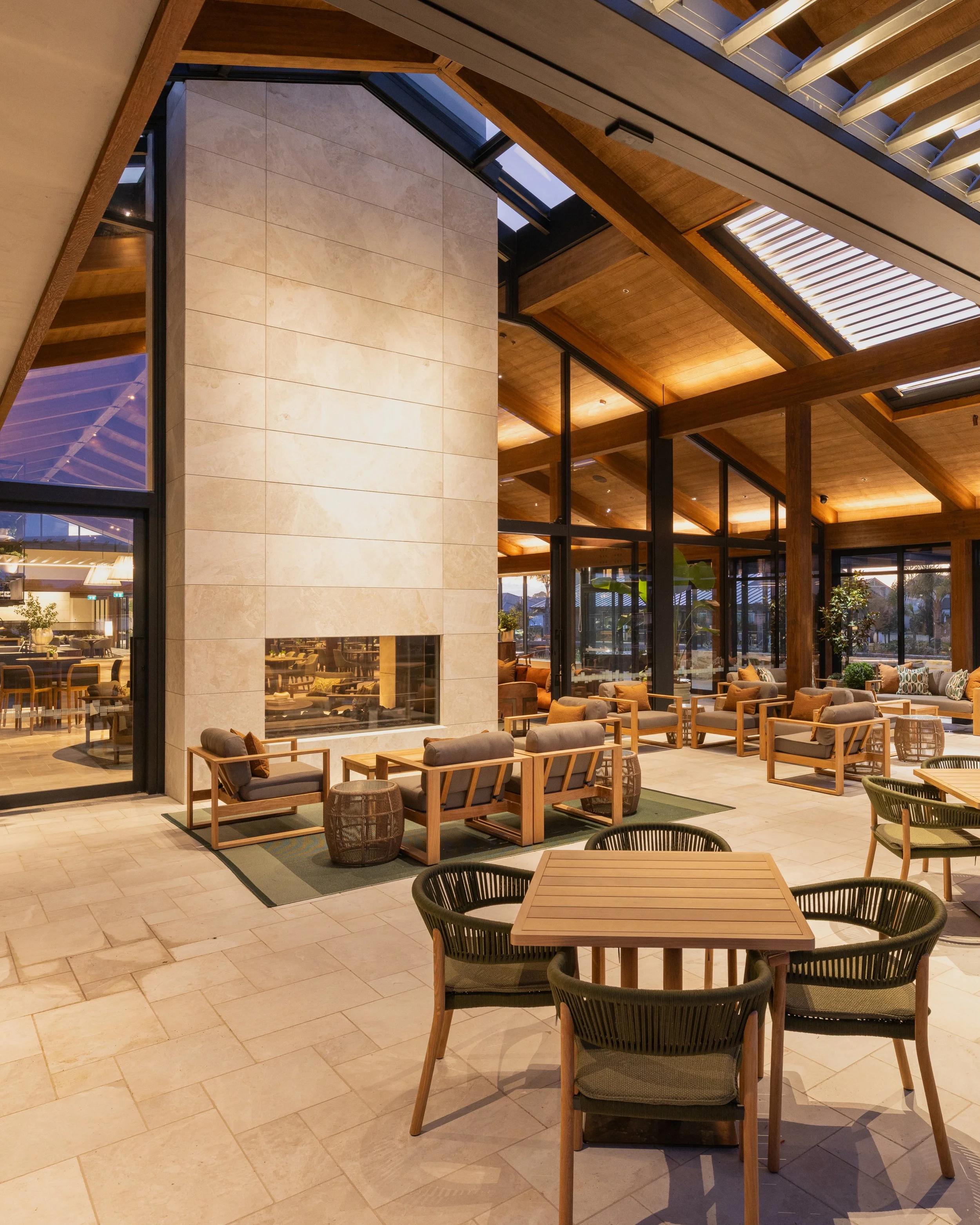
The Bay’s relaxed lifestyle has also shaped the building’s tropical-modernist lines with the extensive use of crafted timber and expansive glazing. The level of detail throughout is impressive, from the intricate timber craftsmanship to the carefully curated furnishings and dramatic hardwood beams. Every element has been considered to make residents feel luxuriously comfortable, and to encourage them to enjoy the space.
From the outset, the Pavilion was envisaged as the living, breathing hub of village life. A place where residents could meet friends for a meal, join a social activity or simply read a book in peace.
“A key driver was to create multi-purpose spaces,” Richard Mora, Generus Living general manager development explains. “There are three large rooms that can be used individually or open up to form one expansive venue. This will support a dynamic resident activity programme, accommodating everything from large gatherings to smaller recreation specific needs.
“The large screen, integrated technology, and flexible staging arrangements ensure the space is highly functional and can support a wide range of resident activities,” Richard explains. “The floor-to-ceiling fenestration creates a light-filled atmosphere and allows the planning to flow seamlessly to the expansive deck areas for larger social events.”
This atmosphere of openness and warmth is amplified by the interior design team, led by David Sweatman at design firm Space Studio, who were brought on by Generus Living to realise their vision for The Pavilion and to translate emotion into architecture.
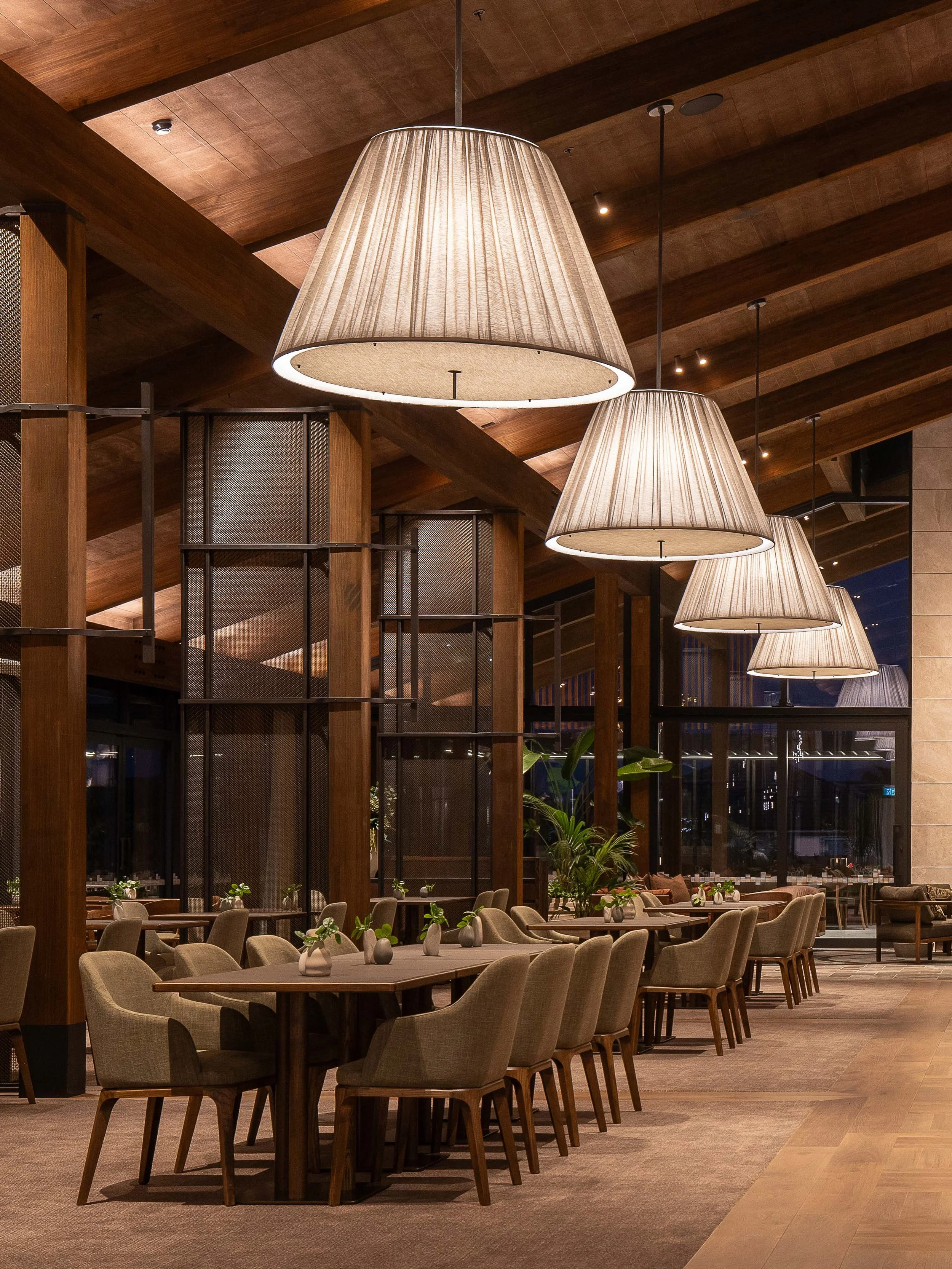
“We designed it to feel familiar but modern,” David explains. “A place where you could sit alone and have a coffee and still feel part of the community.”
To achieve that, the team leaned into texture and craft. “There’s a rich layering to it,” David says. “It creates space for conversation, with a relaxed and communal feel.”
The materials tell their own story. Stone floors are leathered rather than polished. Timber beams are left knotted and grained, their natural character proudly visible. David describes the look as, “rustic material finished with modern finesse.”
“It’s luxurious but humble,” he smiles. “It all works to create comfort.”
Natural light floods through skylights and across textured surfaces. Fluted timber paneling and delicate metalwork lend refinement without pretension.
“When the light rolls in and ties all those spaces together, that’s when it really comes alive,” says David. “You can stand in one spot and see through a series of zones — each distinct but connected.”
Guided by the same sustainability ethos that shaped the Lake House and the wider Pacific Lakes Village, The Pavilion has been designed to minimise environmental impact while maximising both design and functionality. The Pavilion is constructed primarily by mass timber elements which significantly reduced the requirement for any structural steel.
“It’s got this incredible sense of permanence,” David notes. “You can feel the structure and the hand of the craftsman in every element.”
That craftsmanship extends to the furniture and artefacts, nearly all of which were designed or made in New Zealand. “It’s a real celebration of what our local manufacturers can do,” Space Studio’s Monique Enoka-Davidson explains.
The artefacts nod to the mid-century “Crown Lynn” era providing a sense of familiarity, but each piece has been reimagined in a contemporary way.
“It’s almost sentimental, a nod to the past, but expressed with scale and modern craftsmanship.”
Furniture choices were guided by a clear philosophy of comfort with every detail carefully considered.
“The restaurant tables, for instance, feature a soft leather-look inlay with a timber edge — a tactile transition that matters the moment you touch it. They create a more peaceful, intimate atmosphere. It’s all about that sense of crafted care.”
For the Generus team, it represents the culmination of years of thought and collaboration. “As a company, we believe in a bespoke architectural response to every site,” Richard says. “You never quite know where the design process will lead, but that’s part of the delight.”
The project’s success, he believes, comes down to philosophy. “Think slow and act fast,” he says. “If you put your focus on well executed planning and design, then thoroughly test it at the front end, you’ve got every opportunity of delivering a great building at the end of it.”
For David and Monique, the reward is seeing how people inhabit the space. “When you walk through, you feel it,” says David. “You slow down and you feel at home. That’s the goal, where people feel immediately welcome.”
ITALIAN TOUCH
Hayley Barnett checks out Tauranga’s hot new spot for serious meat lovers, 1920 Cucina and Grill.
Hayley Barnett checks out Tauranga’s hot new spot for serious meat lovers, 1920 Cucina and Grill. PHOTOS ILK PHOTOGRAPHY
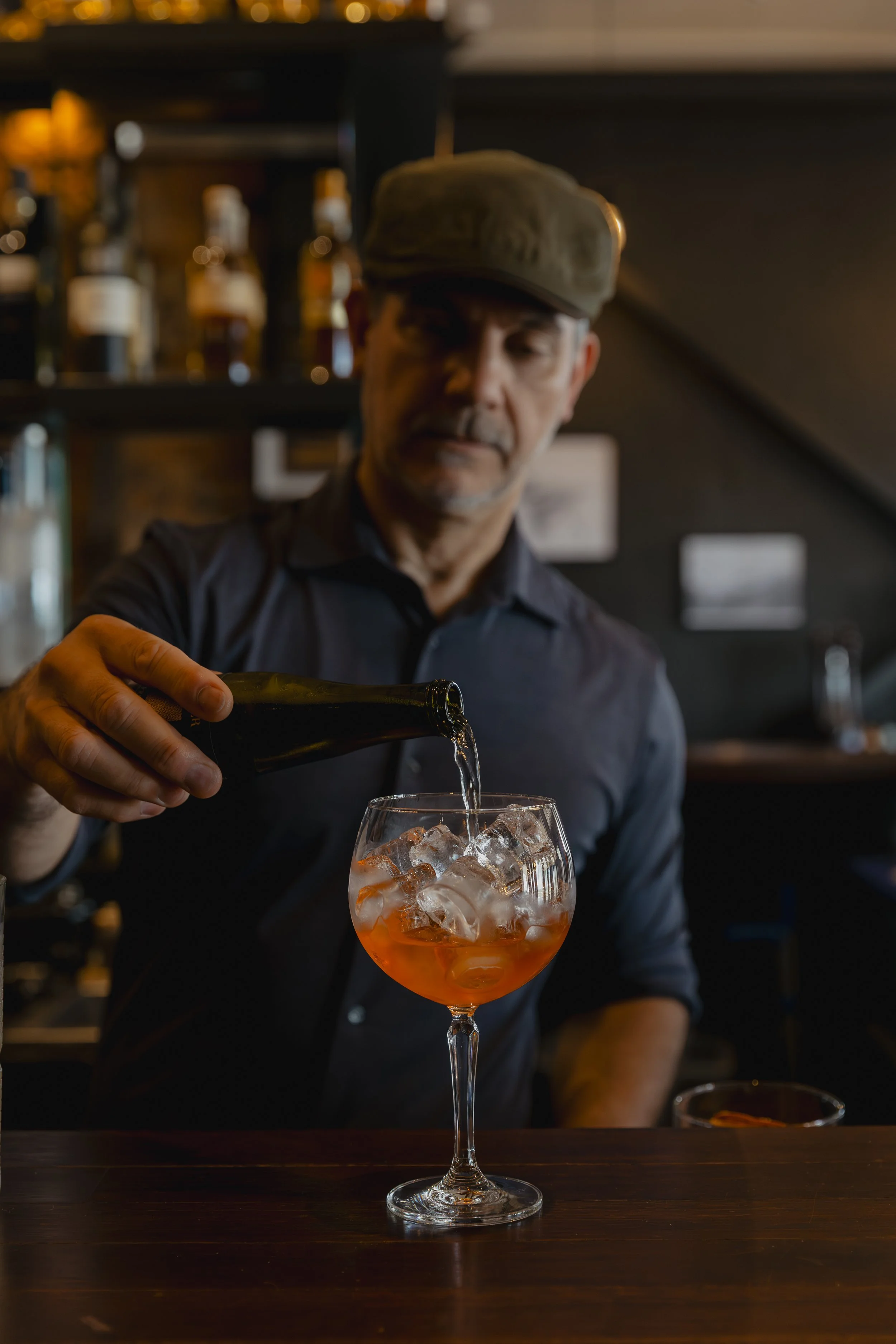
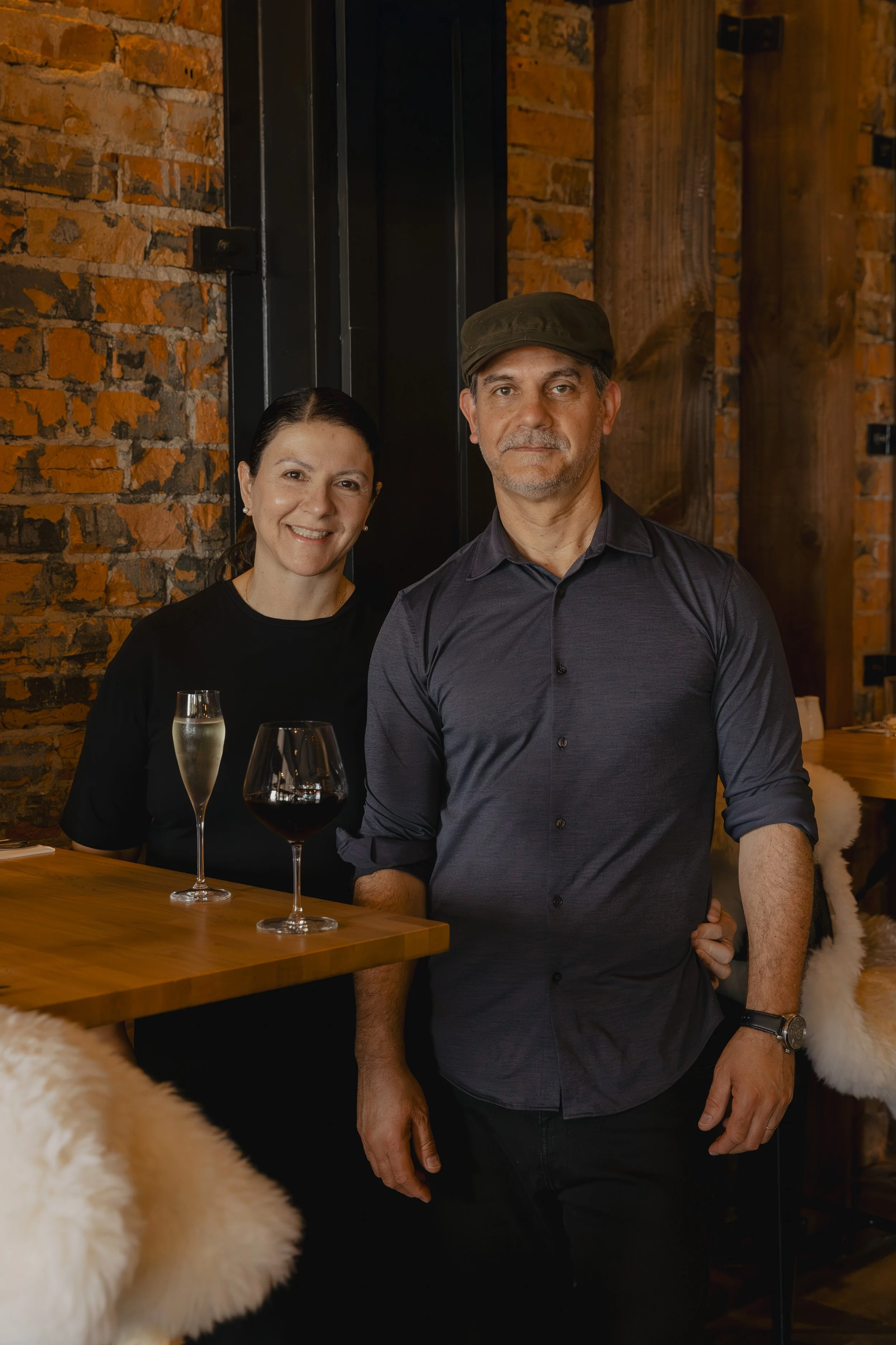
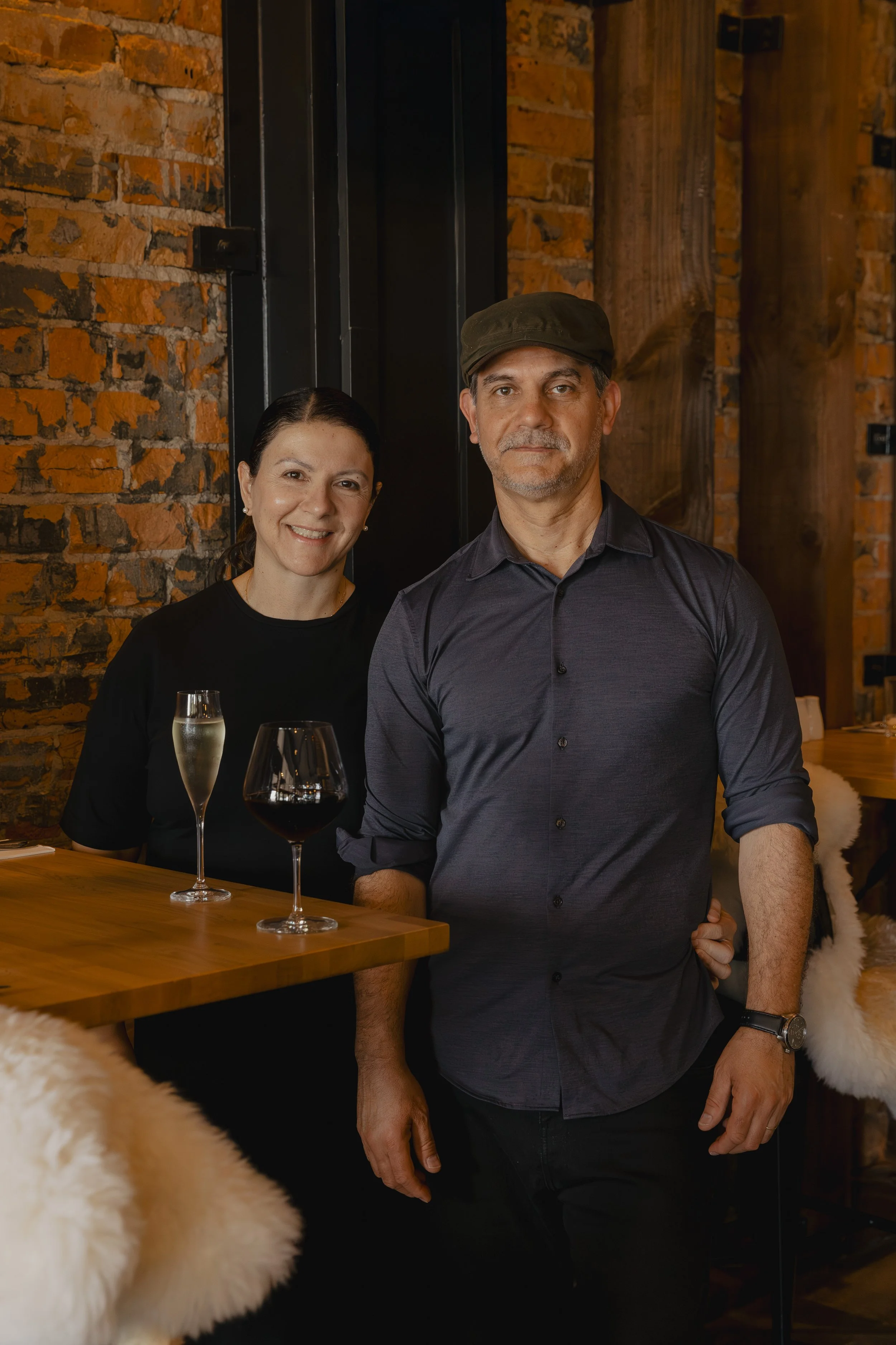
The husband and wife team behind the Mount’s Mamma Mia Trattoria have crossed a bridge — both metaphorically and literally — to fine dining. Though they’d never admit it and are quick to assure me that this new establishment is much more relaxed than it looks. As we sit in a beautiful heritage building, with its elegant high ceilings and the meat cooked to perfection, it certainly feels close.
Having recently opened 1920 Cucina and Grill at 85 The Strand, Luciano Souza and his wife, chef Cimone Juliani, decided to pour their heritage, history and hearts into this new venture, and it shows.
The couple, both born and raised in southern Brazil to Italian families, carry two culinary cultures in their bones, and for 13 years, the pair’s Mount customers would rave, again and again, about the pasta, but also, oddly enough, the steaks. “Some days I cooked more steak than pasta,” Cimone laughs.
While they’ve always stayed close to their Italian roots, they also dreamed of showcasing the rustic barbecue traditions they grew up with.
“In our region, every house has a barbecue,” Luciano explains. “If you’re not hosting one, you go to someone else’s.”
Barbecuing is as natural as breathing, and when paired with the technique-driven Italian dishes they were raised on, the couple found that a new kind of offering emerged. “We thought, why not focus on meat but keep our Italian touch?” says Cimone.
At 1920 Cucina & Grill, that balance is highlighted in the menu. They use premium New Zealand meat, which is something the pair say they appreciate more after years spent cooking abroad.
“The flavour here is amazing,” Luciano says. “It’s tender, fresh, really good to work with.”
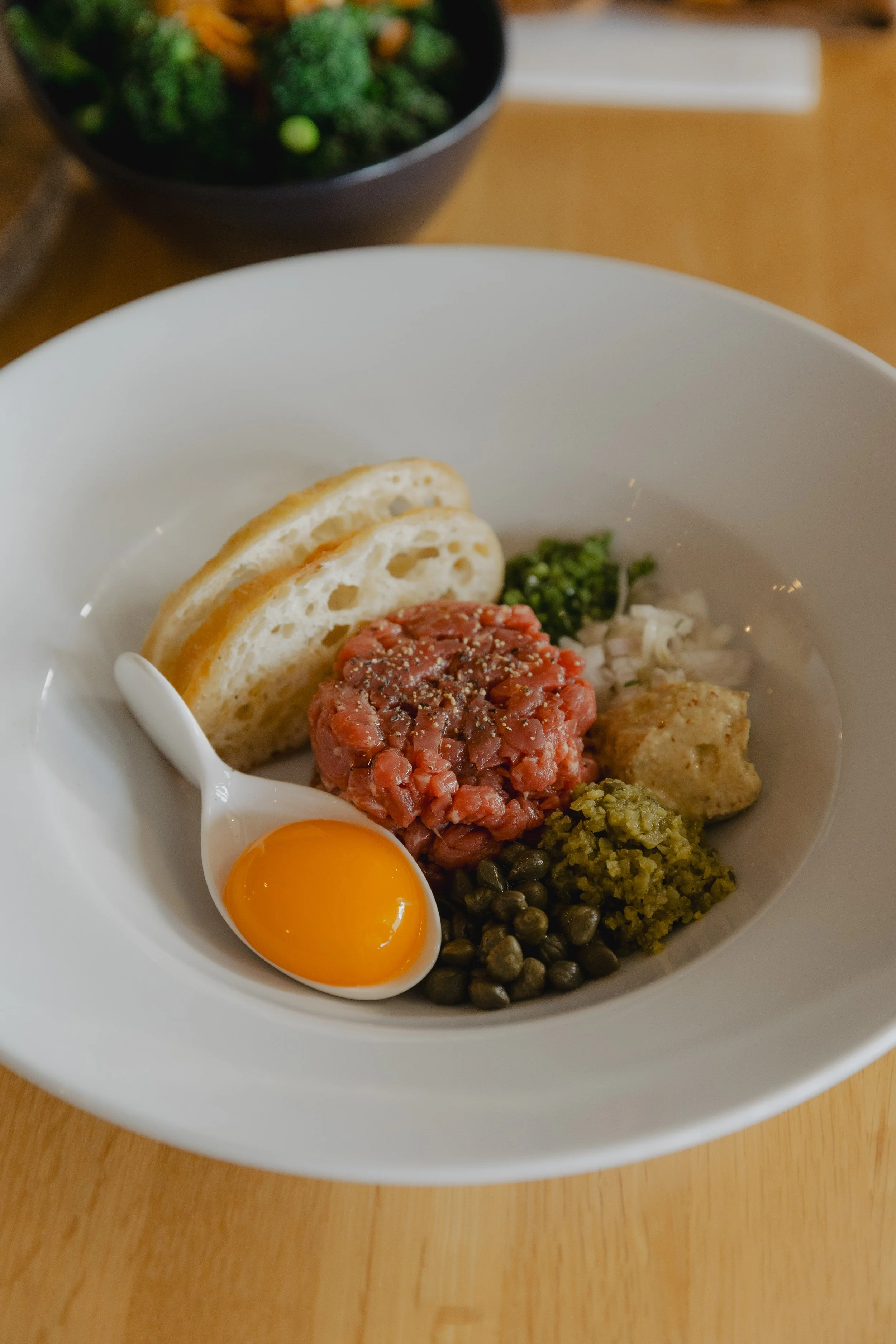
Beef Tartare
Among the dishes earning early attention is the Beef Tartare, a first hint that this might be pretty close to fine dining. The Surf and Turf Carpaccio feels equally indulgent. And Luciano’s beloved Beef Ribs embrace that charcoal-barbecue soul he grew up with, cooked low and slow for bone-hugging flavour.
“We don’t like to think of the menu as being a fusion of flavours, but more a harmony of heritage,” says Cimone.
“Much like the structure that houses us, our Cucina & Grill is grounded in history,” adds Luciano. “Our aim is always to bring to the table traditions passed down by generations of our Italian and Southern Brazilian family.”
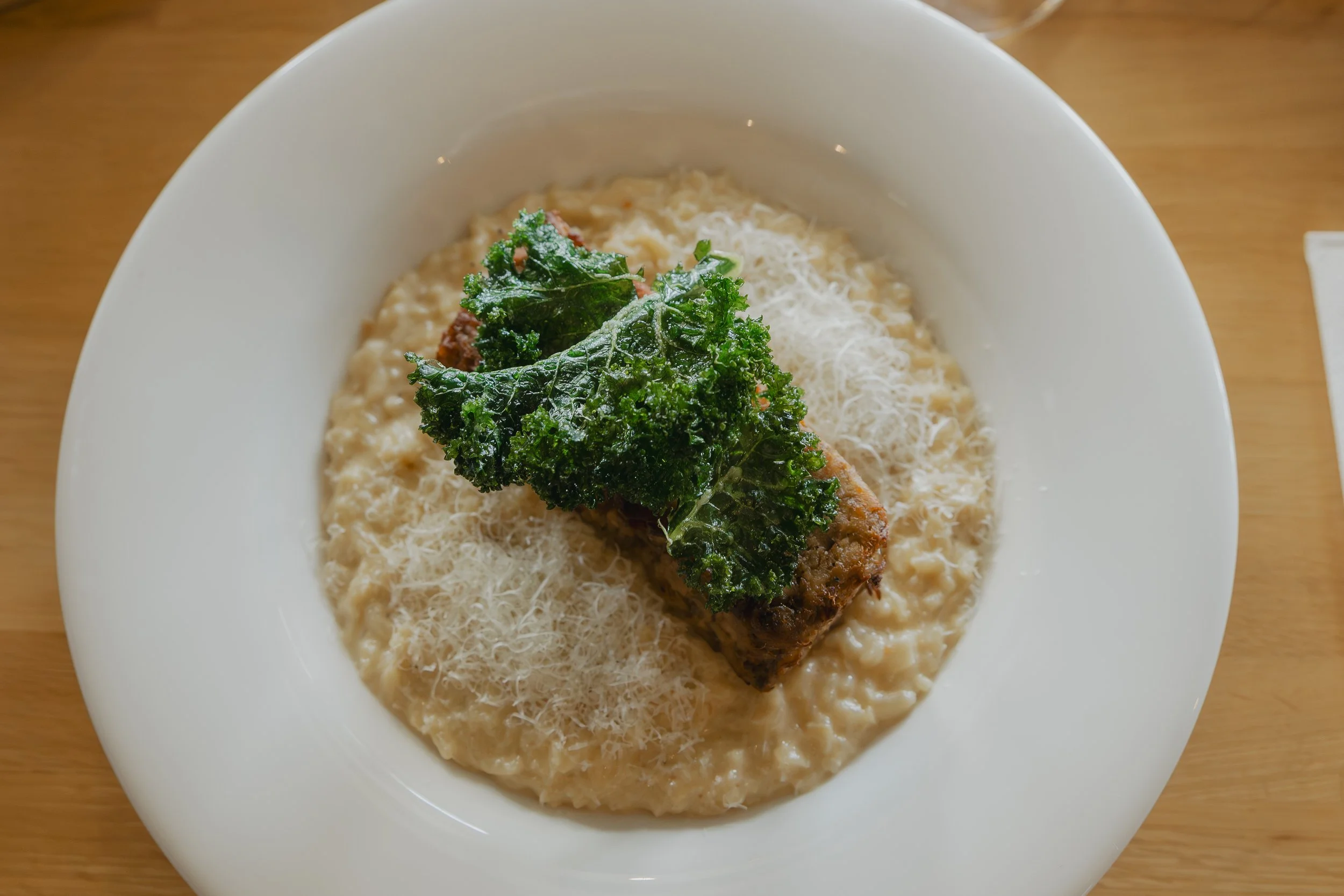
Pressed Pork with Parmigiano Risotto
The name 1920 is inspired by the era in which 85 The Strand was built and pays tribute to one of Tauranga’s oldest and most iconic buildings. Behind the scenes, the duo are steadily working toward an even bigger dream: a full charcoal kitchen, the kind used across Brazil, Argentina and Uruguay.
“That’s our second phase,” Cimone says. “We want people to know us first, then we’ll bring in the real barbecue.”
For now, it’s not fine dining, they continue to assure. The couple want the new restaurant to be a place where diners can gather and taste the story of two cultures, but mostly where people feel comfortable while eating good food. They’ve certainly achieved that, and if a little fine-dining magic slips through, well I’d say that only adds to the charm.
85 The Strand, Tauranga
WALK THIS WAY
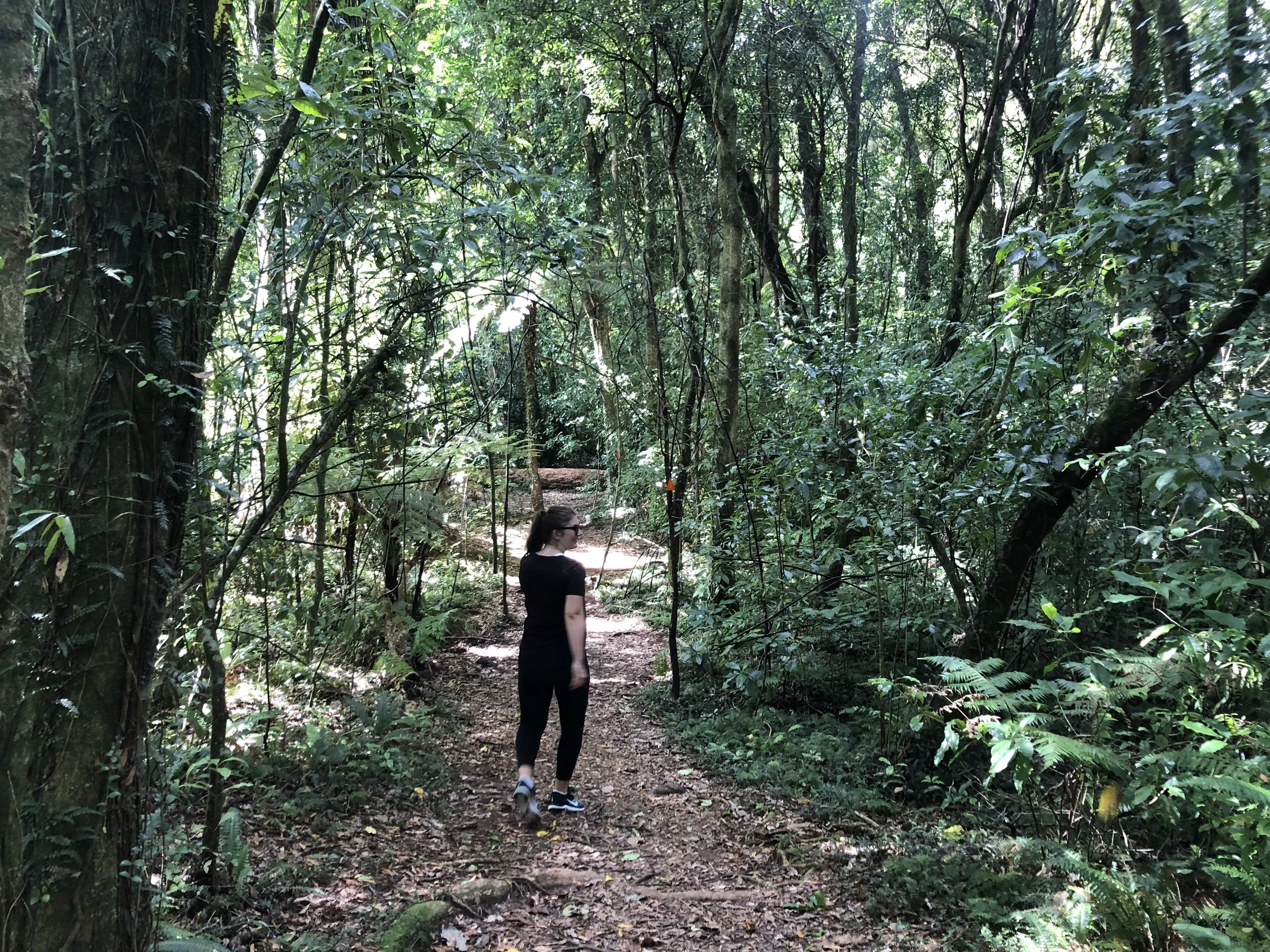
Between shady forest walks, hidden waterfalls and rugged coastal headlands, the Bay of Plenty has no shortage of trails to discover.
Between shady forest walks, hidden waterfalls and rugged coastal headlands, the Bay of Plenty has no shortage of trails to discover.
PHOTOS TOURISM BAY OF PLENTY
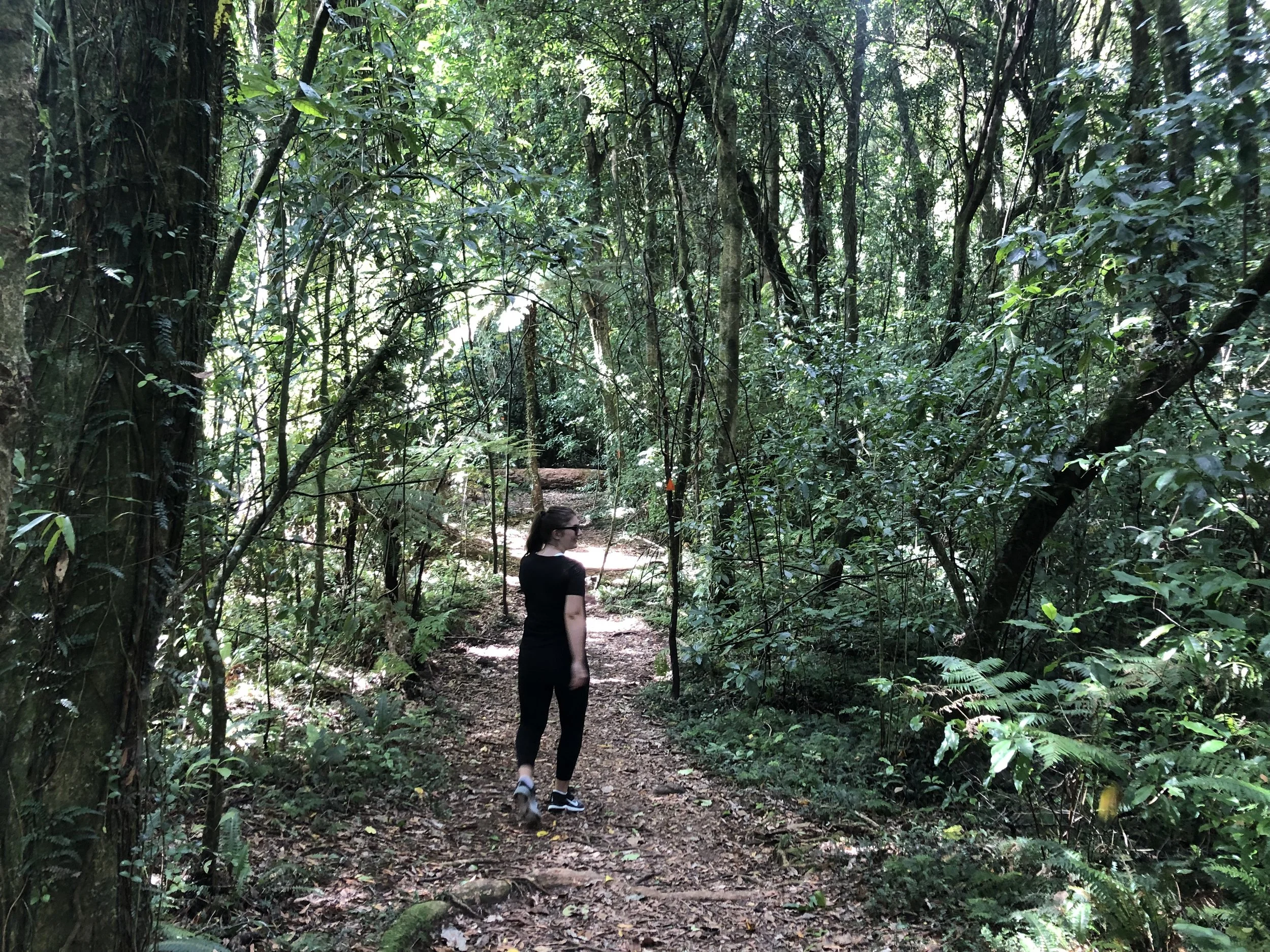
When it comes to walks that showcase the stunning landscapes of our region, the Bay of Plenty is one of New Zealand’s most generous playgrounds. Here’s a hand-picked list of family-friendly walks around Tauranga and the wider Bay of Plenty to feature in your summer adventure itinerary.
Waikareao Estuary Walkway
This flat, easy loop in Tauranga is ideal for families, cyclists or anyone who’d rather amble than ascend. The total loop is about 10km, but there are many entry/ exit points so you can tailor it to 30 minutes, one hour or more. The surfaces include boardwalks, gravel and sealed paths, meandering through mangroves, marsh and birdlife-rich wetlands. Expect to spot local wading birds, and maybe even a fish or two.
Ōtanewainuku Forest and Waterfall Walks
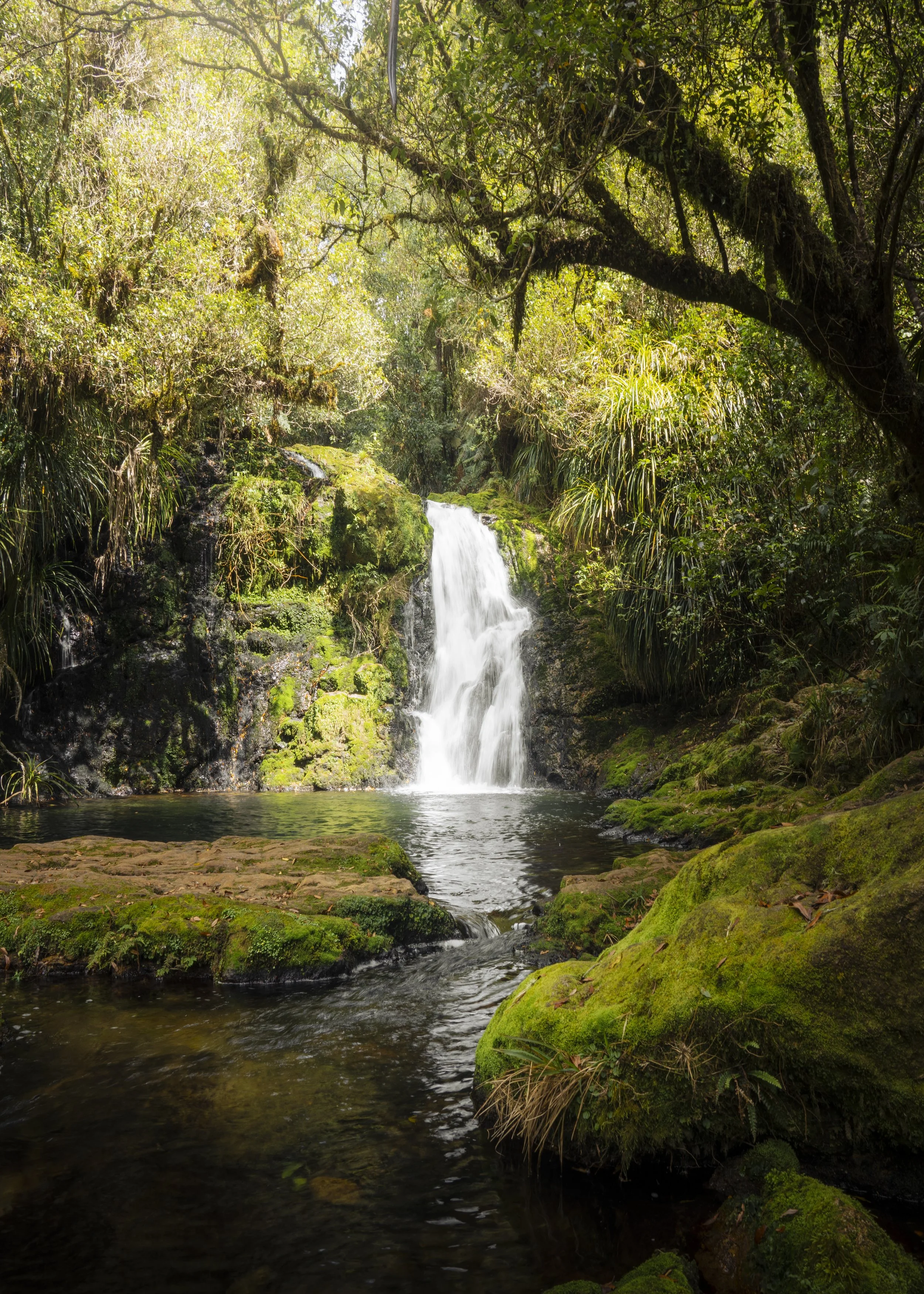
About 25 to 30 minutes south of Tauranga (near Ōropi / Te Puke), Ōtanewainuku Forest offers multiple tracks suited to families. One popular route leads to Whataroa Falls, which includes a pool at the base. Because paths vary in length and difficulty, pick a climb that suits your group.
Ngā Tapuwae o Toi (Footprints of Toi Track)
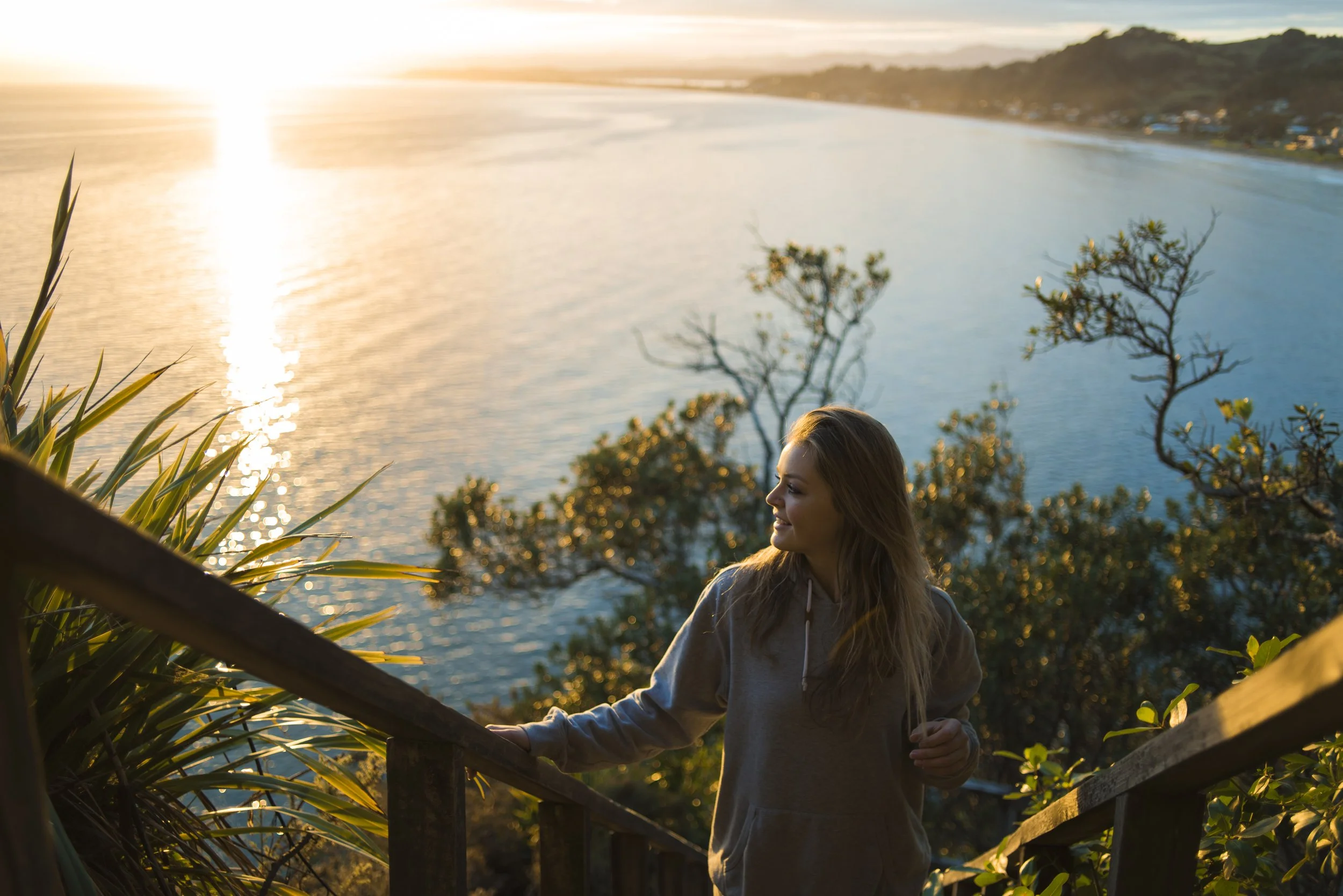
If your family is up for a longer day out, the Ngā Tapuwae o Toi coastal-forest walk spans 16km and links Whakatāne to Ōhope. The full loop takes five to seven hours, but you can do it in sections (one to three hours) if you don’t want to commit to the full length. It passes through scenic reserves, pōhutukawa stands, seabird colonies and native forest. Dogs are not permitted as it is a kiwi zone. Try walking section by section, or just pick your favourite segment.
Orokawa Bay from Waihī Beach
For a bit more coastal adventure, the Orokawa Bay walk begins at the northern end of Waihī Beach and follows a tide-dependent coastal headland path. It’s roughly 45 minutes one way. The views are spectacular, and you can picnic in the shade of pōhutukawa trees in the bay. Just watch the tides and plan accordingly.
McLaren Falls and Waterfall Track
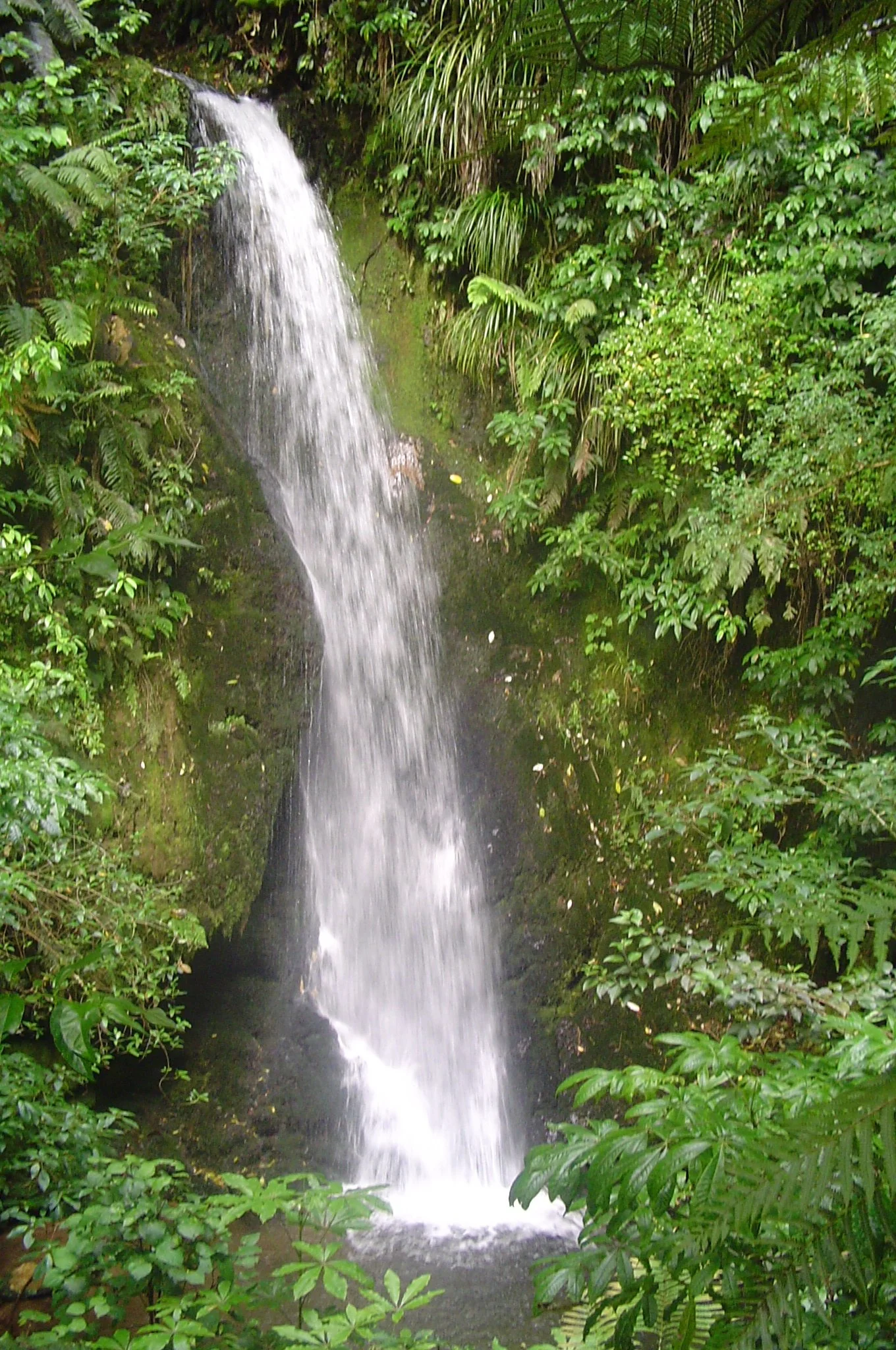
Just a 10- to 15-minute drive from Tauranga, McLaren Falls Park is a gem. One easy walk leads you through bush to a viewing platform over the falls, short enough for young legs but scenic enough to feel like an adventure. On summer evenings, the glow worms are said to appear along certain tracks. You can also wander around the lakeside paths (the McLaren Lakeside Walkway) for a longer but gentle stroll.
Kaiate Falls
A short drive (30 minutes) from Tauranga brings you to this forest walk through native bush, ending at a tiered waterfall. The track is about 45 minutes return and includes steps, so it’s more suited to families with confident walkers or older children. Swimming is not recommended, but the views and forest experience are worth it.
TOP TIPS
• Mix short and longer walks by combining a base-level stroll with one more adventurous hike on the same day, so everyone has something to enjoy.
• Time it with tides and weather. Coastal walks like Orokawa are best when tides permit and on calm days.
• Bring essentials such as sunblock, hats, snacks, water, insect repellent and wet-weather gear. Some tracks can be muddy after rain.
• Check track status. Some local reserves have track closures for infrastructure upgrades.
• Leave gates as found and carry out your rubbish. These tracks are well loved and cared for by local groups.
• Pace the kids. Use natural “pause points” (streams, lookouts, ponds) as moments to rest or explore.