
MODERN ELEGANCE
UNO takes a peek behind the doors of The Pavilion, the highly-anticipated community centre now open at Pacific Lakes Village in Pāpāmoa.
PHOTOS JAHL MARSHALL
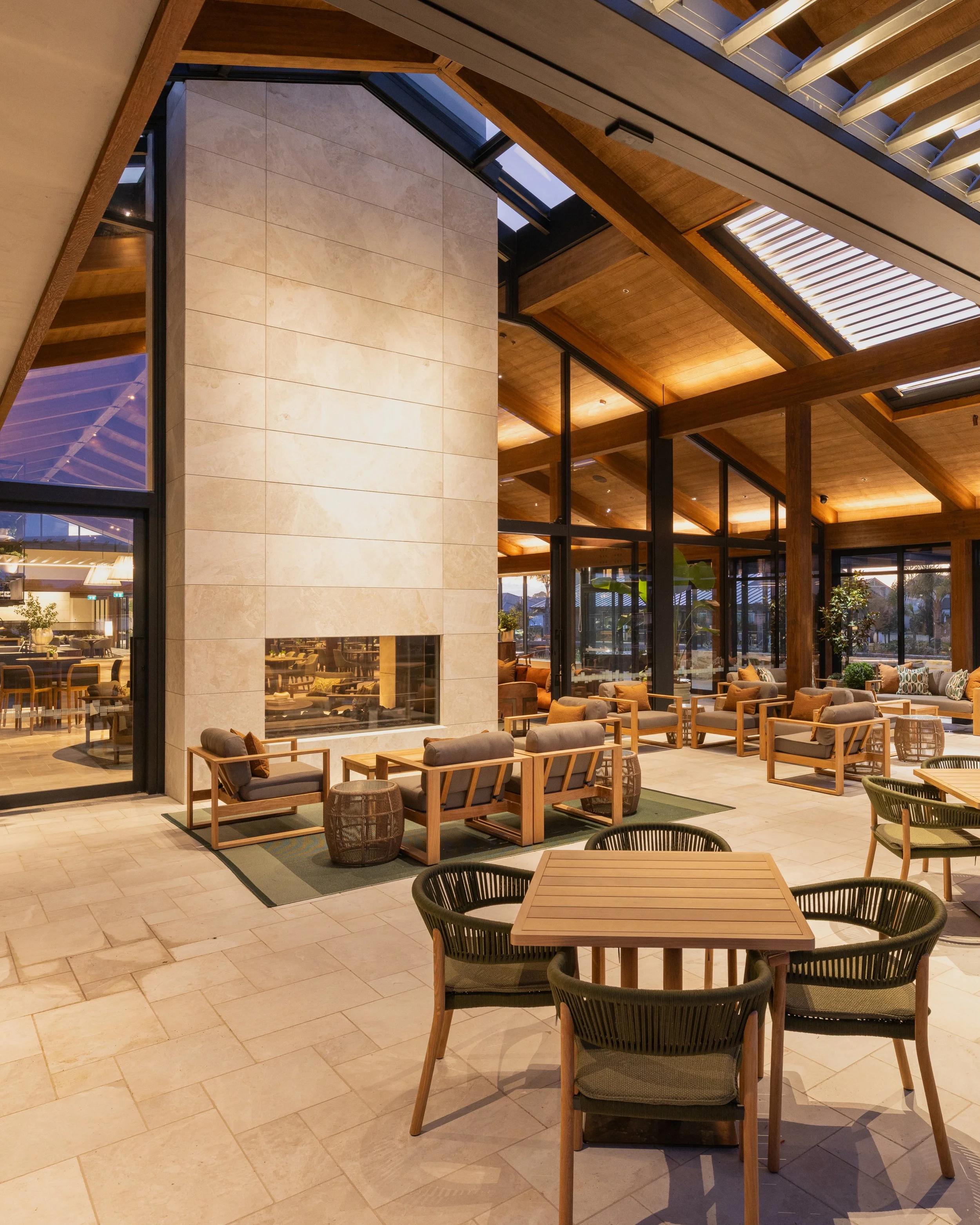
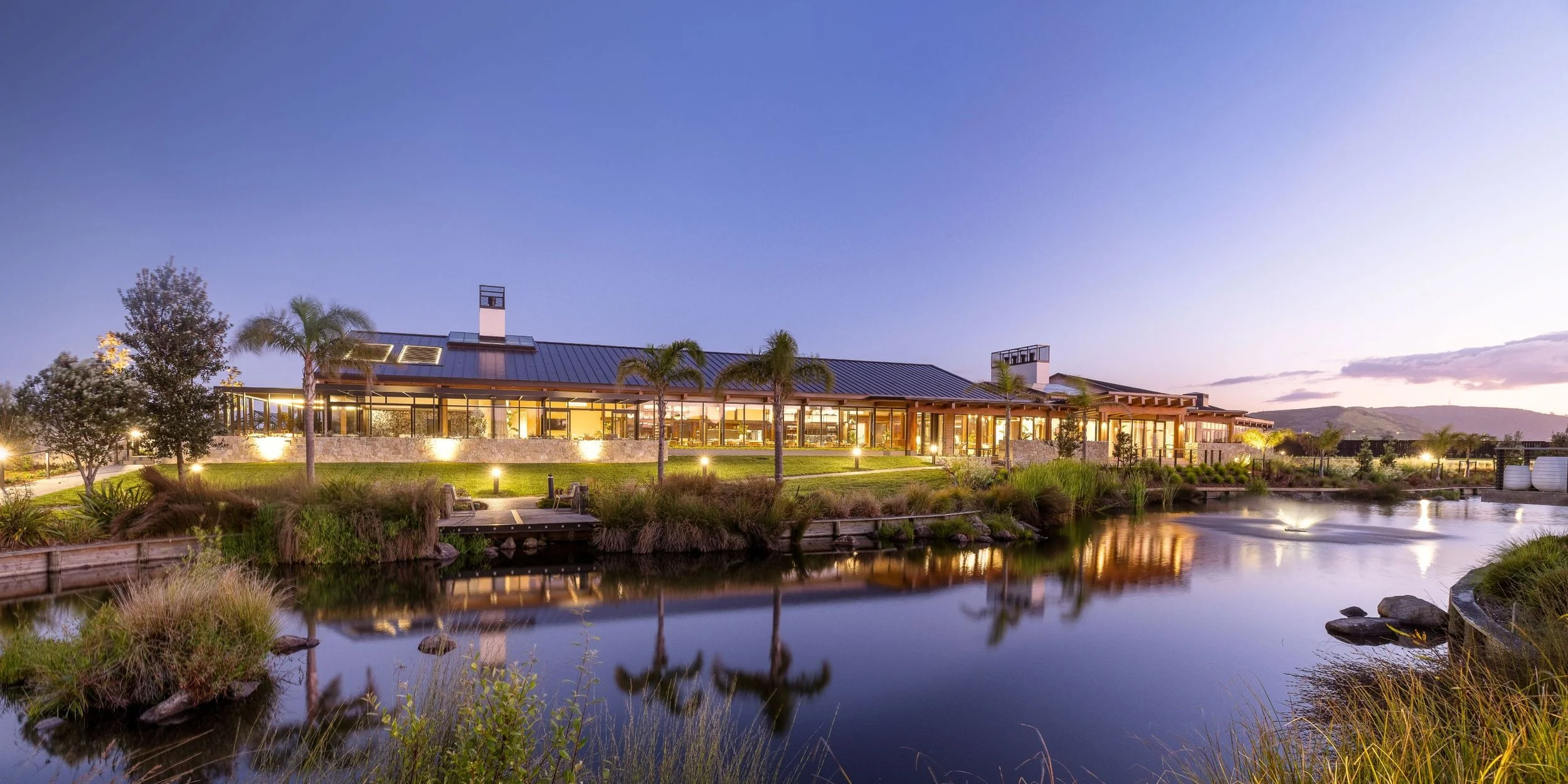
For the past few years, something big has been underway at Pacific Lakes Village. And now, it’s finally ready to be unveiled. The Pavilion is a striking new multi-function building that’s been thoughtfully designed to serve as the social heartbeat of the 350-plus resident community.
Designed by Peddlethorp, this distinctive architecture delivers residents a comprehensive hospitality and leisure offering overlooking the lakes, including versatile function spaces for events and performances, an Art Studio, a Library and Billiards Room. It also places a strong emphasis on wellness, featuring a salon, nail spa and treatment room. This offering will be further enhanced with the addition of a Hydrotherapy Pool and a Fitness Studio, in a further stage with construction commencing Spring 2026.
“Our vision was to create an environment that not only complemented existing venues but also met the social and recreational needs of our residents. Across our two Bay of Plenty villages, the facilities available to residents are extensive and of exceptionally high quality,” says Graham Wilkinson, director of Generus Living.
The Pavilion is an impressive architectural centrepiece spanning over 2500 square metres. Its muse was the Lake House, the Village’s smaller club across the Lake, that drew its design cues from its lodge-like warmth and character.
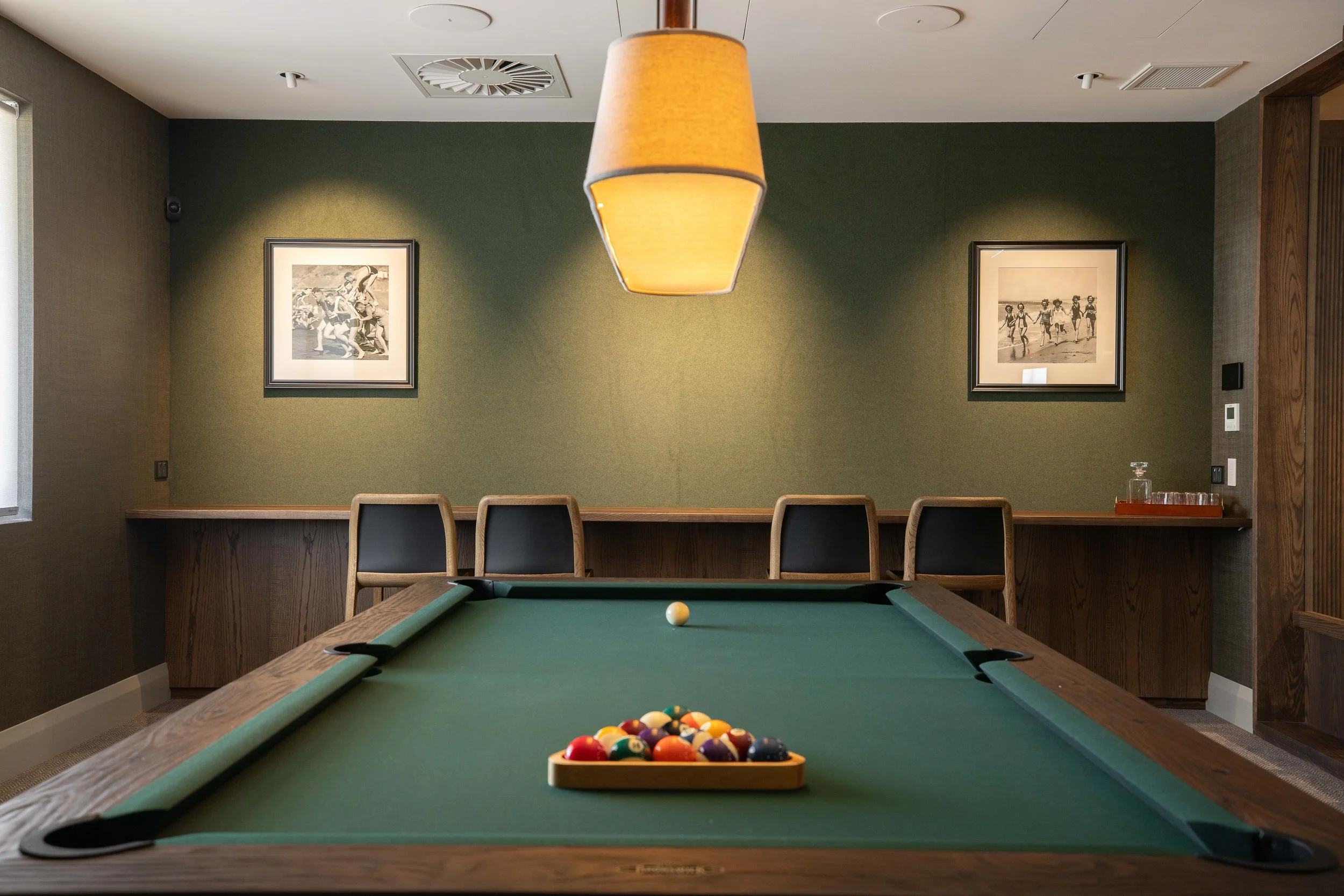
The Bay’s relaxed lifestyle has also shaped the building’s tropical-modernist lines with the extensive use of crafted timber and expansive glazing. The level of detail throughout is impressive, from the intricate timber craftsmanship to the carefully curated furnishings and dramatic hardwood beams. Every element has been considered to make residents feel luxuriously comfortable, and to encourage them to enjoy the space.
From the outset, the Pavilion was envisaged as the living, breathing hub of village life. A place where residents could meet friends for a meal, join a social activity or simply read a book in peace.
“A key driver was to create multi-purpose spaces,” Richard Mora, Generus Living general manager development explains. “There are three large rooms that can be used individually or open up to form one expansive venue. This will support a dynamic resident activity programme, accommodating everything from large gatherings to smaller recreation specific needs.
“The large screen, integrated technology, and flexible staging arrangements ensure the space is highly functional and can support a wide range of resident activities,” Richard explains. “The floor-to-ceiling fenestration creates a light-filled atmosphere and allows the planning to flow seamlessly to the expansive deck areas for larger social events.”
This atmosphere of openness and warmth is amplified by the interior design team, led by David Sweatman at design firm Space Studio, who were brought on by Generus Living to realise their vision for The Pavilion and to translate emotion into architecture.
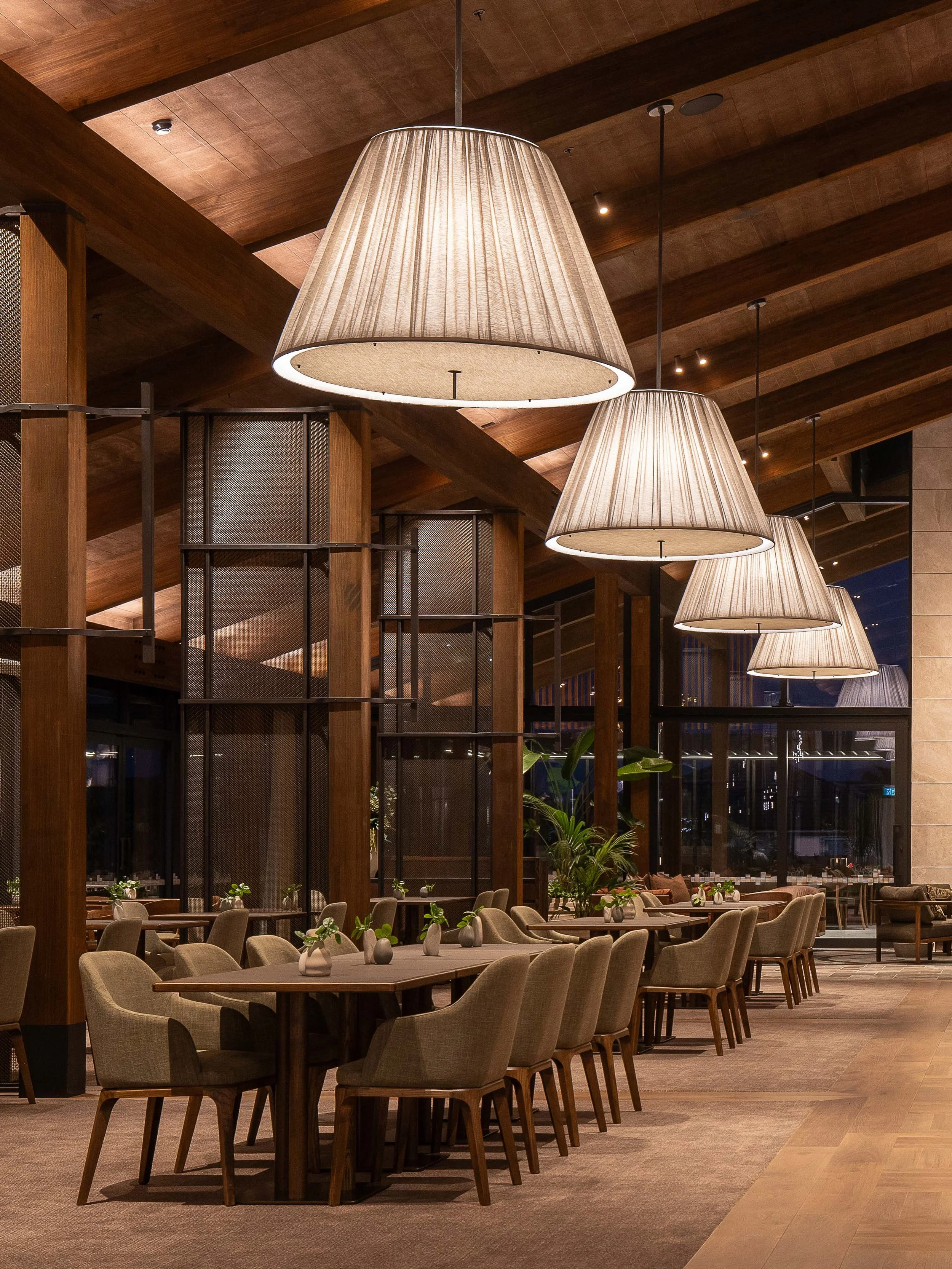
“We designed it to feel familiar but modern,” David explains. “A place where you could sit alone and have a coffee and still feel part of the community.”
To achieve that, the team leaned into texture and craft. “There’s a rich layering to it,” David says. “It creates space for conversation, with a relaxed and communal feel.”
The materials tell their own story. Stone floors are leathered rather than polished. Timber beams are left knotted and grained, their natural character proudly visible. David describes the look as, “rustic material finished with modern finesse.”
“It’s luxurious but humble,” he smiles. “It all works to create comfort.”
Natural light floods through skylights and across textured surfaces. Fluted timber paneling and delicate metalwork lend refinement without pretension.
“When the light rolls in and ties all those spaces together, that’s when it really comes alive,” says David. “You can stand in one spot and see through a series of zones — each distinct but connected.”
Guided by the same sustainability ethos that shaped the Lake House and the wider Pacific Lakes Village, The Pavilion has been designed to minimise environmental impact while maximising both design and functionality. The Pavilion is constructed primarily by mass timber elements which significantly reduced the requirement for any structural steel.
“It’s got this incredible sense of permanence,” David notes. “You can feel the structure and the hand of the craftsman in every element.”
That craftsmanship extends to the furniture and artefacts, nearly all of which were designed or made in New Zealand. “It’s a real celebration of what our local manufacturers can do,” Space Studio’s Monique Enoka-Davidson explains.
The artefacts nod to the mid-century “Crown Lynn” era providing a sense of familiarity, but each piece has been reimagined in a contemporary way.
“It’s almost sentimental, a nod to the past, but expressed with scale and modern craftsmanship.”
Furniture choices were guided by a clear philosophy of comfort with every detail carefully considered.
“The restaurant tables, for instance, feature a soft leather-look inlay with a timber edge — a tactile transition that matters the moment you touch it. They create a more peaceful, intimate atmosphere. It’s all about that sense of crafted care.”
For the Generus team, it represents the culmination of years of thought and collaboration. “As a company, we believe in a bespoke architectural response to every site,” Richard says. “You never quite know where the design process will lead, but that’s part of the delight.”
The project’s success, he believes, comes down to philosophy. “Think slow and act fast,” he says. “If you put your focus on well executed planning and design, then thoroughly test it at the front end, you’ve got every opportunity of delivering a great building at the end of it.”
For David and Monique, the reward is seeing how people inhabit the space. “When you walk through, you feel it,” says David. “You slow down and you feel at home. That’s the goal, where people feel immediately welcome.”