

A bold return
Always underpinned by excellence, the Sandersons are redefining luxury retirement living with a project set to impress.
Always underpinned by excellence, the Sandersons are redefining
luxury retirement living with a project set to impress.
words NICKY ADAMS | photo ALAN GIBSON

Fraser and Donna Sanderson.
With a life’s work spanning 38 years developing in the luxury retirement and care home facility sector, Fraser Sanderson made front page news in 2019 when he sold off three of his retirement villages, at the time quoted as saying he was going to ‘give retirement a go’. Clearly ticky-touring about in his campervan didn’t cut the mustard because roll on a few years and Fraser has returned, and returned with style. The project that has brought him back to the fray is the most exciting and prestigious one of his career, The Pitau in Mount Maunganui.
As the face of the Sanderson Group – family owned and operated nationwide with a portfolio of diverse developments under its umbrella – Fraser is well known to be an astute businessman, but one who holds the values of honesty, loyalty and family at the heart of it all. His children all have exciting ventures underway themselves in the retirement and development sectors and are excited by this latest turn of events; wife Donna is equally supportive, understanding that The Pitau is very much Fraser’s passion project. A concept too compelling to resist, the luxury and magnitude make it groundbreaking in New Zealand, and even on an international scale it would be considered trailblazing.
Fraser is no mere figurehead. His involvement has always, and continues to be, more than just in name only; a driving force from the ground upwards, he notoriously dives into every single aspect of a development. From overseeing the selection of the Travetine cladding of The Pitau or obsessing over the correct placement of the cabling in the building’s basement, Fraser prides himself on being a part of every feasible decision. He is lauded for his meticulous attention to detail, as well as the speed with which he ensures everything is executed. A friend of mine once sat next to Mick Jagger at a cricket game, and said she could feel the energy fizzing from him for every second of the match. Fraser has the same kind of sizzle – always on the move, it’s hard to even get him to sit down for an interview.
When Fraser does sit down, he is reluctant to wax lyrical about his achievements, but it’s hard to deny his significant impact on, and shaping of, the luxury retirement sector. I wonder which aspect of his legacy he is most proud of, to which he replies: “For me, it’s having been instrumental in raising the bar for luxury retirement living, and creating spaces where people can enjoy the highest standards of comfort, service and lifestyle. It’s all been about giving people the freedom to truly live well.” I comment he already has such a peg in the ground, so it’s intriguing as to what exactly it was about the concept of The Pitau that tempted him out of his brief retirement. He tells me: “It was really the opportunity to push the boundaries of what a luxury retirement village can be. I knew it would be something extraordinary in both design and lifestyle.”
Was it, I wonder, an idea that had been bubbling away for years, or was it simply circumstantial as the location presented itself? “I’ve always believed that people who have worked hard their whole lives deserve something truly exceptional. When this prime location became available, it was the perfect opportunity to create something that sets a new benchmark for luxury and excellence. Now, people who never would have considered a traditional retirement village are considering The Pitau”.
While The Pitau is an ambitious and prestigious venture, it is not out of character for Fraser to be ‘thinking big’. His visionary approach was apparent from the start when he embarked upon his first retirement village in Ōmokoroa, bucking the trend of the time when it was believed that retirement living needed to be centrally located. Conversely, when he did go into the city, he initiated industry change by developing at height in the Avenues. Taking his ‘out-of-the-box’ approach to Queenstown, he spearheaded development on Ladies Mile where he established a country club and built a hospital. Fraser’s trademark is rolling out projects that present with challenges. Over the years his undertakings have been diverse – from retirement villages and residential subdivisions, to specialist medical facilities, and hospitality to retail – however, the common thread is the uncompromising commitment to quality that remains steadfast. Fraser firmly believes that quality pays dividends in the long-term, and for him there is no budging on delivering the highest calibre product.
There seems to be a genuine passion for helping people in the retirement space. A question Fraser says he asks himself about every undertaking is, “Is this somewhere we want to spend our twilight years, or, is this a place we want our children to spend their formative years?” It’s clear an impetus for Fraser is creating an environment where people who have worked hard their whole lives can relax and enjoy the next phase.
With retirement villages now offering resort-like facilities, I imagine the concept is very different from how it was 40 years ago. Has there been a shift, I wonder, on when people feel ready to move to the ‘golden years’ of relaxation? “Absolutely. It’s no longer about slowing down – it’s about upgrading your lifestyle. People are moving in earlier, not because they have to, but because they want to enjoy everything a luxury community has to offer while they’re active and independent. It’s a shift from necessity to choice.”
Despite the allure of the wonderful quality of surroundings, luxurious facilities and stunning landscaping that all make up the core of any project under the Sanderson Group, Fraser still must come across many people who just aren’t sure if this next step is the right one for them. What, I wonder, would he say to people who are teetering on the edge of the unknown next stage? “I’d say, don’t wait until you have to move - move while you can truly enjoy it. This isn’t about giving anything up; it’s about gaining more – more freedom, more connection and more time to focus on what really matters. The sooner you step into this next phase, the more rewarding it becomes.” And with that, it’s beginning to feel as though there’s no such thing as too soon.
Introducing
The Pitau
Mount Maunganui’s five-star lifestyle retirement
offering promises uncompromising luxury.
words NICKY ADAMS | photos SUPPLIED

A welcoming and cosy guest lobby space.
When Fraser backtracked on his well-deserved retirement plan, it was because he couldn’t pass on the opportunity to create something totally unique. The Pitau was born of a desire to take luxury to new heights – quite literally.
A unique multi-level triple tower design, the outlook across the mesmerising beauty of the twinkling Pacific Ocean naturally is spectacular. But plonking an architectural wonder in a stunning location and simply signing off is not Fraser’s style. For him the devil is in the detail; the layout of the building has been designed to maximise both sunlight and views, the high room stud, thoughtful indoor/outdoor flow and optimised privacy all tie together seamlessly. The architectural mastery is apparent; curved edges and the neutral palette leans to an elevated aesthetic combining form and function. Investing in exceptional landscaping is part of the charm of Sanderson Group developments, so it’s no surprise to see the balcony edges are green planted – softening the form of the building and factoring in the need for foliage.
While the architecture is exceptional, both the exterior (which incidentally is clad in beautiful Travertine tiles imported from Turkey) and interiors are a work of art. It’s obvious that no expense has been spared to create homes that Fraser and Donna would want to – and be proud to - live in themselves; so it stands to reason that they have already earmarked an apartment for their own ‘golden years’. The apartments themselves vary in size and configuration, and the inclusion of a dedicated care facility with Memory Care and hospital-level care suites ensure that future additional medical needs can be met. It's hard not to get excited when you look through the spec – which in many ways feels more as though you’re flicking through the details of the most exclusive five-star-plus resort. Tasteful opulence at every turn you might say.

Then there are the lifestyle opportunities. If you’ve ever been through a Sanderson Group retirement village, you’ll be aware that the facilities are the lynchpin of luxury living, and The Pitau takes this premise to a whole new level. The facilities alone will make most people – myself included – stop in their tracks. There is, frankly, what feels like acres of premium amenity space; all created with the understanding that, firstly, the residents will be in their prime ‘post work’ years, and secondly, life within the building as a whole should feel like a continuation of the luxury of their apartment living. A massive swimming pool, expansive high-tech gym, yoga studio, sauna and spa will all be part of the active offerings.

Luxurious penthouse bedroom in the Rockpools interior scheme.
If you want time out, then there is a boutique cinema and library; if you feel like pampering, then head to the salon. If a billiards room sounds appealing, then take a breath and visit the Wine and Whisky Bar; oh and of course there are multiple café and restaurant areas.
This is not a traditional retirement plan, instead it is a five-star lifestyle offering – and it is here that The Pitau is elevated into a league of its own. Managing to be swanky without crossing the line to ostentatious, there is a huge main lobby area that opens into an internal courtyard, complete with water feature and reflection pond for just the right amount of Zen. A resident concierge service is available, because this really is a time of life when you deserve to delegate your life admin, and even better, there’s a chauffeur service on hand to whizz guests to the Golf Course, the airport or just to run errands. Those that like a little more independence can dip into the complimentary fleet of e-vehicles or borrow an e-bike if they have had one too many at the Whisky Bar.

A striking architectural view from Pitau Road.
Operating at a unique level unseen in New Zealand, The Pitau brings an international flavour. Many aspects were the result of endless research into what was missing from the premium retirement sector, not just in New Zealand, but globally. It’s fair to say that this concept will be market leading on completion. There really couldn’t be a more perfect location than the Mount. As Kiwis, we flock here, and it’s well known internationally as an incredible coastal location.
Naturally this level of living comes at a price, and with this, intended residents are putting a huge amount of trust into the Sanderson Group. A proven track record goes a long way, and additional reassurance is provided by the way the Group operates. Unusually for this type of development, the Sanderson Group controls all the main aspects of the build, with an internal team in place for everything from the architects to the civil earthworks and internal joinery. By acting as the main contractor, Fraser and his team are afforded greater control over quality and delivery.
This really does back up the realisation that nothing is accidental with Fraser. The Sanderson Group is based around the premise of delivering on the promise of uncompromising luxury, quality and good living.
Every single aspect of any development undertaken has been considered in micro detail, so the perception of unparalleled comfort is not just an illusion, the evidence is there to back it up. As Fraser said, when it comes to this type of lifestyle change “People are moving in, not because they have to, but because they want to.”
Completion dates:
Tower 1 – December 2026
Tower 2 – December 2028
Tower 3 (Care) – December 2029
To view, visit:
227 Maunganui Road
Mount Maunganui
Bay of Plenty

Choice as
Pāpāmoa was recently crowned ’New Zealand’s Choicest Suburb’. With its recent developments and array of foodie offerings, it’s easy to see why.
Pāpāmoa was recently crowned ’New Zealand’s Choicest Suburb’. With its recent developments and array of foodie offerings, it’s easy to see why.
photos ALAN GIBSON + SUPPLIED

The people have spoken. And what the people have said is that Pāpāmoa is officially ’New Zealand's Choicest Suburb’.
Every suburb in Aotearoa was eligible, but the Bay’s popular beachside location won, earning more than 50,000 public votes in the competition hosted by Trade Me Property.
But what was it about the unassuming suburb that won people over? Well, the natural environment is what truly sets Pāpāmoa apart. There’s the amazing beach, the recently redeveloped walks on Pāpāmoa Hills and numerous parks and reserves to enjoy. The accessibility to the beach combined with the expansive green spaces makes it an ideal place to live and unwind.
But it’s not just about the physical beauty of the area. It’s what’s on the inside that counts. And Pāpāmoa enjoys a welcoming and strong sense of community. Along with the gentle sea breeze that blows in from the sea and up over the dunes, you can also sense the community spirit.
People smile at each other when they walk by and there’s a sense of friendliness that harkens back to a time before people were rushed off their feet.
With that in mind, of course, its popularity has increased in recent years. The area’s growth is evident in the exciting ongoing developments that are improving the livability and options for people of all ages, who are attracted here by the promise of its lifestyle.
There is a master plan for the community that is being followed. It includes amenities like roading networks, cycleways and walkways, schools, childcare centres, dining options, supermarkets, office spaces, cinema, vet services, churches and retail along with a diverse variety of housing options suited to different lifestyles.
The focus of the plan is on creating a place where people can live and thrive and ensuring that Pāpāmoa remains a welcoming place for everyone.
You could even say it’s choice.
Pāpāmoa’s wonderful world of food
A visit to Pāpāmoa is akin to taking your tastebuds on an gastronomic adventure around the world. Whether you’re after an intimate date night, a social outing or some family fun, you’ll find Pāpāmoa has you covered.
Ali Baba’s House

Open says-a-me if you’re after a tasty Turkish feast. From mouth-watering kebabs to tasty pizzas and sweet baklava you’ll find plenty of culinary treasures here. You can dine in, take away or even have it delivered.
255 The Boulevard, The Sands
Grill and Green

This vibrant, Mediterranean-inspired menu is full of fresh, flavourful dishes like Turkemen Chicken, Open Souvlaki as well as classics like calamari, Scotch Fillet steak and their popular GnG burger. There’s indoor and outdoor seating and a relaxed vibe, or if a seaside picnic takes your fancy, takeaway options are available.
Golden Sands Drive, Excelsa Centre
Hello Sushi

Hello? Is it sushi you’re looking for? Then roll up to Hello Sushi. Their made-to-order sushi is bursting with flavour. Find classic rolls through to creative new combinations.
Golden Sands Drive, Excelsa Centre and 255 The Boulevard, The Sands
Henry and Ted’s
We’re hesitant to spread the word about Pāpāmoa’s best-kept secret, but this lively café is a popular favourite with the locals for its chill vibes and delicious breakfasts, brunches and lunches. The sweet treats in the cabinet are forever tempting and the coffee is worth the trip alone.
Golden Sands Drive, Excelsa Centre
Great Spice Indian

All the flavours of India are brought straight to your table at Great Spice. With a warm atmosphere and a dedication to authenticity, your cravings will be well satisfied whether you’re after a rich curry, a sizzling tandoori, or a fragrant biryani. Vegetarian and vegan options ensure there’s a dish for everyone to enjoy.
Golden Sands Drive, Excelsa Centre
Pablo

For a Latin-inspired dining experience, Pablo is the place to go. With a menu powered by traditional Brazillian flavours, its modern tapas-inspired dishes are perfect for sharing and enjoying a social night out. Be sure to indulge in one of their expertly crafted cocktails.
255 The Boulevard, The Sands
Papa Mo’s

This Pāpāmoa institution has a well-earned reputation as being the home of serious fun. Offering an extensive menu of pub faves like fish n’ chips, burgers and tacos as well as classic dishes like lamb shanks and pasta. With live music on Fridays and Sundays, quiz nights and other regular events, you can bet there’s always something happening at Papa Mo’s.
Golden Sands Drive, Excelsa Centre

Master your mortgage
Brooke Rapson of Rapson Loans explores the many benefits of working with a mortgage adviser.
Brooke Rapson of Rapson Loans explores the many benefits of working with a mortgage adviser.
photo JAHL MARSHALL

Buying a home is one of the most significant financial decisions a person can make. With the variety of banks and mortgage options available, navigating the process can be overwhelming, especially for first-time buyers.
A mortgage adviser plays a crucial role in simplifying this journey, offering expert advice and access to a wide range of mortgage products. Here are some key benefits of working with a mortgage adviser.
1. Access to a wider range of mortgage deals
One of the biggest advantages of using a mortgage adviser is the ability to apply to multiple banks and other financial institutions. This is something most people would never have time to do on their own. Unlike going to a bank directly, a good adviser knows all the banks and the products they offer and can target your application to the most suitable institutions. This means they can find deals that best suit your financial situation, potentially saving you thousands over the life of your loan.
2. Expert guidance and market knowledge
Mortgage advisers have extensive knowledge of the mortgage market, interest rates, and lending criteria. They stay updated with changes in regulations, policies, and economic conditions that can impact mortgage approvals. Their expertise helps borrowers understand complex terms and conditions, ensuring they make informed decisions that align with their financial goals.
3. Tailored advice based on your financial situation
Every borrower has unique financial circumstances, from income levels and credit history to employment type and debt obligations. Mortgage advisers assess these factors and recommend mortgage options that match individual needs. Whether you’re a first-time buyer, self-employed, or looking to refinance, an adviser can find solutions tailored to your situation, increasing your chances of approval.
4. Time-saving and hassle-free process
Applying for a mortgage involves extensive paperwork, applications, and negotiations with lenders. A mortgage adviser streamlines this process by handling much of the administrative work, from gathering necessary documents to submitting applications on your behalf. This not only saves time but also reduces stress, allowing you to focus on other aspects of buying a home.
5. Support throughout the mortgage process
A mortgage adviser provides ongoing support beyond the initial mortgage application. They help with negotiations, liaise with solicitors and estate agents, and ensure a smooth transaction from start to finish. Even after securing a mortgage, they can advise on refinancing options or future financial planning. In conclusion, working with a mortgage adviser can save time, money, and stress while providing expert guidance tailored to your financial situation. Their access to exclusive deals, in-depth market knowledge, and ability to navigate complex processes make them an invaluable resource for homebuyers.
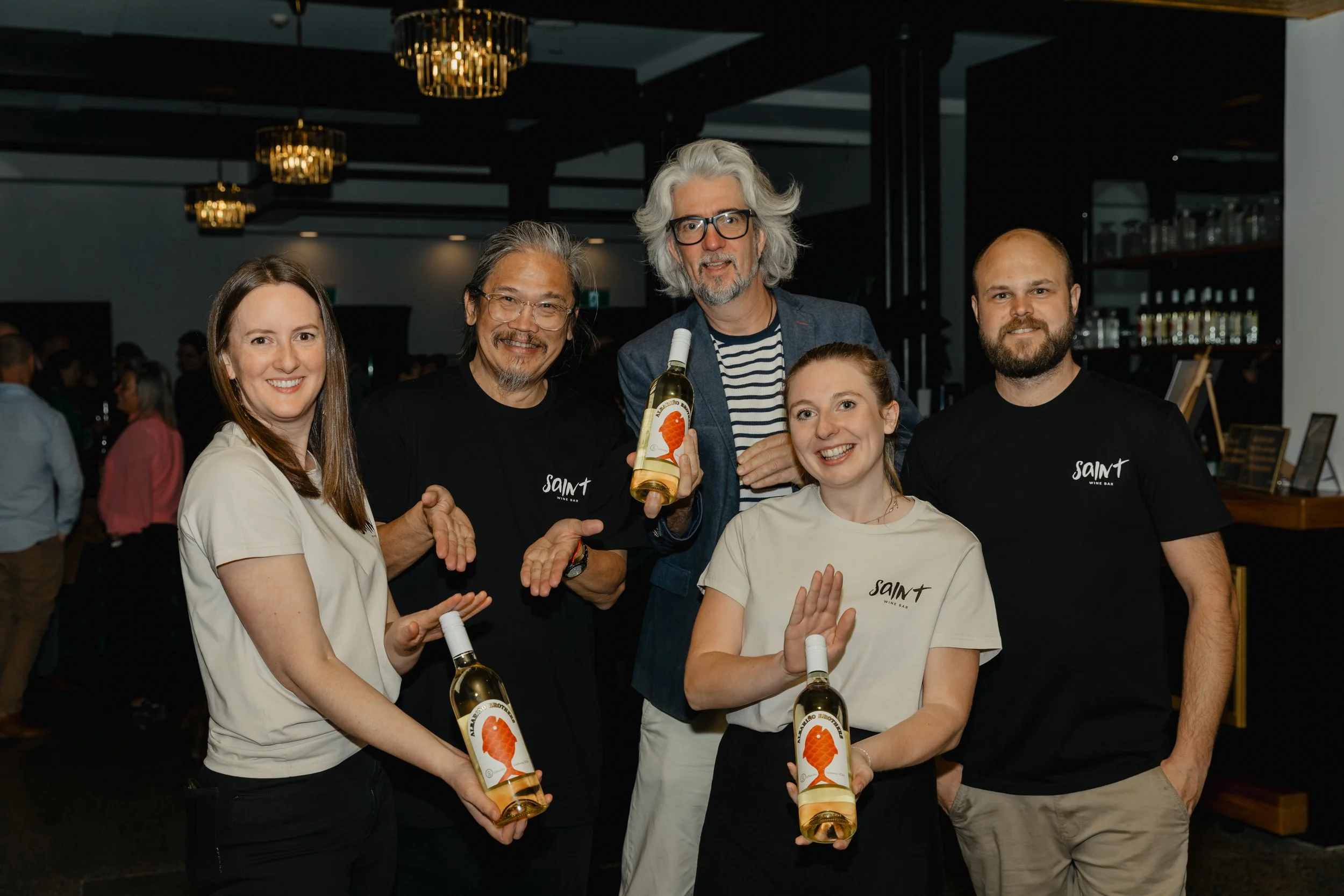
Charles in charge
Tauranga’s Charles Leong’s enthusiasm for delicious wine is infectious, and he also has the happy knack of helping a wide array of people understand what they’re enjoying, writes UNO wine columnist Jess Easton.
Tauranga’s Charles Leong’s enthusiasm for delicious wine is infectious, and he also has the happy knack of helping a wide array of people understand what they’re enjoying, writes UNO wine columnist Jess Easton.
photos ILK PHOTOGRAPHY

Legend has it that Charles Leong is older
than time and wiser than a whole parliament of owls.
In rare circumstances, he’s also been known to pull corks with his mind. Whoever – or whatever – he is, one thing is for sure; Charles Leong knows wine.
The resident sommelier at Tauranga’s Saint Wine Bar appeared out of the mists one day, whispering of mystical vintages and claiming to be descended from the first person who ever trod on a grape and fermented it.
In reality, the Chinese-Malaysian-born, Adelaide-raised guru is a thoroughly likeable aficionado with a quirky encyclopedic brain, who landed on these shores courtesy of a delightful Kiwi wife and two cute kids.
And it’s not just strong New Zealand wāhine he’s fallen in love with; he’s thoroughly excited to be able to match amazing food with burgeoning Aotearoa viticulturalists.
“The winemakers here are making wines with lots of integrity, and doing things like adopting organic and biodynamic practices,” he explains. “And also they’re making wines in New Zealand with texture and complexity, and food-friendly wines, rather than fruit-bombs.”
Spend any time with Charles and you’ll soon notice that his wry, cheeky humour is only matched by the expressions which litter his vocabulary.
Don’t be surprised to hear him drop “onion farts” into a conversation about a particular wine, for example.

Right now, his favourite drop currently stocked at Saint is a one-of-a-kind organic offering, that pairs spectacularly with hard cheeses, salty cured meats and shellfish in their brine.
“The one that’s outstanding, that I like a lot, is Mount Edward O2 Chenin – it’s unique for a New Zealand winemaker and also unusual.”
He’s right about the uniqueness – most people have never tasted anything like the Central Otago O2 Chenin, which is aged and oxidised in barrels for three years, like one of the great dry Sherry wines of Southern Spain, or the Jura style from France.
But there’s also no-one like Charles. His former colleagues in some of Sydney’s finest establishments used to joke that when he opened the bar, he wouldn’t turn the lights on; he’d turn the dark off.
Charles, they said, has been known to sneeze with his eyes open and once did a wheelie on a unicycle.
Most of all, however, Charles invites people to go on a wine journey with him.
“Wine, to me, is like a time capsule. It’s the only thing you can taste from your birth year, for example, and all these amazing winemakers are making all these wines with integrity and finesse and approachability. That’s what I want to show our customers – I like to excite them about the expressions of wine.”
In Charles, we trust.
Jess Easton is a director and owner of Kitchen Takeover and Saint Wine Bar, complementing her career as a Tauranga-based lawyer.

Matakana: A foodie’s dream
Matakana is well known as a hub for Auckland beach-goers, but, thanks to its flourishing food and beverage scene, it’s now on the map as a highly-desired destination for those beyond the Bombay Hills.
Matakana is well known as a hub for Auckland beach-goers, but, thanks to its flourishing food and beverage scene, it’s now on the map as a highly-desired destination for those beyond the Bombay Hills.
words HAYLEY BARNETT

Matakana, located just north of Auckland, may not look like much on a map – a few buildings lining a roundabout on your way to more populated destinations like Omaha and Leigh. But looks can be deceiving.
By the weekend, the usual 10-minute drive from Warkworth into Matakana becomes an hour-long standstill queue. Everyone’s desperate to get their hands on some of the best food products the region has to offer.
The best way to experience this little food haven is to get in before the weekend crowds by making it your base.
My husband and I came across two local businesses which allowed us to do just that. Canopy Camping Escapes became our base, just an eight-minute drive from the town, and Village Picnic offered a way for us to explore the region through its burgeoning food and beverage producers.
STAY
High on a hill, nestled in native bush, are two secluded glamping sites named Sola and Sokoon. We booked into Sokoon, the Persian of which means tranquility and stillness – exactly what we were craving after dropping the kids at Grandma’s in Auckland.
Besides the WIFI, this accommodation offers the feeling of being completely off grid. To get to the site you need to park your car at the top of the hill and make your way down a steep, narrow track. Top tip: don’t take a suitcase.
Owners Rachael and Ario were kind enough to lend us a backpack to transport a few essentials down to our site. They live on top of the hill with their two daughters in a house they’ve recently restored, with panoramic views of the coast and mountains. They both believe strongly in living as sustainably as possible, and this is evident in the way they’ve set up the two glamping sites. Many of the salvaged materials from their home rebuild have been repurposed into the domes, giving them, as they say, a “sustainable charm”.
Beyond the dome is a sheltered kitchen, bathroom, outdoor shower and bath. Don’t let the sustainability factor fool you, however. The site has everything you need to make your stay comfortable and the interior is every bit as beautiful as the scenery.

DO
On our way in from Auckland, we stopped at Village Picnic in Warkworth. Philippa Potaka cleverly puts together mystery picnic adventures for those wishing to meet and explore local producers, to taste test the very best of the region. At the end of a fun scavenger hunt you have yourselves a very ample picnic to feast on at your f inal destination. You don’t know what you will be scavenging, or where you’ll end up, which is perfect for these explorers who love good kai. Ours covered the coast from Matakana Village down to Algies Bay and finished in Warkworth. Other packages include the areas of Puhoi, Pakiri and Leigh.
EAT
Matakana Markets

We started at the famous Matakana Markets. Without giving too much away, our first clue took us straight to two popular stores at the market. Joining a long line, which weaved through the shop and out on to the street, we were treated to the delicious aroma of freshly baked bread.
From there, it was on to a chocolatier that specialises in artisan bonbons. After an insightful chat with the store’s very knowledgeable staff, we picked up our parcels from each, stowed them in our chilly bin and moved on to the next clue.
Charlies Gelato
This popular gelato cafe wasn’t on the list, but happened to be home to our next mystery vendor – a place where you can pick your own flowers. The hidden garden sits between a giant wood-fired pizza kitchen and a gelato store, located on Sharp Road, about five minutes drive outside of Matakana Village. We arrived just before lunch and the place was already buzzing with pizza and gelato lovers getting their fix. Thankfully we had the garden to ourselves as we picked a bunch of flowers to take with us on our picnic. As we precariously wedged the jars of flowers between our car seats, we worked out the next riddle and headed towards the coast.
Snells Beach
Next we found ourselves at the water's edge and a home to cute miniature villages, where we picked up some equally cute homemade condiments from a local residence. The next clue took us to a long winding driveway and through to a magical world of art and horticulture. As we took in the sights and sampled an array of beverages on offer, it became apparent that we must start eating our collected edible treasures, so we made the next stop our final picnicking place.
Highfield Gardens Reserve
This reserve at Algies Bay is known as ‘the donkey park’, for the amount of donkeys roaming around the grounds. You can drive through the gates of the park up to the top, which overlooks the whole of the bay. It was the perfect spot for what had become more of a banquet than a picnic. As well as the treats we'd picked up along the way, Philippa had also supplied us with a range of cheeses, crackers, deli meats, pickled vegetables and drinks. We quickly found a picnic table before the rush and got to work on our feast. Later, we found we had more than enough to last us through dinner!
EAT
Brick Bay Winery

This, we discovered, is one of the area’s most famous wineries. As you enter, art sculptures are dotted along the farmland, and an impressive glass house that seemingly floats above a large pond is home to a beautiful restaurant and bar. The Row, where the tastings take place, sits outside this – a greenhouse-esque structure completely covered in grapevines, which provides a cool and quirky shelter to mingle and taste the best of Brick Bay’s vintages.
Viet-Q Vietnamese
Definitely worth a mention is Viet-Q's Vietnamese food truck. This was recommended to us by our lovely hosts at Canopy Camping. The trailer is tucked between houses on the main road coming into Matakana Village but is hard to miss. The amount of people milling around the area will immediately catch your eye. Head chef and founder Phuong Graham trained in food technology before introducing locals to her authentic Vietnamese flavours. Today it’s one of the most popular eateries in the region. From Banh Mi to Chilli Chicken, this is authentic Vietnamese cuisine at its best.

Larger than life
Nicky Adams explores the timeless appeal of Disneyland and discovers its magic isn’t only reserved for the kids.
Nicky Adams explores the timeless appeal of Disneyland and discovers its magic isn’t only reserved for the kids.

It’s hard to put your finger on just what makes theme parks so magical, when most of us are way past our Disney delight days.
‘We’re doing it for the kids,’ mutter the adults as they race behind the super-sized Mickey Mouse, not a child in sight. The fact is it doesn’t matter what age you are, there is something wonderful about being transported into another world, where everything is bright, fun, and essentially make believe. To quote Walt Disney, ‘You’re never too old to be young.’
I think the sheer fantasy is what makes me love it so much – the larger-than-life characters, the ‘cast members’ (staff) dressed up as a 1950s Barbershop Quartet belting out random a capella on Main Street, the sight of a Mark Twain-style steamboat making its way down the Mississippi. The wild imagination of it all is nothing short of joyous.
Ironically, I hate roller coasters, but there’s a million and one other rides to try, from flying through Neverland on the low-level Peter Pan’s Flight to the exhilaration of gunning down enemy craft as you take the helm on the Star Wars’ Millennium Falcon Smugglers Run.

Disneyland Anaheim opened in 1955 and is made up of Disneyland and the latterly added California Adventure (which opened in 2001); between the two parks they cover every single age and stage.
Both parks are divided into ‘lands’ and tactically feature rides and references to the original Disney days but have kept up to date with all the latest stories and characters, so no genre is left untouched. There’s the old-worldly fairground feel of the ferris wheel in California Adventure (where you can choose between a carriage that stays static or one that swings), or there’s the high-tech Rise of the Resistance, the latest simulation Star Wars ride in Disneyland. In between you have the fan favourites of the indoor rollercoaster Space Mountain, river rapid ride Grizzly River Run and of course the dark speed of the Radiator Springs Racers.
The fantasy world that you’re about to step into starts before you enter the parks themselves. Downtown Disney District serves as the soft launch; connecting the two parks and the three hotels, it’s free to get into (although you do need to go through security) and is a lively and beautifully landscaped, easy-to-navigate outdoor shopping and dining area that hums with entertainment. It’s also home to a dangerously delicious Wetzel Pretzel café – try at your peril. This is the area from where you enter one park or the other – the Park Hopper ticket will gain entrance to both on the same day. Exploring both parks will likely take you a good couple of days, although with opening hours going between 8am and 10pm it’s possible – if exhausting – to simply keep going, to get the most out of your ticket entrance. However, if you do, brace yourself to cover an awful lot of ground during your day.

Visiting in October, the weather was cool in the morning and evening, but by 10am had warmed up to high 20s, which may sound sweltering, but low UV saved burning. Saying that, it wasn’t a heat you wanted to stand around in for too long, so a queue- jumping Fast Pass was invested in at an extra cost.
While this certainly saves plenty of time in the queues (you can book an advance time slot) it’s by no means a perfect system. We found it incredibly frustrating that you could only hold one slot, and when the time shown came up it often gave you a later time slot than shown on the Disney app. The waiting, I’m afraid, is unavoidable. On the plus side, the queues are incredibly civilised and, other than slowing you down, could just be accepted as part of the experience. The cost is another aspect to be considered. A weak NZ to US exchange rate, along with post-Covid price rises, doesn’t go unnoticed when on top of the ticket price comes a day of theme park treats. Saying that, while there are plenty of in-park refreshment stops, packing your own water bottles and snacks is worthwhile.
As I mentioned – as someone that is terrified of rollercoasters, you might think that it would be hard to find things to do. Oh contraire! Weirdly, although I’m rollercoaster averse, I found I was born for the simulated rides, which (I was quietly smug about) other far gutsier family members struggled with.

My pick would without question be Soarin’ Around the World. If I could have done it all day long, I would have. Strapped into a simulator you whizz above the African plains, Eiffel Tower – even tropical islands – all the time being infused with the scent to match.
Sounds weird I know, but it was incredible. Another goody was the Pirates of the Caribbean – I lost count of how many times we all did this. A couple of wee water drops was as scary as it got, but an underground journey through the land of the pirates was more fun that you can imagine with something different to see every time. The detail was so mesmerising it came as no surprise to learn that it was the ride that inspired the movie. The adrenalin junkies did Big Thunder Mountain Railroad on repeat, loving the thrill of the ride, but everyone agreed you needed nerves of steel for the Guardians of the Galaxy.
Formally called Hollywood Tower of Terror, involving stomach-churning drops. Nothing would possess me to do this.
All the while you wander – or race depending on your timeframe – through the parks, there will be a million other things going on around you. Bands marching followed by carriages carrying Cruella de Vil and her henchmen, Disney Princesses amid eager young children waiting for a hug, Storm Troopers arresting bystanders. And then there’s the parades – crowds stand aside while highly decorated dancers dance and singers sing. The excitement stretches well into the night, with light shows and weekend firework extravaganzas. Just when you think you’re all out of energy, you might find that last bit in the tank for another round of rides.
Without doubt the easiest way to maximise your time is to stay at one of the three Disneyland Resort hotels – the newly vamped up Pixar Place, Grand Californian, or original Disneyland Resort. A stay here will ensure you get early access to the parks before any other guests arrive and gives you the ability to bob back and forth to regroup throughout the day. It also extends the magic as the hotels are home to more characters, round reception corners and you might bump into Chip and Dale – peep above your poolside cocktail and you may spy Goofy on his way to wow the diners at the Goofy’s kitchen restaurant. In the worlds of Walt Disney: “Here you leave today and enter the world of yesterday, tomorrow and fantasy.”

Adventure in comfort
Tanya Chaffey from Chaffey and Turner Travel Associates is UNO's new travel columnist, this time offering her expert advice on navigating luxury travel with the whole family.
Luxury and family-friendly travel don’t always go hand in hand. But travelling with children doesn’t mean you have to miss out on the finer things in life. Tanya Chaffey from Chaffey and Turner Travel Associates is UNO's new travel columnist, this time offering her expert advice on navigating luxury travel with the whole family.
photos SALINA GALVAN + supplied

Embarking on travel with children creates life-long memories that you and your family will treasure for years to come.
It does, however, require a bit more planning to balance relaxation with family-friendly needs. Here are a few tips to get you going.
• When it comes to choosing which destinations to visit with children, look for spots that offer both premium amenities and child-friendly activities. Think resorts with dedicated childrens' clubs, private villas or hotels offering family suites and family activities.

Luxury resorts in places like the Maldives, Bali or the Caribbean offer specialised kids' programmes and family activities, ensuring there’s something for everyone. Also, consider destinations with easy access to nature, such as safaris in Africa, or mountain retreats in Europe, which can engage children while offering relaxation for parents.
• Invest in private tours or excursions. A private guide for a day trip, a yacht charter, or even private spa treatments can offer both family-friendly activities and some quality adult downtime. This can be especially helpful if your child has specific interests or needs (eg a zoo tour for animal lovers). Luxury hotels sometimes offer VIP access to major attractions, meaning you can avoid long lines and crowds, which makes it easier with children.
• Many cruise lines offer amazing inclusions for children, like standing waves, rock climbing walls and even dodgems. And the wide variety of cuisine onboard means there will be options for even the fussiest eaters. Be sure to enlist the help of a travel agent, who can suggest the best cruiseline that will work for you and your family.
• When booking flights, ask your travel advisor to book with an airline that has child-friendly amenities (like bassinets, entertainment and children's meals). Many airlines offer priority boarding, extra legroom, and specialised children's kits to make the flight more enjoyable.
• Finally, even with the best planning, travelling with children can bring surprises – meltdowns, sickness and the like – so remain flexible. Having an advisor on hand means there is always someone available to accommodate last-minute changes or requests. But staying relaxed and patient is the key to enjoying the experience!

Tanya Chaffey is a specialist for premium travel for the Bay of Plenty. Having been in the industry for 17 years, she’s explored 65 countries, with many more on her bucket list, and is a master at planning journeys off the beaten path.
She visits hidden gem destinations and finds experiences that give her an incredible perspective on the culture of a place. One of her best travel experiences was visiting Paro Taksang, or Tigers Nest Monastery, in Bhutan and most recently visited the Five Stans of Central Asia.
No matter your travel plans, whether it's a multi-generational trip of a lifetime, or a romantic seaside escape, the team at Chaffey and Turner Travel Associates will make your holiday special.

Bay of style: Local fashion, flair and creativity
The Bay has been a mecca for successful fashion designers for decades, and now the new Tauranga Museum is planning to showcase its creative history in a collection that’s dressed to impress.
The Bay has been a mecca for successful fashion designers for decades, and now the new Tauranga Museum is planning to showcase its creative history in a collection that’s dressed to impress.
words DEBBIE GRIFFITHS

From homemade psychedelic ’60s frocks to prototype shoes to swimwear that made waves worldwide – the Bay is home to innovative fashion that will be celebrated in Tauranga Museum when it opens in 2028.
“Our fashion collection will show the talent and stretch people’s ideas of what Tauranga is,” says curator Fiona Kean. “Our fashion industry doesn’t get as much focus as it should.”
In fact, there are a number of New Zealand brands – both past and present – that many don’t realise are local. Expozay burst onto the scene in the 1970s, within a decade becoming the first Kiwi swimwear label in the North American market.
“We have the largest Expozay collection in New Zealand that starts from the beginning with hand airbrushed bikinis through to pieces from the early ’90s. Then we leap forward to emroce, which is also groundbreaking and global.”

Expozay swimsuit, photographed by Karen Ishiguro, nzfashionmuseum.org.nz
Pāpāmoa-based emroce, by designer Emma La Rocca, is the only zero-waste swimwear brand in the world. “Her desire is to see the way clothing is manufactured change to be more sustainable,“ says Fiona. “She uses fabric made from recycled fishing nets and cuts it in a way that means there’s no waste. She also makes inclusive gender-neutral swimwear.”
There’s also a nod to Staxs that had 21 stores around the country, boutique shoe designer Chaos & Harmony, surf labels – like RPM and Lower – Nyne, Repertoire and Greerton-based Beverley Productions that’s been creating knitwear since 1962.

“We’ve got over 5000 textile related objects in the museum collection and a lot have been handmade by local women who have the skills and passion to look great, and make their own clothes,” says Fiona.
Among them, former Ōtūmoetai Intermediate home science teacher Ruth Espin who donated seven pieces before she passed away in 2019.
“Each dress represents a pivotal moment in her life; the one she wore when she got engaged, her wedding dress and the outfit she was wearing when she took her baby home from hospital.”
Some of the outfits were purchased at Hartley’s on The Strand. Those who grew up in Tauranga will have fond memories of their Lamson Cash Carrier System before the store closed in 1987.
“Nostalgia will be an important part of the museum experience and reminding people that they’re part of something bigger,” says Fiona. “There’s so much to share, we’ll be swapping out items regularly so it will be constantly changing. We’re very excited to showcase our fashion success stories.”

Boosting business
A new company to the Bay is ready to help distressed businesses turn things around.
A new company to the Bay is ready to help distressed businesses "turn things around".
photo QUINN O’CONNELL

Martin Macdonald is under no illusions about his methods.
“It's a prick of a process to go through,” he admits. “But then, when we’re done, the business is often saved, the people retain their jobs, and it's all going well. That's a fantastic feeling. There’s nothing better in life than doing this.”
Martin is CEO of Whiterock, a business advisory firm that specialises in helping medium and large-sized companies with annual turnovers in the millions navigate out of any tough financial waters they may have drifted into. In corporate lingo, they’re called a ‘distressed business’.
“But distressed businesses or turnarounds don’t necessarily mean failing or at death’s door,” Martin explains. “You can have a business that’s turning over $5 million a year but it’s not making any profit. That’s partially distressed as opposed to heavily distressed.”
Martin, who has over two decades of expertise in the field, likens it to a business losing steam. His job is to go in, identify the problems and come up with a plan to turn things around. Once called in, he’ll go through the business with a fine-toothed comb, talk to its people and also survey the outside world in which the company operates, all to get a thorough understanding of the bigger picture.
“I get a feel for all the different parts of the business and then I report back,” Martin says, before acknowledging that this initial meeting can sometimes be a little awkward.
“It’s a bit like a doctor telling somebody what they need to hear,” he says. “Often, it’s not what they want to hear. But it is what they need to hear.”
This process of stabilising or recovery and on to growth usually involves tough decisions, which are challenging to confront.
“I'm often dealing with the owners of a business. They’ve built it up from scratch and they're very passionate,” Martin says. “So I don't just go in, give turnaround advice and then leave.”
Instead, his approach is hands-on and sees him overseeing the implementation of the recovery plan over a three-to-six-month period. To do this he calls in a large network of specialist contracts, eg HR, health and safety, marketing, etc.
“It can take time,” he says. “But time is an interesting thing. Sometimes you don't have much time, and sometimes you do."
To that end, the best time for a business to get in touch is as it's approaching the cliff, rather than in the precious few seconds before falling off. For example, Whiterock is currently helping a company with a turnover of $220 million return to profitability.
“New Zealand is a country full of medium and large businesses,” Martin says. “And many need a hand. I'm ready to help.”

A legacy to love
At Lemon Grove, grace and history stand tall, with elegant architecture, breathtaking harbour views, and a century-old beech tree anchoring its story.
At Lemon Grove, grace and history stand tall, with elegant architecture, breathtaking harbour views, and a century-old beech tree anchoring its story.
words JO FERRIS

Heritage and sentiment share a natural synergy – history ever present in this home’s journey through time; as each owner added new chapters along the way.
Known to many who live in and around Lemon Grove Avenue, the towering beech tree gracing this home’s entry is seen far and wide. If trees could only talk, memories would run deep.
As it turns out, memories not only run deep, they stretch around the world – to England, where the son of this home’s developer still remembers his early childhood here. Built in 1932 for a Mr Knowles, this English engineer had moved to New Zealand to follow his dream to grow lemons on this Ōtūmoetai site.

Originally covering some 30 acres, this address was named accordingly. A far cry from what exists now, the house started out as a single-level farmhouse in solid stucco with a terracotta tile roof.
After the birth of her son, Mrs Knowles planted a beech tree when he was two years old. Sadly, she missed England so much, the family returned home a year later. Despite his youth, the son never forgot the home; missing it his entire life – even making visits over the years to see the dramatic changes it underwent.
Now two levels – the second storey was added in the ‘40s by a Dr Kenney, who used the house as a surgery and convalescent home. The next owners subdivided and sold the surrounding land – adding their own mark to the property with a swimming pool, creating a large terrace and loggia at the same time.
As the beech tree grew, the grounds were developed and nurtured over the years to resemble the formality of an English country garden with hedgerows, specimen trees and wisteria.
Records also show that the home has been used for a knitting business and at one point was split into three flats.
The current owners fell in love the moment they saw this home nine years ago – lured by the landmark towering beech; but also, the size and scale of the property, plus the harbour view to Mauao and beyond.
Having lived overseas for many years, they wanted to return to New Zealand to continue raising their family. The space was vastly different from what they had left – a house of substance and around 1600 square metres of grounds, offering the sheltered privacy of a pool, gardens and large playground lawn for cricket and croquet. North-facing and elevated, the sweeping harbour panorama can be seen from every room, bar the laundry.
Impressive in its design, the solid rimu kitchen with its marble benches is a standout. Elegant living areas revolve around entertainment and link to the outdoors and terrace settings. A study, guest bedroom, heritage bathroom and laundry sit downstairs, while the ensuite master retreat and three more bedrooms sit upstairs – all basking in the stunning views.

Joining this home’s handful of owners who have loved life here, the time has come to pass the heritage on to another family. Every owner has done something to the home – either dramatically through extension; or cosmetically.
Committed to maintaining the home’s character, these vendors have redecorated throughout – preparing its upkeep with respect and mindful of its essence. A particularly poignant aspect concerns a letter these owners now have as a reminder of that little three-year old who never forgot this home. Now in his 80s, upon hearing a niece was coming to New Zealand, he wrote a letter for her to give to them. Just as he never forgot the home of his childhood, these owners will take their own memories with them – a letter in hand, marking the bond between generations and a home – history and sentiment forever intertwined.
39 Lemon Grove Avenue, Ōtūmoetai OLIVERROADBAYOFPLENTY.COM

Spirit of Mexico
Hayley Barnett discovers authentic Mexican cuisine and innovative cocktails in the heart of Mount Maunganui.
Hayley Barnett discovers authentic Mexican cuisine and innovative cocktails in the heart of Mount Maunganui.
photos CHRISTIAN LONGHI

From left: Isaac Partida, Claudia De La Torre and Marco Rodocanachi.
Kiwis are beginning to understand tequila is not just a shot,” Marco Rodocanachi says, delivering another amazingly delicious tequila-based cocktail to UNO's table.
The mixologist and co-owner of the newly-opened Agave at Mount Maunganui’s Cruise Deck is explaining the welcomed shift in perception for the spirit that has largely been known as a party drink and making an incredibly convincing case for a reassessment.
“A lot of people don’t know this, but tequila is probably the healthiest thing you can drink,” he adds, with casual conviction and air quotes around the word “healthy”. “It's not got many calories, it releases serotonin in your brain so it makes you happy, and in terms of alcoholic drinks, there's not really anything better – so long as you’re choosing a quality tequila.”

Marco opened Agave with fellow co-owners and chefs Isaac Partida and Claudia De La Torre last December. He met the couple when they were working together at the foodie favourite Clarence Bistro in Tauranga. They all came to New Zealand six years ago – Marco from Italy and Isaac and Claudia from Mexico – and bonded over their shared passion for Mexican cuisine and drinks.
The trio’s initial idea was a speakeasy. The location was perfect, hidden in the corner of the Cruise Deck. But the large glass bifold doors created an open environment that was somewhat incongruous with the dark and moody vibes of a speakeasy.
The cuisine was always going to be authentic Mexican, and with Marco’s love of tequila, it just made sense to focus on an all-Mexican offering. Isaac and Claudia both grew up cooking with their families. Isaac travelled around Mexico and worked for renowned international chefs, gaining amazing gastronomic experiences along the way.
“There aren’t a lot of restaurants here in New Zealand serving real Mexican fare that isn’t Tex-Mex, so it’s hard to understand what Kiwis will like,” says Claudia. “Mexico is a big place. In the north, it’s more meat and barbeque, and they use wheat instead of corn tortillas. Sometimes people have only tried food from certain parts so it doesn’t seem authentic to them. We’ve had to work out what people like and what they don’t.”

At the moment the menu includes handmade tostadas, veggies with white mole, duck enchilada, and a cacao tart to die for.
“I always said I’d never be a baker of sweet food, but now it’s my favourite thing to make,” Claudia smiles. Isaac and Claudia have kept the flavours as authentic as possible.
“Now that we have more time and are more adapted to the place, we are starting to have regular customers, so can start to play more with the menu and introduce new flavours,” Isaac says, citing the rich, complex flavours of Oaxaca and the slightly sweet seasonings of Chiapas and some new additions they are planning for the menu.
“But slowly,” smiles Marco, suggesting they won’t be alienating those with less than adventurous Kiwi tastebuds. “Very slowly!”

From Paris to paradise
From French bistros to New York dreams, globe-trotting chef Paul Patterson has found his anchor at Ōhiwa Harbour's Fisherman’s Wharf.
From French bistros to New York dreams, globe-trotting chef Paul Patterson has found his anchor at Ōhiwa Harbour's Fisherman’s Wharf.
words SUE HOFFART
photos CLAIRE HOUSE PHOTOGRAPHY

Fijian-Kiwi chef Paul Patterson admits it was fun rather than food that lured him into commercial kitchens. The Ōhope restaurateur was 15 when he began washing dishes in a city pizzeria, relishing the vibrant social scene and comparative maturity of his female workmates. But everything shifted on the night a short-staffed chef called him to the stove.
“I was chucked in the deep end and I loved it,” he says. “By the time I was 16, I was half-running the pizza joint.”
So began a culinary career that has taken him to Paris, New York and to the Waiheke Island bowling club. He has flown to Glastonbury music festival to cook for celebrities and once scooped an award at the barbeque world championships in the American city of Memphis.
There have been a few additional stops along the way, too. Like starting a horticulture degree and completing an auto engineering diploma, with stints as a drainlayer, a security guard and photographer for a music industry magazine. Not to mention appearances on reality television show The Bachelorette. “But I always end up back in the kitchen.”
Now, at 40, he is settling into small-town life while casting for kingfish out the window of the Fisherman’s Wharf restaurant he has purchased on the edge of Ōhiwa Harbour. It was an act of charity that introduced him to the coastal community three years ago.
Paul had agreed to donate a personal chef experience for an animal welfare fundraising event, held at the Ōhope Beach Golf Links clubhouse each year. On that first visit, he was gobsmacked by the stunning beach backed by rolling hills and an especially relaxing rural ambiance.

During a subsequent stay, for the same event, he discovered a wharfside eatery with a bank of wooden windows that overlook darting stingrays, sailboats and a waterway stocked with fresh oysters.
Paul claims he pestered the previous owner into selling. Last year, he and partner Sarah Day moved their toddler son Hendrix to Ōhope to immerse themselves in a different kind of life.
“It’s a really beautiful place and this region is amazing, with the water and the bush. I can watch people floundering out the front here and 40 minutes’ drive from work, I can shoot a deer. A 40 minute boat ride and I can catch a marlin.
“I have customers with a gin distillery and there’s an island across the harbour with an avocado orchard on it. You can’t really beat it.”

Paul admits he was vastly less enthusiastic about the New Zealand lifestyle when Covid forced him to leave his central Parisian apartment and fly home in March 2020. He had been living on the banks of the Seine river, working as a restaurant consultant responsible for opening more than a dozen eateries in Paris and beyond.
In fact, he was weeks from launching an eatery in New York’s Lower Manhattan when the global pandemic scuppered not only the restaurant but his own plan to live part of the year on that side of the Atlantic Ocean.
Suddenly, Paris became eerily empty and Paul’s Fijian-born mother and Kiwi dad begged him to return to Auckland. He found himself marooned, unable to return to the bright lights of his former life and unsure how to move forward in his homeland.
It was, he says, a tough pill to swallow. So he dug drains to fund a new restaurant business in Parnell. When that didn’t work out, he moved to Waiheke Island to run the kitchen inside the island’s sole bowling club.
During his tenure, membership swelled from 300 to 900 members. His brief and unlikely screen career was sparked by an unsolicited casting call for The Bachelorette. He said no. However, he warmed to the idea after a few too many glasses of Bourbon with friends.
“And, actually, it was great. It was definitely a fun experience. You learn a lot about yourself. You’re stuck in a house with no phones, no music, no TV, so you have a lot of time to be in your own head. It was therapy.”
As always, he returned to his chef whites. “Yes, I love the food, the creativity, the thrill of getting a menu perfect but it’s more than that. For me, the kitchen is a place of crazy ups and downs, with a lot of emotions and a lot of pressure. You’re forever chasing something, trying to fix something, get better service, a better dining experience, better leadership of your staff. It’s addictive.”
On April 5, Paul will host a ‘Scales and Ales’ beer and seafood event for the Flavours of Plenty Festival. His ‘Cray Tales and Cocktails’ evening is scheduled for the following Saturday.

Seeds of lasting change
A $20 million milestone proves the Acorn Foundation is igniting powerful change in the BOP, while building a legacy of hope and transformation.
A $20 million milestone proves the Acorn Foundation is igniting powerful change in the BOP, while building a legacy of hope and transformation.
words KARL PUSCHMANN

It’d be easy to say the Acorn Foundation has 20 million reasons to celebrate, but that would only be telling half the story. It’s actually the entire Western Bay of Plenty that has cause to celebrate the charitable foundation’s amazing success.
The community foundation, which was formed in 2003, has just passed the significant milestone of handing out $20 million in distributions to our community. What’s even more impressive is that in the next year or two that figure is projected to hit a whopping $25 million.
“This milestone reflects the collective effort of everyone who has been involved with Acorn over the years,” Lori Luke, the Acorn Foundation’s CEO, tells UNO.
“For many of our donors, they’re very modest, everyday folks. They’re not the uber-wealthy. For them to be able to contribute to something that has such a long-lasting impact on this community is really powerful.”
The Acorn Foundation’s community model is what sets it apart from other types of philanthropy in New Zealand.
While this model is new here, it’s well established overseas, especially in the US and Canada.

“The whole basis of it is that a lot of people participate and identify things that are important to them,” Lori explains. “We collect that money, invest it and distribute a portion of the investment returns each year to where our donors want it to go. The beauty of this model is that there's always money coming in and we build quite lovely relationships with our donors and get to understand what's important to them, to help them meet their giving goals.”
Donors can choose where to direct their funds, either supporting broader fields like arts, animal welfare, or youth development or they can get specific. One example Lori gives is the Omanu Beach Surf Life Saving Club, which receives around $50,000 a year thanks to one donor who named them as a recipient in her sizeable estate.
“It's been a game changer for them,” Lori smiles. “This particular donor, they’d never heard of her! She just happened to live up the road and liked watching the nippers practise.”
Ultimately, Acorn’s philosophy is about making a tangible difference in the community. As well as aiding and supporting various charities and services, they also provide scholarships and awards.
“It’s about human connection," Lori says. “For those who want to leave a lasting legacy, Acorn offers a powerful way to give back and is creating positive change that will benefit the region for years to come.”

Style status
Feel inspired to freshen up your personal runway.
Feel inspired to freshen up your personal runway.
words NICKY ADAMS

TAPERED DRILL PANT, $199, COUNTRYROAD.CO.NZ
Basic instinct
An autumnal wardrobe is an in-between collection, that you really want to last from now until next spring. With the general slowdown of trend-led pieces in an attempt to beat the ‘churn over’ of fast fashion, more consciously focused designers and brands have made tweaks rather than huge style changes.
So, for 2025 there are many looks that will be familiar, but for autumn appear with slight seasonal updates that will segue you and them into the following months.
Leopard, draping and boho continue to be strong looks, and with these trends it’s not about reinventing the wheel, more around finding a style within the genre that you love and works for you.
Bolder statement pieces crafted in gold and leopard have moved from occasional wear to being considered every day, to the point that both are now heralded as the new neutrals. While worn head to toe may be pushing this a little, certainly when worked into an outfit they both work brilliantly as cornerstone print and colourways. Draped blouses continue to be a hard-working staple, and minimalists love the clean lines of a funnel neck. There’s no avoiding the barrel leg pant trend that’s everywhere, which I was convinced would be a fad I refused to – literally – buy into. Typically, I crumbled, and I can report that this style (fitted at the waist, billowing leg and tapered hem) is so incredibly flattering I was an immediate convert.
It’s a really wearable day to night, dress up/down style and looks great with kitten heels, loafers or casual shoes, a tucked in shirt or a shorter tee to show off the waistline.

Palette pleasers
The colour that’s coming in strong for autumn/winter is without doubt burgundy. As luck would have it, it pairs perfectly with the previously mentioned leopard and gold tones, but it also looks pretty fabulous with more unusual choices such as pale blue, shades of green or soft pink.
These colour matches make for a more contemporary feel and keep the dreariness of the colder months at bay. Like navy, burgundy is kinder on the skin tone (black can be aggressively life sucking as you age). If there was ever a ‘gotta have it – make it stop’ moment, surely it just has to be in relation to the bubble skirt. I never thought I would see it again, let alone wear it, yet low and behold it has bounced back with aplomb and turns out it’s not a one-minute fashion wonder. Worn long or short, this is a style that has actually been on the fashion wheel since the 1950s so isn’t as faddish as it first feels. A casual version can be worn with a western boot or an oversized boxy tee/jumper by day, or ramp up the look with a kitten heel and sleek top. It also makes for a beautiful silhouette as a dress; there are lots of high street versions based around ribbed tight tops with a smooth cotton bubble bottom.

A cool look for this season is the cropped trench – a twist on this classic trans-seasonal piece. If you’d dragged your old faithful out of the wardrobe and decided it was time for an update, then this might be a direction you want to take. Another updated classic is the slimline sneaker – this year a fold-over tongue on a heritage style like the Adidas Samba signals taking it up a notch.

Heal, recharge, revive
Alternative healing is becoming more and more mainstream. UNO looks at three thriving Bay businesses focusing on innovative therapies to help people heal and transform their wellbeing.
Alternative healing is becoming more and more mainstream. UNO looks at three thriving Bay businesses focusing on innovative therapies to help people heal and transform their wellbeing.

Massage at Hands On Healing.
Into the light
Burnout led Ange Ellison to discover holistic healing – now she’s helping others with Red Light Therapy.

Ange Ellison knows firsthand how frustrating it can be to feel unheard by conventional medicine. That’s what led her to explore alternative therapies, and ultimately, to create Gaia Wellness in Pāpāmoa. Specialising in Red Light Therapy, Ange helps people dealing with chronic pain, exhaustion, and skin concerns find relief in a space designed for effortless self-care. From full-body red light therapy and infrared sauna and ice baths to Power Plate technology, Gaia Wellness offers science-backed treatments aimed at restoring energy and promoting recovery. We sat down with Ange to learn more about how it works and why her clients keep coming back.
How did you get into alternative therapies?
I used to try to do it all – attempting to be ‘superwoman’, constantly juggling all the things. But over time, I realised it isn’t sustainable in the long run. The conventional medical system told me that feeling completely exhausted 24/7 was just part of being a full-time working mum. While I had always known about alternative and holistic therapies, I was led to believe they were ineffective or ‘woo-woo’. But in the end it was these therapies that truly helped me, and they continue to support me to this day.
What are the benefits of Red Light Therapy and how does it work?
The benefits of Red Light Therapy are extensive. Some of the main reasons people try it are for recovery, skin issues, body and bone aches, and because they are desperate to find relief after being told by conventional medicine to “suck it up“ and live with it.
The simple way Red Light Therapy works is that our cells need energy and light to help us function, but modern lifestyles often deprive them of this. The wavelengths of Red Light Therapy deliver this energy to our cells, allowing the body to prioritise its use where it’s needed most. While this is amazing, it can sometimes be frustrating for clients who want it to target a specific issue, but the body determines another priority.

Describe your typical client.
We have a variety of clients — young, not-so-young, sporty, mums, corporates, male, female. It suits everyone except those who are pregnant, as there is no research confirming its safety during pregnancy. One of my clients initially came for tennis elbow treatment but now returns three times a week, simply to enjoy 20 minutes of uninterrupted relaxation.
What are your most FAQs?
What do I wear in the Red Light Therapy? The more skin exposed, the better, but comfort is key. You have the room to yourself, so you can go naked if you’re comfortable or wear underwear.
Why does it smell so good in here? That could be me! Or the diffuser in the chill-out space, the essential oils for the sauna, or the diffuser in the entrance.
What made you open this? My experiences led me to create a space where self-care is effortless. Once you reach burnout, it’s a long and hard road back. I wanted a place where people can just turn up, with everything provided, so they don’t have to think about what to bring.
Are there any side effects?
More energy, better sleep, tiredness if your body needs rest, improved skin, reduced pain, and decreased inflammation.
How much does a typical session cost?
A one-off session at Gaia is $60. Our Red Light Therapy is full-body. We offer concessions and memberships for more cost-effective options.
Healing hands
Rachel Hyatt’s FaceUp therapy blends massage, myofascial release, and lymphatic drainage for transformative results.

With 15 years of experience as a therapeutic massage therapist, Rachel Hyatt has always been passionate about helping people feel their best. But after discovering the FaceUp method, her approach to treatment changed entirely.
Combining techniques like myofascial release and lymphatic drainage, FaceUp works holistically to ease tension, reduce stress, and refresh the face. We caught up with Rachel to learn more about this innovative therapy and the impact it’s having on her clients.
How did you get into alternative therapies?
I’ve been a therapeutic massage therapist for around 15 years, working alongside different chiropractic clinics in Tauranga. I saw Olga’s (FaceUp method) work online and thought, “Wow, I want to train in this technique.” I completed her FaceUp training in November 2023, and it completely transformed my approach to treating people.
What are the benefits, and how does it work?
FaceUp is an algorithm of different techniques, including lymphatic drainage, myofascial release, and massage. It works physically, spiritually, and mentally, releasing tension, stagnation, and stress from the face. Clients leave feeling depuffed, less stressed, lifted, and tension-free.

Describe your typical client. Does it suit certain people and why?
Anyone can benefit from it — men and women alike.
What are your most FAQs?
How can I get rid of jaw pain, elevens (frown lines), forehead wrinkles, double chin, headaches, and a tight neck?
FaceUp helps to alleviate these issues by targeting tension and improving circulation in the face and neck. I also do buccal massage, which is inside the mouth, for jaw pain and joint issues.
Are there any side effects?
No.
How much does a typical session cost?
$250.
Go with the flow
Flowology’s Karen Gemmell helps clients restore balance and vitality through Flowpresso’s deeply relaxing therapy.

After facing burnout and menopausal symptoms, Karen Gemmell discovered the power of Flowpresso therapy — and it changed everything. Inspired by her personal results, she trained in the technique and co-founded Flowology Wellness, helping others access its deeply restorative benefits. Known for enhancing lymphatic function, Flowpresso combines compression, deep pressure and heat, to support relaxation, recovery and rejuvenation.
Whether clients seek stress relief, better sleep, or overall wellbeing, Karen’s approach to holistic health offers a path to balance and renewal. We spoke with her to find out how Flowpresso works and why people are embracing this cutting-edge therapy.
How did you get into alternative therapies?
In 2019, after experiencing significant burnout and menopausal symptoms, I was introduced to lymphatic specialist and Flowpresso creator, Desiree De Spong. The therapy had a profound impact on my health, and when it officially launched in February 2020, I trained as a Flowpresso technician and co-founded Flowology Wellness with Desiree.

Karen Gemmell.
What are the benefits, and how does it work?
Flowpresso delivers a sensation similar to a gentle full-body embrace, combining compression, deep pressure hugs, and thermodynamic heat. It fosters beneficial flow, activating the body’s natural healing mode to calm the mind, promote relaxation, and enhance lymphatic function. It helps reduce stress, fatigue, fluid retention and inflammation while restoring energy and improving sleep.
Describe your typical client.
Flowpresso is ideal for those seeking a holistic, non-invasive wellness approach. It benefits busy professionals, exhausted parents, menopausal women, frequent travelers, those with ongoing conditions, and athletes seeking muscle recovery.
What are your most FAQs?
What should I wear to a Flowpresso session?
Loose, comfortable clothing such as long sleeves, full-length pants, and socks.
How many sessions are recommended?
Typically, three to six sessions for noticeable benefits, with regular sessions for optimal long-term wellness.
Why should I support mind and body flow?
Enhancing natural lymphatic, mind, and body flow has wide-ranging benefits for long-term health, such as boosting detoxification, immune function and autonomic balance.
Are there any side effects?
Some people may experience mild detox symptoms like headaches or fatigue, but these are temporary.
How much does a typical session cost?
$85 for a 40-minute therapy session.
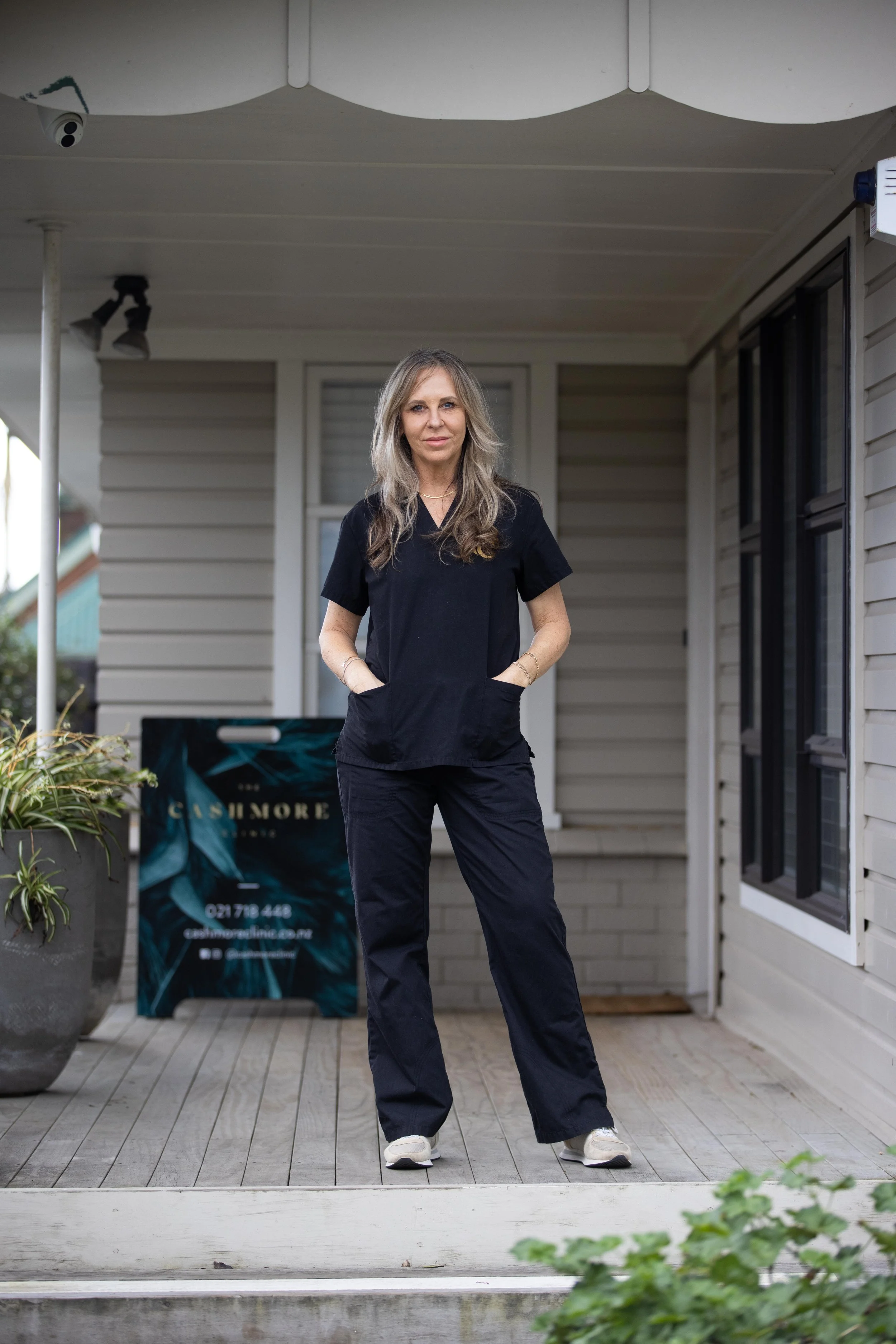
Laser focus
Leanne Cashmore from Cashmore Clinic talks the latest miracle beauty treatment and how to maximise its benefits.
Leanne Cashmore from Cashmore Clinic talks the latest miracle beauty treatment and how to maximise its benefits.
photo SALINA GALVAN

Winter might not seem like the season to think about summer skin, but it’s actually the perfect time to invest in treatments that deliver long-term results. It’s all about helping you get ahead of the game.
The UltraMD Laser kickstarts your skin transformation before the warmer months arrive. This advanced laser treatment is designed to refresh and rejuvenate, tackling concerns like pigmentation, sun damage, f ine lines and uneven texture. The best part? You don’t need to wait months to see changes, with many clients noticing a difference after just one session.
UltraMD is a game changer for those looking to improve their skin without the pain or downtime associated with older laser treatments. Numbing cream is applied beforehand, making the experience comfortable, with some clients finding it quite a relaxing way to spend their lunch break.
Post-treatment, skin may be slightly red with a subtle sandpaper-like texture, but within days, the old skin naturally sheds, unveiling a refreshed and glowing complexion. Unlike traditional resurfacing lasers that require weeks of recovery, UltraMD creates tiny thermal zones in the skin that trigger natural renewal.
This process increases permeability with minimal disruption, making it an effective treatment for reducing pigmentation, sun damage, fine lines, and even conditions like actinic keratosis, lentigos, and freckles.
Using a gentle rolling system, UltraMD treats the face, neck and décolletage in as little as five to twenty minutes, depending on the area. Results are visible almost instantly, with continued improvement over a course of three to six treatments. It can also be paired with other advanced technologies for even greater skin rejuvenation, combining UltraMD with Secret RF which enhances collagen production, while pairing it with IPL Veloce targets pigmentation at a deeper level.

Before and after.
One of the biggest advantages of UltraMD is its versatility. It’s suitable for all skin types and can be used year-round, unlike many other lasers.
With its ability to deliver powerful results with minimal downtime, it’s quickly becoming the go-to treatment for anyone serious about achieving their best skin yet before next summer.
Timing is everything when it comes to skin treatments. During winter, UV exposure is lower, which means your skin can heal more effectively post-treatment. Starting these treatments around May will mean that by the time summer rolls around, you’ll be glowing with confidence, not just relying on makeup to cover imperfections.
Each session lasts between 30 to 60 minutes, depending on the treatment area, and while a single session can deliver noticeable improvements, a series of three treatments is recommended for the best results.
Investing in your skin now means you’re allowing your skin the time it needs to renew, repair and truly transform. You’ll be stepping into summer with a fresh, luminous complexion. Starting your UltraMD journey this winter will give your skin the boost it deserves.

Harnessing consumer power
Kate Fenwick, the waste-free warrior, shows us how to create real change as a consumer. It’s simpler than you think.
Kate Fenwick, the waste-free warrior, shows us how to create real change as a consumer. It’s simpler than you think.

In a world brimming with disposable everything, it’s easy to feel powerless against the tide of waste. But here’s the truth: as consumers, we wield far more influence than we think. Every purchasing decision we make sends a message to businesses about what we value. And when enough of us prioritise sustainability, industries take note. Here are a few tips on how to create change yourself.
Vote with your wallet
Every time you buy a product, you’re effectively casting a vote for the kind of world you want to live in. Supporting businesses that prioritise minimal packaging, refillable options, and sustainable materials encourages more companies to follow suit. Look for brands that offer circular economy models – where products are designed for longevity, repair, or reuse – and avoid those that rely on excessive plastic or single-use packaging.
The power of saying no
One of the most effective ways to minimise waste is simply refusing items we don’t need. Say no to unnecessary receipts, plastic cutlery, or promotional freebies that often end up in landfill. By making refusal a habit, we reduce demand for these wasteful products and encourage businesses to reconsider their offerings.
Small changes, big impact
Sustainable habits don’t have to be daunting. Swapping out disposable coffee cups for a reusable one, carrying a cloth bag, or choosing loose produce instead of plastic-wrapped options are all minor tweaks with major impact. If millions of people make these small shifts, the cumulative reduction in waste is staggering.
Speak up and advocate
Companies respond to customer feedback. If you see excessive packaging or unsustainable practices, let them know. Many businesses are open to change but need a nudge from consumers to prioritise sustainability. Whether it’s through emails, social media, or in-store conversations, your voice matters.
Community and collective action
Waste minimisation isn’t just an individual effort – it thrives on community action. Joining local sustainability groups, participating in clean-up events, and sharing tips with friends and family amplifies the impact. The more people embrace conscious consumption, the faster change happens.
Final thoughts
Consumer power is one of the most underutilised tools in the fight against waste. By making thoughtful choices, refusing unnecessary waste, and advocating for better options, we can shift industries towards a more sustainable future. Every action, no matter how small, contributes to a larger movement of change. Let’s wield our power wisely and waste less, together.

Elegance defined
Perched on a ridge with commanding views, this distinguished residence and premium avocado orchard unite to create one of the Bay of Plenty's most prestigious, perfectly crafted lifestyle properties.
Perched on a ridge with commanding views, this distinguished residence and premium avocado orchard unite to create one of the Bay of Plenty's most prestigious, perfectly crafted lifestyle properties.
words JO FERRIS

Bought for the exquisite panorama from Mauao, Matakana and harbour to the Kaimais, this elevated ridge was virtually a blank canvas. Nothing remains externally of the original house; only the shelter belts and concrete driveway strips.
Constructed by former boat builder turned house builder Tony Farley, an obsession for detail both by Farley and the owners entailed a lengthy journey to perfection.
Its Hamptons theme blends quality with a focus on views and intimate outdoor flow. Designed as a boutique bed and breakfast, Ridgeton has earned praise from guests who cherished this exquisite seclusion.

The privacy afforded in the lower level is equally appealing as a family residence, however. An elegant lounge and four bedrooms all open outdoors to bask in the scenery amid various verandah settings. One bedroom has its own ensuite, while another has semi ensuite access to the bathroom shared by remaining bedrooms. A powder room enhances the convenience, while design genius combines a private laundry, kitchenette and cloakroom feature.
Significant storage also uses every possible space – including the stairwell. Upstairs privacy elevates this home’s prestige and command of scenery.
The five-star master retreat greets sunrise and bathes in Mauao’s glory; spacious luxury enjoying the indulgence of a bathroom for two and fitted dressing room.

Open-plan living takes full advantage of natural light and scenery. Eyes feast on the kitchen – imported Palazzo glass cabinetry cleverly finished in a matte white sheen and stainless steel hardware accentuating the quality. Nothing dominates, features stand out simply due to tasteful finish and detail; accents showcased on the likes of tiled splashbacks and solid oak elements on flooring and bathroom vanities.

Wrap-around decking follows the sun all day; glass balustrades ensure all views are seamless. When the sun does dip behind the Kaimais, rainbow beams f licker off the crystal chandelier as fairy lights in the lounge. Nuance and nature are balanced by high specifications in this home and graceful garden. It exudes romance amid secluded tranquillity – settings to reflect throughout the day and evening – under the verandah, amid floral fragrance or beneath the alfresco bower, where espaliered citrus plantings will eventually cover the trellis roofing.
Genius is everywhere, including the avocados. Planted in 2020, this high density orchard is a pioneer of the industry’s future; part of the extraordinary invitation this property extends. Graceful in design, refined with detail; Ridgeton has reached a milestone – ready for a new chapter.
46 Prestidge Rd, Aongatete OLIVERROADBAYOFPLENTY.COM
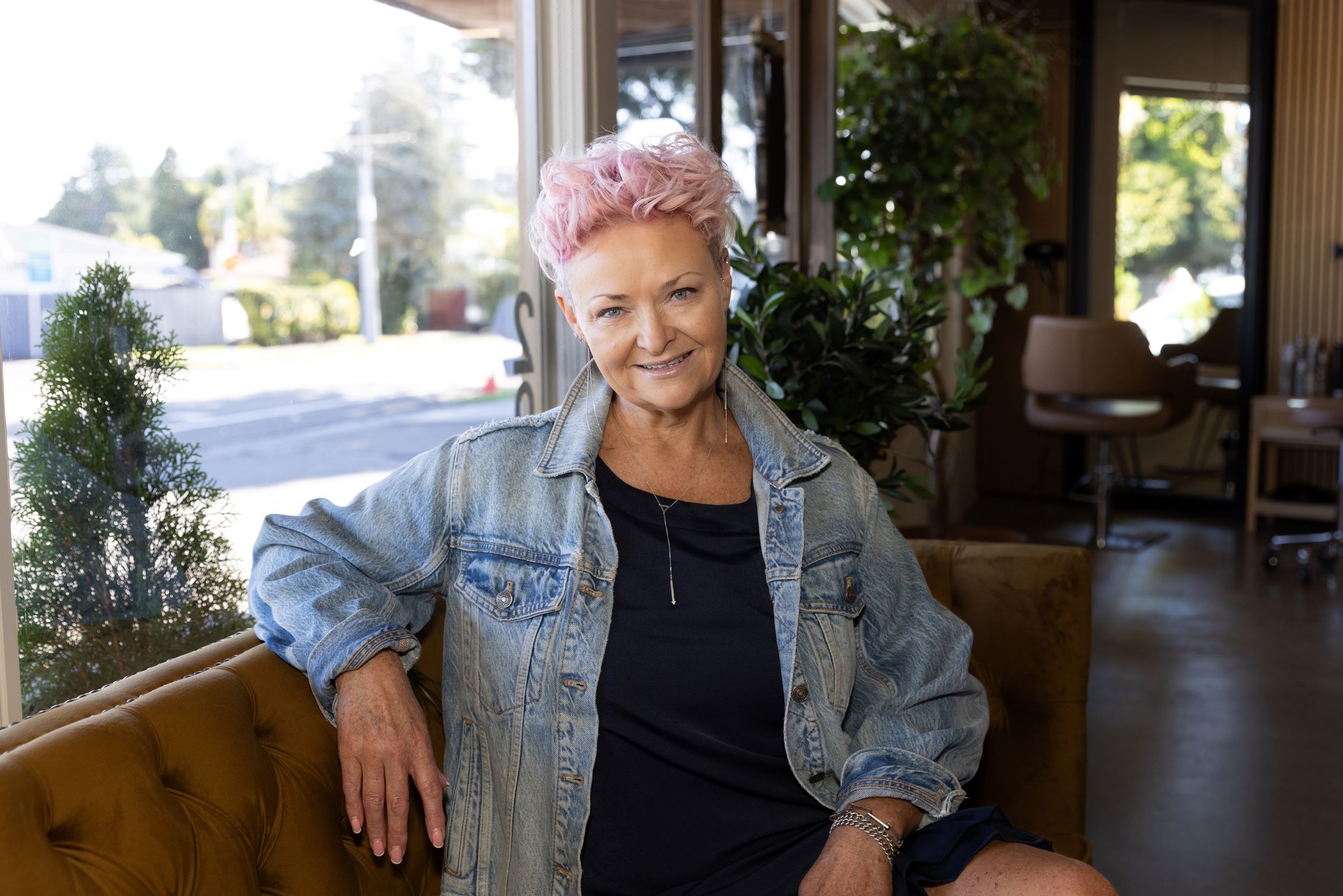
Curl power
Get to know Shelley Pullar, UNO’s new columnist, bringing fresh insights and expert hair advice.
Get to know Shelley Pullar, UNO’s new columnist, bringing fresh insights and expert hair advice.
photos KATIE COX

From London’s high-fashion scene to Tauranga’s creative heart, Shelley Pullar has spent 30 years transforming hair. She’s trained in millinery, showcased work on the runway, and competed in the British Hair Awards – but at the core of it all, she’s a problem solver. Whether it’s taming curls, perfecting colour, or cutting through haircare myths, Shelley believes good hair starts with knowledge.
At Tauranga’s Salon G, she’s built a space where clients learn to love their locks – and she’s excited to soon be sharing expert advice, styling secrets, and fresh takes on hair trends with our readers.
What is your background? How did you become a hairstylist? I’m a creative person who has always done some form of art. I have 30 years of experience in the fashion industry and studied Millinery and Fashion at the London College of Fashion. I owned a salon in London with 25 staff and was a finalist for the British Hair Awards. I showcased hair, clothing, and hats in numerous London stage shows. I’ve spent seven years hairdressing in Tauranga city centre, searching for the perfect place to call home – and I found it! I spent six years creating head pieces for Tarnished Frocks and Divas. Before becoming a hair stylist I’d planned to attend Whitecliffe School of Fine Arts, but I ended up helping a friend at a salon, which led to being offered a hairdressing apprenticeship. And I’m so glad I did!
What do you specialise in and why? Helping people understand their hair type and potential. As a creative, I see my clients as my walking canvases. My passion is form and colour. I believe there is a need for greater knowledge and education in this area. As a child, going to the salon was a nightmare. I have curly, fluffy, and unruly hair, and the stylist would always cut it too short or blow-dry it too smooth. It was terrible to manage once I got home. My dad’s daily comment was always, “Go brush your hair,” and I constantly compared myself to my sister’s sleek locks. So, my hair was simply scraped into a ponytail. I never had the knowledge to understand, appreciate, or love my hair like I do now. Hence my interest in curls. I love the challenge of difficult hair and want to offer solutions so people can love their hair too.

What do you wish more people knew about their hair? Understand your hair. As you age, its texture, thickness, and colour may change. It’s important to have these conversations and seek advice from a professional stylist – not Instagram. Hair care doesn’t have to be overcomplicated with 100 steps. Keeping your hair healthy isn’t as difficult as it seems.
Hydrate inside and out. Drinking water is good for both your hair and skin. Find the right conditioner, whether it’s lightweight, leave-in, or a more indulgent hair mask.
Be mindful of the temperature settings on your styling tools. Many go up to 240°C, but 185°C (according to GHD) is the ideal temperature for styling and setting. Try to limit your use. What are your top three hair tips? Pre-shampoo. Apply your purple shampoo before getting in the shower. Leave it on for five minutes, then lather as your first shampoo. This will maximise its benefits as it won’t be diluted.
Curl definition. Invest in a curly hair brush. This maximises volume at the roots and leaves you with more defined curls – no clumping! Our clients love them. Hairspray application. Try spraying onto your hands to create lift and a longer lasting hold at the roots. Run your fingers through your hair – this helps build hold within the hair rather than leaving a stiff exterior. It’s great in humid conditions or for those slightly warm flush moments, creating sexier movement and texture.
When it comes to hair, who inspires you? After 15 years in London’s fashion scene, showcasing garments on the catwalk with Vivienne Westwood on the HMS Belfast, working with celebrity hairdresser Desmond Murray as my photographer for the British Hair Awards, and drawing inspiration from British hair icons like Vidal Sassoon, I’ve been deeply influenced by the industry’s greats. Beyond that, I find inspiration in celebrity culture, New Zealand’s natural beauty, architecture, form, and colours.
How do you see the salon evolving? Redesigning the ‘little’ things was important to me when creating my salon. A large table in the centre serves as a homely hub, where people can come together and chat. Fostering this kind of environment is always an aim. We love being in the heart of Ōtūmoetai and want the salon to reflect this. Partnering with local businesses and fostering a sense of social responsibility – giving back to the community – is a key focus of mine. SALONGRANGE.COM

More than skin deep
Anna Hayes from Skinvae might be new in town, but she’s an expert in her field – and knows how to build a successful business from the ground up.
Anna Hayes from Skinvae might be new in town, but she’s an expert in her field – and knows how to build a successful business from the ground up.
words DEBBIE GRIFFITHS | photos KATIE COX

Anna Hayes.
It’s common knowledge that the sun causes skin damage, but did you know modern phones also contribute to premature aging? Anna Hayes does – and with 18 years specialising in skincare, pearls of wisdom like that are common when chatting with the founder of successful brand, Skinvae.
“I’ve been in beauty since I was fresh out of school,” she says. “I grew up in Te Kuiti, studied in Hamilton when I was 18, and by 19 I had opened my first business. Before that, I worked for one other business for six months and that was Mount Skin and Body.”
It’s a full circle moment, with Anna recently adding that clinic to her string of businesses alongside Taupo and Cambridge. Recently she took over SELF_ in Mount Maunganui and rebranded it as Skinvae.
“It was a little nerve-wracking taking over the Mount clinic,” she admits. “My other two I started from scratch and picked my teams, but this was established and already doing well. When I told the girls what was happening it was great because they’d heard of my brand and were super excited to get our technology into their clinic. We put an emphasis on training, so the girls are upskilling weekly, which adds to their already huge knowledge.”
To say Anna has grit and determination is putting it lightly. A mum of two and Crossfit enthusiast, the 37-year-old entrepreneur rarely has downtime and loves it that way.
“I’ve grown up very driven in sport, representing New Zealand in triathlon for a few years, so I trained hard and worked hard. I had two jobs from the age of 14. My dad and my sister both had their own businesses, so could see that’s what I wanted to do too. I also like to call the shots; to be able to provide the treatments I want and to make sure I’m ahead of the game when it comes to trends and machinery.”

Skinvae in Mount Maunganui.
Anna makes no apology for focussing on skin – in fact, she takes great pride in being the ‘go-to skin clinic’ for her clients.
“We launched the Skinvae brand in Cambridge 11 years ago and that’s when we started specialising in skin. I love to see results and to take clients on a skin journey, particularly for people looking for non-surgical, non-injectable options,” she says. “We use DMK, Nimue and Pure Fiji, which have some amazing treatments. With skin, it’s never a one-session fix – especially with acne and pigmentation which can look worse before they get better – so we recommend clients sign up for a six-month plan to see real change.”
It’s more than skin, though, it’s the sense of connection, calm and confidence that’s infused during treatments.
“We have a lot of mums who come for the experience and it’s almost as though great skin is just an added bonus,” laughs Anna. “We like to educate about the importance of home care. Mums are often running around like headless chickens after everyone else, so their own ritual in the morning and night allows them to take a moment for themselves.”

Skinvae is at the forefront of innovation, attracting clients looking for cutting-edge solutions. Anna describes a new stem cell treatment from DMK, Stemzyme, as ‘revolutionary’ and says there’s been a big demand recently for body sculpting and tightening options.
“They call HIFU (High-Intensity Focused Ultrasound) the non-surgical facelift,” she explains. “As we age, we lose fat in our cheeks and our face drops. HIFU is a great alternative to Botox or fillers on either the brow or jawline, and you can use it on any part of your body – loose skin on your tummy, arms, or legs. It uses ultrasound energy to penetrate deep into the skin to tighten. It doesn’t get rid of fat, but it does work on the muscle and to stimulate collagen and elastin. You see instant results, but it takes three months to see the full effect.”
Anna urges teenagers, in particular, not to take advice from social media, which may result in them using products like Retinol that are too strong and could eat away at their skin barrier.
And her number one skincare tip?
“Use sunblock,” she says, without hesitating. “Our sun is horrific. If you’re going to buy one product, get a good SPF and make it one that also protects against blue light from phones and computer screens. We see a lot of people with more pigmentation and crepey skin on the side of their face they hold their phone up to. Even if you work in an office, wear sunscreen every day.”

After almost two decades in the industry, Anna knows that 80 percent of skincare results come from what people do at home and their professional treatments simply provide the extra 20 percent that push it further. With that in mind, her vision is to expand her chain of beauty clinics.
“We’re ready to be the number one brand for skin in New Zealand, but all I can say right now is watch this space.”