

Life of the party: Tauranga Party Hire helps to make your big day perfect
This big-hearted hire company puts people first – and the “good” into good times.

This big-hearted Tauranga hire company puts people first – and the “good” into good times.
INTERVIEW ANDY TAYLOR / PHOTOS JAHL MARSHALL
Throwing a party is always worthwhile; an excuse to catch up with family and friends, to celebrate occasions and successes. And while a big event might seem daunting to put on, the people that have made throwing parties their business have a knack for pulling it all together.
“Our whole purpose is to take the stress out of holding an event,” says Nathan Dolman, who bought the business with wife Amy in 2018. “With any occasion, there’s so much to think about and so much to do, so we really see our job as not only supplying equipment but also helping to take out all the background noise, and making sure nothing’s missed.” The couple do this in all sorts of ways, like delivering supplies for a weekend event on the Thursday, making for an easier Friday for their clients.
Amy, a former teacher, and Nathan, with his background as a bank manger who values seamless organisation, have extensive experience in all sorts of events like private dinners, weddings and corporate events. They know what works and what doesn’t. They’ve seen every kind of event you could imagine. Nathan in particular has been involved in the industry since he was young. His aunt and uncle owned a party hire company for many years, with Nathan working alongside them for pocket money back in the day. And now their children Ella (10) and Logan (8) are right in the mix. “We’ve involved the kids in the business from very early on,” says Amy.
Amy says their business is always looking toward the future. Sustainability is top of mind for the couple, with the model of the business a naturally smart choice for the planet. “It makes sense that you’d hire items for a party, instead of buying something only for it to gather dust.”
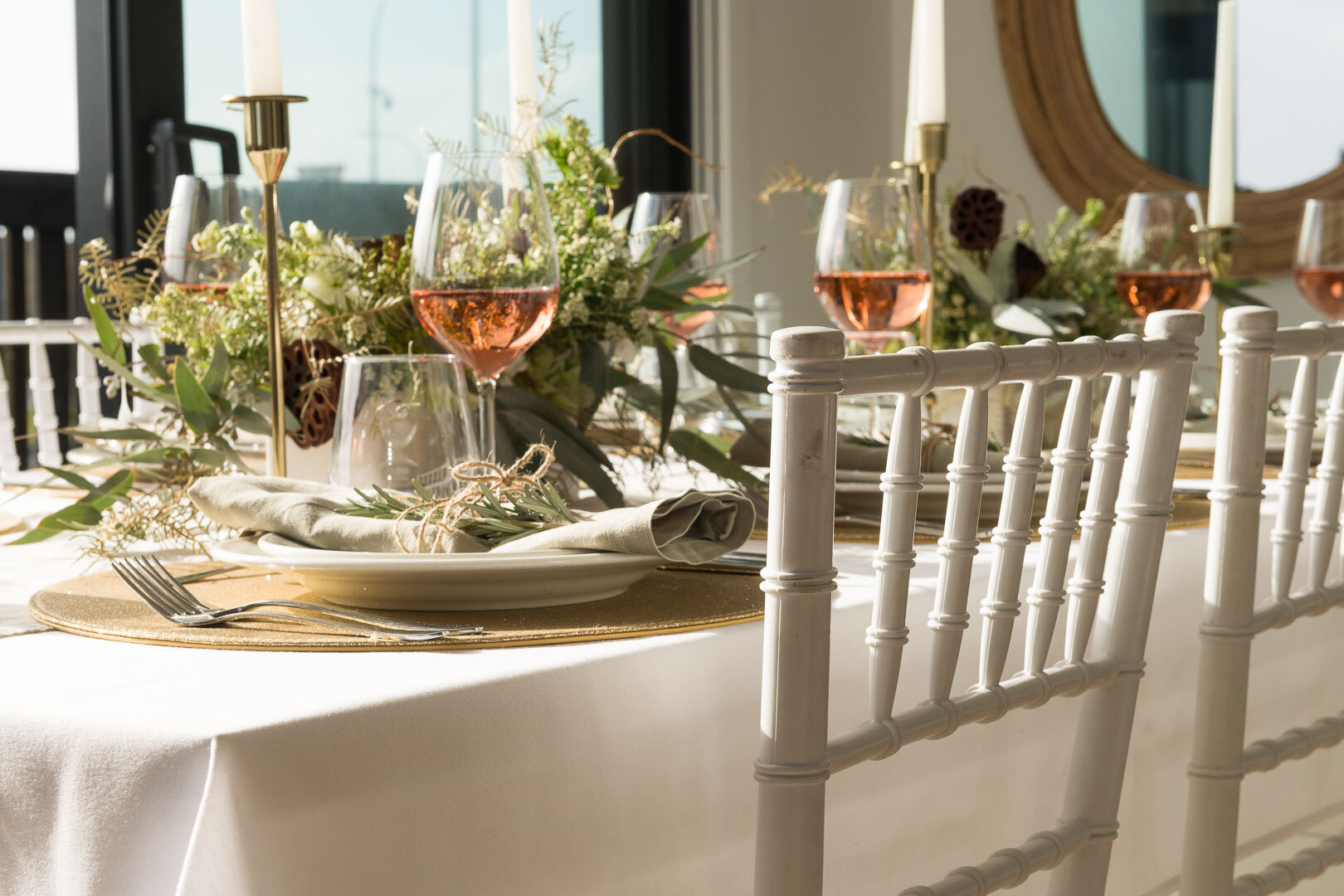
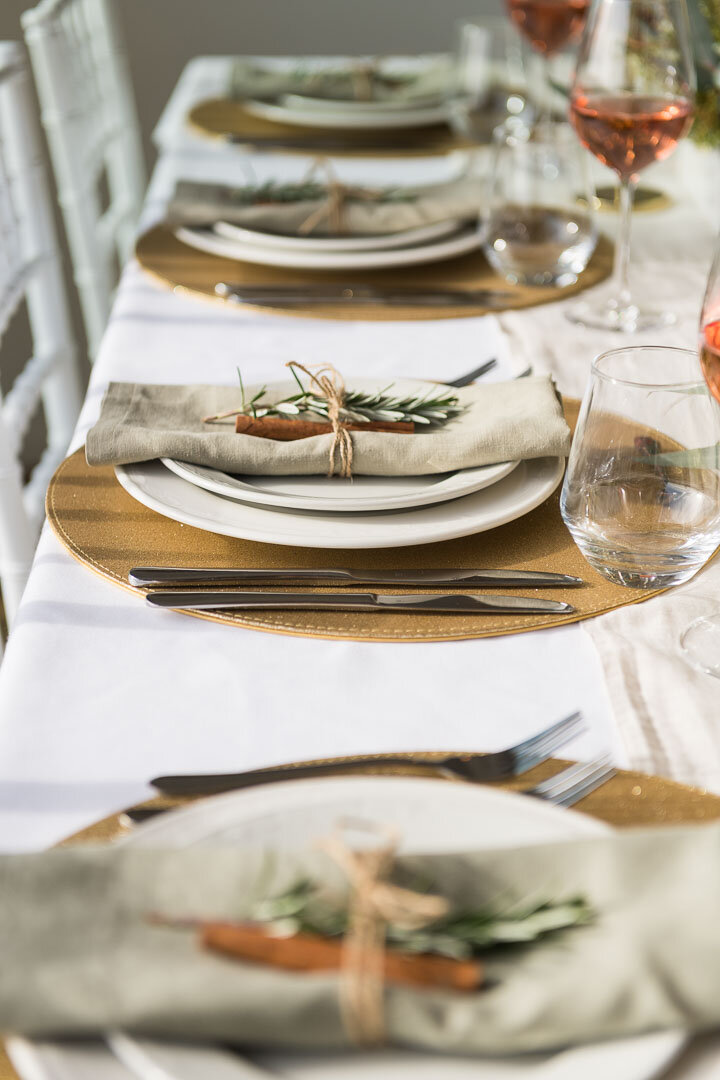
Tauranga Party Hire has everything from table settings, all kinds of glassware and plates – to furniture, lighting, PA systems and marquees. “If we don’t have something, we’ll do our best to find it and save you having to search it out from somewhere else. We pride ourselves on being a one-stop shop,” adds Amy.
Ultimately, it all comes back to making any party a stress-free event. Amy says that at the heart of everything they do, is enabling their clients to celebrate a special occasion without a hitch.
“I love helping people, and that’s what we’re all about – problem-solving and making sure things go smoothly and efficiently, so you can concentrate on enjoying your event. It’s a real privilege to have a hand in someone’s perfect day.”

Live Coveted: Simple but special additions that’ll turn your bathroom into a beauty
You can’t lose with these simple but special additions that’ll instantly turn your bathroom into a beauty.
THE EXPERT Nicola Travis
Bathrooms are usually small spaces, so keeping the styling simple is key. Use accessories like beautiful towels and fun bath mats to elevate the space and reveal your personality, adding luxurious soaps and candles that will both look and smell good. To bring warmth into the room, incorporate natural materials such as timber and rattan in the form of a basket or stool. Many plants thrive in steamy bathrooms, so finish the look with some lush potted greenery.
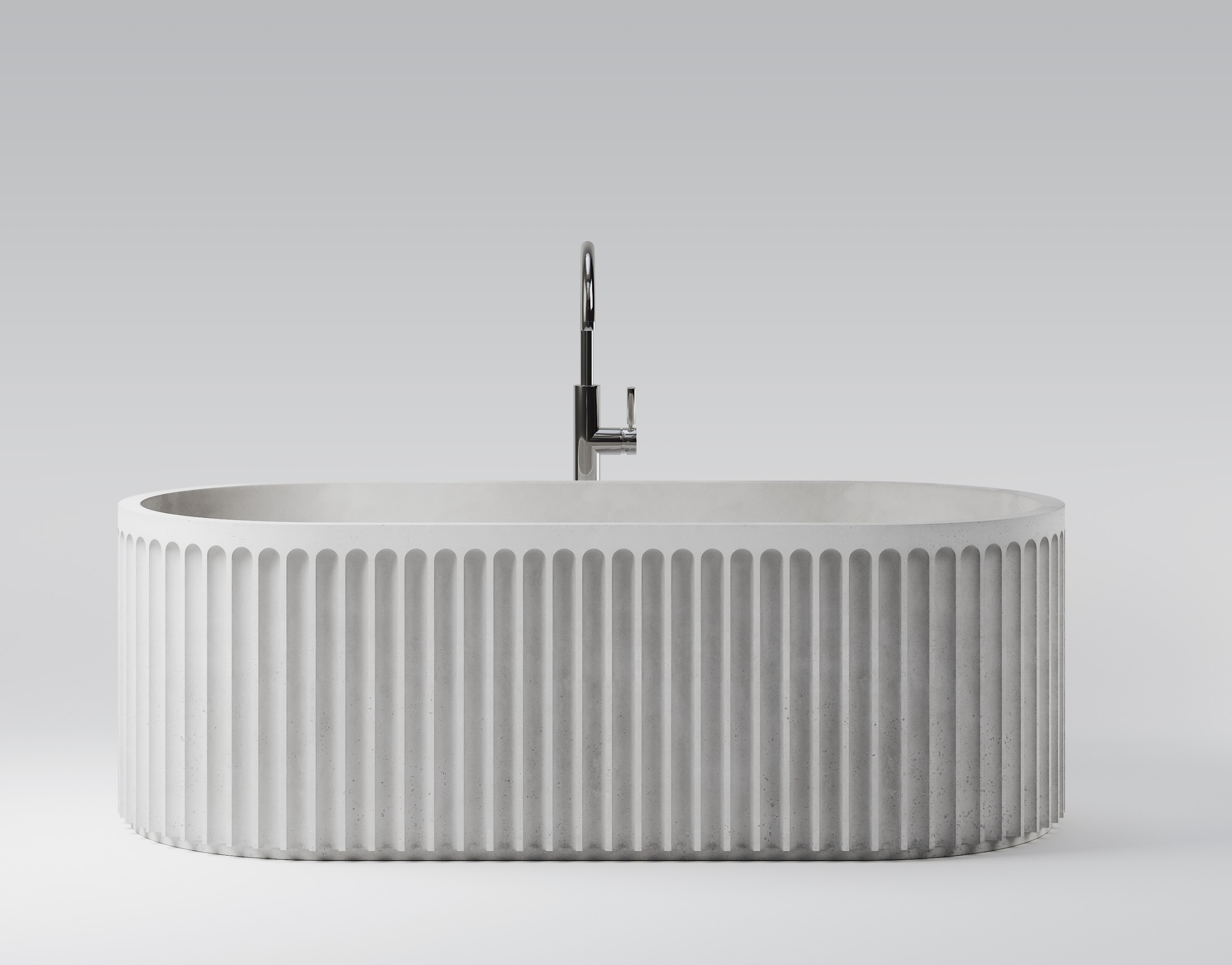
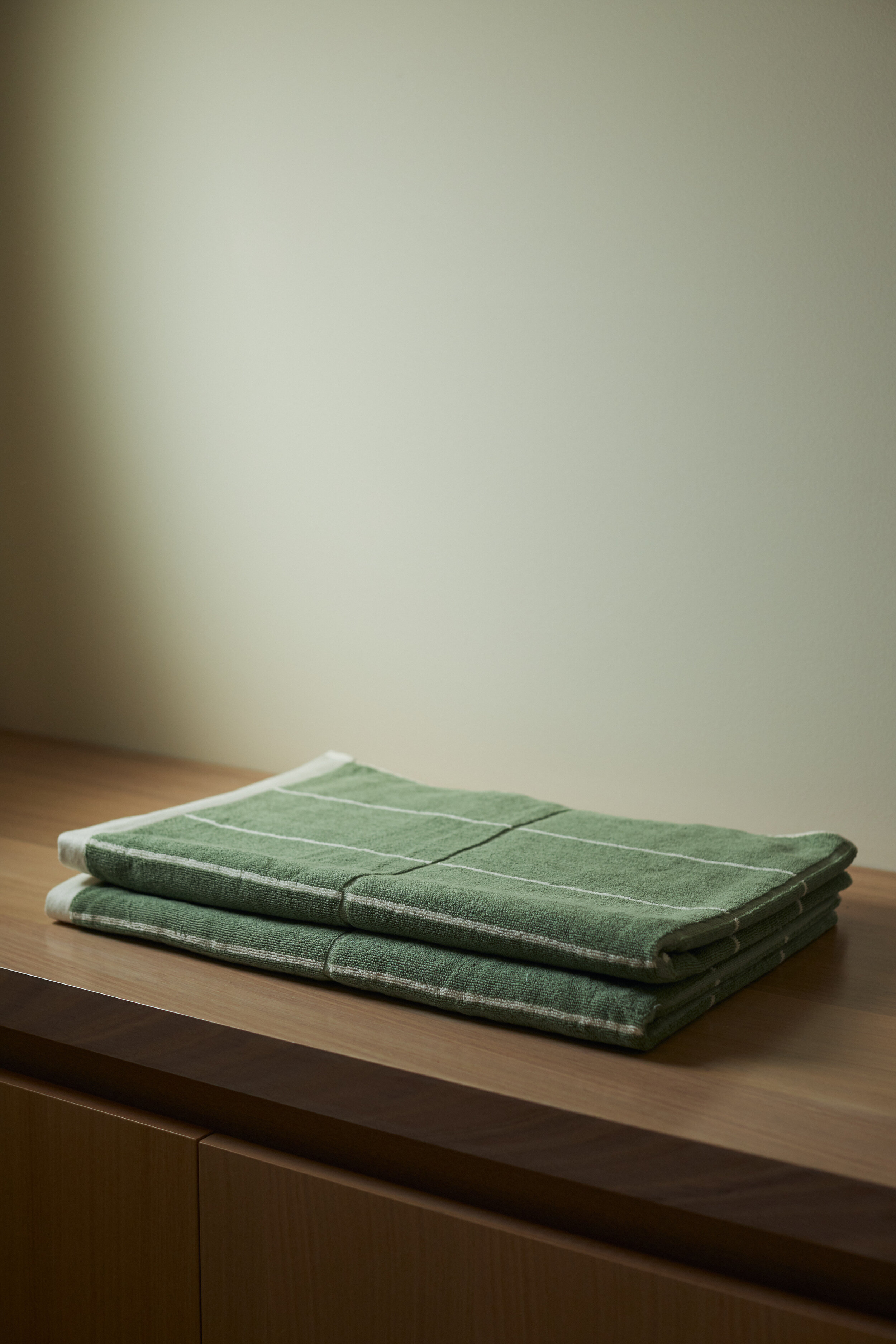
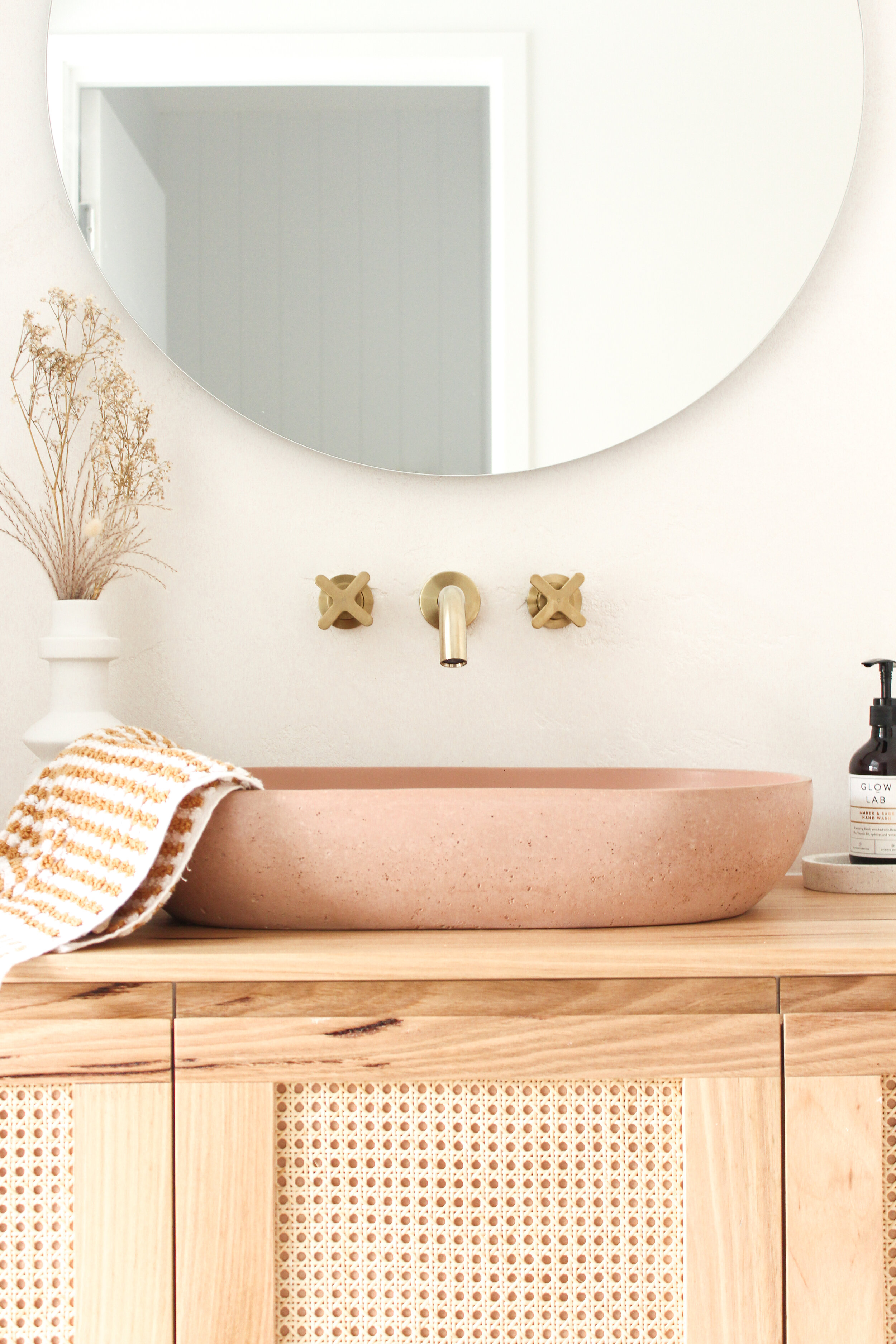
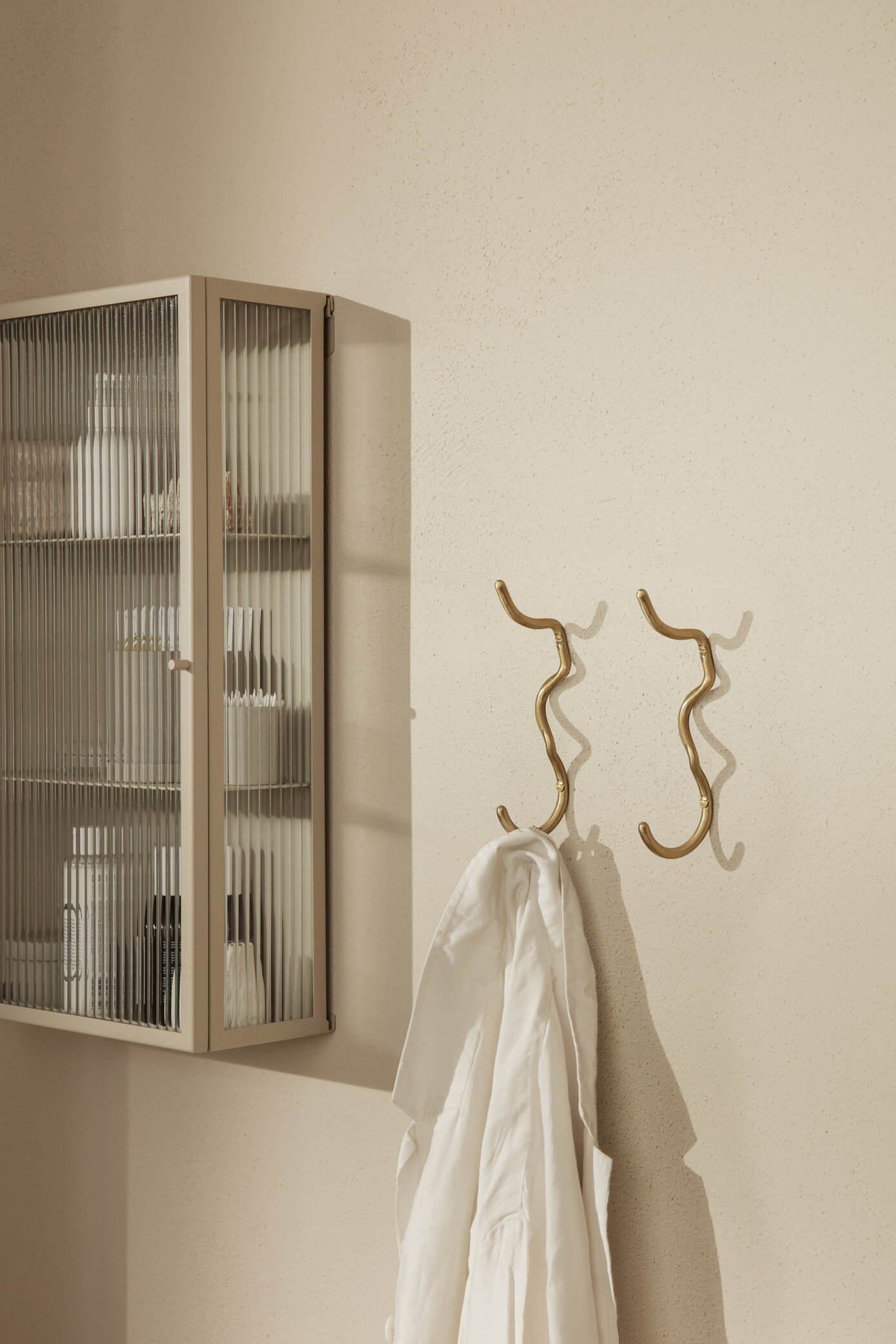
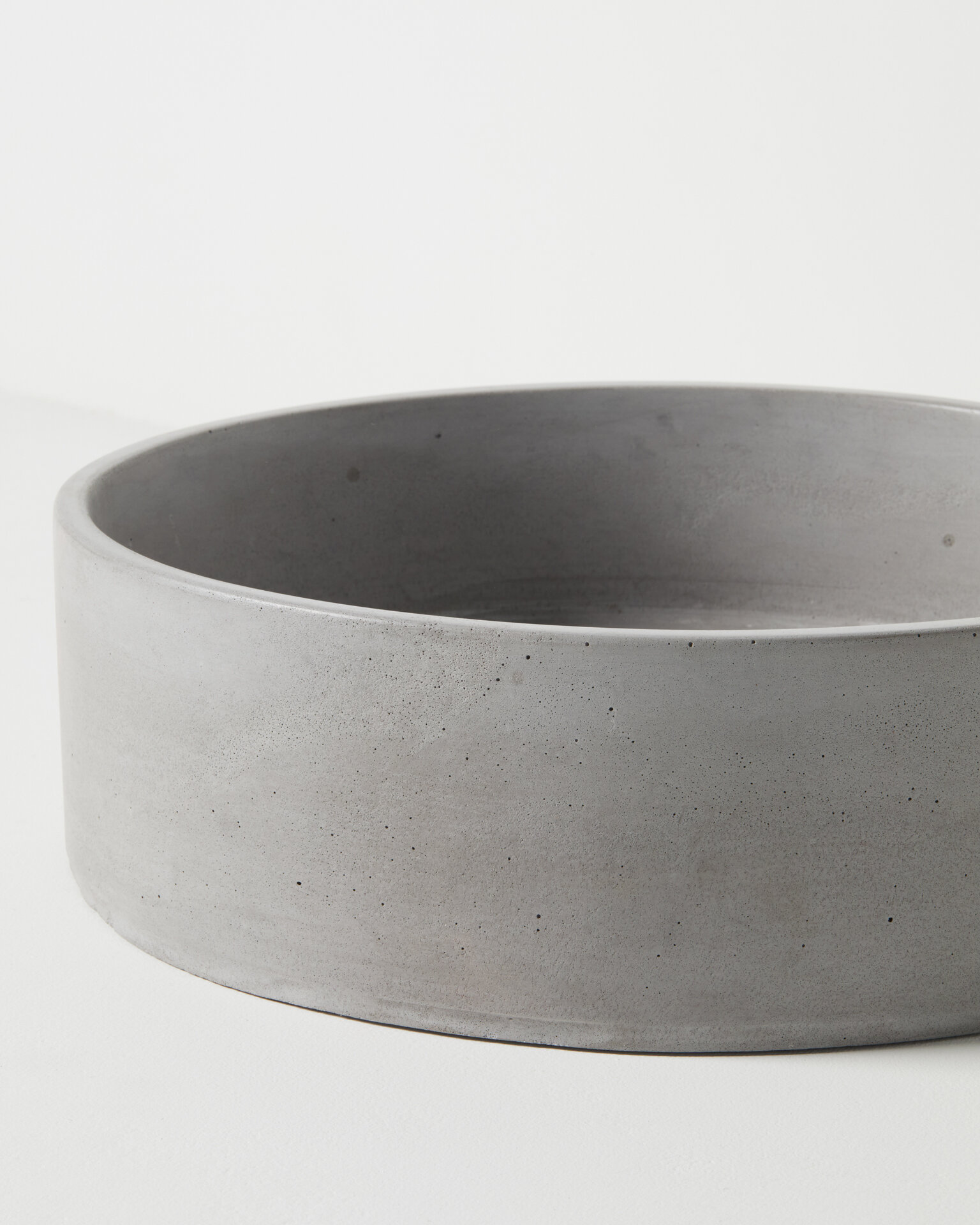
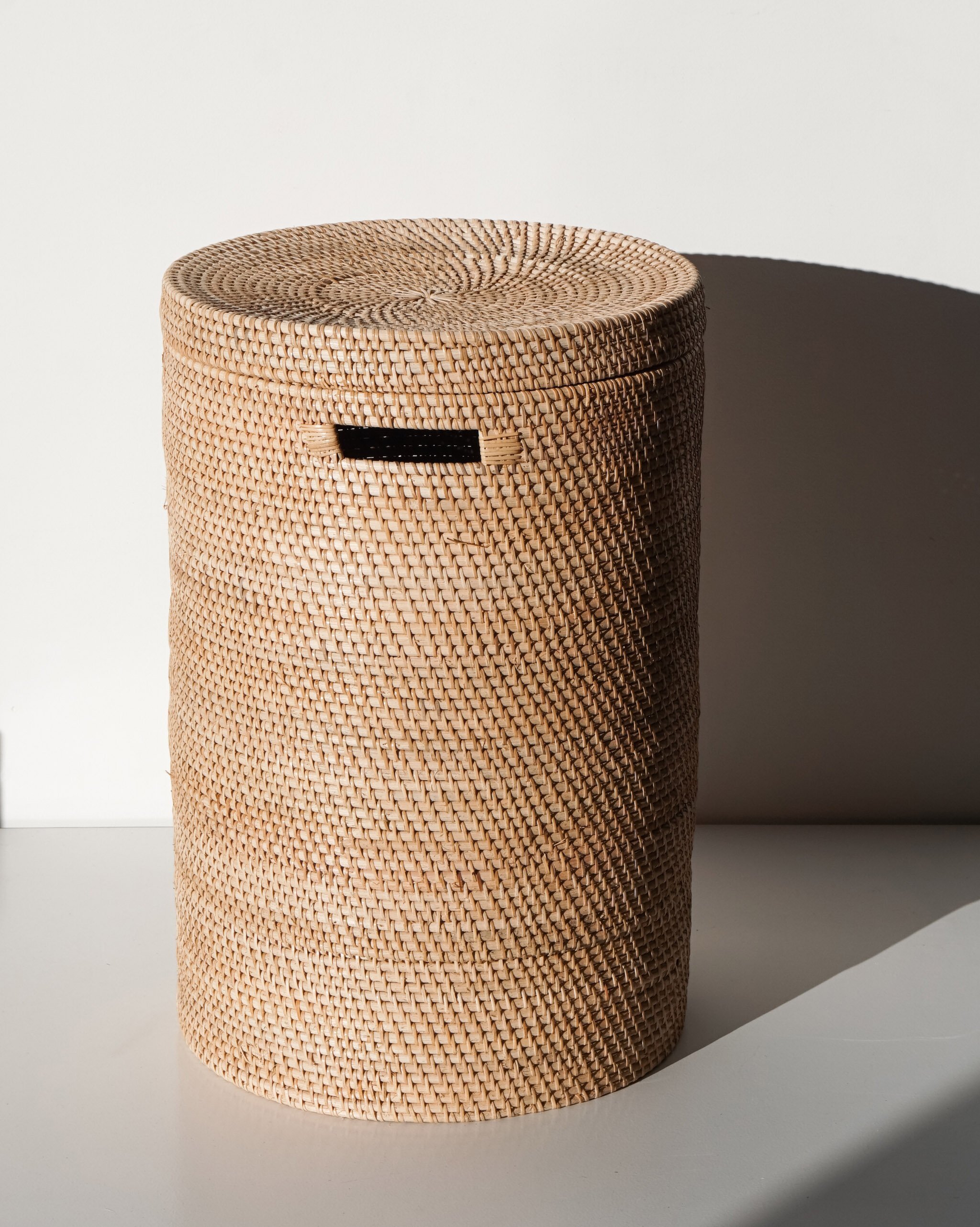
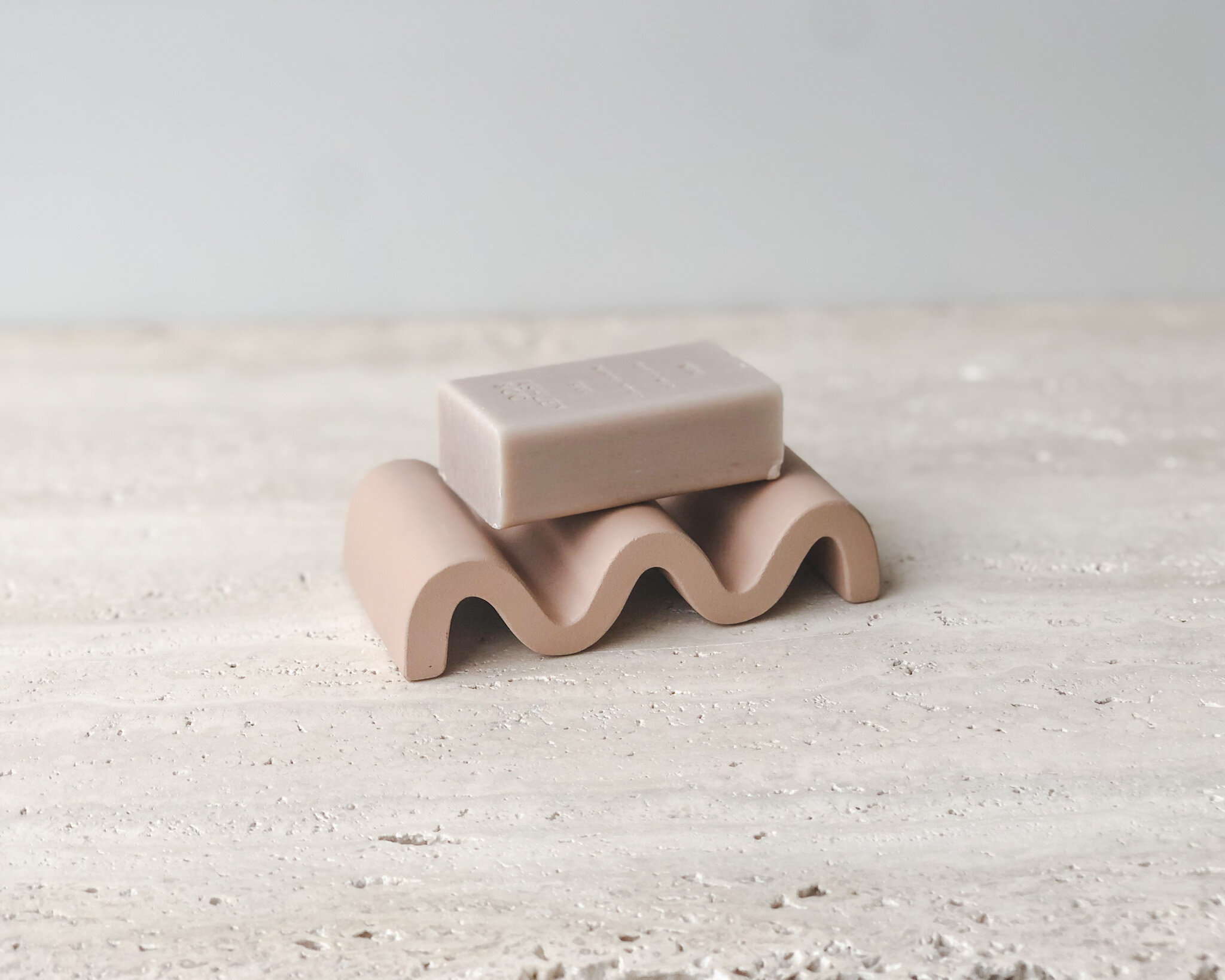
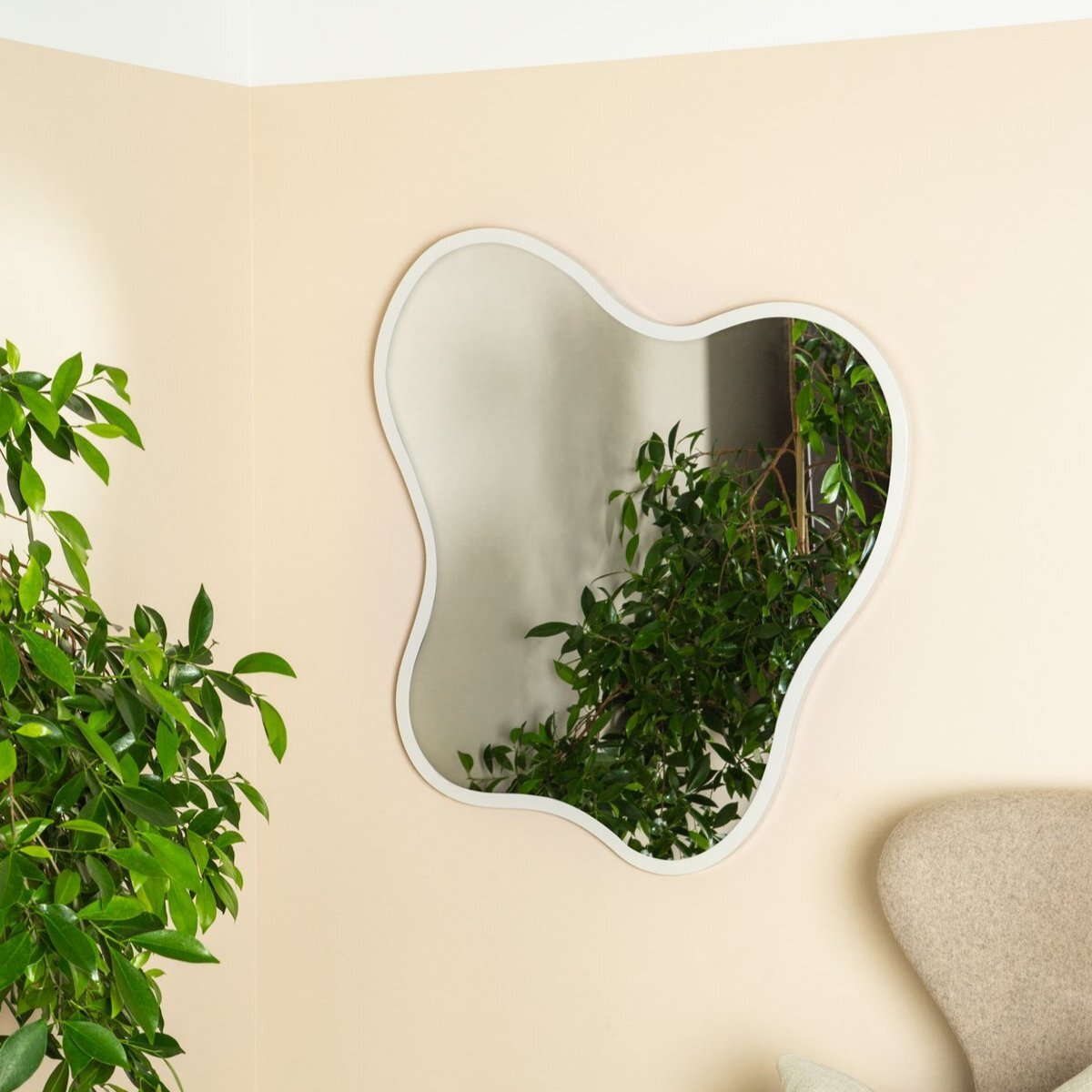
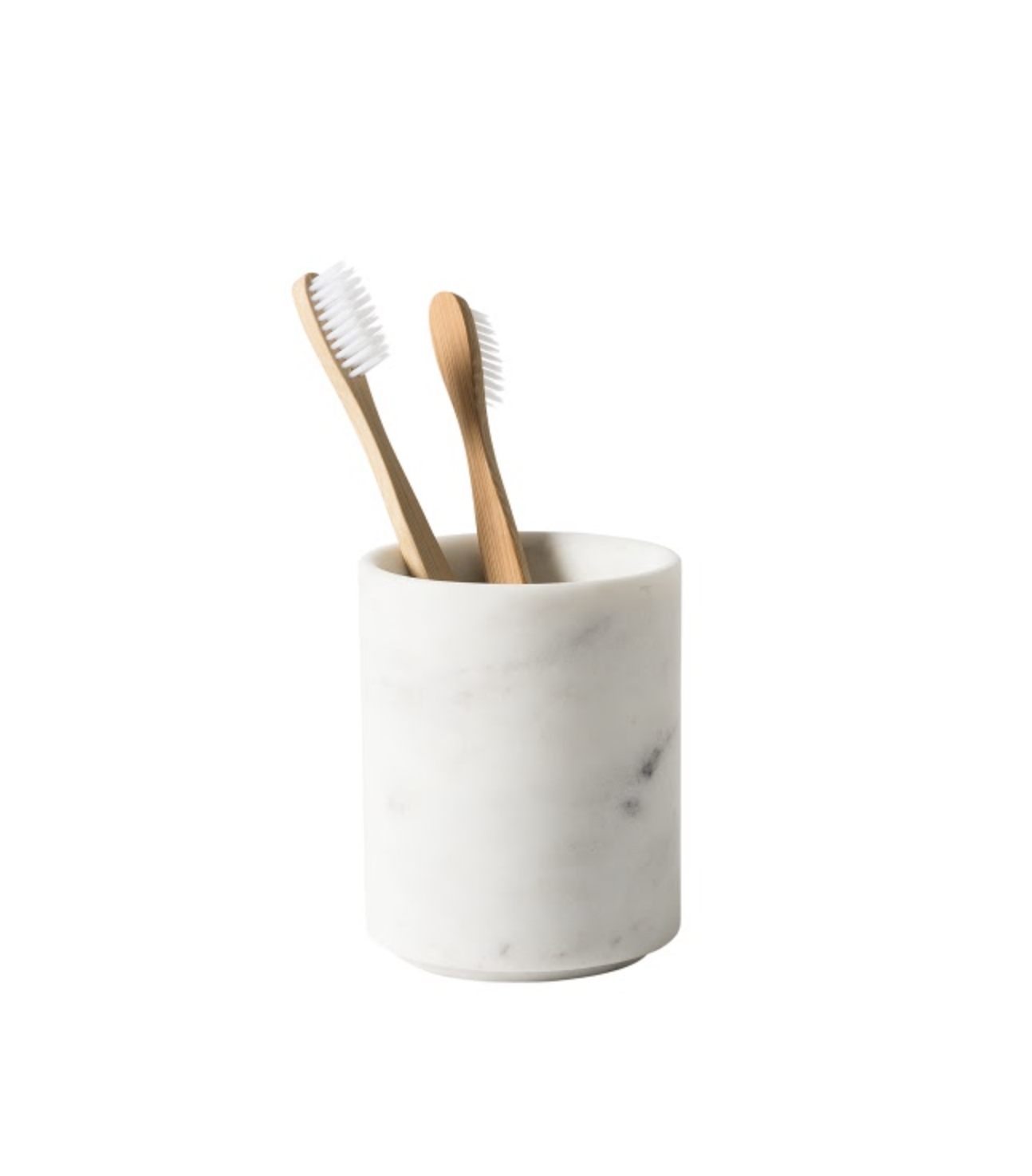
1. Doric bath by MEEK BATHWARE from ARTEDOMUS NZ 2. Towels by BAINA from PAPER PLANE 3. Tapware by ABI INTERIORS 4. Hooks by FERM LIVING from SLOW STORE 5. Acacia basin by TOMORROW’S CONCRETE 6. Laundry basket from BOHÈME HOME 7. Ceramic wave dish from ORNAMENT 8. Blob mirror by MADE OF TOMORROW 9. Ora marble toothbrush holder by CITTÀ

Philanthropist Sally Morrison on her life’s missions
You’ve gotta give it to lifelong philanthropist Sally Morrison – she’s one very special woman.

You’ve gotta give it to lifelong philanthropist Sally Morrison – she’s one very special woman.
WORDS MONIQUE BALVERT- O’CONNOR PHOTOS JAHL MARSHALL
It’s been 18 years since you first wrote about me,” says Sally Morrison. “Frog Cottage,” she prompts, and I’m transported back to the character green- and-white home she owned on Tauranga’s Devonport Road.
Actually, there have been several stories over the years highlighting her gardening prowess, beautifully bedecked homes and more. I may be slightly vague on the details, but I forgive myself, and for a good reason that has nothing to do with the passing of time. Quite simply, such memories are superseded by my recall of Sally’s philanthropy. What I remember with great clarity is Sally’s volunteer work at a Vietnamese leper colony.
We settle down to chat in Sally’s Mt Maunganui apartment, where she tells me that the leper colony chapter of her life started back in the 1990s. A fellow Tauranga Sunrise Rotary Club founding member spoke to her about his auntie, a Catholic nun, and her work in Vietnam. Sister Sheila O’Toole went to Saigon during the Vietnam War, was held hostage in a prisoner-of-war camp, and was one of the last people to depart from the US embassy in 1975. She returned to Vietnam in 1992, spent another 12 years there and is the most decorated New Zealander in relation to Vietnam.
Enthralled, Sally filed away the Sr Sheila information, vowing to one day hunt her down. That day came later that year, after Sally’s daughter Trinity celebrated her 21st birthday.
“I thought Trinity had had a reasonably good life and I wanted to show her how other people lived,” says Sally. “I took her to India for a month and on the way back we called in to Vietnam to see if I could meet Sister Sheila O’Toole.”
Sally’s life path changed when “a lady, just about in rags” pulled up on a motorbike to meet this inquisitive fellow Kiwi. “She sat down and told us about her service at a leper colony. She’s the most amazing, bravest woman I’ve ever met.
“We sat there in the middle of nowhere in a street that was like another planet – so much poverty – and we were spellbound. She took us later to Ben San [Leprosy Centre], which was then run by nuns. It took about three-quarters of a day to get there from Ho Chi Minh. It’s walled, barbed-wired, and there were guards. I thought, ‘This challenge is a bit of me’ and that’s how it started.”
Sally went back to her Sunrise Rotary Club armed with the news that there was a lot of good they could do there, and got the desired support. An initial step was acquiring a licence so she could teach the nurses at the centre (none of whom were registered) how to look after leprosy patients. This was in the late 1990s and over the next 14 years, Sally visited voluntarily seven times for two-week stints of teaching and nursing. Nurses from other hospitals attended her lessons and she thinks she trained about 50 staff over the years. Sally left them her training manuals so they, in turn, could help others.
“It was very hands-on,” says Sally. “I’d help deal with the head lice, which were crawling; I’d massage lotion into the skin of those with scabies [previously they’d been scrubbed with pot mitts]; I’d go in at night and sit with the dying; and the nuns would teach me Vietnamese and I’d teach them English.
“The people there had so little. I used to take nail polish over and they treated it like absolute gold. They’d line up so I could paint one or two fingernails (that’s all they had) and they – women and men – loved it. The nails on every finger they had left would be painted a different colour.”
While there, Sally stayed at the colony in a bedroom where netting was a blessing as the spiders were “as big as dinner plates”. Initially, there was no hot running water, but Sunrise Rotary changed that by putting in solar heating. They also sent a container full of goodies including spare beds from the hospital she owned, Oakland Health. She also brought furniture, linen, games, felt pens and colouring books for the children at the school within the colony. Both contributions were life-altering.
Then there was the goodness that came from Comvita; namely, $149,000 worth of wound-care product. The healing effect that had on the leprosy patients blew Sally’s mind.

Sally’s missions to Vietnam continued until 2007. That same year she sold Oakland Health, having bought it 27 years earlier. Back then, it provided for 19 medical patients, mostly aged-care and a medical patients, mostly aged-care and a few young, severely disabled people. Under Sally’s watch, it grew to support more such patients, plus others with traumatic brain injuries, young patients, post-operative orthopaedic care and war veterans from Wellington, and offered aggressive and slow-stream rehabilitation and physiotherapy services, palliative care and a meals-on-wheels service. Apartments and a hydropool for rehab were added, which saw it catering for 102 people in-house and about 140 outpatients.
They were busy days, but there was always time for doing charitable good. Sally held governance positions at organisations such as Private Hospital Association and the Acorn Foundation. She helped start Tauranga’s first Lioness Club, the Tauranga Festival, and her precious Tauranga Sunrise Rotary Club, and judged competitions involving enterprising young people. The Queen’s people took note. “I got a gong,” smiles this New Zealand Order of Merit recipient.
Sally can’t park philanthropy. These days, she and some other women are part of a giving circle with the Acorn Foundation. “We put money in the can every month, then give it out,” she says, citing Women’s Refuge and disadvantaged children among the recipients.
She remains “neurotic” about New Zealand’s health system. It just doesn’t provide well enough for the many needs out there, she says.
Amid time with friends and family (her grandchildren live nearby) and beach walks with her two dogs, Sally is writing a book to inspire people to act on their dreams. “It’s not a look-at-me story,” she says. “It’s about how even if you come from nothing – I came from a state house – you can achieve whatever you like, with effort. My advice is to always surround yourself with a good team of supportive people. I couldn’t have done anything by myself – I owe whatever I’ve done to a team of people.
“Read about people with grunt, be a bit mouthy like me, and stick up for yourself and your basic principles,” is her advice.
Sally concedes she’s done good in her time but quickly adds that she doesn’t need awards, flowers, a red carpet or stories written about her. “If I get a smile, I’m as happy as a pig in mud.”

Lexus Tauranga team picks their showroom favourites
Lexus of Tauranga’s new showroom is open in Elizabeth Street. The passionate team share their picks of the luxury vehicles in the showroom.

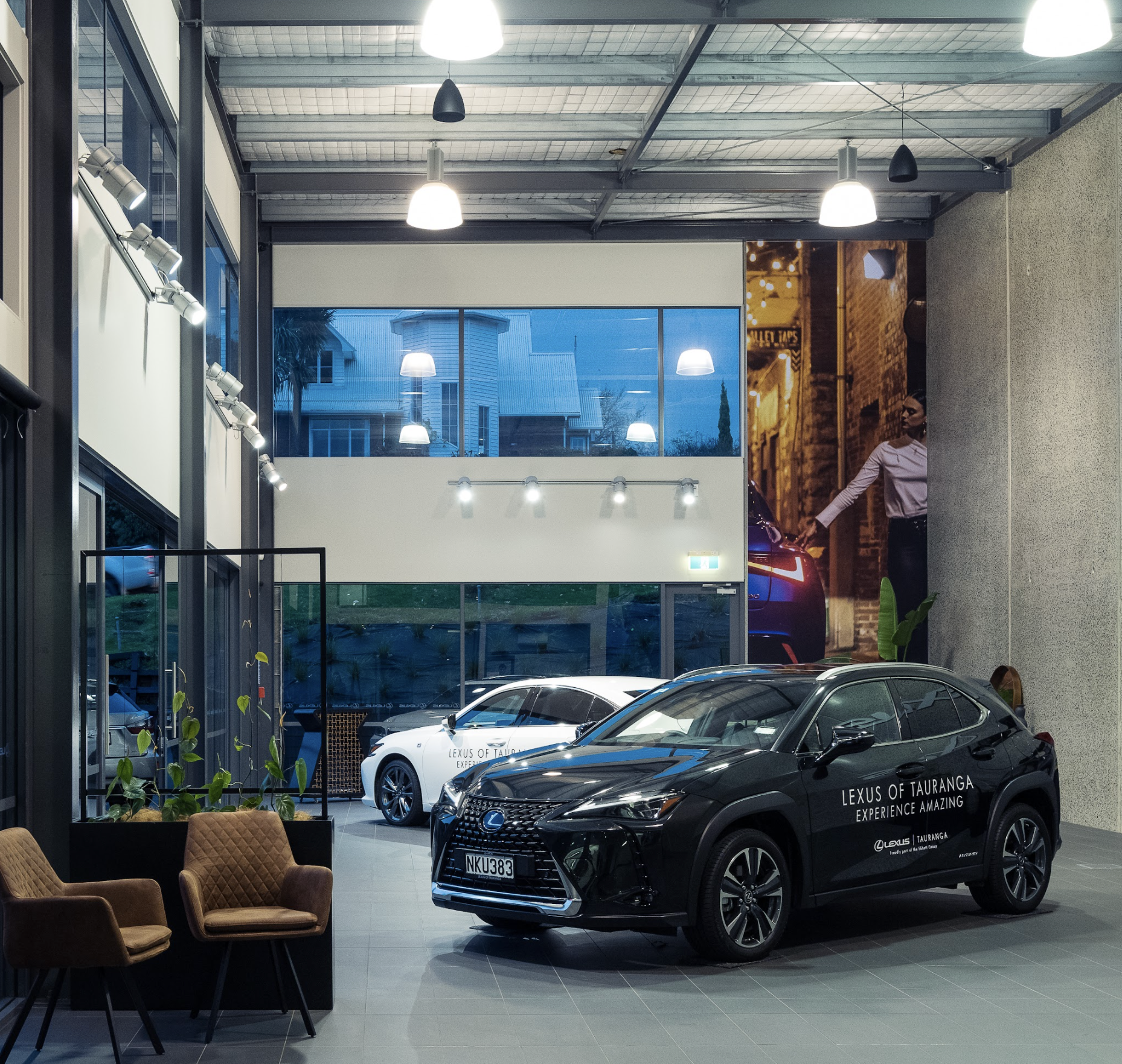
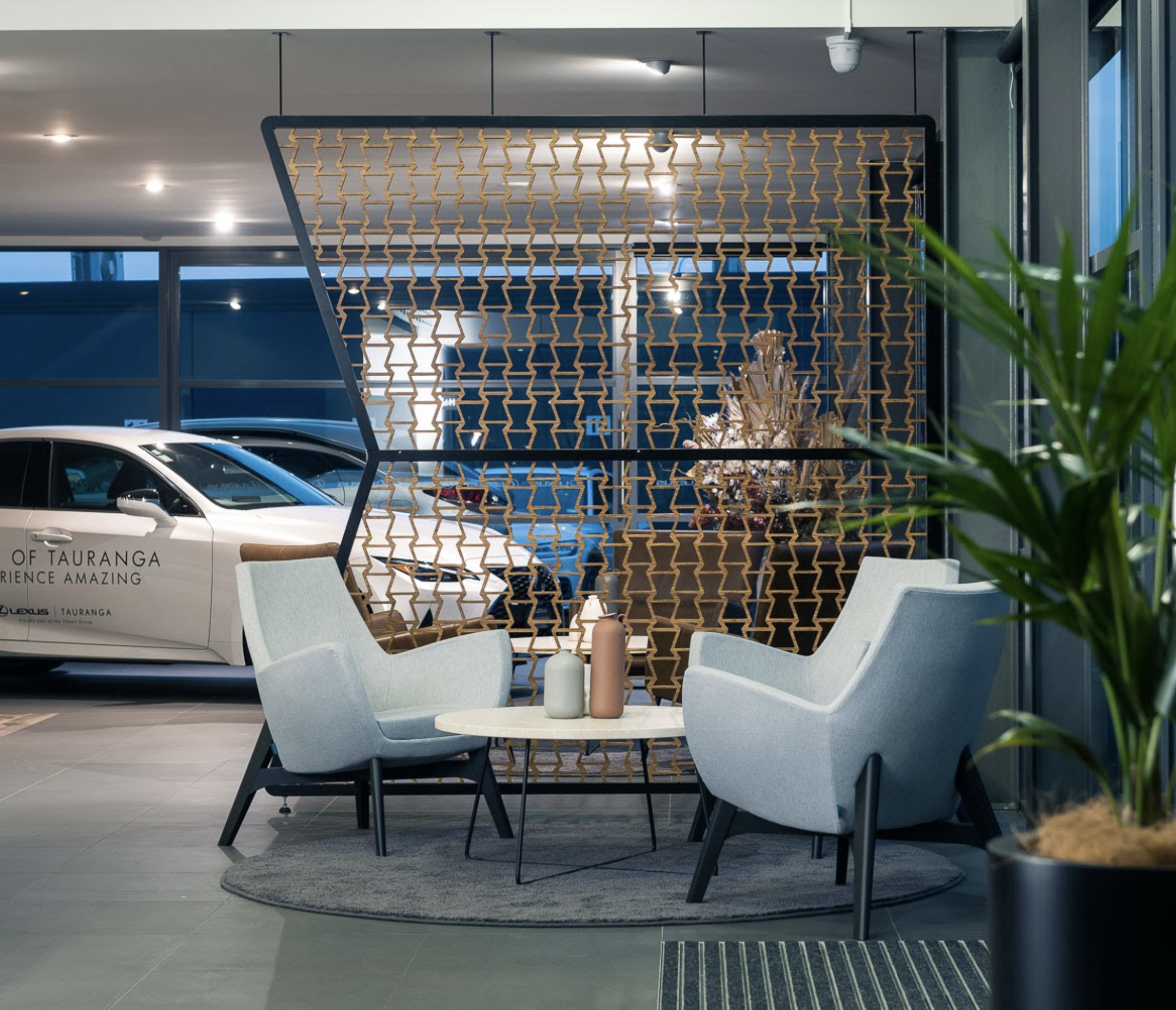
Lexus of Tauranga’s new showroom is open in Elizabeth Street. The passionate team share their picks of the luxury vehicles in the showroom.
WORDS MONIQUE BALVERT-O’CONNOR PHOTOS JAHL MARSHALL + SALINA GALVAN
Engage in a chat with Mike Ranstead about the new Tauranga Lexus car dealership he runs, and chances are he will talk more about people than cars. That’s not surprising, given this Tauranga branch manager and his team are heavily focussed on offering exceptional customer service. Many Tauranga locals have already had a taste of it as the Lexus dealership opened its Elizabeth Street showroom in June. Mike says that even though he heads an automotive dealership, he considers he and his team work within the hospitality sector.
“We don’t want people to feel as if they are moving into the process you traditionally find in the automotive industry. When we open our doors to them, we are inviting them into a comfortable, welcoming space where they are our guests – we are sharing our hospitality with them.” He passionately talks about how the premises is up for the task, “looking on point” and offering a sense of walking into a hotel foyer rather than a dealership. It’s a perfect setting for talking about dream vehicles. “We invite people to sit and have a conversation with us about how we can help them. The initial dialogue is not necessarily about the product – it is more about what they want to achieve from a vehicle buying experience,” Mike enthuses.
In discussing the importance of customer service, Mike reverts to the Japanese term “omotenashi”. “Omotenashi is about anticipating the needs of others without expectation of reward. In other words, the experience we are giving to customers is given whole-heartedly. It is about ensuring that when they leave here, they’ve had a memorable experience that fits with what they would expect of the quality and premium Lexus brand.” In the short time the Lexus showroom has been open in Tauranga, plenty of people have experienced this special welcome. “The response has been outstanding. We have experienced a huge amount of warmth and positivity,” Mike says.
Amongst those calling in is a steady level of Lexus owners, coming in to say hi, checking out the site, booking their Lexus in for a service, and coming to talk about what the future holds. Those new to the Lexus experience are also calling in. There’s a strong inclination to know more about hybrid technology, and Lexus has a significant range of hybrid models, Mike says. Customer service the Tauranga Lexus way includes all sorts of added touches. Imagine coming in to have a test drive and returning to find your car washed. How about receiving a bar of chocolate and a hand-written thank you note after getting your car serviced? And what about a bottle of champagne to celebrate when you make a purchase. It’s all part of the “hand-on-heart” hospitality Mike and his team do so well.

Mike Ranstead
Branch manager
Eye-catching styling combines with a spacious and driver-centric cockpit in the ES300h F-Sport. This seventh-generation Lexus ES (executive sedan) is a mid-size luxury sedan with an all-new chassis that allows for the dynamic exterior design and, teamed with front and rear performance dampers, turns this sedan into a very competent driving vehicle. I enjoy touring around in it, seeking out less-driven roads to find hidden gems, and the ES F-Sport gives both the range and the handling on those country roads.
The F-Sport interior finish option with the red upholstery makes a real statement, and the front-seat styling with additional side bolsters gives fantastic support during longer drives. I also love the enormous boot, and the rear window shade is really handy on hot, sunny days.

Lily Matenga
Sales coordinator
The UX250h F-Sport is our entry-level Lexus SUV and a compact vehicle well suited to my on-the-go urban lifestyle. It’s perfect for zipping around town, and the self-charging hybrid engine makes it super economical - especially in the notorious Tauranga traffic. The UX (urban explorer) range starts at $59,900, making it a more affordable luxury car. The hybrid engine is cost- effective but powerful as well, giving the smaller model an added sporty flair. My favourite design feature is the F-Sport front grille, with its distinctive mesh pattern made up of multiple L-shaped motifs. I also love the wireless charging pad and remote touchpad that allow me to stay connected while I’m out and about, as well as provide easy access to features such as maps, music and climate control.

Mitchell Handcock
Sales consultant
The RX450hl is a luxury mid-size SUV and the top- selling Lexus SUV in New Zealand. My fiancée and I are big adventure people and often spend our weekends doing long journeys in search of good times. Whether visiting family in Kerikeri, going on Coromandel surfing missions or popping over to Lake Tarawera to wakeboard, we find the RX gets us there feeling relaxed and refreshed. I’m 6’4”, and with the recent addition of a dog, our family is beginning to grow even bigger, so the RX (radiant crossover) 450hl’s blend of space and comfort is a must for us. Its black interior with bamboo trim makes it look sophisticated and modern. My top feature would have to be the Apple CarPlay/ Android Auto. Seamless smartphone connectivity combined with the touchscreen display makes everything very convenient.
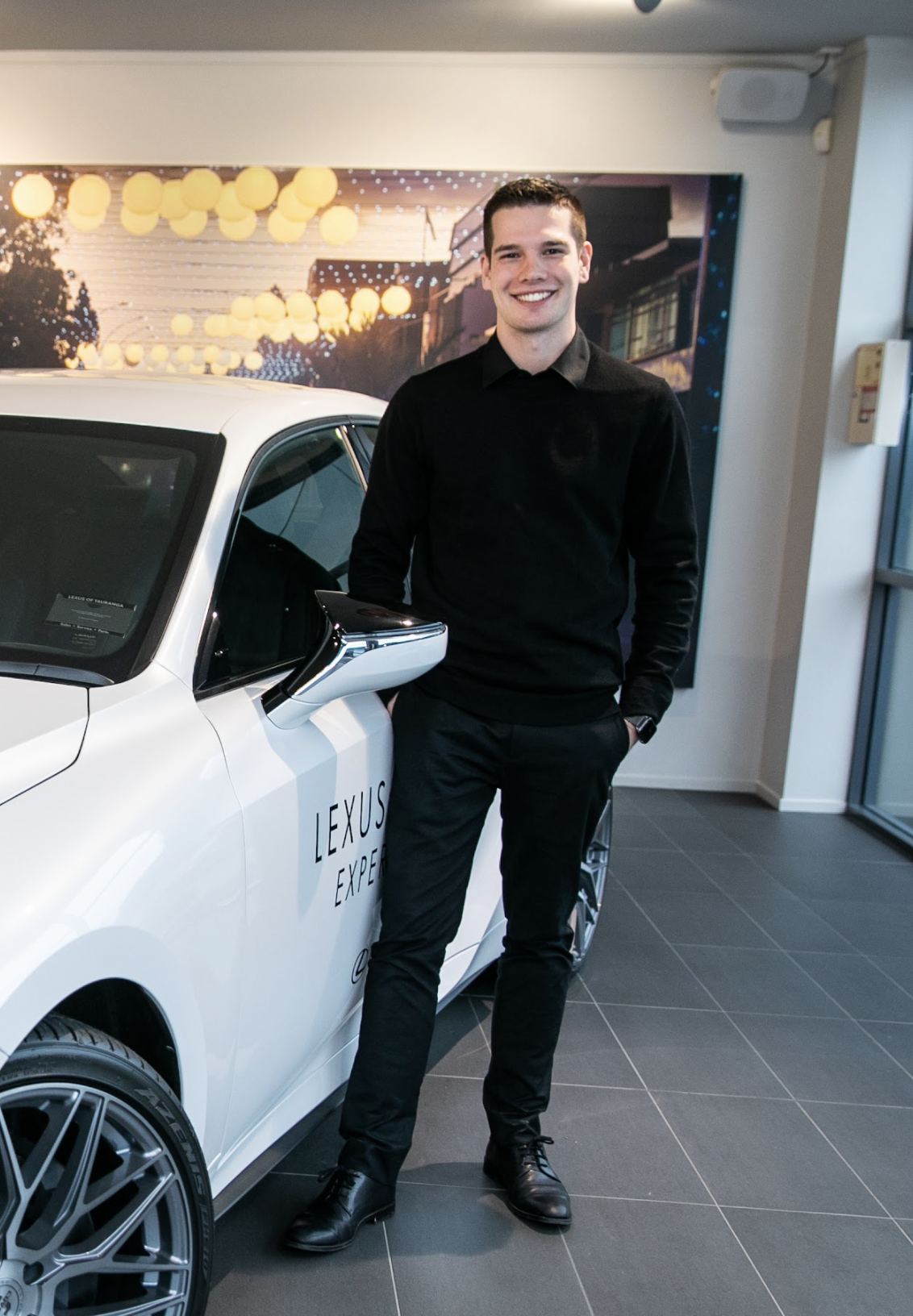
Damon Bowe
After sales consultant
Perfect for my passion for performance-style cars, the IS350 F-Sport (IS stands for intelligent sedan or intelligent sport) is a compact yet powerful sedan that not only has exclusive tuning implemented into the suspension springs, shock absorbers and electric power steering, it is also paired with luxury driving comfort. Its ground-hugging form lowers its centre of gravity and improves agility while driving – ideal for anyone who enjoys fast cars and wants a race-car feel.

Flexing your musical muscle at Totara St.
Great teachers are instrumental in developing a certain gift that keeps on giving, and UNO knows where you can find one.

Great teachers are instrumental in developing a certain gift that keeps on giving, and UNO knows where you can find one.
WORDS NICKY ADAMS / PHOTOS SALINA GALVAN
Having flexed my musical chops at an early age by mastering “London’s Burning” on the recorder, I was a little taken aback to be told by my music teacher as a young teen that I was tone deaf.
The bubble of my fledgling pop career burst by the harsh words of Mr Crabb, I never picked up a musical instrument again (unless you count the triangle in the Christmas nativity play), and although my children have each shown some musical ability, I can lay no claim to being the genetic source of their talent. Music trends have moved with the times, though, and it’s fair to say that the array of possibilities now open to young (and not so young, for that matter) learners is extensive – and, more than that, exciting.
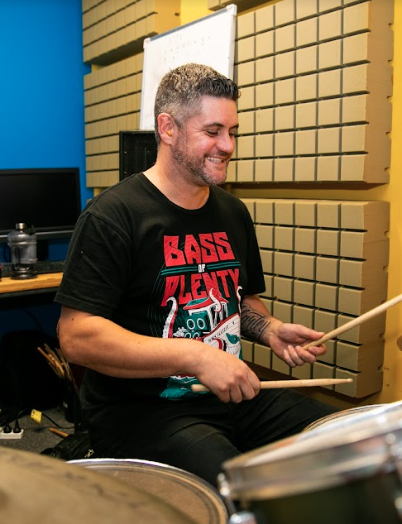
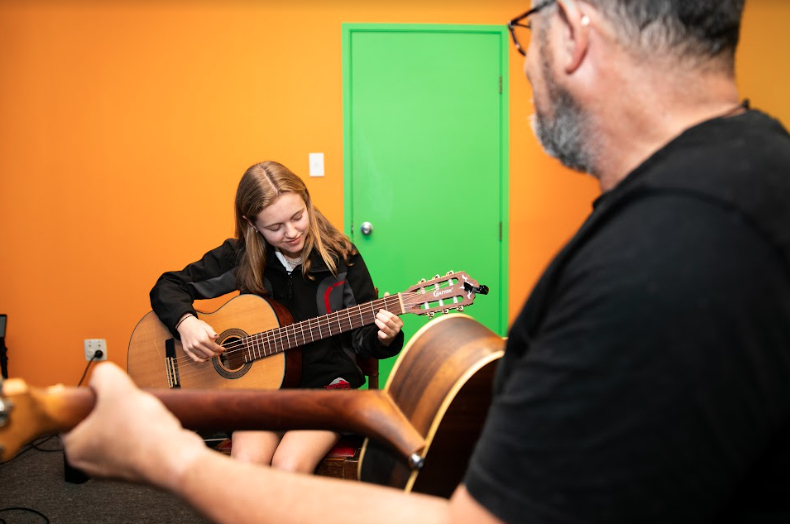
Here in Tauranga, we’re lucky enough to have among our options the Mauao Performing Arts Centre (MauaoPAC) based at multi-function venue Totara St, which offers tuition in every avenue you could imagine. No longer must parents be subjected to the screech of a recorder, when the array of instruments to choose from at MauaoPAC includes guitar, ukulele, bass, keyboards, piano, percussion, saxophone, violin and voice. In group classes and one-on-one lessons, there are up to 12 tutors available who operate out of four rooms.
The idea is to immerse the students not just in their lessons, but in the whole scene; some of the tutors are jobbing musos (until recently L.A.B frontman Joel Shadbolt taught here), and at the end of every term, a concert is put on in the high-tech on-site venue. Budding Billie Eilishes or not, this experience blows the kids’ minds. Although the thought of igniting and facilitating their children’s creative passion tops many parents’ to-do lists, like anything, it has to be the right fit.
Tauranga’s Carly Stewart sends her son to MauaoPAC for electric guitar lessons and her daughter to voice classes. She says she loves the culture because, “It has a laid-back, family feel, and the go-with-the-flow vibe fits nicely with the whole music scene”. When it comes to the benefits of being part of this community, Carly says, “It’s so important and has become a huge part of our lives. The temptations out there for teenagers are real and being passionate about music helps kids focus on the right stuff.” She also enjoys the end-of-term concerts. “They’re a definite highlight. They give the kids something to work towards – and parents love it too.”
It’s not just the musically gifted who reap rewards. Music can open a window for anyone to a truly wonderful world. Aside from the joy it brings in the moment, it’s a gift that keeps on giving. Neuroscience studies prove that music can enhance brain function in children, and it helps to develop the left side of the brain, related to language and reasoning. People who are musically trained have been proven to have better working memory skills, which helps them to remember things even while their minds are busy with other matters. As someone with a shocking memory, this leads me to think it’s not just children who should be encouraged to pick up an instrument. Playing music also requires concentration, and in this day and age when technology cultivates an unhealthy desire for immediacy, training the brain to focus on something for sustained periods is invaluable.
Whether you have the next member of Sol3 Mio in your home or just a kid who loves to bang on a drum, MauaoPAC offers a joyous, encouraging environment for all. Add to this the confidence-building attached to any kind of performing, and even the ‘tone deaf’ like myself will come away richer. As German philosopher and composer Friedrich Nietzsche once said, “Without music, life would be a mistake.”


Take me to the river - a winter weekend away in the Waikato
Take me to the river...and the zoo, and the gardens – UNO’s Hannah Keys has hot tips for a weekend getaway in the Waikato.
Take me to the river...and the zoo, and the gardens – UNO’s Hannah Keys has hot tips for a weekend getaway in the Waikato.

PHOTOS HANNAH KEYS
With a free weekend and the whole family to entertain, we decided a trip to Hamilton was on the cards. Searching Booking.com, I found a gorgeous house just outside the city and right on the river; signed myself, my children Nico (7) and Inez (2), and my parents Janet and Roger up for two nights; then set about planning an itinerary that explores some of the city’s hot spots.
STAY
ON THE RIVER
When we arrived at our accommodation, On The River, after dusk on Friday evening, the air was heavy with the scent of eucalyptus. Fire and electric blankets on, we settled in with hot chocolate and felt right at home. This architecturally designed house is an absolute winner for group travel, with a huge kitchen and living areas in the main dwelling, along with four bedrooms. In the morning, the full majesty of the property was revealed, including its big outdoor space, rambling gardens and pebbled pathways leading down to the banks of the Waikato River. It would have been easy enough to snuggle up for the day and enjoy the serene scene at our doorstep, but our littlest travel companions put a swift end to that idea.
DO
WAIKATO MUSEUM
This trip was a reminder for me of the history Hamilton offers, from the early architecture lining the streets of the central city to the museums. We visited the Waikato Museum Te Whare Taonga o Waikato, taking in the fantastic exhibition of Marti Friedlander photography and the E Hina e! E Hine e! display exploring the contemporary relevance of female Maaori and Kanaka Maoli (Native Hawaiian) ancestors. There’s an interactive science gallery for kids as well.
HAMILTON ZOO
As soon as the kids caught wind of the fact that Hamilton has a zoo, it rocketed to the top of the to-do list. Actually, it was just as appealing for the adults, proving to be an enjoyable wander through a really-quite-beautiful compound. The animals’ enclosures are structured in such a way that you’re able to have the kind of close encounters you wouldn’t get elsewhere; think zebras scratching their backs on the fence a metre in front of you and giraffes having their lunch an arm’s length away.
HAMILTON GARDENS
We caught a break in the winter weather that let us explore the otherworldly Hamilton Gardens. We’d all either never been or not visited for a good decade, so we were all greatly impressed by these meticulously designed and transportive gardens, which left us feeling inspired and surprisingly well-travelled as we headed back home over the hill.
EAT
HAYES COMMON
Near the river in Hamilton East is the very cool Hayes Common. Reservations are a good idea, but we were lucky enough to nab a table outside on the fly, and it was well worth braving the cold for. The eggs Benedict and maple-soaked crêpes went down a treat, while my winter salad was a taste explosion, with house-cured salmon, smoked beetroot and a touch of citrus.
GREY STREET KITCHEN
We also stopped in for coffee and cake at Grey Street Kitchen, which is co-owned by two-time New Zealand barista champion Dove Chen. The food here is delicious; I had my eye on the gluten-free gnocchi with Hamilton-grown oyster mushrooms.
Our stay at On The River was courtesy of BOOKING.COM. I found the app so easy to use and the flexible cancellation policy meant I was happy to book without hesitation.

Fat transfer: the why, the how, and what to expect
Fat transfer can restore youthful contours to your face, hands and body, can be wonderfully rejuvenating and also improve scarring; here, two people share their experience of the day-stay procedure at Tauranga’s Skin Centre.
Fat transfer can restore youthful contours to your face, hands and body, can be wonderfully rejuvenating and also improve scarring; here, two people share their experience of the day-stay procedure at Tauranga’s Skin Centre.

INTERVIEW LISA SHEA
Face facts
UNO: What led you to try facial fat transfer? I felt good in myself, but then I’d look in the mirror and I’d look so tired! It aged me beyond my years.
Was there any preparation required before your procedure? The only prep I recall was not drinking alcohol for two weeks prior – and that’s never a bad thing.
How did you feel in the lead-up? I couldn’t wait to get it done! I’d been given lots of information from the Skin Centre and they were there for me if I had any questions at any time. I was so looking forward to not looking exhausted anymore – to looking like I had as much energy as I felt I had.
How did you feel afterwards? There was a bit of swelling that subsided in the first few days, but I took a week off work so I’d feel completely comfortable with how I looked when I went back. The pain was minimal, just a bit of a dull ache in my thigh where the fat was taken from; there was no pain at all in my face. I followed the instructions for the pain medication and I was good as gold. I had to sleep propped up for a few days, but that wasn’t a biggie.
Do you love the results? I had the procedure about six years ago and I’ve never looked back. My face still looks and feels totally natural – which it is! – and I don’t look tired anymore. I’m so much happier with my appearance.
How did you find your experience at the Skin Centre? The staff at the Skin Centre were so caring and informative. They made the whole procedure and aftercare really easy.
What advice would you give to someone considering facial fat transfer? For me, it’s a no-brainer. The procedure’s straightforward and the results are great – and long lasting.
Body beautiful
UNO: What led you to try body fat transfer? Being small- busted, I’d always joked about wishing I could transfer some fat from my problem areas to my chest, so it felt like a dream come true when I found out about this procedure! I was attracted to this solution knowing there was nothing artificial that would be inserted into my body.
Was there any preparation required before the procedure? To ensure it was successful, I had to wear a pump expansion- type system regularly for some weeks prior. This worked to make space for the fat to be placed in.
How did you feel in the lead-up? I was mostly excited as it seemed like the perfect solution to something I’d always thought about but hadn’t expected to be possible. I had a lot of faith in Dr Salmon and the team at the Skin Centre. Any nerves I had were put at ease by their kindness and professionalism.
How did you feel afterwards? I was deliberately cautious with all my movements and activities. I was a bit uncomfortable, but it wasn’t any worse than I’d expected and with some regular pain relief for a day or so, I was comfortable. Planning ahead to allow myself time to recover was also important for the success of the treatment.
Do you love the results? It’s been a couple of years, and I’m still really happy with my results. I feel like I got back what I had before children and a little more, yet look really natural – plus, the shape of my breasts has improved and my body confidence has too.
How did you find your experience at the Skin Centre? I could not fault the experience I had. The atmosphere was relaxed and I was supported through all stages of the procedure and my recovery.
What advice would you give to someone considering body fat transfer? To me, it seems like one of the most natural ways of enhancing what you already have, leaving you with a natural shape and feel. I’m really happy I did this for me.

Measuring success in the gym with Clubfit’s Stu Stevenson
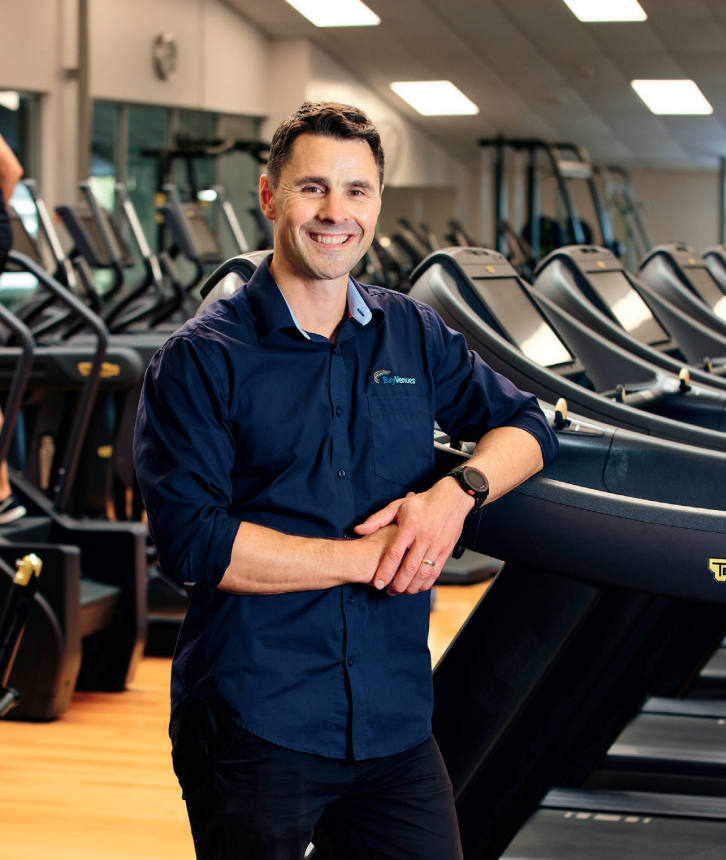
It’s all good to want to look great, says our Clubfit manager fitness columnist Stu Stevenson, but is that your true measure of success?
It’s all good to want to look great, says our Clubfit manager fitness columnist Stu Stevenson, but is that your true measure of success?
PHOTOS Hunter Studios
When it comes to health and fitness, there are many ways to define success and measure your results, but the real question is: What do they mean to you? It’s not what others tell you they should be or what social media leads you to believe.
Figure out what you want from your body and from an overall health perspective. Then create your own success metrics that are less about the number on the scales and more about how you feel. Consider these questions when measuring your health and wellness progress:
How do you feel? Paying attention to your mood and energy level is a great indicator of whether you’re on track or not.
How quickly do you recover from exercise? Are activities that were once challenging becoming easier? As we get fitter and stronger, it’s important to reflect on how much easier exercise becomes (and remember that progressive overload is a simple yet often underrated exercise principle). Can you lift more, run further, last longer? Even a marginal improvement is progress.
How well are you sleeping? Improved sleep quality over time is an indicator of success. More sleep (we should aim for a minimum of seven to eight hours each night) and less stress will also give you a better chance of achieving your health and fitness goals.
What’s your resting heart rate? A normal resting heart rate for adults is between 60-100 beats per minute. Checking that yours is either stable or slightly decreasing over time is a simple fitness test you can perform when you wake up each day, going old school with a watch or with a wearable device that’ll do the counting for you.
What do you weigh? Actually, this simple measurement isn’t always as helpful as people think. In fact, if you’re going to measure your body weight, it’s important to assess it alongside your body composition (the proportion of fat and non-fat mass in your body). No matter what your goal, focussing on building or maintaining lean muscle sets a platform for success.
True fitness success is more than just achieving a certain body composition or look. Of course, it’s good to look great, but it’s more important to feel great and have a body that can perform when you need it to. Although there’s nothing wrong with having a weight-loss or aesthetic focus, it can take the joy out of exercising and make it a punishing journey, so I encourage you to work with a coach in an environment that promotes positivity around goal-setting and a balanced approach to defining success.
At Clubfit, we can work with you to create a fun, sustainable workout plan that’s focussed on making you feel good – plus all Baywave members receive a free Evolt 360 body scan to help you track your health and wellness journey. Here’s to your success!

Honouring life with an exceptional commitment to care: Legacy Funerals’ Kiri Randall
“We’re not promised tomorrow, and we’re always faced with that in what we do. It makes me appreciate what I have in a different way.”
Tasked with the responsibility of honouring and celebrating life has given Legacy Funerals’ general manager Kiri Randall a whole new appreciation for hers.

INTERVIEW LISA SHEA / PHOTOS SALINA GALVAN
Kiri Randall faces grief every day of the week. Hers is a job full of big emotion; showing compassion, care and empathy for people in the midst of what might be some of the hardest days of their lives. It’s a lot to shoulder, but Kiri and her dedicated team are prepared to help carry that load, understanding personally how difficult loss can be. “We’ve had staff lose people in the last year that they never expected would have died before their time. So the reality is that it happens for us, too. We can relate so deeply to the people that come to us in that moment.”
Their commitment to care became even more meaningful last year, when COVID-19 restrictions impacted our ability to say goodbye.
“We did everything so that families were with their loved ones as long as possible. Once they came into our care, we made sure they had a proper farewell, we had someone say a committal; if the family prepared a eulogy, we read it on their behalf. We took video of the burial for the family so they could feel like they were part of it. It was an incredibly challenging time for everybody and we just wanted to help them through it as best we could.”
If that seems outside the traditional idea of a funeral, Kiri explains that today, traditional services are no longer the norm. Her team is guided entirely in what they do by the wishes of the deceased, their family members and friends. “Funerals don’t have to be limited to churches. We have them in our own venues, we have them in orchards, at the beach, at surf clubs; we’ve even had one on a barge. Whatever the person’s life was about, that’s what we want to reflect in the service. It can be in the morning, the evening, we can have their favourite foods served. We want it all to be individualised and a true celebration of their life.”
While funerals are as much about a moment to reflect and say goodbye for those loved ones left behind, Kiri says it’s as important to them to care for the deceased as much as the living. They have a team of qualified funeral directors, qualified embalmers and they’re committed to continuous training to ensure they offer a professional service at the highest standard. “It doesn’t mean we charge more than any other funeral home; it just means that we’re doing our very best, because that’s what we’re all about.”
For Kiri, it always comes back to truly honouring the lives of those that have passed; something she sees as a responsibility that has gifted her with a whole new perspective. “We’re not promised tomorrow, and we’re always faced with that in what we do, so it makes me appreciate what I have in a different way. I can appreciate as a mum that the best thing I can do is be an incredible mother to my children, to be there to support them in the good and the bad. For my staff, I want to focus on their health and wellbeing, to make sure they’ve got the tools and support they need to do what they do well.”
“It’s also made me appreciate my community. I’ve learnt that life isn’t perfect but I’m so blessed to have good people around me. I love having good conversations, with all kinds of people, from all walks of life. I want to learn from them. Ultimately, being in this line of work has really taught me to appreciate life.”

The Sunday Society guide to incorporating vintage furniture into your home
In the latest issue of UNO, we spoke to Kristyn Thomas of The Sunday Society about her love of bringing new life to furniture that might have otherwise been forgotten. Here, she shares her tips on how to incorporate vintage and antique furniture and decor into your home; what to look for, and how to find it.
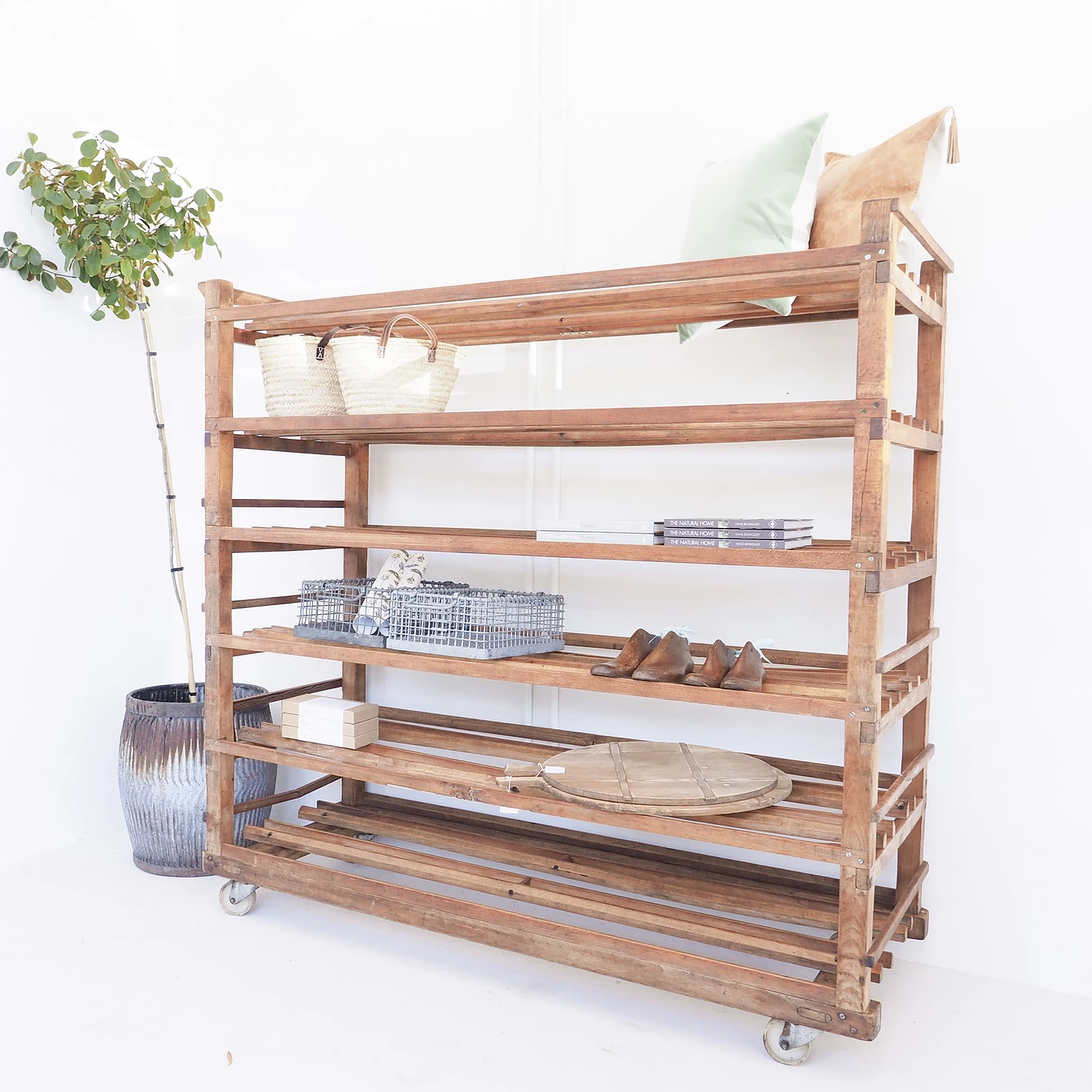
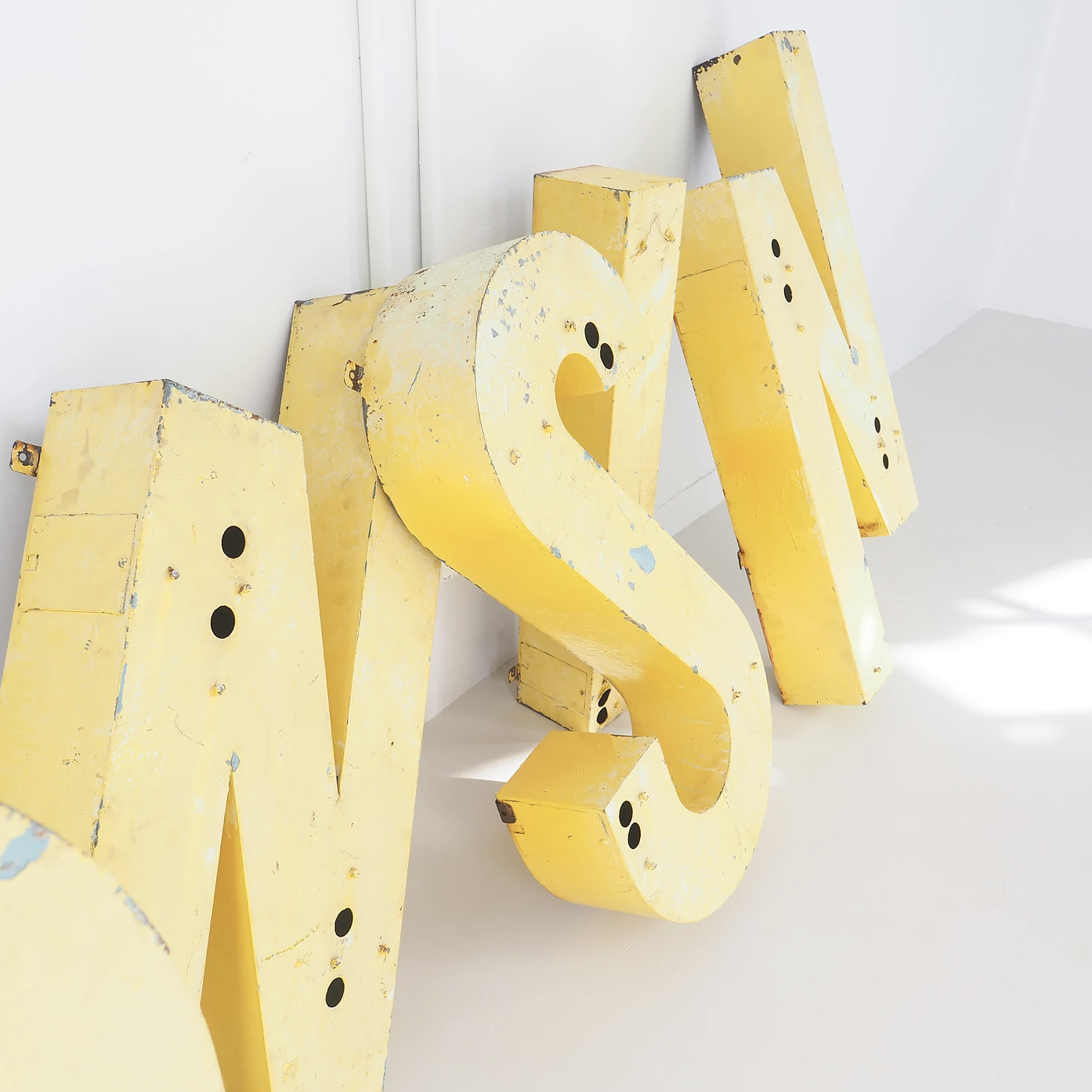
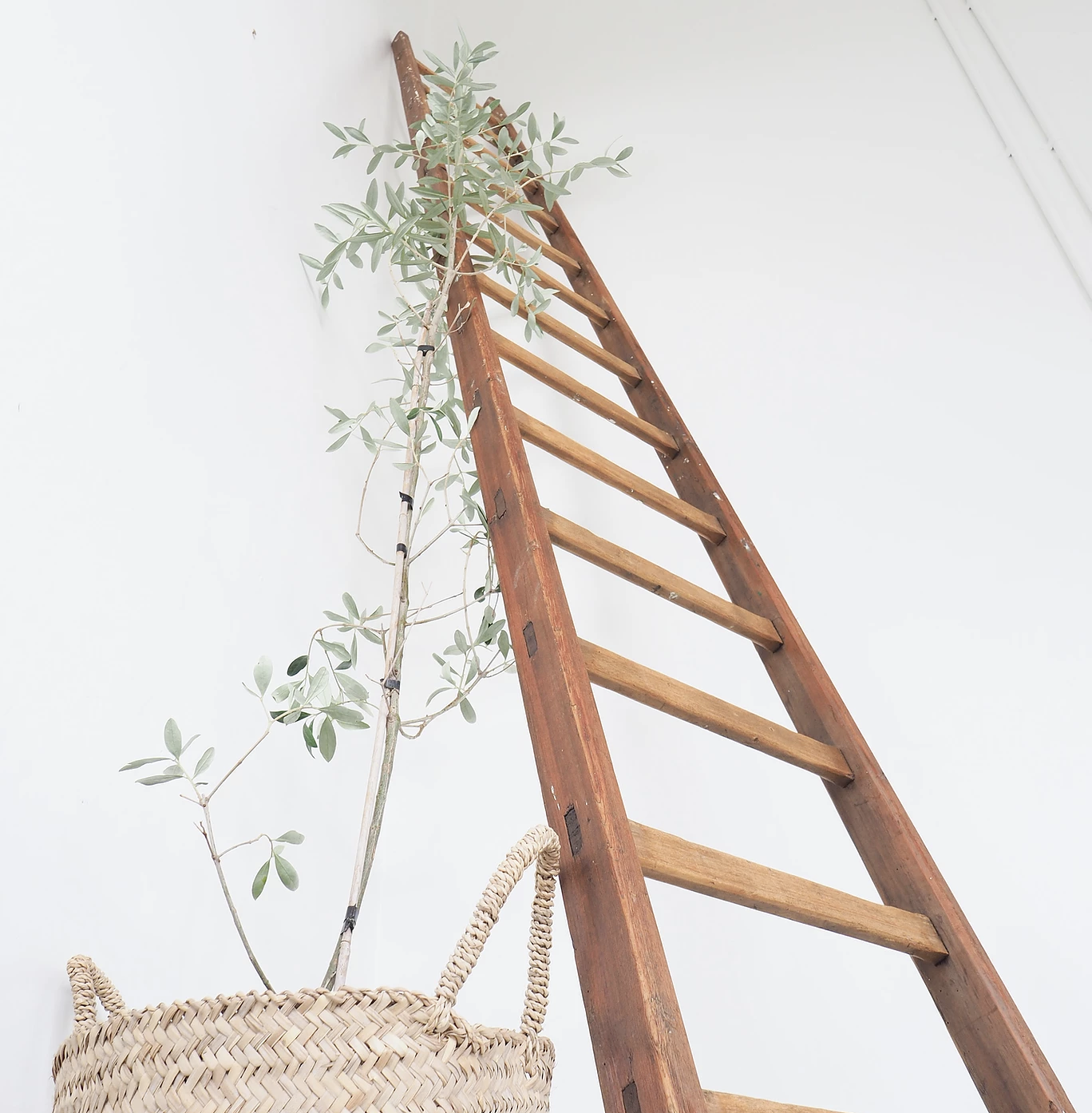
In the latest issue of UNO, we spoke to Kristyn Thomas of The Sunday Society about her love of bringing new life to furniture that might have otherwise been forgotten. Here, she shares her tips on how to incorporate vintage and antique furniture and decor into your home; what to look for, and how to find it.
UNO: Hi Kristyn! You’ve built a business on having an incredible eye for vintage European furniture; how do you know which pieces to bring home?
Kristyn: My advice is always to buy things that you love. I would never suggest that someone would go out with the intention of trying to achieve a certain look. When you see something you love, even if it isn’t necessarily the look you’re wanting, if you have a reaction to it, that’s what you should build your decor around. People get concerned that things don’t match, but if you step back and look at the whole picture, there will be a look running through it. You usually have similar taste across all items, even if you’re not aware of it. It’s better to fill your home with things you love. If you love it, you can make it work.
Do you stick to a particular era?
I prefer a very layered look from different eras, rather than everything looking so 2020, or so 2015 (or so 1932!). If you’re mixing eras, it really tells a story of your lifetime and experience. It also means you need to update it less. You buy once, and buy quality, keeping pieces that are going to last. It goes beyond what’s in fashion. I have 250-year-old intricate carved French antiques mixed with mid-century eastern European pieces and it kind of works, I love each piece.
For someone that’s never bought any vintage furniture before, where’s a good place to start?
If you’re a bit nervous about incorporating vintage items into your home, you can always start small; choose smaller elements, like an old breadboard in your kitchen for example. It’s a good way to bring that warmth into an otherwise contemporary space. Then you can build up to those big pieces of furniture. I think it helps to think of things in different ways as well - even if it’s something that’s quite industrial, you can use it in a way that is very far away from its original purpose.
And how do you find those special items?
Take the time to wander around, visit different shops that have a range of different things. Whatever speaks to you, ask yourself: what is it about that item? Is it the proportion, the colour, the type of timber? Then try and identify that common thread to help you find more things you like. I’m inspired by a lot of European Instagram accounts, and people that have that European aesthetic I love, like Lynda Gardener. You can use Google Translate to search for what you’re looking for in another language online too!
What has been your most treasured find to date?
In our hallway, we have an amazing set of telegram drawers. It was an online find from about eight years ago - we’d been looking for something for almost ten years prior. I had always kept an eye out. We’d just finished building our house, and definitely had no budget to be buying interesting, fun things. But we saw it, and it was perfect, and we just asked ourselves when we’d ever find it again! It fits perfectly in the space - so sometimes you have to just jump on it. With vintage pieces there is only one - if you want it, you have to get it! Make it work!
What about a favourite find for your store?
One of my favourite things we’ve had in the store recently is a matching pair of twelves drawer units in solid French oak, from an old cotton factory in the North of France. An identical pair - that’s pretty rare!
Read more about The Sunday Society in the latest issue of UNO, or you can visit them at their store in the Matangi Dairy Factory, at THESUNDAYSOCIETY.CO.NZ or on Instagram @THE_SUNDAY_SOCIETY_NZ

Immerse yourself in the heart and soul of Italy at Alpino Cambridge
“The overall experience is about fun and enjoyment. The restaurant is always full, and the essence of it is truly Italian.”
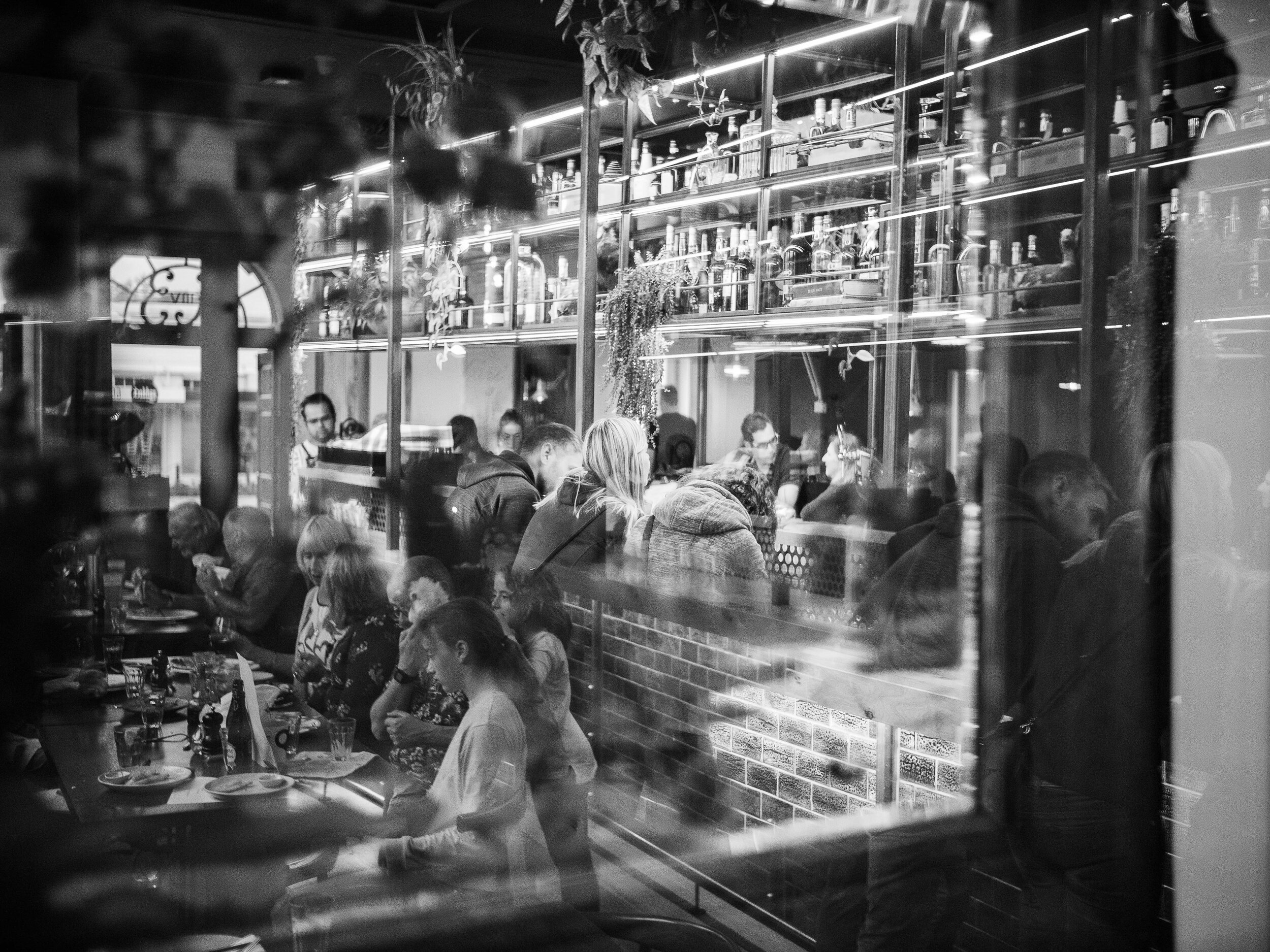


Those of us lucky enough to have visited Italy pre-Covid will recall a classic scene in our minds, perhaps a packed piazza filled with intimate restaurants, and incredible aromas of food and wine lingering in the electric atmosphere. That celebratory Italian spirit has been captured a little closer to home at Cambridge restaurant Alpino, thanks to two people who know it by heart. Owned by Italian-born Noel Cimadom and Riccardo Carminati, along with Noel’s wife Kim Smythe, Alpino (which you might also recognise from the Mount) serves the soul of Italy on a plate.
“When you enter Alpino, you feel so welcome, you get amazing service and good food,” says Riccardo. “The overall experience is about fun and enjoyment. The restaurant is always full, and the essence of it is truly Italian. You could have this restaurant in Milano and it would be packed; we’ve really put our soul into it.”
To ensure a completely immersive experience, the wine list is flush with Italian labels, many offered by the glass to complement your dish. Riccardo says the menu goes from the simple yet flavourful pizzas to more formal mains, such as the 55-day aged beef, the porchetta and the ravioli handmade with locally grown pumpkin and ricotta by head chef Branislav Petkovic. “We can source ingredients from Italy, but we’re at a point where we’re almost revisiting Italian food with what we have here,” says Riccardo, “It’s still authentic Italian food, but incorporating local elements takes it to the next level.”
Italy can wait – we’re taking a trip to Cambridge instead.
43 Victoria Street,Cambridge

Recipe: Lightning Kombucha with Libertine Blends
A fresh, fizzy, probiotic drink that is easy to make at home with a few simple ingredients.

Image by Max Griss
A fresh, fizzy, probiotic drink that is easy to make at home with a few simple ingredients.
INGREDIENTS
2 Lightning green teabags or 2 Roxy black teabags
1L water
1/4 cup caster sugar
1 Scoby + previous liquid (large enough to cover at least 1/4 of the kombucha surface)
EQUIPMENT
One large fermentation jar. Anywhere between 1.5-3 litre capacity.
Fermentation bottles. These can be purchased from any brewing shop, don't use square bottles as they are more prone to some unwanted explosion! I used 500mL round glass bottles with a swing top lid and silicone seal.
A piece of sterile, breathable cloth. Big enough to wrap over the opening of your fermentation jar, and a large rubber band to use during the first fermentation. I used a Chux cloth.
METHOD
Infuse the teabags in 500ml of boiling water for 10 mins, until nice and strong.
Add sugar and stir to dissolve, then pour in the remaining 500mL of cold water.
Wait until the tea has cooled to below 30°C, or overnight, before adding pouring it into your sterile fermentation jar containing your scoby in its starter liquid.
Cover with a breathable cloth, such as a couple of chux cloths, and secure with a rubber band. Ensure air can still pass into the fermentation vessel, as this will keep your scoby alive!
Leave in an airy place for 7-14 days; this time very much depends on the temperature of the room, and how much of your scoby is covering the surface of the kombucha.
Taste the kombucha every couple of days - it should taste sweet at first, but you will notice it will become more acidic as time passes. You are ready to bottle your kombucha when it has reached the perfect sweet/sour spot for you!
I left my black tea kombucha for 14 days, while the green tea I only left for 7 days. During each batch of booch you make, your scoby will grow another layer. When it gets too big, separate a few layers and give it to a friend in some starter liquid to spread the kombucha love!

Raise your eyebrow game with this sought-after specialist technique
Simultaneously enhancing and taking years off your face, well-shaped, defined eyebrows have become the ultimate beauty weapon.

WORDS NICKY ADAMS / PHOTOS SALINA GALVAN
Simultaneously enhancing and taking years off your face, well-shaped, defined eyebrows have become the ultimate beauty weapon – and there are a million Instagram posts to prove it. With the world’s love of fuller brows growing by the day, for many, microblading has become a must, and for those who have naturally thinner brows, might have mercilessly overplucked in the past or are noticing theirs thinning with age, this treatment has become the answer to a beauty prayer.
Microblading is a technique whereby the eyebrows are semi-permanently drawn onto the face using a tool to which tiny blades are attached. In the hands of a highly trained technician, anaesthetic is applied to the skin and medical-grade ink is implanted using fine strokes. The realistic-looking result is beautiful brows that remain perfectly manicured for up to three years. Rebecca (Reebz) Kuruvilla of Otumoetai’s Kuruvilla Beauty Design has been a practicing beauty therapist for 34 years, and during that time has become well known for her skill and passion for eyebrow shaping. UNO sat down to talk about how, through additional training in the art of microblading, her greatest professional skill has been taken to the next level.
UNO: What drew you to microblading?

REEBZ: I’ve always loved doing eyebrows. Because of my background in the industry, it was important to me to choose the very best microblading course, which is the Phibrows technique, using the highest-quality ink in the world. After this, I completed an additional Perfection course, involving one-to-one training. I found it was a real advantage to know eyebrows before I started and have the knowledge of anatomy and physiology that you learn as a beauty therapist. You have to be able to understand how ink is going to work with different skin types; not everyone can have this procedure done and you’ve got to know who’s compatible. I can assess all of this in my initial consultation.
What does the process involve?
After the initial consultation and pre-care summary, clients return for their first treatment. This takes two to three hours, and then there’s basic aftercare of three to four days – simple things like ensuring you don’t sweat or overheat. A month later, the client comes back to repeat this process. My salon is based at my home in a very private and highly sterile environment that I can control. Having grown up in a family of doctors, this is something I feel strongly about. My parents had a medical practice at the Mount and my brother is a surgeon, so you can imagine how important maintaining good systems and medical hygiene is to me.
What kind of reactions do you get from your clients?
They are really happy to have easy-to- maintain brows that look amazing. I don’t follow trends, I just give back my clients the brows that best suit their face shape. It’s often the shape they had originally had. And now it looks even better.

Northland: About as good as it gets for UNO editor Jenny Rudd
If you mention Northland to anyone in Aotearoa, it’s often met with sighs of longing. People love it. Warmth, beauty, isolation – the best things come in threes.

WORDS JENNY RUDD / PHOTOS SUPPLIED
If you mention Northland to anyone in Aotearoa, it’s often met with sighs of longing. People love it. Warmth, beauty, isolation – the best things come in threes. The top of our country has that delicious feeling of being a gazillion miles from anywhere, and there’s so much to do! This is the second year in a row my family and I travelled up there in the school holidays, and I feel like we’ve barely touched the surface. But here are my top picks – so far – from the land where the sun always shines.
STAY
Via HomeAway, on this trip we rented a holiday house in Coopers Beach dubbed As Good As It Gets. It turned out to be a fair description. The property was on the water's edge in a private bay, so we were able to snorkel straight from our doorstep. This little town overlooking Doubtless Bay also had everything we needed to keep us happy, including a great supermarket, a dairy selling ice creams by the beach, and a spot for playing housie with my mum on the Saturday night.
STRETCH
We blew away any lingering cobwebs with daily strolls at Taumarumaru Reserve between Coopers Beach and Cable Bay. An oversized grassy knoll, the scenic reserve has lots of tracks that take you up to some great vantage points from which you can gaze out over the ocean.
SNORKEL
Just up from Coopers Beach is Maitai Bay at the end of the Karikari Peninsula, which curves around the top of Doubtless Bay. As we walked over the lip of the carpark and onto the top of the dunes, I saw a dream-like fantasy beach spread below us – white sand in a perfect crescent with rocks sprinkled at either end. While younger children stood in the shallows and dipped their heads beneath the surface to look at baby squid, my husband, UNO publisher Mat Tomlinson, and I snorkelled in bright blue water, which was teeming with wildlife thanks to the no-take rāhui. We went out around the coast with our four teens to swim through caves, holding rocks so we could sit on the bottom and look up at the fish floating around us.
Most mornings we kicked off with some sunrise fishing on Tokerau Beach. It’s the quintessential start of a day for a Kiwi on holiday. The kids loved it, although their interest in waking up at dawn waned as the week went on and they realised our fishing skills weren’t bagging us any fish.
SLIDE

Head further north to Te Paki’s giant sand dunes, where you can rent a boogie board and tear down the slopes on your stomach. I’d never seen dunes this size before, and the view from the top was spectacular, all the way back to Ninety Mile Beach. Going really fast down seriously steep dunes made us laugh a lot, so here a top tip: laugh with your mouth closed when you’re tearing downhill. At the bottom of the dunes, you can follow the Te Paki stream to the west coast in a 4WD to check out the endless beach.
SNACK
A few minutes drive from our Coopers Beach base was the Mangonui Fish Shop. As well as exemplary fish ’n’ chips, they sell all things kaimoana at this picturesque spot on the water. If you’re not too full after your meal, see if you can manage an extra treat from their fine array of $5 desserts. We had to go back again so I could have the ice cream sundae and half a pint of chocolate mousse. On your way up to Te Paki, you should stop at the Container Café in Pukenui for a paua pie. Put it in your sat-nav: 4229 Far North Road. They’re world- famous in New Zealand.
The Northland website has some great ideas on things to do and places to stay. Plan your trip out here. NORTHLANDNZ.COM

People are everything to Mackenzie Elvin Law
As a company that believes in being accessible to its clientele and grounded in its approach to law, Mackenzie Elvin Law has carved out a niche that certainly sets itself apart.

WORDS NICKY ADAMS PHOTOS WAYNE TAIT + SUPPLIED
As a company that believes in being accessible to its clientele and grounded in its approach to law, Mackenzie Elvin Law has carved out a niche that certainly sets itself apart.
Founded in the early 1980s by Fiona Mackenzie, husband Graeme Elvin, and good friend and long- term business partner Marcus Wilkins, from the outset all three valued long-term relationships, recognising the value of interconnectedness with their clients. They didn’t believe in the model of just selling legal services for a fee. Despite exceptional reputations in their field – or perhaps because of them – the solid three chose to remain tight-knit.
However, the last few years have seen a need to grow to meet demand, and as a result the business has expanded from the original three partners to seven, and a team of 30-plus staff. Nevertheless, the same core values that the firm was based on have remained at the heart. Chatting with two of the partners, Rebecca Savage and Tom Elvin, what becomes very clear is that from their perspective the growth of the firm has been strategic, rather than simply reactionary.
What is also obvious is the wonderful synergy between the colleagues; Rebecca is empathetic and quick to connect with, and is exceptionally smart (she boasts a Masters of Law from the University of Cambridge), experienced and a wonderful communicator. Tom is someone you innately want to helm your ship: Simultaneously focussed and sharp, but still humorous and invested. Both agree that the common thread running through all the partners are the key qualities of competency, capability and cultural fit. Maturing over the last five years or so into a more diverse entity, expansion started with the addition of Tom Elvin.
Having worked in Auckland since he graduated, Tom brought experience in commercial property and construction law in both a corporate environment as well as with a small boutique specialist. Tom could see that within Mackenzie Elvin was “the opportunity and timing to grow and transition from a tightly-held business into a more complex organization which could serve the growing city and beyond.” Being intentional about the company’s transformation has been driven by the pillars; Fiona, Graeme and Marcus, and it has meant a specific controlled and intentional growth. For Rebecca, a chance meeting with Tom in 2018 led to another with Fiona, and straightaway Rebecca knew that she had met her perfect match, even though it meant a change in the scope of law she was practising. “Fiona and I just clicked really well and had such a strong connection.” For Tom this proves the firm’s founding values were continuing on, through the new generation; “Rebecca has admirable attributes, style and competency, and knew that she could have a meaningful and fulfilling career with us.” Clearly the move from litigation to family law is serendipitious for Rebecca; as she reflects on how she loves bringing her compassion and ability to listen to every case.
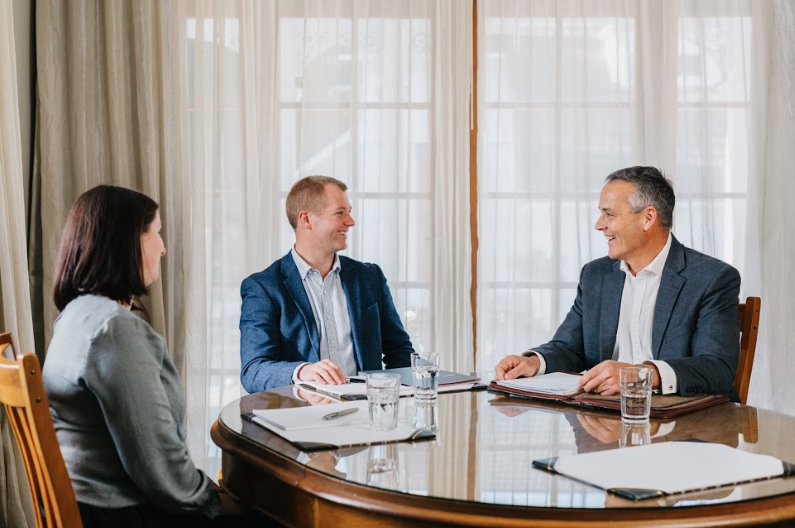
Thomas Refoy-Butler, a good friend of Tom’s, had – unbeknown to him – been earmarked as the perfect fit for the company. With a high level of experience in civil litigation, a practice area the firm was keen to move into, Tom started the “slow burn” of luring him to Tauranga and into the fold. Sure enough, he moved from Auckland and the already established relationship allows for a dynamic that, says Tom, is “like adopted siblings – you can disagree in a meaningful and effective way and get the best outcome.” Rebecca agrees. “Not only are his legal skills amazing, but there’s a whole pile of personal attributes that give you a lot of confidence.”
Jason Bywater-Lutman is the latest addition to the team of partners, and similarly was identified as someone with unquestionable business acumen. What sets him apart is not just his level of competency and effectiveness in his field of commercial property, but, as Tom notes, the fact that “he holds himself with a very high level of decorum and respect; he fits what we stand for and what we are building.” With the change of pace in what started out as a family firm, now comes a much more intentional commitment to maintaining the original ethos. By treating staff well, the company has employees that have been with them for over 30 years. Community ventures have always been strongly supported, spearheaded by Fiona, Graeme and Marcus. Indeed, Fiona and Marcus partnered with the University of Waikato Tauranga Campus to put on the Justice Susan Glazebrook talk, which was both an investment in the University and a way of facilitating discussion about wider legal issues. Community-vested projects are massive for them, as Tom points out: “Working here means that you’re part of the community that you’re living in. If you need to do that in work time, we make space for it.”
Ultimately, the culture and the professional fit are important because they allow Mackenzie Elvin Law to achieve its central purpose – which is the service it provides. How the company sets itself apart remains the same as ever: Accessibility. Tom is clear: “We make sure that every new client is seen first by one of our decision makers; a partner. We want to understand exactly what you are going through, and how we can help.”

Danish Furniture: when great design and sustainability combine
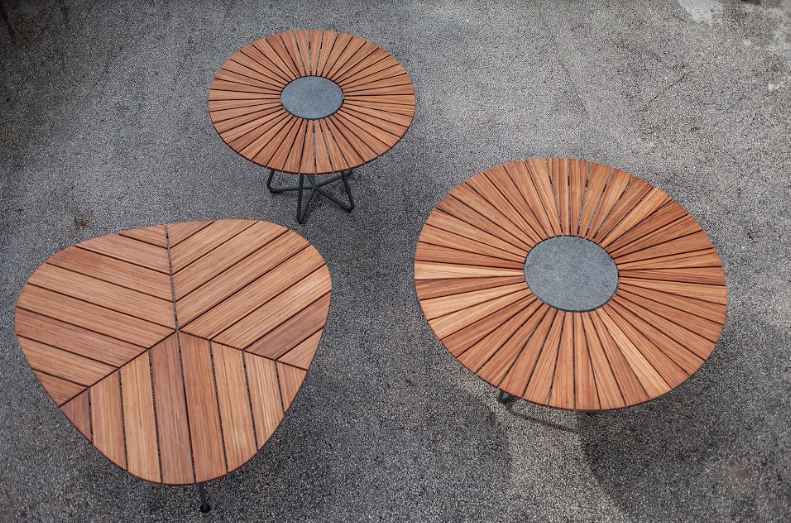
Importers of ethically made pieces carefully crafted from sustainable materials with a wealth of design history behind them, Tauranga- based business Danish Furniture brings a lot to the table.
WORDS ANDY TAYLOR PHOTOS SUPPLIED
Importers of ethically made pieces carefully crafted from sustainable materials with a wealth of design history behind them, Tauranga-based business Danish Furniture brings a lot to the table.
A conversation with Drew Copestake makes it crystal clear that Danish furniture is his passion – in fact, he loves it so much that he and partner Karin own a business named just that. In just over a year, they’ve taken it from strength to strength; Danish Furniture, which imports and distributes indoor and outdoor pieces from Danish design company Houe (pronounced how-ay), has 10 retail outlets around the country and a spacious new showroom in Unutoto Place, Tauriko. Tauranga-born Drew had previously worked in adventure tourism as a white-water rafting guide, first in New Zealand from the age of 16 and, later, all over the world.

But in 2019, he joined Houe as a sales manager and a new love affair began. He loved the product, he loved the role, and he loved seeing how people reacted to the innovative styling and design of the furniture, so when the opportunity came up to buy the business, he and Karin – a chartered accountant Drew describes as the brains of the business – grabbed it with both hands.
“We bought the business the day we went into lockdown last year, which was frankly terrifying!” he says. “There were quite a few sleepless nights, but we went on to have a fantastic season and the biggest issue has been keeping up with demand as shipping schedules have been disrupted. When people ask me what I do and I say I import Danish furniture, I get one of two reactions: They either say, ‘Oh, nice!’ or ask what the big deal is about Danish furniture. People have either already fallen in love with it or want to know why it’s so special – and I enjoy responding to both of those reactions.”
So, what is the big deal about Danish furniture? “Danish furniture really kicked off after the Second World War,” says Drew. “When other European countries were using industrialised processes to make furniture, the Danes went back to traditional craftsmanship and natural materials, clean, minimalist lines and great design. So when you think about great mid-century design, you think of Danish furniture, and though Houe is a relatively young company, having only been around since 2007, they’ve really embraced Denmark’s tradition of design.”
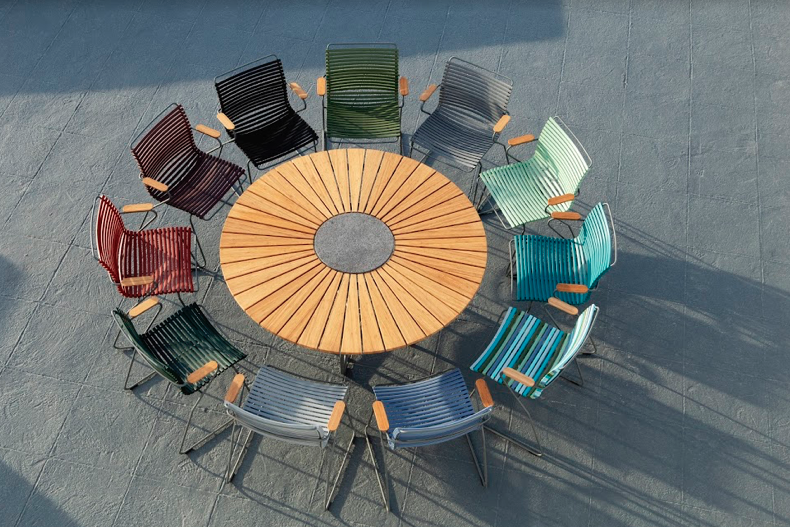
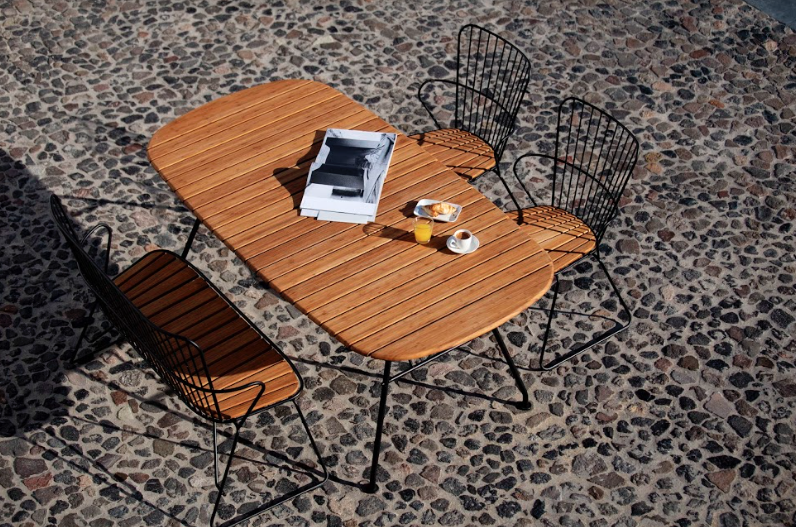
They’ve not only picked it up, they’ve run with it. The company has won numerous awards, including three prestigious German design awards for their furniture. The most recent of these was in 2020, when they were recognised for the Falk chair made from recycled plastic waste, turning an environmental problem into a thing of beauty. “Even the seat cushions were made from 98 percent recycled polyester, and they looked great,” says Drew. “Houe also uses sustainably sourced materials, including bamboo, which has strength properties unrivalled by any other wood and grows incredibly fast.” Houe proves that an ethically produced and sustainable product can still be great looking.
“People typically look at our range and say, ‘Wow, that’s really different, but in a good way,’” says Drew. “It’s stylish, colourful and contemporary. Life’s too short for boring furniture. Everyone has to sit down and eat, whether indoors or outdoors, so you might as well sit down on something that’s beautiful and made sustainably. We believe the future is brighter when we combine great design and environmental sustainability. It’s an affordable luxury.”

Expert Constance Santos on your skin’s natural barrier
Little good can come of cosmetic treatments if your skin’s natural barrier isn’t functioning well, says our expert Constance of Mt Maunganui’s Epidermis & Sage. Here’s how to get yours sussed.

Little good can come of cosmetic treatments if your skin’s natural barrier isn’t functioning well, says our expert Constance of Mt Maunganui’s Epidermis & Sage. Here’s how to get yours sussed.
Your skin has a protective barrier that functions to keep good things in and bad things out, such as bacteria and pollution. It’s made up of skin cells, and oils like fats, ceramides and omegas. That barrier is sometimes called the lipid layer or acid mantle.
Keeping your skin barrier healthy is vital for good skin health and optimal function. There are lots of things that can impair its function such as poor product usage, environmental factors and diet. An impaired function can lead to chronic skin conditions. Dermatitis, eczema and acne as well as dry, irritated skin are often the signs of a poor barrier function, as is skin that ages rapidly.
There are some fantastic beauty treatments out there – including needling, microdermabrasion and peels – but if your skin’s barrier isn’t healthy, you won’t get the benefit from them. It all comes down to your skin’s ability to make good, healthy, organised collagen. Most of these treatments work by stimulating a healing response, which produces healthy collagen through the controlled creation of a wound that sends the skin into repair mode. If your skin’s barrier is already impaired, you don’t want to add extra inflammation to the mix. Your skin is already concentrating on repairing itself and it can only do so much, so when it’s overwhelmed with an inflammatory response, activities like collagen production become a lesser priority.
How do you ensure your skin has a well- functioning barrier? It needs to stay in balance. For example, make sure you are having enough Omega-3 in your diet. If you aren’t getting enough, it’ll show on your skin. Another simple way of repairing an impaired barrier is to use a great cleanser (I recommend the Roccoco Botanicals Pore Cleansing Oil or Roccoco Botanicals Soothing Cleansing Oil) that works to restore balance to the barrier function.
Don’t forget, though, everything’s connected. What you eat and drink also affects your skin and gut, which makes taking essential fatty acids (EFAs) effective too (I recommend Pure Encapsulations EFA Essentials). Doing so will nourish your skin from the inside, and they’re anti-inflammatory as well. As I said, balance is important. Omega-3 is the best EFA for the skin. Omega-6 and Omega-9 also have good benefits, but too much Omega-6 can actually be inflammatory, so it’s best to talk to a skin therapist and get the right blend and dose for you.

A life of sparkle: Peet Jewellers chic new showroom beckons
Adding a new jewel to its crown is paying off for one of Tauranga’s oldest businesses. Peet Jewellers is close to celebrating the first birthday of its elegant and welcoming Willow Street showroom, which has proven to be a hit among a growing customer base.

WORDS MONIQUE BALVERT- O’CONNOR PHOTOS HARRY VAN HEERDEN + JORDAN REID
Adding a new jewel to its crown is paying off for one of Tauranga’s oldest businesses. Peet Jewellers is close to celebrating the first birthday of its elegant and welcoming Willow Street showroom, which has proven to be a hit among a growing customer base.
Until the August 2020 opening of this store, the 50-year-old business had been based upstairs on Wharf Street. Rest assured, traditionalists – that space still remains as both a retail outlet and creative studio/workshop. It’s not unusual for David Peet to pop in to see how his successor, Harry van Heerden, is getting on at the helm of this high-quality jewellery design and manufacturing enterprise, where the Peet name still graces the door.
“That didn’t need to change because it’s not about me, it’s about what we do here,” says Harry, who’s been a jeweller for about 25 years – the last eight as the owner of Peet Jewellers.
Harry has ensured the business’s fine reputation has been maintained, while expanding it to include the Willow Street showroom and twice as many staff members, including two apprentices. Requests for jewellery repairs and unique designs are also on the rise.
Having had hands-on involvement in its design and fit-out, Harry takes special pride in the Willow Street showroom. “I locked myself in for about a month and built what we have here today,” he says.
What we have here includes royal blue walls interspersed with copper panels, sheer blue curtains, bamboo-framed cabinets and counters, chic light fittings and polished concrete floors. Harry’s pooch, Jackson, a papillon-chihuahua cross, particularly fancies one of the blue velvet chairs.
Harry established must-haves when devising the décor. Bamboo was one – he loves its warmth and sustainable qualities. Another was a minimalist and stylish ambience to reflect the business’ mood and culture.

“I’ve designed this space to include a comfortable desk to sit at and talk about jewellery and design; there’s a creative, open and collaborative workspace in the centre for discussing design and repairs; and I wanted the storefront to appear open, merging the outside and inside – hence the cabinets are minimalistic,” he says. “Finally, it was important for me to have a jewellers’ workbench visible, to show that we’re more than simply a jewellery outlet.”
Jewellery design remains a passion for Harry, who completed a goldsmith apprenticeship in South Africa before taking a break to explore other industries. Radiography, marine rigging and a stint leading safaris filled his time before his art form beckoned again. These days, coloured stones are an inspiration, along with making versions of the “bubble ring” often created from customers’ own stones. The ring features a selection of small and usually varied gems, and is a bespoke offering that’s really taking off.
“Over the years, you collect or inherit different jewellery, or you might have an earring that’s missing its friend,” says Harry. “Or it could be that you have a ring that’s fragile and nearing the end of its life, or that involves a setting you no longer like. We suggest creating something new to incorporate these – and one way of doing that is a bubble ring.”
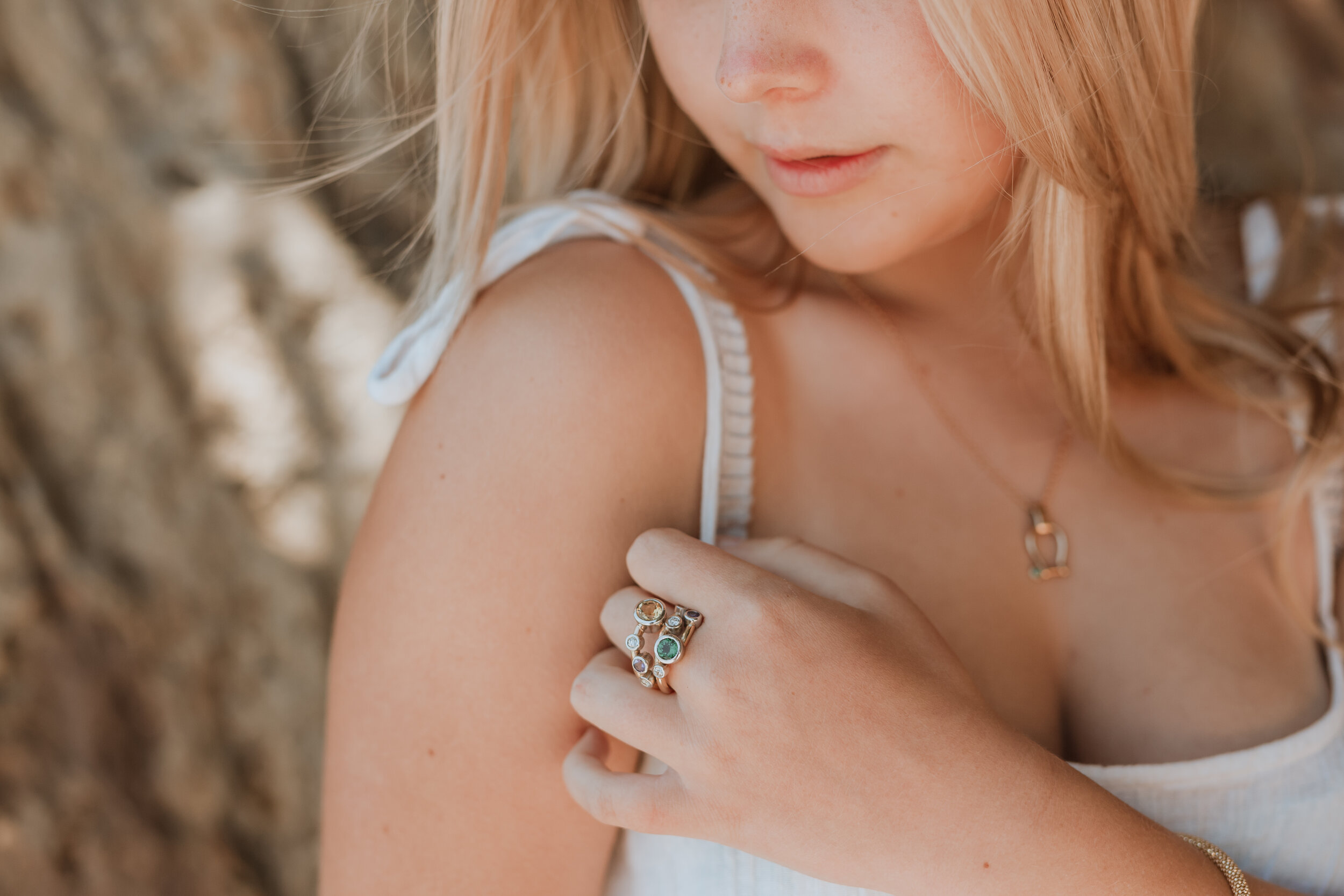
Bubble rings can be created from new gems too, with some of the combinations including white and yellow diamonds, sapphires, rubies and emeralds. Harry tells of designing one for a customer made from own and her mother’s diamonds. “She was in tears, because she feels she now has her mum close to her all the time. We see a lot of customers cry with joy!”
Many of Peet Jewellers’ customers are mature people who are buying for a significant birthday or anniversary, or using inherited money to splash out a bit. “We can make anything jewellery- related,” says Harry. “One of the more unusual things we’ve made is a ring out of volcanic granite rock.” Peet Jewellers also offers on-the-shelf pieces ready for purchase, and a range of estate jewellery. As for what’s trending? Simpler designs, yellow gold, and big, coloured stones.
And as for where Peet Jewellers is heading, Harry anticipates opening yet another retail outlet and enjoying many more creative days pushing design boundaries to ensure their customers keep saying “Wow”.

Columnist Craig Orr reaches new heights with the Mt Everest Challenge
Our Bayleys columnist is hitting new heights at work and play, and has ideas for how you can too.

Our Bayleys columnist is hitting new heights at work and play, and has ideas for how you can too.
Well, I did it! I officially conquered the More FM Mt Everest Challenge, and I’m stoked to be able to say that I raised more than $1000 for St John. Climbing the Mount 38 times in 50 days was so tough that I gave myself two weeks off walking up any kind of hill afterwards.
We’re so lucky to have Mauao Mt Maunganui to exercise on. I love the way it sits proudly at the end of the peninsula and has such an amazing presence to it. My seven-year-old daughter was one of my best supporters. She has a real competitive streak and would join me walking up the Mount a couple of times each week, often picking a fellow climber halfway up and trying to beat them to the summit. I made it my mission to beat my best time of 13 minutes from the base to the top. I ended up 11 seconds off it! But I definitely felt my fitness improve.
I recruited some of my colleagues to join me for the odd climb and managed to get a few other mates up off the couch. Overall, it was super fun and a fulfilling experience – particularly the mental challenge and camaraderie. I’d highly recommend anyone considering tackling it next year to go for it.
Speaking of the couch, my wife Natasha and I have recently finished some exciting home renovations at our place at the Mount. We’ve just had a pool dropped in, and added a cabana and done up the deck. It completely opens up our property and stretches out to our neighbour’s. We feel really lucky to be part of such a cool neighbourhood.
Tash and I lived here before we had our daughters, and we’ve always loved it. Investing in our first house in Bethlehem was a big step. It was a big home with plenty of space inside, but two years ago we found a 1960s-style home at the Mount and couldn’t resist getting back to beach life.
Our kids don’t seem to mind having less space – they’re happy being by the beach, the mountain and their friends. It’s super convenient and offers a really relaxed lifestyle. I’ve enjoyed getting involved in my daughters’ school, establishing local friendships, giving back and feeling like we’re part of the community.
At Bayleys, I’ve just had the biggest month ever. I’m 10 years into marketing properties for sale and I couldn’t imagine doing anything else. I’m a bit of a late bloomer in terms of my career trajectory, as I didn’t know what I wanted to do until I was about 35. Real estate was always of interest, but it wasn’t until I took the leap that I realised how much of a passion it was. I just love helping make people’s dreams become reality.
We’ve been in a really buoyant market recently, but it feels like it’s beginning to cool slightly. With a short supply of options for potential vendors to purchase and a tight market, replacing housing stock can be challenging. That’s why winter’s the perfect time for people considering selling to take that step, because there’s less competition.
I’ve been sharing some videos about open homes and the market on my Instagram page, so have a look for the inside scoop. I do free market appraisals, so if you’re curious as to what your place is worth, give me a shout and I’ll be happy to help.

All roads lead to real estate: the diverse pasts of local Bayleys salespeople
What does it take to make it in real estate? For these professionals, innate skill, learned experience, special gifts, and backgrounds that are anything but ordinary all have something to do with it.
WORDS MONIQUE BALVERT-O’CONNOR
What does it take to make it in real estate? For these professionals, innate skill, learned experience, special gifts, and backgrounds that are anything but ordinary all have something to do with it.
Carmen Dickison

Tauranga Bayleys salesperson Carmen Dickison is a brave woman with a gold medal to prove it. Not only is she a recipient of the New Zealand Police Gold Merit Award for Bravery, she was also the first female police officer to formally achieve a bravery award. According to the citation, constable Dickison had only been in the police for six months, when, “without regard for her own safety, she apprehended an armed violent offender who was terrorising a family in their own home.” Carmen’s gold was later joined by a medal for services to the police, in recognition of time spent doing a sterling job as a police presenter on the TV show Crimewatch.
Now based in Tauranga, Carmen spent her 16 years in the police force in Wellington, also working in Youth Aid and as a detective. “Youth Aid was most rewarding,” she says. “I felt like I made a difference and helped turn lives around, whether it was helping youth find a passion or linking them with mentors.” While doing all that, Carmen was also studying part-time, gaining a marketing and communications qualification that she later used in her roles as marketing manager for an art gallery and then an architecture firm – eventually leading to her current position as a residential salesperson at Bayley’s Tauranga.
Michael Parker

Hamilton Fresh out of law school, Michael Parker headed not to chambers or a courtroom, but to the ski fields. “When I graduated, I decided to follow my absolute passion of ski instructing full-time,” he says. It was a job he’d worked at part-time during his university holidays, including on North American slopes during New Zealand summers. Michael started his full-time career at Tūroa in 1996, working as a race coach and general ski instructor, then moving up the ranks to become fully certified under the New Zealand ski instructor system. Further progression led him to ski school management positions in New Zealand and the US. He spent 16 consecutive southern and northern hemisphere winters in the job before deciding it was time to enjoy a summer and stay put in one country. “It was a fantastic industry to be in and I met some interesting people,” he says. Those people included Tom Cruise, Mel Gibson, Oprah Winfrey, Jerry Seinfeld and Dick Marriott of the prestigious hotel chain, no less. “It’s a part of my life I’ll never regret –I even met my wife through skiing,” says Michael, who made the move to real estate after returning to Hamilton to give his dad “a hand” in the property development industry for more than 10 years.
Aaron Paterson

Hamilton Teaching and rugby paid Aaron Paterson’s bills before he joined the Bayleys team. After spending a gap year working at a private boys’ school in London, he decided to return to the school armed with a teacher’s qualification. And he did, six years later – qualified as a geography and physical education teacher with two years experience under his belt. During Aaron’s second stint abroad, he met his wife Shani Paterson in Spain – a long way from her Dunedin hometown – and had his time as a teacher interrupted by two years spent living in Japan and playing rugby for the Hokkaido Barbarians. Ultimately, he and Shani growing family was a catalyst for their subsequent move to the Waikato, where Aaron initially returned to work at Cambridge High School. Then, in 2005, a friend encouraged him to become part of the Bayleys family – and he’s never looked back. Today, rugby remains part of Aaron’s life. He referees for his local senior premier competition; does TV match official work for the NPC, Super Rugby and international test matches; and thanks to his children, coaches junior rugby too. “I’m passionate about giving back to the game that’s given me so much,” he says.
Angela Finnigan

Hamilton Before she worked for Bayleys in Hamilton, Angela Finnigan was a high-level equestrian, a role that saw her eventing at England’s famous Badminton, as well as identifying local equine talent and accompanying the promising horses to their new homes in the US, UK, Italy, Ireland and even Tahiti. Although, she says, “That part wasn’t as glamorous as it sounds. I’d be with the horses in cargo planes. On one trip, for example, I was on the same cargo flight as 40 horses. I sat on the floor amongst the hay. It was pretty rough!” In the ’80s, Angela lived in England, where she produced young horses for sale as eventers. She also owned the equine stunner Face the Music, which Mark Todd rode to success at the Burghley Horse Trials in the ’90s. When Angela returned home to New Zealand, it was to Cambridge, where she continued producing young horses, ready for export. Today, her home base is surrounded by racetracks, but her equestrian days are over. “I’m a bit of an all or nothing person, and these days my all is real estate,” she says.
Rachelle Jackson

Hamilton An invitation to Rachelle Jackson’s for a meal is a covetable prospect. She is from a large “food-focused” family and has been a foodie for as long as she can remember. Rachelle headed straight into the food scene as a school leaver. Armed with a polytechnic qualification, she then spent nine years as a chef in top restaurants in Auckland and Hamilton (a “pretty magical” time as she recalls it) before fulfilling a long-time ambition to open her own café. Circa Espresso was the name of the Hamilton eatery she established at the tender age of 26 and owned for nearly four years, until deciding the hours weren’t compatible with having babies. (It’s now named Scotts Epicurean.) “I had a huge passion for cheffing and culinary culture, and I still have – you don’t get rid of that,” she says. “It’s now a hobby and part of my creative side. Being a foodie is neat – everyone loves you!” The bookshelves in Rachelle’s Hamilton home are laden with cookbooks. She makes everything she can from scratch, is a fan of Italian food and has been dipping into Asian cuisine of late. Oh, and her hero is Al Brown.
Stephen O’Byrne

Hamilton When you ask Stephen O’Byrne about his past working life, you’d better make yourself comfortable. This Raglan- dwelling Irishman has many a yarn to share, starting with his 15 years as an underwater cameraman in the dive industry. One day, he’d be photographing the sardine run in South Africa, the next, it’d be World War II wrecks in Papua New Guinea, or great whites feeding, coral spawning or turtles mating. The assignments were many and wonderfully diverse, and that’s how he found New Zealand – he was sent here to get footage of the Poor Knights Islands. Stephen’s underwater escapades have also included being a freediving instructor; the chatterbox can hold his own breath for eight minutes. On terra firma, he worked in the merchant banking industry and serious fraud office in London. He established a sports sales business in the UK and worked in e-learning and web management for leading agencies in the Netherlands. His partner in life and work at Bayleys, residential and lifestyle salesperson Michelle, also has an interesting backdrop to her property career that helps set her apart from the pack. While living in London, the Kiwi worked with the Royal Parks police’s mounted department, and was on horseback duty during the Changing of the Guard.
Matt Clutterbuck

Tauranga From shearing gangs in Northland and his time spent as a rural banking manager to a salmon farm in the Atlantic Ocean, Matt Clutterbuck has tackled an interesting job or two. And that’s not to mention the prestigious sporting accolades he scored along the way. These days, lifestyle and country sales manager Matt lives in Mt Maunganui, but he was raised on a sheep and beef farm in Northland, where work as a shearer served him well during his school and university holidays. He graduated with a Bachelor of Commerce from the University of Otago, but before earning that degree, he acquired a diploma, and between the two had a great gap year in his early twenties, during which he travelled to Ireland, where he played rugby and worked on a salmon farm. Matt has played NPC rugby in Northland and ITM Cup rugby for both his home province and the Bay of Plenty, and another sporting highlight was playing for the All Black Sevens side in 2014. But his prowess extends beyond rugby – he’s also a world-champion waka ama (outrigger canoe) paddler, with gold and bronze medals to prove it.
Anthony Merrington

Cambridge If Cambridge-based Anthony Merrington suggests joining him in taking out the boat, you’ll be in safe hands. You may not be in for a tame time, though – this sailor has competed at Whitbread and America’s Cup level. At one stage, he had the Olympics in his sights. Anthony, who grew up on Sydney’s northern beaches, has been sailing since he was seven and started competing with his older brother about a year later. Fast-forward a decade or so and he went on to spend 15 years racing yachts around the globe as a professional sailor. He competed in the Ocean Race (formerly the Whitbread Round the World Race) three times – in 2001-2002 with a Swedish team, in 2005-2006 on an American boat, and in 2008-2009 with an Irish team. More action came courtesy of the 2007 America’s Cup campaign in Valencia, where he was part of the Swedish team that made it to the semi-finals. He also fronted up for almost every major international offshore yacht race up until 2009, when he ended his sailing career. Living landlocked in Cambridge is no problem for this Bayleys star. For the past 15 years, he’s competed on the water with teams out of Sydney. He’s tackled five Sydney to Hobart yacht races, winning four times.