
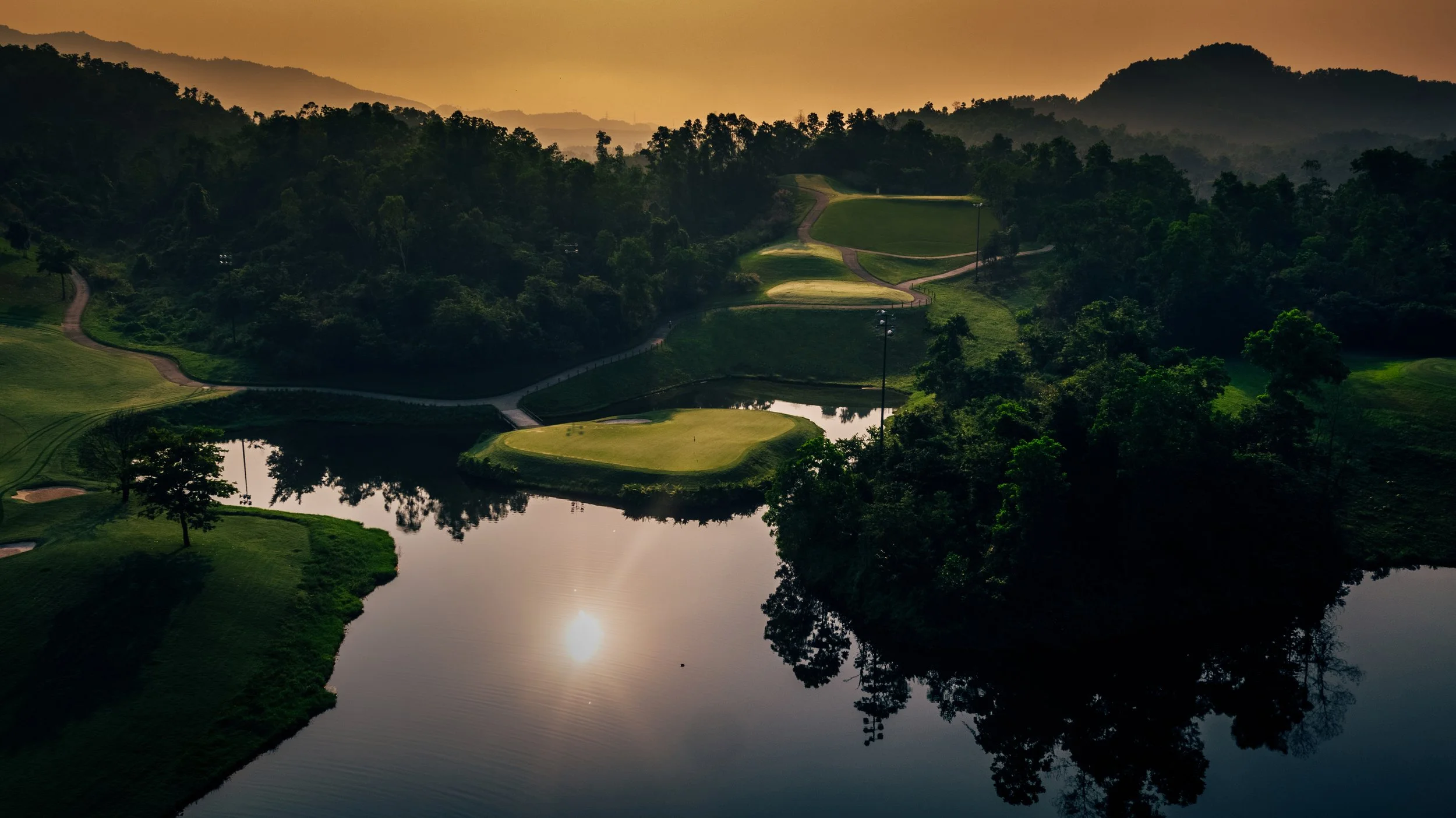
HOLE NEW WORLD
Pip Crombie discovers a unique golfing destination with a dash of culture on the side.
Pip Crombie discovers a unique golfing destination with a dash of culture on the side.
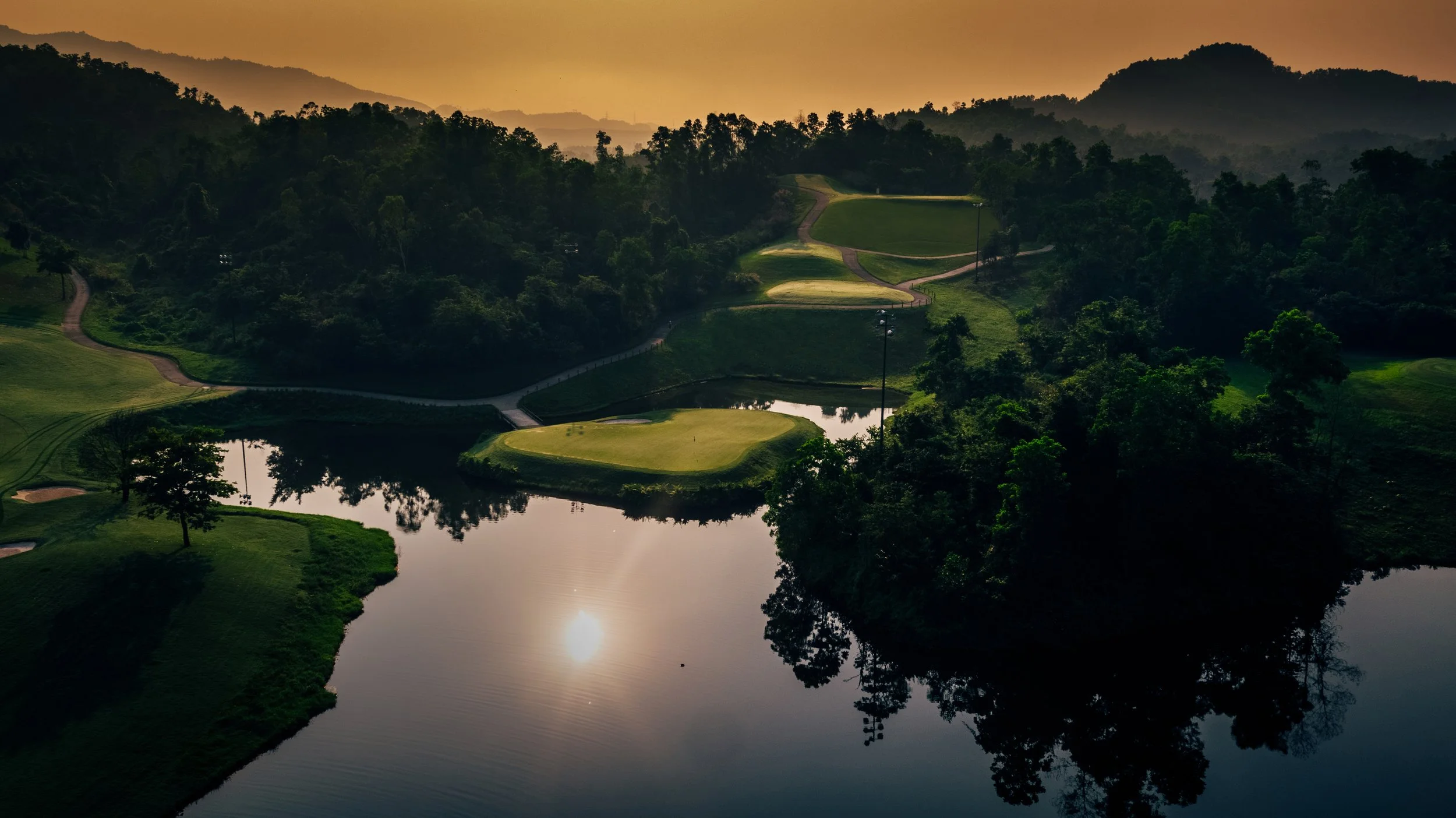
Bà Nà Hills Golf Club’s signature par 3, 16th hole.
St Andrews may be the centuries-old home of modern golf, but the game – protocols intact – has not only survived, but thrived globally, becoming a powerful drawcard for international travellers. Serious golfers and social hackers alike find an exquisite anticipation in packing clubs into a bag sturdy enough for the cargo hold, plotting which courses to conquer and how best to enjoy après-golf. A half day on the greens, balanced with time spent exploring local culture and cuisine makes for the perfect mix – even when non-golfers are along for the ride.
You might be surprised by which countries deliver exceptional golf experiences. Having played in several overseas locations, a standout for me is the Central Coast region of Vietnam.
The major hub of Da Nang is an easy gateway (with Air New Zealand codesharing with Singapore Airlines), and offers access to more than a dozen courses. Expect diverse terrain, from mountain-top championship layouts to links-style seaside experiences, with scenic backdrops featuring lush vegetation and striking elevation changes, or dramatic ocean views and coastal winds.
Fair warning: it can all be wonderfully distracting – and a convenient excuse for the state of your game. Although some courses are attached to larger resorts, basing yourself in Da Nang or the historic town of Hoi An offers a more authentic Vietnamese experience. Most courses are within about an hour’s drive and feature excellent warm-up areas, well-stocked pro shops, quality amenities and solid dining options.
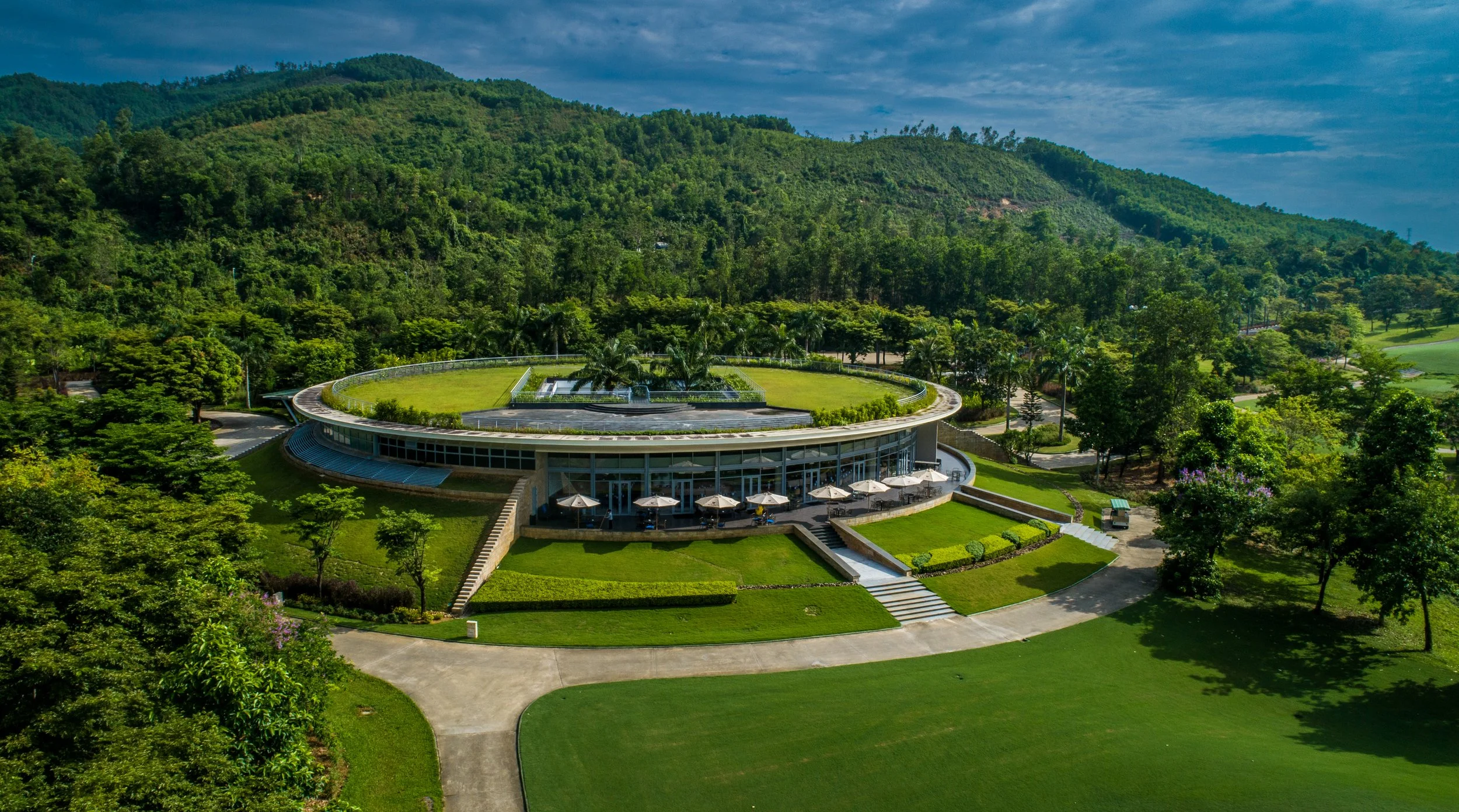
In Bà Nà Hills’ circular clubhouse restaurant, excellent local and international cuisine is served with panoramic views of the course.
Fairways and greens are immaculately maintained, with well-spaced tee times and good on-course facilities.
If time allows, aim for a varied line-up of courses. For me, two rise to the top. The mountain championship layout at Bà Nà Hills Golf Club sits at the foothills of the famed Bà Nà Hills, just 25 minutes from the city. Set among some of the region’s most impressive ranges, this lush, green course was designed by Luke Donald and feels distinctly Vietnam.
If you’re tempted to squeeze in two rounds in a day, a state- of-the-art floodlighting system illuminates all 18 holes after dark.
My second pick is Hoiana Shores Golf Club, a traditional links course by Robert Trent Jones Jr, who’s known for integrating layouts seamlessly into natural landscapes. Here, you’ll contend with firm, sandy turf on a scenic coastal routing, seasonal (but warm) winds, and classic links bunkering – a mix of wasteland and pot bunkers that demand strategy as much as skill.
Closer to Da Nang, our group also enjoyed the Legend Danang Golf Resort (formerly BRG Danang Golf Club), a 36-hole complex featuring two distinct championship courses. The links-style layout by Greg Norman delivers sweeping coastal views, while the parkland course by Jack Nicklaus offers wide fairways, river vistas and strategic bunkering. Golfers of all levels can take on these courses, choosing tees that suit their game and appetite for challenge.
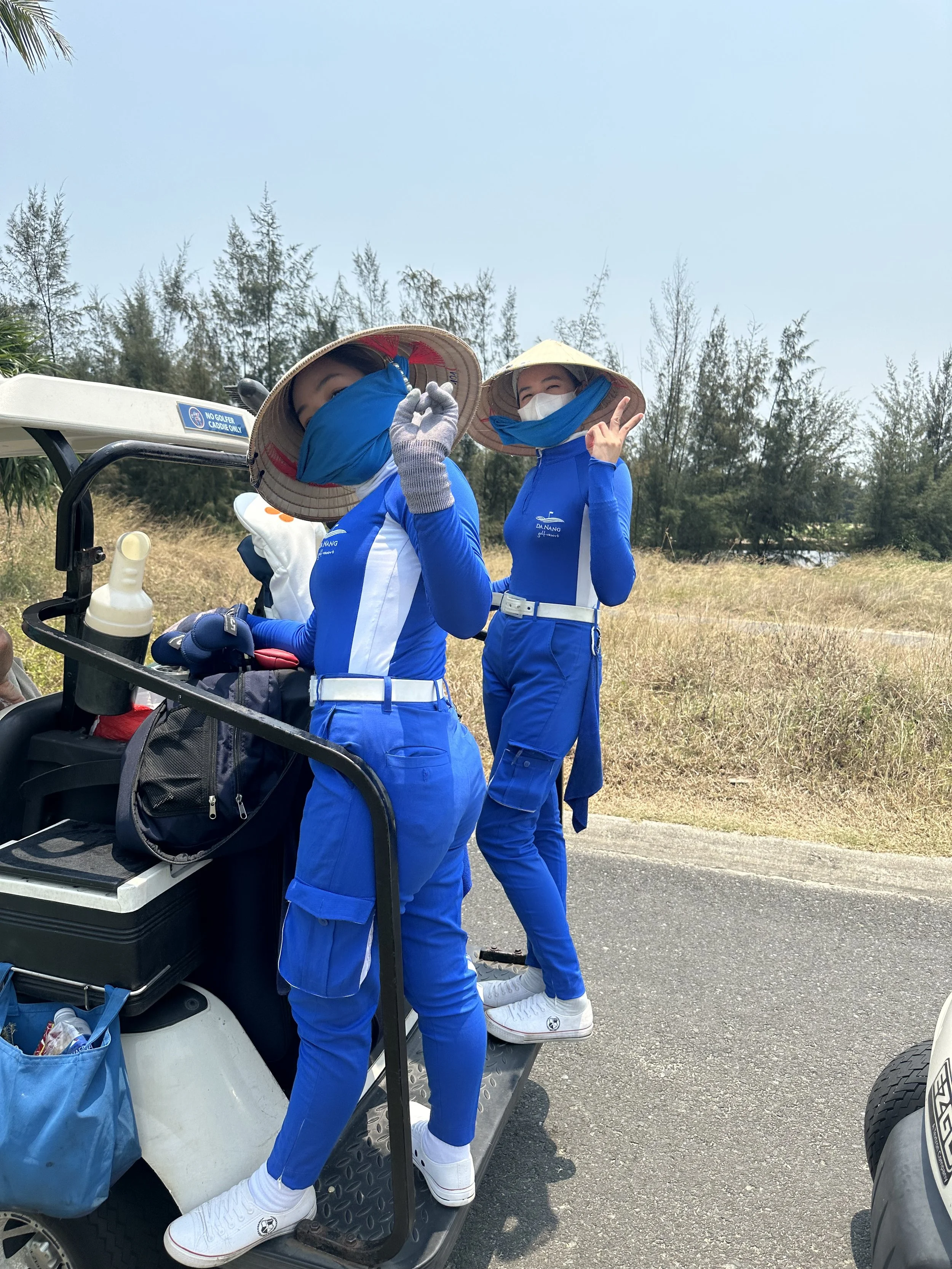
At the Legend Danang Golf Resort, the caddies are clad in sporty blue.
Caddies are compulsory in Vietnam, with one assigned per player. Typically local Vietnamese women, they perch on the back of the golf buggy as you move between shots. Most are highly intuitive, quickly assessing your ability and reading greens with impressive accuracy – the rest, of course, is up to you. Expect to pay around NZ$40 per round, although a good day on the course may loosen the purse strings.
Golf in Vietnam isn’t exactly cheap. As part of a casino complex, Hoiana Shores sits at the top end of Central Coast pricing, at around NZ$500 per round. However, accommodation, dining, shopping and transport are all relatively affordable, which helps to balance your overall spend. If you’re flying domestically, local airlines will often carry a second (golf) bag free of charge. What’s not to love? Time to swing into action.
Best time to go: March–April (warm but not overly hot or wet). August can be extremely hot, while October November often brings heavy rain and flooding.
How to book: Booking direct via golf club websites is possible, although you may be asked to provide copies of credit cards and passports. Language barriers can occasionally complicate things, but many clubs communicate via WhatsApp. Golf booking agents can simplify the process by arranging tee times and transport, though they often quote in US dollars, take a margin on exchange rates and require upfront payment. Always check cancellation policies carefully.
Where to stay: Da Nang offers a wide range of accommodation, from beachside resorts to quaint, authentic boutique hotels.
Other tips: Bring US dollars for tipping, use a Wise card or similar for payments, and download Bing, widely used in Asia for ride-hailing services.
RIVER TO RIDGE
A new Canterbury high-country walk with big views, great food and luxurious stays provides just the right amount of challenge for UNO editor Hayley Barnett.
A new Canterbury high-country walk with big views, great food and luxurious stays provides just the right amount of challenge for UNO editor Hayley Barnett.
Multi-day walks have become somewhat of a thing for 30- and 40-somethings lately. You can barely take a whiff of wine without being hassled to join some hodgepodge friend group’s lofty goal of hiking 100km in four days. It’s the new multi-day winery tour, only much better for your waistline.
When the opportunity arose to walk a brand new 31km hike just outside of Christchurch, I jumped at it, eager to regale friends with my ambitious yet achievable adventure – one that surely no one had even heard of, let alone completed. But it seems the two families who set up and manage the two-day walk are particularly good at marketing, since the first person I told has already booked in a group for later in the year.
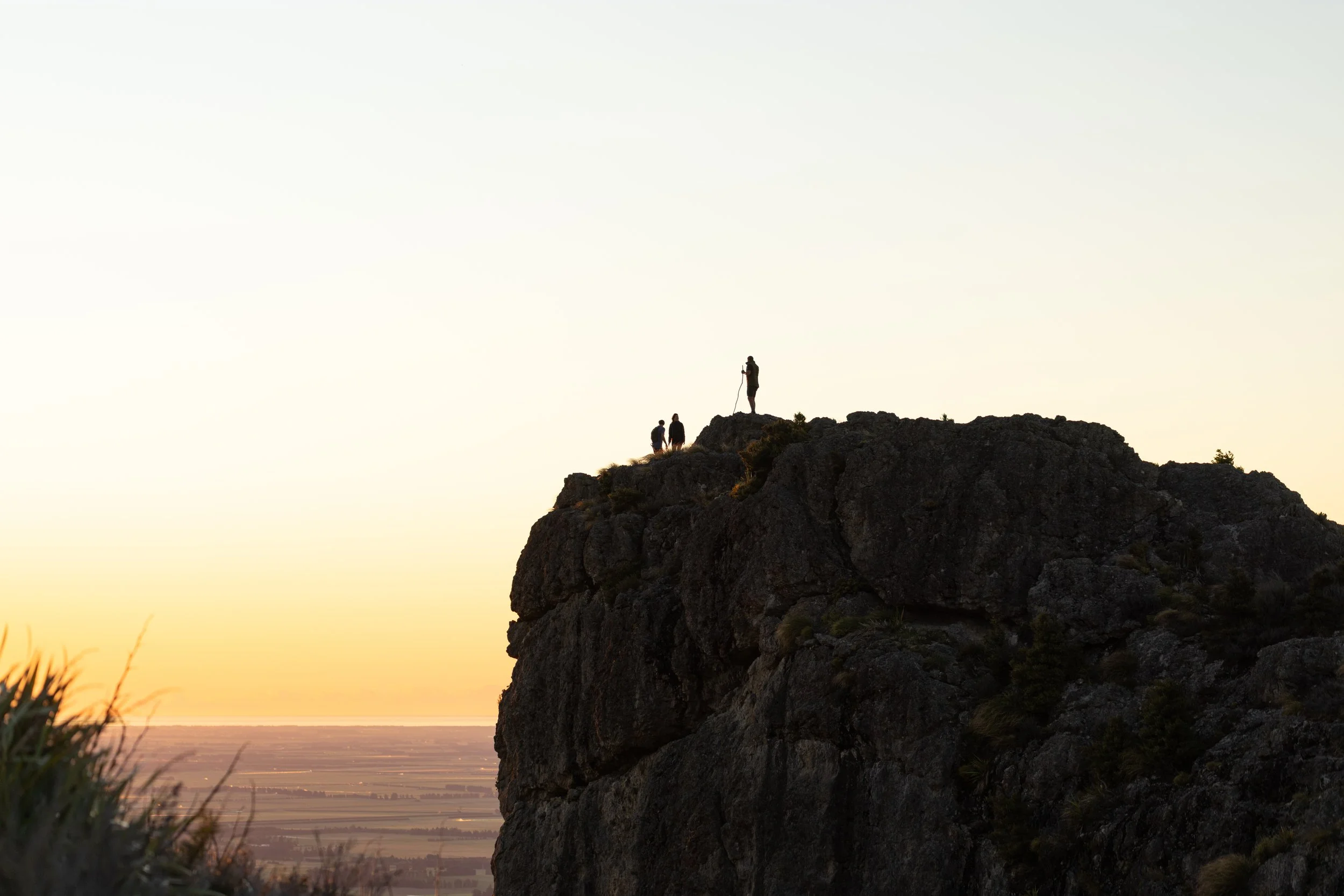
RockRidge is an all-inclusive walk located in the Windwhistle area of Canterbury, about 45 minutes’ drive from Christchurch, and takes in a multitude of terrain, including mountain peaks, farmland, valleys, rocks and riverbeds.
Rumbling up the driveway, our view of the Birchview Homestead is the first sign my husband, Karl, and I are in for something special.
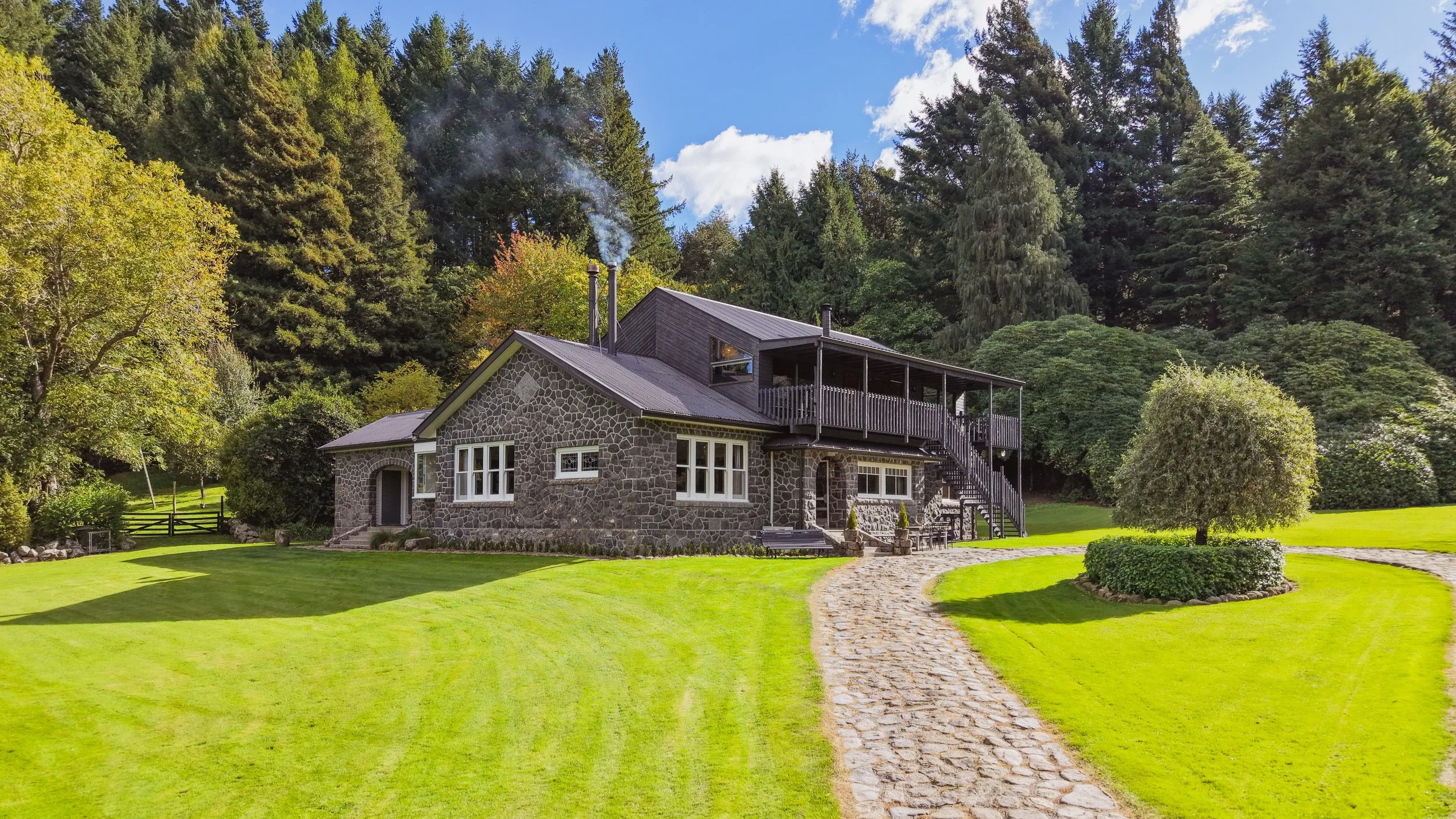
Birchview Homestead.
Henry McElrea greets us at the door and gives us a brief introduction to the huge, stone building with five bathrooms and five bedrooms that sleep up to 10 people.
Originally built in 1928 and extended in the 1980s, the homestead sits among established gardens, native bush and a meandering stream. It’s part of Birchview Farm, a property with farming roots stretching back to 1913. Today, it remains closely tied to the McElrea family, who are among the driving forces behind RockRidge.
Henry, raised at Birchview, and his wife Megan have helped change the property into a place that somehow feels traditional and modern all at once. It’s a classic rural home, with formal dining spaces, log fires and upstairs rooms looking out over the surrounding high-country landscape. It’s also an elegant and welcoming beginning to our journey.
As Henry heads off, he leaves instructions for dinner, which awaits us in the fridge – 55-day-aged Angus beef with roasted vegetables and salad, matched with a beautiful local red wine. Dessert is a chocolate torte with berry coulis. All the food is prepared by Fable Terrace Downs, a golf resort down the road, renowned for its cuisine. From the first night, it’s clear this trip will be worth it for the food alone.
The next morning, after breakfast and a leisurely start, the walk begins in earnest. Day one runs from Birchview Homestead to Quartz Hill Quarters: 13 km, six to seven hours with breaks, and roughly 1000m of climbing. It sounds intimidating, but in reality the route unfolds in chapters and includes waterfalls, spring fed creeks and ancient cave systems said to date back some 80 million years.
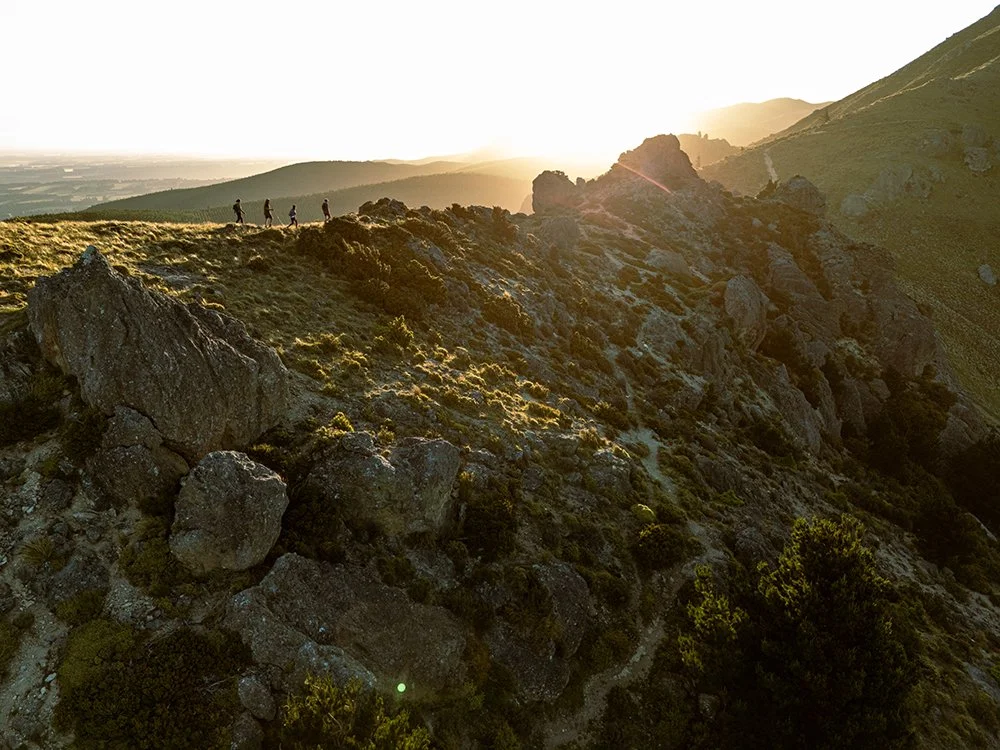
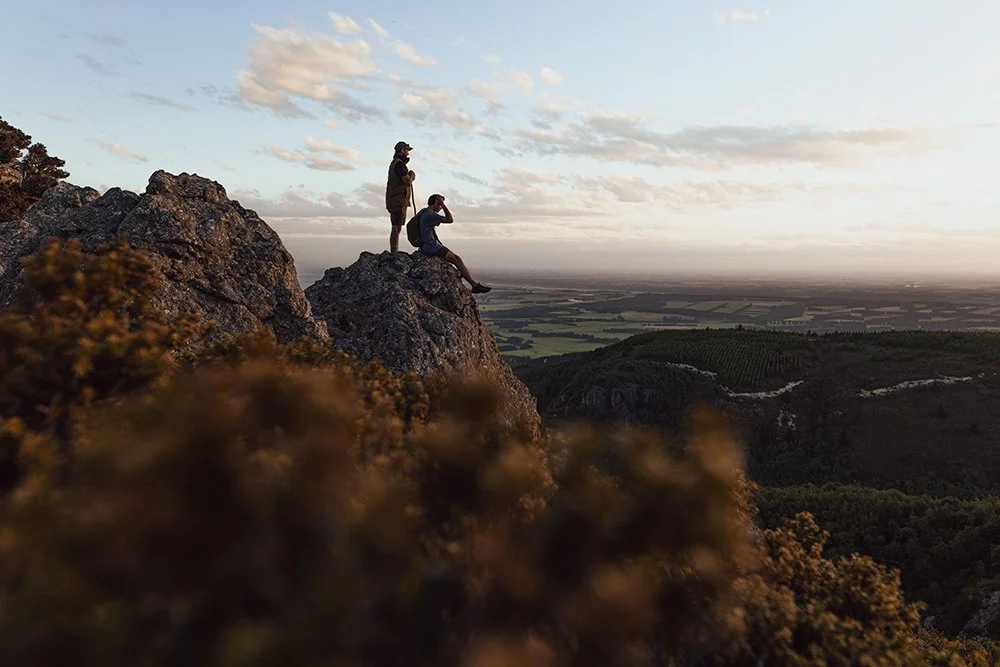
The ascent to Snowy Peak and High Peak Summit is the headline act. We have morning tea at altitude, which feels deserved. Canterbury spreads below plains, braided rivers, lakes and distant ranges surrounding us on every side.
Later comes the 300m climb to Cooks Cliff, with a shortcut available. We ignore that and go the long way, before descending toward Copper Creek Watering Hole, where a dip in a man-made watering hole awaits. Here, we’re collected by a four-wheel buggy, and driven 5km down to Quartz Hill Quarters.
By the time we arrive, our legs are humming, our cheeks are wind-burnished and, thankfully, the second night’s accommodation feels glorious. We head directly for the hot tub and sauna, which are situated right on the edge of where the sheep are grazing. It’s a surreal experience to be surrounded by your upcoming dinner, but, if you’re not vegetarian, it also makes you appreciate the farm-to-plate ethos on a whole other level.
Food, as I mentioned, is central to the entire concept. Georgie and Dan Harper are the owners of Quartz Hill Station, a third-generation farm with deer, Angus cattle and sheep, and all of the food is built around locally sourced produce.
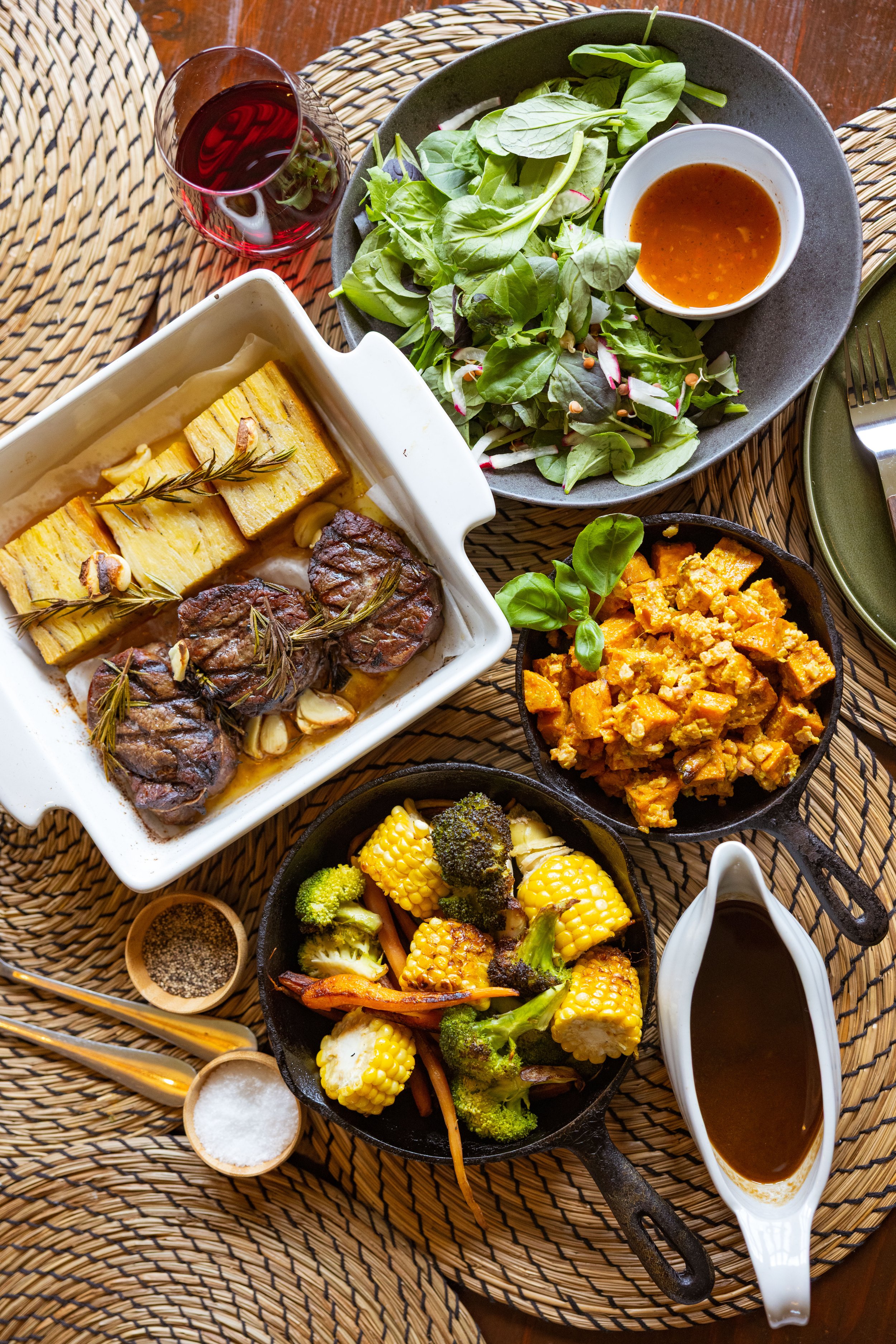
Slow-cooked Lumina lamb is the star of the show, and the berry crumble and ice cream pushes me pleasantly over the edge.
Day two offers another welcome fork in the trail: a shorter 10km half-day option, or a fuller 18km route for those still feeling ambitious. If you choose the longer walk, you’re rewarded with some of the most memorable geology of the trip – formations named The Brothers, The Mole, Periscope Rock and Hanging Falls – before descending through native bush of kōwhai, black beech and honeydew.
Unfortunately for us, fog has descended on the entire Windwhistle area, and so we choose the shortcut, which slices off a good chunk of the overall distance.
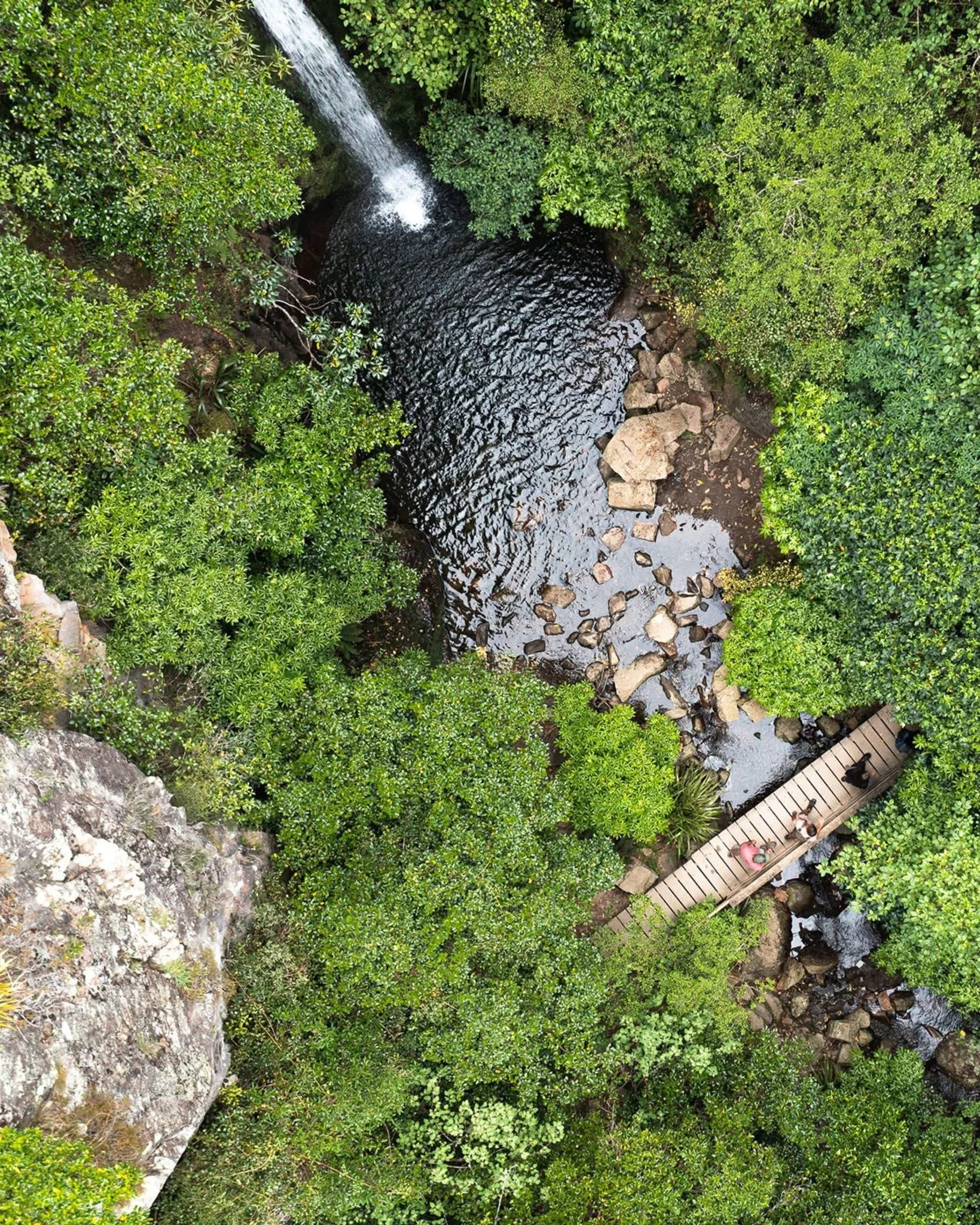
Eventually, the track joins the original Washpen Falls adventure walk, where there’s a waterfall to linger beside, and where heritage hydroelectric features add to all the grandeur.
The finale feels strangely civilised: afternoon tea back at Birchview Homestead, with the option of a hot shower before departure. We wash off the day’s mud, take advantage of the giant jar of what might be the best biscotti I’ve ever tasted, and sit in front of the fire as we await our shuttle back to Christchurch.
RockRidge’s genius seems to lie in understanding that many travellers want wilderness without the hardship. The McElreas and Harpers haven’t diluted the high-country experience, but they have framed it beautifully. You still earn the views and feel the miles, but the best part, for me at least – besides the stunning views and lush accommodation – is that someone has already thought about dinner.
A GRAND ADVENTURE
UNO editor Hayley Barnett and her right-hand man tootle over the hill to get a fresh perspective on a little town with a lot going for it. This is an accessible getaway if ever there was one.
UNO editor Hayley Barnett and her right-hand man tootle over the hill to get a fresh perspective on a little town with a lot going for it. This is an accessible getaway if ever there was one.
Though it might have a reputation as the “town of trees and champions”, over the past decade Cambridge has become a destination known more for its polished hospitality and thriving shopping scene. Over one fun-filled weekend, the quaint equestrian town proved itself to be a surprisingly perfect pick for a romantic getaway.
One Friday afternoon, my husband and I drove over from Tauranga, stopping at the Sculpture Park at Waitakaruru Arboretum on our way in. This is a place I’ve been dying to visit, but on our many drives to Auckland, it has never seemed like the right time.
Built in a former quarry and now spanning hectares of regenerated landscape, the park weaves more than 100 sculptures through a 2km walking trail of ponds, cliffs and thousands of trees. It’s basically an art gallery in nature, and makes for a great hike before the beginning of an indulgent weekend ahead.
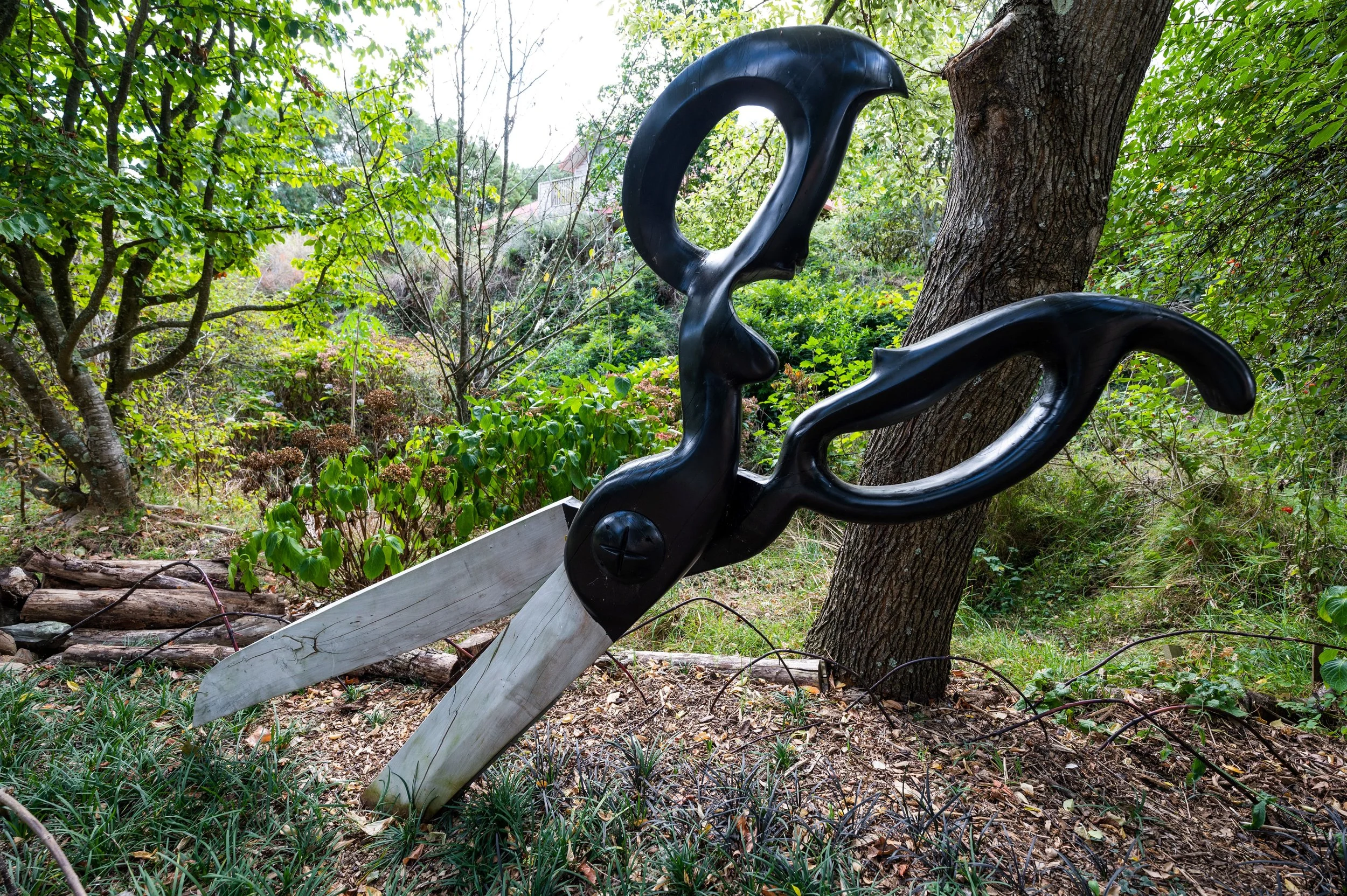
The Sculpture Park at Waitakaruru Arboretum.
From there, we headed into a different vibe entirely. Cambridge’s centre is compact and refined, with independent boutiques, cafés and galleries lining the streets.
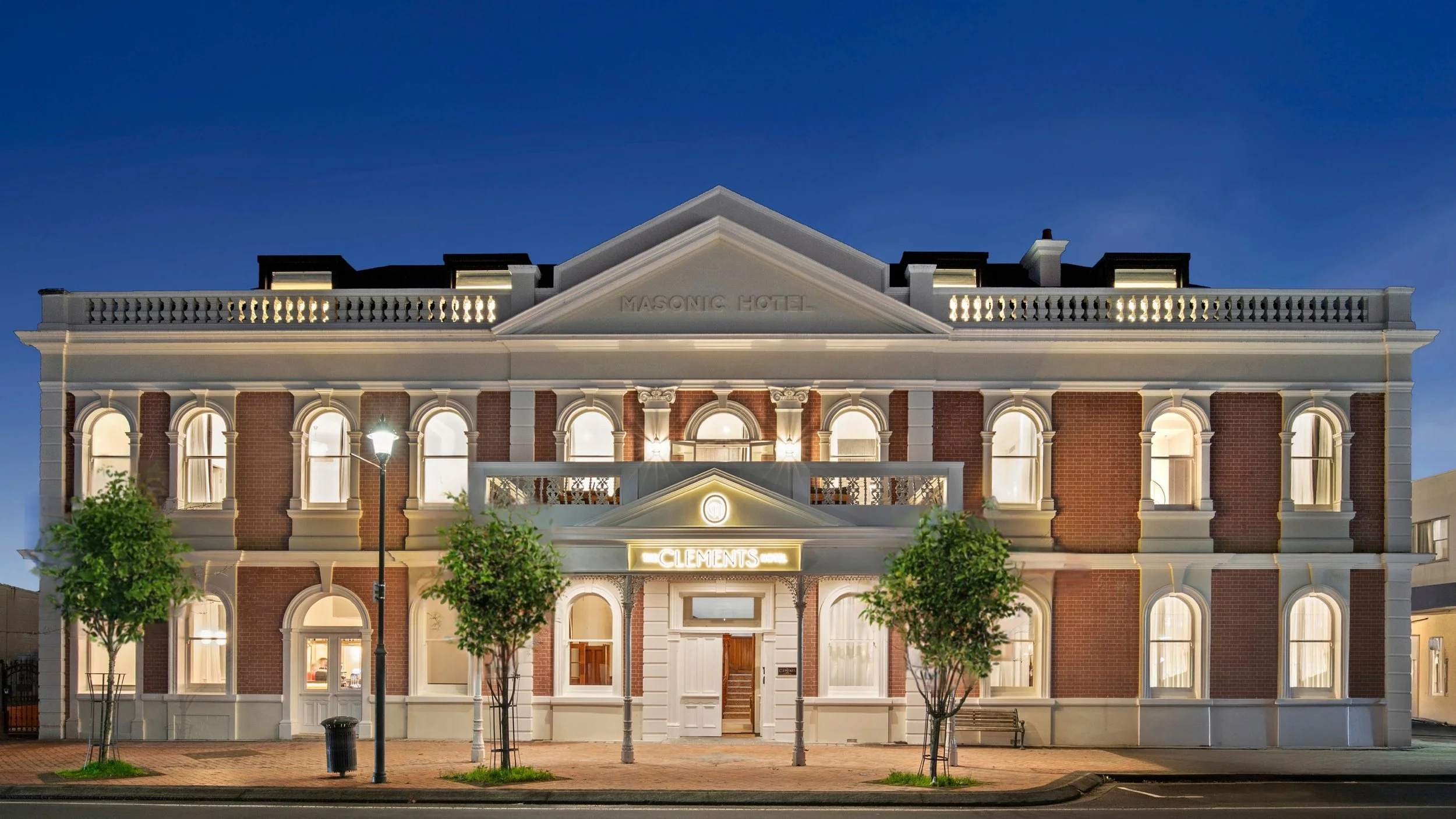
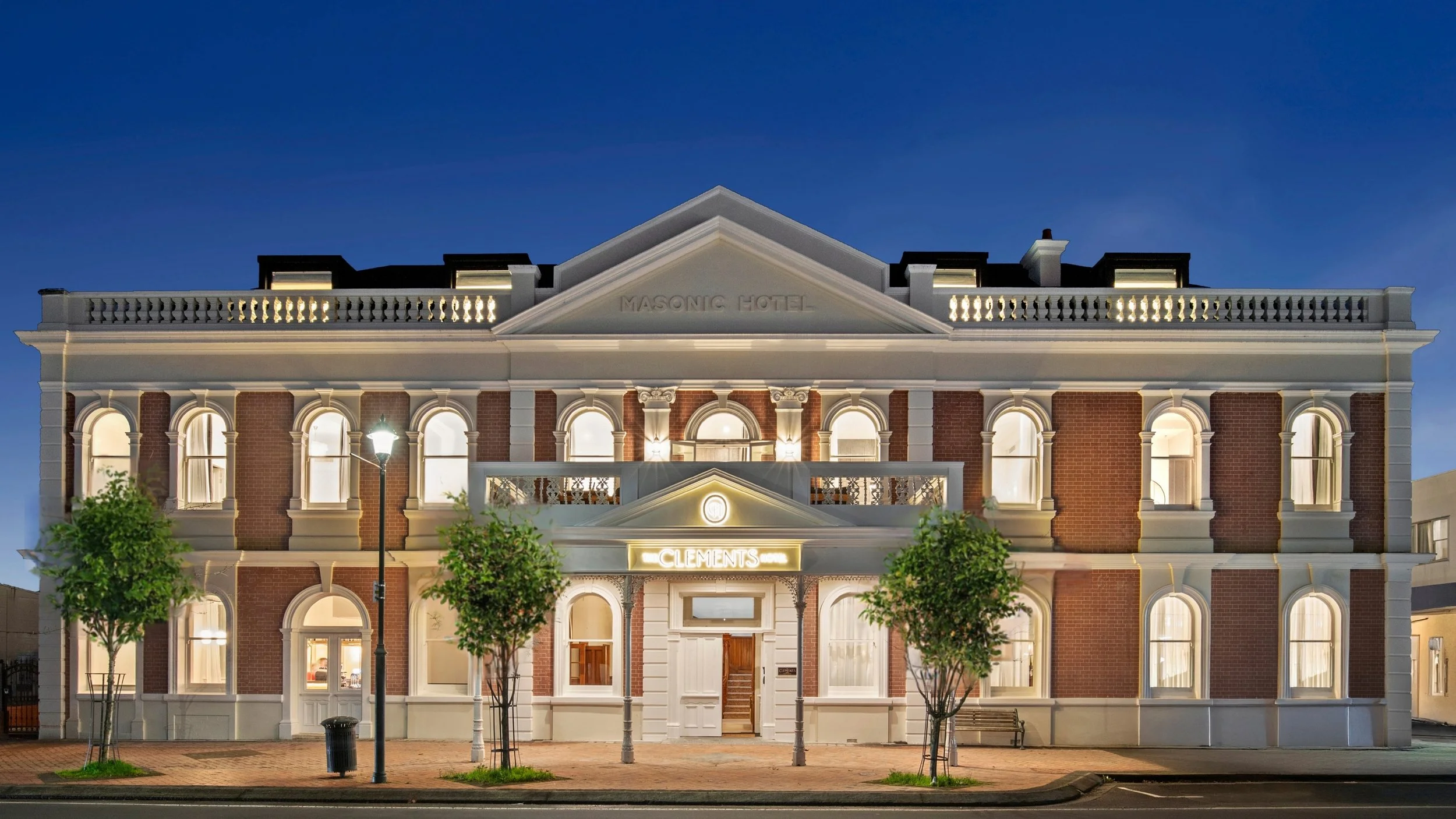
We checked into The Clements Hotel, a new concept in an old heritage building right in the middle of town. Having been given a contemporary polish of late, the rooms are modern yet also traditional, consistent with the building’s historic character. Its central location makes it an ideal base for a weekend away.
Cambridge is known for being walkable, and staying here meant most of our weekend unfolded on foot. Dinner was easy. We simply went downstairs to the hotel’s light-filled, gallery-style restaurant that leans into seasonal New Zealand produce.
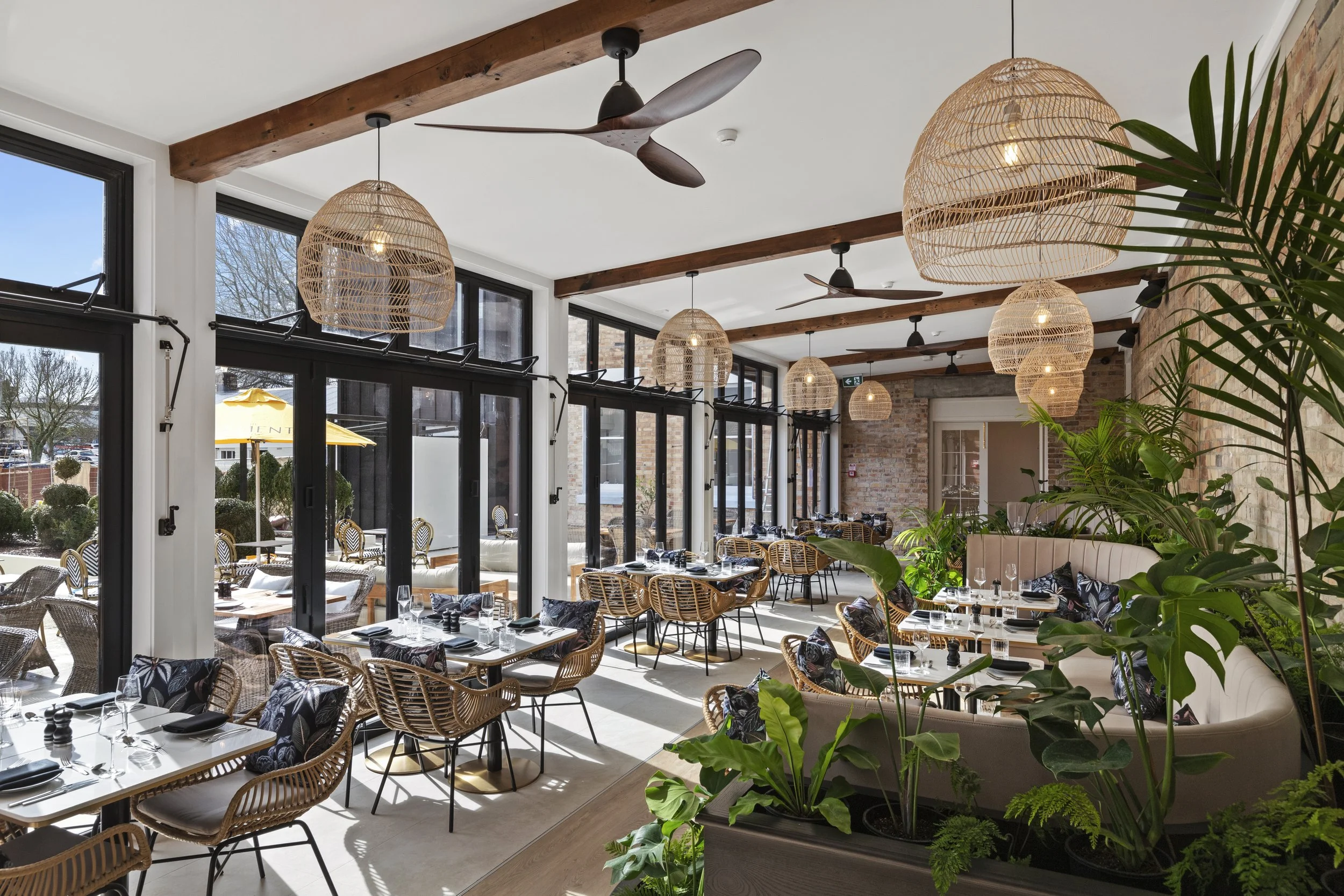
The Gallery at The Clements Hotel.
In keeping with its understated nod to tradition, the offering veers confidently towards the classics – beef tartare, slow-cooked pork belly, glazed duck breast, confit chicken. Nothing feels overly complicated or intimidating, yet the execution is exceptional.
Canning our vague plans to hit the town after dessert – black forest chocolate brûlée, no less – we admitted defeat and agreed a movie might be more appealing. The charming Tivoli Cinema is just around the corner, offering intimate viewing spaces and the option to enjoy a glass of wine.
The next morning started at the local markets, where the region’s produce and small-scale makers are on full display. Cambridge is known for its quality food and artisan goods, and the weekly market is a great way to experience everything it has to offer. Fresh baking, locally made products… It’s a relaxed, unhurried way to begin the day.
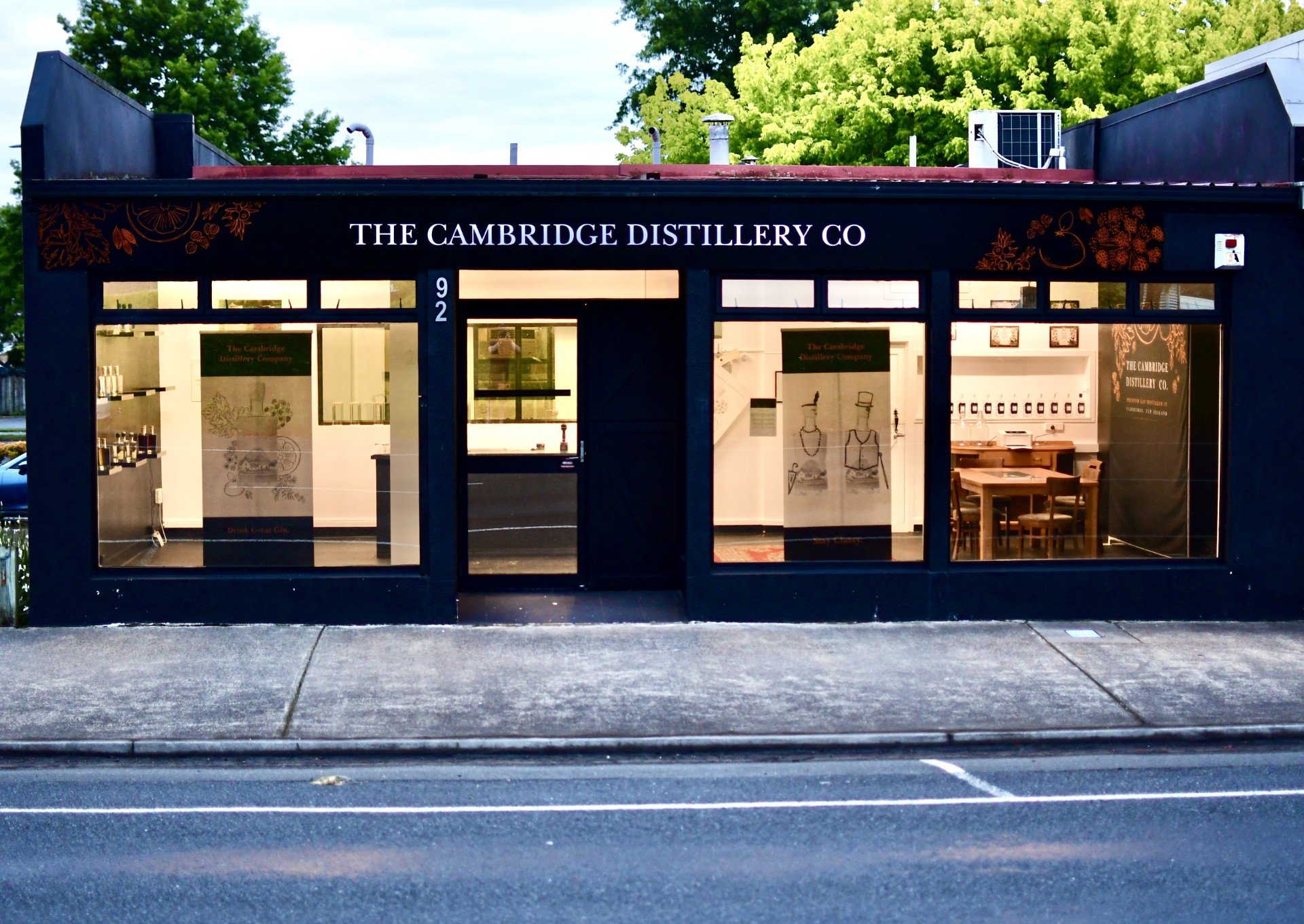
Cambridge Distillery Co.
Later, we made our way to the Cambridge Distillery Co, a small operation owned by two couples who joined forces during lockdown to create a business that reflects the wider craft movement in the region. Tastings offer a glimpse into the area’s growing food and drink scene without feeling overly commercial.
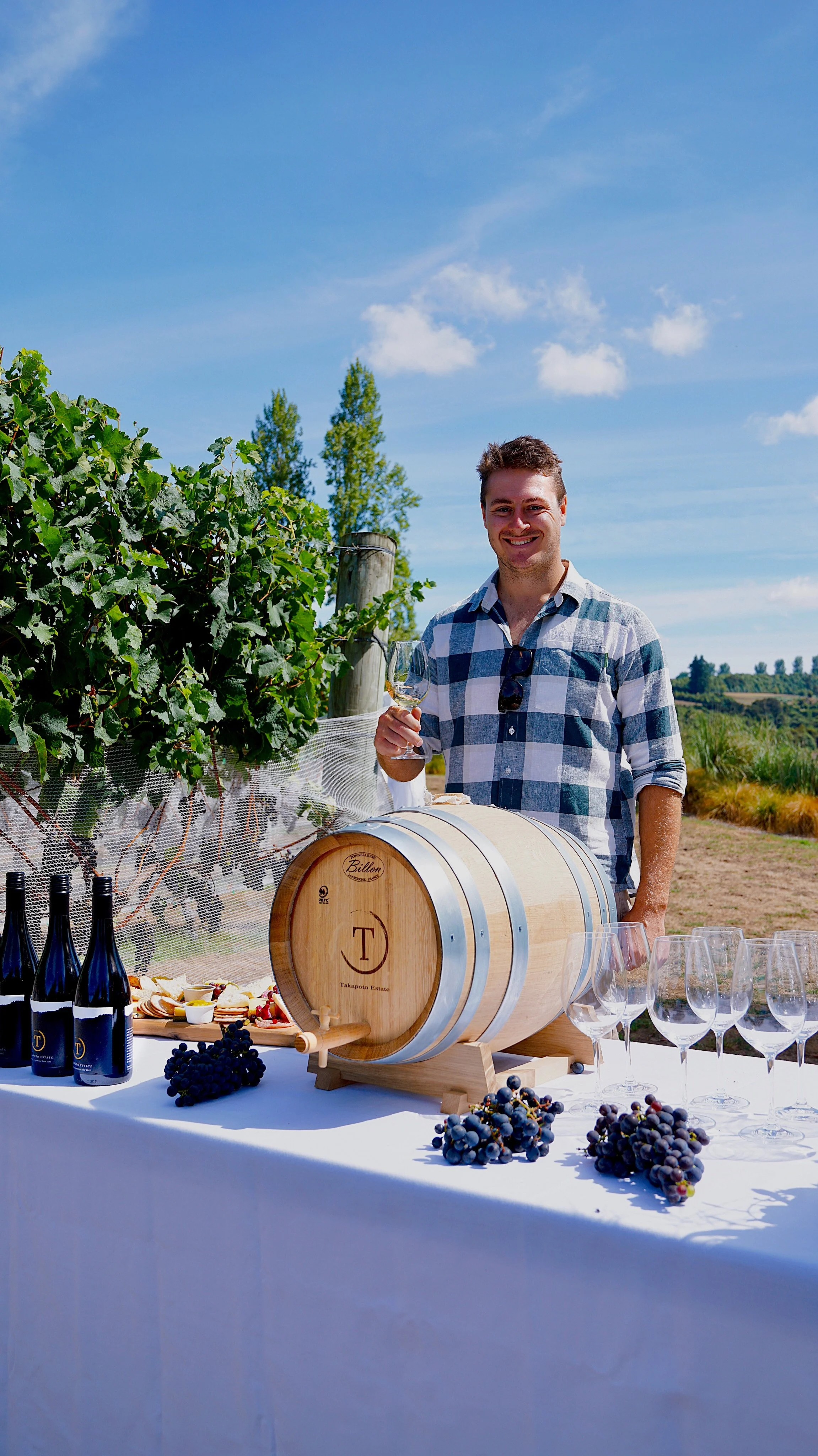
Takapoto Estate winery.
A short drive out of town took us to Takapoto Estate winery, near Lake Karāpiro, which combines a vineyard and show-jumping event grounds. Sitting outside with a glass, looking out over the landscape, it’s easy to see why the cellar door is packed with weekend tasters. We settled in with a cheese platter and watched the entertainment unfold between a couple of hen’s parties, proving it’s also a popular spot for celebrations too.
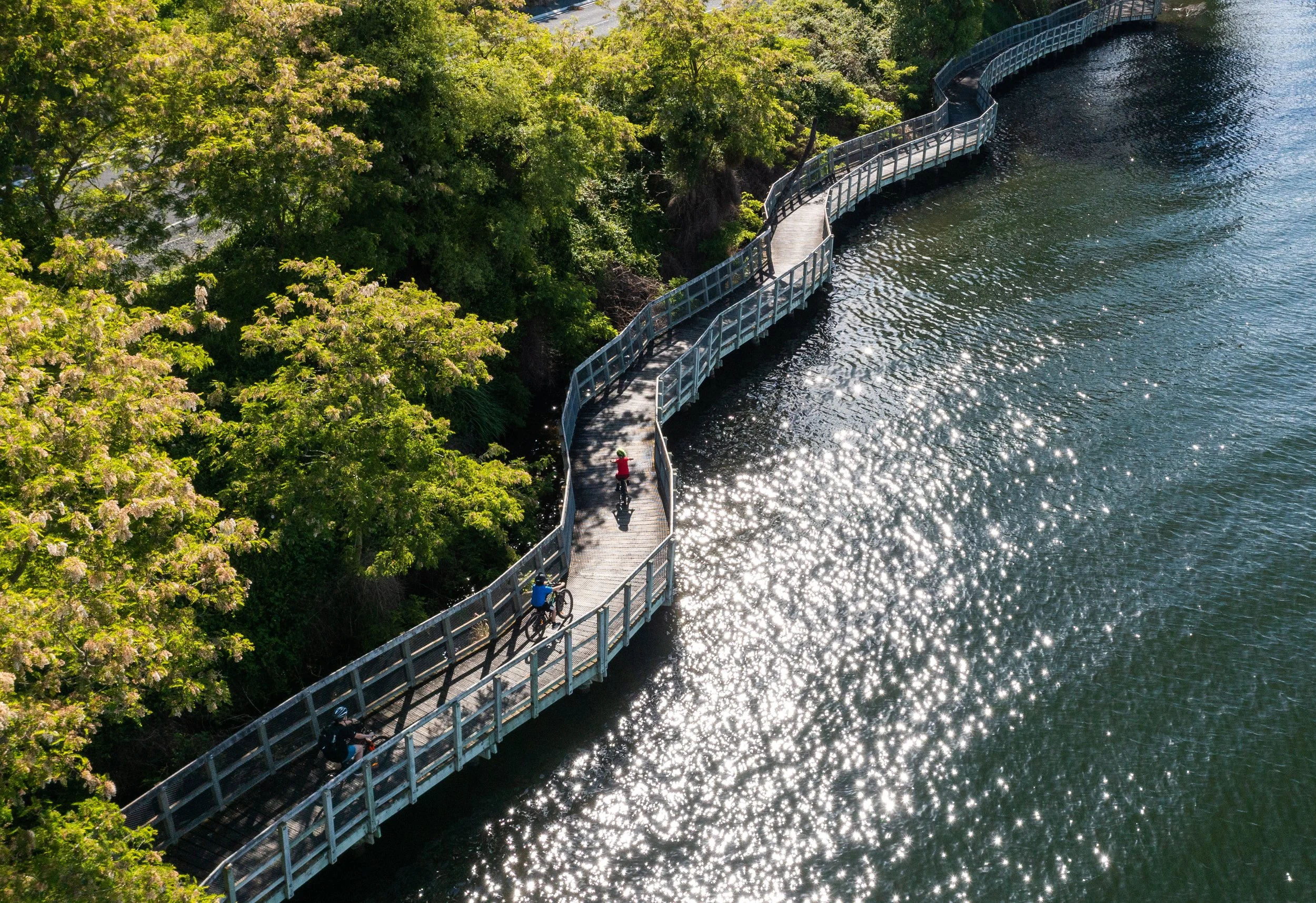
Te Awa River Ride at Lake Karāpiro.
On Sunday, we decided to get a little more active. With Riverside Adventures, we set out on an e-bike ride along the Waikato River, starting at Avantidrome, New Zealand’s national cycling hub. The route follows part of the Te Awa River Ride, a mostly flat, well-maintained trail that connects Cambridge with the wider region. Even for casual cyclists, the e-bikes make it an easy, enjoyable ride. The path winds along the river, through farmland and native bush, before opening out towards Lake Karāpiro, known for its calm waters and scenic setting.
The journey itself is a chance to move through the town and outskirts at a pace that still allows you to take it all in, and being picked up and returned to town makes the whole trip feel seamless.
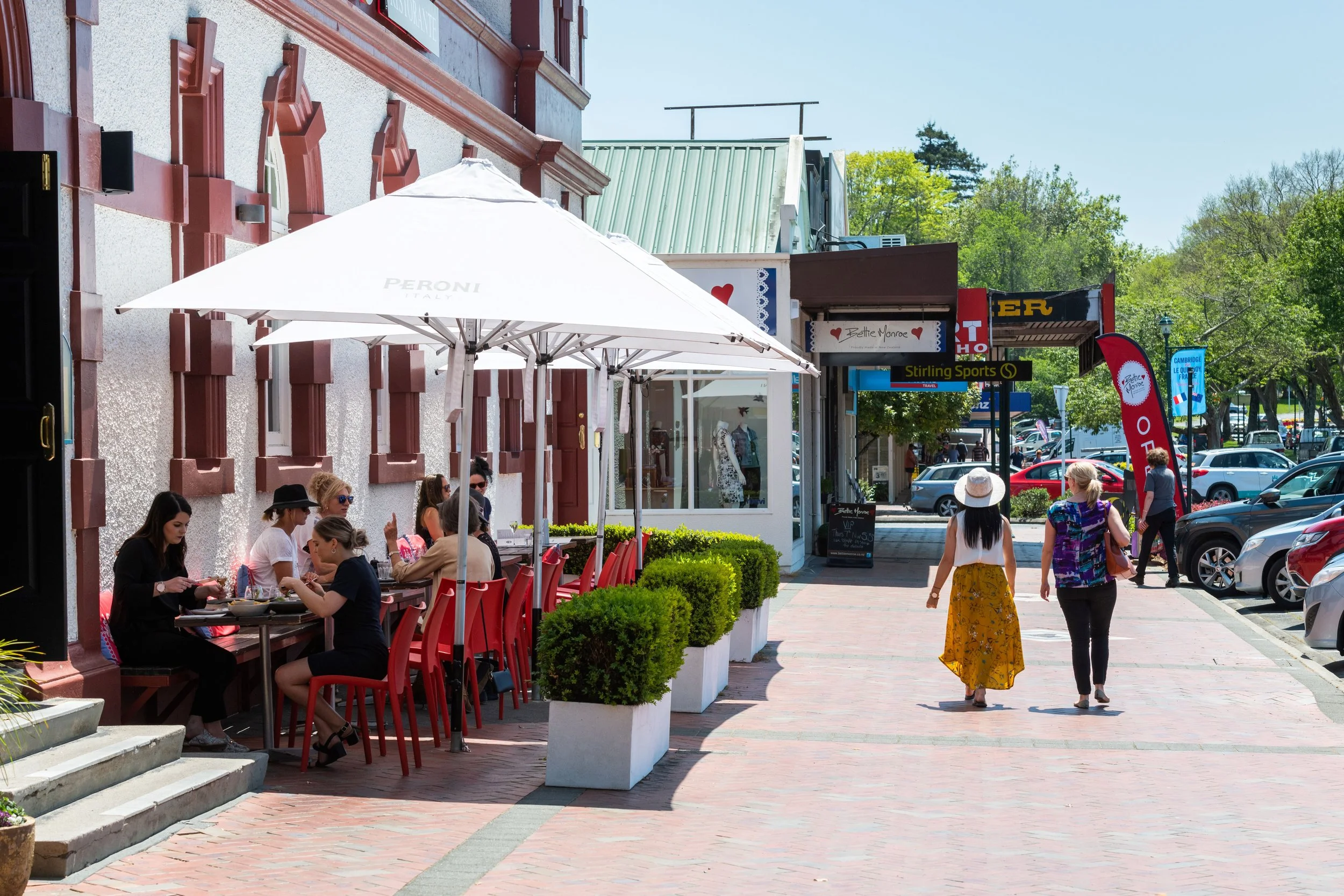
Alpino in the town centre.
Back in Cambridge, the afternoon slipped easily into more wandering, with a few last stops at boutiques, a coffee and yet another visit to the Cambridge Distillery.
The combination of experiences in art, food, cycling and shopping, all within close reach, makes Cambridge an easy trip for anyone who loves culture, adventure and food.
For couples in particular, that balance is hard to beat. There’s enough to fill a weekend, but also plenty of space to do very little at all. And it’s surprisingly hard to leave.
MELBOURNE IN MOTION
Melbourne is a city of all things to all people, yet it’s as individual as the people who inhabit it. And it’s a place that has Jo Ferris captivated.
Melbourne is a city of all things to all people, yet it’s as individual as the people who inhabit it. And it’s a place that has Jo Ferris captivated.
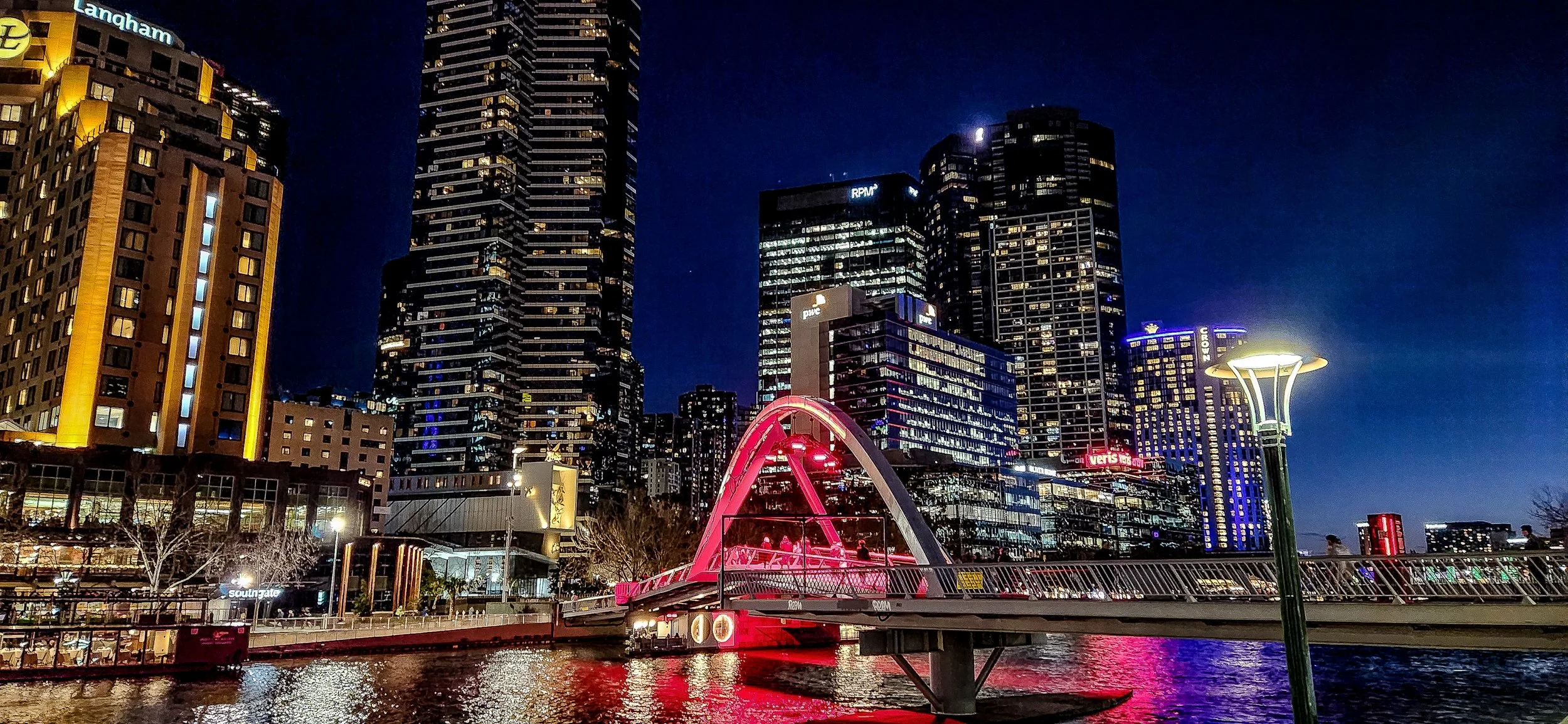
I last visited Melbourne 28 years ago, to see The Three Tenors on the MCG’s hallowed grounds. Previous trips include tennis at the Australian Open and catching up with ex-pats in the suburbs. After so long, thoughts of reviving memories certainly whet the appetite.
Keith Urban rocking his guitar riffs was the reason for this trip. However, my foodie friend and I were keen to tempt our taste buds as well — all in just five days.
Given New Zealand’s entire population f its in this eclectic city, exploring everything is impossible. Melbourne is vast. It stops a nation every year for the Melbourne Cup. It’s home of Aussie rules footie and arguably Australia’s soul of culture and cuisine.
A city of immense diversity, it is the 10th largest immigrant population among world metropolitan areas, with around 100 different ethnicities. From Greek to Arabic, Vietnamese to Mandarin, strolling Melbourne’s inner sanctum is akin to mingling amid melodious bird chatter.
Downtown truly buzzes. And, amazingly, everyone is friendly. Helpful too, when you need help with trams.

DO
Melbourne’s free tram system has to be one of its best attractions. While free only within the city centre, routes include all that makes Melbourne unique. Modern trams have replaced Melbourne’s iconic vehicles of the past. However, one trip remains for these distinctive trundlers, as synonymous with Melbourne’s history as Flinders Rail Station.
Route 35 starts near this station — a scenic circuit that departs every 12 minutes, passing notable landmarks and an audio commentary enhancing the experience. Enjoy the free journey as a complete tour, or hop on and off to explore Melbourne’s wider city attractions.
Having also paid for a day ticket on either trams or trains, we asked a friendly copper the best place to go. St Kilda was the instant response. More specifically, Acland Street, last cab on the rank — and a great tip.
Acland Street is home to artisans and foodies. Pavements are festooned with fashion racks; shop windows are adorned with patisseries that put kilos on just looking at them. Wisely avoiding those, we plumped for a pub lunch, before the return trip, past Lunar Park, Docklands and historic landmarks.
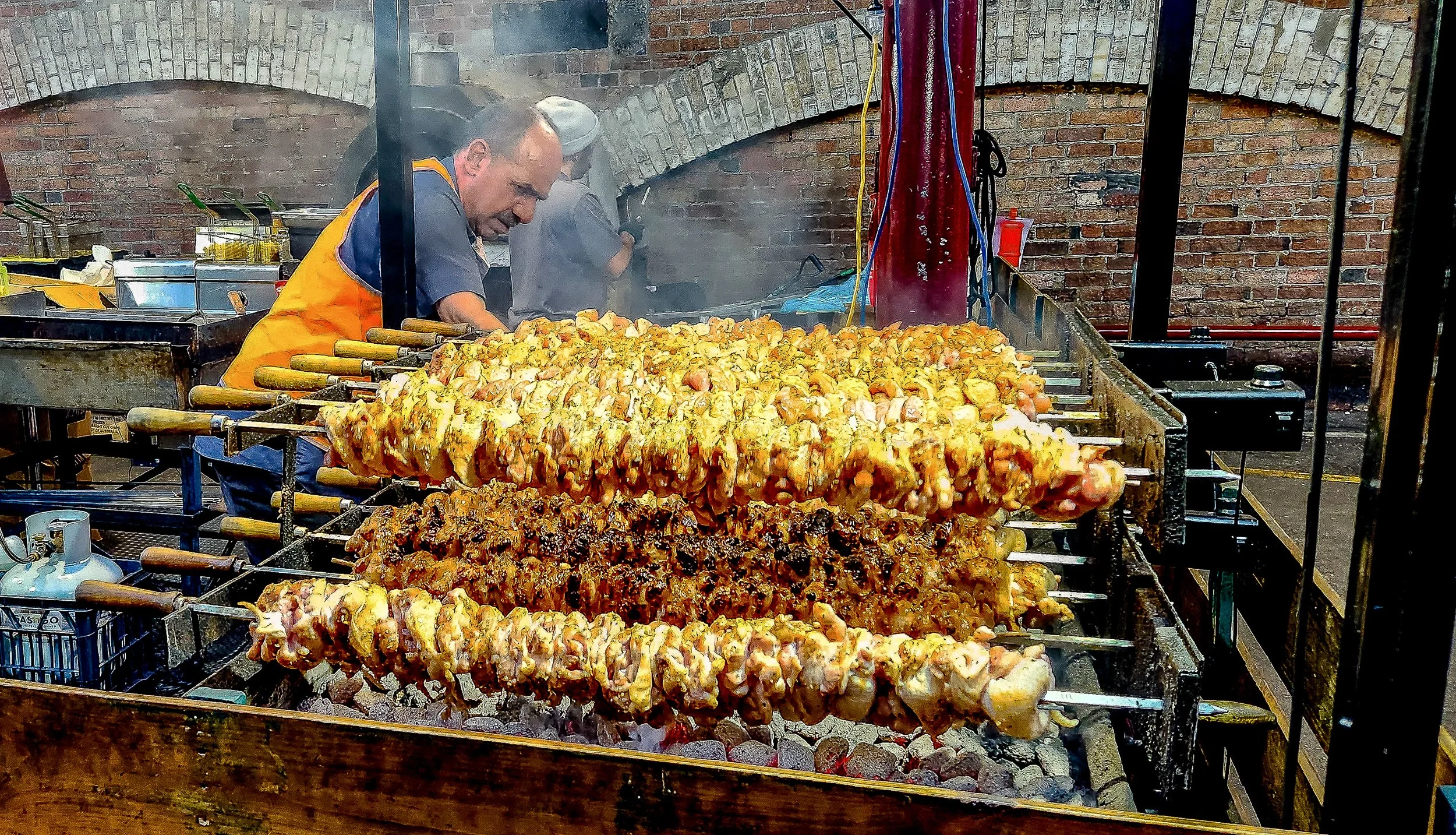
QUEEN VICTORIA MARKET
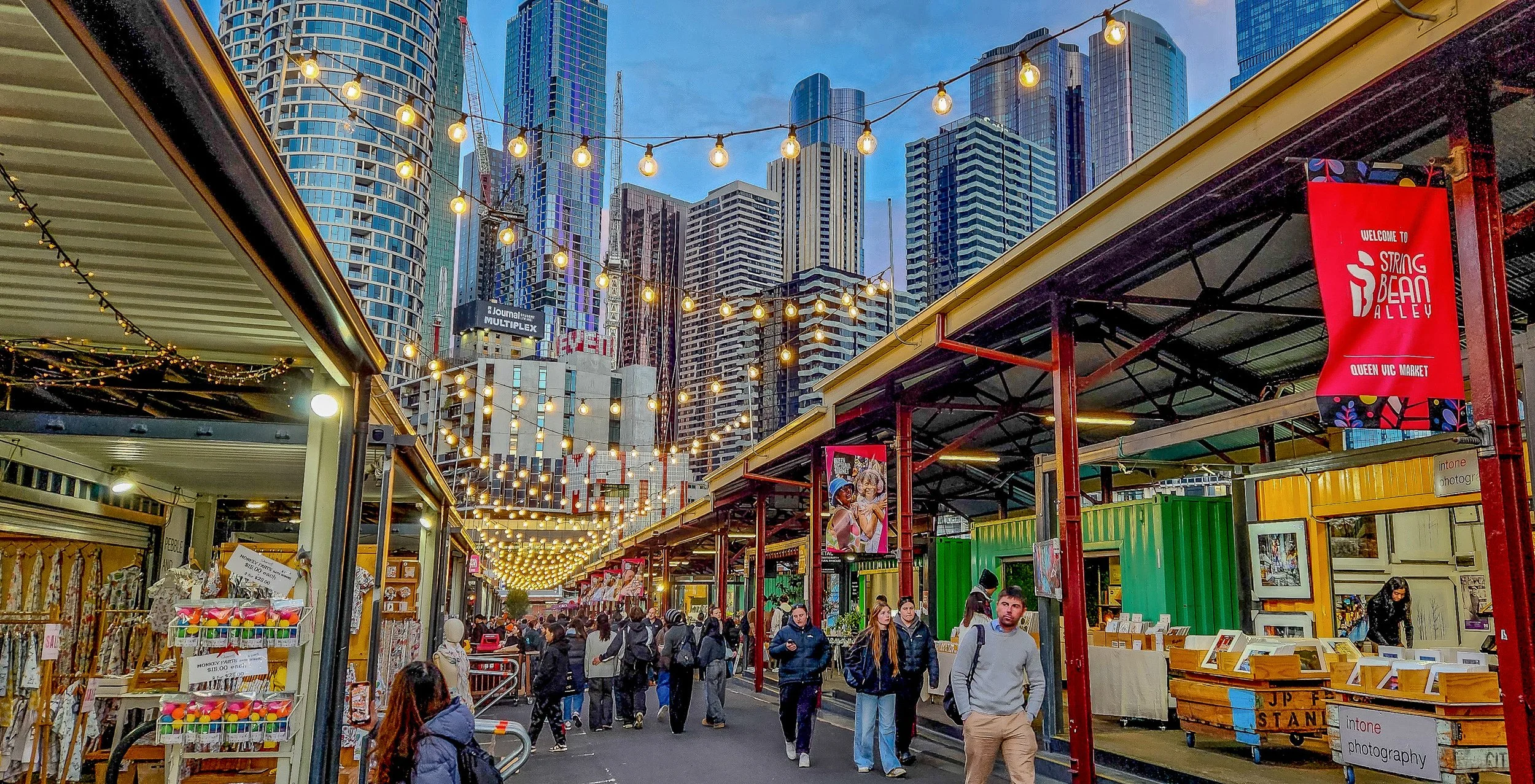
You could spend a week in Queen Victoria Market and probably still not explore everything. The indoor food hall is a banquet of extraordinary proportions. The chatter and banter, smells and samples have to be seen to be believed. This, even before you wander into the craft market and aisles of treasures, clothing and jewellery. And that’s just during the day. Throughout the seasons, night markets take control each Wednesday. Luckily, we caught the last of the winter series. A smorgasbord of international foodie flavours and fashion — nirvana on steroids!
EAT
Melbourne is legendary for its market fare and laneway eateries. With only days to absorb it, our focus was downtown. A stone’s-throw from Flinders Station, Degraves Street is a city favourite. Flanked by restaurants, umbrella seating dominating the lane’s no-vehicle thoroughfare, staff on sidewalks vie for custom; blackboard specials at their side and menu in hand. Lygon Street — famously known as ‘Little Italy’ — is Melbourne’s birthplace of café culture.
After a free tram leg from the city centre, it’s an easy walk to this precinct, past the historic Melbourne Gaol, if you want a sideline attraction. Good to know: Restaurants only come alive as day turns towards evening.
Arriving mid-afternoon, we opted for a sweet treat. Tiramisu — shared, thanks to its gargantuan serving for one!
STAY
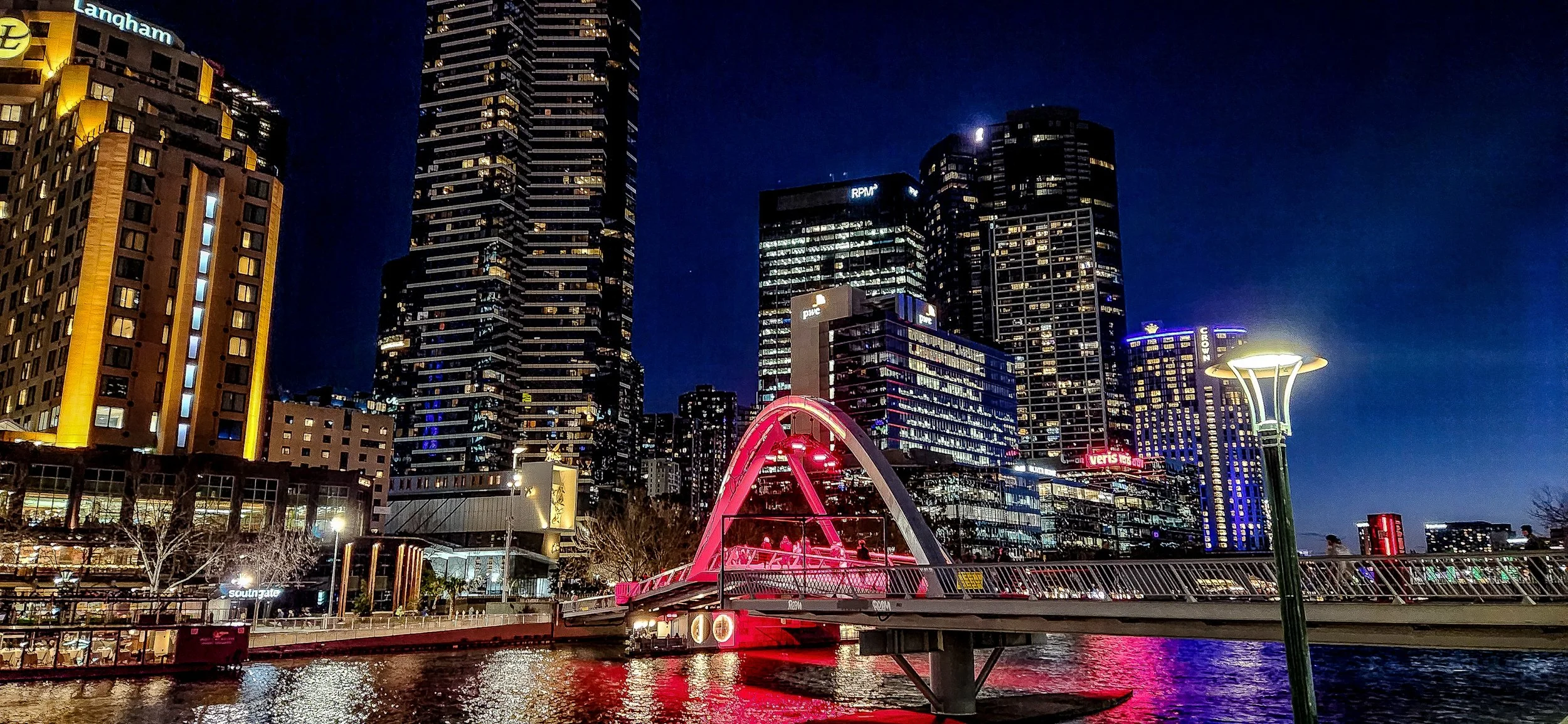
Choosing where to stay boils down to what you want to do and how long you have. Being closest to the action was a priority — and affordability. Mercure Melbourne Southbank fitted the bill nicely.
Sitting opposite Flinders Station on the other side of the Yarra River, it was both central and affordable, taxis conveniently outside the front door. To the tennis centre for Keith Urban’s concert, it was around AU$45; and from AU$85 to AU$100 one way to the airport. With twin rooms costing between AU$250 and AU$285, there’s a restaurant if you want. Obviously, we avoided it. This is Melbourne, after all.
Just a five-minute walk away is the Casino by the Yarra River and riverboat restaurants for a true tourist experience, as well as eateries galore within cooee.
As a short hop across the ditch, you can’t beat Melbourne’s inner-city vibe. Its high-rise architecture is mesmerising — sexy with its glistening rainbow of glass-wall artistry; and simply dazzling at night.
After a week basking in it and memories renewed, I’m not waiting another 28 years to return.
HISTORIC, LEGENDARY, UNMISTAKABLE
• Wominjeka (welcome) – acknowledges Wurundjeri Woi Wurrung and Bunurong/Boon Wurrung, the First Peoples of Narrm (Melbourne).
• Flinders Street Station is Australia’s oldest train station, and busiest in the southern hemisphere.
• Free inner-city transport includes the historic W-class trams on Route 35. This City Circle tram passes Melbourne Aquarium, Docklands, Federation Square, Parliament House and St Paul’s Cathedral, among other landmarks.
• Myki is a reusable travel card and ticket for trains, trams and buses. Buy and top up at numerous shops, including 7-Eleven stores.
• CBD landmarks include Yarra River, river boats and walkways, MCG, Melbourne Park sports entertainment precinct, Federation Square, Parliament House, Crown Casino, Arts Centre, Melbourne Sky Deck, Old Melbourne Gaol, Docklands, China Town, among others.
• Queen Victoria Market dates back 140 years; with its historic Meat and Fish Hall, fresh produce, arts and crafts. Seasonal night markets run on Wednesdays, while markets elsewhere have their own distinctive vibe.
• Destination shopping includes Myers, David Jones, Collins Street boutiques, Emporium Melbourne and Melbourne Central centre.

POLES APART
Penguins or polar bears? Are Antarctica and the Arctic similar or poles apart? Sarah Porter from Wild Earth Travel, supplier to YOU Travel & Cruise Bethlehem, sailed as a guest on the French ship, Ponant Le Commandant Charcot.
Penguins or polar bears? Are Antarctica and the Arctic similar or poles apart? Sarah Porter from Wild Earth Travel, supplier to YOU Travel & Cruise Bethlehem, sailed as a guest on the French ship, Ponant Le Commandant Charcot.
Understanding the difference between these two regions at the opposite ends of the globe starts with simple geography. Antarctica is a frozen continent surrounded by ocean; the Arctic is frozen sea surrounded by land.
The Arctic region extends over Canada, Alaska, Greenland, Russia, Norway and Iceland, which are all homes to native communities. Antarctica does not belong to any country and has many scientific bases, but no permanent inhabitants.

WILDLIFE
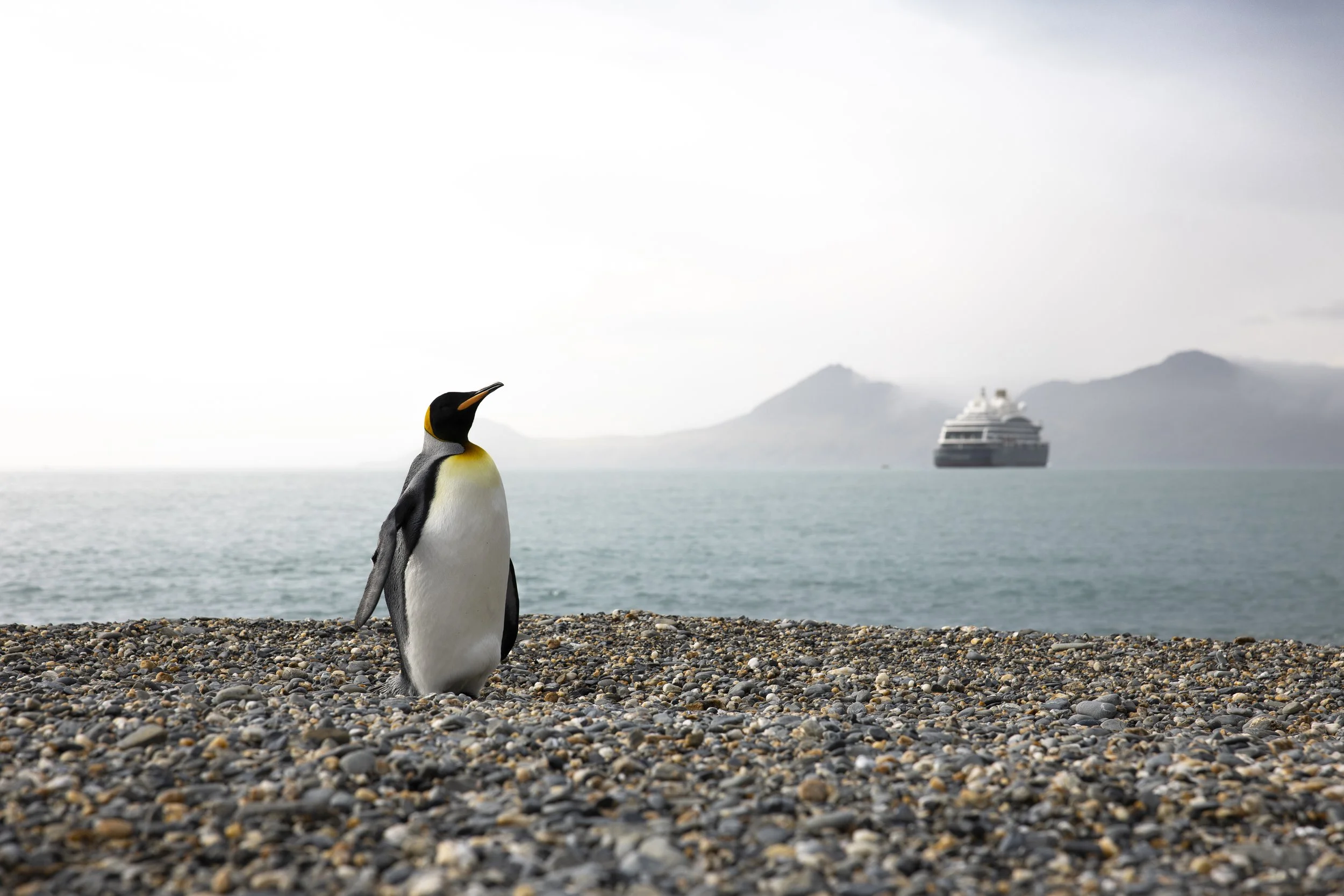
Wildlife is one of the biggest differences between the polar regions. My first view of Antarctic wildlife on South Shetland Island was a shoreline covered in penguins and seals, whales not far off land. Human contact is limited in the Antarctic which makes the animals fearless and inquisitive and penguins will likely come and inspect your boots.
The word Arctic is derived from the Greek ‘arktos’ meaning’ bear’, and one of the main reasons to visit the Arctic is to see the polar bear. Arctic foxes, reindeer, walrus, musk ox, seals and whales are also found in the north, as well as birdlife.
I visited the Arctic on a journey to East Greenland on the world’s only luxury ice breaker, Ponant’s Le Commandant Charcot, at the beginning of the season. We came across a whale carcass wedged between two ice sheets, a natural buffet attracting an astounding 68 polar bears, a first even for our captain and our Inuit ‘polar bear spotters’.
PEOPLE
The six countries of the Arctic region create diversity in culture, language and customs, though sharing traditional livelihoods like f ishing and hunting. As our Greenlandic guides kept watch for polar bears, I learnt what it is like to live in in complete darkness for much of the year and how their community of Ittoqqortoormiit (the most remote in the world) is only accessible by helicopter for nine months due to frozen sea ice.
On the Le Soleal in Antarctica I enjoyed chats with people posted at the bases and stations over the summer season, but there are no ‘locals’ in Antarctica. On both voyages historians within the ship’s expedition teams shared stories and insights into the early explorers, from Erik the Red in Greenland to Scott, Shackleton and other Antarctic explorers.
ICE
Ice became a topic of surprise and delight as I learnt how different it is in each region and how many forms it takes — fast ice, first-year ice, brash ice, pack ice and, of course, ice bergs (to name a few!). Sea ice in the Arctic freezes in winter and melts during summer. Antarctica is not constrained by landmasses so sea ice spreads over a much larger area. Antarctic glaciers are much bigger than those of the Arctic, the Arctic icebergs more jagged in shape.
SEASONS
You can only travel to Antarctica in summer (November – March), with the ice more pristine and the penguins courting early in the season. In February and March you see penguin chicks and March is best for whale watching. The Arctic summer is peak tourist season with longer days (the midnight sun) and milder temperatures for outdoor activities.
Many visit in winter to see the northern lights. Which wins? I loved both for the sense of vastness and unexpected wildlife encounters, the deafening silence and magical atmosphere. Seeing 68 bears made the Arctic my favourite voyage, however Antarctica would be my favourite destination. I’d return to both in a heartbeat for I have only experienced the very tip of the iceberg.
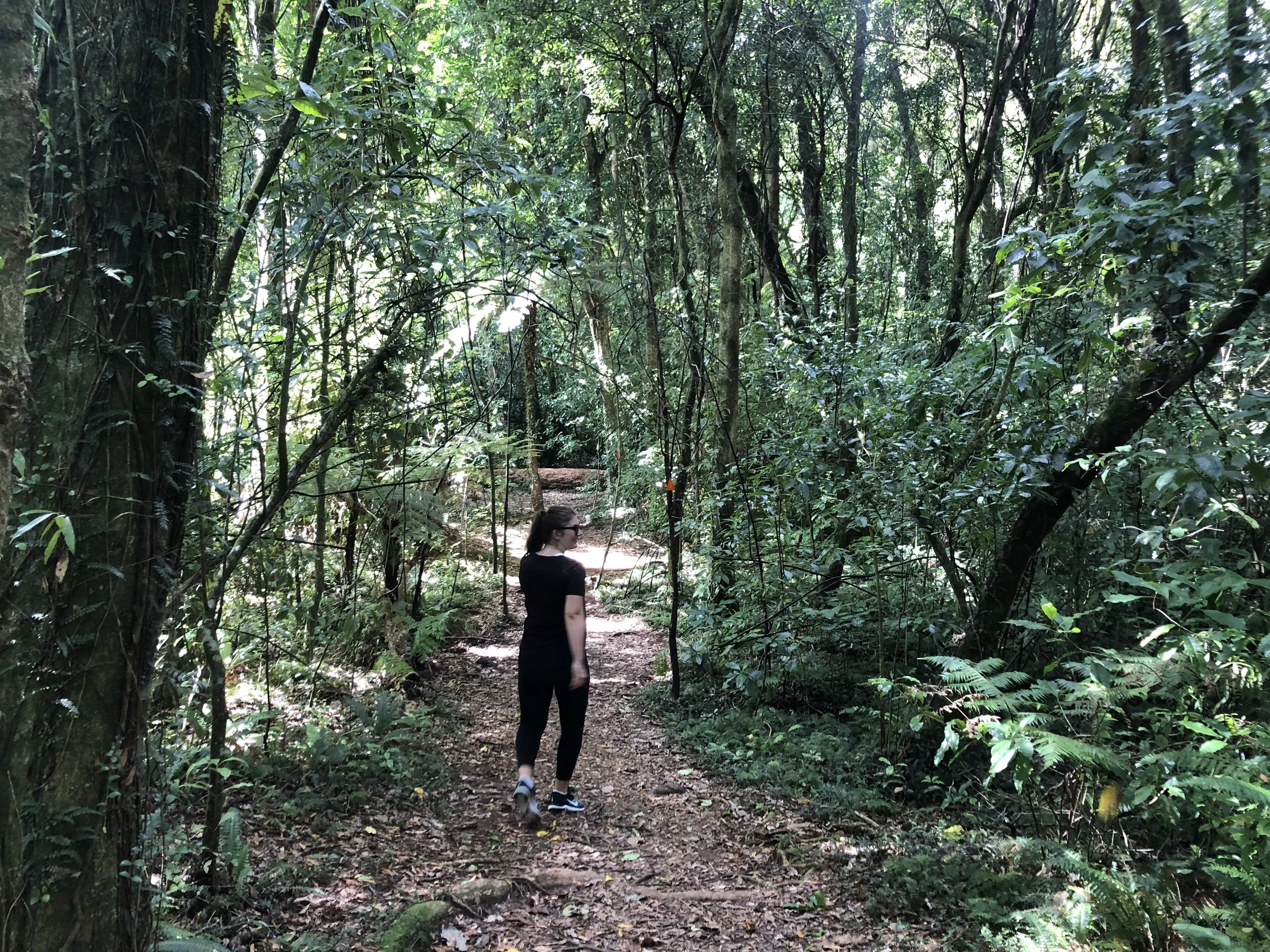
WALK THIS WAY
Between shady forest walks, hidden waterfalls and rugged coastal headlands, the Bay of Plenty has no shortage of trails to discover.
Between shady forest walks, hidden waterfalls and rugged coastal headlands, the Bay of Plenty has no shortage of trails to discover.
PHOTOS TOURISM BAY OF PLENTY
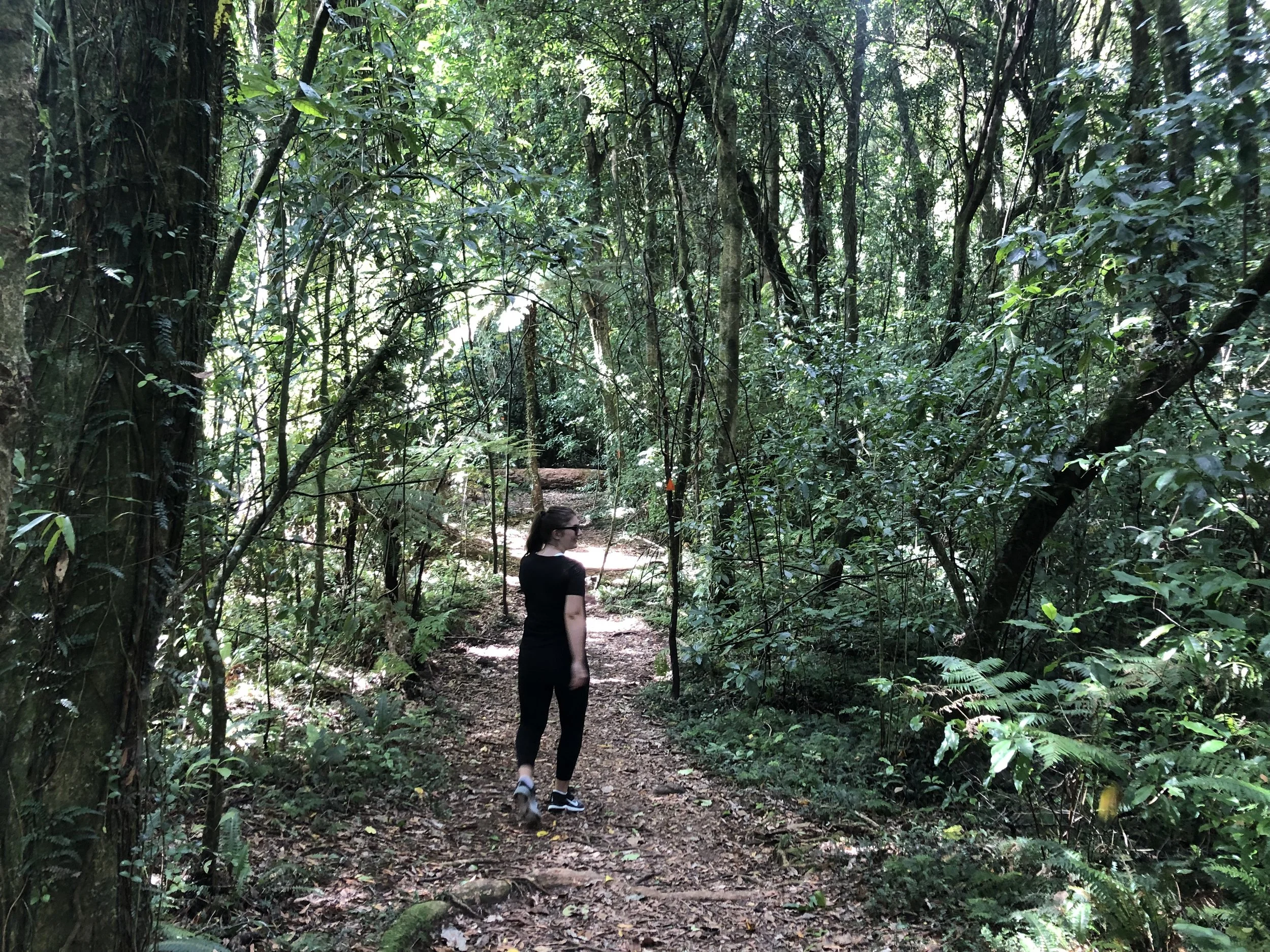
When it comes to walks that showcase the stunning landscapes of our region, the Bay of Plenty is one of New Zealand’s most generous playgrounds. Here’s a hand-picked list of family-friendly walks around Tauranga and the wider Bay of Plenty to feature in your summer adventure itinerary.
Waikareao Estuary Walkway
This flat, easy loop in Tauranga is ideal for families, cyclists or anyone who’d rather amble than ascend. The total loop is about 10km, but there are many entry/ exit points so you can tailor it to 30 minutes, one hour or more. The surfaces include boardwalks, gravel and sealed paths, meandering through mangroves, marsh and birdlife-rich wetlands. Expect to spot local wading birds, and maybe even a fish or two.
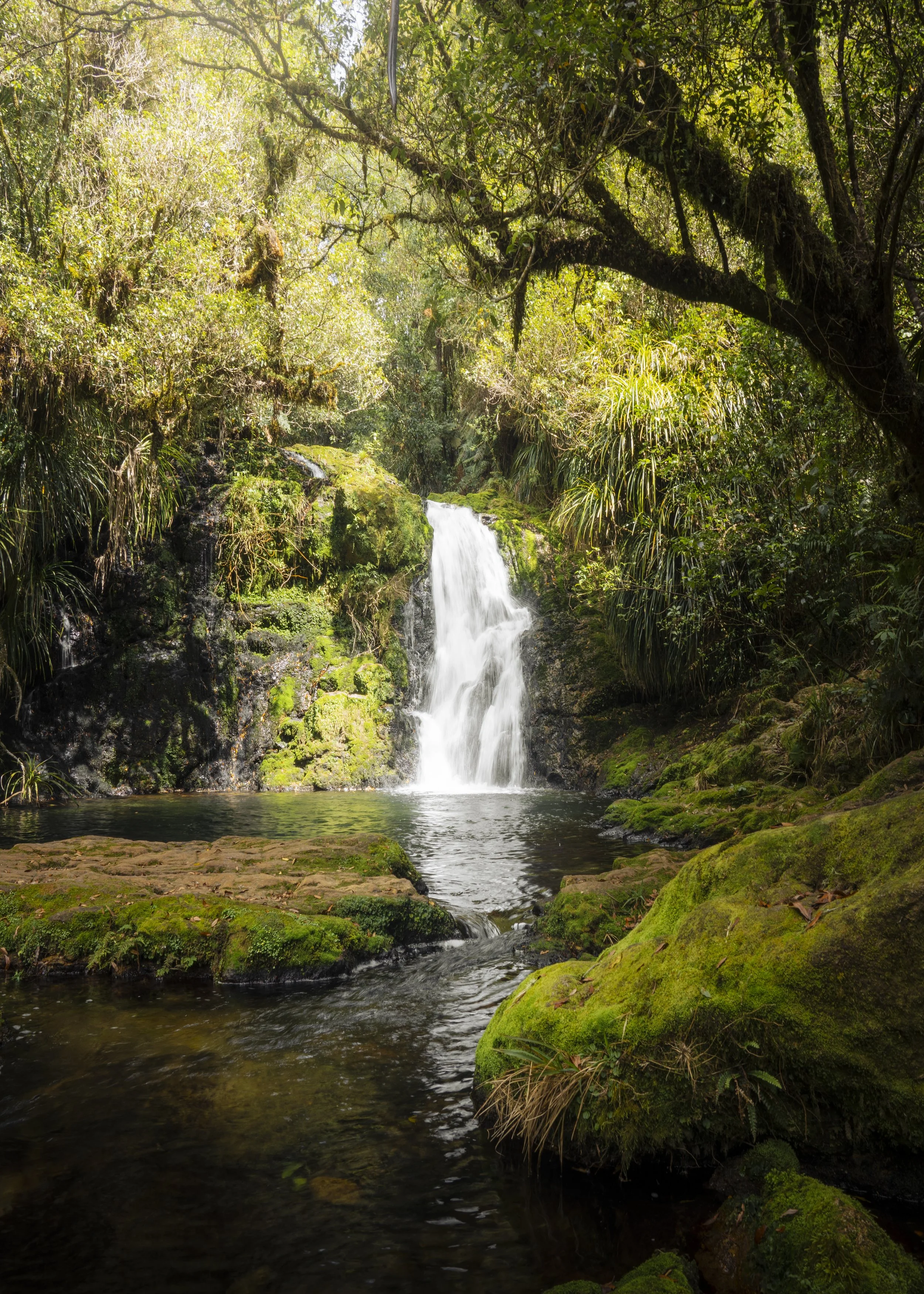
Ōtanewainuku Forest and Waterfall Walks
About 25 to 30 minutes south of Tauranga (near Ōropi / Te Puke), Ōtanewainuku Forest offers multiple tracks suited to families. One popular route leads to Whataroa Falls, which includes a pool at the base. Because paths vary in length and difficulty, pick a climb that suits your group.
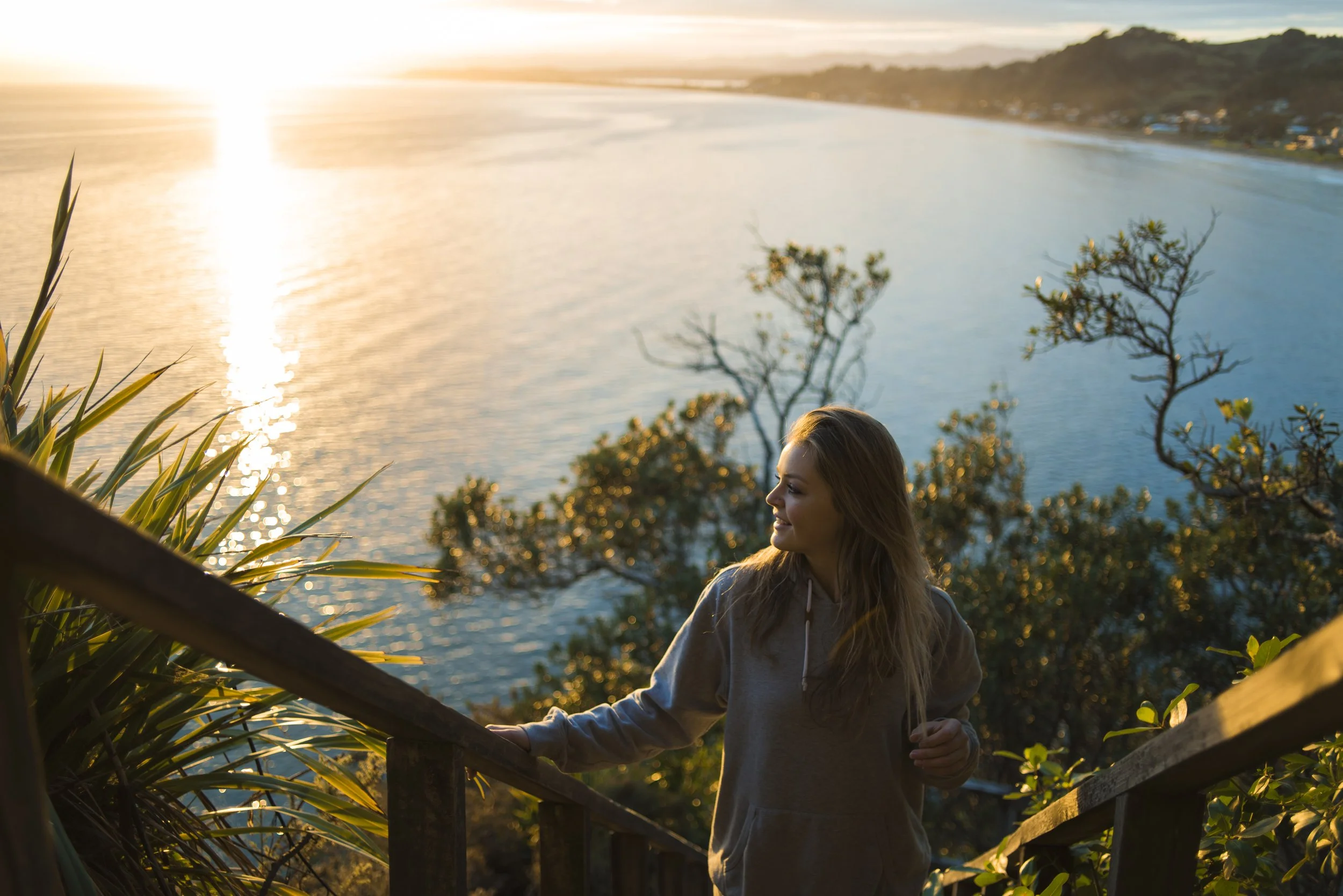
Ngā Tapuwae o Toi (Footprints of Toi Track)
If your family is up for a longer day out, the Ngā Tapuwae o Toi coastal-forest walk spans 16km and links Whakatāne to Ōhope. The full loop takes five to seven hours, but you can do it in sections (one to three hours) if you don’t want to commit to the full length. It passes through scenic reserves, pōhutukawa stands, seabird colonies and native forest. Dogs are not permitted as it is a kiwi zone. Try walking section by section, or just pick your favourite segment.
Orokawa Bay from Waihī Beach
For a bit more coastal adventure, the Orokawa Bay walk begins at the northern end of Waihī Beach and follows a tide-dependent coastal headland path. It’s roughly 45 minutes one way. The views are spectacular, and you can picnic in the shade of pōhutukawa trees in the bay. Just watch the tides and plan accordingly.
McLaren Falls and Waterfall Track
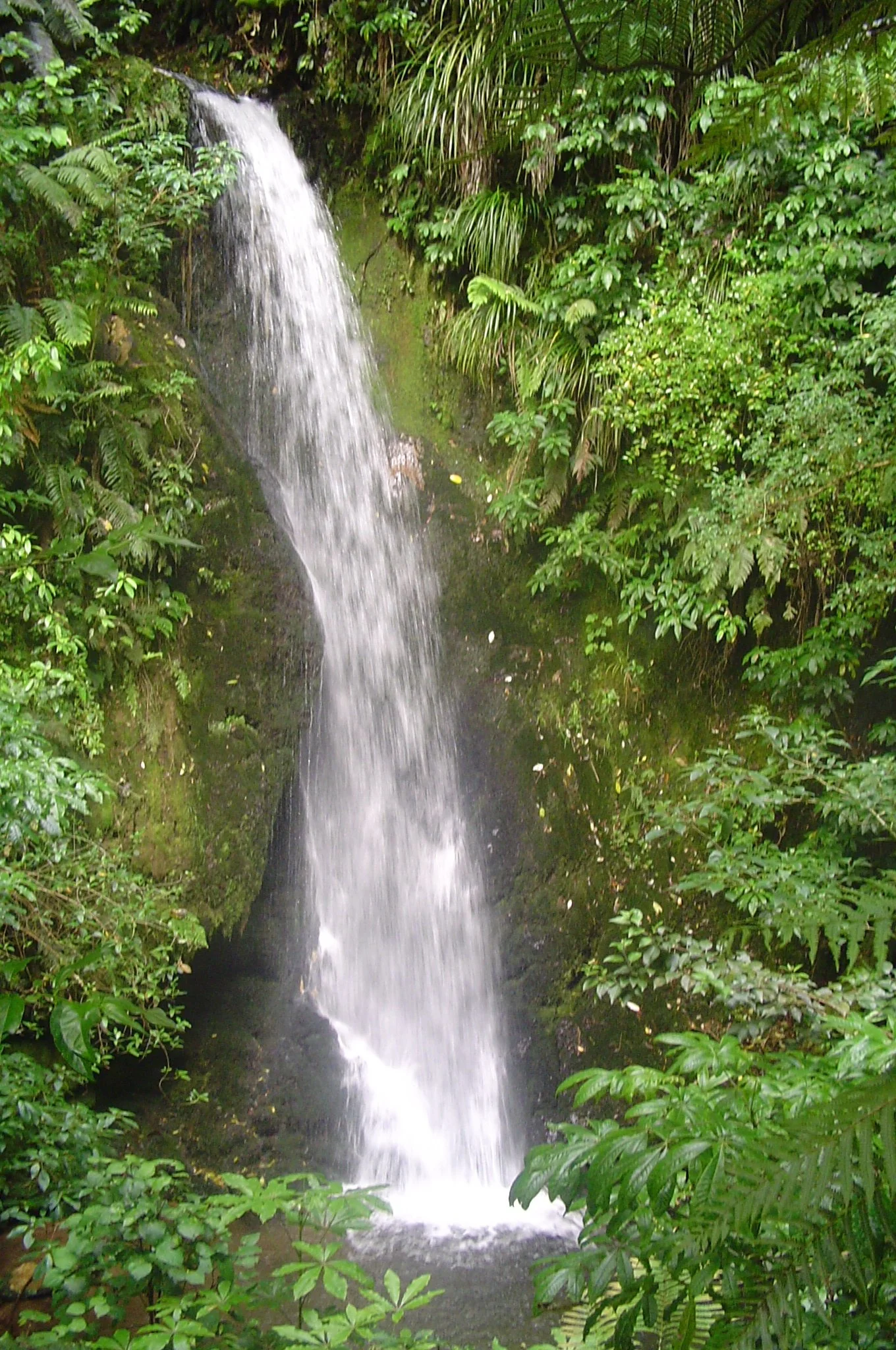
Just a 10- to 15-minute drive from Tauranga, McLaren Falls Park is a gem. One easy walk leads you through bush to a viewing platform over the falls, short enough for young legs but scenic enough to feel like an adventure. On summer evenings, the glow worms are said to appear along certain tracks. You can also wander around the lakeside paths (the McLaren Lakeside Walkway) for a longer but gentle stroll.
Kaiate Falls
A short drive (30 minutes) from Tauranga brings you to this forest walk through native bush, ending at a tiered waterfall. The track is about 45 minutes return and includes steps, so it’s more suited to families with confident walkers or older children. Swimming is not recommended, but the views and forest experience are worth it.
TOP TIPS
• Mix short and longer walks by combining a base-level stroll with one more adventurous hike on the same day, so everyone has something to enjoy.
• Time it with tides and weather. Coastal walks like Orokawa are best when tides permit and on calm days.
• Bring essentials such as sunblock, hats, snacks, water, insect repellent and wet-weather gear. Some tracks can be muddy after rain.
• Check track status. Some local reserves have track closures for infrastructure upgrades.
• Leave gates as found and carry out your rubbish. These tracks are well loved and cared for by local groups.
• Pace the kids. Use natural “pause points” (streams, lookouts, ponds) as moments to rest or explore.

HEART OF HASTINGS
Eat, drink, stay and play your way through a city that’s become one of Hawke's Bay’s best-kept secrets.
Eat, drink, stay and play your way through a city that’s become one of Hawke's Bay’s best-kept secrets. Here, it’s all about quality. Whether you’re here for a weekend or just a wander, you’ll get a taste of the city’s new confidence everywhere you go.
PLAY
HASTINGS ART GALLERY
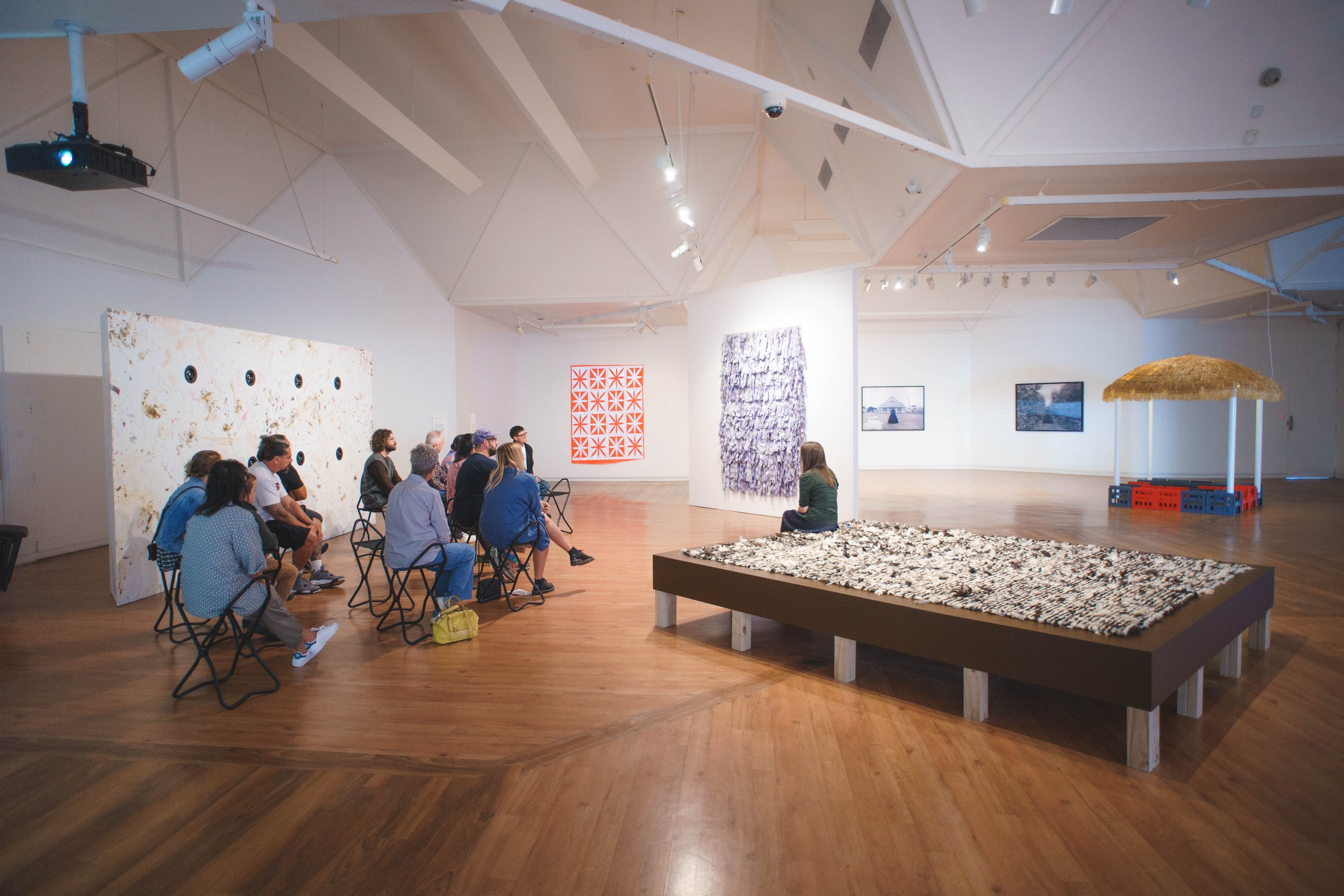
Te Whare Toi o Heretaunga — the Hastings Art Gallery — is one of Aotearoa New Zealand’s must-visit creative hubs. This non-collecting gallery showcases a constantly changing line-up of contemporary works from local talents and international visionaries. Visitors can dive into a rich programme of exhibitions, hands-on public events, and inspiring school activities designed to spark curiosity and foster a lifelong love of art. Housed in an eye-catching 1970s building in Hastings’ Civic Square, the gallery sits beside the historic Hastings War Memorial Library, with the striking sculptures of Ngā Pou o Heretaunga welcoming travellers at the entrance.
201 Eastbourne Street East
WAIAROHA — HERETAUNGA WATER DISCOVERY CENTRE
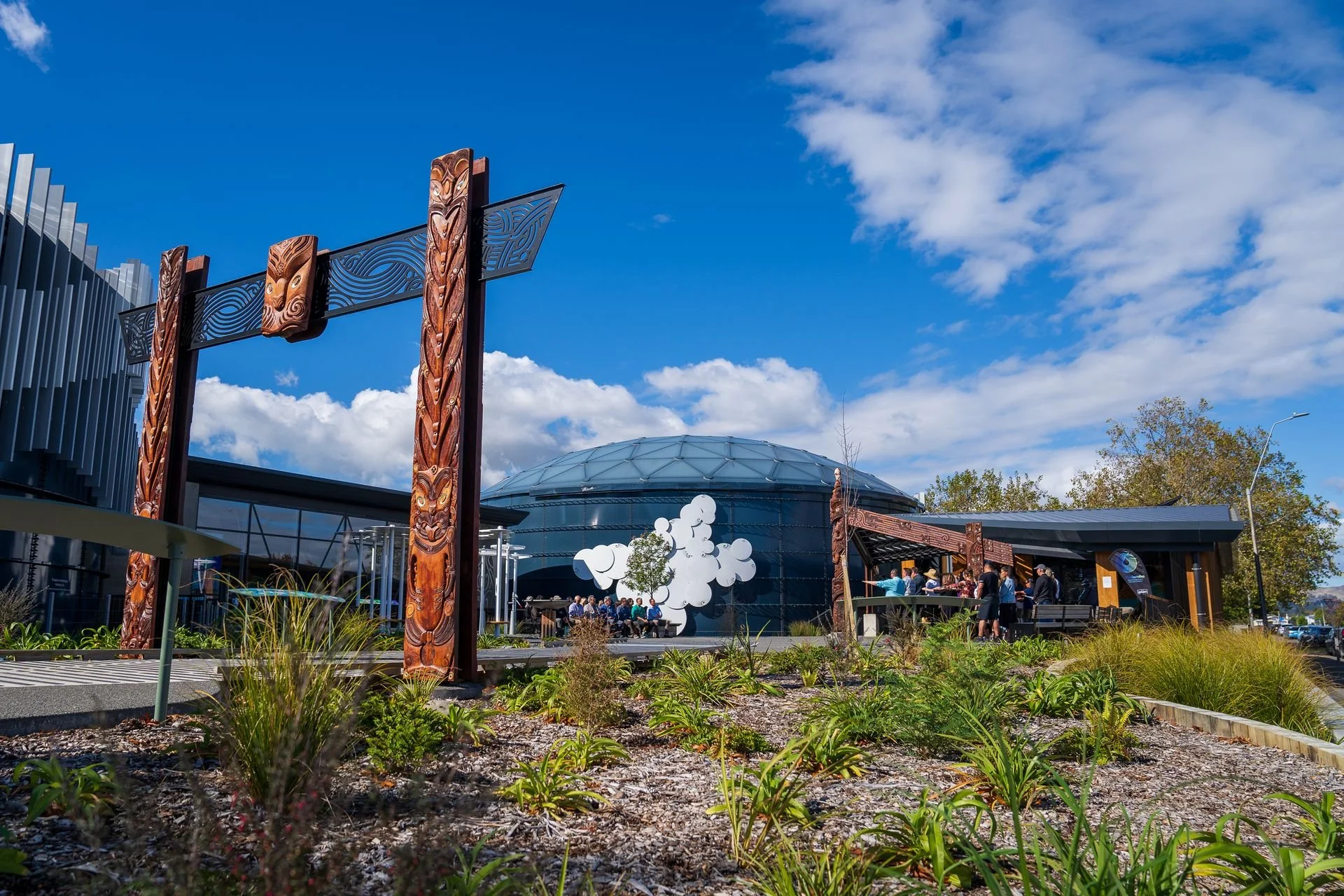
A surprisingly engaging stop, Waiaroha brings the story of water to life through hands-on exhibits, interactive games and clever design. Watch the treatment process through glass panels, pump and spray at outdoor stations, and follow the journey of water from mountains to sea. Designed for families, curious visitors and locals alike, this City Nation Place Global Award winner connects us all.
Corner of Southampton Street East & Hastings Street South
TOITOI ARTS AND EVENTS CENTRE
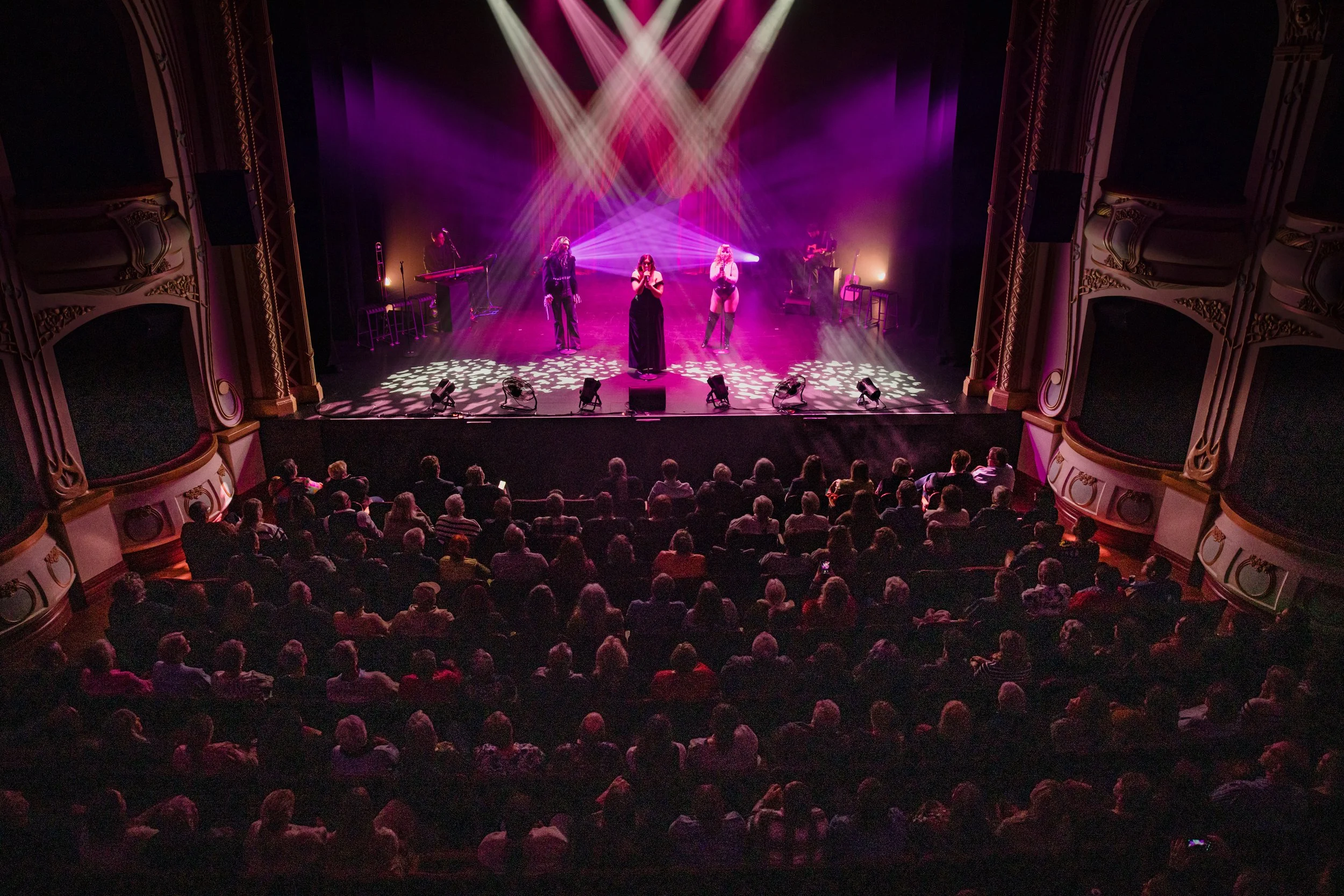
Offering more than just a stage, Toitoi is a place where creativity thrives and where stories are shared and cultures celebrated. From world-class performances, conferences and grassroots initiatives, Toitoi champions the power of the arts to inspire. Savour a relaxed meal, indulge in wine tasting, grab a morning coffee, or toast the night with a pre-show cocktail. Whether you're attending a show, hosting an event, or simply soaking in the atmosphere, the Toitoi complex invites you to be part of something extraordinary.
TOITOIVENUES.CO.NZ
EAT
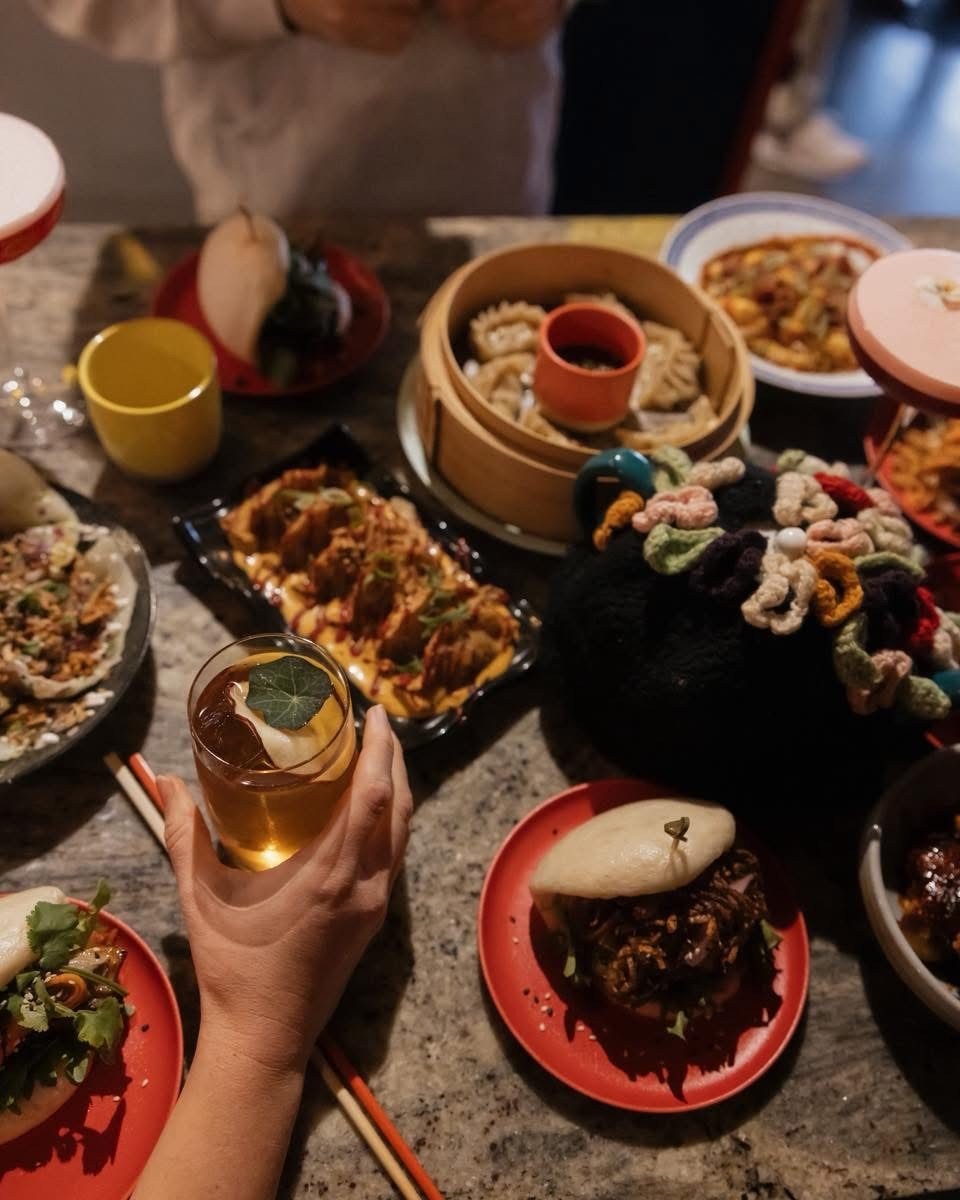
FUN BUNS
A small-but-mighty gem in Hastings’ heart, Fun Buns is all about vibrancy and flavour. Think handmade gua baos bursting with fresh fillings, dumplings, satisfying loaded fries and street-food vibes done right. It’s the kind of place you pop into for lunch, stick around post-shopping for a cheeky bite or make a light dinner out of share plates and cocktails. It’s so good you’ll want it on speed dial for those “don’t-feel-like-cooking” nights.
300 Heretaunga Street East
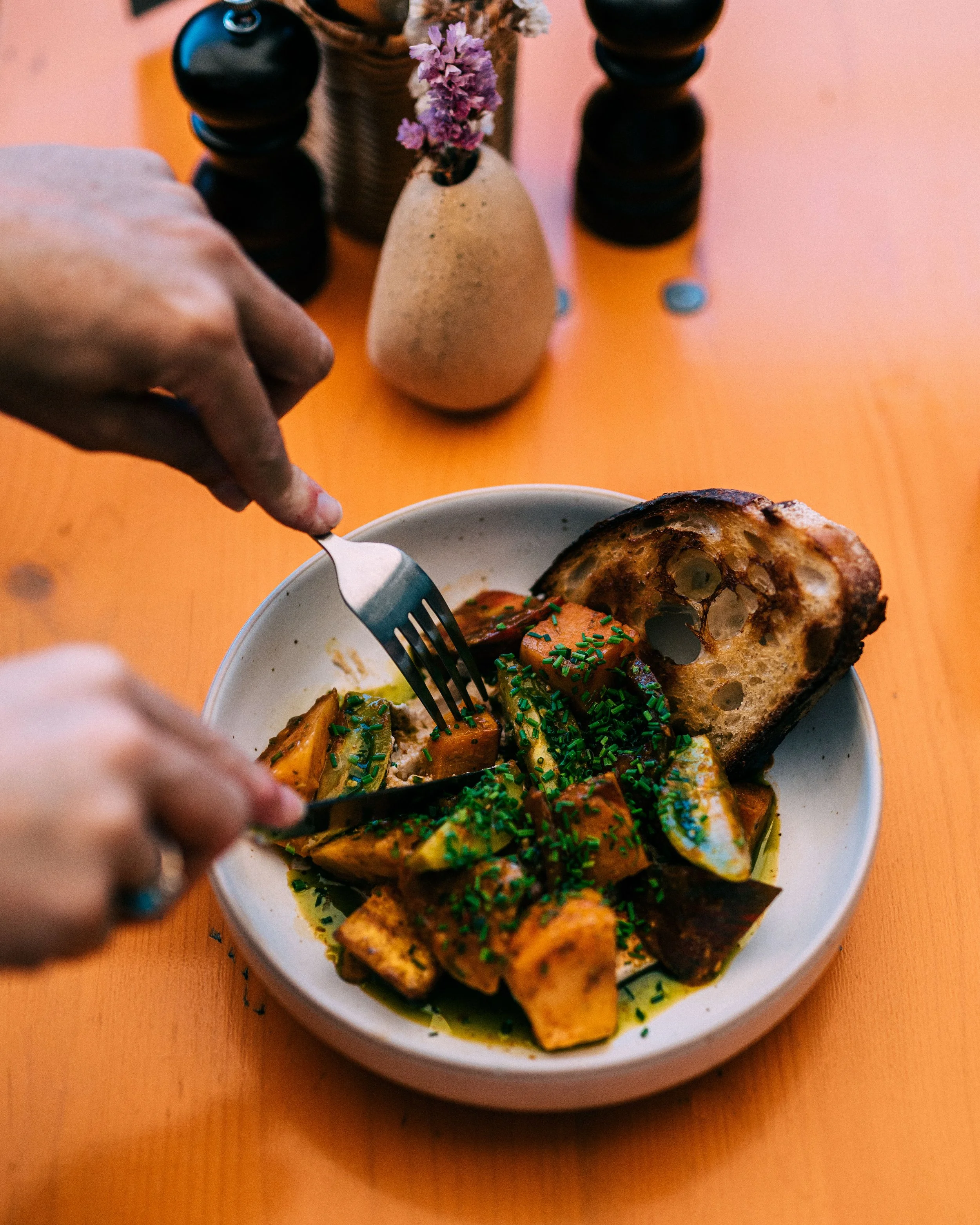
COLAB CAFÉ
Colab Café has quickly become a local favourite for its warm service and creative weekly menu. The cabinet is always tempting. Think pistachio scrolls, coffee-and-cheddar buns, fresh salads, and inventive matchas locals rave about. Cosy and welcoming with sunny outdoor seating, it’s an easy choice for brunch or a midweek pick-me-up.
Farming House Building, 211 Market Street South
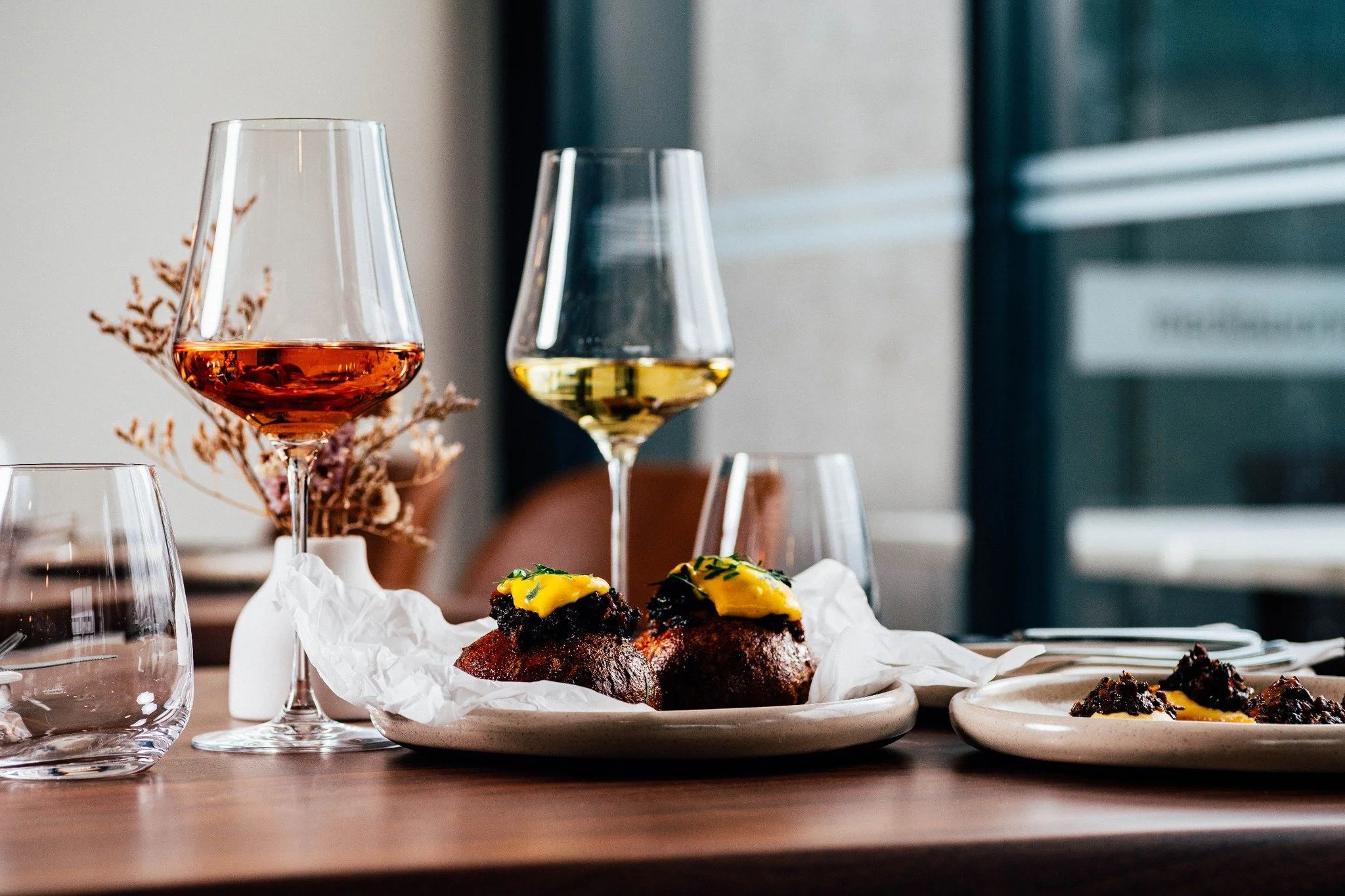
RESTAURANT ARI
Hastings’ newest go-to for contemporary dining, Restaurant Ari serves up Mediterranean-inspired fare with a clear focus on local produce. Expect free-range meats, fresh seafood and seasonal ingredients, all delivered with warmth and flair. Ideal for a special night out or gathering with friends.
103 Karamu Road South
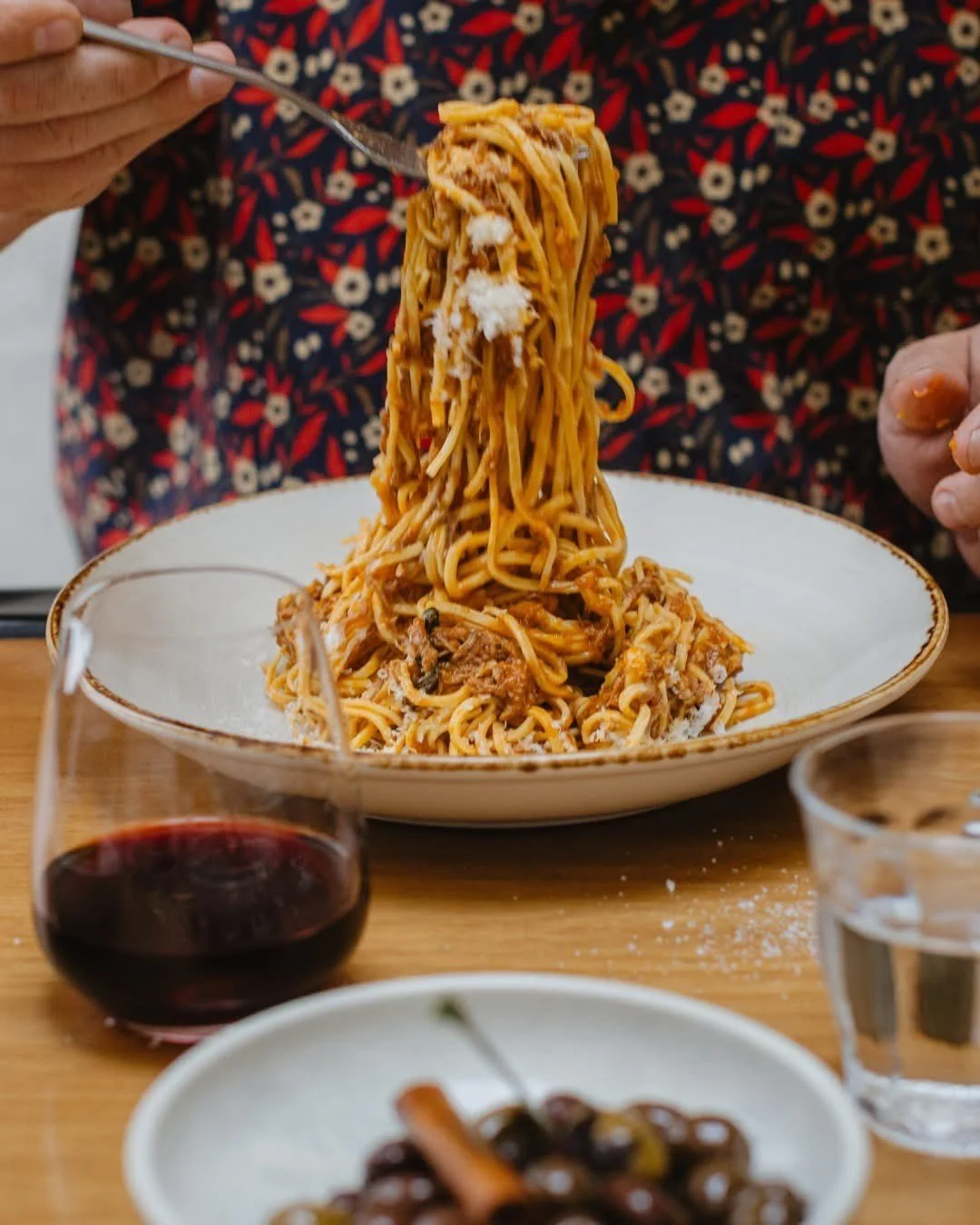
SAZIO
If you’re after something a little more grown-up but still relaxed, Sazio is the go-to for handmade pasta and warm hospitality. The menu draws on Italian and Argentinian heritage, with fresh free-range meats and seafood crafted on-site daily. Whether it’s a special occasion or just a stylish night out, this one nails the balance. Date night sorted.
215 Heretaunga Street East
STAY
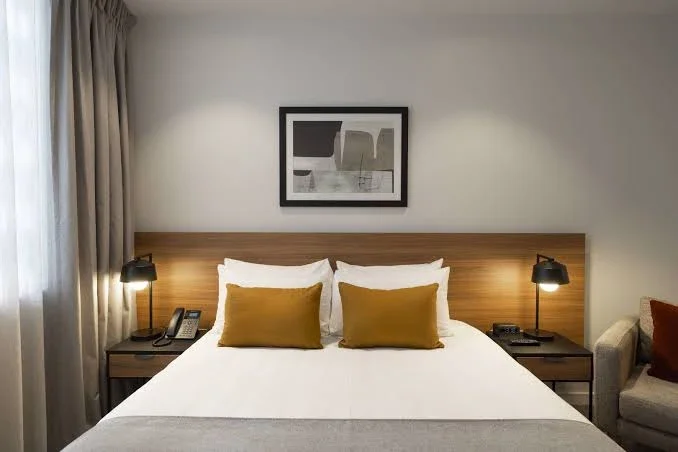
QUEST HASTINGS
Need a base in Hastings for exploring the region? Quest Hastings offers modern, thoughtfully designed rooms and suites in the heart of the city. The central location puts you within walking distance of cafés, shops, restaurants and all the spots above. Comfortable, convenient and well-set for a longer Hawke’s Bay stay.
304 Eastbourne Street East

BRAVE BREWING CO.
Hawke’s Bay craft-beer fans, look here. Brave Brewing Co. has carved out a stellar reputation in Hastings. This family-run operation pours a solid lineup of beers on tap in a chilled-out taproom, with crowd pleasing food to match. Whether you’re after something hoppy or a little experimental, this place has the energy for an easy-going catch-up.
205 Queen Street East
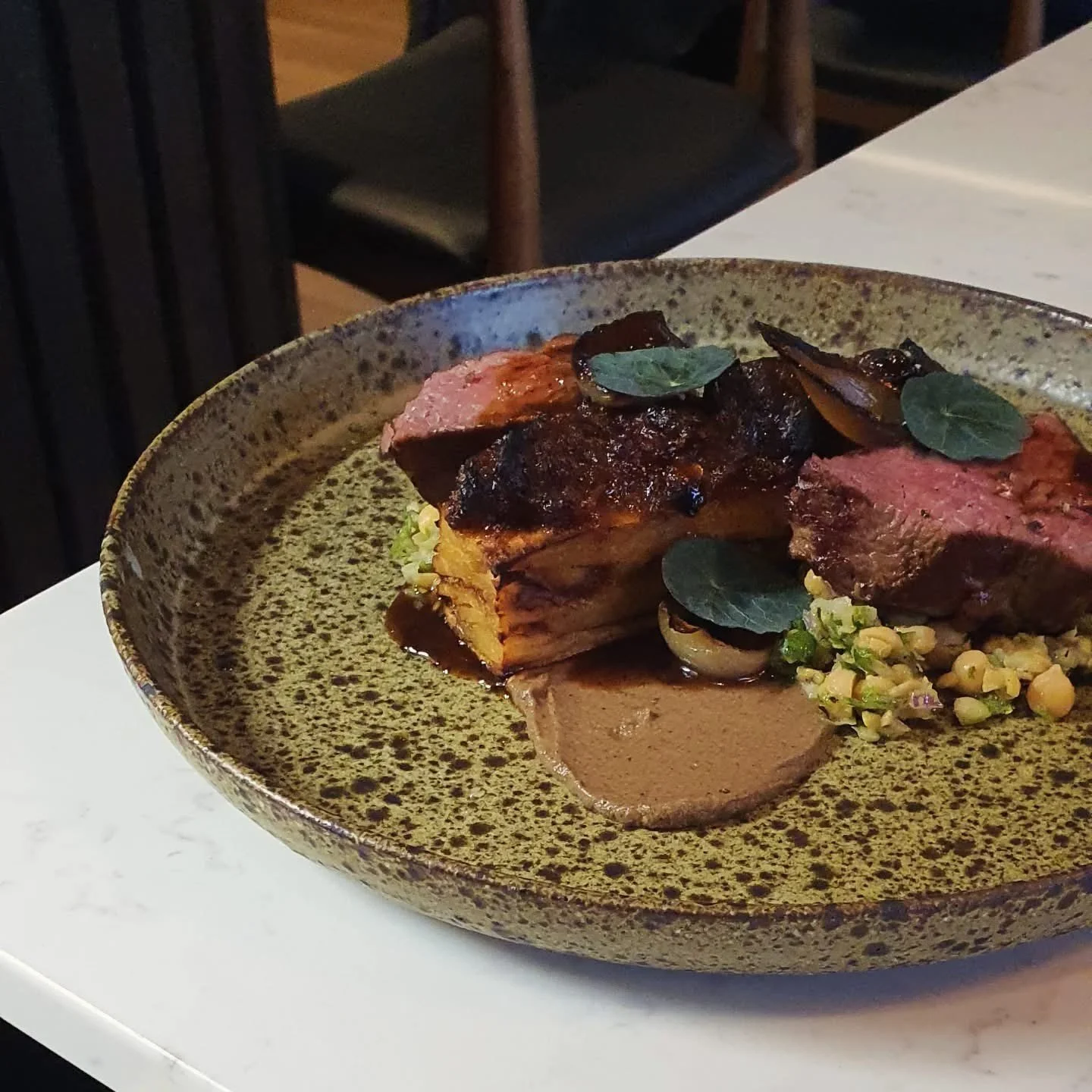
CELLAR 495
This boutique wine bar and eatery brings serious wine know-how to Hastings in a comfortable space. Led by Michael Henley, the 495th Master of Wine, the bistro-wine bar showcases Hawke’s Bay and international labels alongside sharing plates inspired by local produce.
319 Heretaunga Street East
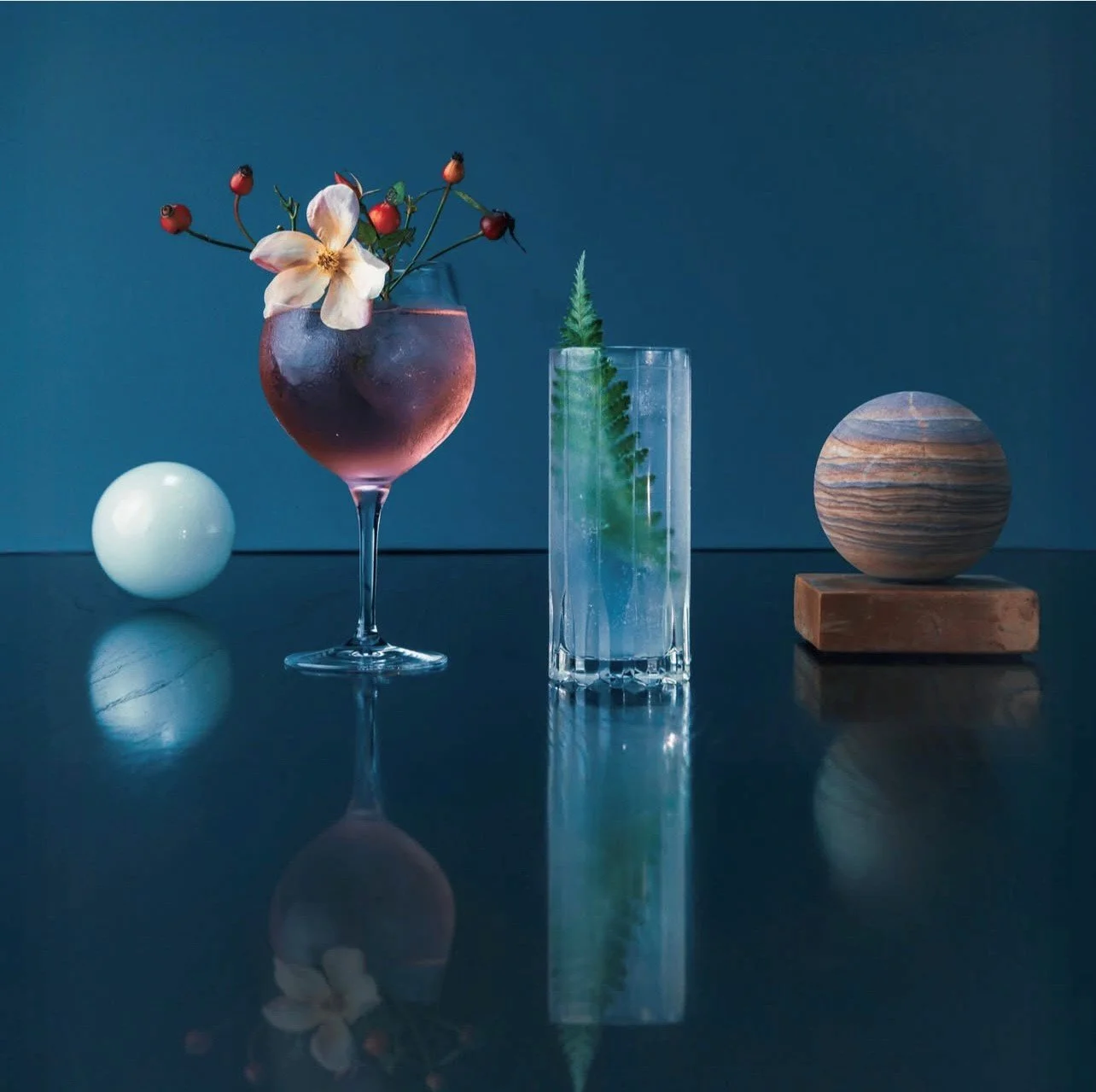
HASTINGS DISTILLERS
Hastings Distillers are doing clever things in a beautifully-restored Art Deco space. As New Zealand’s f irst certified-organic artisan spirits house, they craft distinctive gins and elegant liqueurs using wild-foraged botanicals, exotic French spices and pure spring water. Their award-winning “East Block 200” gin, made with ten organic botanicals (eight from Hawke’s Bay), picked up Double Gold at the New Zealand Spirit Awards. The tasting room doubles as a casual cocktail stop and bottle-shop, all in one.
231 Heretaunga Street East
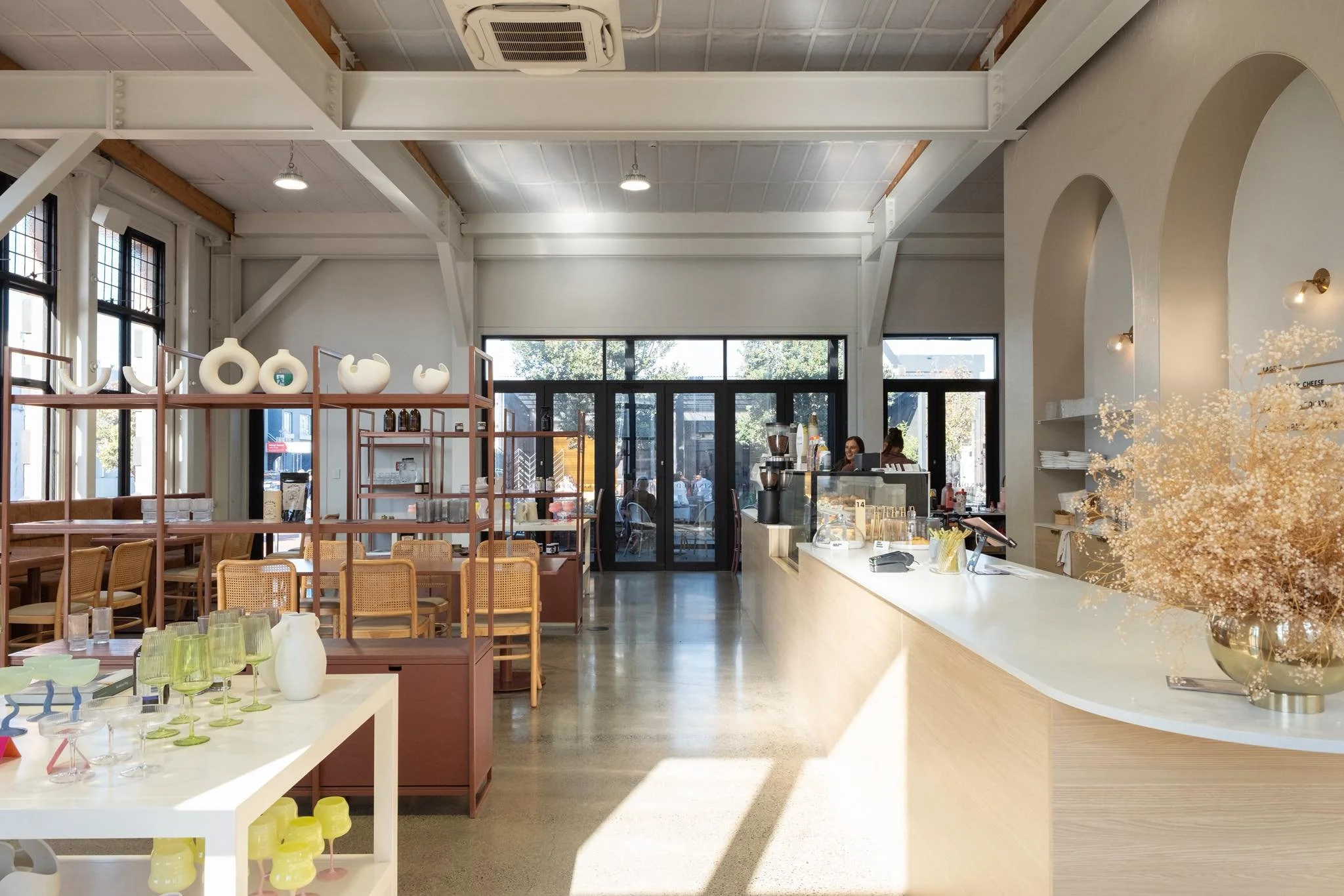
KINDRED ROAD
Kindred Road is a homewares and lifestyle boutique that brings together local craft, sustainable design and good coffee under one roof. The stylish interiors and in-house café make it an easy place to linger while browsing seriously cool finds. A beautiful stop for gifts or a little treat — the bagels are a must.
201 Queen Street East
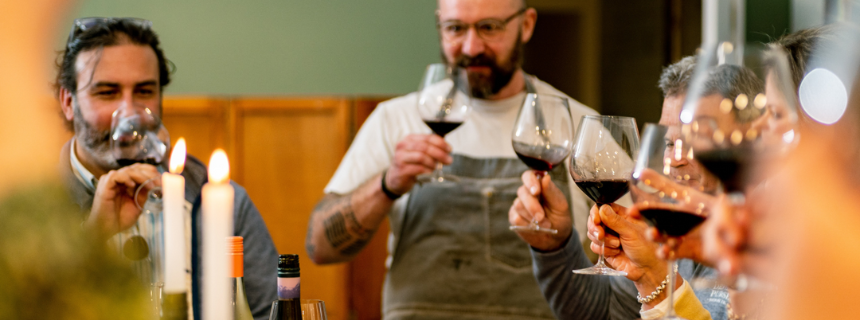
DECIBEL WINES
Located in downtown Hastings, Decibel Wines is run by a winemaker with a rock-band-manager past — yes, really. Born from a love of music and a touch of rebellion, Decibel has carved out a name as Hawke’s Bay’s cool, counter-culture winery. The tasting room is light and unpretentious, pouring small-batch wines that are fine but fun and best shared with good food and great company.
101 Warren Street South
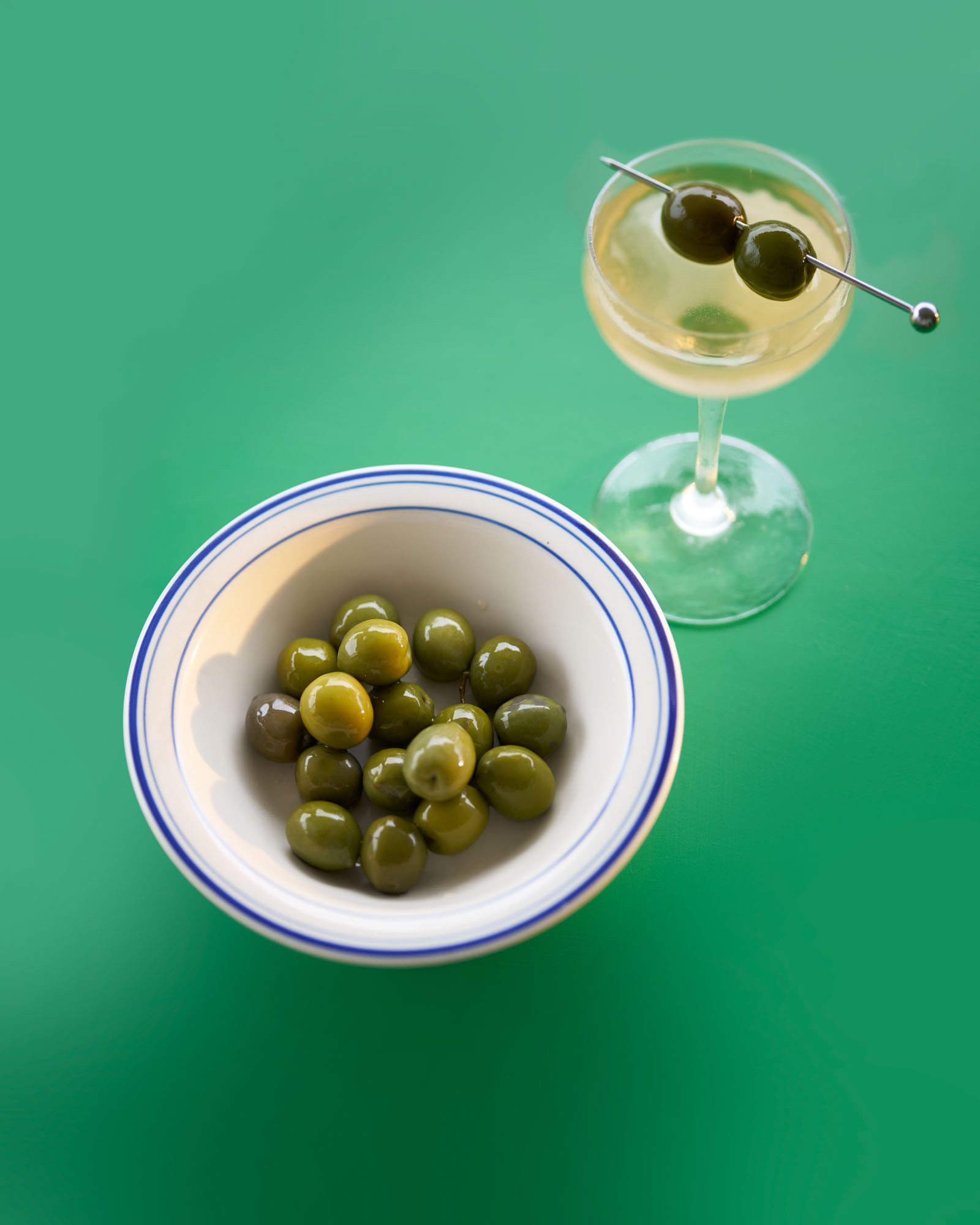
NAPIER UNCOVERED
Beachside strolls, great eats, creative corners and cool local finds. Napier’s got character in spades and plenty to explore. Here’s where to shop, eat, drink and wander while you’re in town.
Beachside strolls, great eats, creative corners and cool local finds. Napier’s got character in spades and plenty to explore. Here’s where to shop, eat, drink and wander while you’re in town.
SHOP
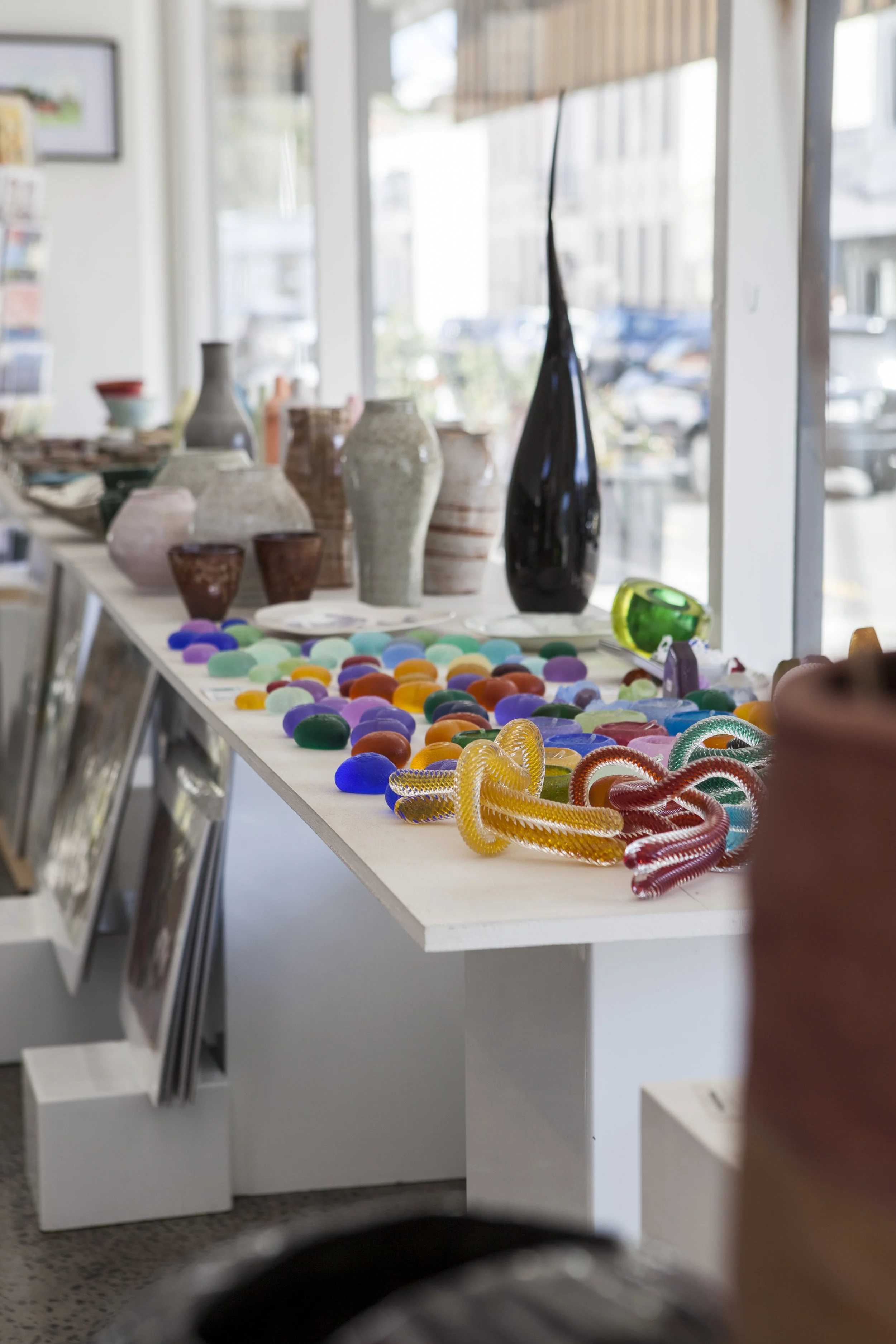
TENNYSON GALLERY
Tennyson Gallery is owner Lizzie’s celebration of New Zealand creativity. This bright, welcoming space is filled with art that’s as diverse as it is beautiful. Expect everything from bold paintings and fine-art prints to glasswork, sculpture and contemporary jewellery. It’s the perfect spot for anyone who loves original, homegrown talent.
Cnr Tennyson & Hastings Streets
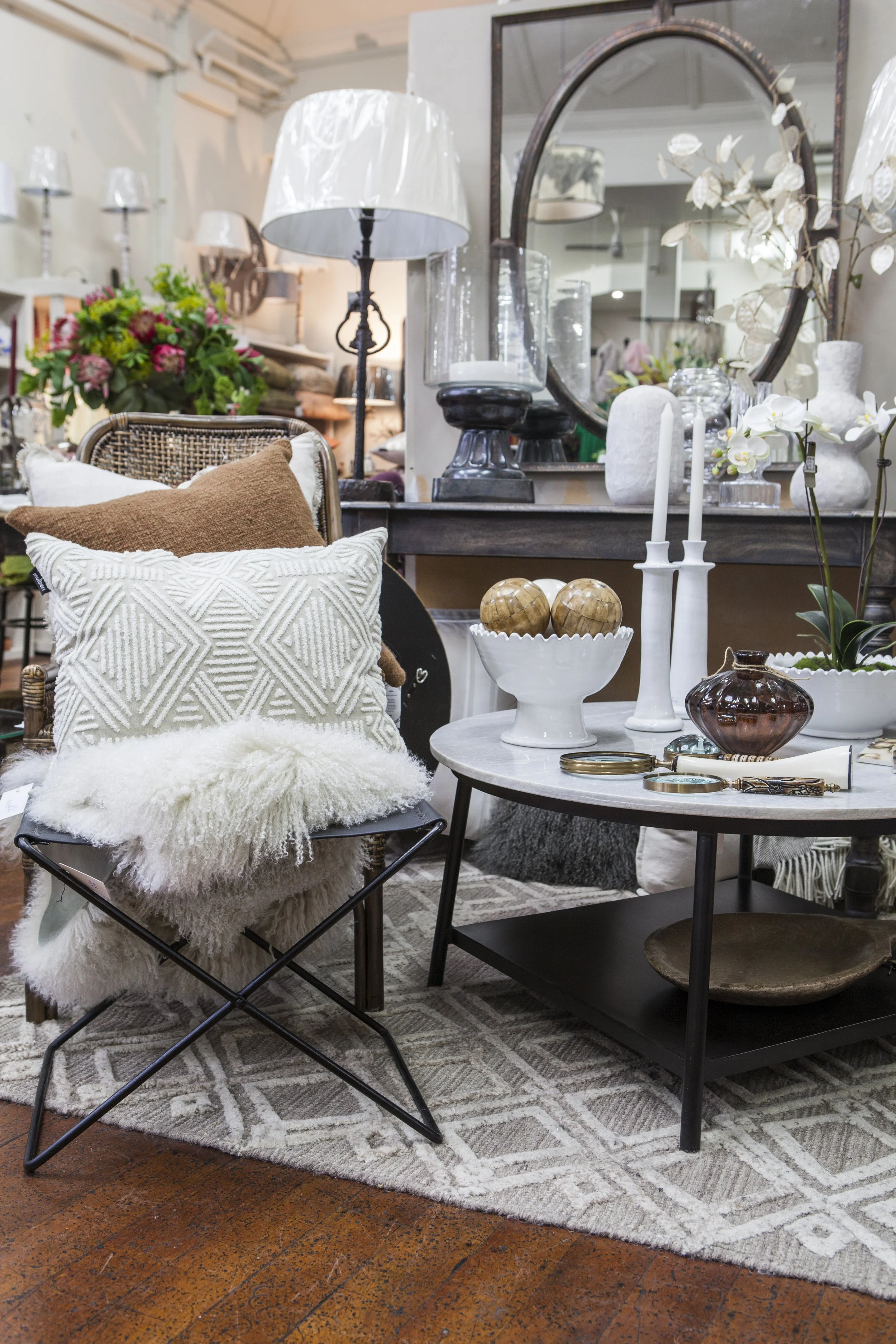
BROCANTE
Andrea’s gorgeous store is filled with unexpected and utterly seductive treasures. It’s an eclectic blend of exclusive homewares, vintage design, jewellery, scarves, clothing and body products. If you love a little French flair, then Brocante is the place for you. And don’t miss the impressive 1930s stained-glass ceiling dome.
31 Tennyson Street
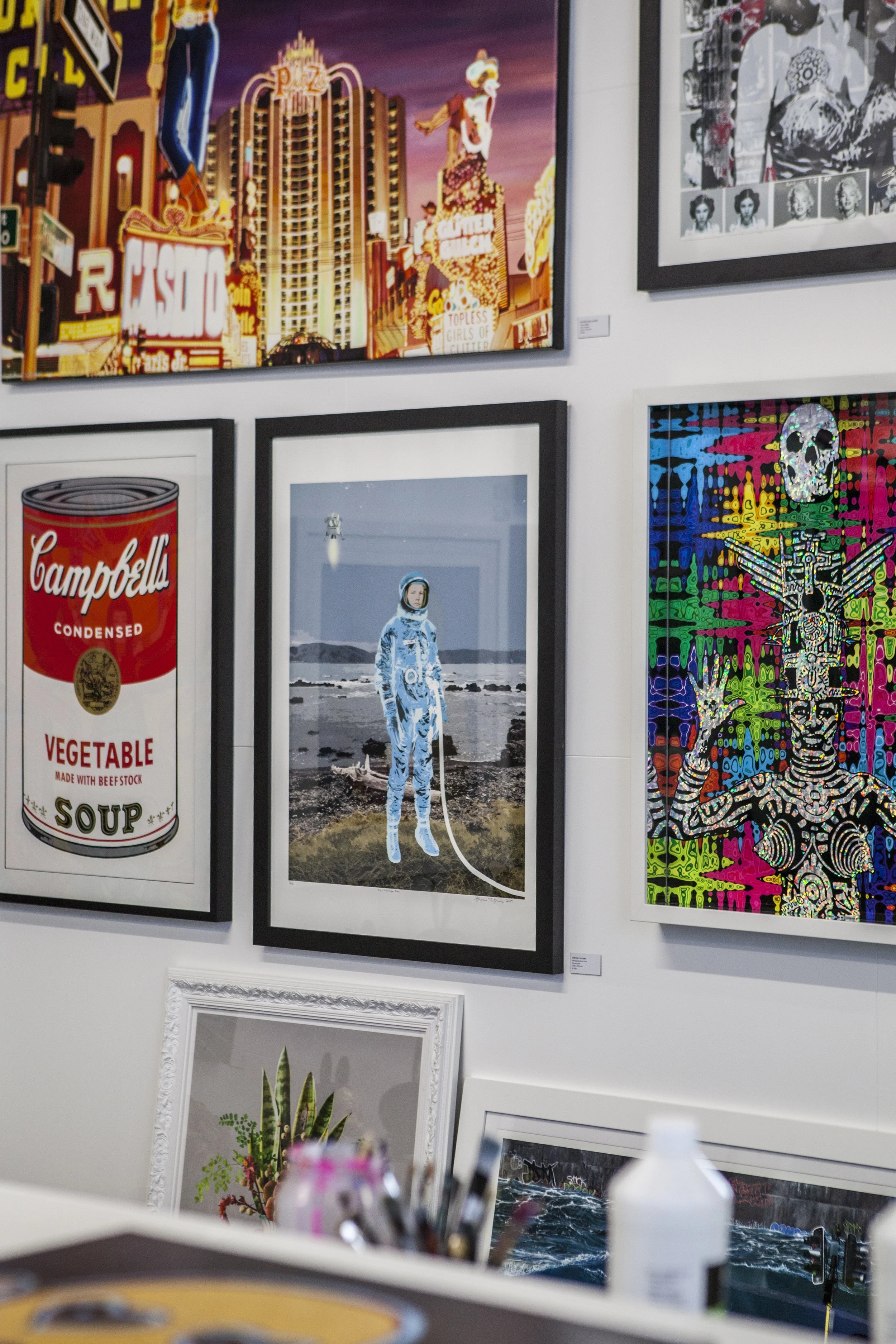
BOYD-DUNLOP GALLERY
Richard and Elise’s gallery is a cornerstone of the city’s art scene, showcasing a wide selection of contemporary and fine art prints across two stunning levels. Open daily and featuring regular exhibitions from leading New Zealand artists, it’s always worth the visit.
4 Hastings Street
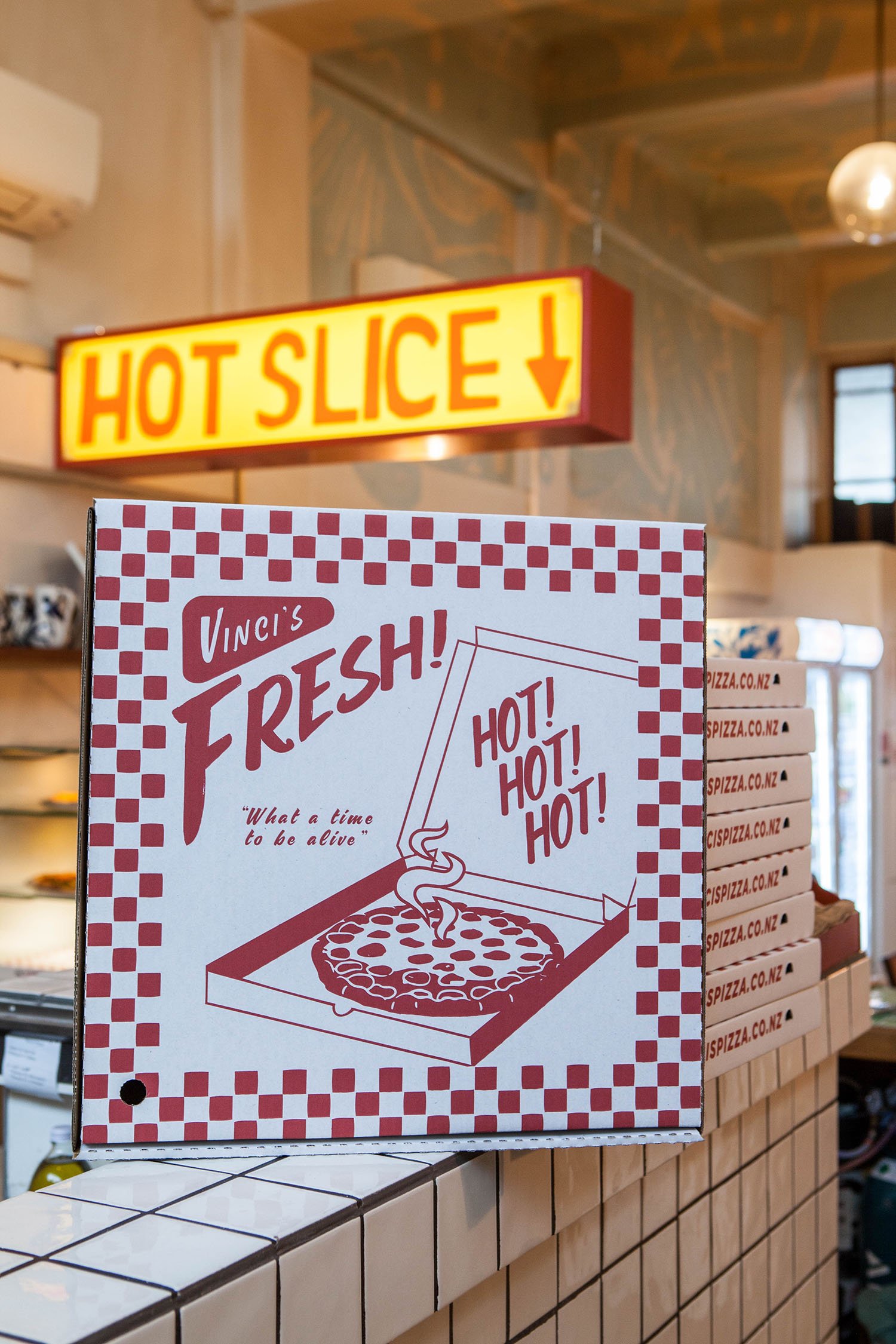
VINCI'S PIZZA
Vincent has brought a vibrant street side vibe to life while renovating indoors. Enjoy hand-stretched sourdough pizza by the slice or as an 18-inch whole pie. Grab a quick bite or settle in with friends and family. With a great range of independent craft beers, wine on tap and house-batch cocktails, every day is a pizza day. Open seven days from 11 am. Dine in or take out.
29A Hastings Street
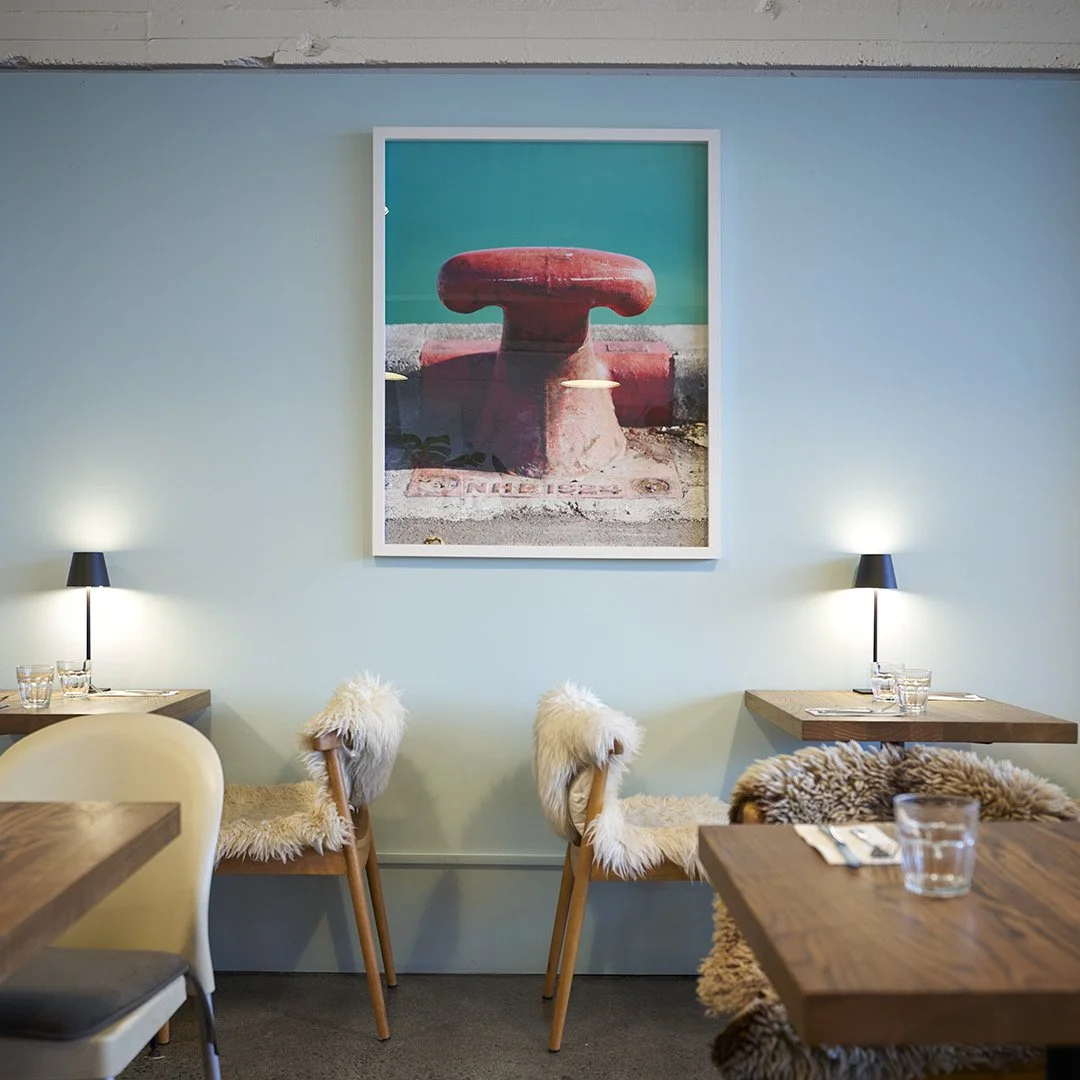
HUNGER MONGER
Fraser and Agnieszka’s menu is a true celebration of the sea. Packed with as much variety as they can find, a few favourites remain, while most dishes ebb and flow with the seasons. Sample a range of Snacks and Smalls, or choose from a select few mains. It’s a strictly seafood affair in a modern, retro restaurant by the sea, with no meat in sight.
29 Marine Parade
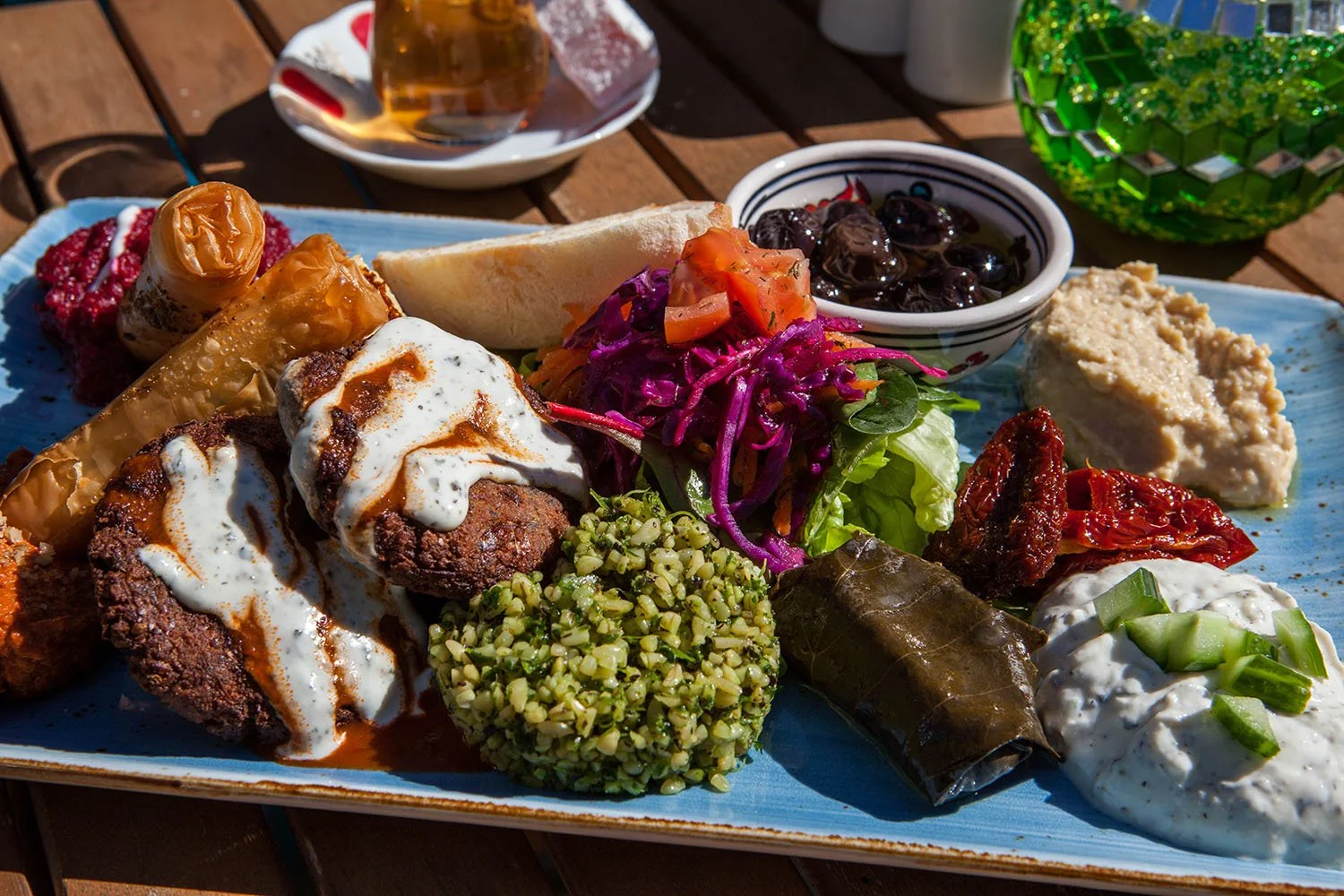
DAJKO’S KILIM CAFÉ
Once known as Kilim Café, this long-time favourite has grown into something new. The Balkan-style grill celebrates the flavours of Eastern Europe while holding onto its Turkish roots. Chef-owner Yusuf Dogru, who grew up in Istanbul and has called Hawke’s Bay home for years, brings his culture to life through dishes like smoky cevapi, juicy kebabs and richly layered iskenders. As one of the few BYO spots in town, it’s a great place to catch up with friends over a relaxed meal in the sunny courtyard.
193 Hastings Street
DRINK
ROGUE HOP SPEAKEASY
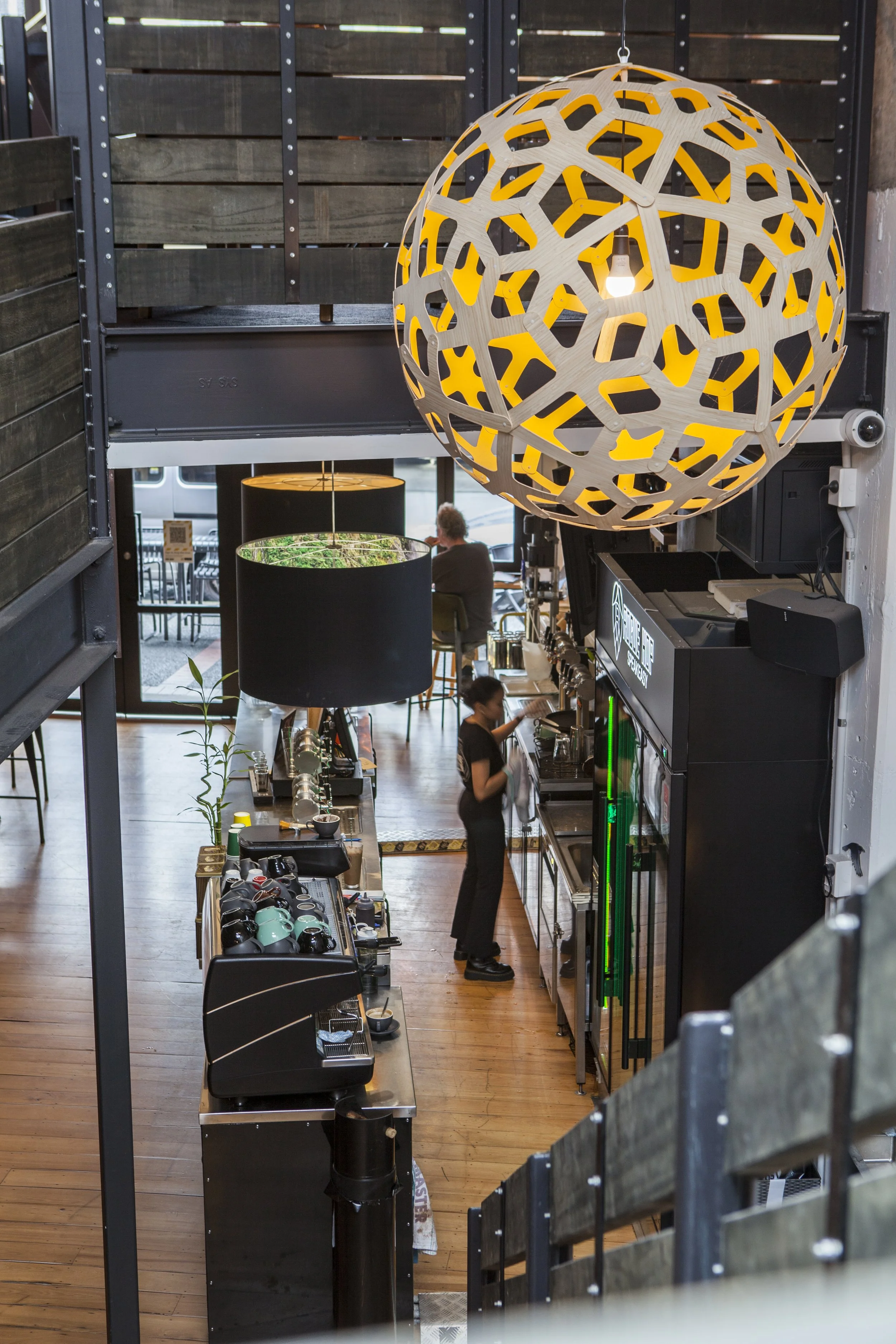
This is hospo legend Jeremy Bayliss’s latest addition, and it’s become an institution for locals and visitors alike. A stylish neighbourhood hangout with an upstairs lounge, this is the perfect spot for a laugh over a tipple. Exclusive New Zealand craft beer, wine and spirits, plus handmade dumplings and burgers. Available for private functions and events.
113 Hastings Street
MARKET ST
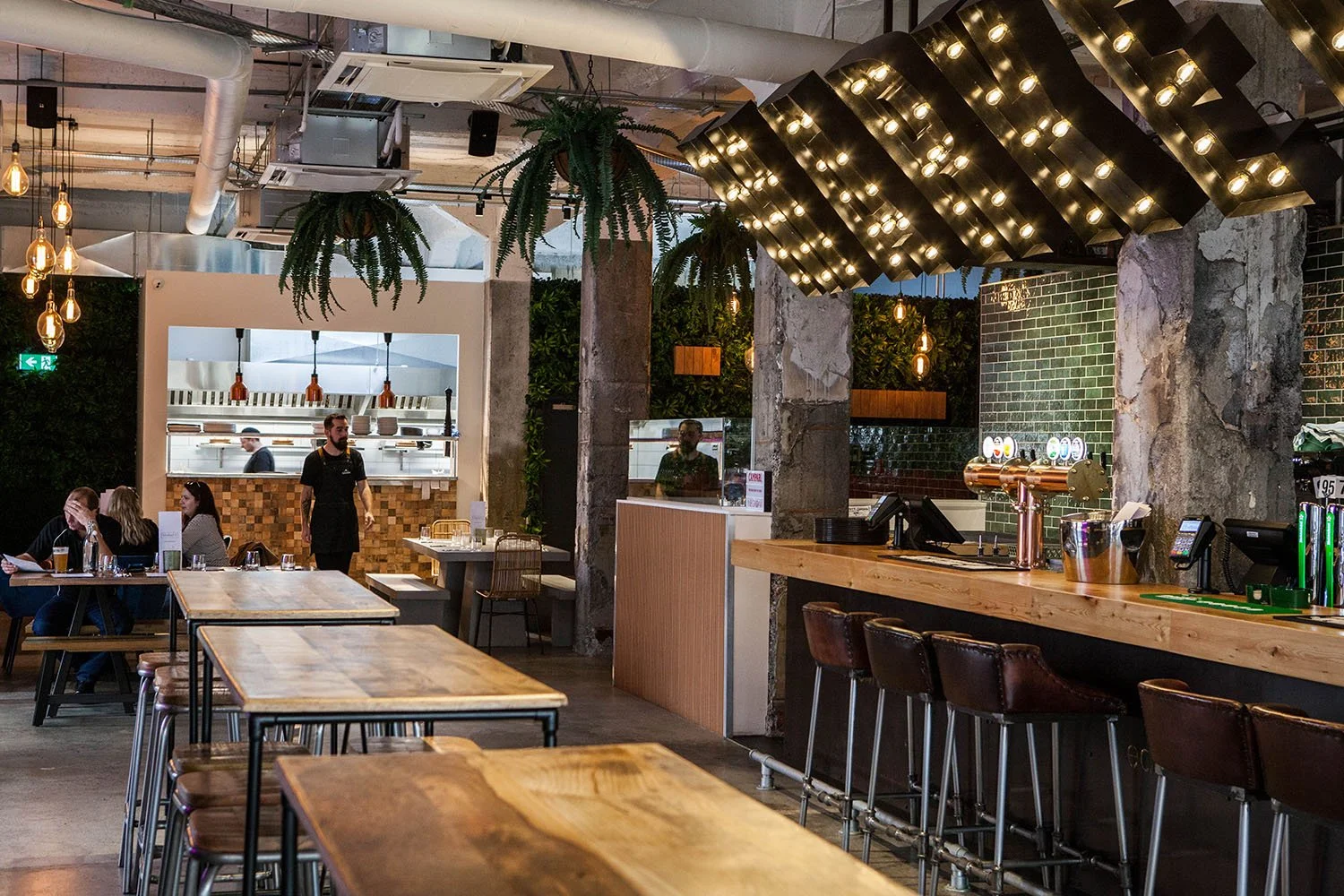
In the heart of the CBD, Market St is a modern city bar with a fun, local vibe. Owners Steve and Sarah have turned the old Cri into a buzzing little hangout where the food’s fresh, the drinks flow and nothing feels fussy. The menu changes with the seasons, and weekly specials like Burger & Brew Tuesdays and Dollar Dumpling Thursdays keep things playful. With daily Happy Hour and $12 cocktails on Saturdays, it’s the kind of place that makes any excuse a good one to drop in.
8 Market Street
GOLDIE’S
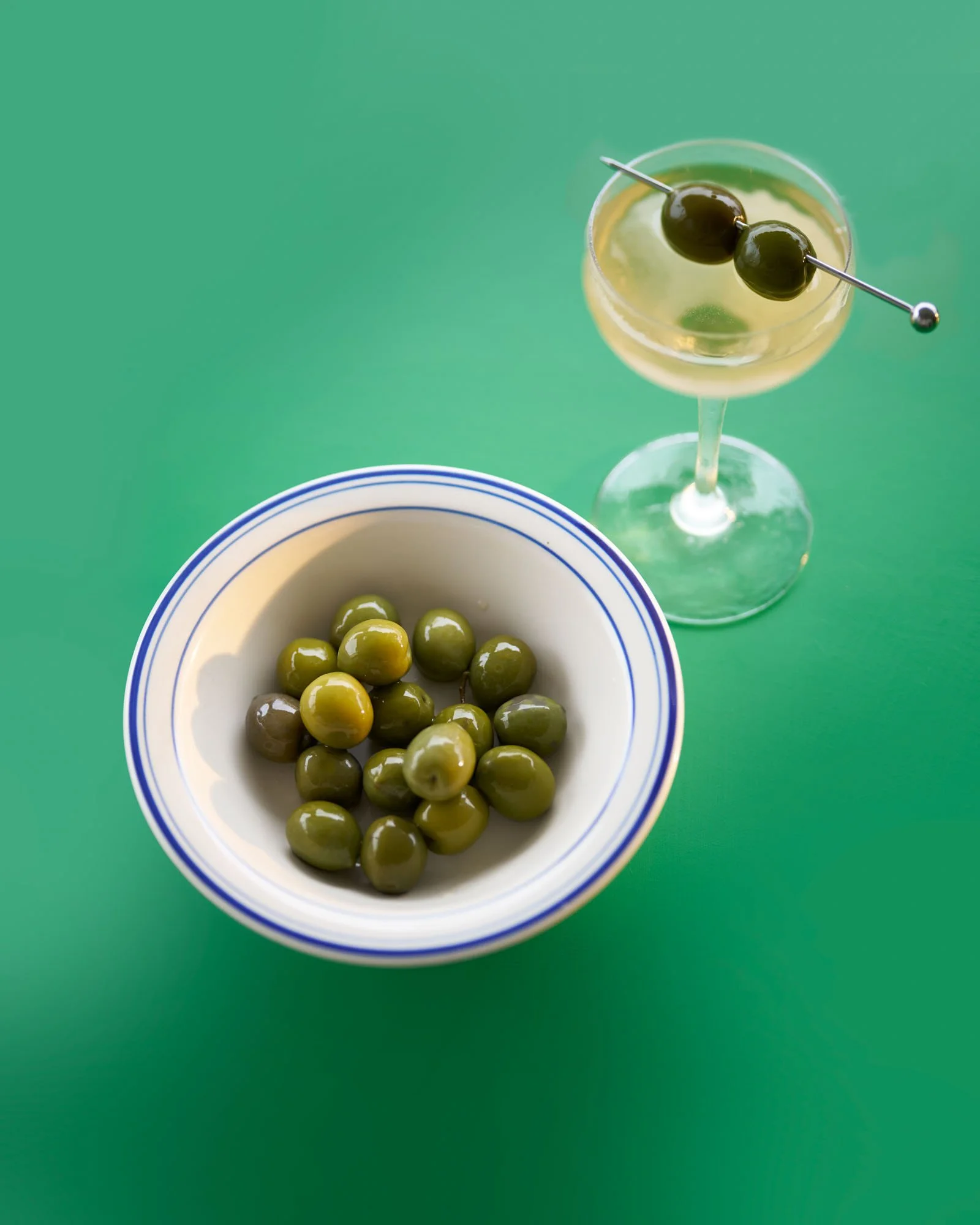
Goldie’s is the city’s newest go-to for easy, honest, seriously delicious food in a casual but vibrant setting. Owners Grant and Alice have created a little gem where you can bring the kids, meet friends or just drop in for something good to eat. The menu leans toward classic favourites infused with fresh f lavours. Add in craft beers, great coffee and plenty of buzz, and it’s easy to see why Goldie’s is quickly finding its crowd.
82 Dalton Street
PLAY/DO
BLUFF HILL WALKS
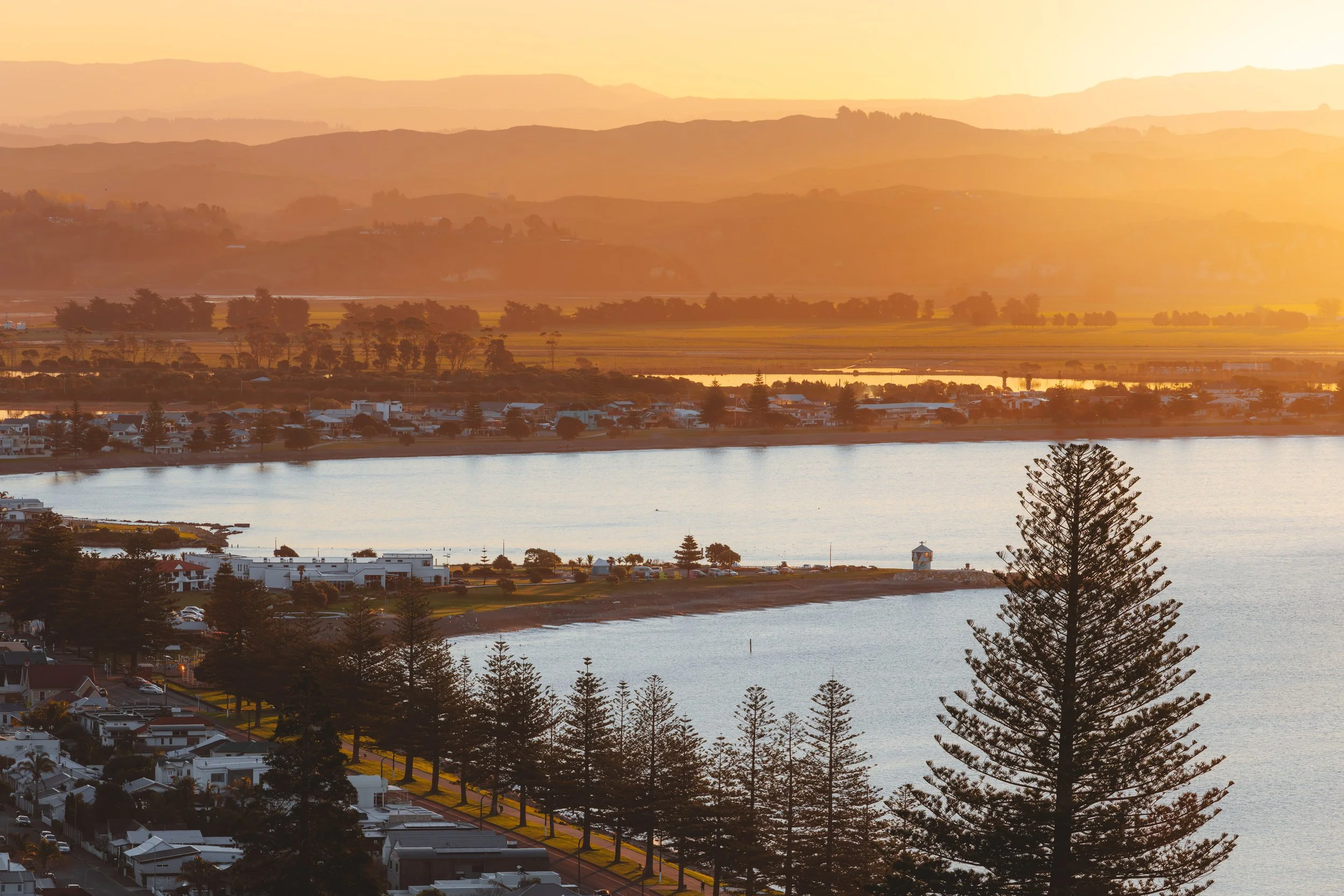
Get your step count up with the city’s scenic hill walks right from the CBD. Climb Bluff Hill Lookout for sweeping harbour views, wander the historic streets of Napier Hill past Art Deco homes or tackle the zigzag tracks linking the city to leafy reserves. Every route rewards you with breathtaking views across the coast and city.
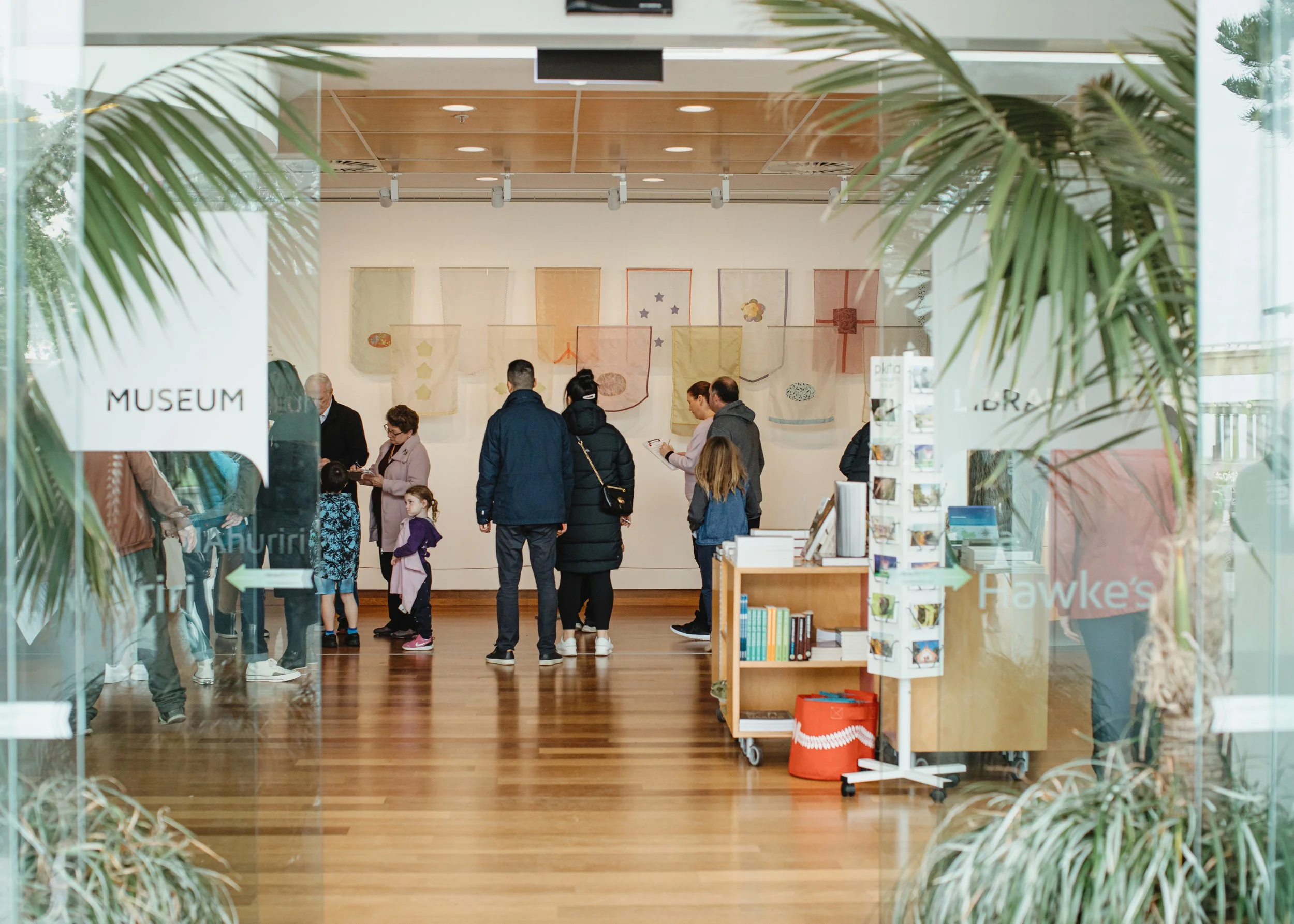
MTG HAWKE’S BAY
In the centre of the city, MTG Hawke’s Bay combines museum, theatre and gallery spaces in a beautifully restored heritage building. Exhibitions change often, blending art, history and local stories — from the 1931 earthquake to contemporary culture. With kids’ activities, theatre events and a museum shop, there’s something here for everyone. Open daily 9.30 am–5 pm. Free entry.
1 Tennyson Street
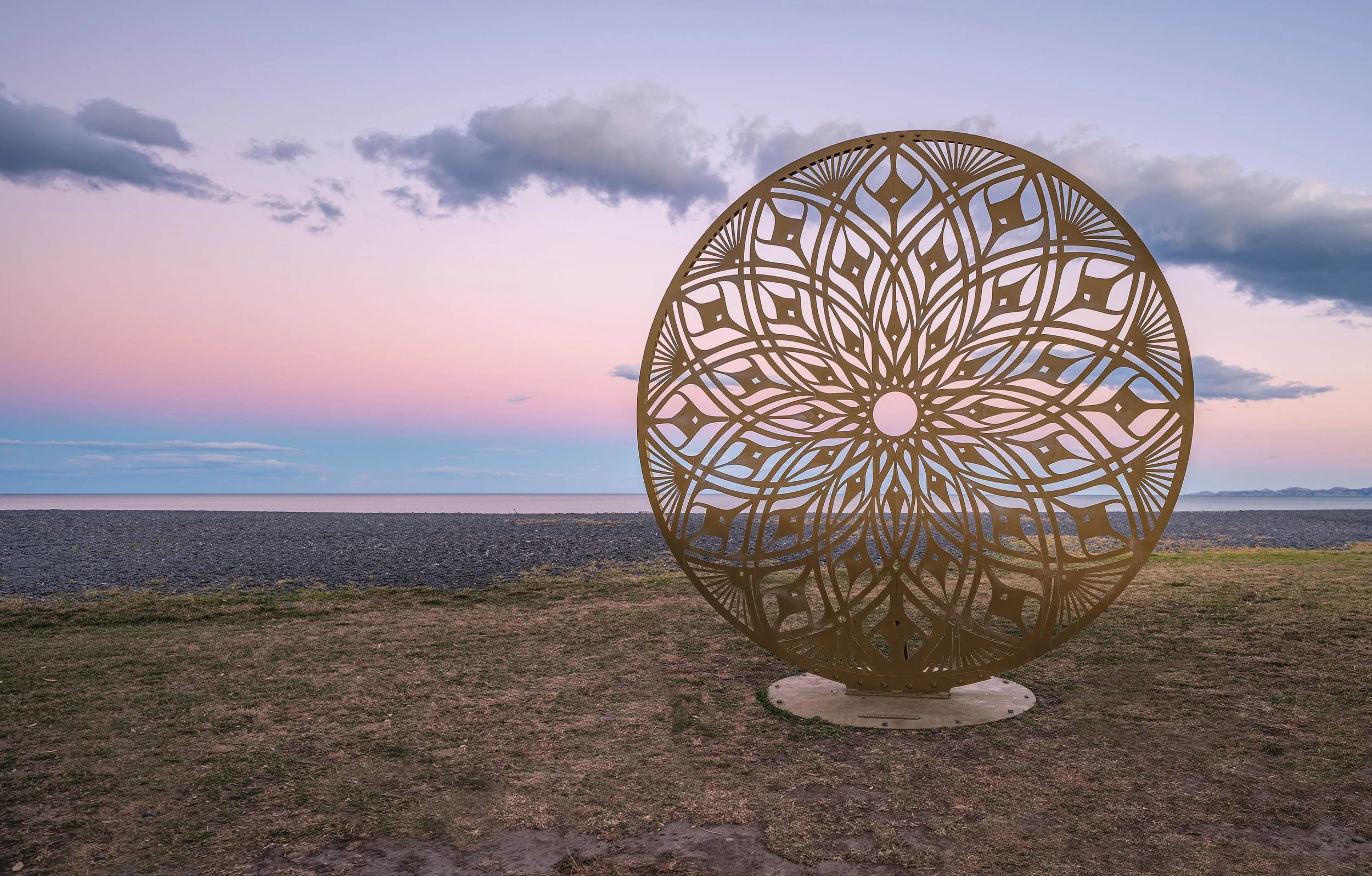
MARINE PARADE ACTIVITIES
Along the coast, Marine Parade offers one of the loveliest ways to feel the sea breeze — wide paths for walking, gardens to pause in and palm trees that line the Parade. Home to the Pania of the Reef statue, the Sunken Gardens and Ocean Spa, it’s popular with families, cyclists and anyone keen to sit and take in the view.
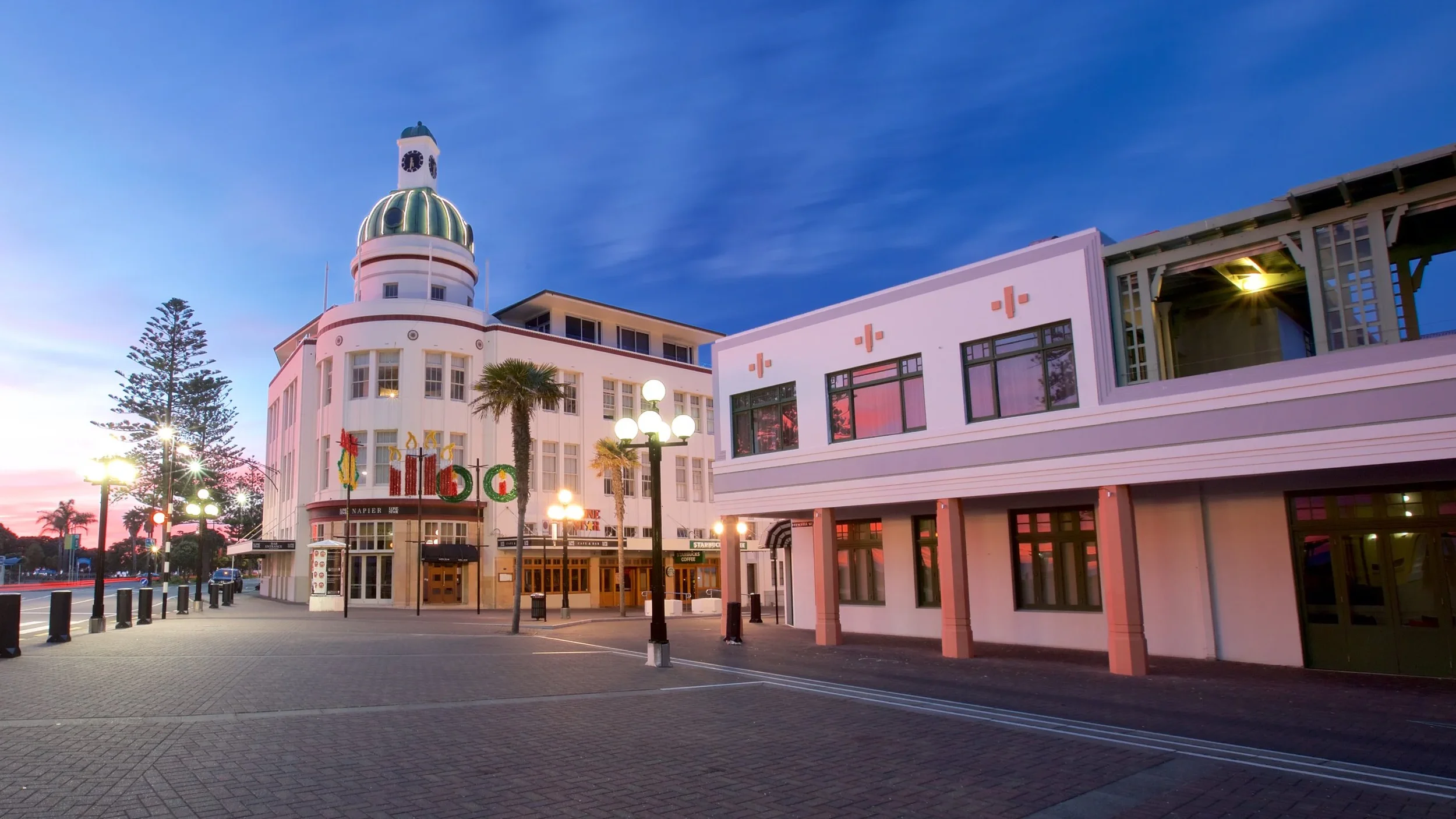
BAY TO BAY
Hayley Barnett discovers the perfect itinerary for a weekend getaway in another glorious Bay, the delightfully decadent Hawke’s Bay region.
Hayley Barnett discovers the perfect itinerary for a weekend getaway in another glorious Bay, the delightfully decadent Hawke’s Bay region.
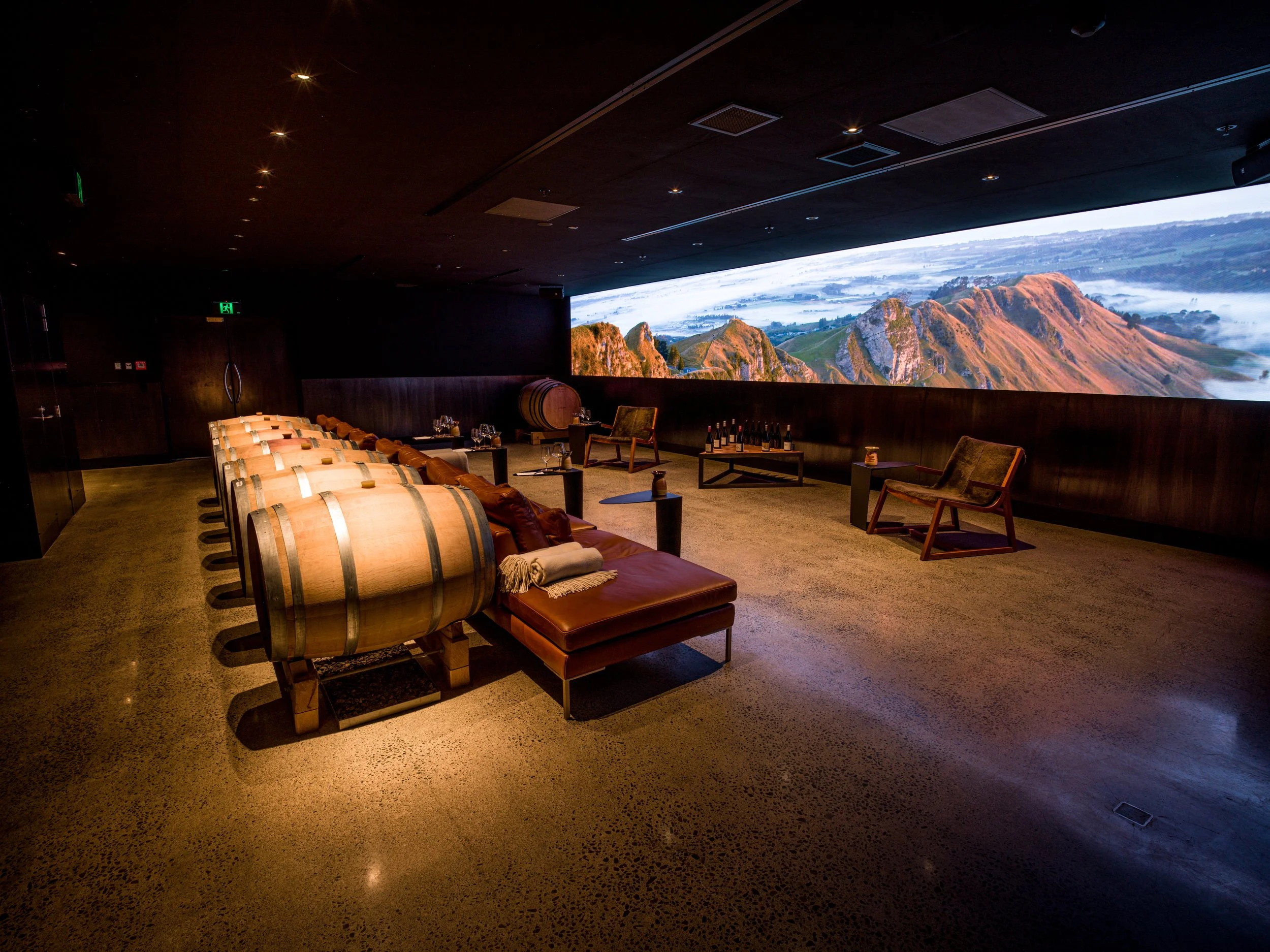
Smith & Sheth
As the end of the year began hurtling towards us at breakneck speed, my husband and I decided an indulgent weekend escape from the chaos was just what we needed. For a couple of foodies and fairly inexperienced winos, Hawke’s Bay proved the place to unwind and reconnect.
About four hours drive from the Bay of Plenty, Hawke’s Bay is made up of three main centres – Havelock North, Napier and Hastings. Though there are excellent taxi and Uber services, we opted to drive, enjoying the freedom to move at our own pace, while still using taxis and bikes between wineries.
Havelock North was our first stop, and our base for the night. This charming town has an unexpectedly abundant array of beautiful clothing boutiques, cafes and gift stores that could easily consume hours of wandering. But we weren’t here to shop. We were here for the wine, and focus was key.
Arriving at Smith & Sheth, a wine lounge (or wine library) and cellar door, we immediately realised the bar was set high. We were welcomed by Sean, head sommelier, who has worked alongside Steve Smith for the past decade. Steve has a formidable reputation, establishing Craggy Range in Hawke’s Bay and Martinborough, and achieving the highly-coveted Master of Wine in under two years, a process that usually takes much longer. When he met Brian Sheth, an investor, wildlife conservationist and wine lover from Austin, Texas, they created Cru, an exceptional range of wines that we were lucky to sample inside what could only be described as a wine cinema. Here, we learned the differences between blends and the production process. The experience is thoughtfully curated and offers an intimate and fresh way to explore wine, without leaving town.
Porters Boutique Hotel & Conference Centre
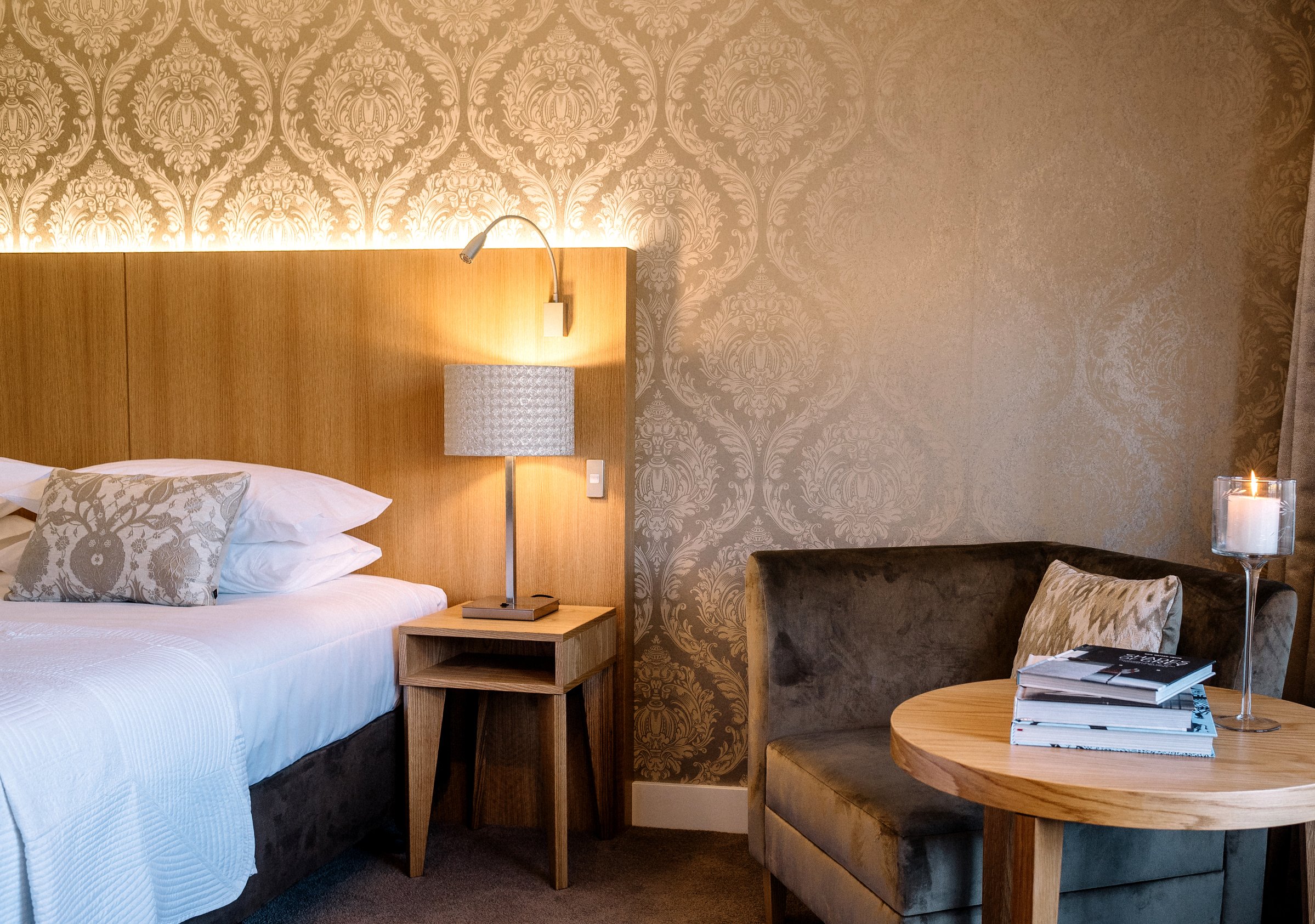
Located within the same building as Smith & Sheth’s wine lounge, Porters Boutique Hotel & Conference Centre is elegant, understated and perfectly situated for those wanting to immerse themselves in Havelock North. Every detail, from soft lighting to attentive service, made us feel cocooned from the world, even though we were just steps away from boutique cafes, artisan stores and wine bars. We could have spent hours in our spacious suite, but a date with one of the region’s premiere wine festivals awaited in neighbouring Hastings.
Taste Hastings
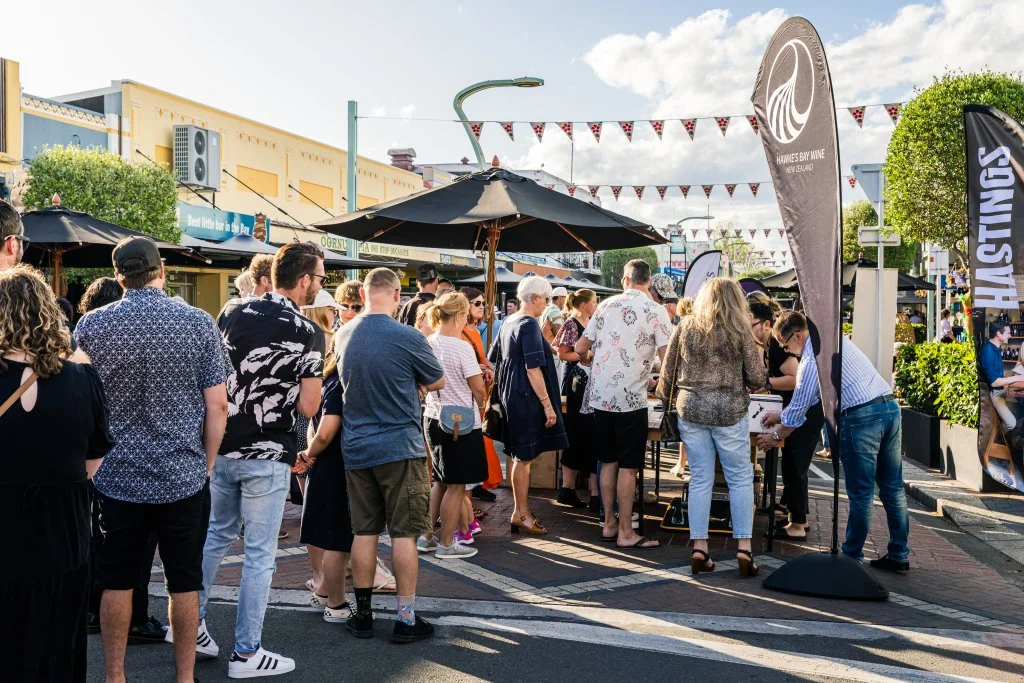
Just a 10-minute drive from Havelock North, Hastings recently earned a reputation for sophistication. Modern bars, cafes, restaurants and shops have transformed it into a lively hub. That evening, we made our way through stalls from winemakers across Hawke’s Bay at Taste Hastings and learned all about the region’s wine culture, chatting with stall holders and dancing to live bands and DJs on every corner. It was a great way to get a feel for the craftsmanship and amazing community vibe. From there, a taxi whisked us to one of the region’s most iconic wineries for a very different experience.
The Loft at Craggy Range
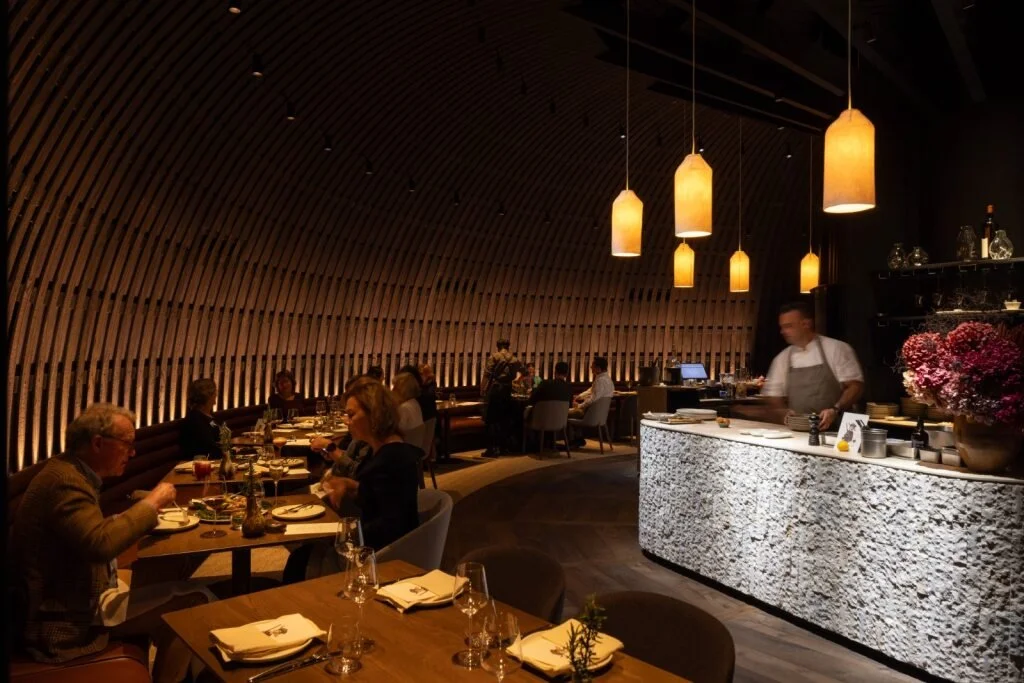
Our visit to Craggy Range did not disappoint. As the sun set, Te Mata Valley glowed with a magical, hazy light across the vines. We were there to try The Loft, a new dining experience above the main restaurant. Having made our way up the winding staircase, we were greeted by low lighting and an intimate setting. Tables were arranged in a semi-circle in front of the chefs and wood-fired oven. From the first bite to the last, the experience was flawless. Chef Casey McDonald takes diners on a culinary journey reflecting the dishes he loves to cook at home. The ‘Sprung’ spring menu celebrated seasonal ingredients with highlights including crayfish croissants and baked camembert.
The next morning, we discovered a delightful gem just minutes from the hotel. This family run cafe was filled to the brim with diners, but we managed to secure a table under a portrait of Maina, matriarch and inspiration behind the kitchen. The coffee was expertly crafted, complemented by poached eggs atop sourdough with avocado pea smash, feta, beetroot pur.e and hazelnut dukkha. Though satisfying, I wondered if it was the best prelude to a strenuous pilates reformer class.
Alma Studio
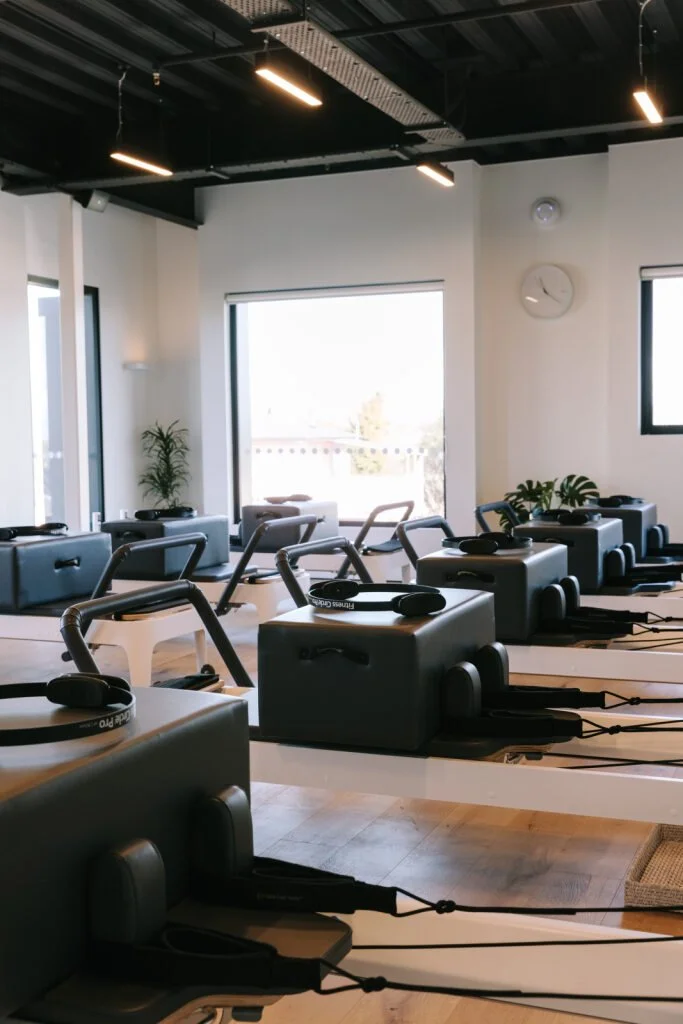
I needn’t have worried. Alma Studio offered a surprisingly transformative start to the day. While my husband opted for an extended infrared sauna session, I tackled my first pilates reformer class. Instructor and owner Danielle ensured the exercises were accessible, and each movement left me feeling lengthened and invigorated, a perfect counterbalance to our indulgent culinary adventures. Alma’s approach blends mindfulness, breath, strength and awareness, and put us in a great headspace to explore more of Hawke’s Bay.
Energised, we headed to Napier to hire e-bikes at Takaro Trails in Ahuriri. The route towards Taradale via Bayview promised stunning scenery. The path traces the harbour and wetlands, which made it feel strangely relaxing and adventurous at the same time. Informative signs along the way highlighted local wildlife, and the views were nothing short of breathtaking. When we realised we were late for lunch we simply turned it up a notch and “cycled” along the track with gusto.
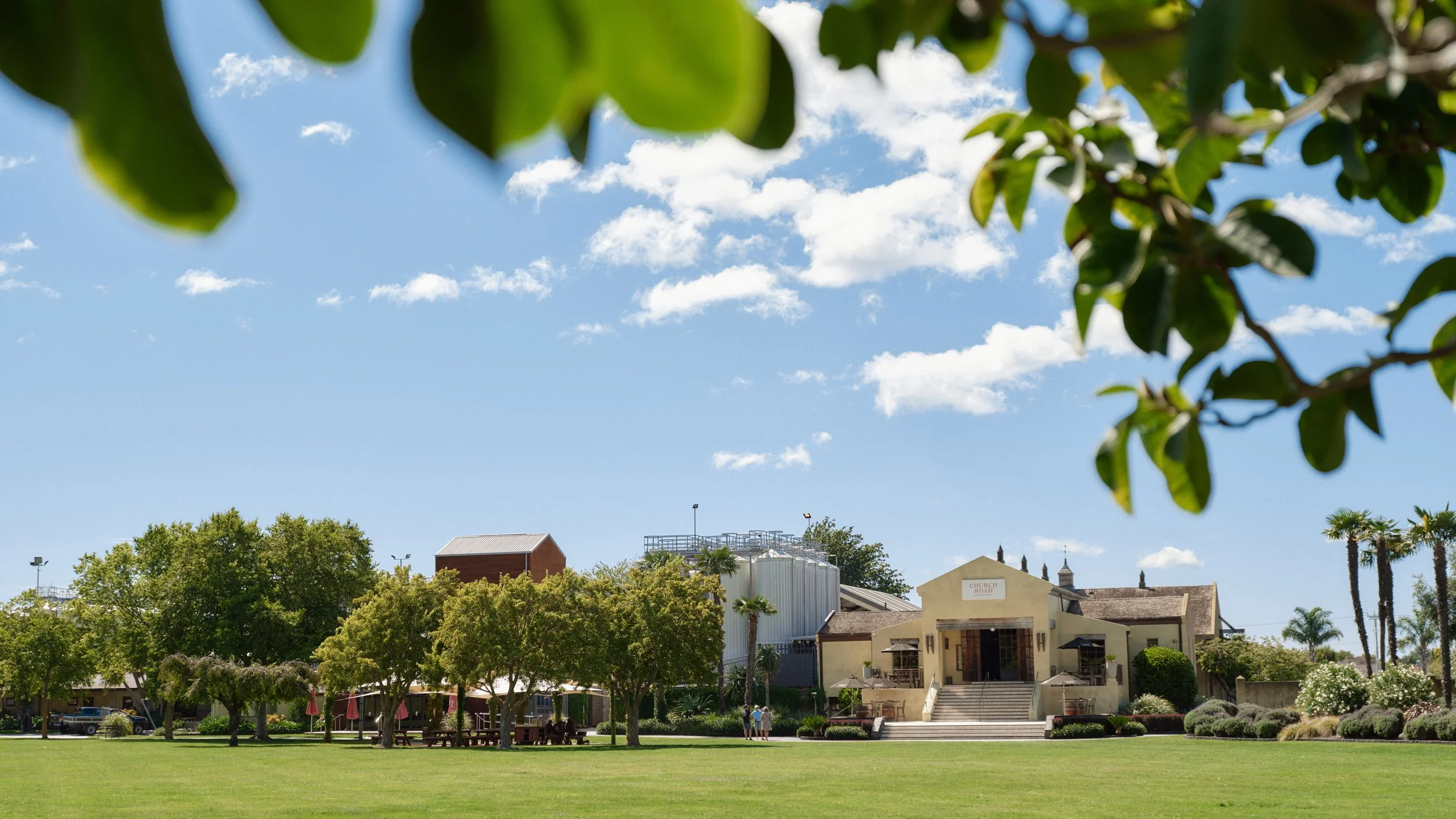
Church Road Winery
Arriving at one of Hawke's Bay's most awarded wineries, Church Road, it was clear we were in for a treat. Despite setting up for a wedding, staff accommodated us with a wine tasting. Sampling four wines from the prestigious TOM range, named after Hawke’s Bay wine pioneer Tom McDonald, we were guided through the complex flavour profiles by a knowledgeable sommelier. The experience was as much a history lesson as it was a tasting.
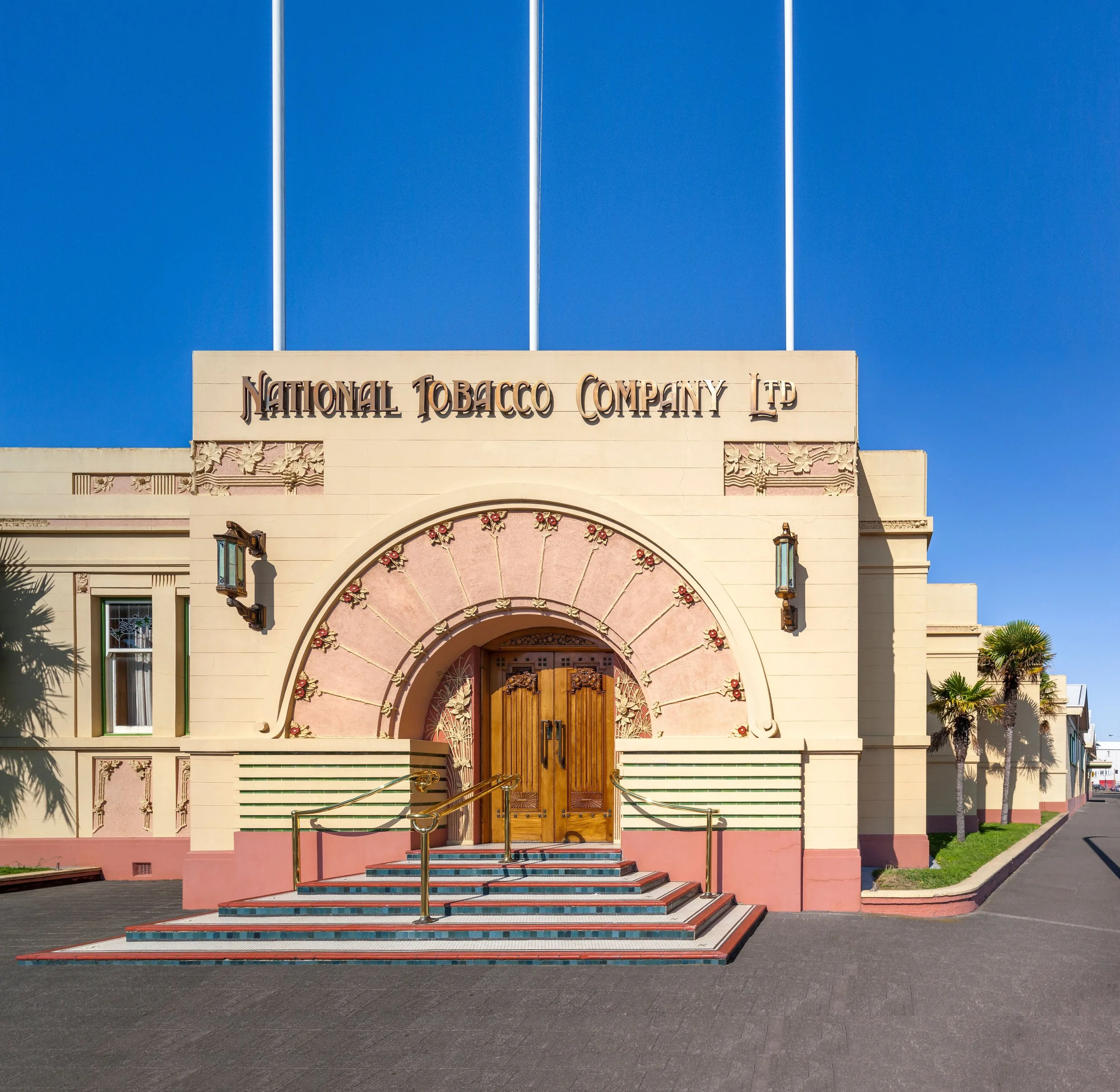
The National Gin Distillery
Before long, it was time to jump on a Takaro Trails shuttle back to Napier, where our indulgence continued at The National Gin Distillery. Housed in a restored art deco building, the distillery is still filled with memorabilia from its days as the National Tobacco Company, providing a very fun and eclectic tour for visitors. At the bar, gin guru Ginny (yes, that’s her real name) and co-owner/distiller Blair guided us through botanicals, distillation techniques and flavour profiles. Together, the pair balance creativity with local charm.
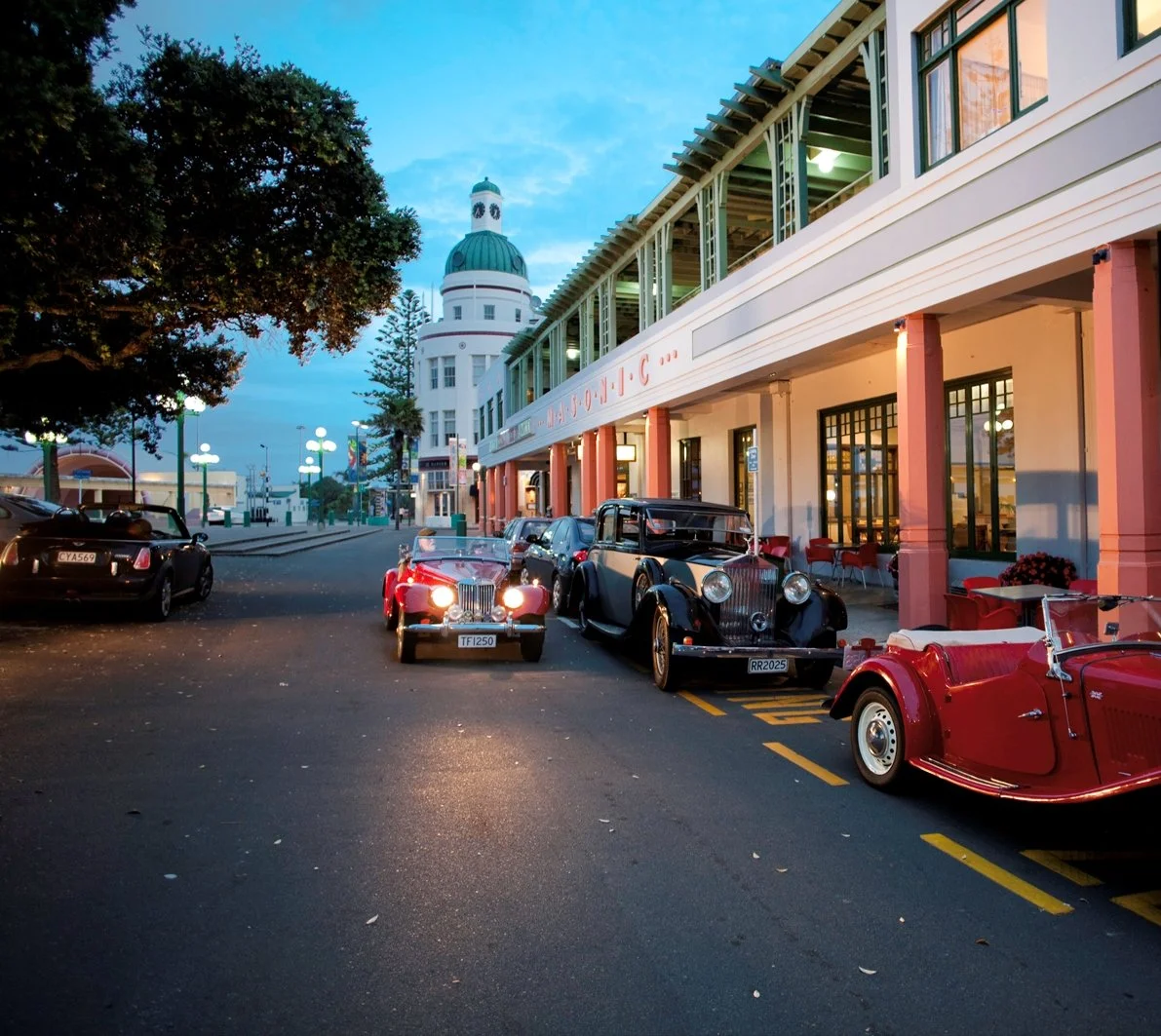
Art Deco Masonic Hotel
After hours of trying the many flavours Blair had concocted over the years, we headed off to our next accommodation. Tonight we were staying at the Art Deco Masonic Hotel in Napier. Entering the building was like stepping into a time machine. The iconic architecture, geometric lines and period detailing immediately set a tone of sophistication. Our Anna Pavlova suite, named after the celebrated dancer who stayed here in 1926, offered a shared balcony perfect for people-watching.
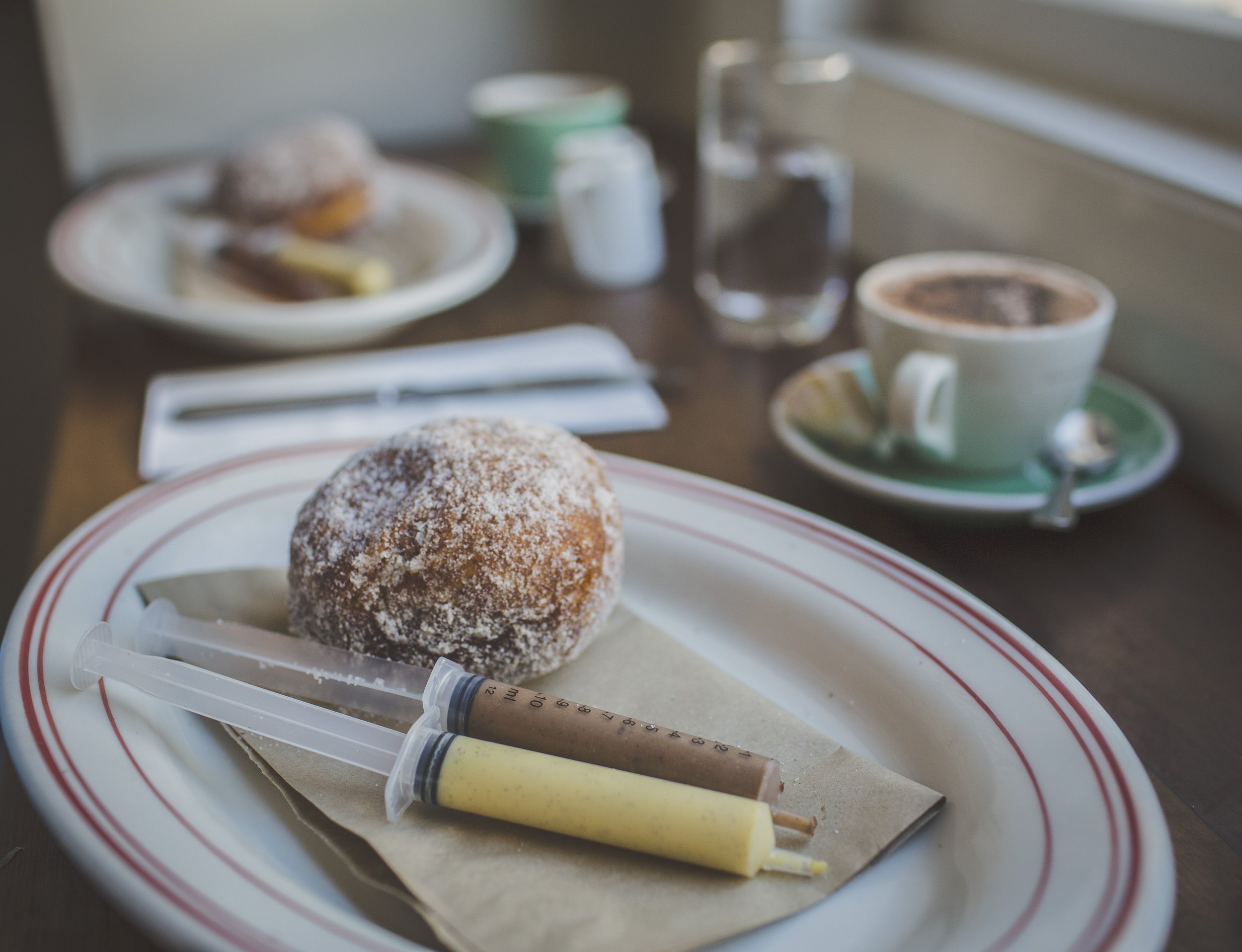
Mister D
The stay was an experience in itself, but our hunger forced us back out the door. Just a short walk away, Mister D bistro turned out to the perfect choice for dinner. Combining music, wine and food, the bistro describes itself as “a little bit country and a little bit rock ‘n’ roll”, but it’s also a lot about flavour. Each plate showcased seasonal ingredients and inventive pairings, and highlights included duck risotto, baked cheesecake and the signature injectable donuts.
Baked Cafe
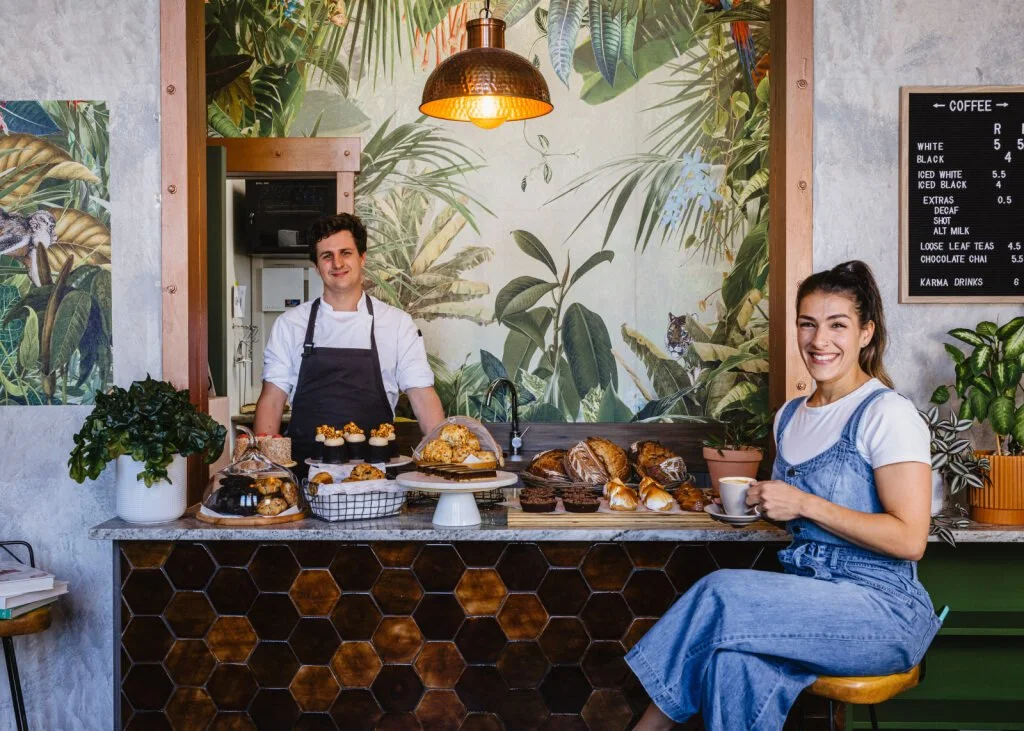
The next day we emerged bleary-eyed and on the hunt for something sweet to take the edge off. Baked Cafe, housed in the old Central Fire Station, offered just what we were looking for. The aroma of freshly baked bread and pastries promised simple pleasures executed perfectly. We shared a ham and mortadella pastry and a hazelnut-chocolate croissant, accompanied by impeccably balanced flat whites. We tucked in and fueled up before we took off for our next activity.

The best way to explore Napier is by vintage car, so we headed across the road to the Art Deco Centre. Our driver, in period attire, transported us through the 1930s, narrating the story of the devastating earthquake and the town’s rapid reconstruction.
As we cruised past pastel facades, waving to curious passers-by, Napier's glamour was well and truly on show and we were wholly swept up in its charm.
We were then dropped at Roam Cafe, which is tucked inside one of the Six Sisters buildings and offers a relaxed lunch with views of the water. The Nashville Hot Chicken burger was a hangover-curing triumph and was balanced with a healthy vegan bowl — equally delicious.
Ocean Spa
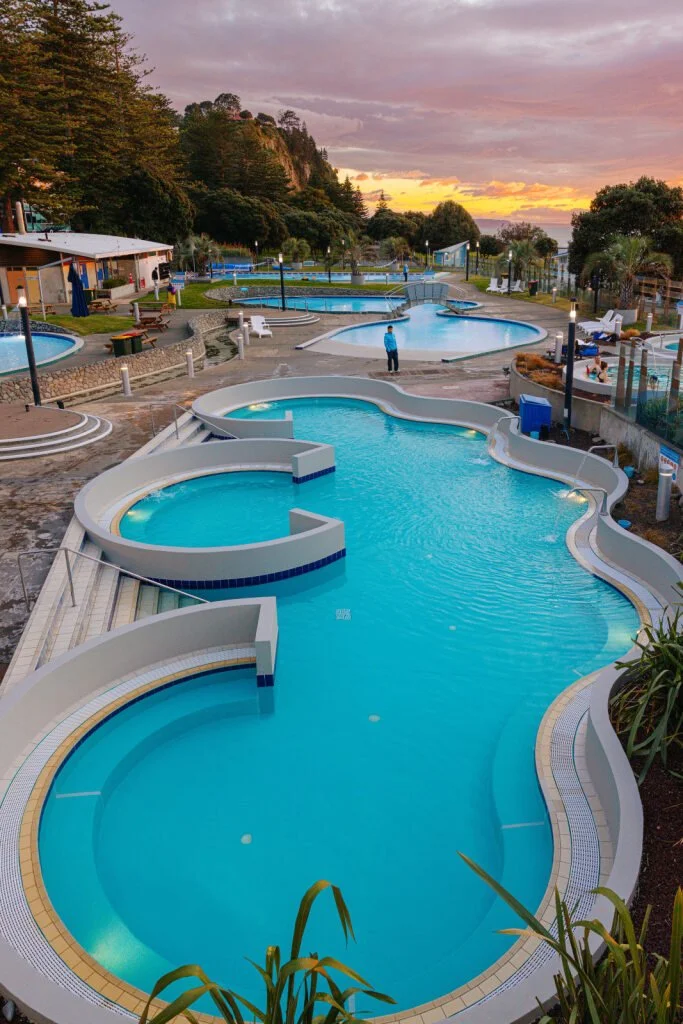
Our journey concluded at Ocean Spa, perched on the waterfront. With three large pools and two spas overlooking the ocean, we spent the afternoon alternating cool dips with hot soaks, leaving us refreshed and renewed — a perfect bookend to our Hawke’s Bay adventure.

Seoul searching: A world within
South Korea may not be on every traveller’s radar in Asia but as Jamie Troughton found, beneath the skyscrapers and beyond the gates lies a capital that keeps revealing more, one encounter at a time.
South Korea may not be on every traveller’s radar in Asia but as Jamie Troughton found, beneath the skyscrapers and beyond the gates lies a capital that keeps revealing more, one encounter at a time.
WORDS JAMIE TROUGHTON

It was only on the fourth day in Seoul, when we climbed 270m to the peak of Namsan Park, that we fully understood how insignificant our explorations had been.
Gazing through the haze on another warm autumn morning was a chance to retrace our steps. And there had been plenty of them; 28,000 Garmin-tracked perambulations through the intoxicating South Korean capital on the second day alone.

But our exertions, from what we could see from the summit, appeared pitiful. The ethereal Gyeongbokgung Palace, a 7,700-room 14th-century estate, appeared tiny amidst the office buildings and parks. The 18km Seoul City Wall, encompassing the old city centre and featuring four colossal main gates, seemed to weave a small and delicate thread over the hilly metropolitan terrain.
From our vantage point, everywhere we looked was teeming with city; 360 degrees of skyscrapered, multilayered population. The bit we̓d ‘conquered̓ occupied a couple of degrees of view. We’d daintily dipped a toe into the teeming city waters of Seoul. But what a dip it was.
Tastes, sights, smells, feels, textures and sensations - much about Seoul is like an ADHD delight; it's a symphony of over-stimulation.
We based ourselves in the Jung District, the smallest (less than 10km2) and least populous of Seoul’s 25 districts, but still with the population of Tauranga. Our first meal set the tone — we crossed the road from our hotel, straight into the sprawling Namdaemun Market, which has been operating continuously since 1414, and promptly got lost.

Twisting and turning from street into laneway, from laneway into alleyway, then from alleyway into impossibly crowded, narrow corridors of colour and aroma; restaurant, kitchen and path all blended into one.
We ate a medley of fried fish with gusto, crunching small bones and experiencing for the first time the culinary magnificence of banchan — small side dishes served with most Korean cuisine. From ever-present kimchi (fermented and spiced cabbage), namul (vegetables seasoned with sesame oil, garlic and chilli), danmuji (pickled radish) and gyeran-mari (rolled omelette served in slices), every mouthful was both wildly exotic and perfectly matched.
We dined on delicious Korean BBQ, and on Chimaek, probably one of Korea’s most famous culinary exports of recent years, combining fried chicken (chikin) and beer (maekju). It may have been all the walking but both went down unerringly easily.
The layers of food matched the city too. October was still hot and humid but within six weeks of our visit, temperatures had plummeted from 50°C to –19°C.

Such a wide array of temperatures needs a clever cityscape, and so much of our meanderings were done in three dimensions — vast underground shopping plazas spreading beneath, then spiralling up into the low clouds.
And amidst the concrete and steel are remarkable areas of tranquillity. A large untamed field of wildflowers, sandwiched between two busy avenues, provided an unexpected highlight when apparent masses of bumblebees turned out instead to be hummingbird hawk-moths.
Walking sections of the Seoul City Wall also dipped in and out of serene, stylish neighbourhoods, through parks and erupted into glorious city vistas.
The layered approach is evident in the culture too. Korea, both North and South, is a peninsula seemingly forever being conquered and collected by two neighbouring imperialists, China and Japan.
And while those two nations infuse much of Korean culture, the endemic traditions are rich and vibrant in their own right. Having fought hard, firstly for independence, then for democracy, South Koreans gather, celebrate and protest frequently and spontaneously.

Old news-gathering instincts kicked in hard on a Saturday morning in Seoul, when we rounded a corner to find masses of marchers shouting, trumpeting and waving banners.
Thousands upon thousands of police disembarked from buses, bedecked in riot gear, while spotters lined windows in high buildings as things seemingly built to a crescendo.
A helpful guide at a neighbourhood information kiosk chuckled at our concerns. “It happens every Saturday,” she explained. “Most weekends, the police outnumber the protestors.”
Ironically, mere weeks after our visit, President Yoon Suk Yeol was suspended after trying to impose martial law. Those same protestors were out again in force, this time in earnest, demanding they retain their right to protest and have a voice in their nation.
Meanwhile, we turned another corner during our trip, walked a block and stumbled into the midst of a Joseon dynasty celebration, where a dazzling wedge of performers twirled in traditional costumes, surreptitiously checking coiffures on latest Samsungs.

People who dress in period costume are afforded free entry into the numerous palaces and cultural sites throughout Seoul — it’s a clever way to both promote and immerse tourists and locals alike in tradition.
Those layers continue in architecture and ambience. Sejong-daero, the street that runs through part of downtown Seoul, has Gyeongbokgung Palace at one end and walls of new shimmering office steel at the other. A statue of Admiral Yi Sun-sin, who saved the country from the brink of collapse during the Japanese invasion of 1592, stands proudly on a plinth, astride both the ancient and the modern worlds.
In the famous Seoul street markets, meanwhile, this translates into a fusion of flavours.
Hangover soup, roast lobster with cheese, an array of spectacular custard-based pastries and deboned chicken claws fit seamlessly next to Zespri kiwifruit and dragon fruit smoothies.
We wandered, for hours, every side street an adventure, every staircase a portal.
Step counts bloomed, as the layers upon layers of a remarkable city unfurled before our dazed eyes.

Island of the gods
Whether itʼs surfing, trekking or meditating that floats your boat, Bali proves its a tropical destination for one and all.
Whether itʼs surfing, trekking or meditating that floats your boat, Bali proves its a tropical destination for one and all.
words NICKY ADAMS

Before booking a trip to Bali I asked around incessantly for opinions and found that people very much fell into two camps. Comments ranged from ‘I absolutely love it, would go every year if I could’ versus ‘too much traffic, too commercial’.
After a little deliberation matched with airfares that made it cheaper than a trip to Fiji, our family decided to take the plunge.
Arriving in Denpasar airport late afternoon, the general lack of clear instruction in immigration was confusing, but introduction of E-gates meant those with children of 14 and over could avoid all queues and zoom through. A little pre-planning meant we had booked a driver to pick us up (anyone who has been to Bali will usually be able to pass on a contact) and because traffic is notoriously bad post 4pm we had decided to stay cheaply close to the airport in Kuta with a view to starting the trip properly the next day. Our driver (Wayan) returned to pick us up at 9am, and without much idea of what we really wanted to do, other than end up in Ubud, Wayan took charge of the immediate itinerary and we hit the road.
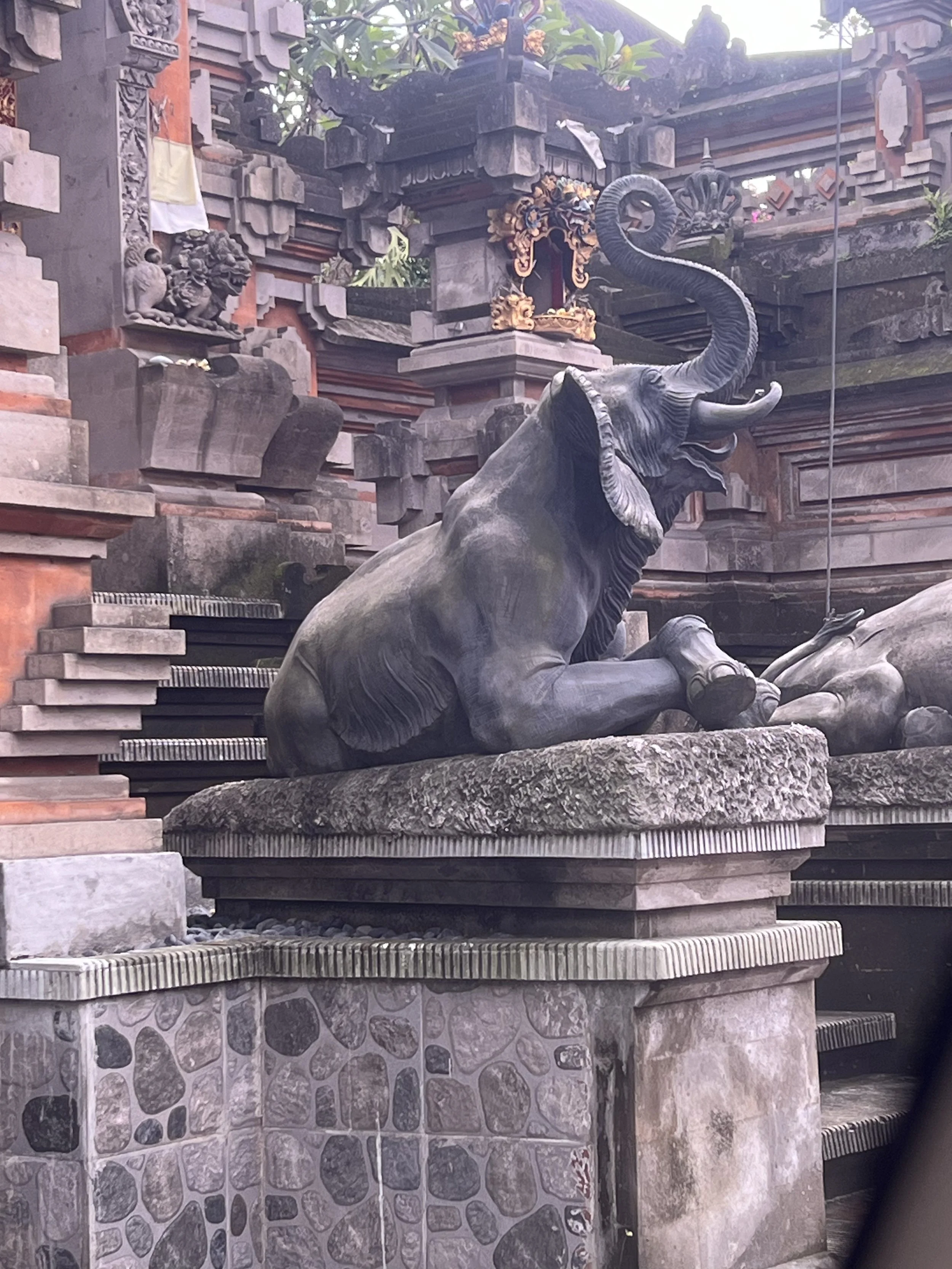
Weaving through streets where around every corner there is a stunning temple, meant that even without a specific tourist attraction in mind, everything felt exciting and vibrant. Ubud is both a town and a district. The area is thick with rainforest and known for its breathtaking terraced rice fields, while also being an arts centre and cultural capital. Bali is predominantly Hindu in faith (with Muslim, Christian and Buddhism all much smaller denominations), and Ubud is home to many ancient relics of religious significance. Stopping at one of the ‘Big Swings’, where you take your life in your hands while you fly through the air over steep drops down to lush green rice terraces, the breathtaking scenery gives the combined benefit of adrenalin rush and top tourist attraction rolled into one. The same location offered a journey through the process of manufacturing Luwak, the well-known Balinese coffee produced via the intestines of a civet. Yes, the coffee beans are eaten and pooped out by civets. Freakish though it sounds, the product is delicious, and was one of many superb Balinese coffee blends – I’ll admit to returning with an addiction for strong filtered coffee.

Ubud can be done as a day tour, however I would highly recommend it as a destination worthy of longer. The streets are packed with sights – amongst the many, while here we visited the authentic Neka Art Museum, traditional Art Market, Saraswati Temple and the magnificent Ubud Palace. Shop after shop offers multiple artisan gifts, along with jewellery and clothes – and a covered market is an emporium of delights. It takes a while to get the hang of the bartering system – tempering guilt at haggling with the desire not to be ridiculously ripped off, makes this a learning curve. Shopping and temples aside, Ubud boasts some amazing restaurants and multiple boutique hotels which are of the highest international standard but at a fraction of the price. As a family of five we preferred two bedrooms, and as one of our children has a nut allergy we wanted to be able to prepare our own food, which we could achieve by staying in the villa part of a hotel. This came with a lounge, kitchen and our own pool. At the higher end of the accommodation options, the service (cocktails) and facilities were unsurpassed. There was also a great deal of reassurance knowing the hygiene standards were exacting and water used in everything was purified, so ice was safe and plentiful. Here in Ubud there are plenty of accommodation options available, at a price point to suit any budget or individual needs.
With monkeys roaming the streets, pilfering from store owners and tourists alike, there is an authenticity to Ubud that, despite the crowds, cannot dull its charm. I had heard differing opinions on the Sacred Monkey Forest Sanctuary (too touristy/biting monkeys), but desire to experience it outweighed the fear of a showdown with a fearsome primate. Forewarned is forearmed – and I would say that if you have few ‘removables’ and treat the monkeys with respect you would be unlucky to be targeted (although one did steal my daughter’s ice block out of her hand as we left). Watching them swing around you, frolic in front of you, tend to tiny babies and generally go about their business was nothing short of magical.
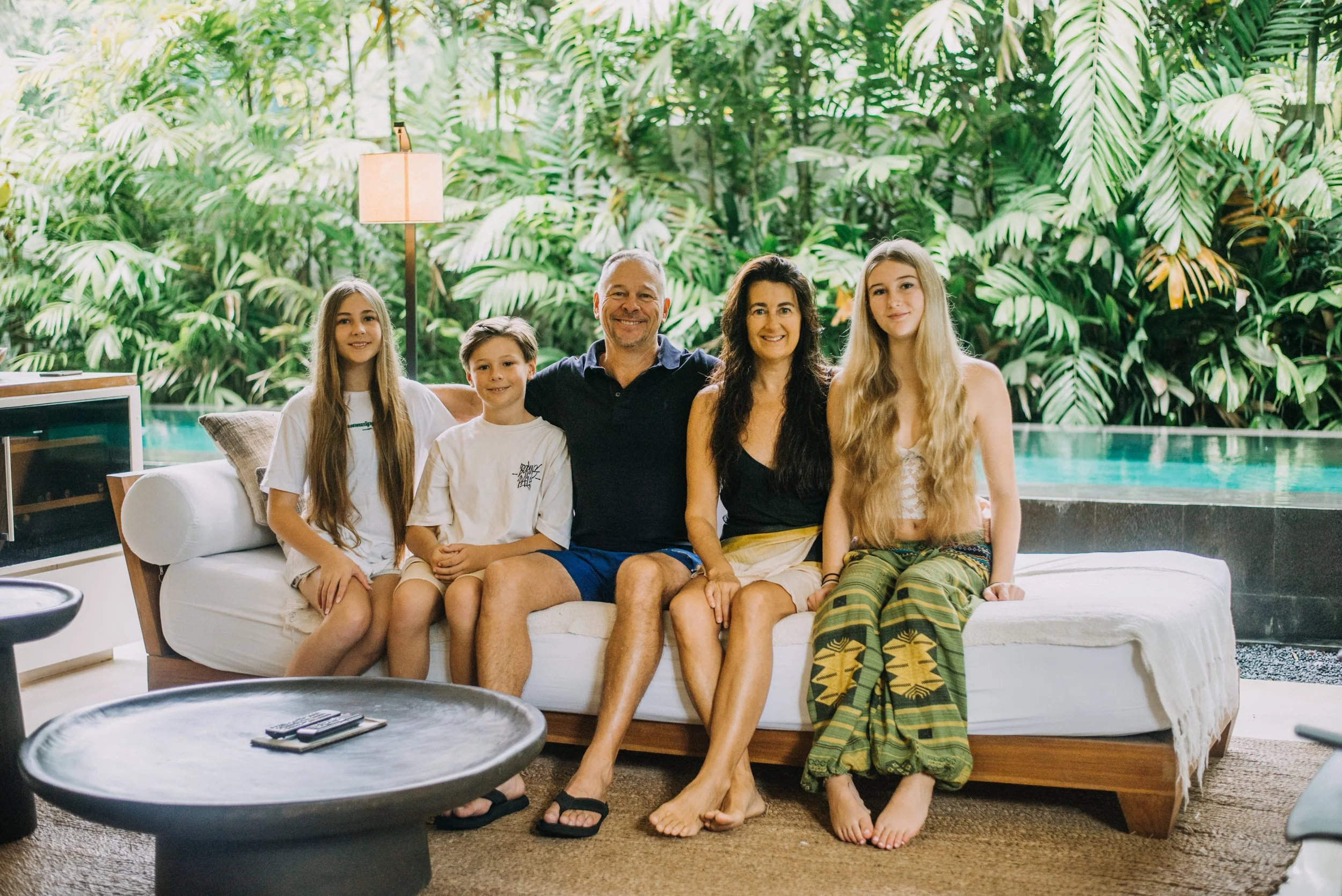
Writer Nicky and the family at their villa, located between Legian and Seminyak.
Knowing the 40-minute drive to the coastal town of Seminyak would take much longer than this in traffic, combining a change of location with more sightseeing seemed a great option. Our trusty driver came to pick us up, and together we worked out a route, which took in Tibumana (the not-so-secret secret waterfall) and Tirta Empul Temple, which is considered the most sacred temple amongst the Balinese Hindu community. All the time weaving through scenic countryside of rice fields and multiple other less known attractions. Feeling that we had well and truly ticked the tourist box, once we arrived at our beach destination, there was no guilt in the following days centred around mooching, shopping, eating, drinking and enjoying the blazing heat. If beach is important to your trip, then there are breathtaking beaches to discover, and Bali is a well-known surf destination.
Seminyak/Legian beach is a cool spot, by night dotted in multi-coloured bean bags and cranking out music to chill to as the sun goes down. But for beach alone it would not have the biggest pull. However, the area itself is everything you could want and more. The shopping is frenzied but friendly, the hassling is minimal and in good spirits – if you want a more refined experience there is a mall surrounded by street after street of high-end boutiques. There are also some key restaurants and hotels to visit; Double Six, with its sunset roof top bar makes a wonderful evening hang out. If you want to try local fare but are feeling cautious, then go mad on the tropical fruit – passion fruit is not as we know it, coming in at much sweeter, watermelon can be found with bright yellow fresh, rambutan (lychees) are sweet and flavoursome. We loved the mangosteen fruit, a segmented milky white flesh, the snake fruit (salak) was crunchy and almost chestnutty. If you really want to try something unusual then look no further than the durian – I literally couldn’t explain the taste other than as custardy caramalised onion. Not one I’ll be adding to my fruit salad.

We rented a villa (Andari Villas) that was close to the famous Double Six area; located between Legian and Seminyak, while central its position on a side street meant we experienced the best of both worlds (as well as have our cleaning, catering and washing seen to by a resident maid, and security at the end of the street). Outside the hub-bub – which we could dip into and then out again at will; inside was a sanctuary spread over three bedrooms, two lounges, five bathrooms, kitchen and private pool.
The utter tranquility meant we could stay and chill to our hearts’ content. If massage is your thing, then Bali will be your heaven – of all the things that are ‘affordable’ massage knocks the rest out of the park. We were able to have a masseuse come to the villa for an amazing poolside massage, an hourlong treat costing the same as a couple of coffees in NZ. Of course, tipping, while not expected, is something you want to do – when we tend to be cashless it’s worth trying to remember to always have something to hand.
No matter if your idea of the perfect holiday is active resting or totally zoning out, Bali really does bring it all to the table. Plan ahead and work out what you want from the trip, pack the hand sanitiser and it really is a glorious island paradise.

GOOD TO KNOW
• Other highly recommended spots include Canguu and Sanur.
• Surfing opportunities are next level – Kedungu, Padang Padang, Medewi.
• Restaurants to try – Sardine (Kerobokan), Chandi (Seminyak)
• We travelled at the start of the dry season, some rain, but sightseeing was amazing regardless.
• Add activities such as cook schools, meditation, or yoga retreats – go by recommendations.
• Pack medication. We took charcoal tablets, but arm yourselves with painkillers for stomach ache, and something for nausea.
• Scooters are a fun, efficient way to travel – check out reviews for rentals.
• Waterbom Bali is family fun.
• We stayed in a variety of accommodations with prices starting from $200 per night for five inclusive of breakfast for two rooms in the hotel and three rooms in the villa.
• While we only managed to get away for a week, I would recommend at least 10 days.
• Go by accommodation recommendations if possible as quality varies hugely.
Organise visas in advance as they can be tricky. If it feels daunting, ask an expert
– travel agent or small operator. Locally Sandy Crooks (Clarke Rd Kitchen),
arranges and leads exclusive group tours to Bali.
Winter wonderlands
Tanya Chaffey of Chaffey and Turner Travel Associates in Tauranga shares her top picks for destinations that make the cold well worth it.
While many of us dream of ditching the winter coats and chasing the sun, there’s something irresistibly charming about leaning into the season instead. Think snow dusted villages, steaming mugs of mulled wine and the soft crunch of fresh powder underfoot. Tanya Chaffey of Chaffey and Turner Travel Associates in Tauranga shares her top picks for destinations that make the cold well worth it.
Whether you're dreaming of frosty escapades in the heart of Finland's Lapland, carving pristine powder in Japan's renowned skiing destinations, or soaking in Iceland's geothermal allure, my guide to the ultimate winter holiday will transport you to where the festive spirit and the magic of the season create an unforgettable experience. From the artistry of ice sculptures in Harbin to the wildlife wonders of Canada's snowy terrains, each destination offers its unique charm and promise of an enchanted winter.
Finland
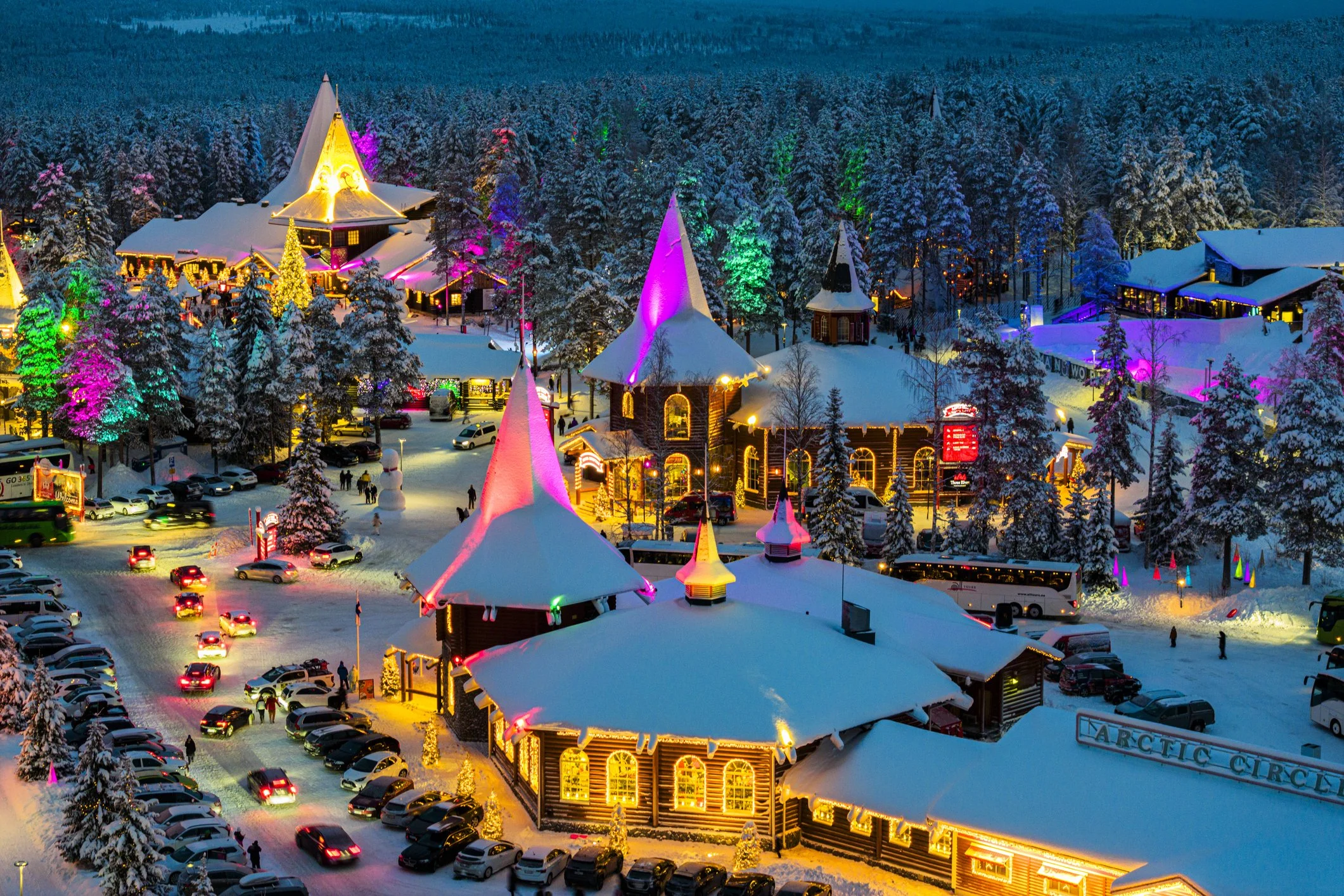
Venturing into the heart of Finland, especially around the Arctic Circle and Lapland, feels like stepping right into a winter fairy tale. Rovaniemi, the official hometown of Santa Claus, is your year-round hub for all things Christmas, and meeting the real-deal Santa and Mrs Claus at the Santa Claus village is pure magic. Try snuggling up in an igloo for the night. If you're lucky, you'll get front-row seats to the Northern Lights right from your bed. There’s loads of adventure activities right on your doorstep, too. Hop on a snowmobile and take in the stunning winter landscapes. Or opt for a gentler journey with a reindeer or dog sled ride. Japan The snow in Japan is really something special. Places like Niseko and Hakuba are known for their light, dry powder — often called “Japow” — and offer terrain for all skill levels. The ski season generally runs from December to April, though dates vary depending on location and snowfall.
Many resorts have ski-in/ski-out access, and all-inclusive options that include everything from steaming bowls of ramen to international dishes. Take a break from the slopes to explore an onsen village. Or visit the snow monkeys warming themselves in natural hot springs.
Iceland
Winter in Iceland feels slower, quieter, and more surreal, with only a few hours of pale daylight and long, starlit nights. It’s an ideal time to soak in the country’s geothermal pools — the Blue Lagoon is the most famous, but there are dozens of others tucked into lava fields and coastlines across the country. Christmas here comes with its own folklore. Iceland’s holiday season is rich with stories of elves and the 13 Yule Lads, mischievous characters who arrive one by one in the lead-up to Christmas. The blend of natural drama and cultural tradition makes a winter visit something you won’t forget.

Harbin, China
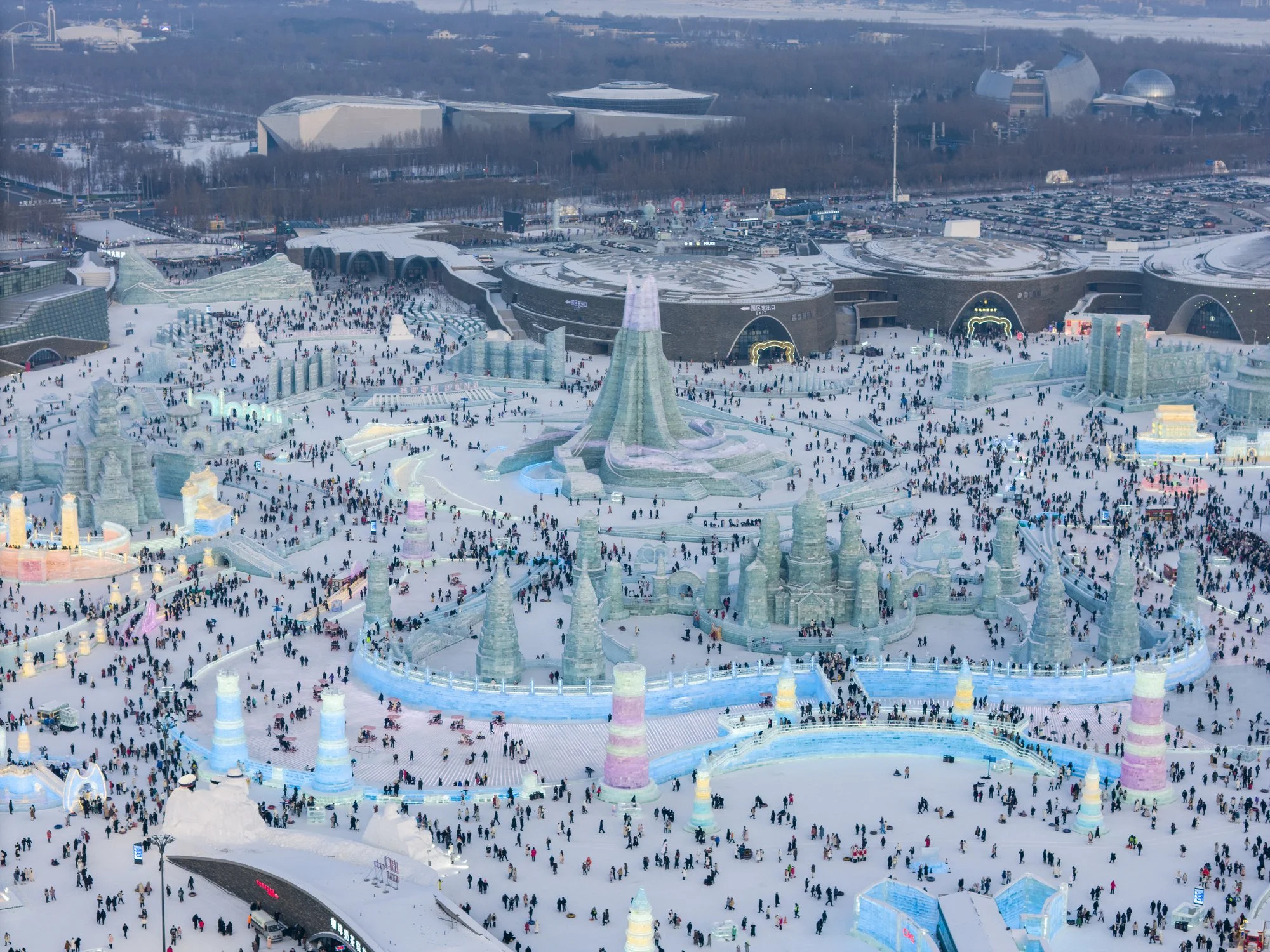
In Harbin, ice becomes art. Each year, the city hosts the world famous Ice and Snow Festival, where towers, sculptures, and even entire buildings are carved from blocks of ice and lit up in vivid colour. There's an ice amusement park, too, and food stalls serving everything from spicy skewers to hearty dumplings. Russian influence lingers in the city’s architecture and cuisine, adding another layer of interest. Temperatures can drop below –35°C, so dress for deep winter.
Canada
Few places do winter like Canada. Whistler is a favourite for skiers and snowboarders, with varied terrain and a lively après-ski scene. Think alpine lodges, open fires, and a reliable snowfall that draws visitors from around the world. For wildlife lovers, Churchill in Manitoba is one of the best places to see polar bears in their natural habitat. Or head further north on an Arctic cruise, where the frozen wilderness might offer glimpses of walruses, Arctic foxes, and even narwhals.

A region for the ages
A family getaway to the Waikato uncovered a treasure trove of activities for all three generations.
A family getaway to the Waikato uncovered a treasure trove of activities for all three generations.
words HAYLEY BARNETT

The Waikato seems to be undergoing something of a travel renaissance. With a growing number of new experiences and attractions popping up in and around Hamilton and Cambridge, it's quickly becoming one of the North Island’s must-visit regions. From the world’s largest organic tea plantation to New Zealand’s most visited attraction, Hobbiton™, and the foodie hub that is MADE, there’s now so much to see and do that fitting it all into a single weekend feels like a challenge.
Fortunately, Hamilton is just a two-hour drive from Tauranga, making it perfect for a quick getaway. Our family managed to pack in a wide range of family-friendly activities, and I even snuck away with Mum for a day of more grown-up indulgence. As it turns out, the Waikato is also an ideal destination for the over 50s, with highlights like the spellbinding Hamilton Gardens, scenic riverside walks, bustling weekend markets, and charming countryside homesteads offering something for every kind of traveller.

Zealong Tea Estate
I wouldn’t call Mum obsessive, but if there’s one thing she’s truly passionate about, it’s tea. So it was only f itting that we made a stop at Zealong, just outside of Hamilton, home to the world’s largest internationally certified organic tea plantation. At Zealong, tea isn’t just a beverage, it’s a way of life. The passion among the staff is palpable, and from the moment we arrived, the experience felt more like a refined wine tasting than a simple visit to a tea farm.
We were lucky to run into Zealong’s CEO, Gigi Crawford, who welcomed us and shared her extensive knowledge of tea. She walked us through the company’s inspiring journey, from a modest patch of tea plants nearly 30 years ago to an award winning, globally respected organic tea label. Among its many accolades, Zealong recently received the UK Tea Academy’s prestigious ‘Lifetime Achievement Leafie’, a testament to the team’s dedication.
Mum, naturally in her element, impressed everyone by correctly identifying different teas and blends, while I fumbled through with minimal knowledge. We were then taken on a tour of the building and the plantation, learning about the Chinese history of tea. Sculptures of important historical figures dotted along the path leading up to the Tea Room showcased a lengthy history dating back almost 5000 years.
At the Tea Room, we participated in a traditional tea ceremony, then were served what can only be described as the best high tea of my life. Zealong’s French pastry chef treated us to an incredible array of delicious pastries, sandwiches and sweets, all designed to accompany various types of tea blends. It was fair to say this was one of Mum’s top holiday highlights.

Woodlands Estate
Just four minutes down the road from Zealong lies Woodlands Estate, a sprawling 98,000-acre property established in 1872. At its heart stands the beautifully restored Homestead, originally built around 1875 as a manager’s residence and crafted largely from native Kauri timber. The surrounding gardens are home to some huge botanical treasures, including New Zealand’s largest Eucalyptus tree. We wandered along peaceful tracks that weave through the estate’s lush gardens and trees, then stepped inside the Homestead, where rooms remain just as they were when the last family moved out in the early 1900s. Next door, a charming café offered the perfect spot to recharge after our meanderings.
Hamilton Gardens
Another epic outing can be found at the Hamilton Gardens. If you haven’t been yet, you’re definitely missing out. Recently upgraded, the Gardens are now even more welcoming. One of the biggest changes is the addition of the Gallagher Visitor Centre, which opened last year. It now serves as the main entrance to the Enclosed Gardens and includes a café, extra seating, and event spaces.
Whether you're young or just young at heart, it’s easy to spend an entire day exploring. Each garden offers a memorable, educational experience. I knew the kids would love the gardens, so we picked them up on our way there from Woodlands Estate. As predicted, they were especially enchanted by the Surrealist Garden, a whimsical dreamscape where everything is larger-than-life, making you feel like you've stepped into a storybook.
They also loved the Ancient Egyptian Garden, which transports you 4,000 years back in time to a sacred temple garden. And no visit would be complete without a stop at the Destination Playground, packed with a treehouse, slides, and a stage perfect for imaginative play.
I would highly recommend taking a tour with a guide who explains everything you need to know about each garden. It beats fumbling through the brochure and displaying your lack of historical knowledge in front of the kids.

MADE
Discovering one of the country’s best culinary hubs is nestled inside a block of shops in Hamilton East was not on my bingo card this year. But lo and behold there we were sampling some amazing food from some amazing artisans and shopping up a storm. The vibrant atmosphere proves the Waikato’s creative food scene has well and truly taken its place as a top destination for foodies. We dined at Reggie’s, a cute Italian restaurant serving up authentic dishes in a cool diner with views of the city. Then stopped in for gelato downstairs at Little ‘Lato. We were back the next day to do our grocery shop at the stalls – a great old-timey market experience in itself.

Te Whare Taonga o Waikato Museum & Gallery
It was recommended the kids visit Waikato Museum’s interactive science centre, Exscite, which has recently been revitalised into two zones: Exscite: Home, exploring everyday science in a fun, hands-on way, and Exscite: Taiao, focused on Aotearoa’s natural environment. Among the standout features is a 30-million-year-old giant penguin fossil discovered locally, as well as digital activities like a touch-screen forest where kids can animate their own bird designs. All made for a great rainy day adventure.

Cambridge’s new boutique gem
Set to open later this year, The Clements Hotel brings new life to one of Cambridge’s grand old buildings. Carefully restored with a nod to its 19th-century roots, the 29-room boutique hotel mixes old-world charm with modern luxury. Think plush rooms, a speakeasy-style bar, garden suites, and standout dining at the Gallery Restaurant. With five-star service, locally crafted gin, and stylish spaces to relax or celebrate, The Clements is set to become the go-to place for discerning travellers. The Clements is offering a grand opening special with 15 percent off room only rates for stays until September 30, 2025, subject to availability.
Lake Te Koo Utu Walk
A day trip to Cambridge was clearly on everyone’s holiday agenda during a stunning autumn weekend. We joined the crowds, ducking in and out of charming boutiques before grabbing some sushi for lunch. Craving a bit of peace and nature, we decided to explore beyond the town centre. Leaving the car parked, we strolled down to Lake Te Koo Utu, tucked right in the heart of Cambridge. I’m a little embarrassed to admit I hadn’t known it was there until a lovely woman at the isite Information Centre pointed us in the right direction. The loop around the lake is a beautiful, mostly shaded walk that takes about half an hour. Halfway around (if you're entering from the town side), there’s a playground and a garden perched on the hill. The kids had a blast weaving through the rose bushes and swinging their way through the park.

Camjet Extreme Tour
Just beneath Victoria Bridge, tucked along the banks of the Waikato River, you'll find Camjet – an adrenaline-packed adventure perfect for thrill-seekers and laid-back explorers alike. This high-speed jet boat ride pushes you out of your comfort zone while offering fascinating insights into the river’s history and ecosystem. Our driver, Aaron, kept us guessing with sharp twists, sudden spins, and unexpected stops to share curious facts, some of which may or may not have been entirely true. Along the way, we spotted a hawk snatch an eel mid-flight, only to lose it as it soared over the dense bush, and even caught glimpses of giant goldfish gliding near the shore. The entire ride lasted about 45 minutes, and by the end, we were soaked, and grinning from ear to ear.
Sanctuary Mountain Maungatautari
On our last day, we took a bit of a detour before heading home. Sanctuary Mountain Maungatautari is a must-visit eco-sanctuary just outside of Te Awamutu. Enclosed by one of the world's longest pest-proof fences, this ancient forest is a haven for native wildlife, including kiwi, takahē, and tuatara. You can book a guided walk, but we decided to head in on our own. We climbed treetop viewing platforms and walked the serene forest trails while learning about conservation efforts to restore the natural ecosystem on signs along the path. Without predators, the wildlife are surprisingly friendly. A North Island robin followed us for part of the walk and happily posed for photos just an arms-length away. The whole experience was a great chance to experience New Zealand’s biodiversity as it once was.

Matakana: A foodie’s dream
Matakana is well known as a hub for Auckland beach-goers, but, thanks to its flourishing food and beverage scene, it’s now on the map as a highly-desired destination for those beyond the Bombay Hills.
Matakana is well known as a hub for Auckland beach-goers, but, thanks to its flourishing food and beverage scene, it’s now on the map as a highly-desired destination for those beyond the Bombay Hills.
words HAYLEY BARNETT

Matakana, located just north of Auckland, may not look like much on a map – a few buildings lining a roundabout on your way to more populated destinations like Omaha and Leigh. But looks can be deceiving.
By the weekend, the usual 10-minute drive from Warkworth into Matakana becomes an hour-long standstill queue. Everyone’s desperate to get their hands on some of the best food products the region has to offer.
The best way to experience this little food haven is to get in before the weekend crowds by making it your base.
My husband and I came across two local businesses which allowed us to do just that. Canopy Camping Escapes became our base, just an eight-minute drive from the town, and Village Picnic offered a way for us to explore the region through its burgeoning food and beverage producers.
STAY
High on a hill, nestled in native bush, are two secluded glamping sites named Sola and Sokoon. We booked into Sokoon, the Persian of which means tranquility and stillness – exactly what we were craving after dropping the kids at Grandma’s in Auckland.
Besides the WIFI, this accommodation offers the feeling of being completely off grid. To get to the site you need to park your car at the top of the hill and make your way down a steep, narrow track. Top tip: don’t take a suitcase.
Owners Rachael and Ario were kind enough to lend us a backpack to transport a few essentials down to our site. They live on top of the hill with their two daughters in a house they’ve recently restored, with panoramic views of the coast and mountains. They both believe strongly in living as sustainably as possible, and this is evident in the way they’ve set up the two glamping sites. Many of the salvaged materials from their home rebuild have been repurposed into the domes, giving them, as they say, a “sustainable charm”.
Beyond the dome is a sheltered kitchen, bathroom, outdoor shower and bath. Don’t let the sustainability factor fool you, however. The site has everything you need to make your stay comfortable and the interior is every bit as beautiful as the scenery.

DO
On our way in from Auckland, we stopped at Village Picnic in Warkworth. Philippa Potaka cleverly puts together mystery picnic adventures for those wishing to meet and explore local producers, to taste test the very best of the region. At the end of a fun scavenger hunt you have yourselves a very ample picnic to feast on at your f inal destination. You don’t know what you will be scavenging, or where you’ll end up, which is perfect for these explorers who love good kai. Ours covered the coast from Matakana Village down to Algies Bay and finished in Warkworth. Other packages include the areas of Puhoi, Pakiri and Leigh.
EAT
Matakana Markets

We started at the famous Matakana Markets. Without giving too much away, our first clue took us straight to two popular stores at the market. Joining a long line, which weaved through the shop and out on to the street, we were treated to the delicious aroma of freshly baked bread.
From there, it was on to a chocolatier that specialises in artisan bonbons. After an insightful chat with the store’s very knowledgeable staff, we picked up our parcels from each, stowed them in our chilly bin and moved on to the next clue.
Charlies Gelato
This popular gelato cafe wasn’t on the list, but happened to be home to our next mystery vendor – a place where you can pick your own flowers. The hidden garden sits between a giant wood-fired pizza kitchen and a gelato store, located on Sharp Road, about five minutes drive outside of Matakana Village. We arrived just before lunch and the place was already buzzing with pizza and gelato lovers getting their fix. Thankfully we had the garden to ourselves as we picked a bunch of flowers to take with us on our picnic. As we precariously wedged the jars of flowers between our car seats, we worked out the next riddle and headed towards the coast.
Snells Beach
Next we found ourselves at the water's edge and a home to cute miniature villages, where we picked up some equally cute homemade condiments from a local residence. The next clue took us to a long winding driveway and through to a magical world of art and horticulture. As we took in the sights and sampled an array of beverages on offer, it became apparent that we must start eating our collected edible treasures, so we made the next stop our final picnicking place.
Highfield Gardens Reserve
This reserve at Algies Bay is known as ‘the donkey park’, for the amount of donkeys roaming around the grounds. You can drive through the gates of the park up to the top, which overlooks the whole of the bay. It was the perfect spot for what had become more of a banquet than a picnic. As well as the treats we'd picked up along the way, Philippa had also supplied us with a range of cheeses, crackers, deli meats, pickled vegetables and drinks. We quickly found a picnic table before the rush and got to work on our feast. Later, we found we had more than enough to last us through dinner!
EAT
Brick Bay Winery

This, we discovered, is one of the area’s most famous wineries. As you enter, art sculptures are dotted along the farmland, and an impressive glass house that seemingly floats above a large pond is home to a beautiful restaurant and bar. The Row, where the tastings take place, sits outside this – a greenhouse-esque structure completely covered in grapevines, which provides a cool and quirky shelter to mingle and taste the best of Brick Bay’s vintages.
Viet-Q Vietnamese
Definitely worth a mention is Viet-Q's Vietnamese food truck. This was recommended to us by our lovely hosts at Canopy Camping. The trailer is tucked between houses on the main road coming into Matakana Village but is hard to miss. The amount of people milling around the area will immediately catch your eye. Head chef and founder Phuong Graham trained in food technology before introducing locals to her authentic Vietnamese flavours. Today it’s one of the most popular eateries in the region. From Banh Mi to Chilli Chicken, this is authentic Vietnamese cuisine at its best.

Larger than life
Nicky Adams explores the timeless appeal of Disneyland and discovers its magic isn’t only reserved for the kids.
Nicky Adams explores the timeless appeal of Disneyland and discovers its magic isn’t only reserved for the kids.

It’s hard to put your finger on just what makes theme parks so magical, when most of us are way past our Disney delight days.
‘We’re doing it for the kids,’ mutter the adults as they race behind the super-sized Mickey Mouse, not a child in sight. The fact is it doesn’t matter what age you are, there is something wonderful about being transported into another world, where everything is bright, fun, and essentially make believe. To quote Walt Disney, ‘You’re never too old to be young.’
I think the sheer fantasy is what makes me love it so much – the larger-than-life characters, the ‘cast members’ (staff) dressed up as a 1950s Barbershop Quartet belting out random a capella on Main Street, the sight of a Mark Twain-style steamboat making its way down the Mississippi. The wild imagination of it all is nothing short of joyous.
Ironically, I hate roller coasters, but there’s a million and one other rides to try, from flying through Neverland on the low-level Peter Pan’s Flight to the exhilaration of gunning down enemy craft as you take the helm on the Star Wars’ Millennium Falcon Smugglers Run.

Disneyland Anaheim opened in 1955 and is made up of Disneyland and the latterly added California Adventure (which opened in 2001); between the two parks they cover every single age and stage.
Both parks are divided into ‘lands’ and tactically feature rides and references to the original Disney days but have kept up to date with all the latest stories and characters, so no genre is left untouched. There’s the old-worldly fairground feel of the ferris wheel in California Adventure (where you can choose between a carriage that stays static or one that swings), or there’s the high-tech Rise of the Resistance, the latest simulation Star Wars ride in Disneyland. In between you have the fan favourites of the indoor rollercoaster Space Mountain, river rapid ride Grizzly River Run and of course the dark speed of the Radiator Springs Racers.
The fantasy world that you’re about to step into starts before you enter the parks themselves. Downtown Disney District serves as the soft launch; connecting the two parks and the three hotels, it’s free to get into (although you do need to go through security) and is a lively and beautifully landscaped, easy-to-navigate outdoor shopping and dining area that hums with entertainment. It’s also home to a dangerously delicious Wetzel Pretzel café – try at your peril. This is the area from where you enter one park or the other – the Park Hopper ticket will gain entrance to both on the same day. Exploring both parks will likely take you a good couple of days, although with opening hours going between 8am and 10pm it’s possible – if exhausting – to simply keep going, to get the most out of your ticket entrance. However, if you do, brace yourself to cover an awful lot of ground during your day.

Visiting in October, the weather was cool in the morning and evening, but by 10am had warmed up to high 20s, which may sound sweltering, but low UV saved burning. Saying that, it wasn’t a heat you wanted to stand around in for too long, so a queue- jumping Fast Pass was invested in at an extra cost.
While this certainly saves plenty of time in the queues (you can book an advance time slot) it’s by no means a perfect system. We found it incredibly frustrating that you could only hold one slot, and when the time shown came up it often gave you a later time slot than shown on the Disney app. The waiting, I’m afraid, is unavoidable. On the plus side, the queues are incredibly civilised and, other than slowing you down, could just be accepted as part of the experience. The cost is another aspect to be considered. A weak NZ to US exchange rate, along with post-Covid price rises, doesn’t go unnoticed when on top of the ticket price comes a day of theme park treats. Saying that, while there are plenty of in-park refreshment stops, packing your own water bottles and snacks is worthwhile.
As I mentioned – as someone that is terrified of rollercoasters, you might think that it would be hard to find things to do. Oh contraire! Weirdly, although I’m rollercoaster averse, I found I was born for the simulated rides, which (I was quietly smug about) other far gutsier family members struggled with.

My pick would without question be Soarin’ Around the World. If I could have done it all day long, I would have. Strapped into a simulator you whizz above the African plains, Eiffel Tower – even tropical islands – all the time being infused with the scent to match.
Sounds weird I know, but it was incredible. Another goody was the Pirates of the Caribbean – I lost count of how many times we all did this. A couple of wee water drops was as scary as it got, but an underground journey through the land of the pirates was more fun that you can imagine with something different to see every time. The detail was so mesmerising it came as no surprise to learn that it was the ride that inspired the movie. The adrenalin junkies did Big Thunder Mountain Railroad on repeat, loving the thrill of the ride, but everyone agreed you needed nerves of steel for the Guardians of the Galaxy.
Formally called Hollywood Tower of Terror, involving stomach-churning drops. Nothing would possess me to do this.
All the while you wander – or race depending on your timeframe – through the parks, there will be a million other things going on around you. Bands marching followed by carriages carrying Cruella de Vil and her henchmen, Disney Princesses amid eager young children waiting for a hug, Storm Troopers arresting bystanders. And then there’s the parades – crowds stand aside while highly decorated dancers dance and singers sing. The excitement stretches well into the night, with light shows and weekend firework extravaganzas. Just when you think you’re all out of energy, you might find that last bit in the tank for another round of rides.
Without doubt the easiest way to maximise your time is to stay at one of the three Disneyland Resort hotels – the newly vamped up Pixar Place, Grand Californian, or original Disneyland Resort. A stay here will ensure you get early access to the parks before any other guests arrive and gives you the ability to bob back and forth to regroup throughout the day. It also extends the magic as the hotels are home to more characters, round reception corners and you might bump into Chip and Dale – peep above your poolside cocktail and you may spy Goofy on his way to wow the diners at the Goofy’s kitchen restaurant. In the worlds of Walt Disney: “Here you leave today and enter the world of yesterday, tomorrow and fantasy.”

Adventure in comfort
Tanya Chaffey from Chaffey and Turner Travel Associates is UNO's new travel columnist, this time offering her expert advice on navigating luxury travel with the whole family.
Luxury and family-friendly travel don’t always go hand in hand. But travelling with children doesn’t mean you have to miss out on the finer things in life. Tanya Chaffey from Chaffey and Turner Travel Associates is UNO's new travel columnist, this time offering her expert advice on navigating luxury travel with the whole family.
photos SALINA GALVAN + supplied

Embarking on travel with children creates life-long memories that you and your family will treasure for years to come.
It does, however, require a bit more planning to balance relaxation with family-friendly needs. Here are a few tips to get you going.
• When it comes to choosing which destinations to visit with children, look for spots that offer both premium amenities and child-friendly activities. Think resorts with dedicated childrens' clubs, private villas or hotels offering family suites and family activities.

Luxury resorts in places like the Maldives, Bali or the Caribbean offer specialised kids' programmes and family activities, ensuring there’s something for everyone. Also, consider destinations with easy access to nature, such as safaris in Africa, or mountain retreats in Europe, which can engage children while offering relaxation for parents.
• Invest in private tours or excursions. A private guide for a day trip, a yacht charter, or even private spa treatments can offer both family-friendly activities and some quality adult downtime. This can be especially helpful if your child has specific interests or needs (eg a zoo tour for animal lovers). Luxury hotels sometimes offer VIP access to major attractions, meaning you can avoid long lines and crowds, which makes it easier with children.
• Many cruise lines offer amazing inclusions for children, like standing waves, rock climbing walls and even dodgems. And the wide variety of cuisine onboard means there will be options for even the fussiest eaters. Be sure to enlist the help of a travel agent, who can suggest the best cruiseline that will work for you and your family.
• When booking flights, ask your travel advisor to book with an airline that has child-friendly amenities (like bassinets, entertainment and children's meals). Many airlines offer priority boarding, extra legroom, and specialised children's kits to make the flight more enjoyable.
• Finally, even with the best planning, travelling with children can bring surprises – meltdowns, sickness and the like – so remain flexible. Having an advisor on hand means there is always someone available to accommodate last-minute changes or requests. But staying relaxed and patient is the key to enjoying the experience!

Tanya Chaffey is a specialist for premium travel for the Bay of Plenty. Having been in the industry for 17 years, she’s explored 65 countries, with many more on her bucket list, and is a master at planning journeys off the beaten path.
She visits hidden gem destinations and finds experiences that give her an incredible perspective on the culture of a place. One of her best travel experiences was visiting Paro Taksang, or Tigers Nest Monastery, in Bhutan and most recently visited the Five Stans of Central Asia.
No matter your travel plans, whether it's a multi-generational trip of a lifetime, or a romantic seaside escape, the team at Chaffey and Turner Travel Associates will make your holiday special.

Cambodia calling
Liz French travelled to Cambodia and experienced firsthand the work of the Tauranga-based Cambodia Charitable Trust, meeting her sponsored child and learning about the brutal history of this beautiful country.
Liz French travelled to Cambodia and experienced firsthand the work of the
Tauranga-based Cambodia Charitable Trust, meeting her sponsored child and learning about the brutal history of this beautiful country.
Words Liz French

It’s an emotional moment when a 16-year-old high school student weeps with gratitude for the difference you are making in her life. Sear Sun Nary attends Ang Rokha Secondary School in the Takeo province south of Phnom Penh. My $60 per month, less than I spend on lattes, not only helps her but takes the pressure off her family, who live in a home smaller than my lounge, without running water or electricity. Dad farms their couple of cows, two pigs and a few chickens. Mum is a vendor, a precarious job at best.
Our Cambodian experience began in Phnom Penh. We took a tuk-tuk from the airport to our city hotel, the first of many rides in these rickshaws with open sides pulled by a motorbike, or with the engine incorporated in the more sophisticated ones. We soon discovered that if your group has more than one tuk-tuk, it becomes a race. We shot through frenetic streets full of scooters and a surprising number of late-model cars, all vying for road space in the chaos.
It’s a culture shock to arrive in a seething city, winterised bodies hitting mid-30s temperatures. The White Mansion, a former American Embassy residence, provided just the oasis of respite we needed, with large air-conditioned rooms, a cool pool and superb breakfasts, all for around NZ$100 a night. Mid-range accommodation is amazingly reasonable in Cambodia.

The next morning, we hit the markets. The Toul Tompoung, or Russian Market, harks to its popularity with Russian expats in the 1980s. It’s a labyrinth of stalls and sensory sensations where freshly skinned poultry hangs near stands of cheap clothing, trinkets, machinery components and cosmetics. The Phsar Thum Thmei (meaning New Grand Market), better known as Central Market, was completed in 1937, and fans out from a high art deco dome. More of the same in a slightly more salubrious and orderly setting.
The rarity of old people in Cambodia reflects the way Pol Pot virtually wiped out a generation. You cannot visit Phnom Penh without acknowledging this harrowing history. The Tuol Sleng Genocide Museum (referred to by Khmer Rouge as S21) is a former school where, between 1975 and 1979, thousands endured torture and the exacting of false confessions before death. Rooms that held hundreds are now sparse spaces with subtle suggestions of the horror. Boards display photos of victims, one a commemoration of Kerry Hamill from Whakatane, who was plucked from his yacht off the coast and eventually executed. I felt I held my breath the whole time I was there.
It was a privilege to visit schools with Denise Arnold, founder/director of the Cambodia Charitable Trust. An immeasurable difference has been made by asking what was needed and delivering just that, by improving teacher training, and supplying basic needs like libraries and toilets. Her (and by default our) welcome reminded me of the way Sir Edmund Hillary was revered for his work with the Sherpas.
I was particularly taken with the children, who seemed equally fascinated by a little white lady. I was mobbed by primary kids on break and trailed by preschoolers, all in pristine uniforms, when visiting one of their homes reinforced their subsistence existence. Travelling with someone who has been there many times meant interesting off-the-beaten-track places, like the homestay where we were hosted overnight and saw their thriving cotton weaving cottage industry.

I was distressed by the proliferation of single-use plastic. But what can you do when the water is not fit to drink, when life in a third-world country is tough enough without worrying about the state of the planet? We even cleaned our teeth with bottled water. Plastic is strewn along the roads, and when we went to the top of a hill to see some ancient ruins and rural views, we climbed hundreds of steps littered with debris. It seemed that to be clear of rubble you had to be a regal or religious site. The Royal Palace grounds in Phnom Penh were a pristine vision; temples were tidy.
Our travels took us to Kampot, an attractive town with a sprinkling of French colonial architecture where an English woman owned our hotel, a cleverly converted cinema, and a Dutch expat ran our favourite riverfront restaurant; then to Sihanoukville on the coast where it was nicer to see the sea than the effects on the skyline of huge Chinese investment. It was a relief to hop on a plane to Siem Reap.
For many tourists, Cambodia is Siem Reap. They pour into the modern airport, take wide tree-lined streets into the bustling centre, stay in one of hundreds of hotels (ours was jaded but had a resort-quality pool), and eat cheaply in restaurants galore, many on Pub Street. Cocktails for a couple of dollars? Another one, please! Though it was quiet on the tourist front, we saw more Europeans here than the entire trip to date.

Angkor Wat is the drawcard. Angkor Wat means City of Temples and is said to be the largest religious monument in the world. This UNESCO World Heritage Site of over 160 hectares was built in the 12th Century, the work, our guide told us, of 6,000 men and 4,000 elephants. Endless wall etchings depict bygone battles, and restoration work is never ending. There are several areas, so it pays to have a local guide and a tuk-tuk. The clean, green jungle setting is a balm to the soul.
I left my soul with the children of Cambodia, with their joy in education and the love and appreciation they showed for these visitors from a far land bringing them a brighter future. Nary, who I sponsor, wants to go to university and have a career. I will support her all the way.
To sponsor a child through the Cambodia Charitable Trust, visit cctnz.org.nz

Let it snow
Flying south for the winter, UNO editor Hayley Barnett attempts to turn her family into thrill-seeking adventure enthusiasts, with mixed results
Flying south for the winter, UNO editor Hayley Barnett attempts to turn her family into thrill-seeking adventure enthusiasts, with mixed results.
Words Hayley Barnett

As far as winter getaways go, you don’t get much better than Queenstown. It’s a hub for skiers, thrill seekers, partiers and foodies, and, although partying was off the agenda this time, it’s the perfect destination for a family’s first ski holiday.
Getting my kids on skis has long been a dream of mine, but with COVID-19 restrictions and the recent debacle that kept our local ski fields closed, my grand plans have never come to fruition. Until now.
This year was the year, I decided. It’d be the year the kids would finally fall in love with snow sports and we’d become one of those families who hit the slopes every winter, toasting marshmallows in front of the fire at the end of a long, enjoyable day skilfully flying down the mountain at top speed. Après ski, here we come.
If you have kids, you can probably guess it didn’t all go completely to plan. Five-year-olds don’t always comply in an environment where everyone is wearing ski masks and wielding large planks around. But I can officially say I have skiers now, and I can also recommend some amazing activities to do in the area on those days you don’t quite make it to the slopes.

OAKS QUEENSTOWN SHORES RESORT
Jumping on the Booking.com app, I came across Oaks Queenstown Shores Resort, serviced apartments on the outskirts of Queenstown with incredible views of Lake Wakatipu. A two-bedroom apartment was
the perfect size for the four of us. With an electric fireplace, fully self-contained kitchen and two bathrooms, it has everything you need when sharing with kids and a snorer. The apartment was huge and meant we didn’t have to venture out to get breakfast. We even stayed at home for dinner one night because it was too cosy to leave. There’s a gym for those who don’t get all their energy out on the mountain, and an inviting reception area with a fireplace, dining room and a bar, overlooking the lake.
CARDRONA SKI RESORT
With friends staying in Wanaka, we decided Cardrona would be a good place to meet up for a couple of days skiing. It was recommended I book lessons for the kids well in advance – and tickets, too, as they were limiting the number of people on the ski fields this year. The winding hour-long drive did make me question our decision not to just book at Coronet Peak or The Remarkables, the much closer options, but it ended up being the best decision of the trip. The smoother, flatter slopes proved to be much less intimidating to my three learner family members (who were expecting the steeper runs of neighbouring mountains), and Cardrona had the most centimetres of snow that week. Score!
Having booked our vacation a week before the school holidays, it meant there were hardly any chairlift lines to wait in. I managed to get a heap of runs in that first day, despite the visibility being somewhat dismal.
Luckily, for our second day at Cardrona, the weather had improved. The sun was peaking out and we’d had a large dump of snow overnight, replacing slush with powder. Having learned from the previous day, I dropped the kids off at their lessons, pockets stuffed with lollies (top tip to convince small – and big – kids to do anything) and took off up the mountain again.
By the end of day two, Poppy was flying down from the top, as I’d hoped, and Oscar had learned to avoid crashing into anyone who ventured into his eyeline. Jumping on the bus back down to our rental car, we were soon on our way to the Cardrona Hotel for some well-deserved pub grub and drinks.
TRANSPORT
If you want to get the most out of your Queenstown family holiday, a reliable vehicle is a non-negotiable. Enabling travellers to seamlessly plan their travel, Booking.com offers much more than just accommodation and is a one-stop solution offering a wide range of travel services such as car hire without ever having to leave the platform or app. We easily secured a mid-sized Toyota Corolla via the app. I added booster seats for the kids and chains for the wheels. Pick up was easy. We caught a ride with the Snap Rentals van from the airport and 15 minutes later we were in our car and heading off to our accommodation.

CARDRONA HOTEL RESTAURANT & BAR
A five-minute drive from the turn-off up to Cardrona Ski Resort is one of New Zealand’s oldest hotels and one of only two remaining buildings from the Cardrona Valley gold rush era. These days, it’s most well known for its après ski pub food and drinks and its warm and cosy atmosphere. It’s the perfect place to take the kids, with plenty of room to run around outside, featuring a playground and a giant outdoor fireplace. There are bags of marshmallows, which we purchased a few of, after discovering Oscar had devoured the first bag before we even made it over to the fireplace. We can highly recommend the loaded wedges and the seafood chowder, both washed down with some local gin from the Cardrona Distillery across the road.

PUZZLING WORLD, WANAKA
One of the highlights for all of us was Puzzling World. Yes, we had to travel for an hour from Queenstown, but boy, was it worth it. I had booked tickets through Booking.com when securing our accommodation
months ago, which forced us out of our cosy, warm beds on a non-ski day. By the time we got there we knew we’d made the right decision.
The family-run attraction started with a wooden maze in 1973 and evolved into a science museum that has become famous across the country – and internationally. Home to the world’s first multi-level “mega maze”, Puzzling World offers a challenging course that takes around an hour to complete (well, it did for us, anyway). Participants must reach all four towers located in four corners of the maze. The kids were the perfect age for it and no one noticed they’d been running around for an hour.
The Illusion Rooms inside the museum provided hours of entertainment. The slightly nauseating Tilting Room was a favourite for the kids, as was the Ames Room, where they suddenly outgrew us adults, becoming giants to our dwarfed bodies. Afterwards we headed out to the idyllic Lake Wanaka, just a five-minute drive from Puzzling World, to recover from all the excitement.
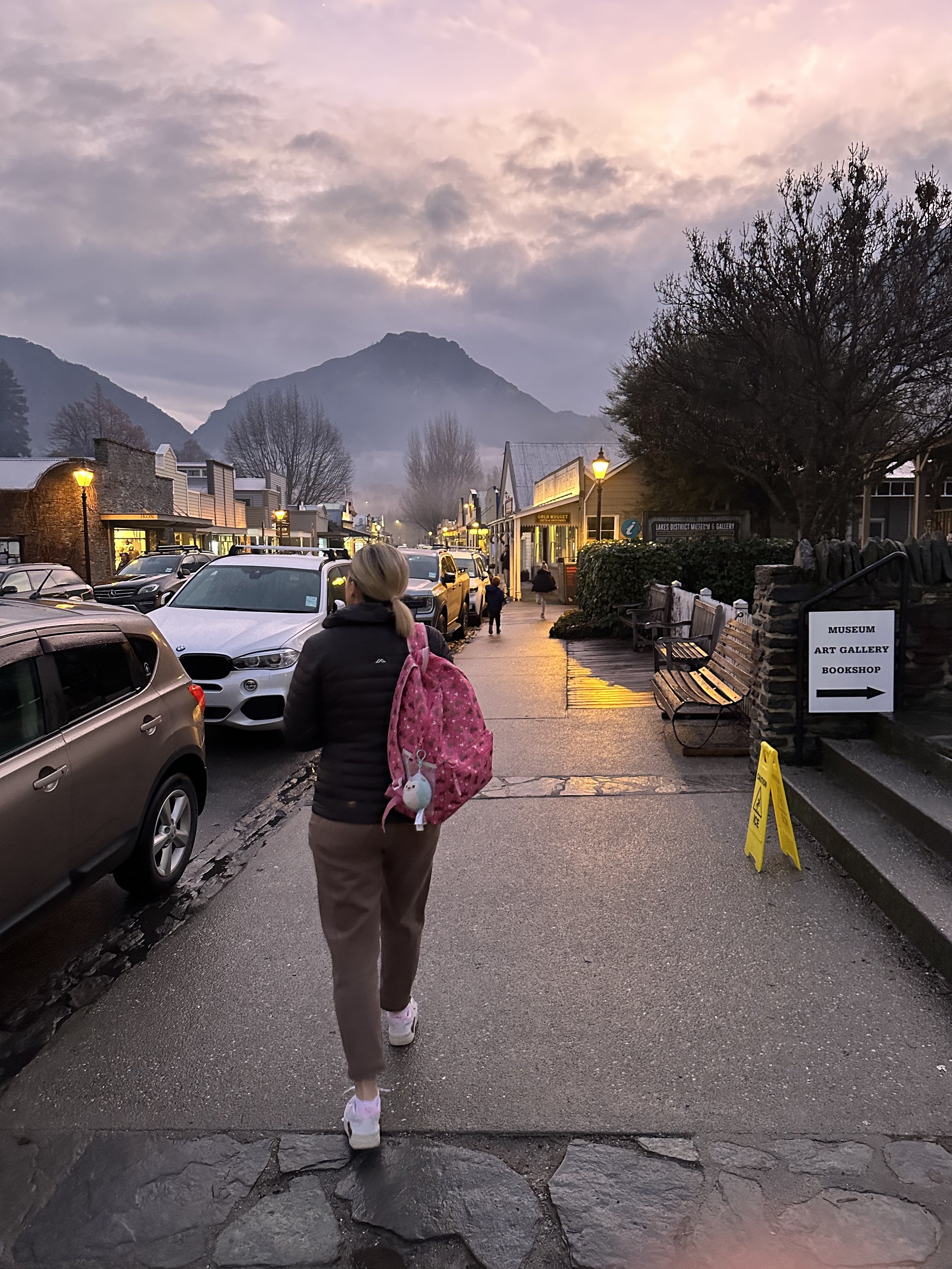
ARROWTOWN
On our way back home we decided to stop at the little historic village of Arrowtown for dinner. Proving to be just as pretty at nighttime as it is during the day, we took our time wandering up and down the town centre’s main drag, overwhelmed by the many dining choices on offer. We settled on Bendix Stables – a “watering hole and food emporium” built in 1873 as a stable to keep local politician Bendix Hallenstein’s horses. We had the top floor to ourselves where we devoured giant burgers and toasted marshmallows for s’mores.

KAWARAU RIVER JET BOAT TOUR
On our last day, we headed into Queenstown for one more adventure – the Kawarau River Jet Boat Tour. It popped up as a recommendation on Booking.com and was super easy to add as a last-minute addition
to our itinerary. There are two tours to choose from – a 20-minute joy ride around the lake or an hour-long tour up the river. We went for the hour, which was filled with thrills and not-too-many spills, thankfully. The kids loved the build-up of suspense when our driver raised his hand in warning each time he slammed on the brakes for a heart-stopping 360-degree spin. The scenery became more and more impressive the further down the river we spun. An exciting attraction for families with just
the right amount of thrill for the littlies.

To book your holiday to Queenstown, simply download the booking.com app and get planning!

Business meets bliss
A trip to Sydney gives the opportunity for some work-life balance.
A trip to Sydney gives the opportunity for some work-life balance.
Words Jenny Rudd

Why bother flying somewhere fun if you aren’t going to give yourself the time to enjoy it? This year I’ve been back and forth to Australia for work, and last time I went to Sydney, instead of cramming everything into a couple of days and whizzing back home, I extended the trip and turned it into a wee holiday for one. It was just the right blend of career and care.
A top-rated apartment in the CBD was found on booking.com, made all the more luxurious as they organised and paid for a taxi on arrival. I did nothing. A message popped up on my booking.com app as soon as I’d landed, telling me where to meet the driver. A great start to the week.
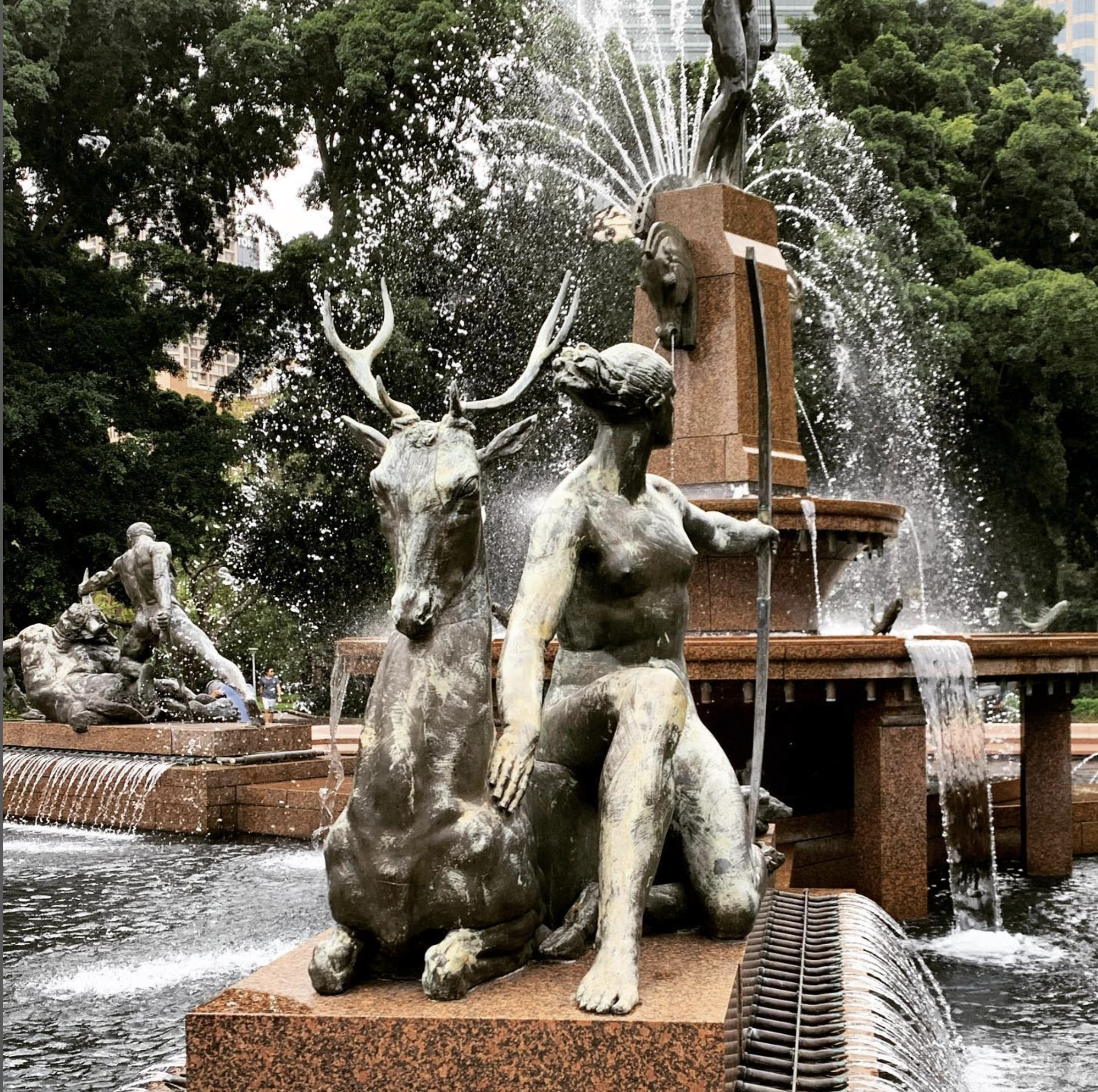
A CITY WALK
I’d been sitting in a plane for many hours, so fresh air and leg stretching were first on the list. An easy loop started at Hyde Park with giant fig trees and the Archibald Fountain, a tribute to the Franco-Australian relationship. You can walk straight over to the Botanical Gardens, and follow the water’s edge round to the money shot - the Sydney Opera House. The garden holds deep cultural significance as it’s situated on the traditional lands of the Cadigal people. You can learn about Aboriginal heritage with artwork, and interactive displays explain indigenous plant uses and the connection between Aboriginal communities and the land. Past the Opera House, I settled in for the French menu at Whalebridge. Warm evening light, a view of the bridge over the harbour and rippling water. I was ready for work the next day.

BONDI
It’s oh so easy to travel in Sydney. I just tapped my Visa card on and off trains, buses and ferries. Staying by Town Hall station made everywhere seem like a few minutes away. I had a meeting in Bondi, so we met at Blackwood Cafe. Bright pink tuna crudo eaten in the sunshine and talking to ambitious founders of a business bound for the States was followed by a walk round the iconic beach. I’d stuffed my bikini in my handbag so got happily smashed about in the waves before heading back to the CBD.

LIGHT UP
I’m not much of a party girl these days, but I do love to walk around cities at night. Each year Sydney’s buildings and skies light up with their Vivid Festival in May. Hundreds of drones take to the skies and videos of artworks cover landmark buildings. Follow the light walk from Circular Quay and grab snacks en route.

BARANGAROO
Everyone here likes to have early meetings, which has been perfect as I get the rest of the day to explore. The morning was spent with Startmate, one of Australia and New Zealand's best-known tech startup accelerators in the Stripe offices at the incredibly hip WeWork building. The whole area, Barangaroo, has been recently redeveloped. The land is named after an influential Aboriginal woman from the Eora Nation. Gleaming buildings line the water, it’s a pretty magnificent working environment. The development has turned an inaccessible industrial area into a waterfront for everyone to enjoy, and linked up some of the central Sydney points with the Wulugul (kingfish) Walk.

SHELLY BEACH
Take the ferry from Circular Quay to Manly Beach and walk the picturesque pathway cut into the cliffs round to Shelly Beach. A towel, snorkel, mask and a good book are all you’ll need to while away a good part of the day. There’s a lovely beachside restaurant called the Boat House which doesn’t take bookings. And a huge reef round the headland at the end of the beach, which is where your mask and snorkel comes in handy. If you’re hot on the walk back to Manly to catch the ferry, stop off at Cabbage Tree Bay and have a quick dip off the rocks.

INDOOR WATERFALL
Okay, I think this is my favourite thing in Sydney, and I found it by accident walking through Town Hall shopping centre to get to the train. An actual waterfall covering an entire wall in Eternity Café. I went there every day. It’s got a very kitsch vibe. I was a big fan of the smoothie bowls and salads.
Top tips for solo travel in Sydney
Use booking.com app for the best one-bedroom apartments in the CBD.
Eat outside peak restaurant hours to get the best seats in town.
Walk everywhere! You’re on your own schedule.

Escape to Mother Nature
With headlines echoing rising concerns around climate change, 44 percent of Kiwi travellers say that recent news about climate change has influenced them to make more sustainable travel choices. With Mother’s Day fast approaching, what better way to show your appreciation for the mother figure in your life by planning an escape to Mother Nature this Mother’s Day?

Woodside Bay Chalets
Booking.com’s Sustainable Travel report for 2023 shows that 66% of Kiwi travellers want travel companies to offer more sustainable travel, having launched its Travel Sustainable Badge recognising accommodations for their sustainability efforts . Thankfully, you don’t have to travel far to spend a night or two at a sustainable stay. Here are five Travel Sustainable certified properties that tick all the boxes for you and Mum this Mother’s Day.

The Fairways Luxury Accommodation, Kaikoura
The Fairways Luxury Accommodation, Kaikōura
The picturesque coastal town of Kaikōura is the perfect place for marine life encounters, coastal walks, and tucking into a plate of sustainably sourced seafood. Kaikōura is an ecological playground for marine mammal encounters – whales, fur seals and dolphins live permanently in the coastal waters. Whale watching trips leave the town several times a day and the local seal colony is always entertaining.
Situated next to a golf course for our travellers who love to putt, Fairways Luxury Accommodation can be found along Kaikoura’s spectacular coastline. With luscious landscapes overlooking the countryside and enough rooms for the whole family. Fairways Luxury Accommodation also has numerous walking and bike trails to further immerse yourself in the great outdoors.
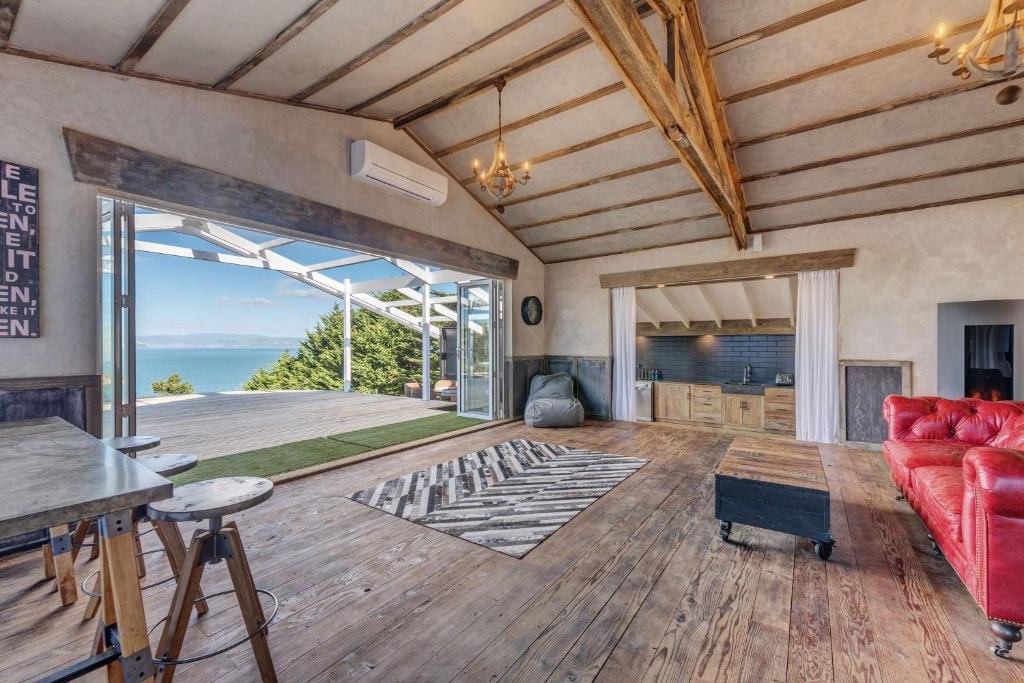
Woodside Bay Chalets
Woodside Bay Chalets, Waiheke Island
Waiheke is a haven of beautiful vineyards, olive groves and beaches, beloved by all who step foot on the island. The island is the go-to destination for those wanting to escape the big city without having to travel too far as it is just a 40-minute ferry ride from downtown Auckland.
If you’re planning a weekend away in Waiheke, the Woodside Bay Chalet has a variety of wellness activities for all to participate in. Get your yoga mats out for some sun salutations or unwind with a well deserved hot stone massage. There are several packages on offer that are catered perfectly for indulgence and self-care in the intimate atmospheres where you can focus on your wellbeing in this divine Travel Sustainable find.

Heaven’s Rest B&B
Heaven’s Rest B&B, Pukekohe
Equestrian and farm to plate garden fresh vegetables are just some of Pukekohe’s highlights. This large country town is always buzzing with activity and is just under an hour’s drive from Auckland’s bustling city centre.
Escape the city noise and surround yourself with farm land and animals at Heaven’s Rest B&B. Catch the sunset, or the sunrise while you take in the picturesque landscapes and fresh outdoor air. With available hot tubs for use, step in and unwind while you wait for your BBQ to grill on their outdoor deck.

Fable Terrace Downs Resort by MGallery
Fable Terrace Downs Resort by MGallery
Set against the majestic backdrops of both alps and ocean, Canterbury has lush vineyards and wild coastlines along with sky-piercing mountains and pristine glacial lakes that is out of a movie scene.
Overlooking some of the most stunning golf courses and mountain peaks you can find in Canterbury, Fable Terrace Downs Resort has delicious first class dining experiences available inhouse for you to savour. Fable Terrace has both golf courses and tennis courts for you to spend a day in the sun. There are other nearby unique ventures for you to participate in including jet boating, clay bird shooting, quad biking and fishing.

Cascade Creek Retreat, Milton
Tucked away in the heart of the South Island, the historic town of Milton has a number of stunning heritage buildings that will take you back in time.
Cascade Creek Retreat is located 45 minutes away from Dunedin and is near a variety of calming bushwalks. This eco-friendly stay gets you feeling more down to Earth than you ever have before. Its romantic and private atmosphere helps couples enjoy their quality time on Mother’s Day. Take a dip in their outdoor tubs and open a bottle of your favourite wine. If you’re looking to explore a bit more, Cascade Creek Retreat is only a day trip away from the Catlins, get your feet sandy while you spot native seals and penguins or simply stay in and enjoy being away from the bustles of life.
booking.com