
FEET FIRST
A podiatrist in Tauranga is challenging the conventional approach to foot problems, using hands-on therapy to address the underlying causes. Shaun McCann’s pioneering technique is helping patients get back on their feet, and back to the things they love.
WORDS KARL PUSCHMANN
PHOTOS KATIE COX
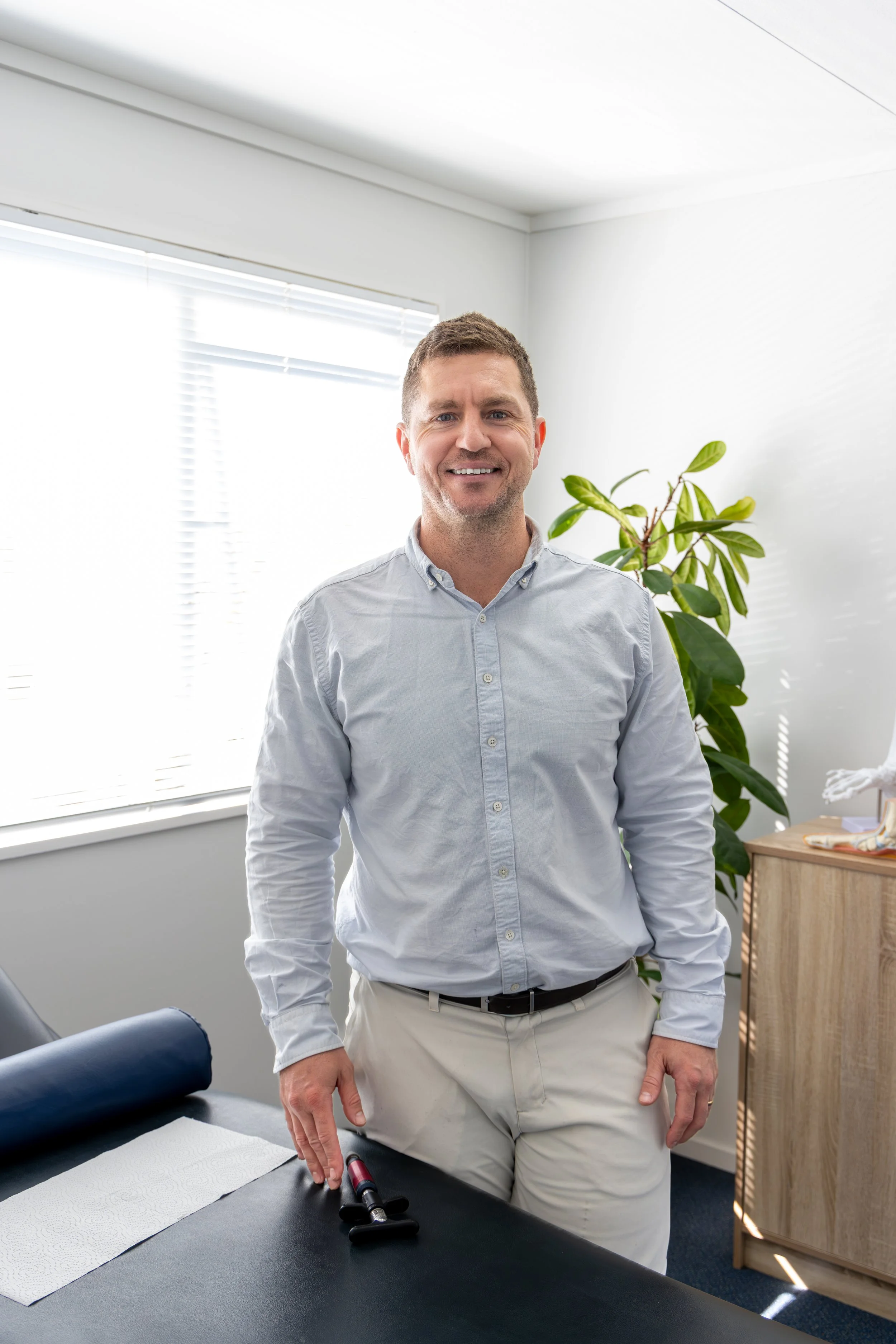
Podiatrist Shaun McCann had grown as frustrated as his patients. Every week, a patient would hobble into the clinic carrying a bag full of prescription orthotics that simply hadn’t worked. Along with their orthotics, they carried the desperate hope that he held the answer their previous specialists had missed.
The problem was, he didn’t.
“I started to get frustrated with the limitations of the treatment and methods that I’d been taught,” he says. “I thought there had to be another way of treating the foot and leg, without having to put someone in an orthotic or referring them to surgery.”
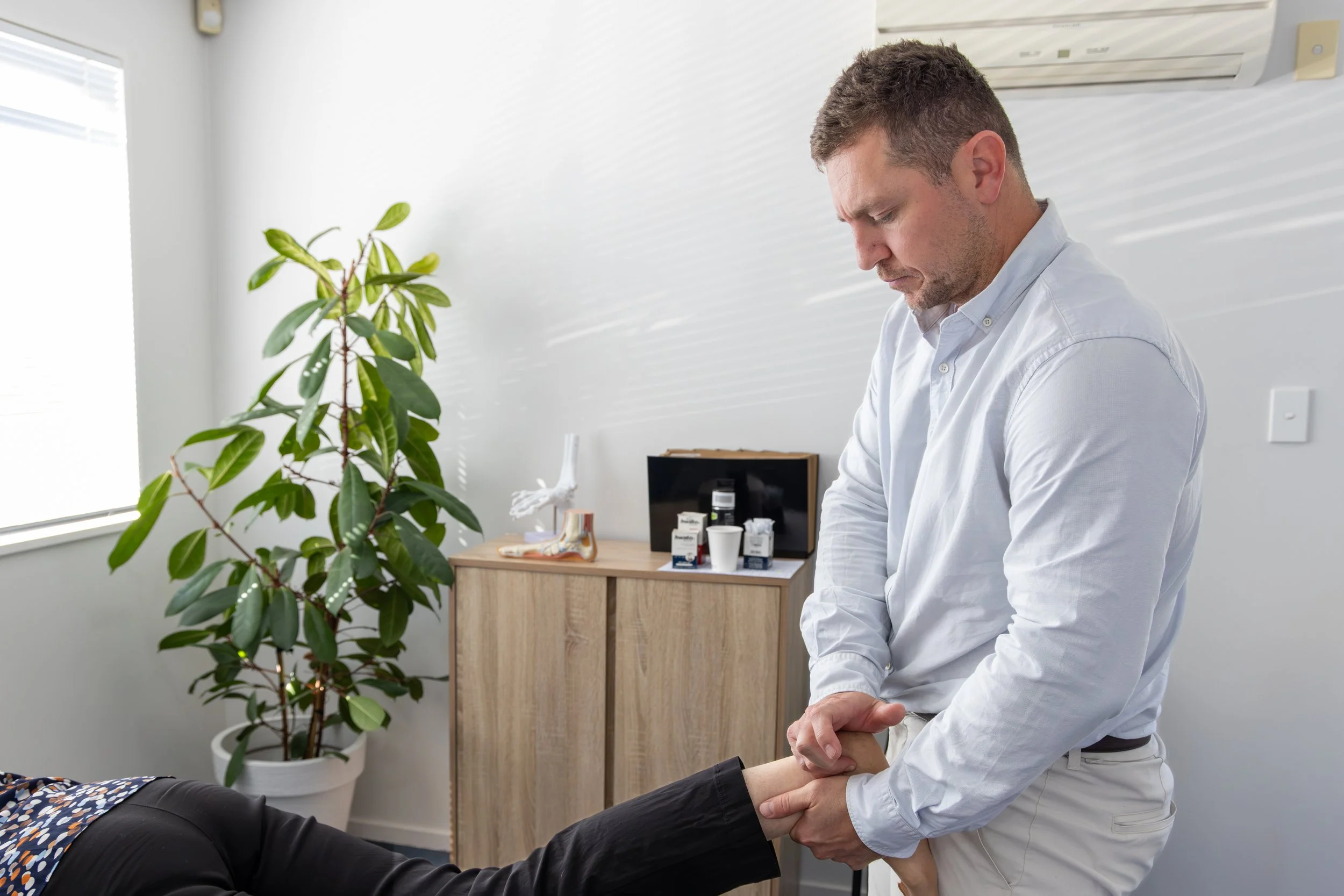
He couldn’t ignore the pattern, or the feeling that there had to be another solution, so he began looking beyond podiatry, talking to friends and colleagues in related fields, including physiotherapy and chiropractic. Conversations with his best friend, a physio, saw Shaun questioned on why podiatry sometimes relied on external devices or surgery, instead of working to strengthen and condition the body itself.
“This led me to foot mobilisation therapy,” he says, describing the hands-on technique he now practices that addresses misalignments in the foot, followed by strength and conditioning exercises designed to reinforce these changes.
Shaun holds a BHSc (Podiatry) and says that although orthotics have a role, they’re an aid, not the long-term solution. He’s also quick to point out that his approach isn’t the answer for everyone.
“Orthotics will work for a percentage of people, but not everyone,” he says. “It’s the same with my treatment. It doesn’t fix everyone – it provides another option.”
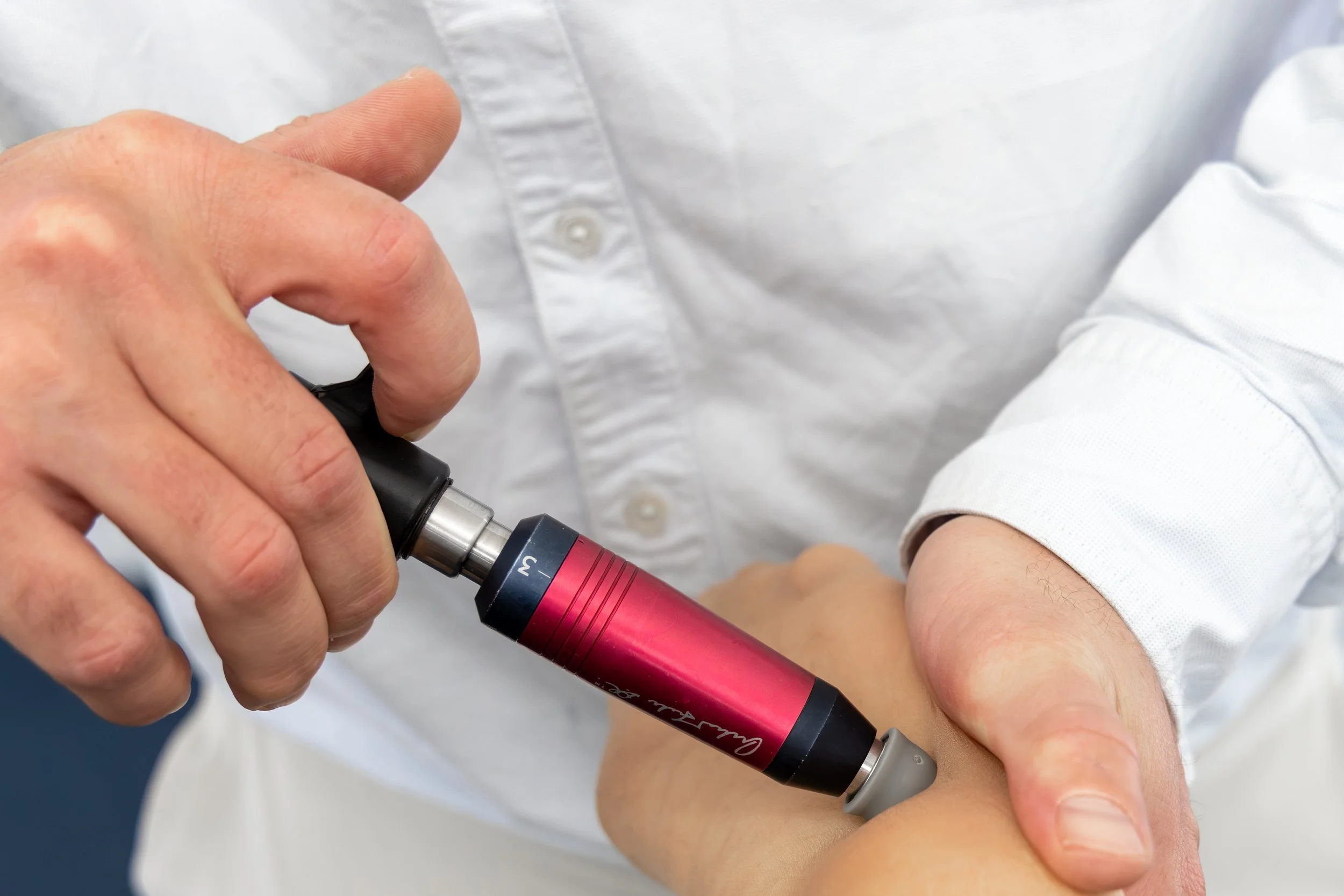
Foot mobilisation therapy uses manual techniques similar to those used by chiropractors, osteopaths and physiotherapists to treat conditions including plantar fasciitis, Achilles tendinopathies, hammer toes, bunions, osteoarthritis and ankle sprains. Strength and conditioning exercises are then prescribed for clients to continue at home.
“This addresses the underlying weaknesses and misalignments, so ultimately the patient can walk better barefoot again, rather than relying on external devices like orthotics,” says Shaun.
Treatment can also include other techniques, like category-four musculoskeletal laser, dry needling and strapping. Shaun says the approach is tailored to the individual, with diagnostic information such as X-rays or ultrasounds helping to establish a short-, mid- and long-term treatment plan.
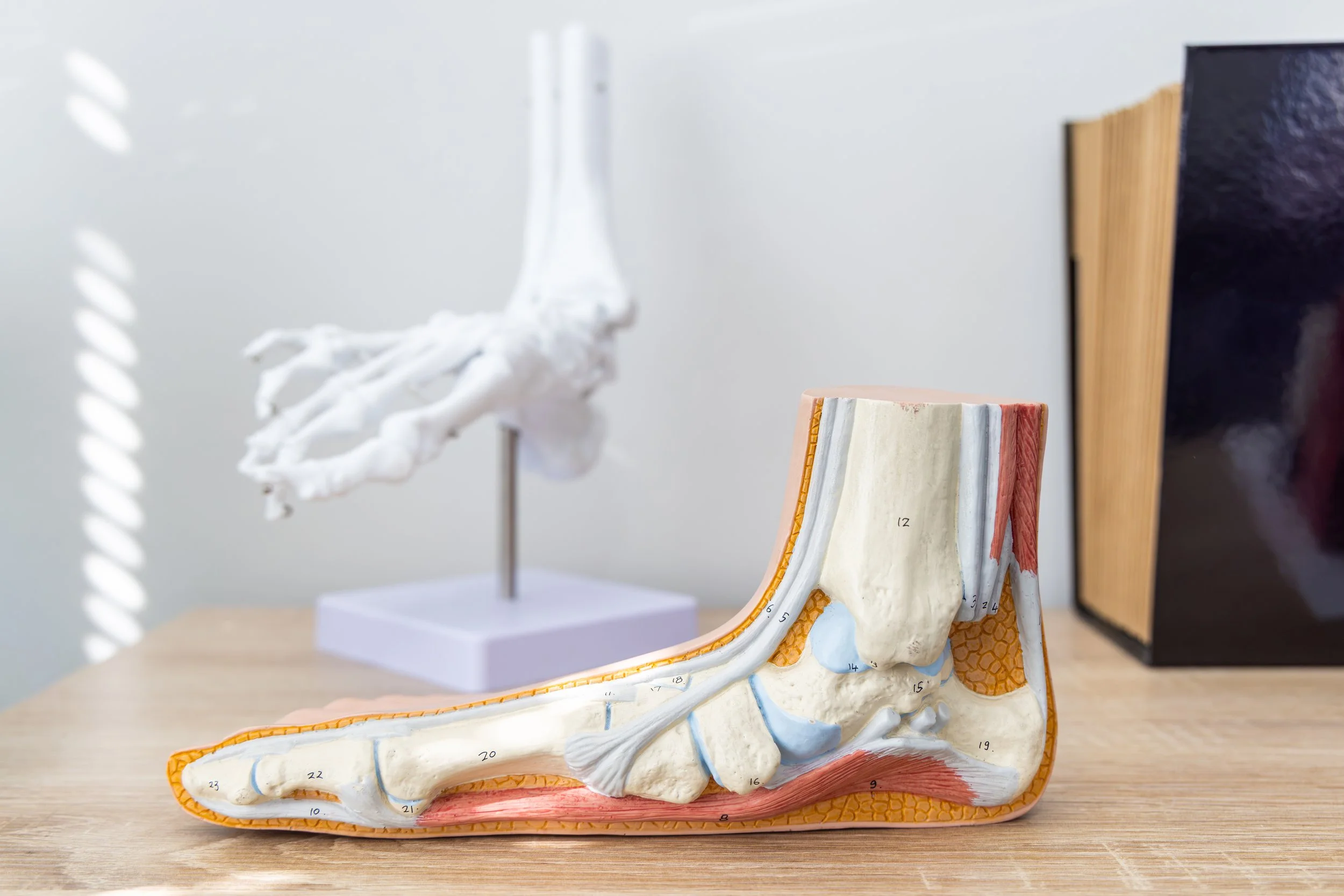
A key part of Shaun’s approach is giving clients measurable evidence of change. X-rays can be taken before and after treatment, allowing changes in the foot to be assessed objectively, as opposed to relying solely on how their foot feels.
“I can physically see the evidence of why they feel better,” he says. It also helps him work towards a bigger goal: making clients less dependent on treatment.
“I’m trying to get someone from A to B, and then get them self-sufficient,” he explains.
Shaun spent five years working in Australia, including several years in a clinic dedicated to foot mobilisation. Working directly with patients allowed him to develop not only his understanding of the technique, but also the confidence and practical experience needed to manage the realities of treatment.
With a baby on the way, Shaun and his wife decided it was time to come home. They chose Tauranga, where his wife is from, and decided to see whether his new approach could take root here.
On returning, he saw an opportunity. He was the first to pioneer foot mobilisation therapy as a specialty in New Zealand, and today he says only two places in the country specialise in the practice. Over the past nine years, he’s opened two clinics in Auckland and Corrective Foot Solutions here in Tauranga, where he practices. Treatment is ACC funded, and private health insurance may also cover it where podiatry is included in the policy.
For people dealing with foot problems, particularly bunions, Shaun says early action makes the biggest difference. Exercise and appropriate footwear can help, but hereditary factors and the way a person stands and walks can also contribute.
“The sooner someone can get on to treating something like a bunion, the better,” he says. “The longer you leave it, the harder it gets.”
Ultimately, the goal is not simply to make feet feel better. It’s to help people return to the things they enjoy, whether that means exercise, socialising, shopping, Pilates or yoga.
“After treatment, people feel stronger on their feet and more stable and mobile,” he says. “And they always mention that they can wear their favourite shoes!”