
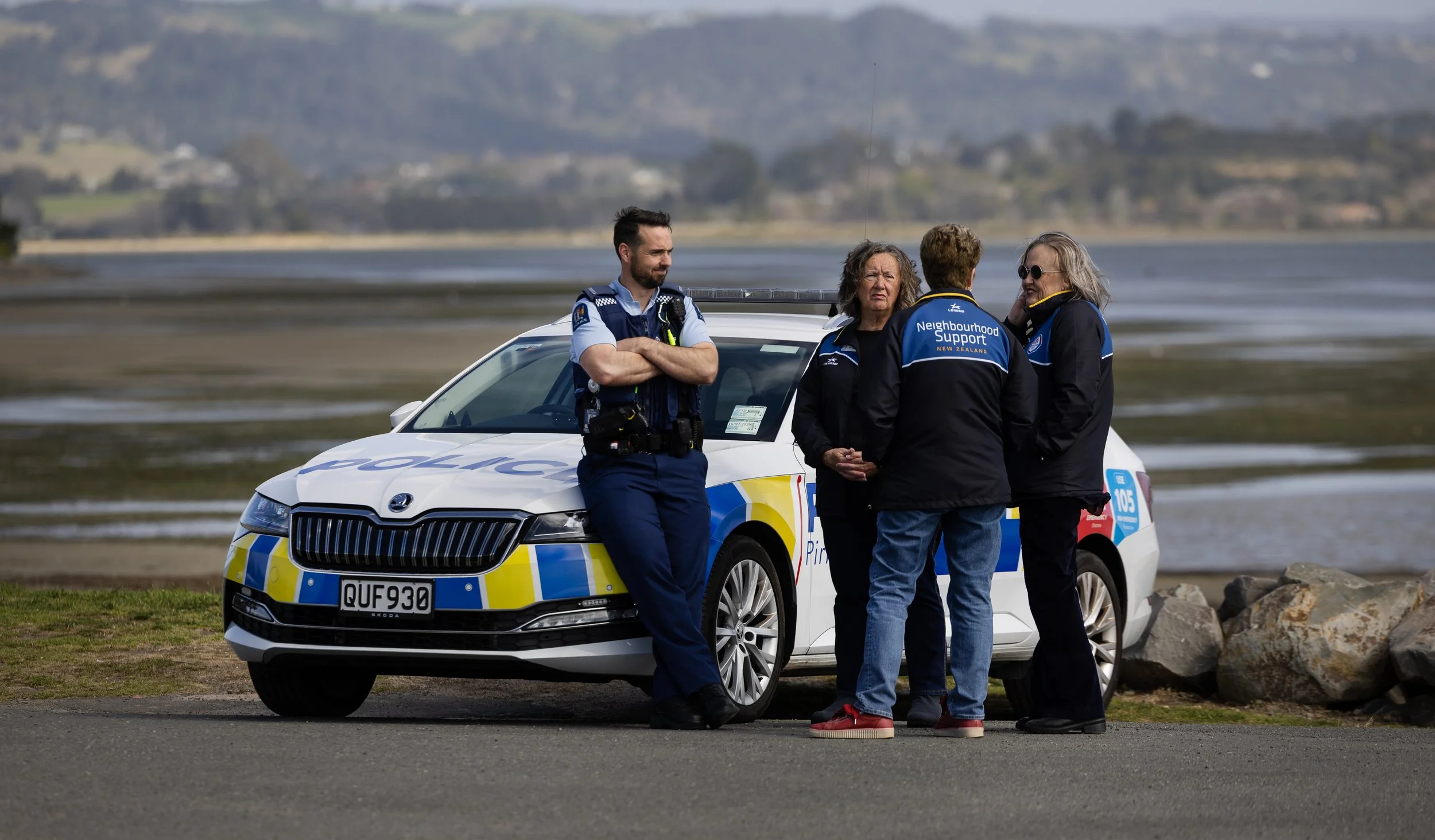
GOOD IN THE HOOD
Today’s Neighbourhood Support modernises the old model to help our increasingly disconnected communities keep an eye out for each other.
Today’s Neighbourhood Support modernises the old model to help our increasingly disconnected communities keep an eye out for each other.
WORDS HAYLEY BARNETT | PHOTOS ALAN GIBSON
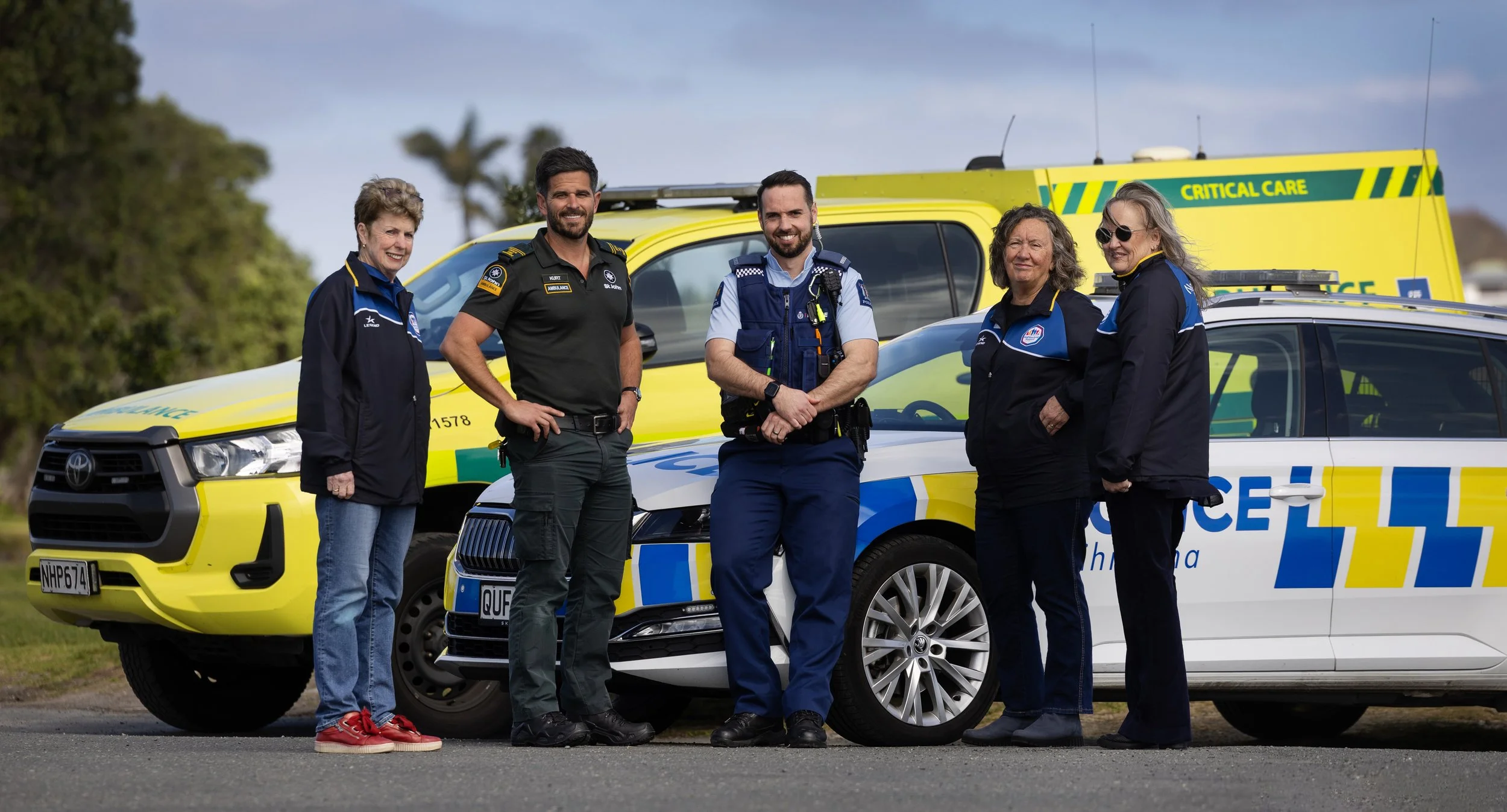
FROM LEFT: WBOP board chair Kathy Webb, Hato Hone St John critical care paramedic Kurt Golding, community constable Chris Connolly, WBOP board member Bev Tagg and Neighbourhood Support Tauranga manager Marea Goodwin-McKay.
The sound of a driveway full of people who’ve lived two doors apart for years and are meeting properly for the first time is a sound Kathy Webb knows well.
“These intro meetings are often very loud,” she says. “People meeting for the first time make a lot of noise, but it’s happy noise – finding out about one another, who’s in the family, are they working, kids… just generally getting to know the neighbours.”
As chair of Neighbourhood Support Western Bay of Plenty, Kathy has stood on enough driveways to know what that noise means. It means a street that used to be a row of strangers behind fences is starting to become something else.
“Most people assume Neighbourhood Support is mostly about crime prevention,” she says, “but we’ve moved away from the old Neighbourhood Watch days to more of a support and enabling role. It’s a much broader and preventative take on things that upset the regular rhythm of life.”
The local community constable and Fire and Emergency New Zealand often turn up alongside her at street meetings, which is how the model works.
“Although our key partnerships are with Police and FENZ, we like to work in the wider space of community safety,” Kathy explains. She’ll often invite Arron King, who works in community readiness and recovery for FENZ locally, to those gatherings. “He has a fancy title and job description, but he’s also a real bloke and a volunteer fireman in Pāpāmoa, and extremely knowledgeable about fire danger in the home and everywhere.”
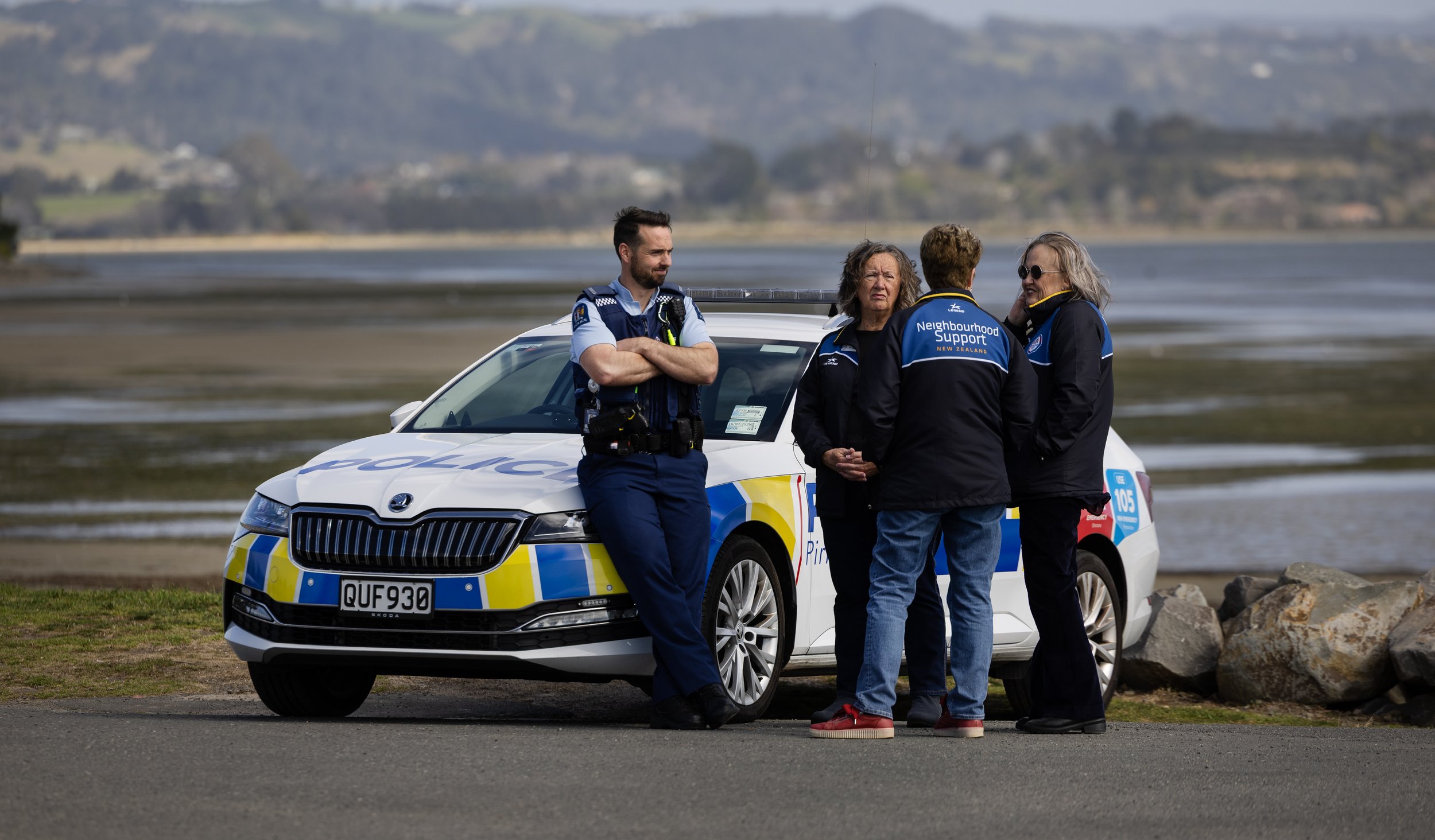
Hato Hone St John are regulars too, running short 3 Steps for Life sessions in different suburbs. It’s an hour of teaching people to dial 111, do CPR and find the nearest defibrillator.
But all that’s by the by. The big question here is why did we stop knowing our neighbours in the first place? Kathy puts a lot of it down to time. “To survive, everyone needs to work, so Mum and Dad are juggling all the responsibilities, like work hours, school hours, sport and often ageing parents as well. There just isn’t enough time in the calendar.”
We also have a population that moves house on average every five-and-a-half years, chasing a job, a school zone or family. The long, slow process of getting to know a street barely gets started before the moving van turns up again.
Kathy sees loneliness creeping in, though she’s careful not to blame any one thing for it. Retirement villages, she points out, are both a symptom and a partial fix. They’re good for company, but they strip out the everyday variety of a normal street. It’s not just the big, one-off events that rebuild connection, she says. It’s the little things, like a wave in the driveway and someone who’ll take the bins out when you’re away.
This is the model behind Neighbourhood Support. If one person on a street is willing to put up their hand, the organisation helps them find a place to meet, puts an invitation together, does the mail drop and brings along whoever’s relevant, such as the community constable, a councillor or someone from Age Concern. Out of that first loud, happy meeting comes something practical to pursue, like bringing to the neighbourhood’s attention who’s vulnerable and might need checking on, who’s got a spare set of house keys, who has a trailer worth borrowing. Many groups end up swapping numbers and creating a WhatsApp group, so the connection outlasts the meeting.
“We often underestimate our influence,” says Kathy. “A smile and simply being present may seem insignificant in the moment, but for someone facing isolation or hardship, those small acts can provide hope and a sense of belonging that lasts for years.”
Her advice for anyone who doesn’t know their neighbours well is to “just take every opportunity to smile and say hi in the street. If a new neighbour moves in, pop over and introduce yourself. Offer help, especially when they need it.” There’s no committee or working bee required to start.
Multiply that across every street in Tauranga, and Kathy reckons the difference would be fewer disputes, better-supported elderly and disabled residents, and streets where, if something goes wrong, the first response comes from someone who already knows your name. And maybe still has your trailer. WBOPNS.ORG.NZ

COMING TO THE TABLE
Waipuna Hospice makes time count for families. Their first Long Lunch asked Tauranga to return the favour, and more than 700 people said yes.
Waipuna Hospice makes time count for families. Their first Long Lunch asked Tauranga to return the favour, and more than 700 people said yes.
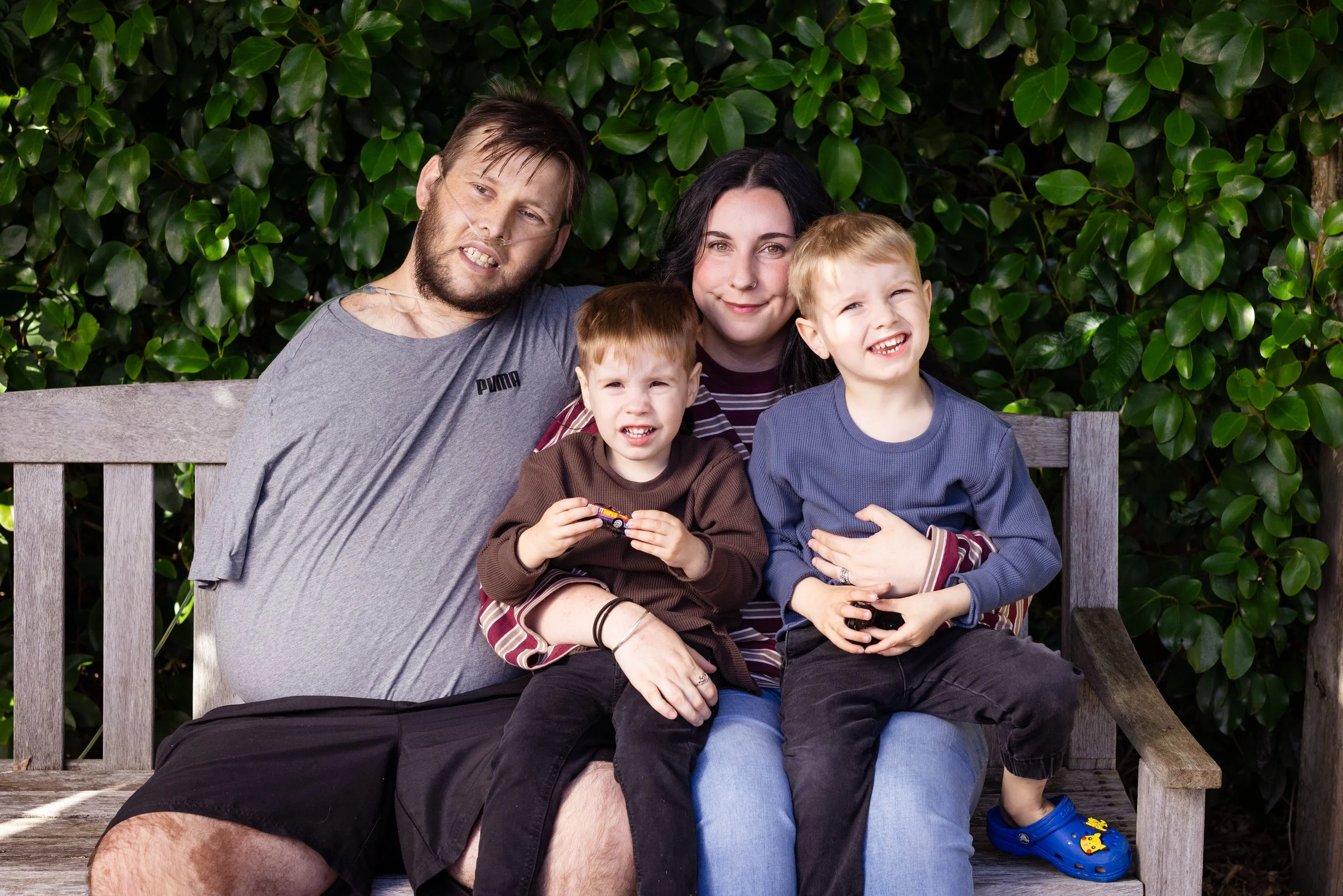
FROM LEFT: Shaun Lemberg, with Ezra, Isla and Archie.
When Shaun Lemberg got the chance to see the Chiefs play with a mate, his declining health could easily have got in the way. Shaun was 34, husband to Isla and dad to Ezra and Archie, living with a rare, aggressive cancer that had spread to his lungs and then his heart. His medications were planned around the trip, oxygen was arranged, and when he got home after midnight, a nurse was waiting to help him get comfortable.
It wasn’t really about the game. It was about helping Shaun keep living, as fully as he could, in whatever time he had left.
The same care carried Isla too. “Waipuna Hospice didn’t just look after Shaun, they looked after me as well,” she says. “You walk in and the nurses call out and say hello. You feel deeply cared for.”
Shaun has since passed, but his story sits behind Waipuna Hospice’s first Long Lunch, a new fundraising event at Mercury Baypark Arena on Friday October 16, which has already sold out. More than 700 people will attend, a result that’s taken the team by surprise.

“To have more than 700 people coming together for our very first Long Lunch is quite extraordinary,” says CEO David Bryant. “Every ticket purchased is helping make sure that when another family in our community needs us, we can be there.”
Less than half of Waipuna’s operating costs are covered by government funding. The rest comes from its shops, donations, events and the community’s generosity. This year, Waipuna needs to raise more than $8 million to keep its services running, and the Long Lunch is one part of that effort.
Waipuna Hospice provides specialist palliative care for people with a lifelimiting illness, and support for their families and whānau. Doctors and nurses manage pain and complex symptoms, but the care goes well beyond medicine – social workers, counsellors, physiotherapists and occupational therapists work alongside patients and families, and bereavement support continues long after someone dies.
Most of that care happens in people’s own homes and in aged care facilities. Only a small number of patients ever need Waipuna’s six-bed inpatient unit in Te Puna – usually short-term, while symptoms or medications are brought back under control.
For many families, a diagnosis like Shaun’s changes everything overnight. Hospice can’t change that. What it can do is make sure nobody has to face what happens next alone.
For Isla, the support hasn’t stopped. Waipuna’s bereavement team is still there for her. The same wraparound care that got her family through Shaun’s illness is now getting her through what comes after.
Shaun said it best, not long before he died. “I would hate to consider a world without hospice care,” he said. “It would put so much extra stress on families like ours, and everything would feel harder.”
On October 16, more than 700 people will come to the table for Waipuna Hospice, some for the first time, others already knowing what that care can mean. Either way, they’re making sure that when the next family gets news that changes everything, Waipuna will still be there to help them make the time they have count. WAIPUNAHOSPICE.ORG.NZ

GLOBAL AMBITION
It’s not the size of the city you’re based in, but what you do with the potential in it. So say these innovative local thinkers, who are showing the world just how far their revolutionary tech can take things.
It’s not the size of the city you’re based in, but what you do with the potential in it. So say these innovative local thinkers, who are showing the world just how far their revolutionary tech can take things. WORDS KARL PUSCHMANN

SYOS’ unmanned sea vehicle, the SM300, out on patrol.
Here in the Bay, we’re well known for our relaxed lifestyle, golden sand and lush nature. Few people realise we’re also on the bleeding edge of tech, with two Bay-based companies leading the field in robotics and autonomous technology. On the following pages, we go inside the businesses turning big ideas into world-changing innovations.
MASTER OF THEIR DOMAINS
What started as a simple idea has seen SYOS Aerospace conquering land, air and sea.
Right now, somewhere in the world, a helicopter buzzes overhead without a pilot, a boat skims across the water without a crew, an unmanned cargo transporter crashes through the bush and an autonomous submersible glides silently beneath the ocean’s surface.
They’re all part of the rapidly expanding world of uncrewed technology, and a company at the forefront of it is based right here.
Mount Maunganui’s SYOS Aerospace began just five years ago in 2021, after co-founder Sam Vye saw a need for a machine that could bridge the gap between traditional helicopters and electric drones. “Electric drones just didn’t have the payload or the endurance,” he explains, “and manned helicopters were expensive or potentially dangerous in some tasks and environments.”
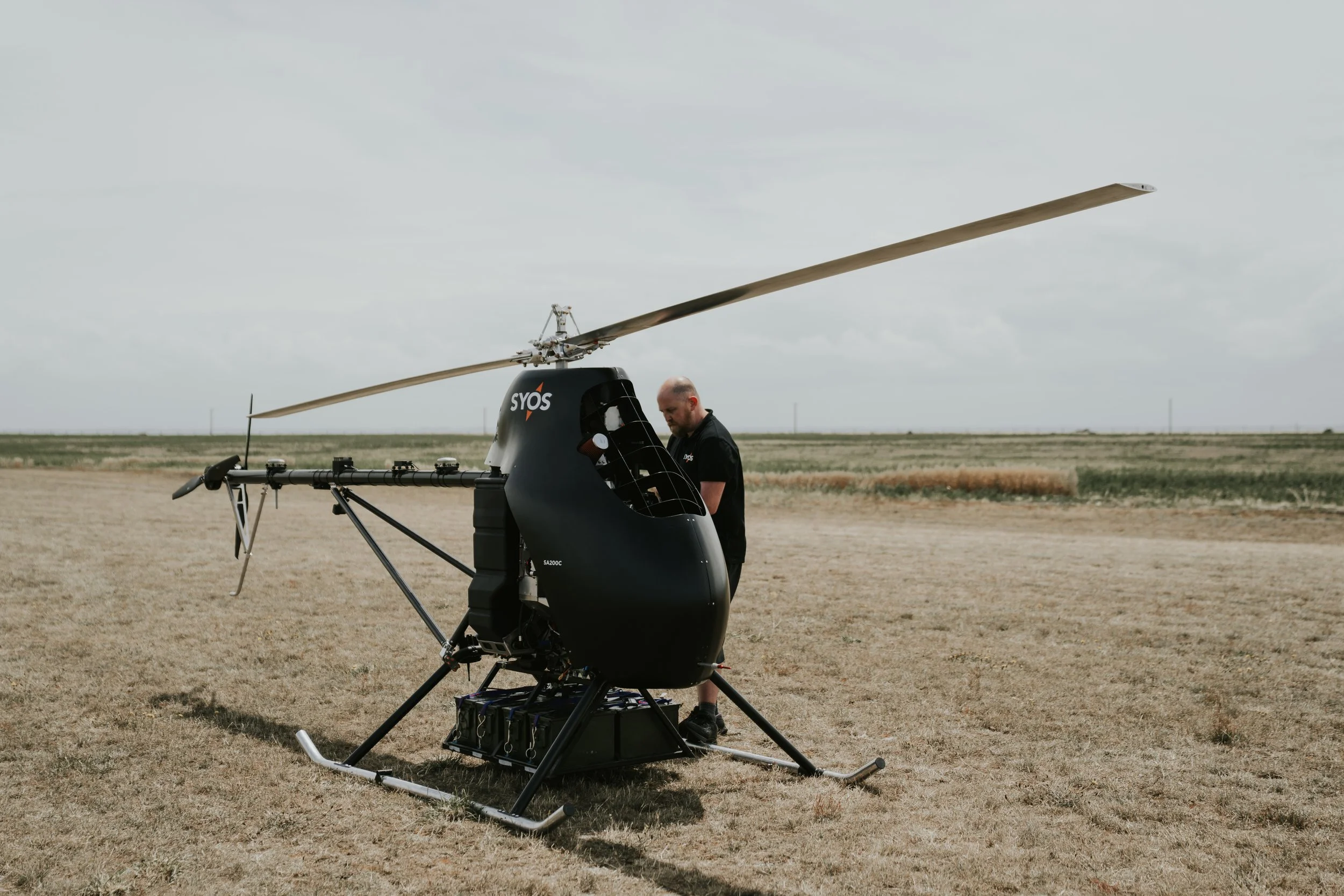
It all started with SYOS’ uncrewed autonomous helicopter, the SA200.
His idea was to create an unmanned helicopter powered by petrol, capable of applications including forestry, agriculture, cargo logistics, surveying, and search and rescue. Sam knew it needed to match what a manned chopper could do and be simple to keep powered. He also knew realising his idea was not going to be easy.
“Uncrewed helicopters are one of the bloody most complex, difficult vehicles to do,” he laughs. “They’re big things – flying bricks, if you like, with lots of vibration.”
Now that rechargeable batteries are capable of long distances, as evidenced by all the EVs on the road, you may think power wouldn’t be a problem, but batteries weren’t going to cut it. Firstly, recharging would ground the helicopter for hours, and secondly, batteries still can’t match the energy density needed to keep a helicopter lifting 200kg in the air for hours. Rather than trying to reinvent another wheel, they went with a proven solution.
“It runs on fuel that you can get from the BP fuel station,” explains Sam, allowing it to carry more and stay in the air longer than electric drones and be easily refuelled on site.
With their first helicopter, the SA200, in the air, Sam began to see the huge potential and opportunities in what they’d created. “We started realising that the skills we’d put together, the autonomy and the software capability, could be applied to other domains across land and sea.

The robust SG400, a 6×6-wheel drive unmanned vehicle capable of operating in rugged terrain.
“We really targeted the three Ds: dull, dirty or dangerous,” he says. “Our first real venture was uncrewed boats, or uncrewed surface vessels, and we’re also now in the subsurface domain, with the acquisition of local company Bay Dynamics.”
The growth has been rapid, but Sam says they’re not going anywhere. A significant part of SYOS’ development and manufacturing operation remains here in the Bay, and the company now employs around 100 people and is actively recruiting for more. They’ve also opened a production facility in the UK, and Sam says he expects their global workforce to approach 200. “We’re proud of the fact that we’ve grown the business organically.”
This remarkable growth has been driven by a willingness to move quickly. Rather than spending years developing the perfect machine, SYOS instead creates a minimum viable product, then improves it through what they call spiral development.
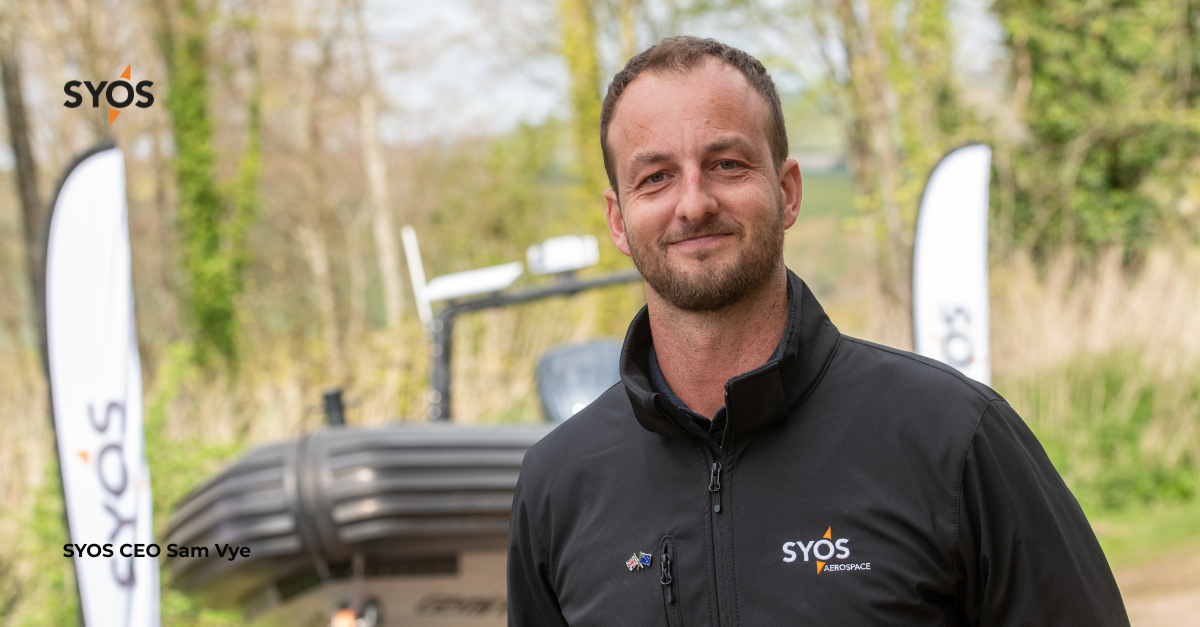
SYOS CEO Sam Vye.
“We’ve got a very, very good reputation with our customers for developing faster than anyone else can develop,” says Sam. “If new systems are needed, we don’t need years to develop it. We can do it in weeks or months, and then do the upgrades within days or even hours based on end-user feedback.”
For all its international ambitions, the Mount remains an important part of SYOS’ future. Sam says the region has a real advantage when it comes to attracting specialist talent from around Aotearoa and overseas, particularly because of the lifestyle on offer. He believes there’s a great opportunity to turn the Bay of Plenty into the next Silicon Valley.
“If we can grow the Bay of Plenty to be a tech hub, that would be incredible,” he enthuses. “We’ve got all the things in place to be able to do it, but having support from the government to drive the expansion of a tech hub would really springboard it.”
No matter what happens, SYOS is here to stay. Sam says he has no desire to “sell out” to a massive corporation like Boeing or Airbus. “We really want to recognise our New Zealand roots and utilise New Zealand as an amazing base. I’d love us to be the next Rocket Lab. In a nutshell, we’re here to play long term and be a global player.”

Robotics Plus is revolutionising farm work around the world with its autonomous vehicle, Prospr.
FARMHANDS OF THE FUTURE
Robotics Plus transformed the way food is grown and went global, without leaving the Bay behind.
Even in the age of dancing robots and self-driving cars, the idea of robots working the land and tending crops on farms sounds like something straight out of a sci-fi film. Still, in vineyards in Marlborough and Blenheim, on apple orchards in Washington and on hazelnut farms in Oregon, autonomous vehicle Prospr is out in the fields, working these high-value crops.
Prospr is the future of farming that Steve Saunders envisioned over a decade ago. He grew up around agriculture and spent more than 30 years building horticultural businesses in the Bay of Plenty. It had given him a front-row view to the pressures facing growers. Labour shortages, productivity and sustainability were increasingly difficult challenges. He believed the rapidly advancing technolgy sector would hold the solution.
Around 2014, he teamed up with robotics expert Dr Alistair Scarfe, and Robotics Plus was born.
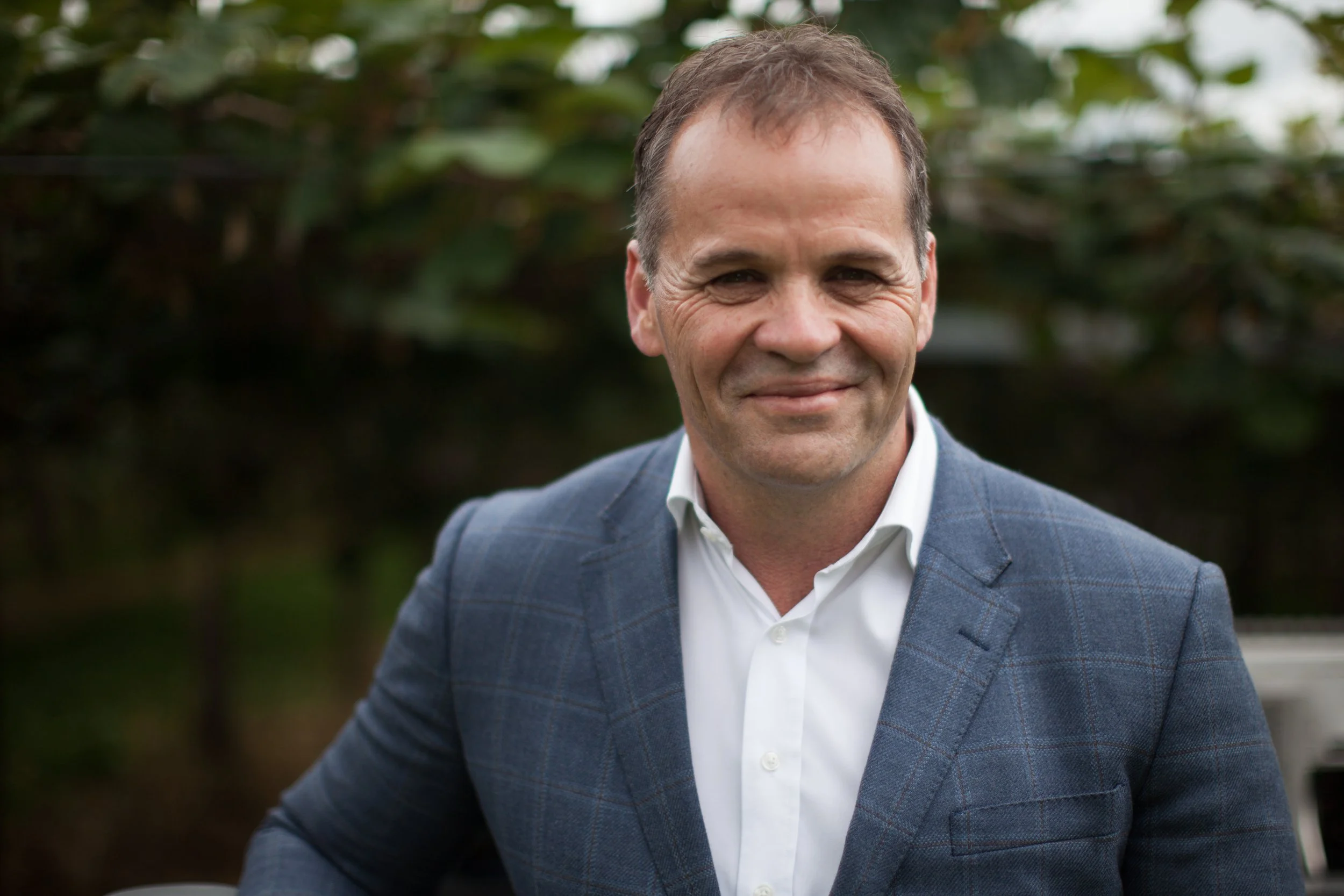
Yamaha Agriculture’s senior vice president of business development and strategy, Steve Saunders.
“We began working on automation ideas,” says Steve. “The vision was to develop practical robotic and automation technologies to help growers address those interconnected challenges.”
One of the company’s defining innovations was Prospr, an autonomous vehicle created to carry out essential orchard and vineyard tasks. “It’s designed to improve productivity, precision, safety and sustainability while helping growers make better use of increasingly scarce labour,” explains Steve. “Prospr is a hybrid technology that significantly reduces fuel costs and carbon footprint.”
It launched with autonomous spraying capabilities, and earlier this year added an attachment for autonomous weed control.
After developing a strategic partnership with the global powerhouse Yamaha Motor in around 2017, thanks to their shared vision that robotics, automation and intelligent data would play a central role in the future of specialty agriculture, Robotics Plus was acquired by them last year to form the foundation of their new global agriculture business, Yamaha Agriculture. Steve stayed on as the new company’s senior vice president of business development and strategy.
“By combining our agile, on-the-ground understanding of agricultural realities with Yamaha’s expertise and global reach, we can accelerate the delivery of autonomous solutions to growers worldwide,” he says, adding that when it comes to technology, Yamaha Agriculture has a grower-first philosophy. “Rather than replacing growers’ expertise, we’re developing autonomous systems that complement it. We’re integrating robotics, software and data- driven insights into connected platforms that become smarter over time.”
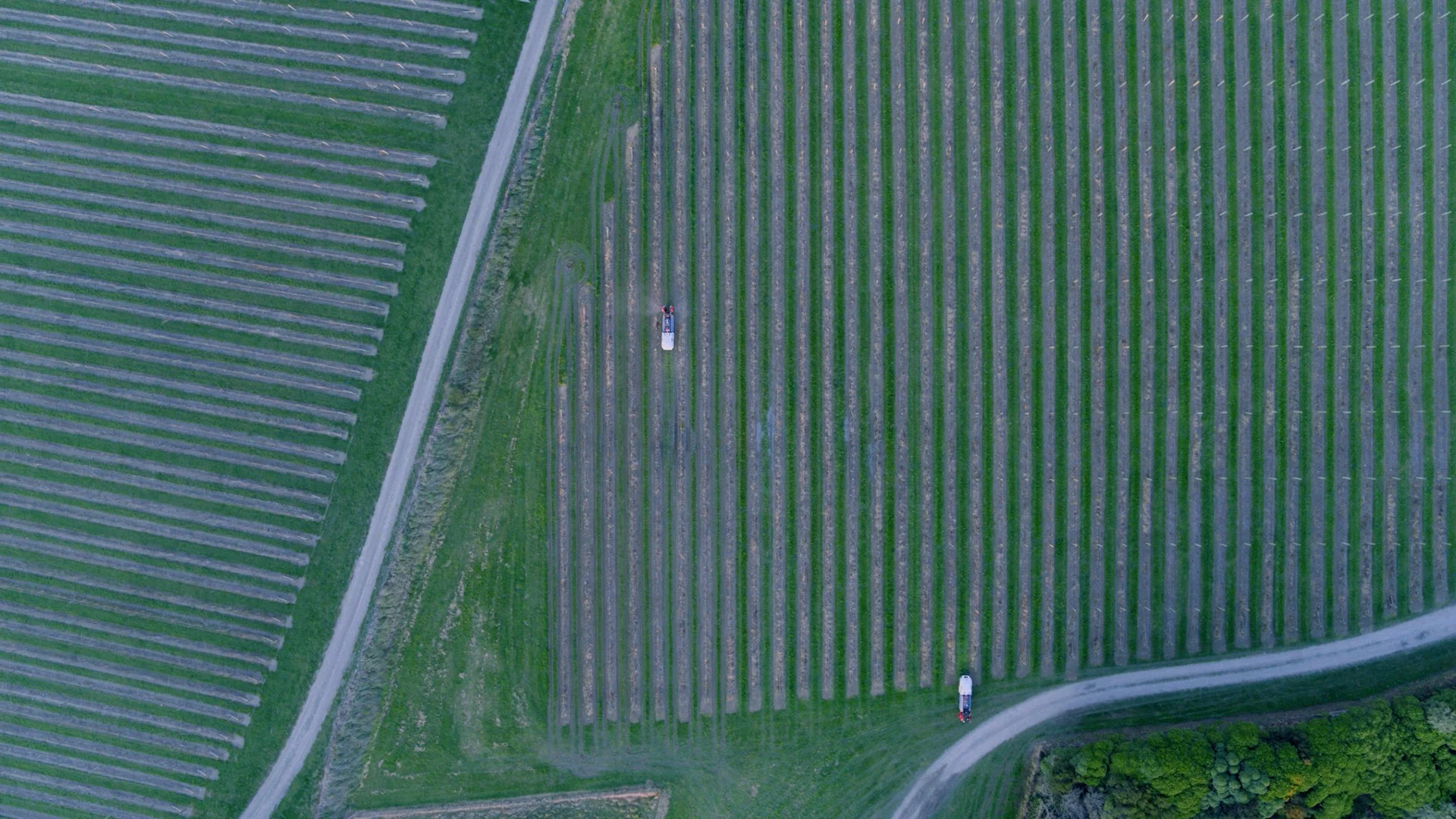
The goal of all this is to help orchard, vineyard and agriculture businesses worldwide become more productive, sustainable and resilient.
It’s impressive stuff. Steve says this international ambition was there from the start. “We believed from day one that Robotics Plus would be a global company. We knew that solving large, scalable agricultural problems would require a global focus.”
Even as Prospr rolls out around the world, its roots remain here in the Bay, something Steve is fiercely proud of. “Our Tauranga team has spent more than a decade proving that globally significant agricultural technology can be conceived, developed, manufactured and commercialised from New Zealand.”
For their field, the location boasts a couple of huge practical advantages. Orchards and vineyards are on the team’s doorstep, meaning they’re able to test their technology in real agricultural conditions. The region also has strong relationships with local suppliers, growers and research institutions.
Seeing how intricately tied Robotics Plus was to the Bay of Plenty, Yamaha Agriculture decided to move in themselves. They opened a purpose-built facility in Tauriko last year for the engineering, design, manufacture and development of their autonomous technologies, including Prospr.
The other advantage is that when competing internationally for specialist talent in robotics, software, engineering and automation, Robotics Plus can make a compelling argument. “We can offer people meaningful work, a collaborative culture and the opportunity to live in an outstanding region,” says Steve. “The Bay of Plenty offers a rare combination of sector knowledge, practical access to growers, strong local relationships and an exceptional lifestyle.”
He says Prospr proves that world-class technology doesn’t have to come out of a traditional technology hub. By drawing on close connections with local industries and the communities that support them, ambitious companies can build world-class technology, and serve customers in markets around the world. It can even see a worldwide giant come to you.
THAT’S CHOICE
Far from telling kids what to do, the organisation behind everyone’s favourite giraffe is taking a different tack to give teens the tools to make good decisions for themselves.
Far from telling kids what to do, the organisation behind everyone’s favourite giraffe is taking a different tack to give teens the tools to make good decisions for themselves.
Most Kiwi parents will be familiar with happy, smiley Healthy Harold. The mascot giraffe has been the friendly face of Life Education since 1988, visiting primary schools around New Zealand to help make lessons about health and wellbeing fun and memorable.
Now, Life Education’s graduating to intermediate and secondary schools via its Theatre-in-Education programme, which the trust’s chief executive Jo Malcolm-Black says is an exciting extension of their mission to help young people make positive choices. “It uses live performance and interactive workshops to meet young people where they are, developmentally speaking,” she explains.
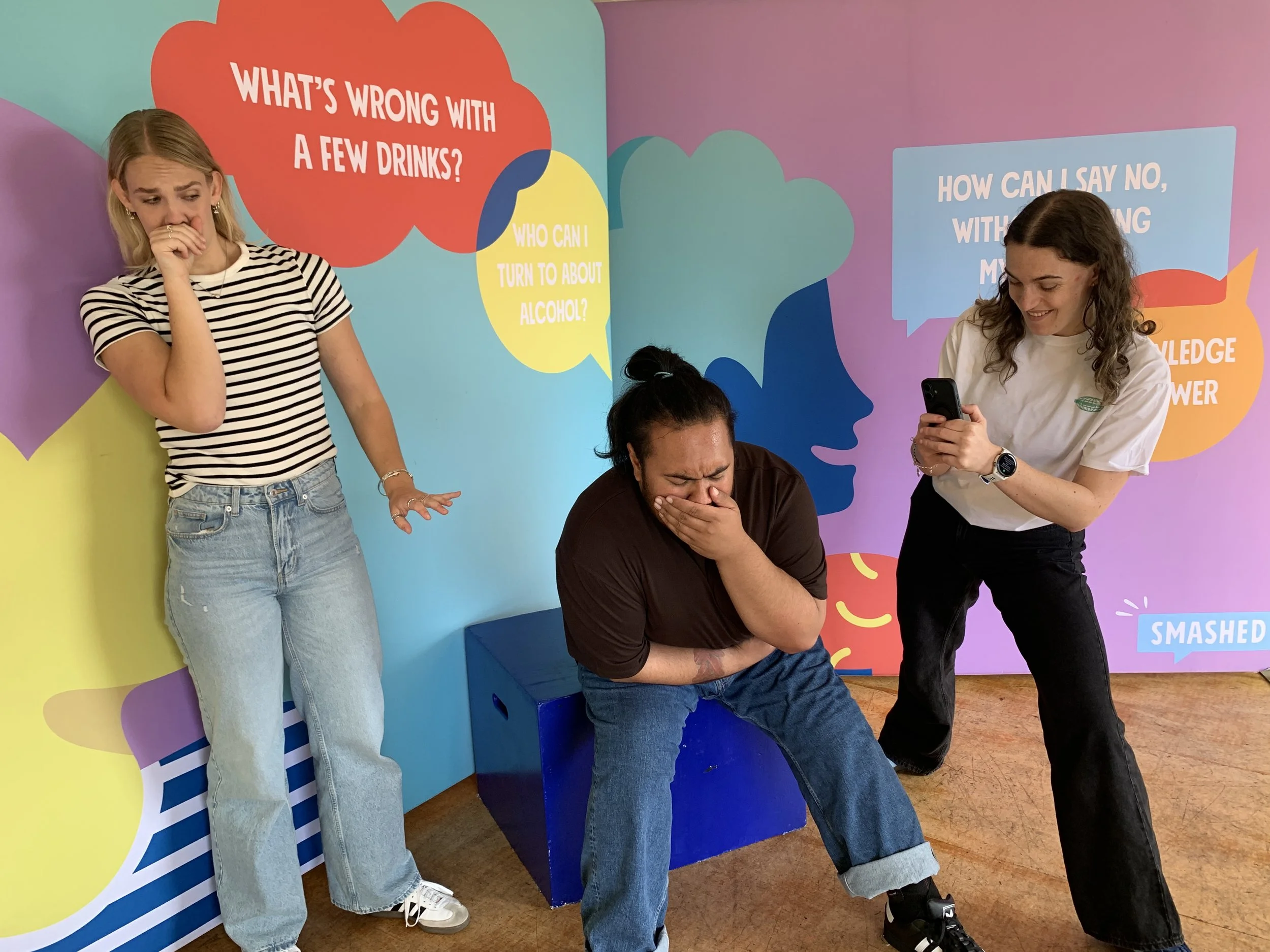
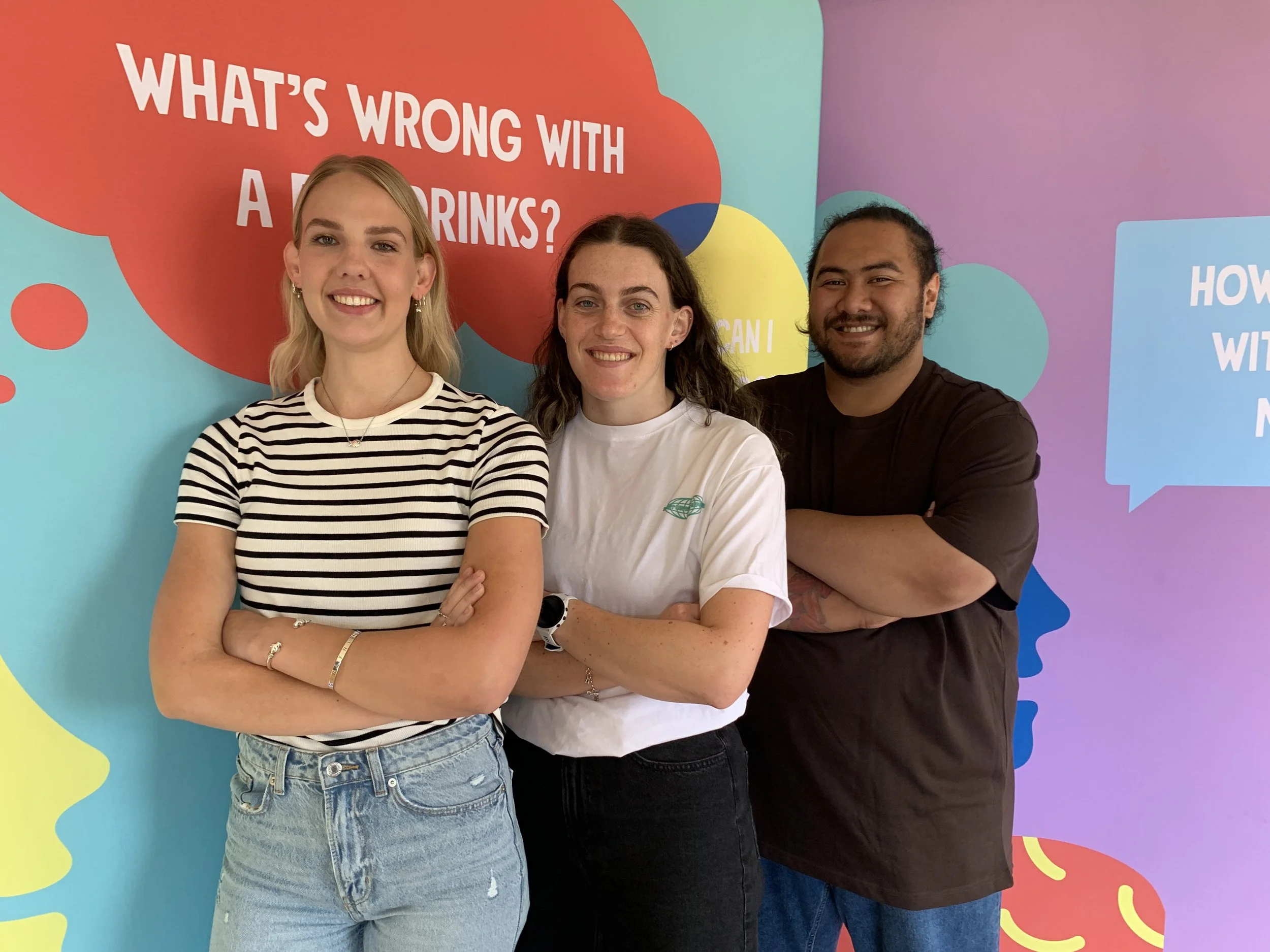
The idea is to use theatre to tackle some of the trickier territory faced by the teens of today. Three performances are currently visiting schools. Smashed deals with underage drinking, peer pressure and the consequences of alcohol; Smart$ teaches teens financial literacy and helps with everyday money decisions; and Behind the Scenes is about vaping and the traps of influencer culture and social media.
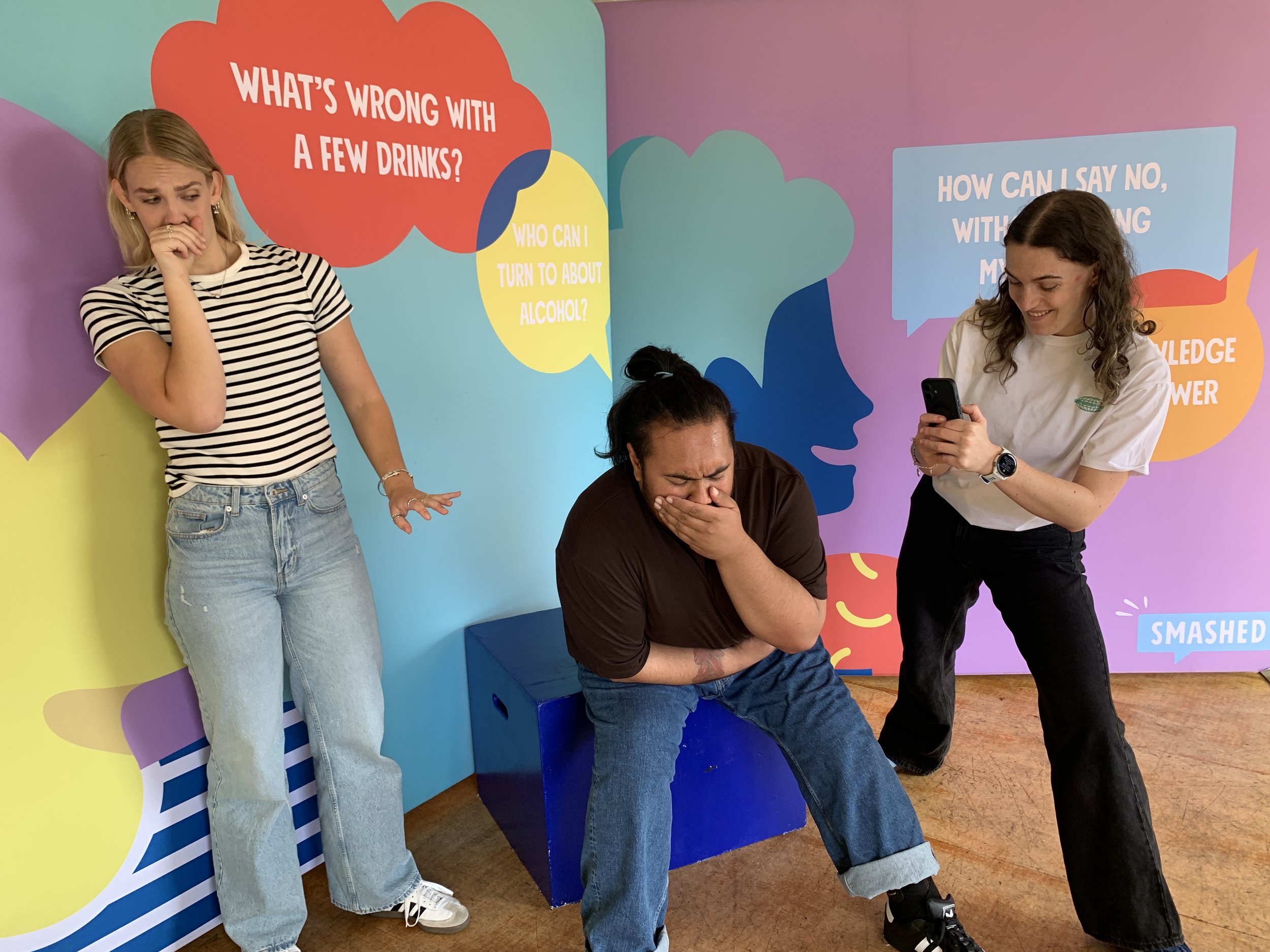
Jo says the three plays have been written to get teens thinking about the decisions they might have to make before they have to make them. To ensure they’re relatable, they’re performed by actors not much older than the kids in the audience. The scenarios have all been drawn from the real world and are followed by interactive workshops in which students can unpack what they’ve seen, question the characters’ choices and explore what they might do differently.
“It’s kind of a practice run for life,” says Jo. “Adolescence is so critical, because that’s the window where people develop the part of the brain that helps with judgment, impulse control and the ability to self-regulate, and learn how to weigh consequences. If you think about the kind of mistakes you made as a young person, the reflection comes after the mistake, not from the mistake itself. That reflection is what builds a person’s capacity to reason well next time.”
Instead of telling teenagers what they should or shouldn’t do, the programme lets them try out different responses – to, for example, being offered alcohol – in a safe environment.
“They’re invited to watch, they’re invited to question, they’re invited to discuss and form their own opinions,” says Jo. “We aim not to lecture them. They don’t need that. We just want to give them the confidence to make their own informed choices.”
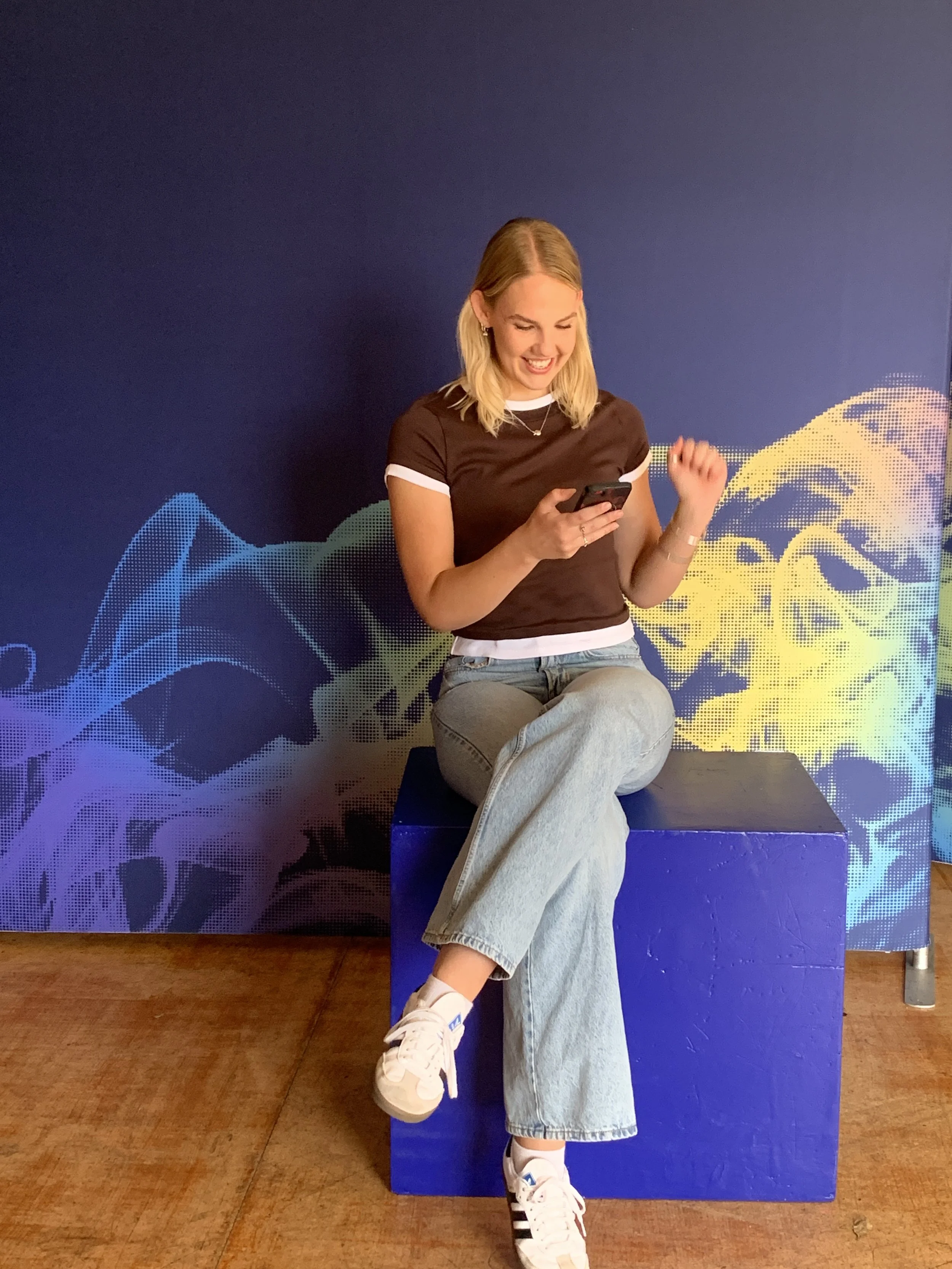
Lauren plays an influencer in Behind the Scenes.
The topics may be serious, but the approach isn’t heavy-handed. Jo explains that theatre creates enough distance to allow young audiences to really consider these difficult situations without feeling like they’re being put on the spot.
“Storytelling is quite magical, even at the ripe old age of 13 or 14,” she says. “If you combine storytelling and conversation, you can make quite challenging subjects relatable and more accessible.”
The programme has been developing since 2020 and is now touring schools around Aotearoa. Although the issues facing young people can vary between schools, Jo says the broad challenges are universal. Social media has made the world a much smaller place, meaning teenagers in regional New Zealand are navigating many of the same pressures as those in the country’s biggest cities.
“There’s a lot of anxiety there,” says Jo. “Some of the things young people worry about are much bigger and scarier than what you or I might have worried about when we were young.
“They’ve seen COVID. They see what’s happening internationally. They worry about the environment. They worry about lots of things because they’re dealing with much bigger topics than we might have had at school.”
This is what makes Life Education’s work so important. It’s giving teens practical tools and the practice space in which to use them.
Jo says she doesn’t expect a 60-minute theatre show to solve these problems. Instead, the goal is to normalise having healthy conversations that allow a young person to ask questions or reflect on what’s troubling them.
“Healthy conversations have to happen not just at school – they have to be at home and in their friend group,” says Jo. “These pro-social behaviours are all great things for helping them become incredible young adults.” LIFEEDUCATION.ORG.NZ

STRENGTH OF BODY AND MIND
Sport and study are all in a day’s work for ultra-driven athlete and undergraduate Katelyn Vaha’akolo.
Sport and study are all in a day’s work for ultra-driven athlete and undergraduate Katelyn Vaha’akolo.
WORDS NICKY ADAMS | PHOTOS SUPPLIED

Katelyn Vaha’akolo pushes high achieving to the next level. At only 26 years of age, she has already taken women’s rugby by storm as a professional dual international athlete, but these days, she’s discovering a whole new side of herself through her studies at the University of Waikato’s Tauranga campus.
That new side of herself is already earning recognition. As a first-year student at the University of Waikato, in September she was presented with the prestigious Sportswoman of the Year gong at the university’s annual Blues Awards, an event that recognises excellence in sport, the arts and service. Supported by the High Performance Sport New Zealand Prime Minister’s Athlete Scholarship, she’s studying a Bachelor of Laws degree at the Tauranga campus. It’s proof that there’s far more to Katelyn than what happens on the field. With all this on her plate, UNO was keen to find out how on earth she fits it all in.
On the field, her credentials are just as impressive. A cross-code player, Katelyn’s moved between league and union. From the Kiwi Ferns via the Newcastle Knights, she joined the Blues before playing for the Black Ferns in 2023.
Acknowledgement of her talent has come thick and fast, including being recognised as the World Rugby Women’s 15s Breakthrough Player in 2023, and the Blues Women’s Player and Back of the Year in 2024.
Perhaps the first thing to clarify is that Katelyn’s study isn’t an indicator of a huge life pivot – it’s more a case of adding even more strings to her bow. Despite studying law (with politics), she says becoming a lawyer has never been her end game. “I’m Polynesian and I’m very proud of where I come from. My desire to study law [comes from wanting] to learn so I can advocate for myself, for my Polynesian people.”
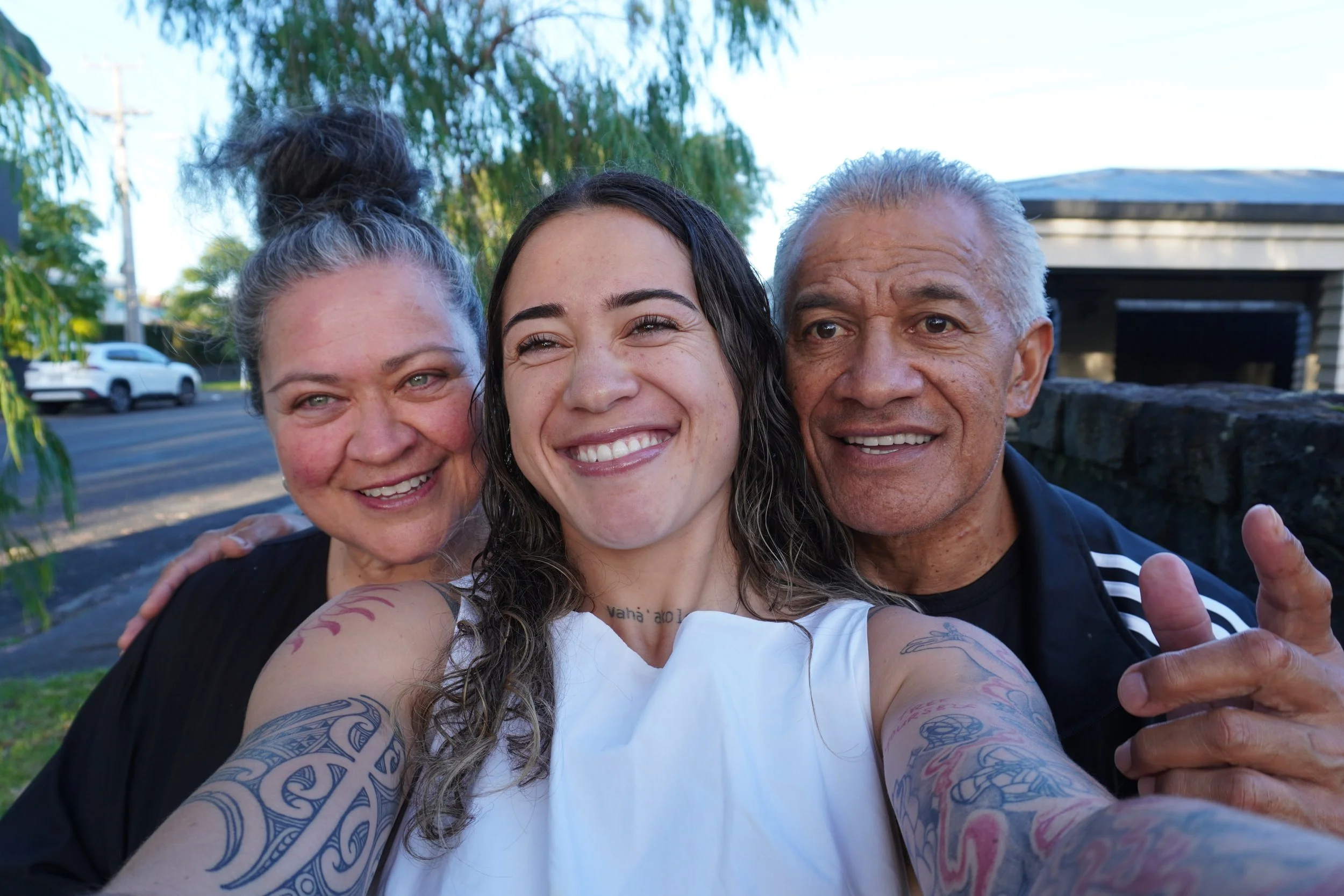
Katelyn with her parents, Cherith andEdward Vaha’akolo.
More than that, though, “when you’re a full-time professional athlete, sport can really consume your whole life. Studying was a way of getting my mind away from the rugby stuff. Uni has been a new avenue for me to spend some time away from the field.”
University of Waikato’s Tauranga campus has provided the perfect opportunity for Katelyn, but we can’t help but wonder how she finds enough hours in the day for both sport and study. “I soon learned to stop wasting time doomscrolling, which is good for me. I try to study every day, but I take one day to do absolutely no study whatsoever, and I think that allows me to rejuvenate myself so that I’m in a space to learn again.”
The flexibility of the course and the attitude of the staff also play a big part. Katelyn points out that the university goes above and beyond to make her situation work. “The lecturers and tutors have been great in catering to my needs as an athlete. They’ve given me all the resources and help that I could possibly ask for, so that I’m able to manage both.”
Even without the sport thing, Katelyn’s path to uni hasn’t been the standard one, and it’s inspirational for others who don’t feel as though they fit the standard educational mould. Katelyn dropped out of high school “not because I wasn’t smart, I’ve always been bright, but I really struggled in the learning and classroom environments. Because of my ADHD, it was hard for me to manage in those spaces as a teenager, but I think now with uni I can learn on my own terms, and learn things that I’m genuinely interested in and that I’m passionate about. I’m definitely grateful that I started now, when I have more of an understanding of myself, rather than going straight out of school.”
As for the acknowledgement of her outstanding performance by way of the recent Blues Award, she says it blew her away. “I wasn’t expecting it at all and felt very, very humbled. It’s a blessing to be recognised for an achievement like this.”
So what’s next? “The 2028 Olympics!”
BUILDING THE WAY
As more women step into trades and leadership roles, Aotearoa’s construction industry is changing – one workplace, apprentice and advocate at a time.
As more women step into trades and leadership roles, Aotearoa’s construction industry is changing – one workplace, apprentice and advocate at a time.
WORDS NICKY ADAMS PHOTOS ALAN GIBSON + SUPPLIED
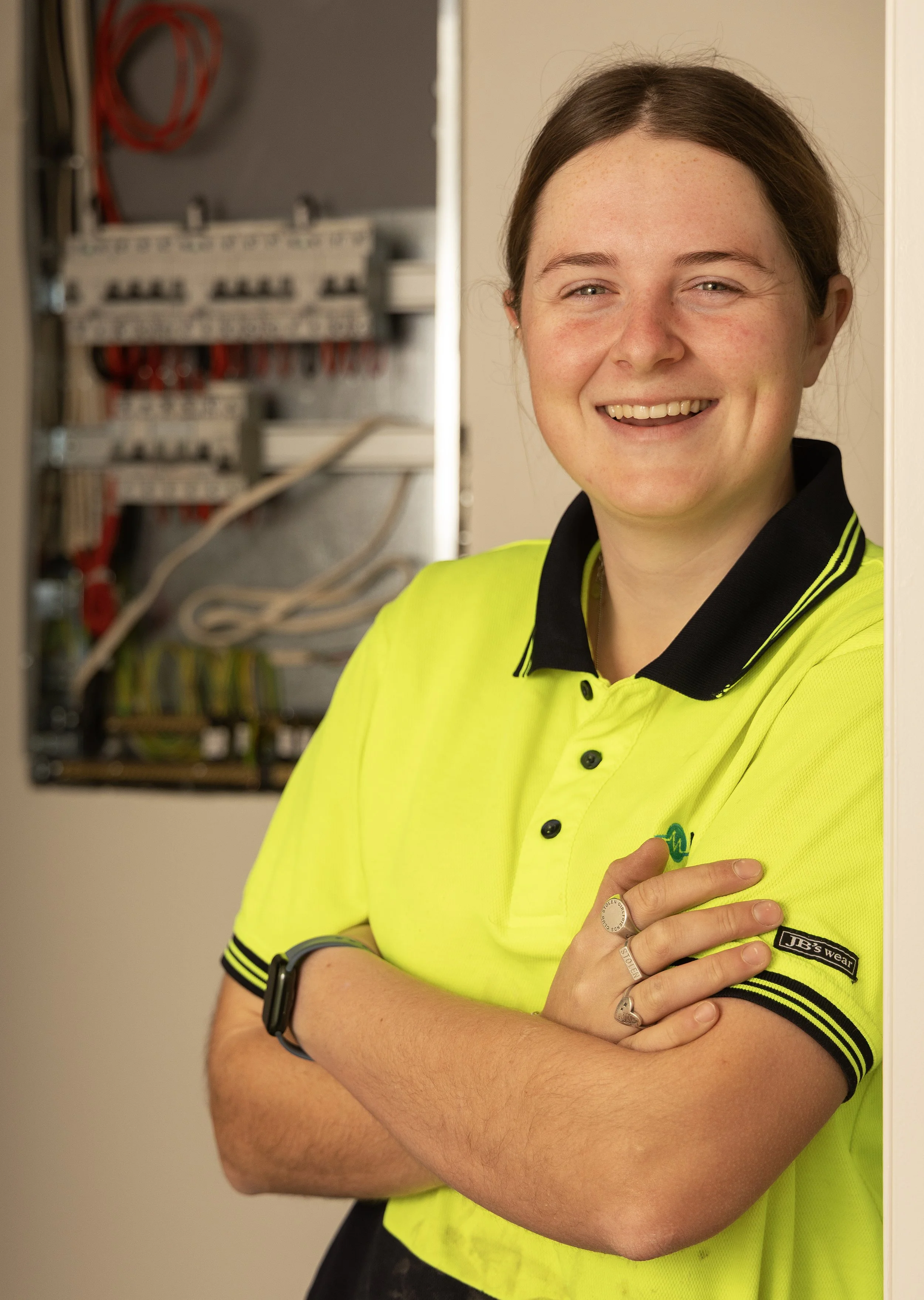
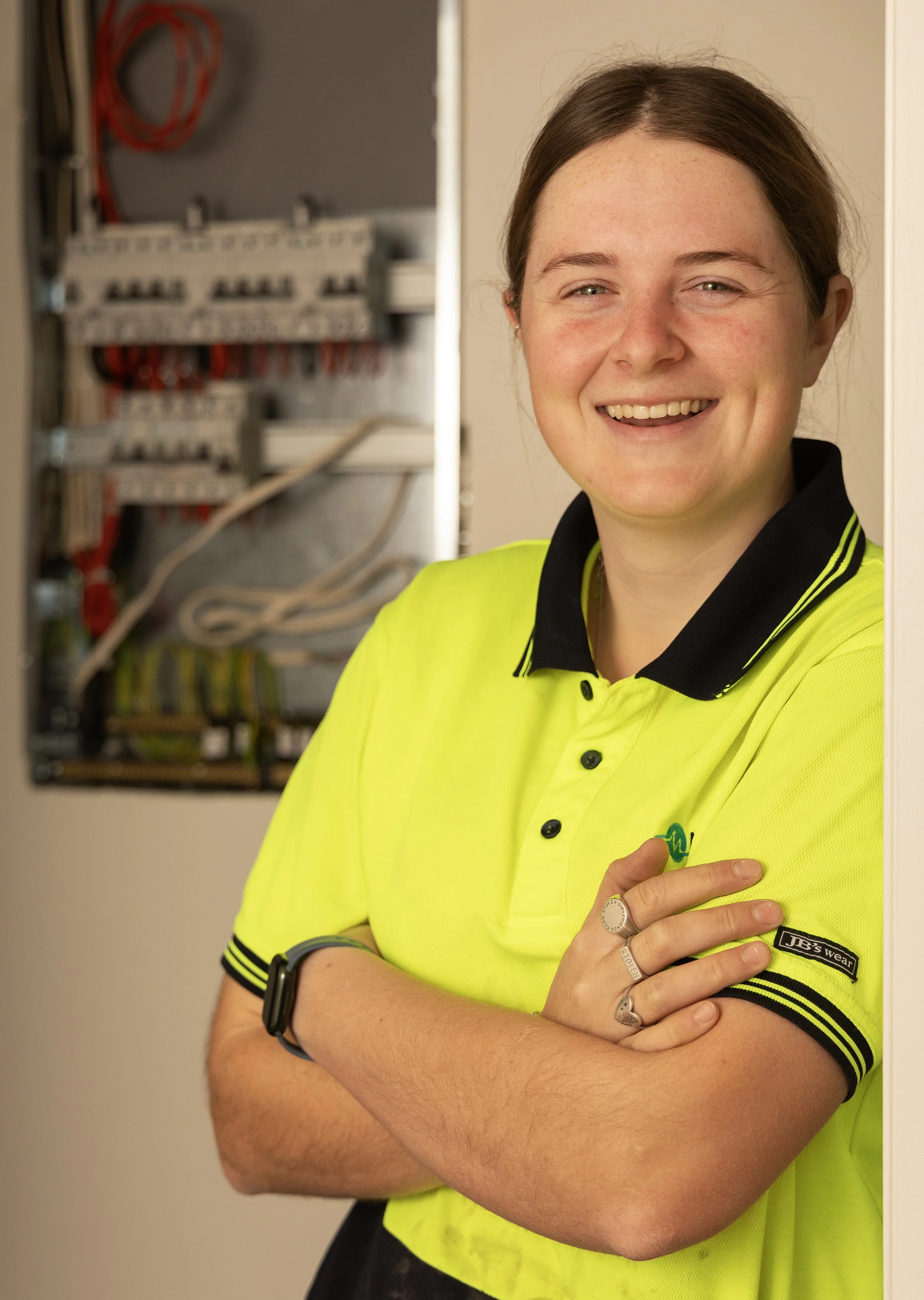
Paige Gregory.
I opened my front door to welcome the sparkie from MacMurdo Electrical and was surprised to see a female apprentice. ‘Serendipitous,’ I thought, given I was about to write a feature about the changing face of construction and other trades, not only in traditional office roles, but also on the ground.
Construction is one of New Zealand’s biggest industries and largely male dominated, with women making up an approximate – and measly – 16 percent of the workforce. Hence, it was something of a look-twice moment to find this technician on my doorstep. I took the opportunity to find out a little more about how and why 22-year-old Paige Gregory had chosen to become an electrician. She explained that as someone who hadn’t loved school, she saw a job within the trades as an attractive option.
“I wasn’t at all interested in university,” she says. “I didn’t want to do any more academic work, and the idea of doing a job that was a little more physical was really appealing. I didn’t want to sit behind a desk all day.”
It was also a career that, although active, involves mental stimulation, and it has prospects. Long-term, there are great opportunities both here and overseas.
I was curious as to whether her career choice had been supported by her parents. “Definitely – I’ve grown up with electricians as family friends, and my mum and dad just wanted me to have a job I’d enjoy.”
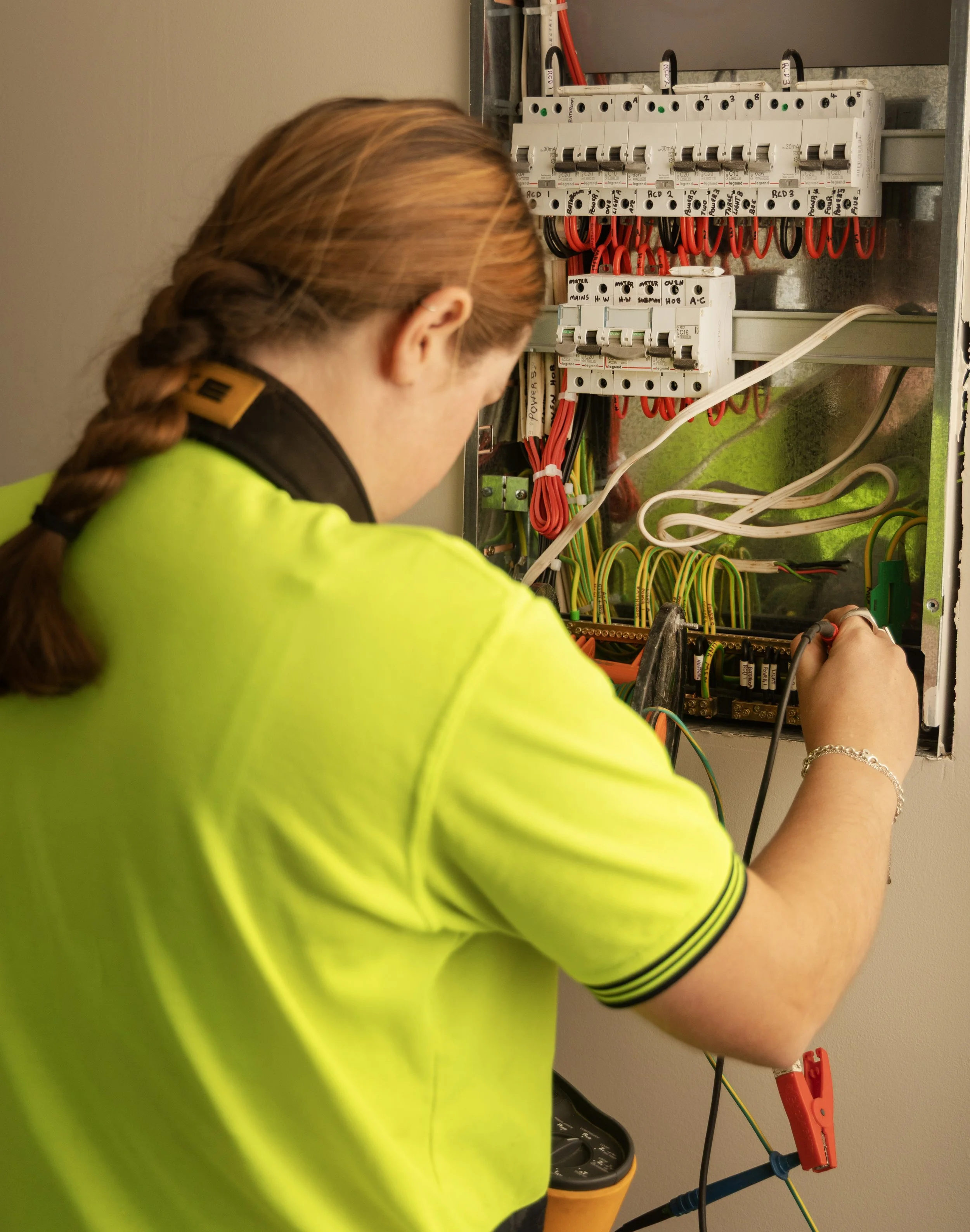
Of course, the burning question for me was how she found often being – I presumed – the only woman on a job site. Paige explains that she just jumped straight in as she meant to go on.
“At first I got a bit of stick, but I dished it back, and after that, the guys realised I was okay.”
When asked whether any tasks are more challenging for her, she ponders for a minute. “When stuff gets a bit more physical, I don’t have the brute strength, but I don’t feel judged. If something’s heavy, the boys will just make sure that I’m supported.”
From a workplace point of view, Paige says she feels she was set up to flourish. Initially, she gained work experience at a different electrical company, who encouraged her to do the pre-trade course at Toi Ohomai Institute of Technology. This, it transpired, was an excellent idea. Once she’d finished, she went on to try for an apprenticeship. “It definitely helped give me the head start over other people,” she says.
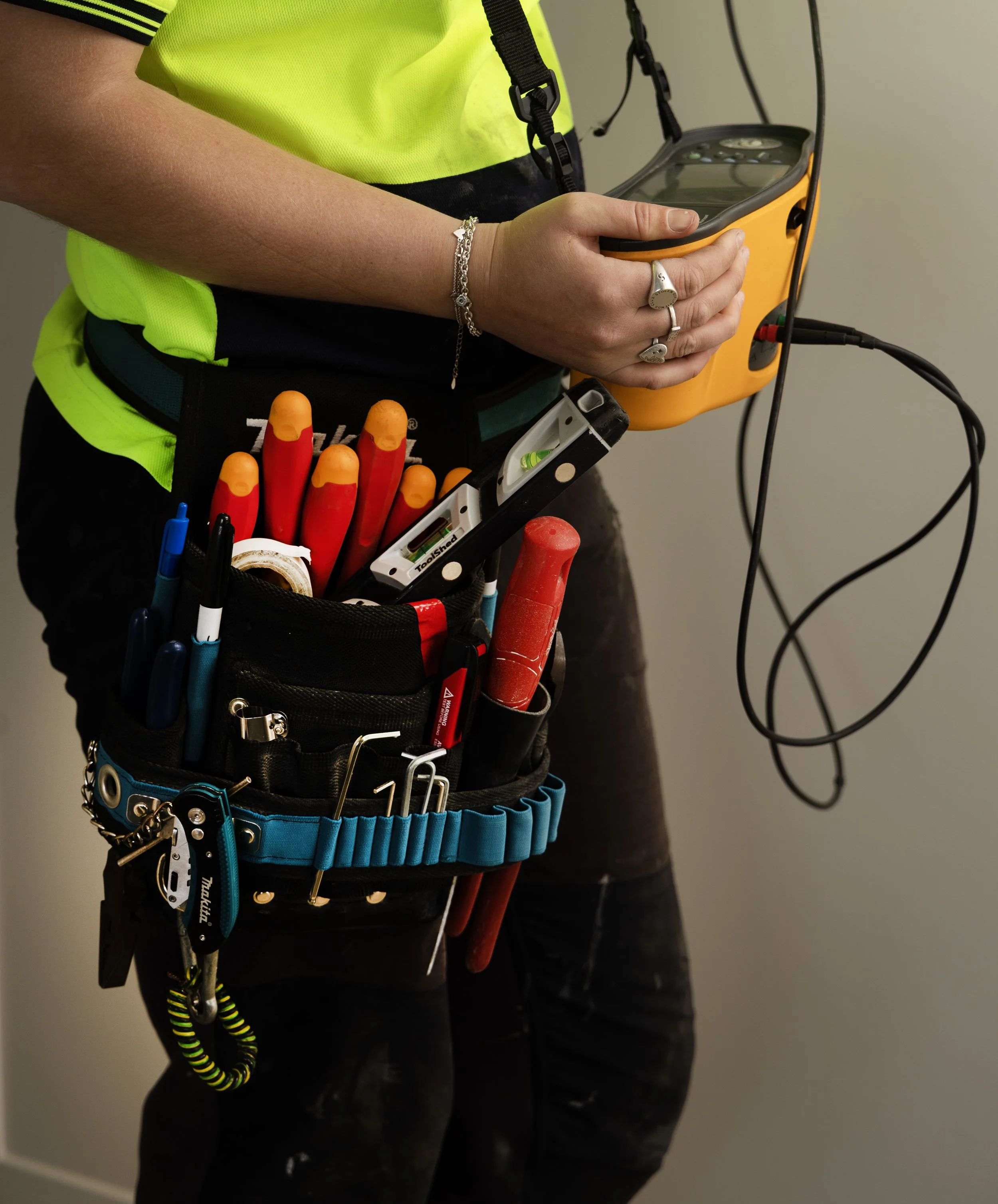
Paige’s course had “heaps of girls on it”. As for whether she’d recommend other women to take the same path, she’s very encouraging. “There’s definitely not as much sexism in the trades these days, so I’d say if it’s something you’re worried about, don’t be.”
Although Paige’s experience once she started working seems to have been overwhelmingly positive, I can’t help but wonder if it was more difficult for her to get her foot in the door in the first place. How hard, I ask, was it to get a job?
“A family friend mentioned that Craig [MacMurdo, owner/operator of MacMurdo Electrical] was looking for an apprentice, and I knew he already had a female on the team, so felt confident applying. In the interview, he told me that he found the women electricians he’d come across took a lot of pride in their work and would try to do everything as best that they could – and they were usually tidier!”
Switching it up, I thought it would be interesting to speak to Craig. His support for women in this line of work is resounding. “As well as Paige, I employ another female apprentice, and I’ve found that both of them have a great eye for detail, and in my experience they get on with the off-job training bookwork easier than the blokes!”
I wondered if he felt there could be difficult or unexpected situations that could arise with a more diverse workforce. “Electrical work is a trade that isn’t a male domain – the jobs we do can be done by either sex. Health and safety [requirements] now mean that we’re really mindful in the workplace. These days, for the heavy-lifting jobs, there are tools and machinery – you don’t need to be a macho man to do this stuff. I’ve found that women are a good fit for most trades – and they’re very good at them.”
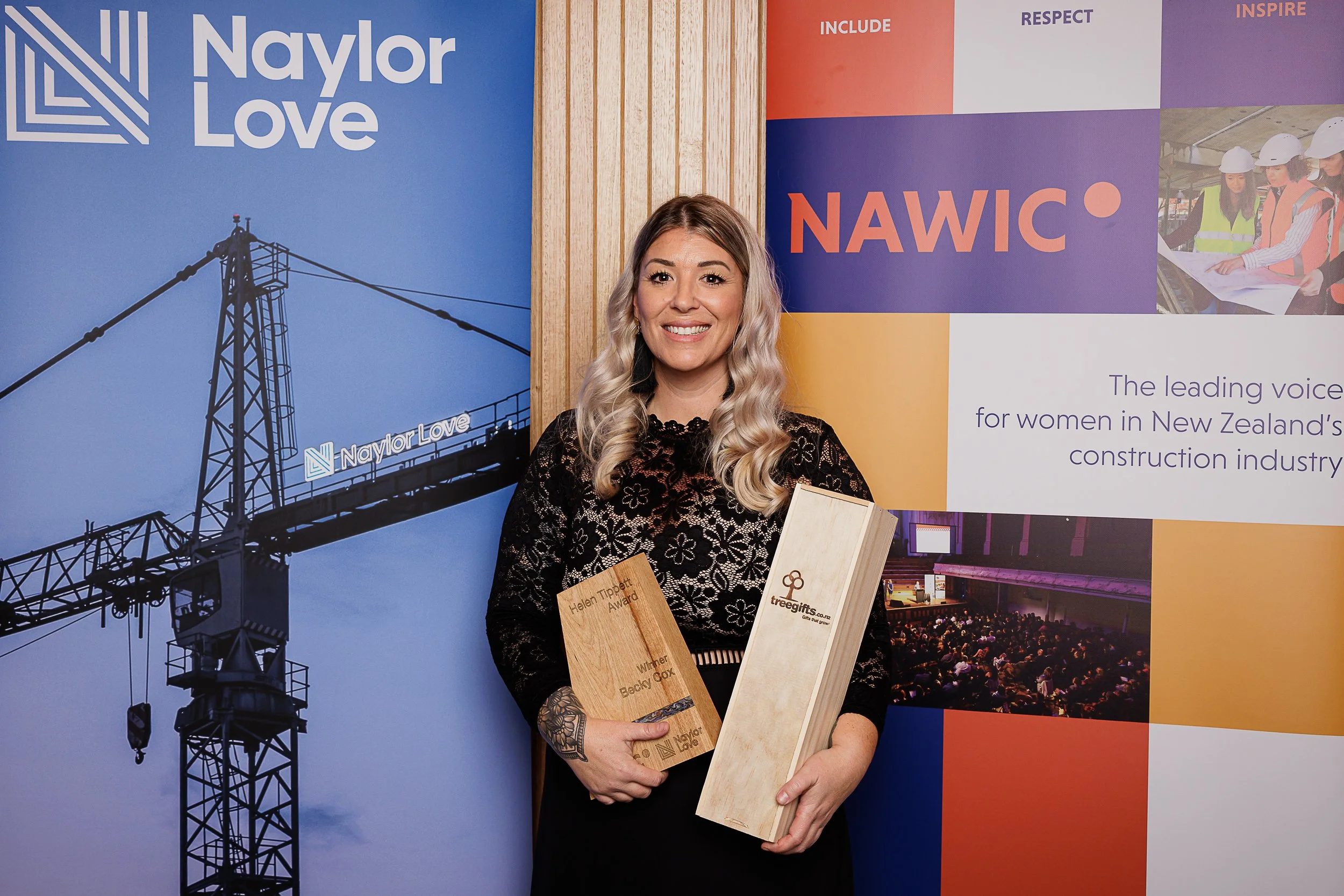
2026 National Association of Women In Construction award winner, Becky Cox.
With a view to looking at the role of women in all aspects of the business, I met with Becky Cox. She’s the national Health and Safety, Quality and Environment manager in Fulton Hogan’s Civils business. Becky also champions women through the National Association of Women In Construction (NAWIC), a nationwide network supporting women across the industry.
Her road to Fulton Hogan was via the somewhat draconian shipping/maritime industry. It gave her an exceptionally good grounding for construction, which, even more than a decade ago, felt comparatively progressive.
“I didn’t target construction as an industry to come into,” she says. “I actually jumped around a bit when I was younger... but a common theme was that I was always managing people and problems.”
In 2014, Becky moved to a fairly entry level position at Fulton Hogan, a company she’d gravitated towards not specifically because of the industry but because of the values behind the business “and the people who interviewed me. I could just feel that real connection to those values... Something I really believe is that great people build great organisations, and that’s the key to it.”
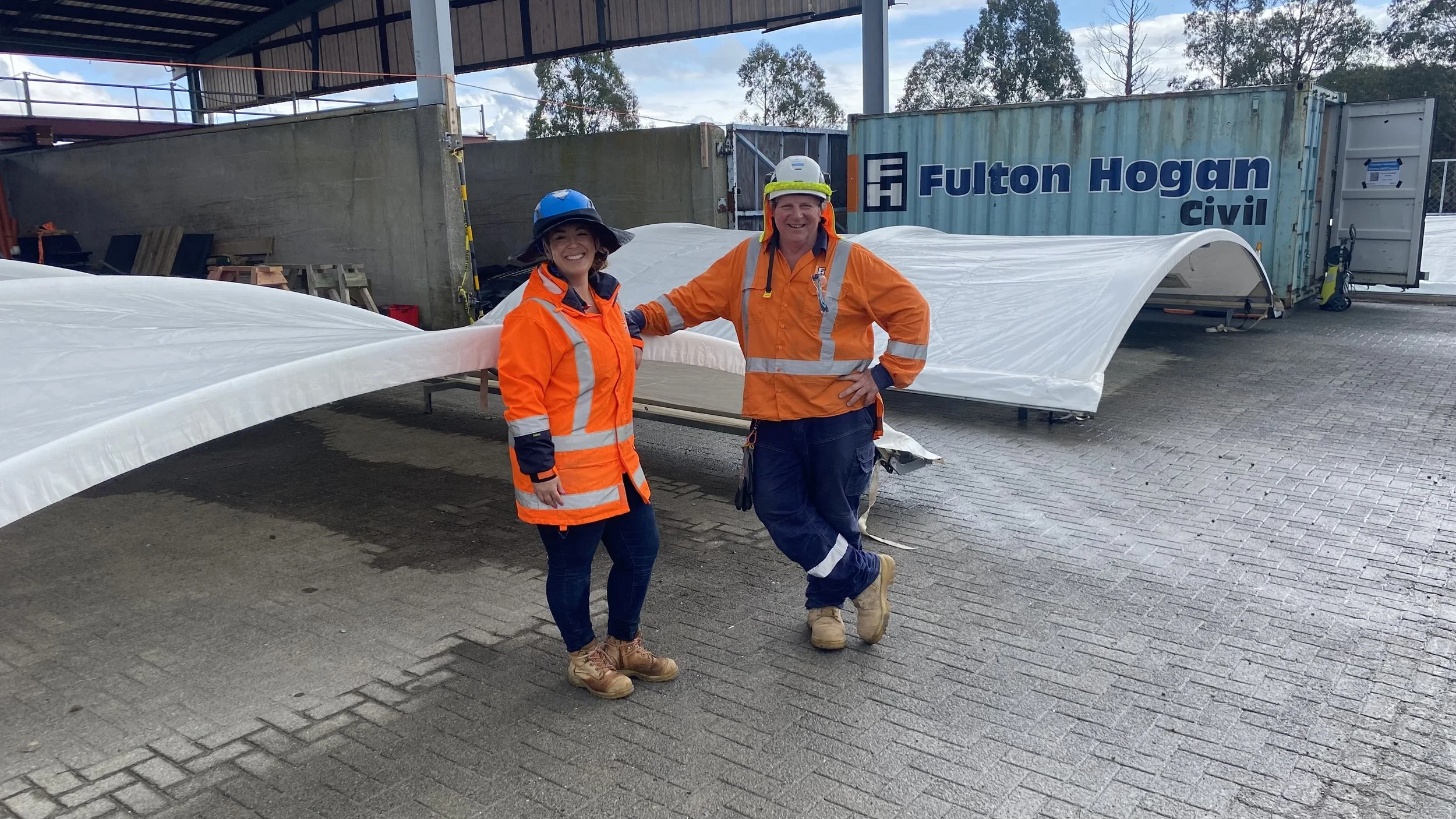
Carpenter John Wolk puts Becky to work.
Becky was never deterred by the predominantly male to female ratio. “I really enjoy working with men. I like the dynamic – I think there’s a good balance between what women and men bring to the workplace.”
Did she feel as if it was more of a challenge rising through the ranks of a male-dominated industry? “I think the opportunity’s always there and it’s about how hungry you are for it. It’s also about finding people who can champion you, and I’ve been very lucky and had some amazing mentors, both male and female.”
“Construction,” she continues, “is an industry where things aren’t going to just land in your lap, but there’s no lack of people who want to support you.”

Becky as MC at the 2023 NAWIC Awards.
In her role at NAWIC, Becky’s one of these people. In 2022, she won the Helen Tippet Award, a ‘Changemaker’ award for promoting the participation and progression of women in construction. Modestly, she says she found it confronting, but admits it was the result of “years and years of consistent shaping opportunities for women”. She created cadetships to bring young women into the business and focused on pastoral care.
What Becky was set on was “creating environments where young women could succeed”. Sometimes that meant addressing simple oversights – such as work sites without a women’s toilet – that could leave women disadvantaged.
She also noticed that although women were well represented in office roles, they were largely absent from operational, trade and leadership positions. “In fact, I was the only female in the senior leadership team, so that’s where I thought, ‘We’re missing a trick’. When you’re not tapping into 50 percent of the population, then innovation, diversity of thought, difference of opinion and experiences are all being missed.”
Becky felt the industry needed more ‘softness’. “A lot of women come into construction and feel like they need to harden up and be one of the boys... Coming into construction, I realised that just bringing authenticity into my decision-making and conversations opens doors for other people to be that way as well.”
That shift in culture benefits everyone. Becky noticed that men on site could also feel pressure to put on a mask of bravado. “Life can be tough, and I noticed that having softness in their workplace kind of gives them permission to be a bit more open.”
Flexibility, too, can help retain highly skilled women who might otherwise struggle to make the job work around their other responsibilities.
At the end of 2024, Becky joined the Board of NAWIC. Having celebrated its 30-year anniversary, it’s looking ahead to the next 30 years. “It’s a very different industry to what I remember 12 years ago,” says Becky. “I’ve seen a huge shift, as well as an increase in women and women in leadership roles.”
Although change may be more visible in larger companies, Becky believes the industry is evolving. Women are still in the minority, but the culture is shifting and opportunities are opening up. The message is clear. If construction and other trades are where you want to be, go for it.
BANK ON LIVING
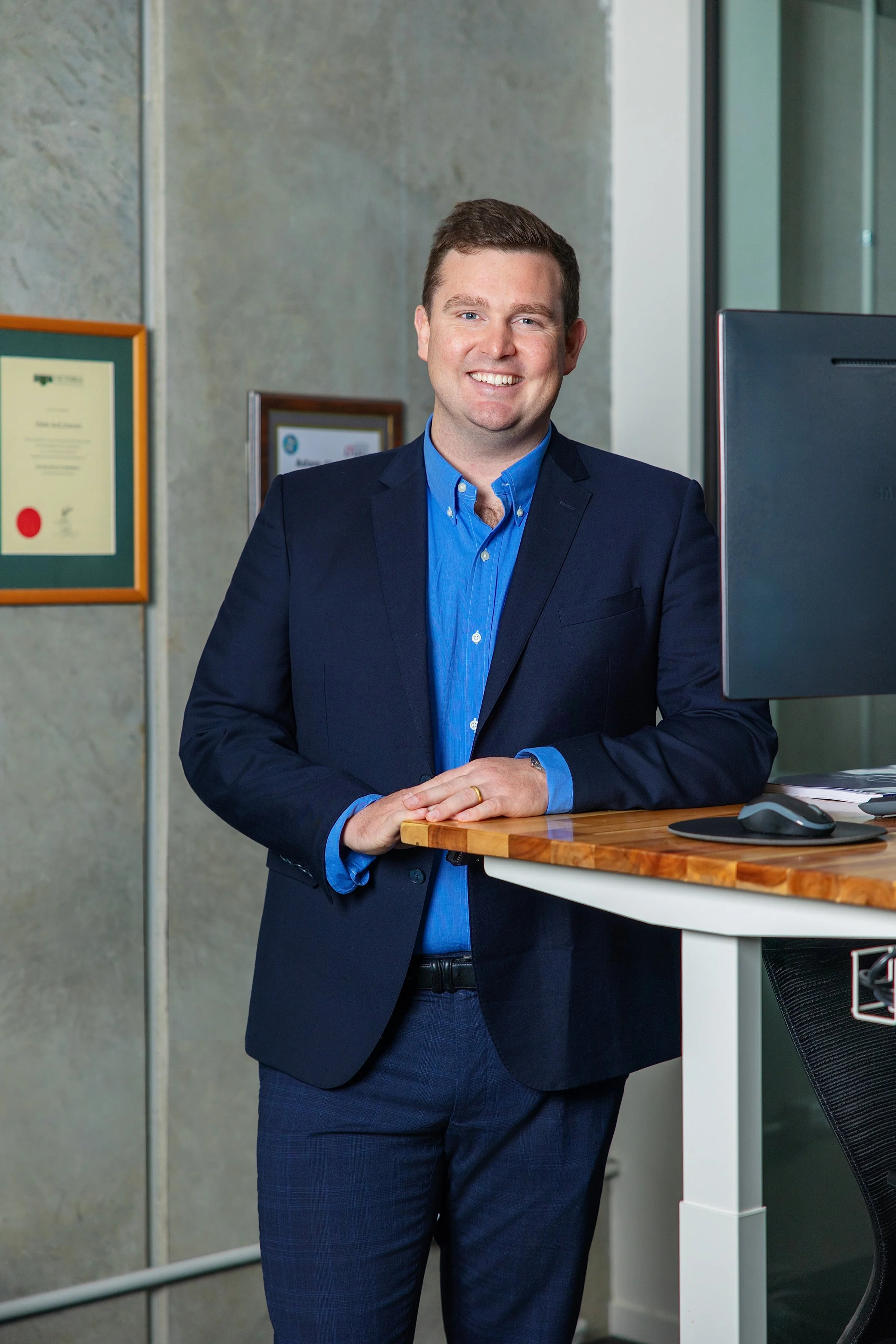
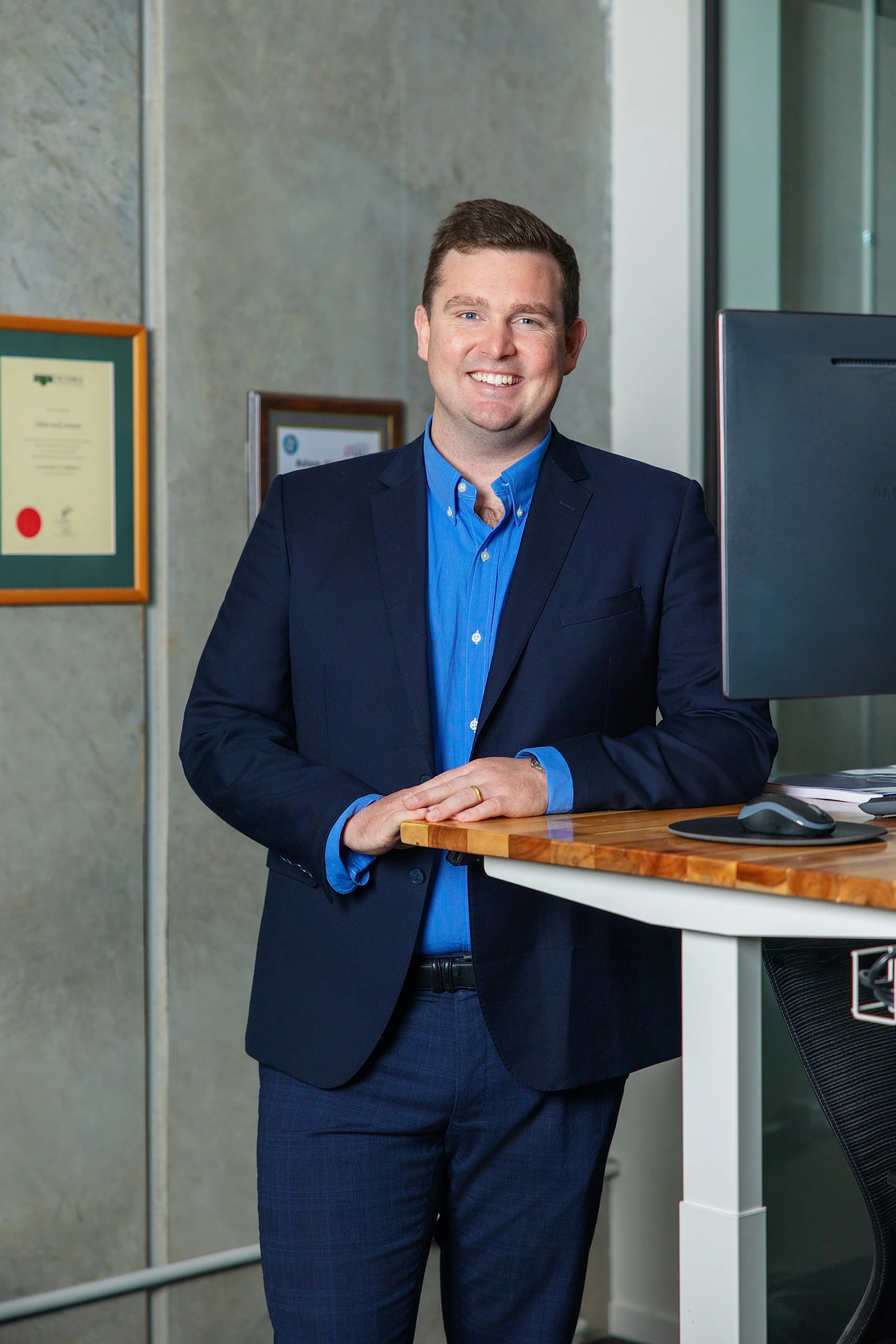
Adam Stewart of Compound Wealth reveals the four retirement regrets he sees time and time again.
Adam Stewart of Compound Wealth reveals the four retirement regrets he sees time and time again.
PHOTO DEBORAH DE GRAAF
I’ve spent years sitting across the table from Kiwis planning their retirement, and one thing I’ve noticed is that the regrets tend to sound the same.
The first is waiting too long to stop. People work hard and do everything ‘right’, then retire late, only to find their health or energy has already slipped away. I think of my own father here. He passed in his early sixties, and was a hard worker by choice, but there were trips he talked about and never took. I’ve learned through others that retirement’s a window that’s worth protecting.
The second regret is not spending enough early enough. I read Die With Zero by Bill Perkins this year and it put words to something I already believed, which is that most of us are too cautious during the years we’re healthiest and most capable of enjoying what we’ve built. I’ve watched people leave money behind and a bucket list unfinished. To be clear, spending well doesn’t mean ending up with nothing. It means bringing some of that spending forward into the years in which you can enjoy it most.
Third is not tracking progress early enough. This one usually surfaces as anxiety. People ask, “Have I done enough?” and “Can I actually stop?” Without visibility over where you stand, you either over-save and miss out on living now, or under-save and carry that stress for years. The clients who feel calmest are the ones who defined early what a meaningful life actually looks like to them, then built a plan toward it for the years leading into retirement.
The fourth regret is leaning on KiwiSaver alone. Kiwisaver’s a solid tool, but it’s not a full strategy, because you can’t touch it before age 65 unless you’re buying a first home. Investing outside KiwiSaver gives you flexibility. You can access income earlier if you want it, and decisions are made on your terms, rather than your Kiwisaver scheme’s.
Here in the Mount, I meet plenty of people who’ve done the sensible thing their whole lives. The biggest regret I see among them is a missed life. If you’re able to retire part-time, take the trip and spend a little more while you’re well. Security matters, but a life well lived alongside it matters more. COMPOUNDWEALTH.CO.NZ

MINDSET RESET
You’ve gotta love the vibe of a good spring clean – but what if waste warrior Kate Fenwick told you you could enjoy feeling centred and sorted year round, without lifting a finger?
You’ve gotta love the vibe of a good spring clean – but what if waste warrior Kate Fenwick told you you could enjoy feeling centred and sorted year round, without lifting a finger?

Every spring, we seem to collectively lose our minds. The sun comes out, we open those cupboards we’ve successfully ignored for years, and suddenly we’re standing in the hallway surrounded by three rubbish bags, an exercise machine nobody has ever exercised on and 17 reusable drink bottles. Welcome to the great spring clean.
I have a slightly controversial suggestion. What if we didn’t need one?
I’m not suggesting we live surrounded by dust. Clean your house – please. No, I’m talking about the other kind of spring cleaning – the annual purge that sees us remove stuff from our cupboards, congratulating ourselves on being wonderfully organised, then driving half of it to the op shop.
Somewhere along the way, decluttering has become almost as fashionable as consuming. We buy, we accumulate, we get overwhelmed by how much stuff we own, then we have a massive cleanout so we can feel lighter – and make room for some new stuff.
The problem isn’t really the spring clean. The problem began months or years prior, when the things came through the front door. If we consumed less in the first place, our homes might not need these seasonal evacuations.
Before you fill the boot and head triumphantly towards your local op shop, there’s another uncomfortable conversation we need to have.
Op shops aren’t free rubbish dumps with nicer signage. If your frying pan has lost half its coating, your jeans have an unidentifiable stain and your plastic container has been missing its lid for years, donating it doesn’t magically make it useful. Someone at the other end now has to deal with it – and that costs charities time and money.
Absolutely rehome good things; donate quality clothing, pass on furniture, sell things, give things away. But a pretty good rule is this: if you’d be disappointed to buy it, think carefully before you donate it.
Owning something comes with responsibility not just for the exciting bit when we swipe our card and take it home. When something has genuinely reached the end of its life, we have to pay to dispose of it properly.
Perhaps this spring, instead of focusing on what needs to leave your house, start watching what comes into it. Ask yourself if you need that new thing, and whether you’ll actually use it.
The most effective decluttering method I’ve ever discovered doesn’t involve labelled baskets or colour-coded wardrobes – it’s simply buying less stuff. The ultimate spring flex is opening the cupboard, looking inside and thinking, ‘Actually, we’re pretty good here’, then going outside to enjoy the sunshine instead. WASTEDKATE.CO.NZ
ABOVE AND BEYOND
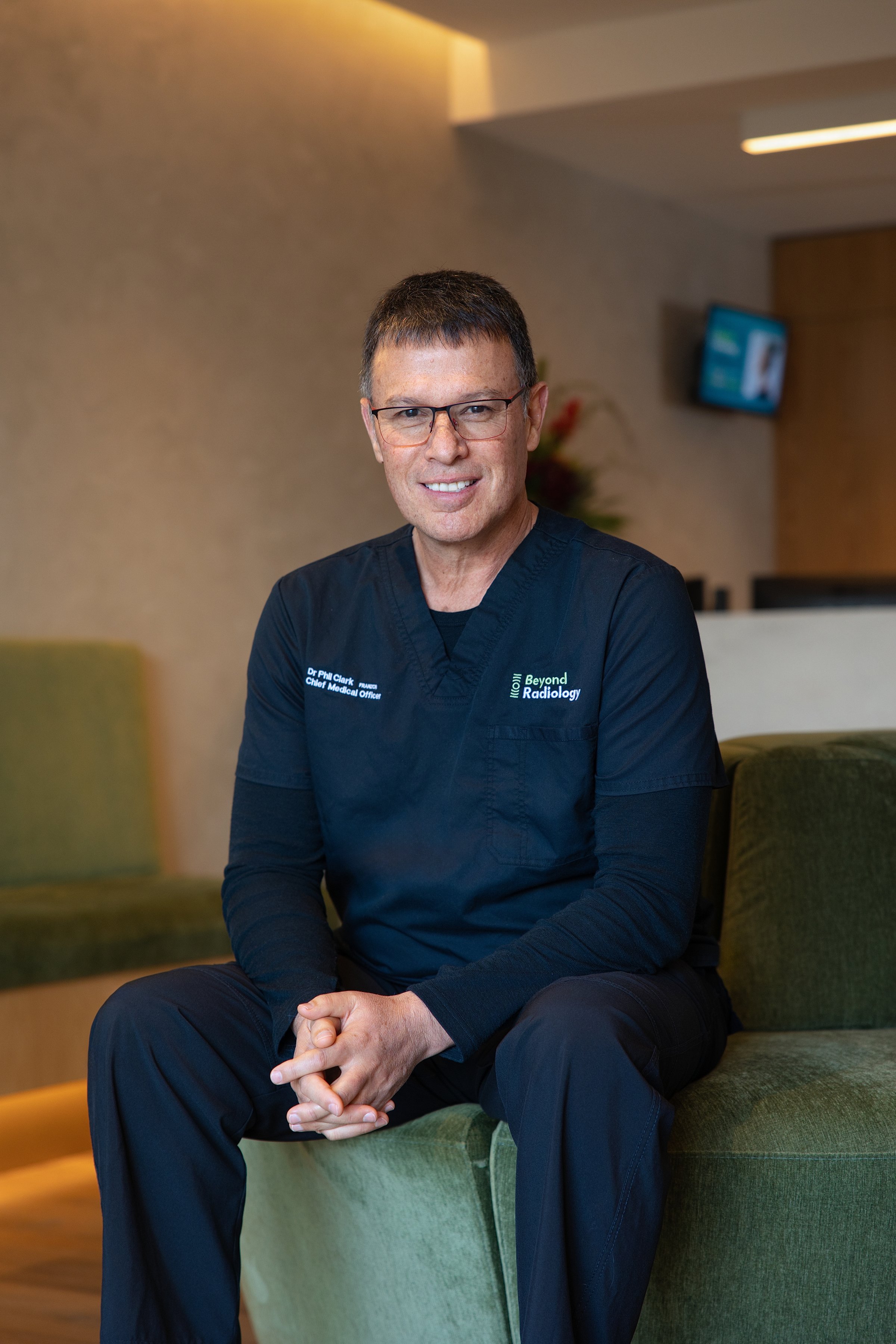
A new radiology clinic in the Mount is mixing cutting-edge technology with old-school values of compassion and kindness. Dr Phil Clark talks us through Beyond Radiology’s approach to healthcare.
A new radiology clinic in the Mount is mixing cutting-edge technology with old-school values of compassion and kindness. Dr Phil Clark talks us through Beyond Radiology’s approach to healthcare.
PHOTOS DEBORAH DE GRAAF
There was a time when medical imaging was something that happened largely behind the scenes. You saw your doctor, got a referral, had the scan and waited for the results. Today, expectations are very different.
As diagnostic technology has become more sophisticated, imaging has become an increasingly important part of how injuries and illnesses are investigated, diagnosed and treated. In a region growing as quickly as the Bay of Plenty, demand for those services is growing too.
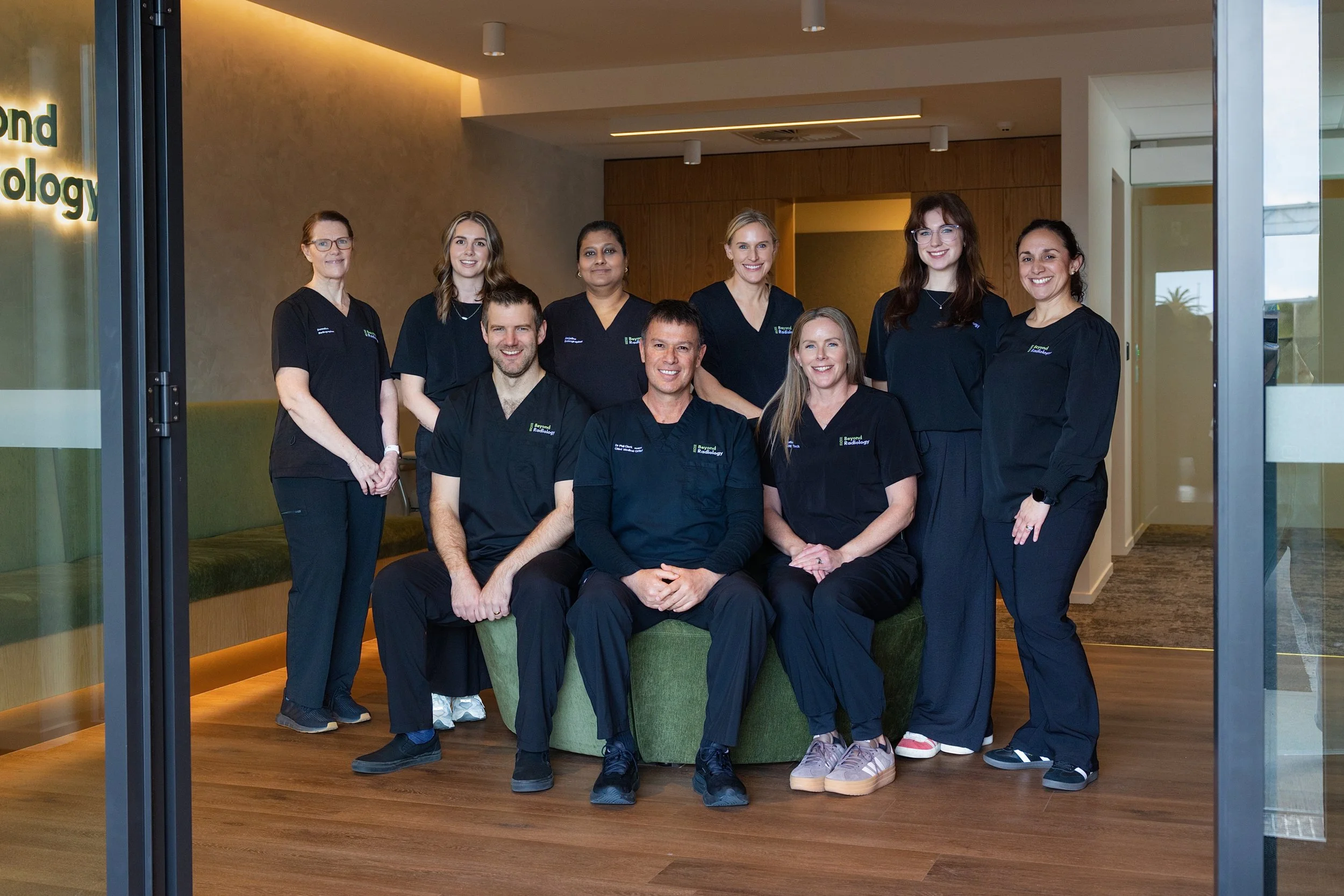
It’s a changing landscape that sits at the heart of Beyond Radiology, a New Zealand-owned, clinician-led Radiology practice that has recently opened its first clinic in Mount Maunganui.
Leading the clinical team is chief medical officer Phil Clark, a radiologist with experience across both the public and private sectors in New Zealand and Australia. For Phil, the focus is firmly on bringing clinical expertise, advanced technology and a more personal approach to the patient experience.
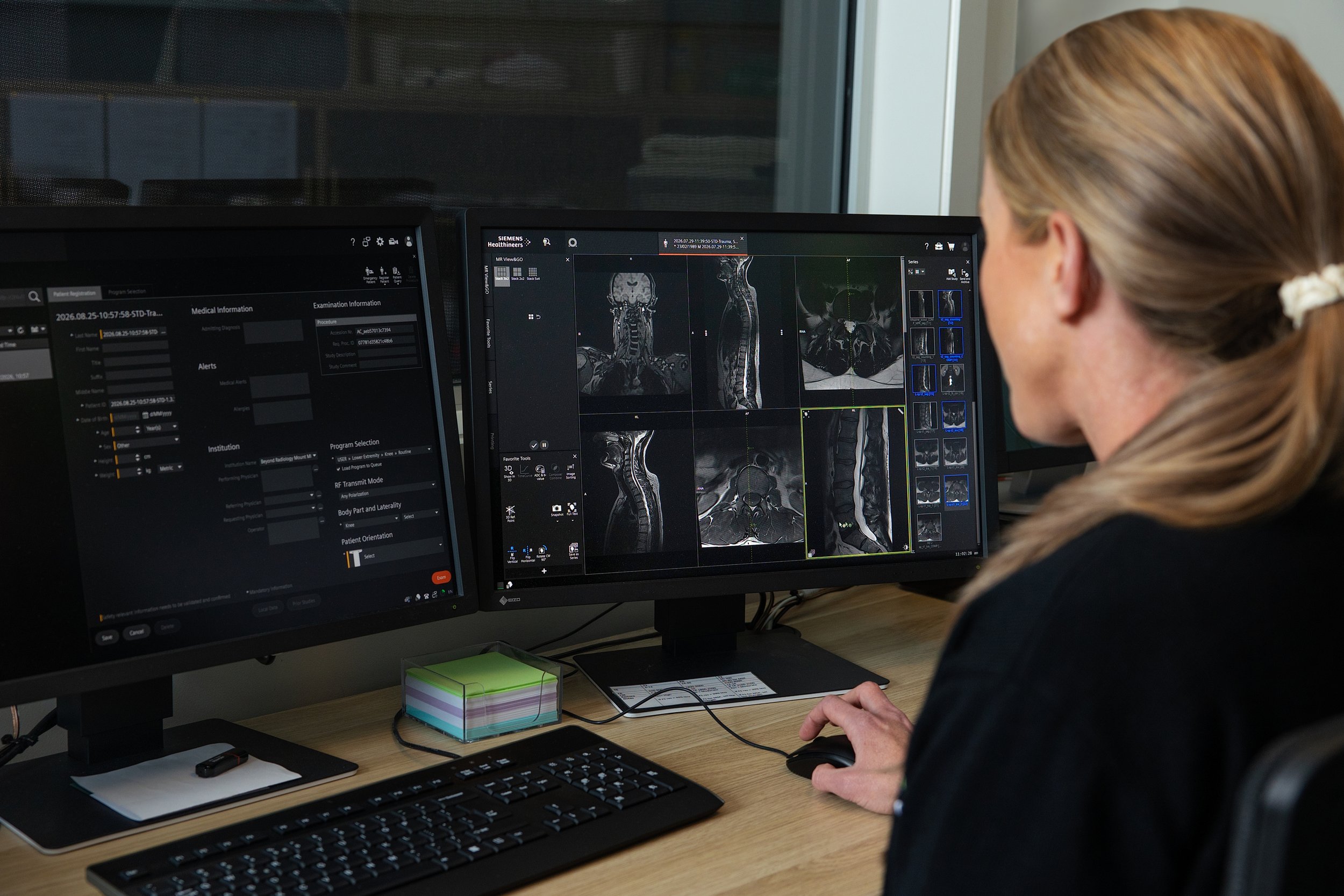
That philosophy is evident at Beyond Radiology’s new clinic at Owens Place, where the latest advanced equipment has been installed, offering a wide array of X-ray, ultrasound and MRI scans, as well as ultrasound-guided injections.
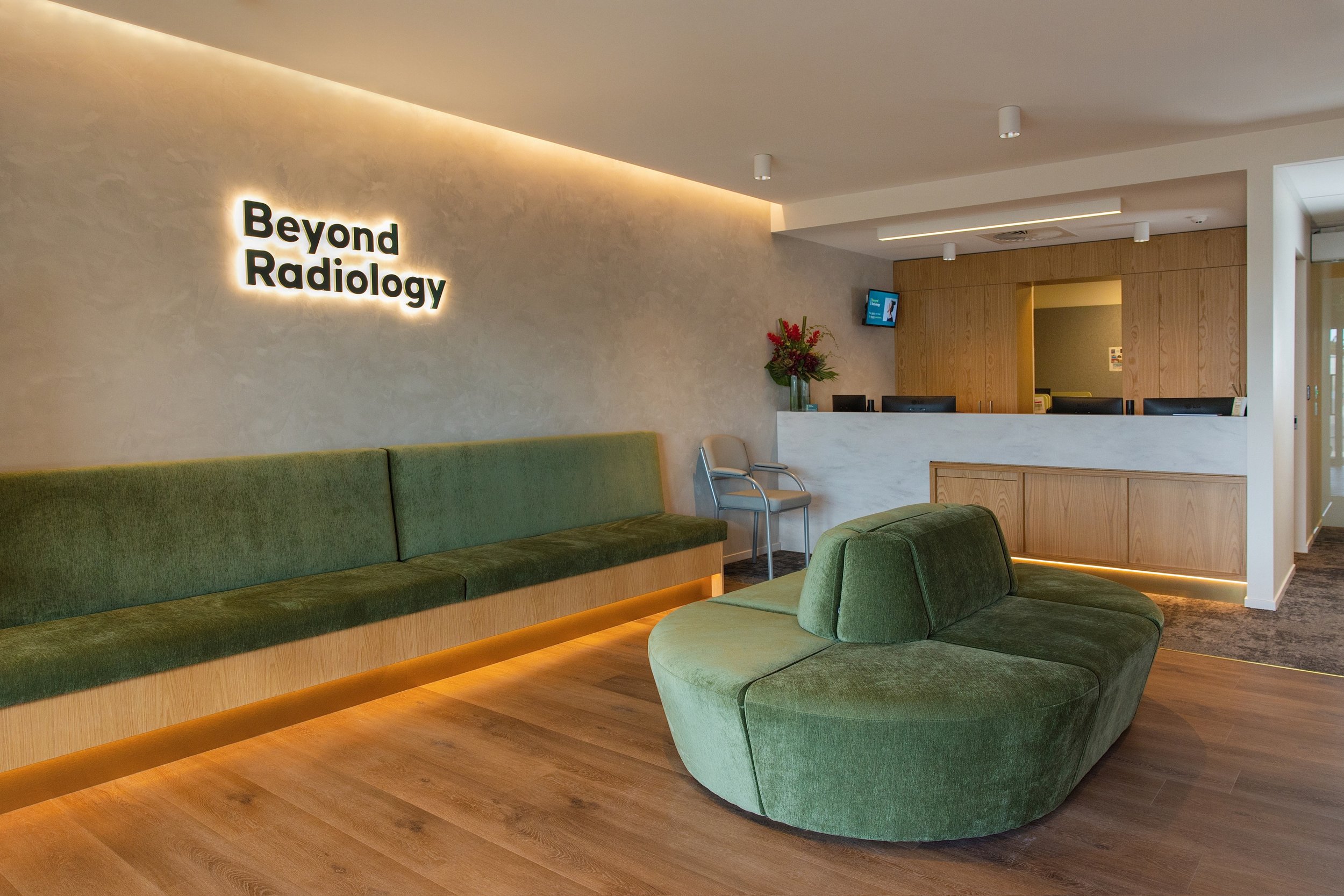
“We live and breathe the mantra of going above and beyond every single day, with a quality, patient-focused, clinician-led service,” says Phil. “We treat all patients with the same dignity and respect all the way through. Irrespective of their background, every patient is treated equally.”
With times tough for many people, Beyond Radiology has made the decision not to charge a surcharge on ACC X-rays, ultrasound scans or ultrasound-guided procedures, helping keep essential imaging accessible to the wider community.
The technology matters too. As imaging becomes increasingly sophisticated, the ability to see fine detail and provide clinicians with clearer answers is transforming the way injuries and illnesses are investigated and treated. At Mount Maunganui, that technology is backed by a team of highly trained and experienced professionals.
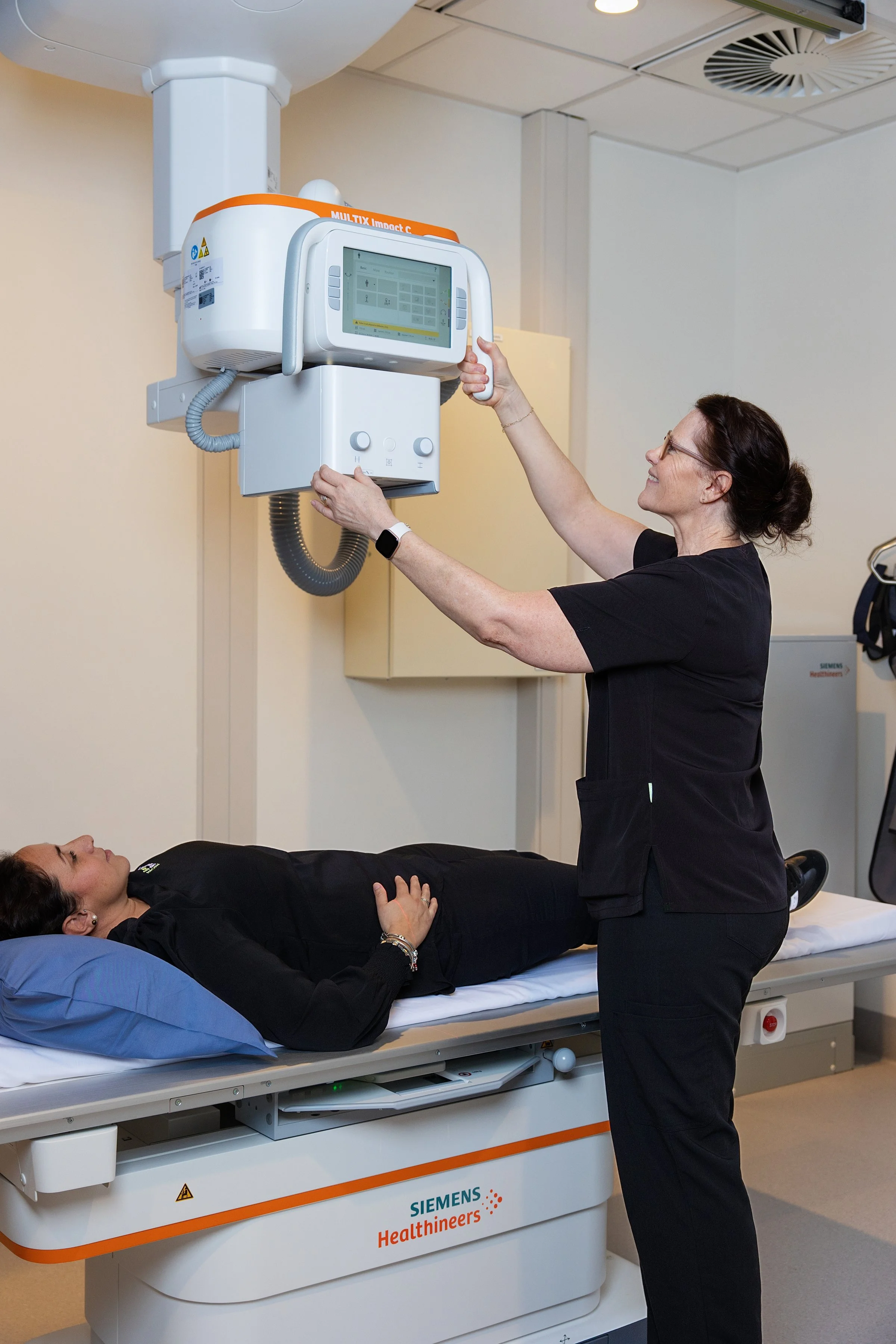
Although the machines may be state-of-the-art, the philosophy behind Beyond Radiology is refreshingly straightforward. Patients should be treated with kindness, care, dignity and respect, whatever their background.
It’s a particularly relevant approach in the Bay of Plenty, where rapid population growth is driving increased demand for radiology services and greater access to diagnostic imaging.
“We’re really excited about being here,” says Phil, “and about the difference we can make for patients.” With its first Bay of Plenty clinic now open, Beyond Radiology has the opportunity to bring a combination of advanced imaging, clinical expertise and patient-focused care to a growing community – and to make the journey through medical imaging just a little easier along the way.

BEST FOOT FORWARD
In the first of an ongoing series, UNO chats to people who are choosing to build their lives and careers in the Bay of Plenty. Our first subject has been rapt to find a welcoming creative community ready to step right into.
In the first of an ongoing series, UNO chats to people who are choosing to build their lives and careers in the Bay of Plenty. Our first subject has been rapt to find a welcoming creative community ready to step right into.
WORDS HAYLEY BARNETT

Maxwell Hutton had perfectly practical reasons for leaving Auckland. His partner had a job offer and he had family already settled in Pāpāmoa. The 25-year old choreographer wasn’t chasing a scene, but Tauranga had one waiting for him anyway.
“I didn’t move down for choreography per se,” he explains. “The discovery that there was a huge creative community here was a surprising bonus.”
When Maxwell's partner Matt Cornere secured a role as a dance teacher at Mount Maunganui College, the decision to move became a no-brainer.
“We already had roots here, so it made it an easy choice.”
What the couple found was a creative scene that exceeded their expectations. Having taken up a full-time position as an office assistant at a Tauranga law firm, Maxwell’s been immersing himself in the local theatre world, choreographing, performing and building relationships.
“The theatre community here is so generous and friendly,” he says. “It’s something I can always rely on wherever I go, and here, it feels especially strong.”
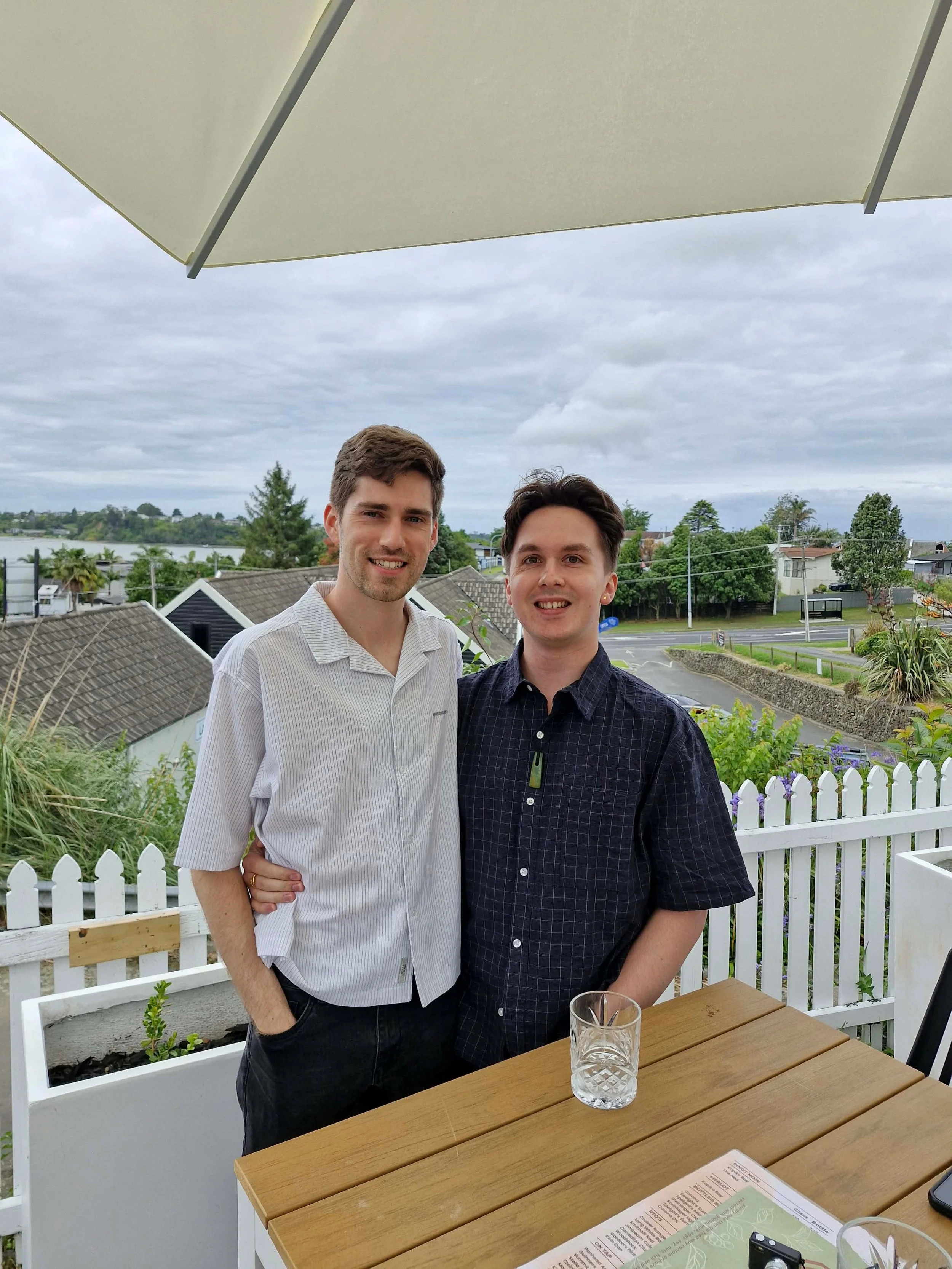
Matthew and Maxwell.
Coming from Auckland, where the theatre network can feel fragmented across the sprawling city, Maxwell was struck by how connected the Bay’s theatre scene is.
“Only once I was part of it did I realise how big and engaged it is,” he says, recalling a recent 80th celebration event that drew well over 100 attendees. “There’s a real sense that people care and want to be involved.”
Perhaps, he muses, it’s not the size of the community that counts, but the quality.
“Things are happening here that even Auckland could learn from,” says Maxwell. “In terms of community involvement, Tauranga’s doing really well.”
Maxwell recently appeared in Tauranga Musical Theatre’s April–May production of Come From Away at Baycourt, before stepping in to choreograph the Dolly Parton-fuelled 9 to 5 The Musical, which opens on July 25 and runs until August 1. It was a quick turnaround that speaks to both his experience and the opportunities on offer.
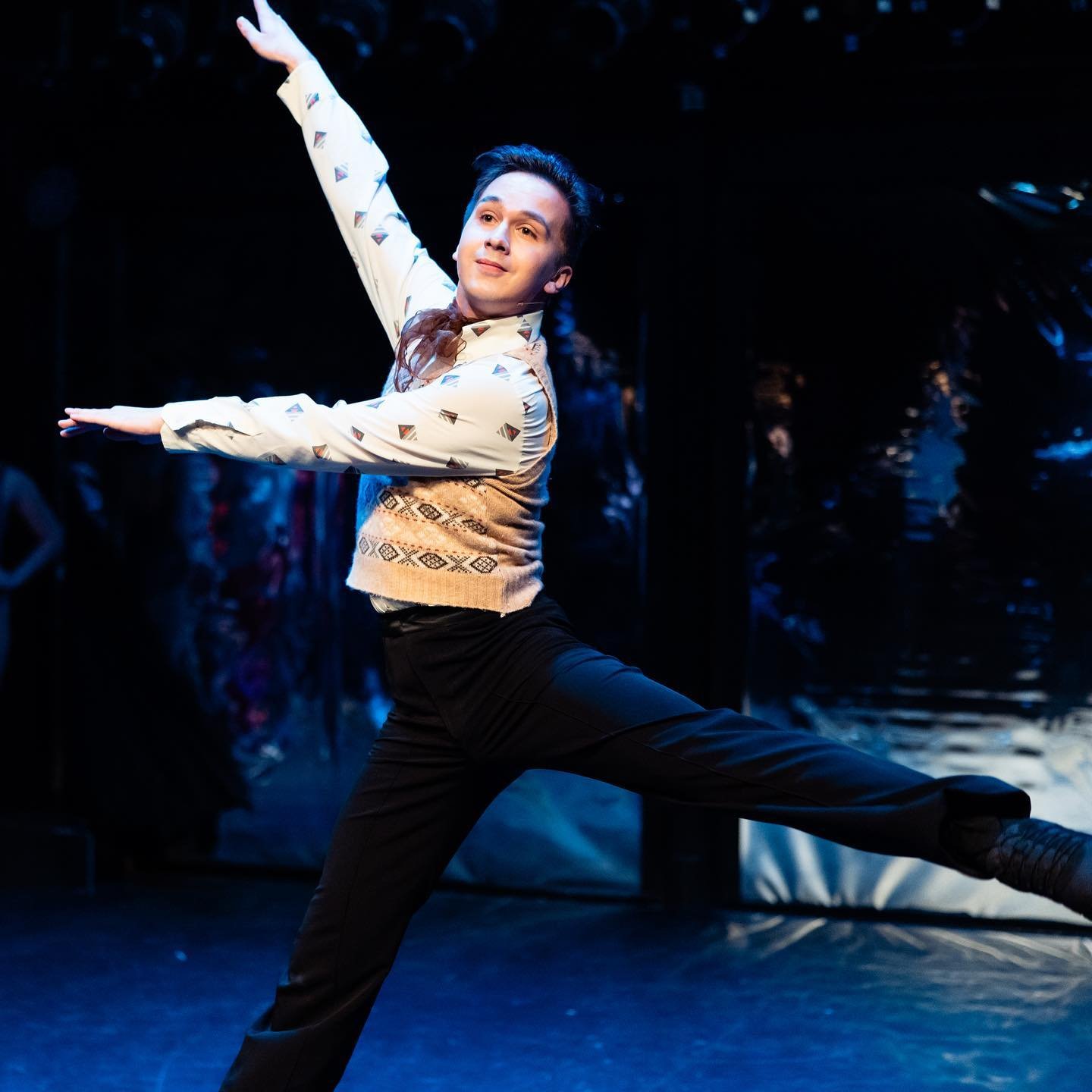
Having choreographed around 10 shows in recent years, he’d arrived hopeful but realistic about how long it might take to find his feet. Instead, doors opened quickly.
He acknowledges the challenges, with young creatives heading overseas among them, but sees momentum building.
“It’s about attracting new people in,” he says.
For Maxwell and Matthew, any question marks over the move have dissolved.
“We did say, worst case, we could move back,” he admits. “But now we can definitely see ourselves here long-term.”
Turns out the worst case never came close. As our region changes from being known for retirees and summer holidaymakers, stories like Maxwell’s prove something is changing. Creativity, opportunity and a sense of community are taking up a lot more space.
BUILT TO BELONG
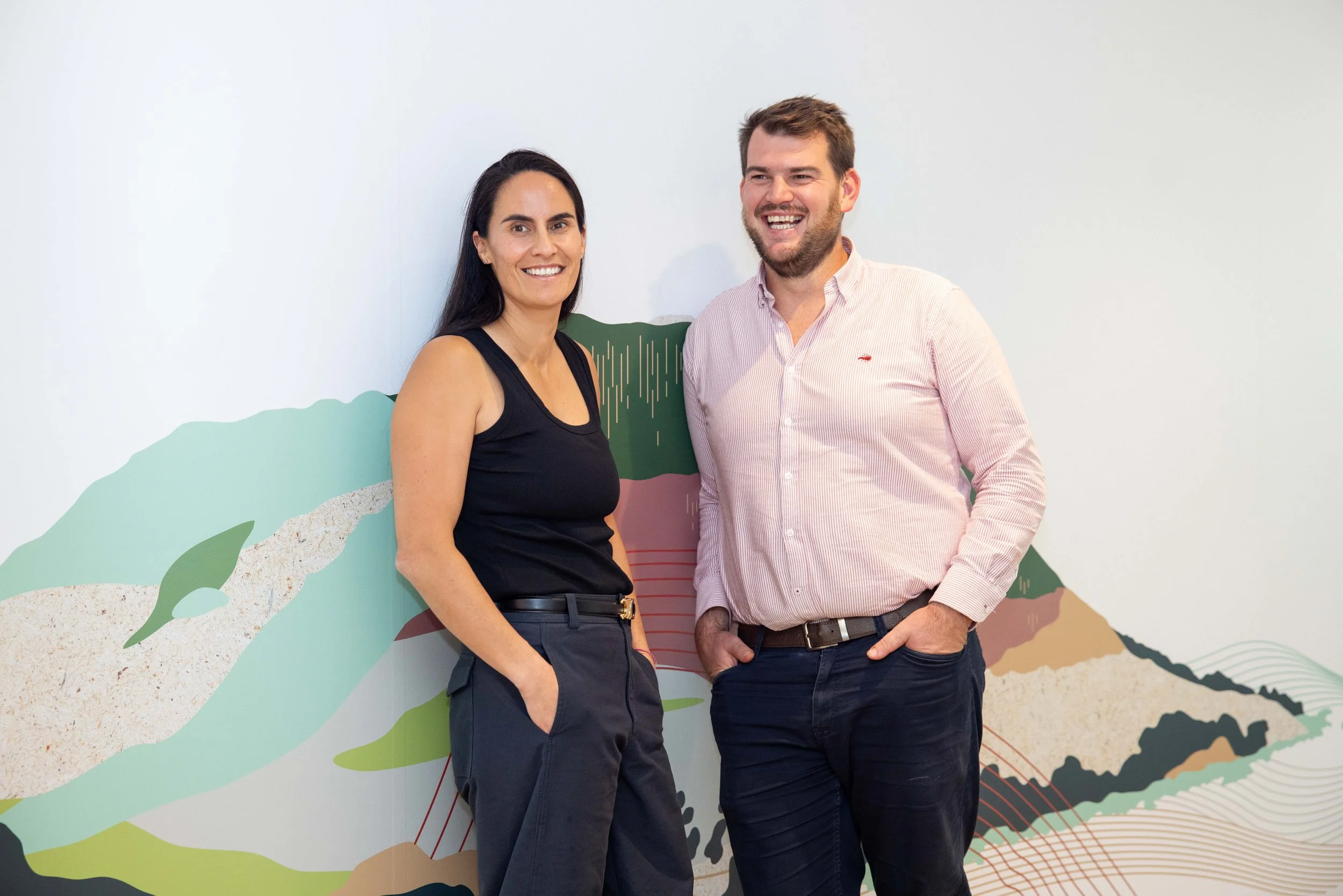
Two newly appointed leaders are bringing a distinctly Bay of Plenty perspective to one of the globe’s biggest firms, and making sure it earns its place in our community.
Two newly appointed leaders are bringing a distinctly Bay of Plenty perspective to one of the globe’s biggest firms, and making sure it earns its place in our community.
PHOTO SALINA GALVAN
There’s a version of this story where a global firm sees Tauranga’s rapid growth, follows the cranes, and sets up shop to capture the opportunity. But Deloitte’s story in the Bay of Plenty is more considered than that.
As the region continues to grow and diversify, so too does the complexity facing local businesses. From expansion and succession to technology transformation, regulatory change and shifting market conditions, organisations are being asked to make important decisions at pace.
For Deloitte’s Tauranga team, that creates both responsibility and opportunity. The appointment of Alexis Tapsell to partner and Cam Burrow as director reflects a broader story about Deloitte’s investment in leadership across New Zealand.
Nationally, the firm has continued to grow its leadership bench, appointing new partners and directors to support clients through disruption and ongoing change. In Tauranga, that investment is also about building a strong regional team for the future, one that makes sure local businesses have access to the same depth of advice and specialist support as organisations in the country’s largest centres.
Alexis joins existing partners, Paul Shallard and Andrea Scatchard, while Cam joins director Brad Garner, making for a strong leadership team in the Tauranga office. Together, they bring local relationships, national capability and the scale of a global firm to support businesses through growth and complexity. And it wouldn’t be happening if both hadn’t chosen to come here.
For Alexis, it was a return home. The former Black Fern, who represented New Zealand at the 2013 Rugby World Cup Sevens in Russia, lived in the Bay before heading to Auckland and making the move back in 2024.
“I’ve got three young kids and I wanted them to grow up in the Bay of Plenty, around family and everything like that,” she says. “This role was part of it, but mainly it was for my family.”
A specialist in tax and business advisory services, Alexis brings a skillset that’s genuinely in demand locally. Her client portfolio is deliberately broad and includes corporates, private and high-growth businesses, alongside the iwi and Māori sector. But her approach is the same across all of it.
“It's about being authentic, building trust, and working alongside clients in a way that feels genuine.”
Cam arrived from a different direction. A “born and bred southerner”, he relocated from Dunedin to Tauranga earlier this year after Deloitte approached him about helping grow the firm’s presence in the market.
“In a place like Tauranga, there’s a feeling of home,” he says. “You can still do your hobbies. You can be surfing before work in the morning, go to the office, and then be playing golf after work.”
He moved up in late April and has quickly become part of the community, refereeing rugby and getting involved in surf lifesaving. His role at Deloitte is deeper than his business card might suggest. He works across accounting, financial reporting, disruption and climate events, and internal audit.
“A lot of what I do is connecting the issues on the ground to the broader Deloitte network,” he explains. “We’re not selling services, we’re going to solve problems people are having for them, or with them. By doing that, we create clients for life.
“We want clients to feel like they have a local team that understands them, but also the backing of a much larger organisation. If a client is dealing with a complex challenge, we can bring in the right people and the right thinking. That might be someone here in Tauranga, elsewhere in New Zealand, or from across the Deloitte network.”
For Alexis, it's about striking the right balance between scale and connection.
“We don’t just want to be this big firm coming into the community. We really want to focus on what the Bay of Plenty is all about and we really want to be locally connected advisors helping Bay of Plenty businesses navigate change.”
“Important conversations aren’t just happening in the boardroom, they’re also happening on the side of a rugby field, on the beach, when you bump into someone in the street,” Cam says. “And that’s where we want to be.”
Both see this strong sense of connection as one of the region's greatest strengths. “There’s a real willingness here for people to support each other and for the region as a whole to succeed,” Alexis says. “There’s an optimism and collaboration that’s pretty unique.”
“We want to be embedded into that growth story,” Cam says. “Deloitte’s ambition is to be part of the momentum, supporting businesses as they grow, adapt and thrive. We’re not here for the short term, we’re here for the long term.”
“We want to essentially play our role in helping build a stronger regional economy,” Alexis adds, “and supporting local organisations to thrive.”

DUMPED
Waste warrior Kate Fenwick spotlights the growing cost of the rubbish we leave behind – and how we can all be part of the solution.
Waste warrior Kate Fenwick spotlights the growing cost of the rubbish we leave behind – and how we can all be part of the solution.

I was driving past a beautiful stretch of coastline recently when I saw it. A couch. Not near a house and not outside a shop, just sitting there in the long grass as if it had decided to retire early. It would have been almost funny if it wasn’t so bleak.
Illegal dumping has a way of sneaking up on us. A mattress on a roadside, a pile of renovation waste tucked into a reserve, bags of rubbish stacked beside an overflowing charity bin. It becomes part of the scenery, until one day you realise it’s not scenery at all. It’s neglect.
Every year, throughout New Zealand, councils spend millions of dollars cleaning up illegally dumped waste. That money comes from rates; from the same budgets that fund playgrounds, libraries, footpaths and community programmes. Every dumped couch quietly diverts money away from something that could have improved a neighbourhood.
Then there’s the environmental impact. Dumped waste can contaminate soil and waterways, especially when building materials, tyres and hazardous substances are involved. It creates safety risks, attracts pests, harms wildlife, and once a pile appears, others often follow. A single act of dumping can quickly create a hotspot.
Councils are trying to keep up. The problem is that dumping often happens at night, in quiet places, and without witnesses. Fines exist, but they rely on being able to identify who did it. If no one can be identified, the clean-up still has to happen.
What fascinates me most is the mindset behind it. Illegal dumping is often justified as a response to cost. Disposal fees feel high. Life feels expensive. It can be tempting to see public space as an easy option. But it’s not free, it’s simply paid for differently.
When someone leaves waste in a reserve, they’re shifting their inconvenience onto the entire community – onto the person who walks their dog there, onto the family who swims at that beach, onto every ratepayer who funds the clean-up. Most of us would never dump a couch in a ditch, but we all have a role in shaping what’s normal.
Plan ahead before a big clean out, check local transfer station options, use bulky-item collections when available, report dumping early before it grows. These are not dramatic actions – they’re small acts of stewardship.
Public spaces reflect how much we value where we live, and when waste ends up in a place it doesn’t belong, the cost is more than financial. It’s about pride, responsibility and the decision to leave a place better than we found it.

RAW AND UNFILTERED
Live radio isn’t for the faint of heart, as Hayley Bath so eloquently demonstrates through her most embarrassing yet hilarious moments at work.
Live radio isn’t for the faint of heart, as Hayley Bath so eloquently demonstrates through her most embarrassing yet hilarious moments at work.

Most people will, at some point in their career, make mistakes at work. I have the rare gift of having any mistakes I make happen in public, while broadcasting live on nationwide radio. It’s a great way to keep any fragile ego in check.
I’ve been the day-show radio announcer on The Hits for nearly nine years. I love radio, and I’m good at what I do, but I’ve still never met a sentence I can’t ruin with confidence.
Picture this: I have 10 seconds until the song finishes. I can see the countdown on one of four screens in front of me before I go live. The mic is ready, the red light is on. I go to speak and, mid-sentence, my mind goes blank. What was I going to talk about again? The dreaded brain freeze hits.
There’s no backspace in radio, no TV editing. It’s just me, a mic and the dawning realisation that I’ve made a mistake I now have to commit to publicly.
Over the years, I’ve mispronounced words I invented only seconds earlier. I’ve had callers go rogue live on air, ranting and swearing. One day, I was reading the weather when a spider crawled across my forehead. I had no choice but to scream, recover, then casually mention the incoming storm warnings. I still don’t have any idea how the spider got inside a double-walled, acoustic-lined studio.
I was humbled early in this line of work. As an intern on my first shift, I nervously came out of the song White Flag by Dido, stumbled over my words, and said it was sung by “Dildo”. I’d like to say the rest of the shift improved, but that same day I also managed to accidentally broadcast a Donald Trump speech over a Backstreet Boys song. I was sure my career would end as soon as it started.
Every workday, I sit in front of 184 radio buttons and audio controls (I counted them for the purpose of this article), not to mention all the screens in my studio. It’s multitasking at its best – technical pressure, talking, timing, reading, listening and reacting all at once.
When the mic turns on, it’s sink or swim. It’s what makes this job fun and terrifying all in the same breath. There are people in the radio industry who keep a dreaded folder of on-air mishaps made by announcers over the years. You don’t want to be the one whose audio is blasted out through the speakers at the end of the work party.
Sometimes, the chaos isn’t even contained to your own studio. We share a building with Newstalk ZB, and during a stint in temporary studios while new ones were being built, I clumsily knocked out what looked like some fairly critical wires. I held my breath, then relaxed when The Hits stayed on air. Crisis averted – or so I thought. Seconds later, a producer burst out of the studio next door, shouting, “WE’VE GONE OFF AIR! GET THE TECHS IN! ZB IS OFF AIR!” Three people sprinted past my window as I quietly sank out of sight behind my mic. Oops.
Radio’s addictive because it’s about real connection and what’s happening in the moment. There’s a certain intimacy to it, too. People listen in cars and kitchens, on night shifts, at workplaces; they invite you into their space every time they turn on the radio. This week, a caller told me I was the first person they’d spoken to out loud all week. They live alone, work from home, and mostly communicate through emails and texts. It’s not uncommon for a lot of people.
Radio is an unfiltered, real-time exchange between people, something carefully edited social media video reels can’t rival. The weird and wonderful texts and calls that come in daily create a sense of community you can’t fake, and in a world that often feels chaotic, I try to create a positive place people can come to for good music, connection, and a moment to breathe and have fun. It’s very hard to feel bad when music from S Club 7 and Coolio is pumping on a Friday.
Like I said, there’s no backspace in radio. When the mic turns on, anything can happen. It’s not about getting every word right – instead, it’s sometimes messy, unpredictable and completely human. That’s the magic of it.
Catch Hayley on The Hits 95FM, weekdays 9am till 3pm.
GUIDING GENERATIONS
A global legal career meets a pull back home, as Rebecca Steens brings international expertise to Tauranga’s ever-changing wealth and succession landscape.
A global legal career meets a pull back home, as Rebecca Steens brings international expertise to Tauranga’s ever-changing wealth and succession landscape.
WORDS PIP CROMBIE | PHOTOS DEBORAH DE GRAAF
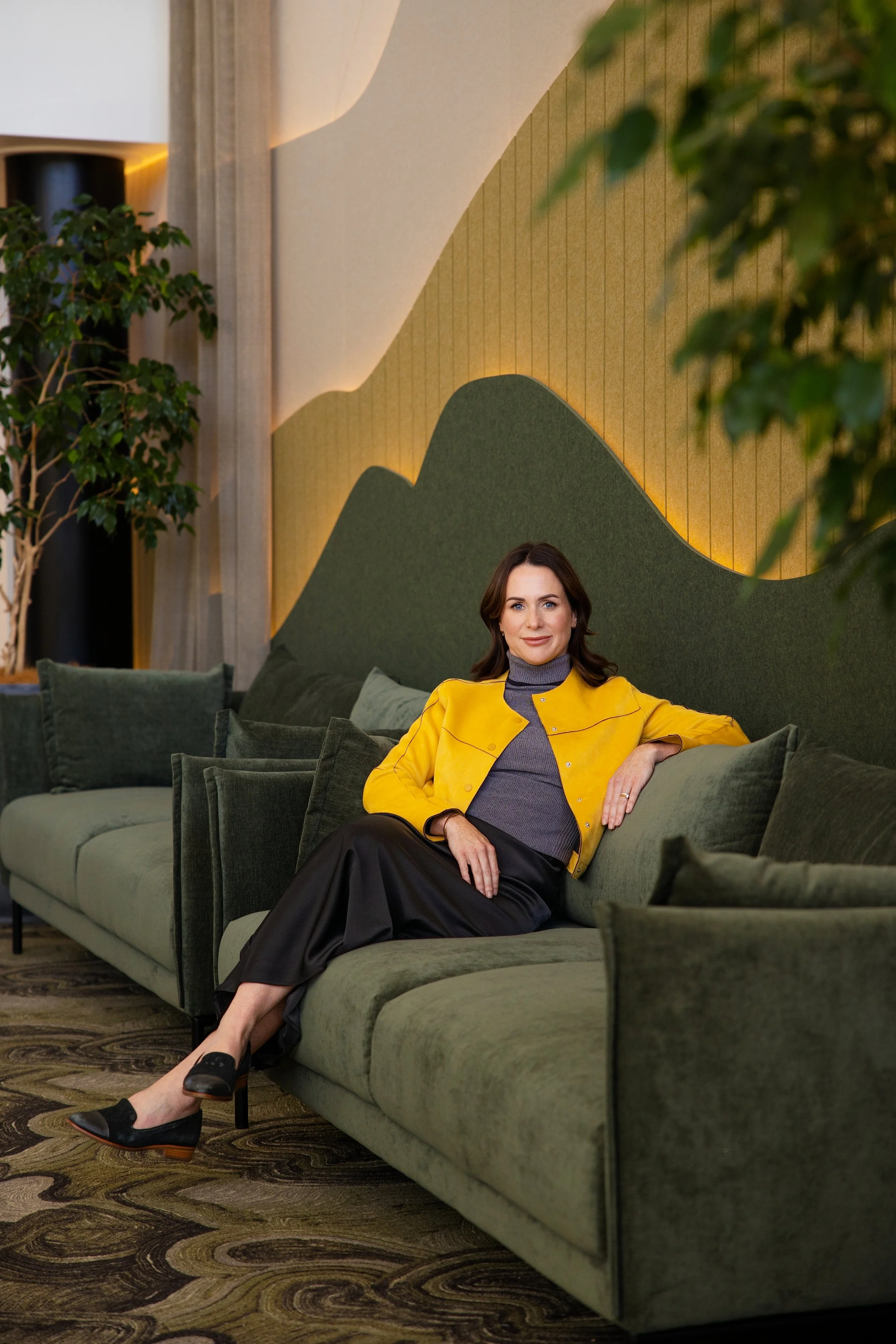
There’s no place like home, or so the adage goes. It certainly proved true for the most recent female partner to join Holland Beckett, Rebecca Steens. She and her husband, Michael, were feeling quite settled after four years in Jersey, the largest of the Channel Islands. The active, outdoorsy lifestyle they enjoyed on the self-governing British Crown Dependency, located around 20km off the French coast, was offset by the rich mix of French and British history and culture on offer. Rebecca loved her rewarding role specialising in trust litigation within an international context, but New Zealand and family tugged them home in late 2019, only a few months before COVID-19 unleashed lockdowns and other restrictions.
“While it was the close of a wonderful part of our lives, the draw of home and all that offers was the right decision in the end,” explains Rebecca.
Nearly seven years on, as a highly regarded succession and estate planning lawyer with more than 12 years’ experience advising clients on trusts, estates, succession planning and asset protection, Rebecca says her life and background have brought focus to her practice.
“My life so far – the diverse travel, living and working overseas, being a daughter, wife, mother, first home buyer, working parent… all have brought a different perspective to me as an estate planning lawyer, and a partner at Holland Beckett.”
Rebecca's husband Michael runs an engineering business specialising in marine welding, giving her an appreciation of the day-to-day workings and challenges faced by small, industry-specific businesses. That said, she feels at ease with a diverse range of locals and large business owners, having grown up during the burgeoning Bay of Plenty growth phase, in an economy driven by orcharding, ocean industries, port expansion and extensive property development. Like others at Holland Beckett, her significant international experience contributes to the comprehensive legal services on offer by the firm.
In late 2019, Rebecca joined Holland Beckett as a senior solicitor in the firm’s litigation team. She transitioned into the Succession, Trusts and Estates team in 2021, where her leadership has been instrumental in shaping its growth and reputation. “We’re living in a time of the biggest intergenerational shift of wealth from the Baby Boomer generation,” she says. “The recipients of the trusts set up by that ageing generation do not always live in New Zealand. There are tax implications, the division of wealth is not as straightforward as people may believe – many don’t even know where their money will go if they don’t have a will. There’s often an assumption it goes to their wife or husband, but this is being challenged in real life as the Administration Act 1969 [which deals with rules on intestacy] is not consistent with the way we live now.”
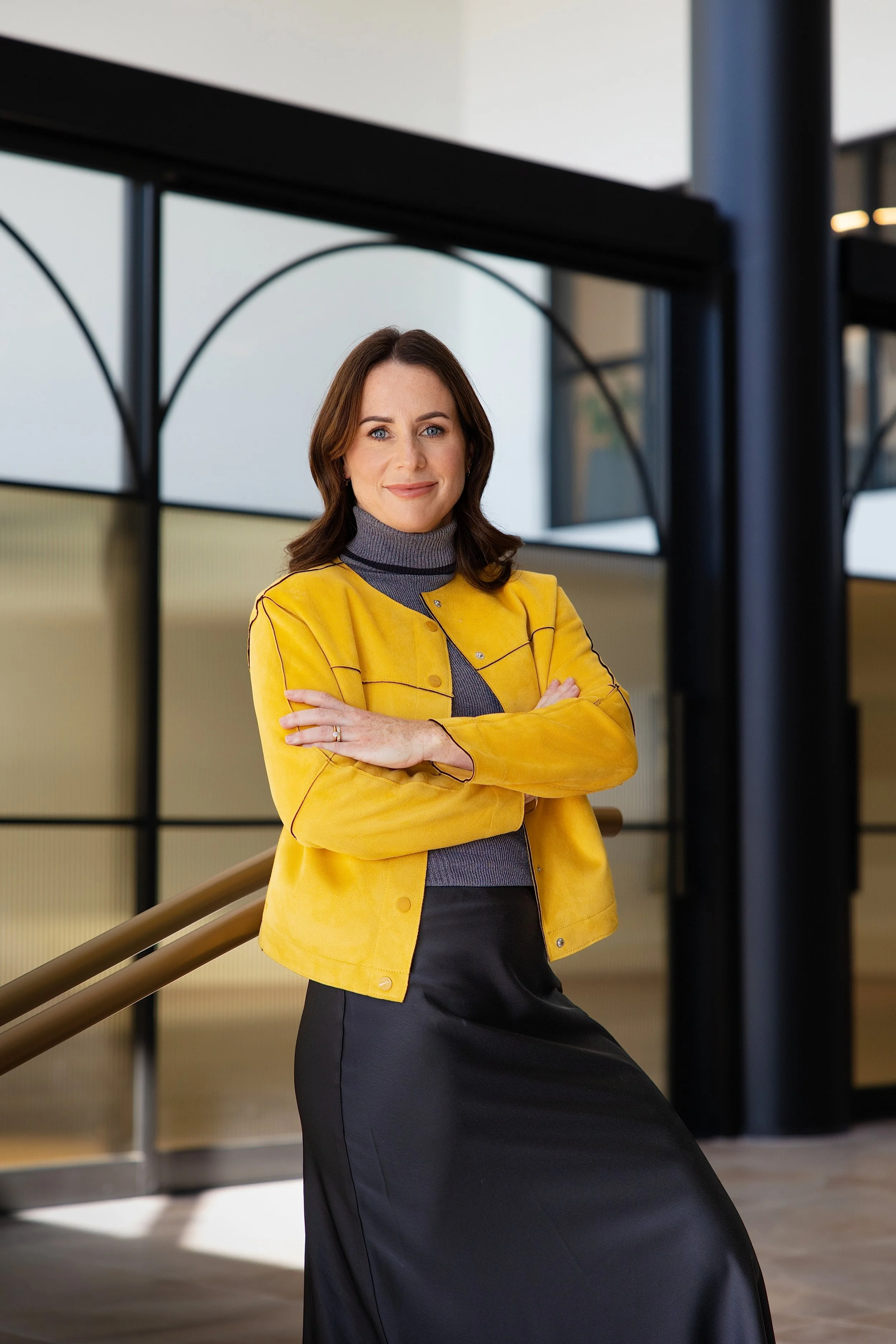
Rebecca feels driven to ensure her clients have a clear understanding about the value and division of their wealth, no matter what size it is. She says the increase in blended families, relationship disputes, dependents living with disabilities needing life-long care, those with terminal health diagnoses – all manner of life situations – deserve transparency and guidance in ensuring their wishes are met, and not open to dispute by those left behind.
Joining the now 17-strong partnership at one of Bay of Plenty’s largest legal firms felt right to Rebecca. She describes a law partnership as a relationship and in the way of any relationship, had a clear understanding of what she could bring to it.
Rebecca’s happy to report it has been a completely positive move. “It has enriched my life. The support I’ve had from the partnership and my team to get where I am has been so valued. I navigated the added responsibilities through parental leave and two very young children. Having such a strong female presence in the partnership [seven of the 17 partners are women] is something I appreciate, as is the depth and breadth of experience in our partnership.”
Holland Beckett prides itself on its community involvement, with one of its initiatives being free Wills Month in September. Sponsorship of various awards, a diverse range of charities, pro bono work… the firm is engaged in doing its bit. With 50 staff in 2012, the growth to over 160 by 2025 has seen the need to move to larger premises. Rebecca joins the partnership at the start of this exciting next chapter for the firm, now based in a purpose-built, modern space on The Strand in Tauranga – future looking, with room to expand. Now that Rebecca and Michael’s children are three and four, they’re looking forward to returning to adventurous outdoor activities – cycling, hiking and water pursuits – and hopefully as time allows, travelling intrepidly with their young family.
BUILDING FREEDOM
UNO’s new columnist, Mount financial adviser Adam Stewart, shares his grounded, practical approach to investing, retirement and financial freedom.
UNO’s new columnist, Mount financial adviser Adam Stewart, shares his grounded, practical approach to investing, retirement and financial freedom.
PHOTOS DEBORAH DE GRAAF
At 32, Compound Wealth founder Adam Stewart has already spent more than a decade immersed in the world of investing, KiwiSaver and financial planning. But despite managing more than $170 million in funds under advice and working with clients across New Zealand, his approach to wealth remains surprisingly grounded.
Raised on a dairy farm in Ashburton, Adam says growing up in a hardworking farming family shaped much of how he thinks about money and long-term security. “There’s no such thing as days off on a farm,” he says. “The cows still need milking on Christmas Day.”
His parents’ work ethic left a lasting impression. So too did the realities of farm ownership, with debt, weather dependence and the relentless pressure that can come with running a business tied so closely to the land.
“I saw a lot of toil from my parents,” he says. “I think that got me thinking about how I could do things in a smarter way.”
That curiosity eventually led him to study finance and commercial law at Victoria University in Wellington, where he landed a part-time role at a financial planning firm while still in his teens. It was there, while working on matters related to the relatively new KiwiSaver, that something clicked. “I got really passionate about KiwiSaver because I understood the power of compound interest.”
Like many people who eventually end up in finance, Adam says he was also drawn to the idea of independence. Reading Rich Dad, Poor Dad at a young age sparked an interest in financial freedom and business ownership, concepts that would later become central to both his career and personal philosophy.
After university, Adam worked for a government-appointed default KiwiSaver provider, eventually moving into a role in which he travelled the country advising financial advisers on investment products and KiwiSaver strategies. The experience exposed him to a huge range of financial businesses – the good, the bad and everything in between.
But it was conversations outside the office that inspired him to launch Compound Wealth. “I’d be at the rugby club or out socially and people would ask me what KiwiSaver fund they should be in,” he says. “I just assumed most people knew what they were doing financially, but they didn’t.”
What shocked him most was not a lack of intelligence, but a lack of guidance. “I was meeting CEOs, lawyers, accountants and people with two or three hundred thousand dollars sitting in the wrong fund.”
At just 24, Adam started Compound Wealth with the simple goal of helping ordinary New Zealanders make better long-term financial decisions. Initially, much of that work centred around KiwiSaver and moving clients into funds that better matched their goals and risk tolerance. Over time, however, the business evolved into retirement planning, investment strategy and helping clients create lives that feel financially secure.
Today, Adam’s typical client is approaching retirement or already retired, often with more than $1 million in investments, property or KiwiSaver assets. “A lot of people have worked extremely hard for decades, but they don’t actually know how to spend their money confidently,” he says.
It is a surprisingly common problem. Adam says many retirees remain overly conservative with their investments, worried they’ll run out of money. Others hold onto wealth purely out of fear.
“Too many people think they need to die with exactly the right amount left over,” he says. “But often they could afford to enjoy life a lot more.”
Instead of simply focusing on investment returns, Adam says much of his work now revolves around helping clients align their money with the lives they actually want to live. That might mean helping someone structure their finances so they can travel more in their 60s and 70s, give money to their children earlier, or feel comfortable spending what they’ve spent decades building.
“If you want to take the family to Fiji and pay for everyone because you can afford to do it, great,” he says. “If you want to help your kids get ahead while you’re still around to see the benefit of it, great.”
Adam’s philosophy around investing itself is notably measured. Rather than chasing hot stock tips or market timing, he advocates for low-cost diversified investing and long-term thinking.
“We’re not trying to pick the needle in the haystack,” he says. “We own the haystack.”
It’s advice he applies to his own life. Adam started Compound Wealth in his mid-20s, while living rent-free back in Ashburton and playing Heartland rugby. The early years were difficult. He admits earning trust as a young adviser came with “a lot of hard knocks”.
“People would think, ‘Who’s this 24-year-old advising me on my finances?’” he laughs.
Still, he kept showing up. Over time, the business grew steadily, helped in part by the digital shift brought on by COVID-19, which accelerated online financial advice across New Zealand.
Now based in Mount Maunganui with his wife and young family, Adam has built both the lifestyle and the business he once imagined for himself. He sponsors local rugby and tennis clubs, and works from a modern Mount office. He says maintaining balance remains important.
“I don’t want to build some huge corporate monster. I enjoy my lifestyle. I try to live the way I teach my clients to live.”
That may be the core philosophy underpinning both Adam Stewart and Compound Wealth. Financial planning is not really about money at all.
“Financial freedom,” he says, “is having the ability to do what you want, when you want, with the people you care about.” COMPOUNDWEALTH.CO.NZ
BETTER TOGETHER
As AI is adopted worldwide, UNO’s new columnist Amanda Jeffs wants women to be leading the conversation.
As AI is adopted worldwide, UNO’s new columnist Amanda Jeffs wants women to be leading the conversation.
PHOTO DEBORAH DE GRAAF
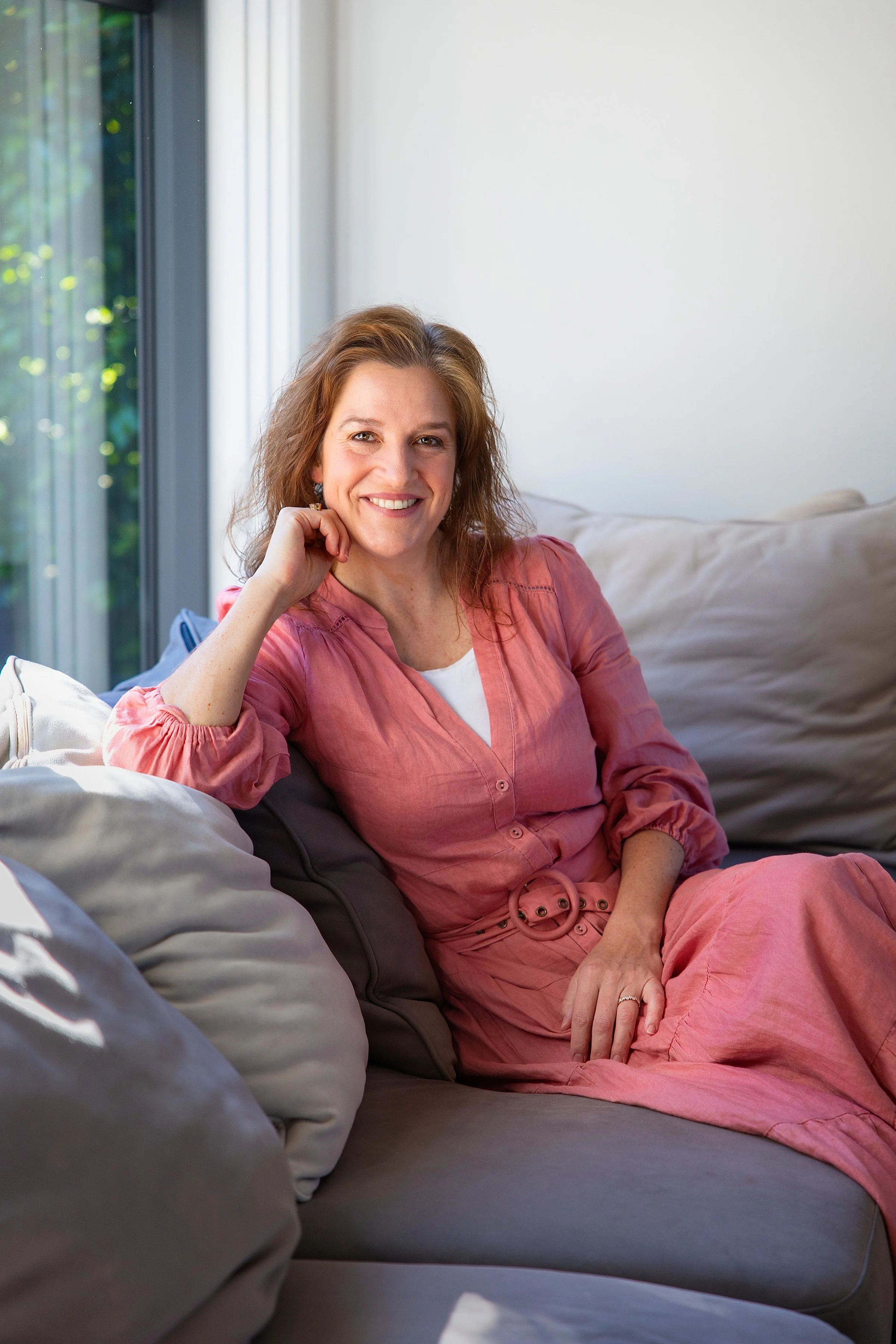
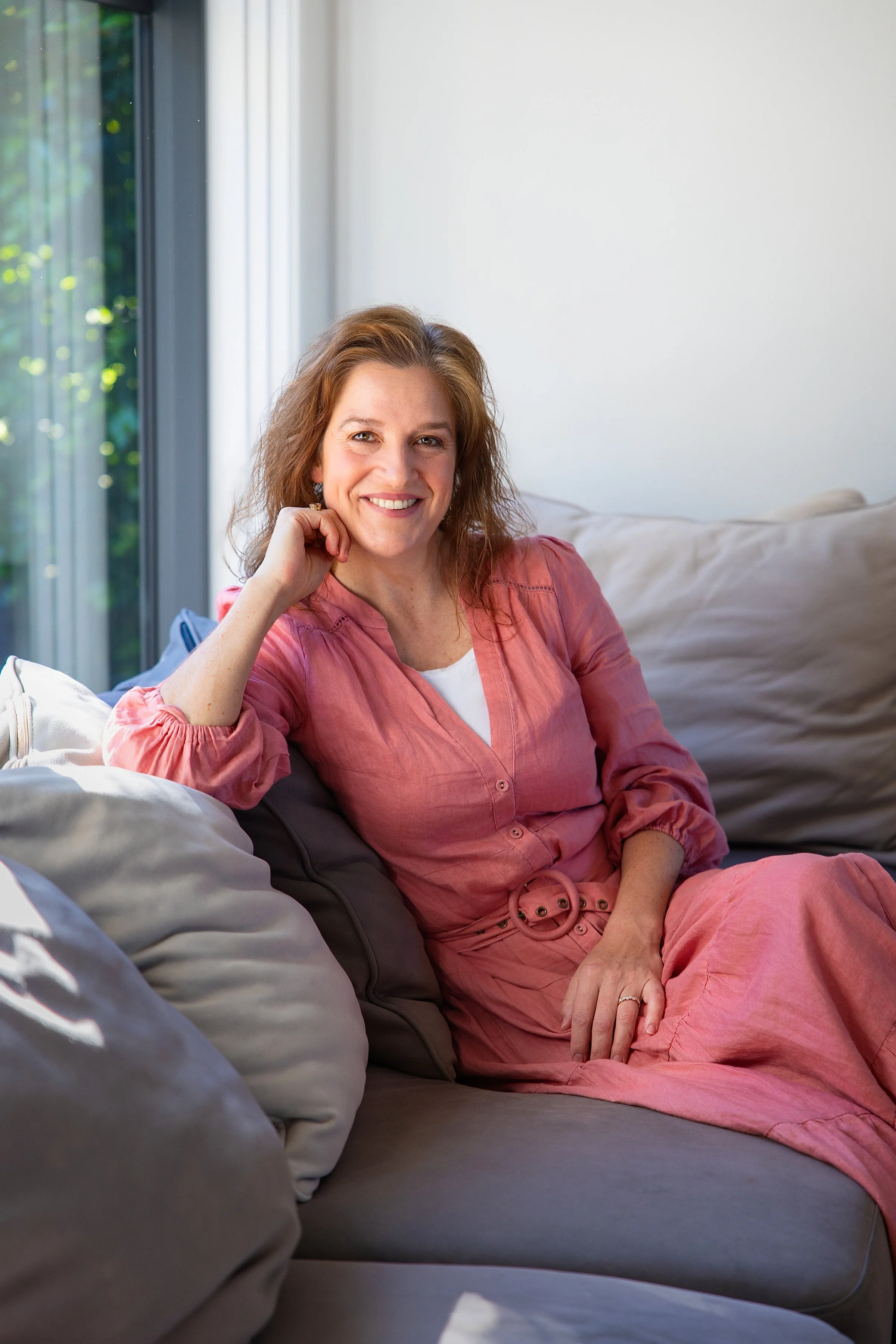
These days, when the words “artificial intelligence” pop up, they often come with a sense of panic. We’re constantly hearing warnings about jobs disappearing and workplaces changing faster than anyone can keep up with, but according to She Is AI founder Amanda Jeffs, that fear misses the bigger picture.
Amanda believes the future won’t belong to robots taking human jobs, but to people who learn how to use AI well.
“People think AI is coming for all of our jobs, but what we’re actually seeing is a change in the workforce. Businesses still need people. AI's not a replacement for humanity.”
It’s a conversation she’s particularly passionate about having with women, many of whom report feeling intimidated by the speed at which AI has entered our lives.
Amanda’s background covers communications, marketing, digital strategy and tech, through roles in government, startups, agencies and consulting in New Zealand, Asia and the UK.
Rather than seeing herself as purely “tech”, she describes her role as translating between people and technology.
“I understand how computers think, but I also understand people and psychology,” she says. “I’ve naturally always sat somewhere in the middle.”
Her mix of skills became unexpectedly useful in 2022, when AI tools suddenly exploded into the mainstream. At the time, Amanda was on maternity leave with her daughter after losing her job in a company restructure. While navigating newborn life on very little sleep, she started diving headfirst into AI. What stood out to her in those early days was the number of women trying to figure it out on their own.
“There were all these women learning AI in isolation,” she says. “They were saying, ‘This is huge, but where are my people?’”
Eventually, she came up with She Is AI, which first launched as a digital magazine that showcased women working in the AI space, before growing into a global education and consulting platform operating across more than 28 countries.
Today, the organisation runs workshops, training programmes and events focused on helping women and businesses adopt AI in practical ways.
Amanda says the more we can rethink AI as a support tool that can remove repetitive admin, the more we can free people up to focus on bigger-picture thinking.
At the moment, though, she believes many workplaces are getting AI wrong, by either resisting it completely or trying to replace people without understanding its limitations.
“We’re in this weird stage where companies think AI can run everything on its own, but it’s not there yet,” she says. “In the future, we’ll see businesses realise they still need those people and hire them back.”
As AI adoption grows, Amanda hopes fear will gradually become curiosity. “We’ve been through huge technology shifts before. This is just the next one.”
Amanda’s joining UNO as a new columnist, to share practical insights into AI, the future of work and how you can use emerging technology in ways that feel useful rather than overwhelming.
Watch this space!
STAYING POWER
Downtown Tauranga had a rough few years, but even in the lean times, these three businesses didn’t leave. Now, as the city’s renaissance gathers pace, their belief is paying off. Turns out, that was the right call.
Downtown Tauranga had a rough few years, but even in the lean times, these three businesses didn’t leave. Now, as the city’s renaissance gathers pace, their belief is paying off. Turns out, that was the right call.
PHOTOS SALINA GALVAN
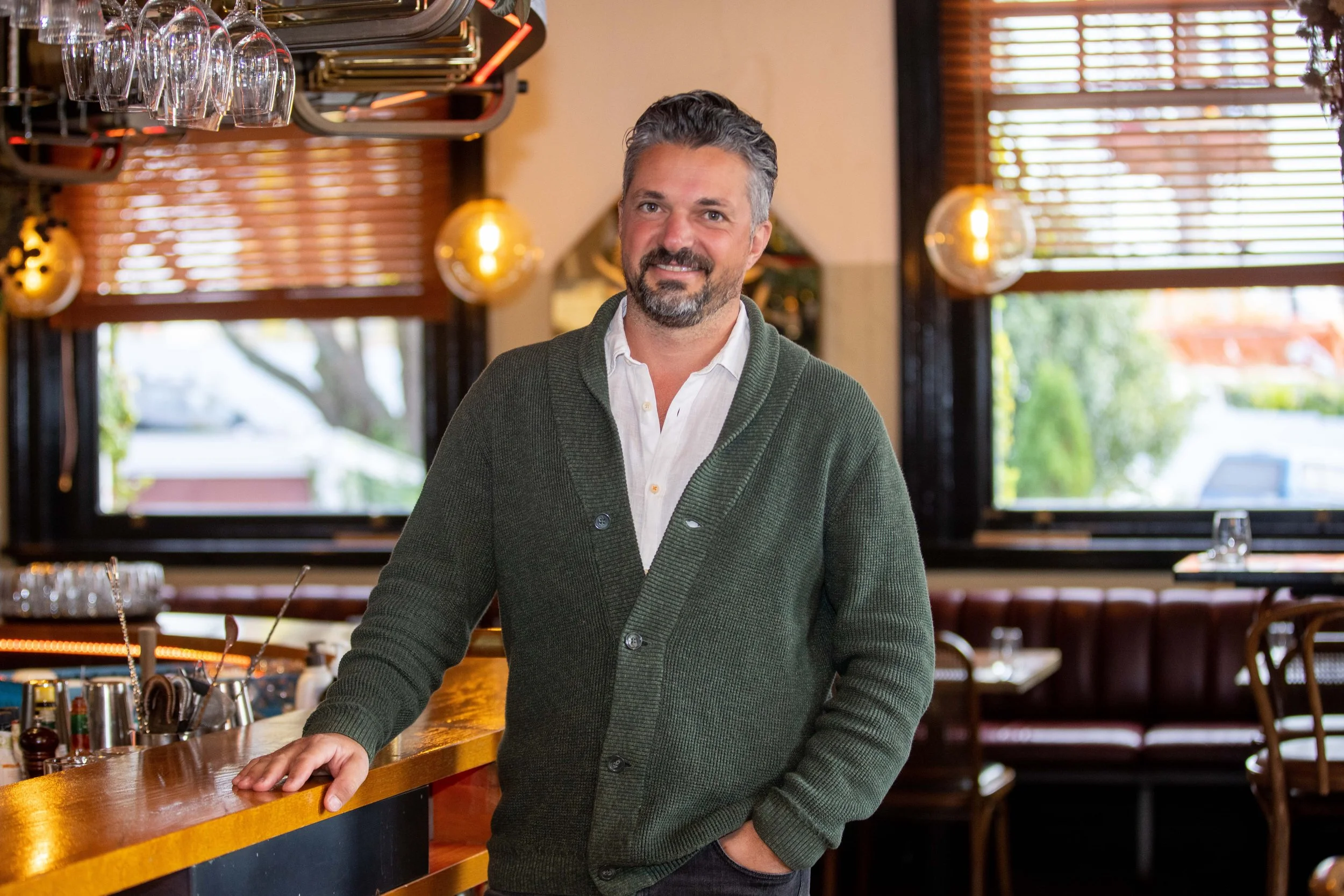
Noel Cimadom at Clarence Bistro.
It’s no secret that Tauranga’s city centre has seen some challenging times. Shops closed and stayed empty, foot traffic dwindled, and many stores retreated to the malls. But despite it all, a group of true believers stayed put. They believed in the city centre and their businesses, knowing that what they offered was good enough to draw people into the city.
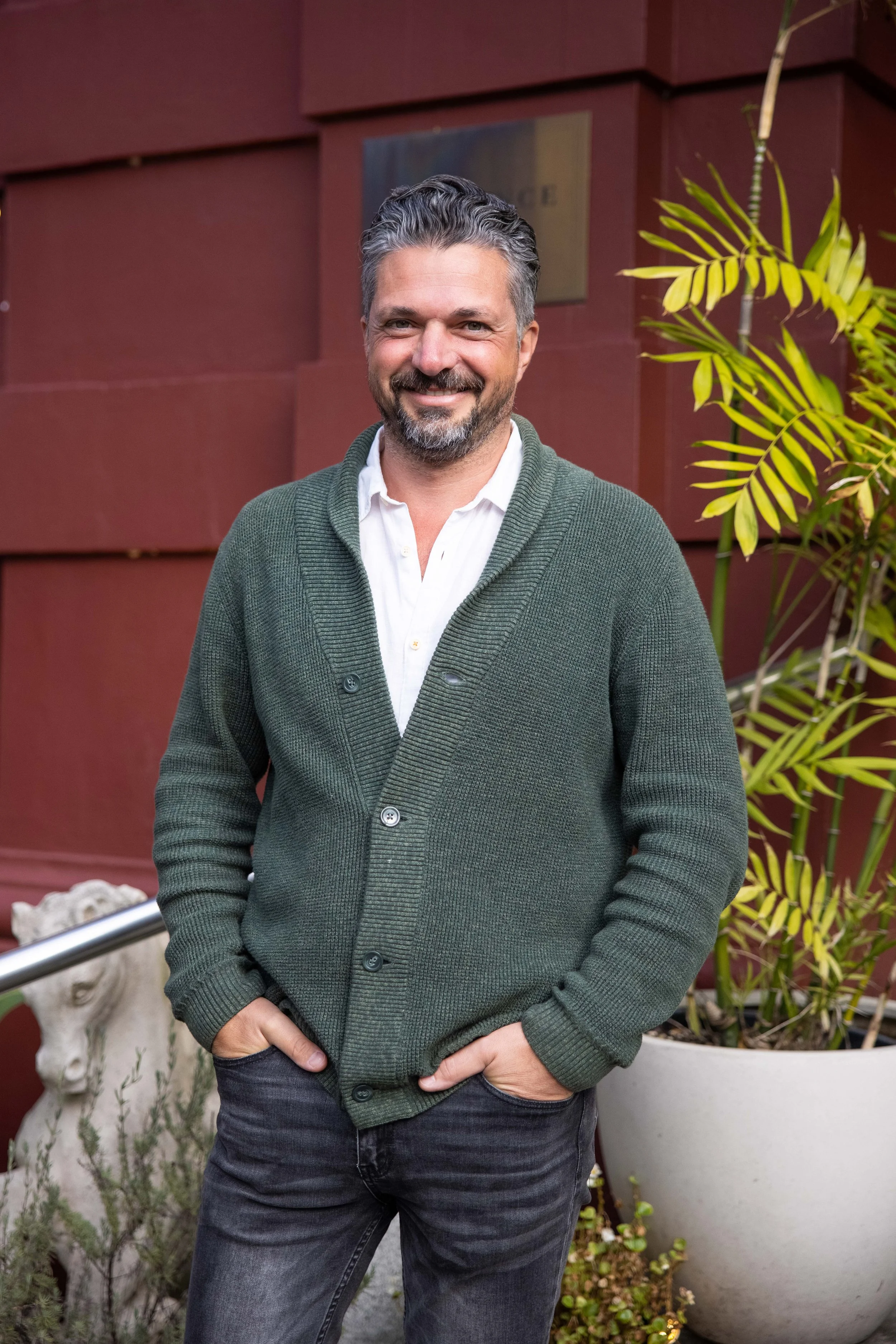
Walk downtown today, and people are returning to work, live and play. It’s getting closer to what Noel Cimadom saw when he looked at downtown Tauranga for the first time after arriving from Europe.
"I was always joking in the beginning, saying this can be Miami,” he laughs. “It just showed so much potential.”
With a background in hospitality in Munich, Noel and his wife, Kim Smythe, took the keys to The Old Tauranga Post Office heritage building on Willow Street in 2017, opened Clarence Bistro and Hotel in November 2018, then watched as the city centre grew very quiet indeed.
Instead of retreating, the pair doubled down, opening the acclaimed restaurants Picnika and Stassano in quick succession, built on their faith in the city's bones and Noel’s Miami dream.
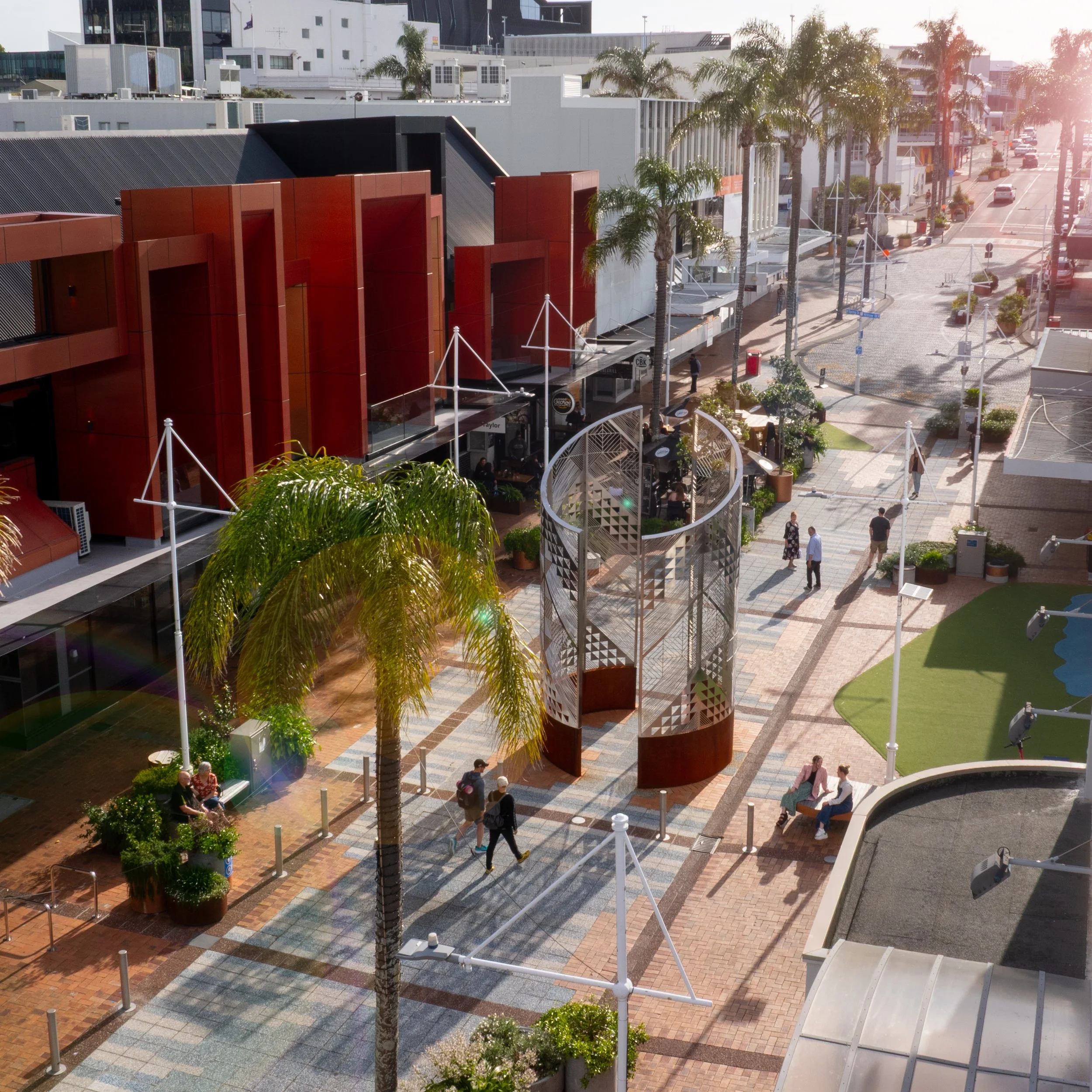
“I am a believer," he admits. “There aren’t many cities on the oceanfront that can do what Tauranga could potentially become. I see it as the next future city. There’s no doubt about it. There’s a lot of opportunity here to become something very, very outstanding if we all pull together. I’ve got big hopes for it, for sure.”
They’ve seen and felt the recent change. The vibe is there, the tables are booked, and people are stopping in for after-work drinks, something that hasn’t happened for a long while. “It’s still early days,” he says, “but it’s coming.”

Julie Hammon of Hammon Diamond Jewellery.
Down the road, Julie Hammon is preparing to celebrate 40 years of business on the same city centre site. Hammon Diamond Jewellery arrived on Grey Street in 1986, and has remained ever since. The family jewellery business is also now approaching its 80th birthday.
“It’s amazing,” she smiles. “It's been such a fabulous journey.”
That journey has not been without turbulence. The stock market crash of 1987 hit just a year after she and her late husband opened. Later, the malls began luring customers away, and then the pandemic kept them away.
Through it all, Julie stayed put, even when shopping centre operators dangled attractive offers in front of her to relocate. She sent them on their way.
“I’ve always loved the city centre," she says, "and for us, being in the city is the right place to be."
“We’re a family business, people know where to find us, and they trust us,” she says. “These relationships have gone on for years and years and years. They’re intergenerational. We now have younger members of the same families coming in to use our services. It’s quite incredible.”
Her read on the city’s future is optimistic. “I’m very hopeful that we’re on that incline up,” she says. “For any city to be healthy and vibrant and have a fantastic future, you need a city centre that reflects that. The waterfront has been magnificently enhanced, there are events on downtown, and there are the new apartment blocks. The city centre is a very attractive and exciting place to be.”
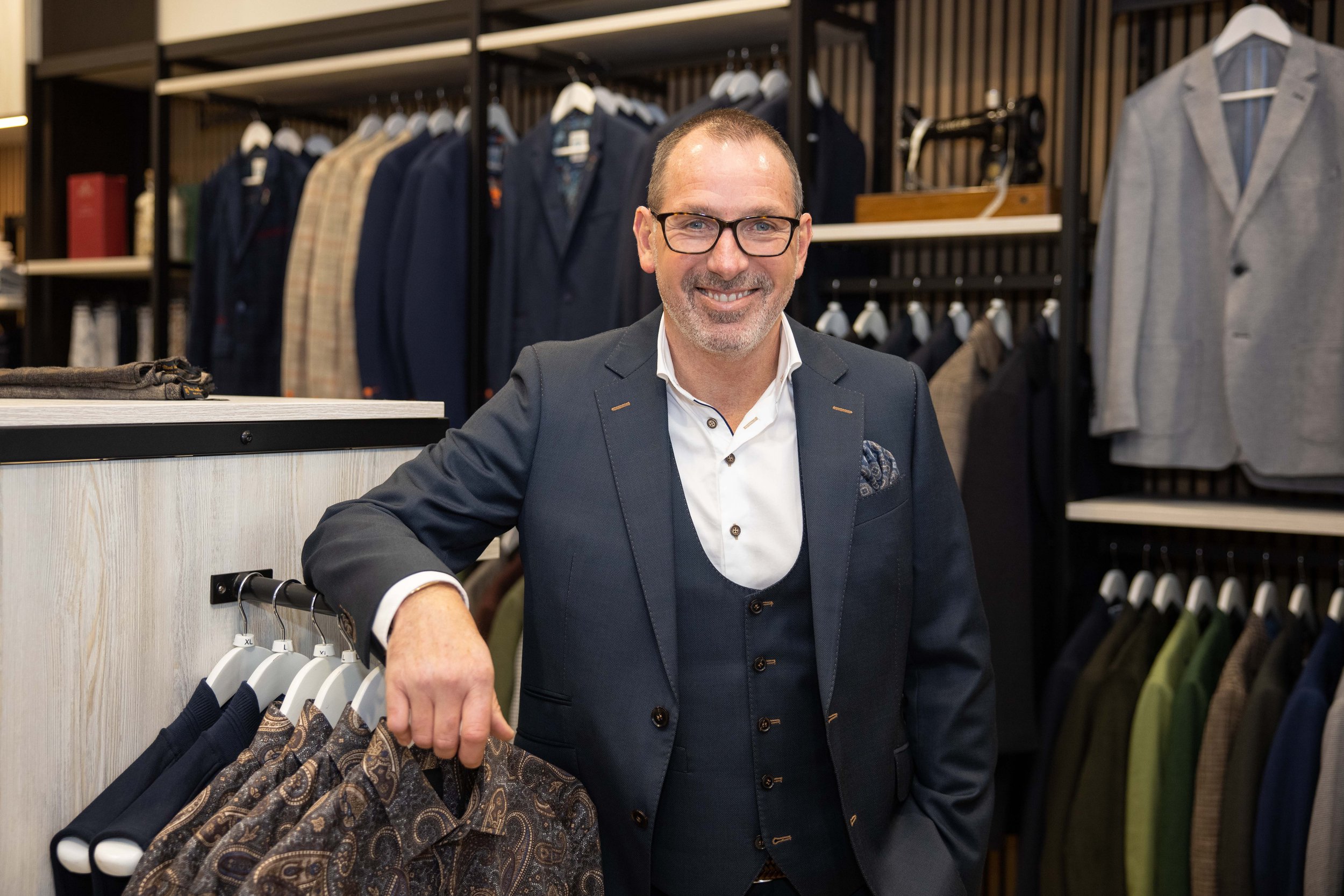
Bond & Co’s Jason Dovey.
Up the street, on the main drag of Devonport Road, Jason Dovey has been dressing Tauranga’s stylishly inclined men for more than 30 years. Bond & Co, his boutique menswear store, is a destination in the truest sense. People drive in specifically because there’s nowhere else quite like it.
“I’ve definitely seen the city centre at its lowest, as low as you can go,” he sighs. “But with the rebuild of buildings and facilities and more people living and working back in the city I reckon we’re on the other side, and going up continually."
Even at the city’s quietest point, Jason didn’t think about leaving.
“I never want to go to a suburb and would definitely never go to a mall. We’re a boutique business. The city’s where we want to be. We don't want to be in suburbia.”
Jason says that even within the last year, the change has been notable.
“It’s sort of like the old days,” he says, saying that now, along with the destination shoppers, the increase in foot traffic has people popping in as they walk by.
He agrees that the city centre’s much-needed developments have made a huge difference to business. He’s seeing people bringing their kids or grandkids to the new playground, then stopping for lunch at a café, before dropping in to see him at the store.
“It’s not about going to a cupboard shopping mall. It’s about the other attractions and things to do in the city centre. When the museum, the new library and those other facilities are all open, along with the cafés, restaurants and hospitality, it will be inviting for people to come back to the city centre.”
“There’s an atmosphere,” he smiles, then adds, “and that’ll only get stronger.”
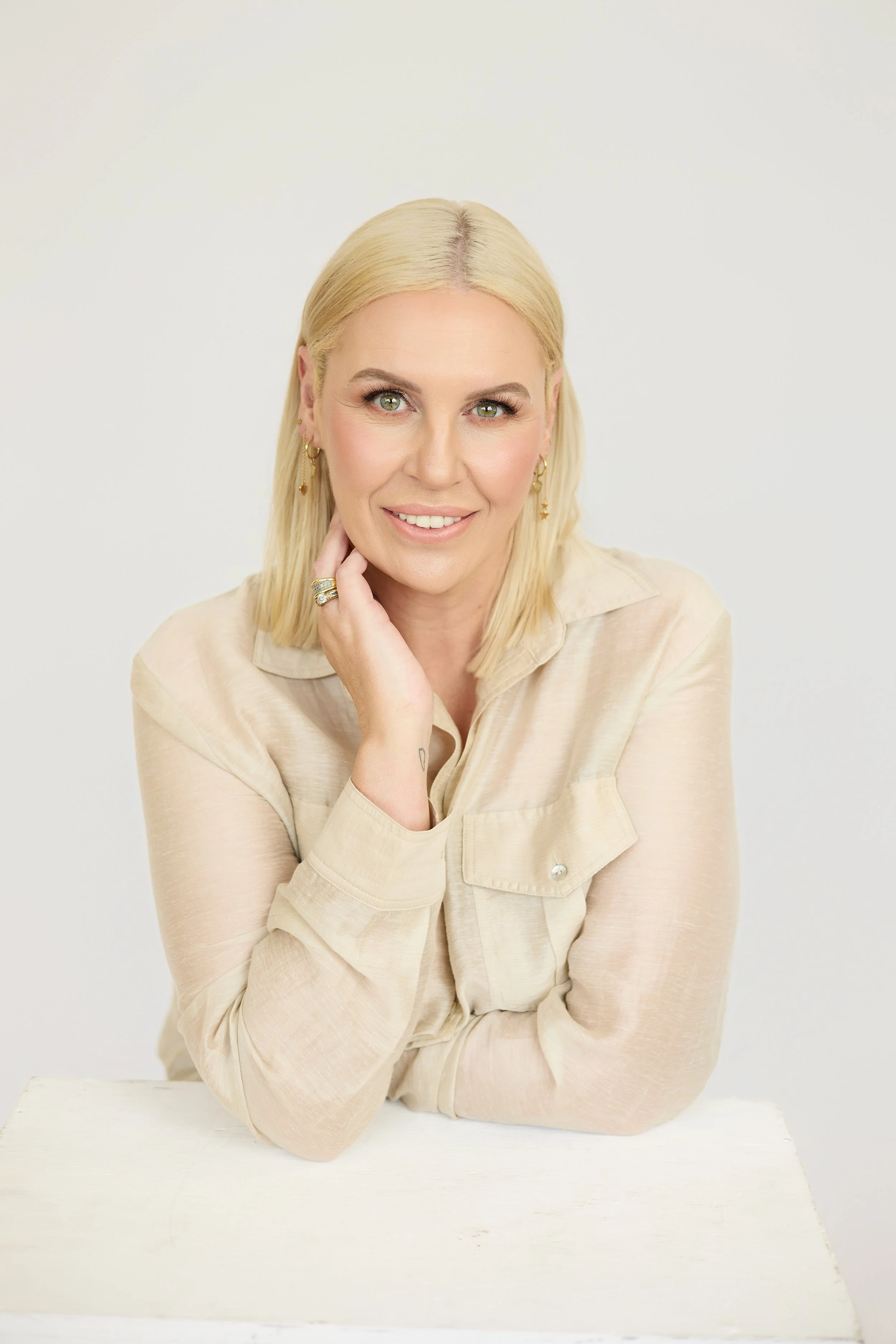
HACK YOUR HOME LOAN
Brooke Reynolds of Rapson Loans and Finance explains why many of us pay more on our home loan than we need to, and how a simple mortgage check-up could save thousands.
Brooke Reynolds of Rapson Loans and Finance explains why many of us pay more on our home loan than we need to, and how a simple mortgage check-up could save thousands.
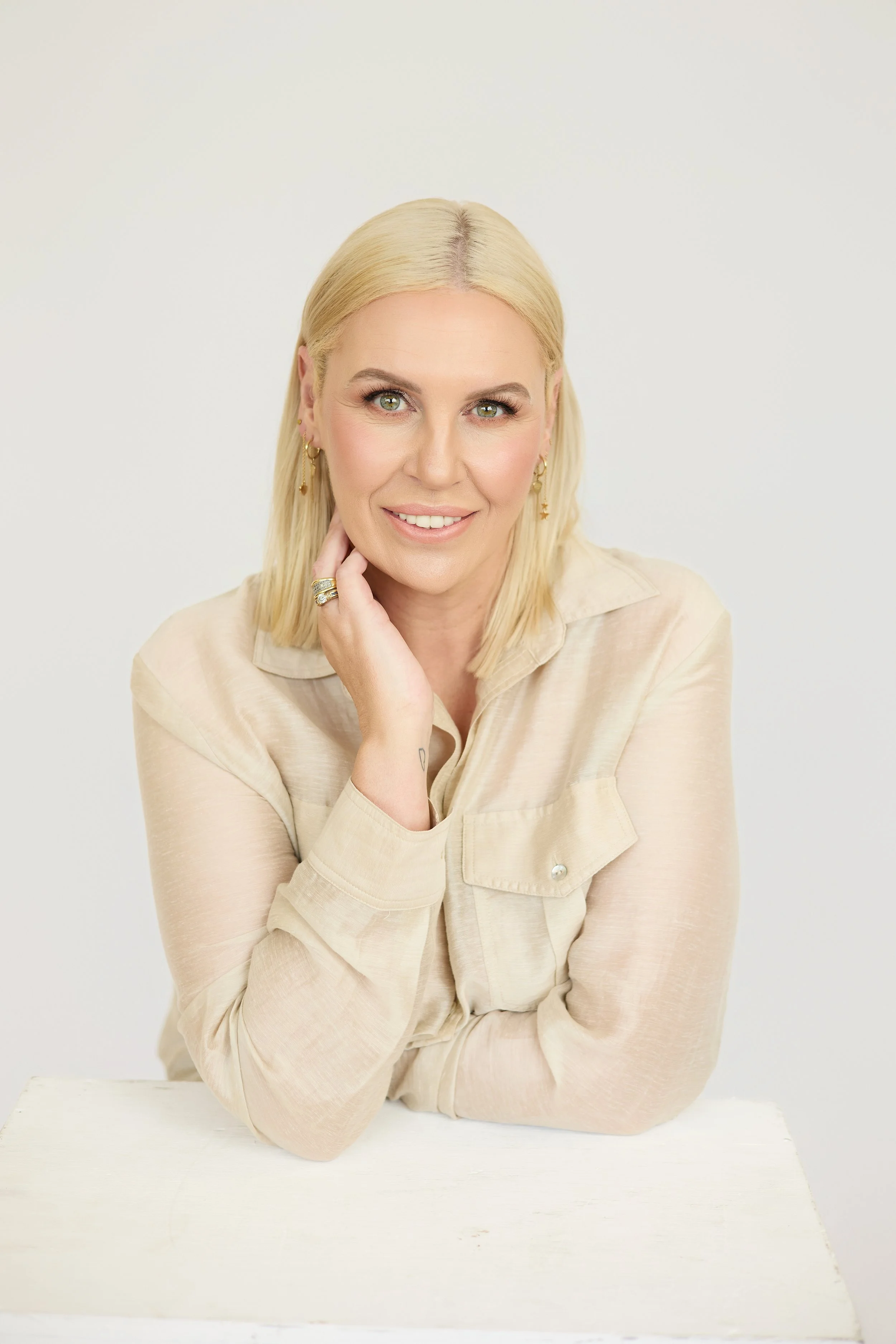
When people first take out a mortgage, the interest rate usually gets most of their attention. If the number looks decent and the payments seem manageable, they just shrug and carry on. But that’s how so many Kiwis end up overpaying their mortgage without even knowing it.
And when I say overpaying, I’m not talking about a few dollars here and there. I’m talking thousands – sometimes tens of thousands – over the life of the loan. All because the structure isn’t working as hard as it should.
Your mortgage isn’t really a “set and forget” arrangement. Life changes, interest rates shift, and banks regularly adjust their offers, but many loans stay exactly the same for years. Without a review, it’s easy to keep paying more than necessary.
One of the biggest culprits is having everything on the wrong fixed term. People lock something in years ago and assume it still makes sense. But what suited you in 2021 might not suit you now. Maybe you’ve had a pay rise, or your kids have left home, or rates have dropped, but your loan hasn’t kept up.
Another way people overpay is by not splitting their lending. Having all your lending on one fixed rate might feel simple, but it also means you're at the mercy of whatever the market is doing the day that rate expires. Splitting your loan across different terms can smooth out the bumps and stop you from getting whacked by big swings.
Then there’s the classic one: not reviewing your mortgage regularly. I review my clients’ loans every 6 to 12 months, because even tiny tweaks can shave years (yes, years) off the mortgage. Most banks don’t ring you up and say, “Hey, we’ve got a better deal for you!”, but that doesn’t mean a better deal isn’t out there. And let’s not forget the cashbacks, discounted rates and competitive offers floating around. Many homeowners just don’t realise they’re there.
If you haven’t reviewed your mortgage in the last year, there’s a good chance you’re paying more than you should. Not because you’ve done anything wrong, just because mortgages need attention, the same way your car or your health does. A quick check‑in could save you thousands.
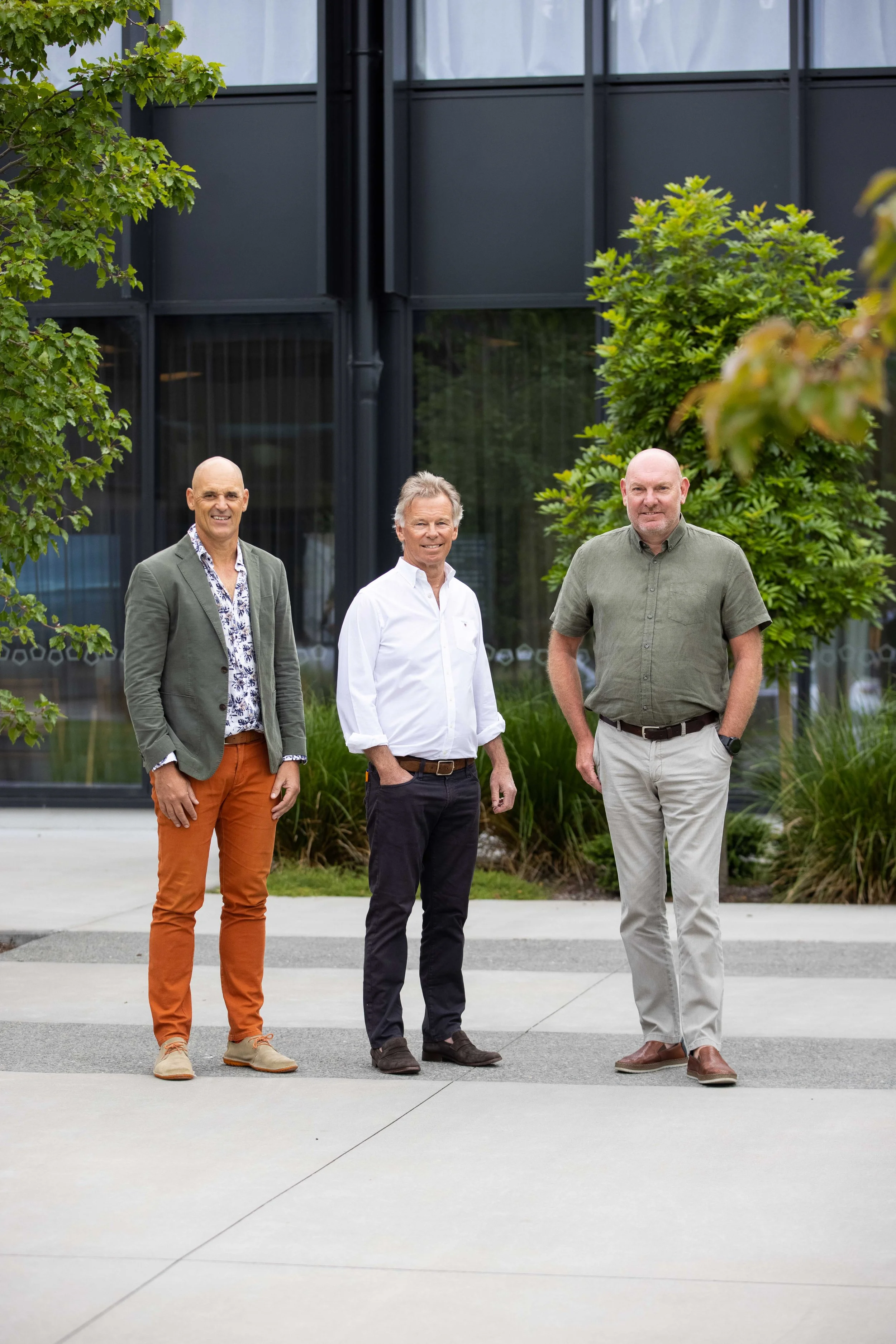
BUILDING A LEGACY
CBC Construction has spent two decades shaping Tauranga’s skyline, earning respect not through fanfare, but through steady delivery and an unwavering commitment to doing things well.
CBC Construction has spent two decades shaping Tauranga’s skyline, earning respect not through fanfare, but through steady delivery and an unwavering commitment to doing things well.
WORDS PIP CROMBIE | PHOTOS SALINA GALVAN + SUPPLIED
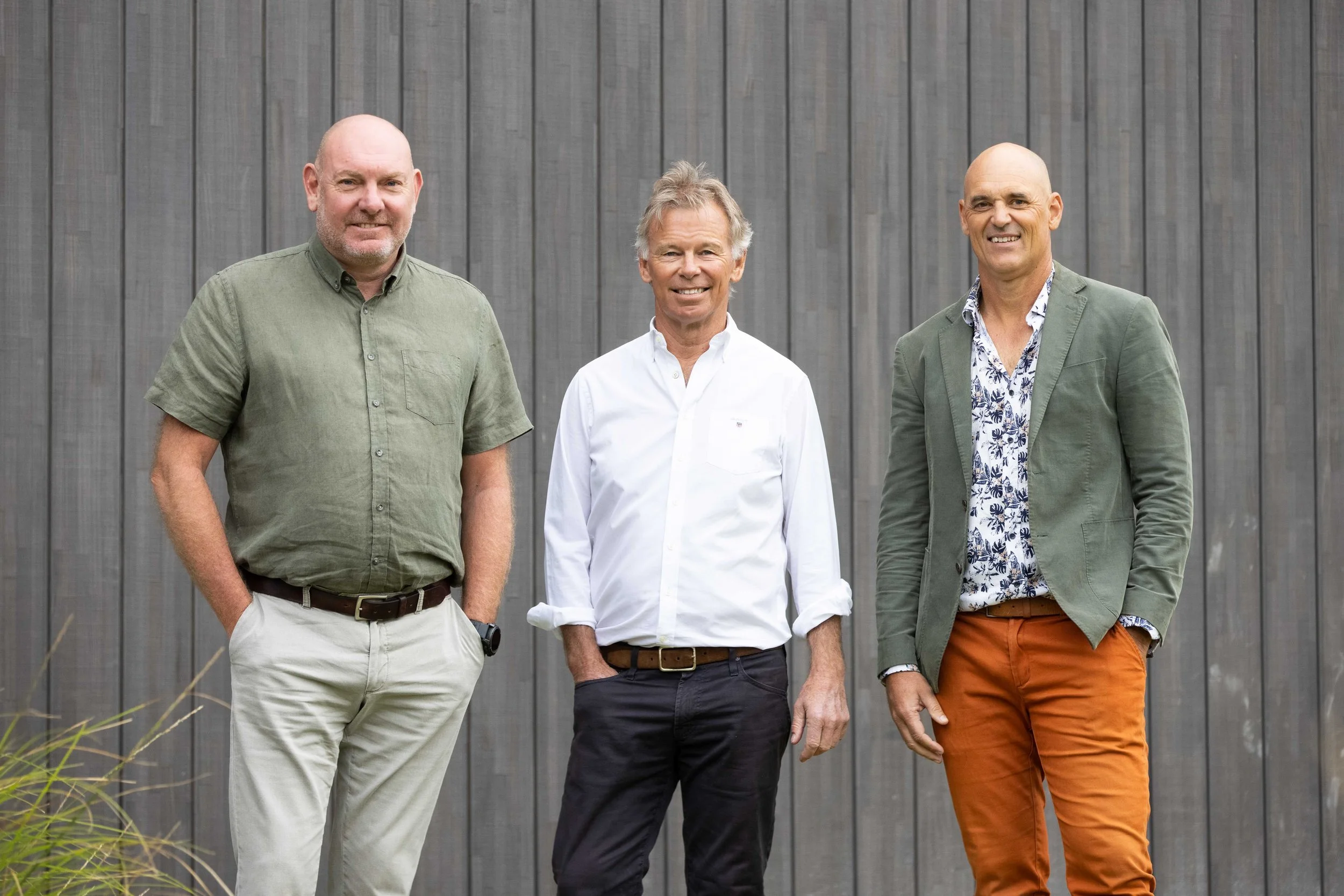
From l-r: Drew Beekie, Peter Cooney and Matt Lagerberg.
How does a company achieve a gold standard reputation and stand out above others in a competitive, cost-driven, time-constricted market, one which demands quality, sustainability, longevity and capability with care? The commercial construction business demands all of the above and locally owned and operated Classic Builders Commercial Construction (known as CBC) have proven time and again they have the answers.
With over 220 completed commercial projects in the last 20 years that have contributed a $400 million turnover in the wider community, there is no doubt that CBC has made its’ mark on the landscapes and skylines of New Zealand. As they acknowledge two decades in the commercial construction business, it is without major fanfare and celebration.
Sitting with managing director, Drew Beekie, in the CBC Mount Maunganui office tucked away in the back of the industrial area, there is an overall atmosphere of ‘business as usual’ - projects coming to completion, others in development. That in itself is part of the essence of their success, getting the job done, keeping the customers happy - it has earned an immense amount of respect.
CBC’s knowledge and expertise in the construction industry are the overarching factor in their reputation for delivery of excellence in the commercial building sector. Their work spans compact retail spaces to multi-floor office complexes, industrial warehousing, dedicated health and education buildings, accommodation complexes, hospitality and more. From demolition of existing properties through to f itout, the 20 years CBC has spent in the commercial construction space has cemented their claim that integrity matters deeply to them, that conducting their business honestly and well, at every level, has maintained their impeccable reputation.
The story of how it all began is worth telling. Drew, a Scottish qualified quantity surveyor with 10 years of experience in London, and then Auckland, crossed paths with Peter Cooney when Drew relocated to the Bay of Plenty. It was 2005 and at that time Peter was managing director of residential construction company Classic Builders Ltd (now one of several entities under the Classic Group).
“I approached Peter to build a house for me when I moved to Tauranga,” Drew explains. “The timing was serendipitous. Classic was just beginning to dip its toe into the water with commercial builds, my area of expertise. During the house build, Matt (Lagerberg) and I got chatting about a commercial construction company and by the end of the house build, CBC came to fruition. We turned a three bedroom house on 15th Ave into an office.”
He muses over the changes technology has brought to how the business is operated today. “We used fax machines, typewritten letters, power cuts blew us out, I had my laptop stolen from the office and with no iCloud backup there wasn’t a lot you could do, but start again”.
The first project Drew was involved with was the iconic apartment and boat-stack complex at Sulphur Point, the Nautilus. The build was an Australasian first of its kind, allowing residents to steer their boats right into the garage below. The project was brought together by Peter and sealed by a handshake with the developer. From this first project, Drew, who was and still is “the do-er, the person who puts all the pieces together, to literally get the projects out of the ground”, initiated Classic Builders Commercial (CBC).
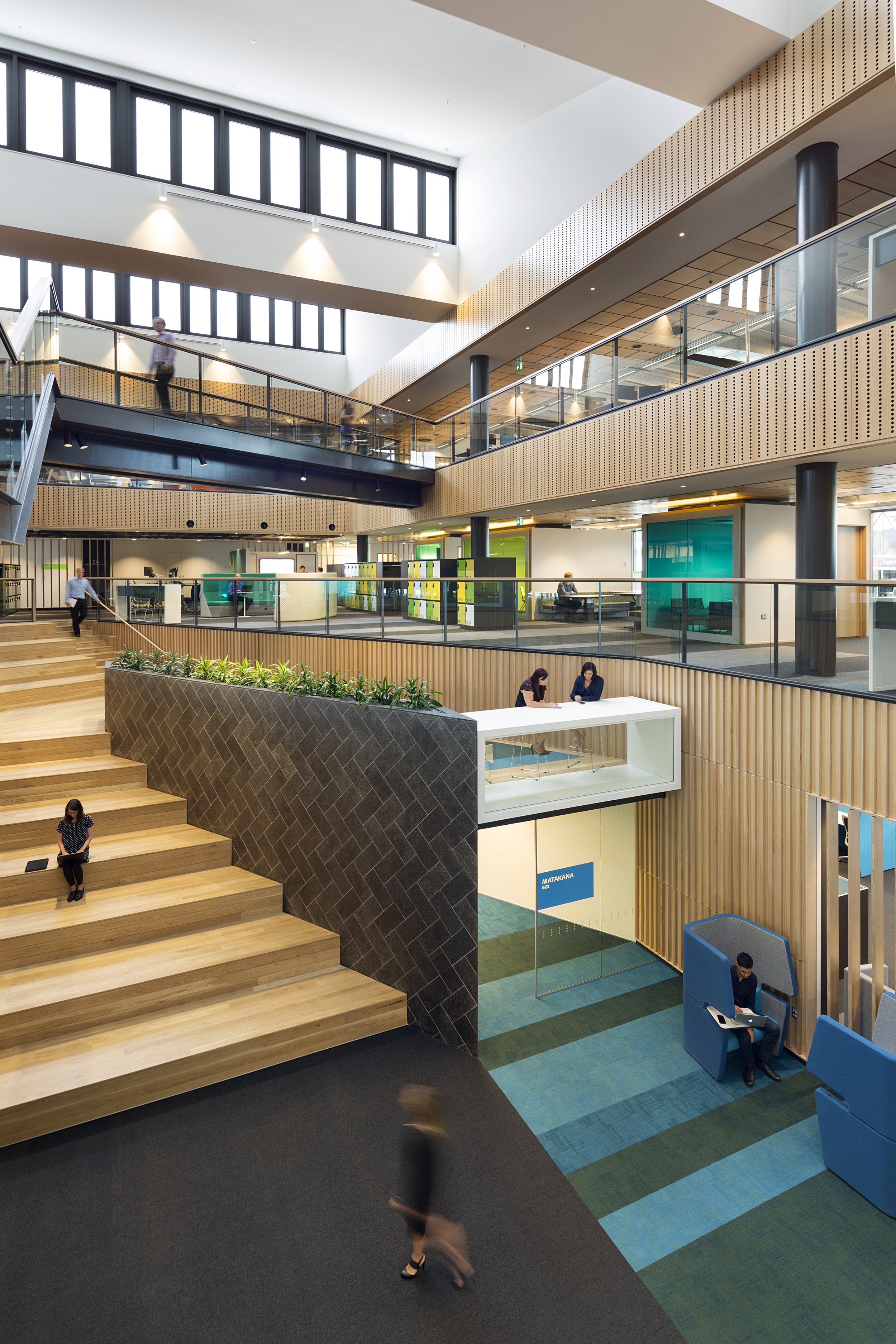
Trustpower.
Today, Drew heads CBC as managing director, accompanied by group directors, Matthew Lagerberg and Peter Cooney. Their combined building industry experience and sharp business acumen make them a formidable team, one that with the well-considered selection of project-management teams have seen multiple properties transformed from blank canvases into prime real estate.
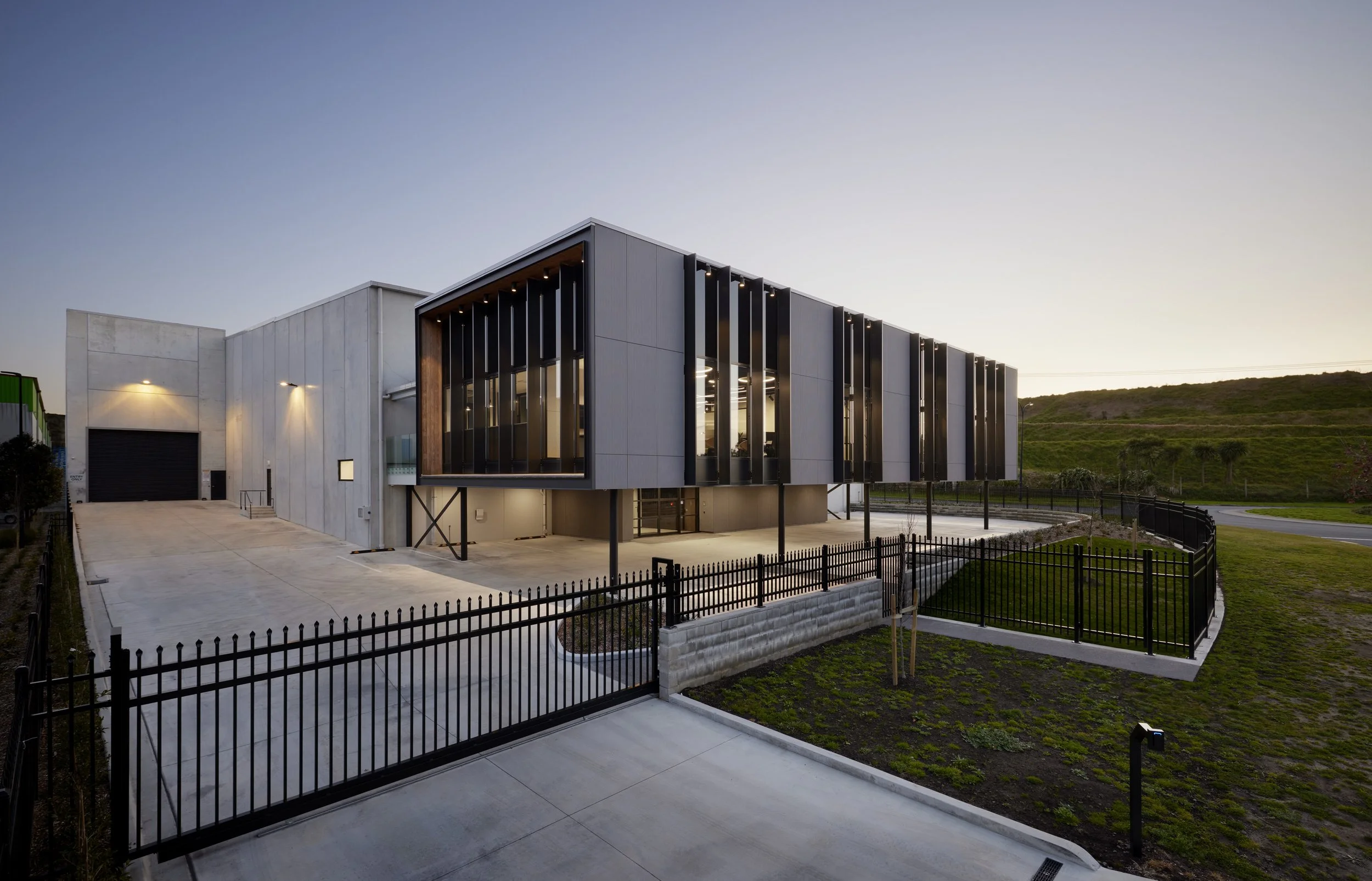
Ibex
Further developments followed. The award-winning glass-panelled, louvred office development, 247 Cameron Road (the ANZ Business Centre), opened in 2012 and was deemed a trophy building for Tauranga, the largest commercial office development undertaken in the city for 35 years. CBC’s ability to secure blue chip tenants for the 10,000 m2, four-level build saw the project fly and has been a premise of other successful commercial projects. “We promised it would be ready on September 6, 2012, and that’s the day we handed over the keys,” Drew recalls.
Trustpower’s three-storied central city office, a slick design inside and out, was a two-year project and boasts a positive architectural feature of a redeveloping inner city. Exterior materials were chosen to balance performance, longevity and affordability with a large interior atrium connecting the three floors with a light-filled collaborative space. The building accommodates over 600 staff, and was a two-year, $25 million build. Like other big developments CBC have had, they’ve often had to overcome complexities of factors out of their hands.
“We’ve always had a big project on the go like the Trustpower head office during a recession, the GFC, some kind of world crisis, COVID...” Drew says. “These events have all in some way affected the state of construction today, the limitations. Comparing when we first began in 2006 to 2026, there’s been huge overall cost inflation in construction. Projects require more of everything to get them over the line, the processes and consenting hurdles are more complex and take more time. They’re not insurmountable, but post-COVID we’ve seen around 40 percent inflation in costs.”

Mount Golf Club Driving Range
There is an extensive suite of developments CBC are proud to have brought to fruition. On Tauranga’s city limits in the Tauriko business park are Cubro, SIMS Distribution, Penske, NZ Windows and the awardwinning IBEX lighting building, which brings a modern design aesthetic to what is essentially a warehouse space, with Grade A office facilities. Add to that New Shoots Childcare, Te Wananga O Aotearoa Campus, Fresh Choice Papamoa, Pearl Kitchen, Mount Golf Club Driving Range - the variety of projects is significant.
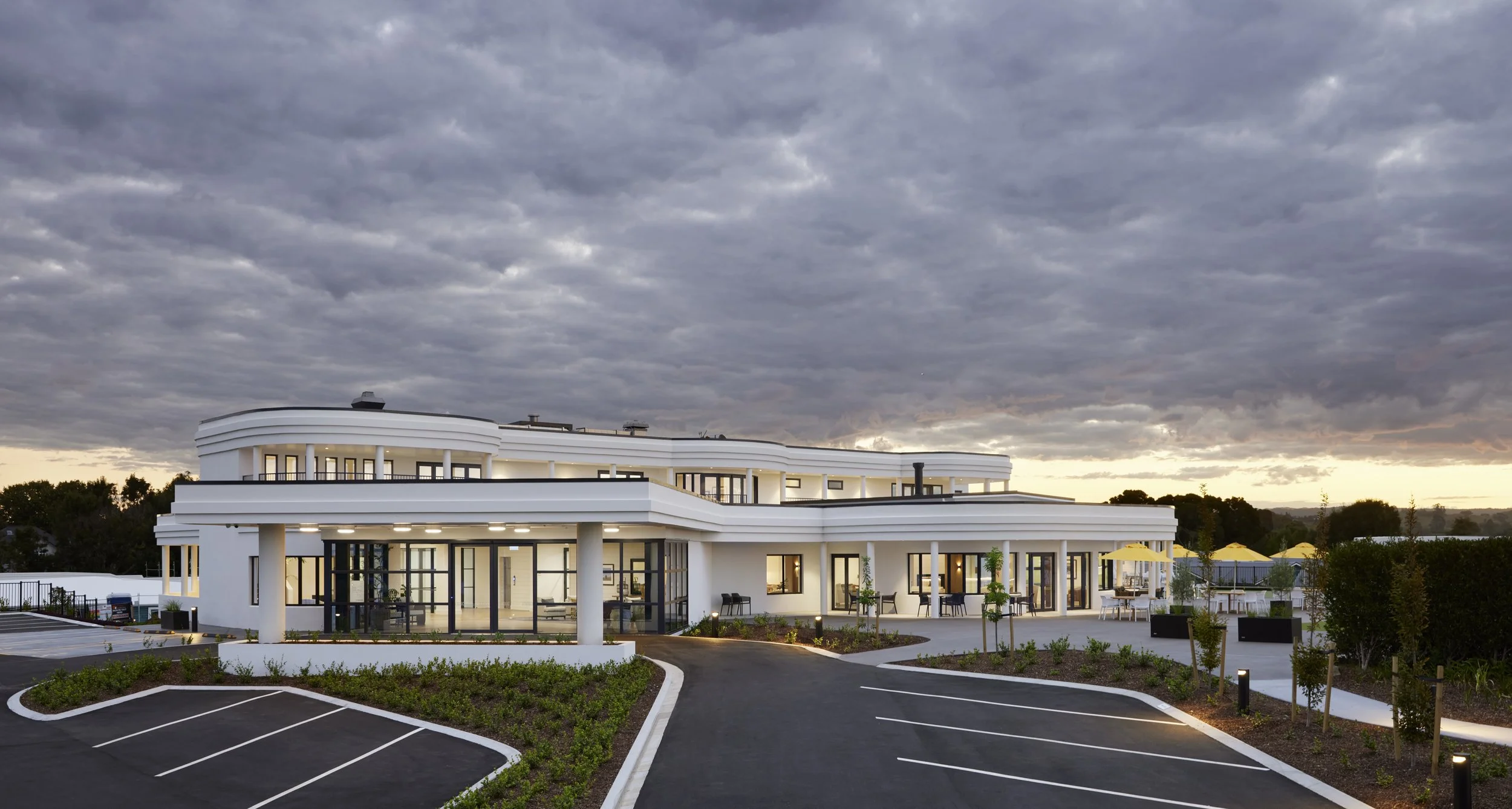
Mills Reef
Transforming the iconic art-deco-styled Mills Reef winery building into The Vines at Bethlehem Clubhouse, complete with interior fitout including an indoor pool and spa, auditorium, theatre, library, gym and resident spaces contributing to the lifestyle of residents of the associated residential village was a 14-month project. CBC also work within the medical space, with completed developments for the District Health Board, St John’s Operations Facility and others. A recent significant development is the Bay Radiology Building on 17th Avenue, a complex build that required the use of lead windows and three-foot thick concrete walls to contain radiation.
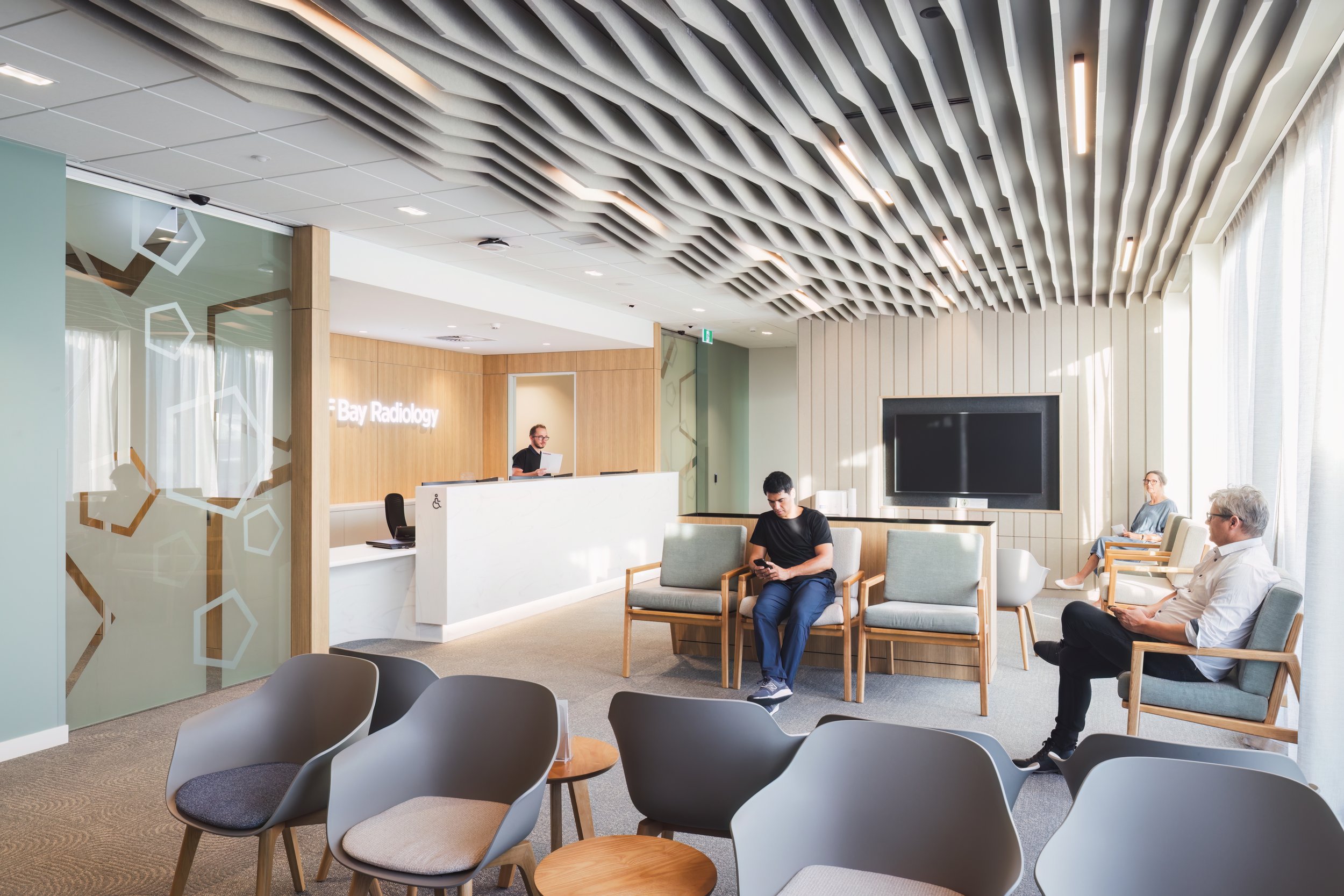
Bay Radiology
While CBC has left its footprint around New Zealand with ventures completed in Auckland and Queenstown, their developments are generally concentrated in the Bay of Plenty region. The current project, 2 Devonport Road, began with the demolition of the existing original downtown Tauranga high-rise. With a finish date of December 2026, it will open as the new location of Craig’s Investment Partners, with other tenants taking up two of the seven storeys.
Over the past 20 years, CBC has enjoyed working with clients more than once. “Our customers have good reason to return, we complete on time and on budget and meet every required quality standard. The way I see it, my name is on the line for every job. If there’s ever an issue, I’ll personally sort it out,” Drew explains.
From management of planning, architecture, construction delivery and after-build care, CBC works on the premise that no job is finished until the customer is content. What more can you ask for?
CBC'S AWARDS
New Shoots Kennedy Ridge – Waikato and Bay of Plenty Architecture Award 2020.
IBEX – Waikato and Bay of Plenty Architecture Award 2024.
Mills Reef/Vines Clubhouse – Award of Excellence in the Naylor Love Heritage and Adaptive Reuses Property Award category at the Property Industry Awards 2023.
TECT/The Kollective – Merit Award and Judge's Choice Award Property Council NZ Awards 2019.
Trustpower – Waikato/Bay of Plenty Architecture Awards 2016.
ANZ/247 Cameron Rd – NZIA Waikato Bay of Plenty Architecture Award 2013 and Award of Excellence in Property Council New Zealand (PCNZ) Property Industry Awards 2013.
CUBRO - 2016 Tauriko Business Estate Design Award and 2017 Waikato/Bay of Plenty Architecture Awards (Commercial Category)

WINDS OF CHANGE
There’s an undeniable buzz building in the city. But how did Downtown Tauranga get its groove back? UNO goes in search of answers.
There’s an undeniable buzz building in the city. But how did Downtown Tauranga get its groove back? UNO goes in search of answers.
PHOTOS NICK NEWMAN + SALINA GALVAN + BEN PARKINSON @ PABLO CREATIVE

If you’ve visited Downtown Tauranga recently, perhaps to take the kids to the waterfront’s new destination playground, or grab a delicious bite from one of the many new cafes or eateries, or while away an hour or two in the stunning new Toi Tauranga Art Gallery, then you would have noticed that change is in the air.
Walking around, there’s a new buzz and vitality present. There are people and new shops opening everywhere you turn. As a local, it’s exciting to feel a vibe coming back to the downtown area.
Genevieve Whitson, general manager of Downtown Tauranga, says this shift has been gradual but unmistakable.
“It’s been a moving beast for a considerable period of time,” she explains. “It’s taken a lot of major stakeholders working with the businesses, and a variety of different organisations, including the local iwi, to get these developments up and running as part of this massive revitalisation. I would imagine that what the Tauranga City Centre is going through must right now be one of the biggest city centre activations happening across the country.”
The opening or near completion of major projects is really fuelling the sea change. Te Manawataki o Te Papa, the city’s new museum, is scheduled to open in 2028. The architecturally inspiring new library opens later this year. Panorama Towers and the Craig’s Investment Partners building continue to take shape. The large, mixed-use Northern Quarter development is now open and in full operation. These projects all add to the purposeful transformation that has been highly anticipated for years.
Since joining Downtown Tauranga in September 2023, Genevieve has been able to cross items off the city’s hypothetical ‘to do’ list.
“Every year I’ve seen more and more projects get ticked off. There are still more to go, but we’re starting to reap the rewards now.”
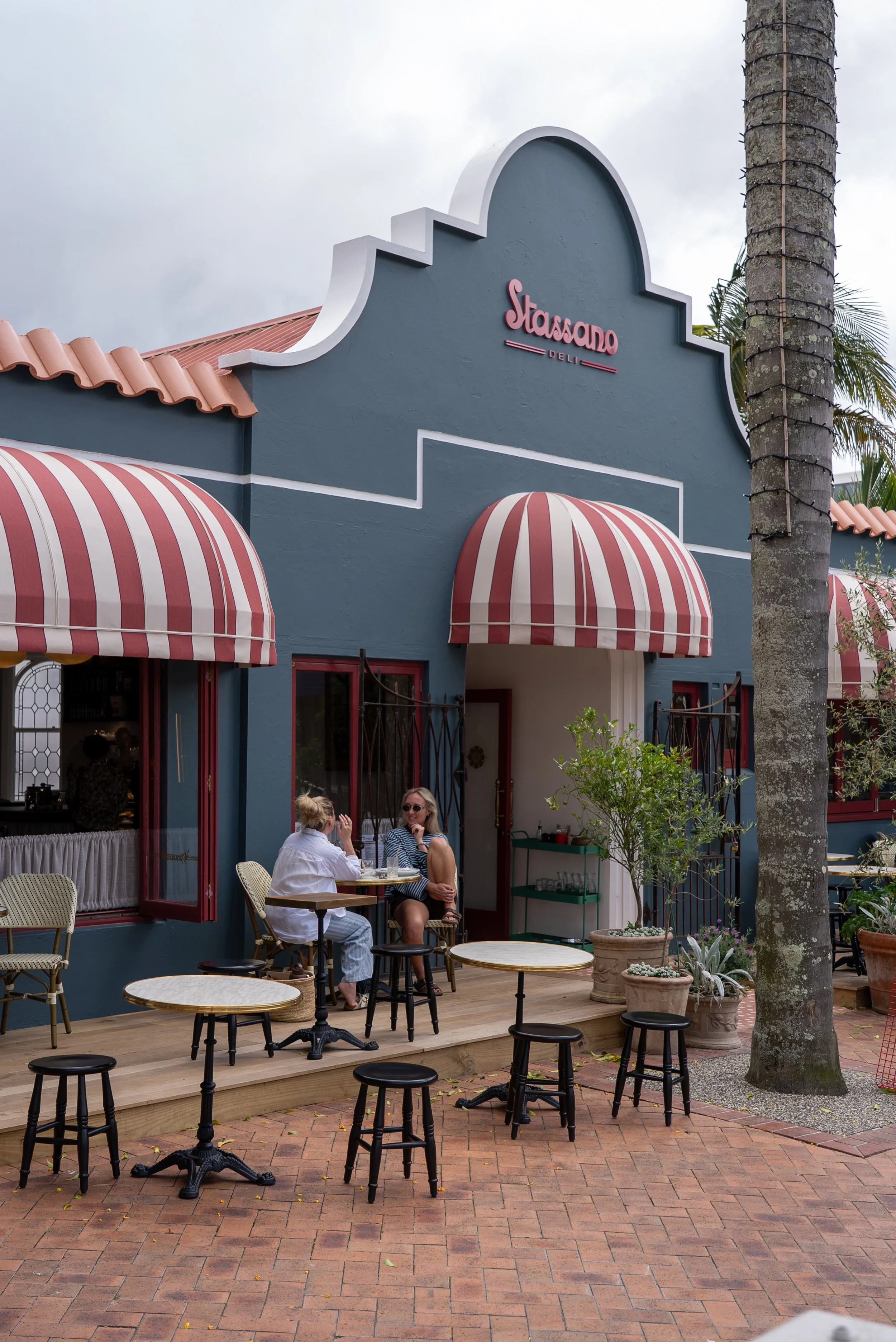
Along with the new developments, hospitality has also played a vital and visible part in bringing new energy to the streets. The formerly sleepy Grey Street is beginning to bustle with the arrival of Stassano Deli, which Genevieve credits with helping “zhuzh up the general atmosphere,” while at the other end of the street, The Clubhouse brings a unique experience, pairing a golf simulation and a bar setting.
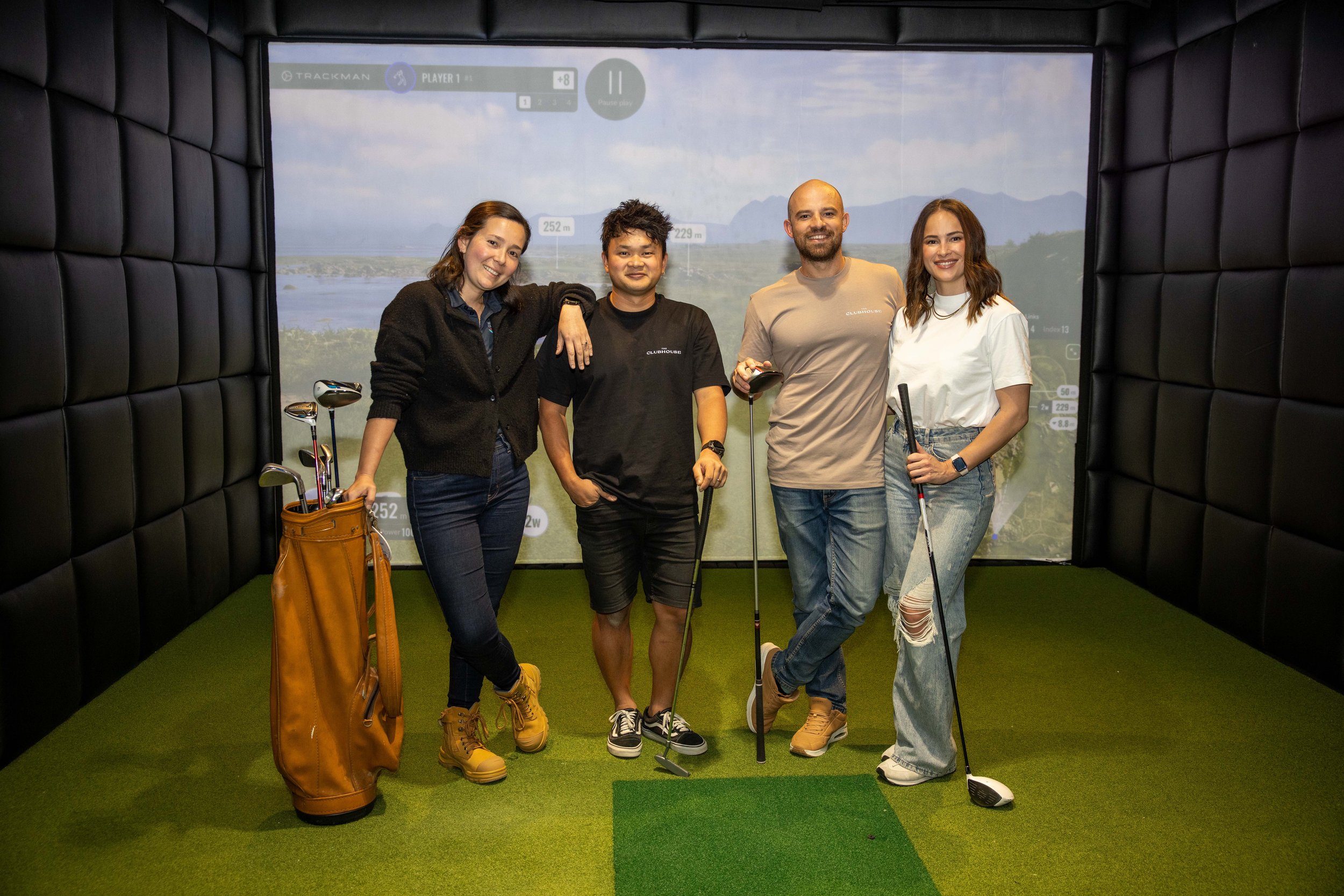
“We haven’t had anything in the city centre before where you can go and play golf and then enjoy a drink,” she says. “That’s pretty cool.”
Alongside the eateries and bars, shops are coming back as well, many independently owned, giving the city a growing character.
“I think it’s going to have some niche stuff that you can’t get at a mall or sometimes anywhere else,” Genevieve enthuses. “Over the past four months, we’ve seen an increase in businesses choosing to move into the city centre.”
The injection of approximately 700 Tauranga City Council staff into the city centre last year has also supported weekday trade, adding a reliable base of customers for cafés and retailers.
Despite the complexity of construction and on-going change, the prevailing mood is shifting. “If we compare it to two years ago, it’s considerably better and if we compare it to a year ago, it’s definitely better,” she says. “There’s a sense of optimism building.”
The exciting part is that it’s only going to get better as more projects are completed, bringing people in with them.
Genevieve cites the new playground, a Tauranga City Council initiative, as one of the most significant contributors to the renewed energy, calling it “one of the best activations for the city centre.” It allowed families to plan whole days around a visit. With the updated Masonic Park, the waterfront swim access - complete with its popular Manu launchpad, and the Sauna Project, the area encourages people not just to visit, but to hang around.
She also mentions the Tauranga City Council and their 700 staff moving into their new building last May, as another key moment, as it brings increased foot traffic to hospitality and retail.
“The revitalisation of downtown has been a huge task. It takes time,” she explains. “Bringing that energy back is not something that you can change overnight. We've entered a marathon, not a sprint. Now we just have to be patient, because things are changing. We’ve not been without some teething problems, but things are moving in the right direction.” DOWNTOWNTAURANGA.CO.NZ