

Moving on up around the Bay with EVES
Success at auction might mean a move to a new town, downsizing, or more family time. We meet people who’ve found success in their lives after an EVES auction.

Pictured: Highmore Place property sold by EVES.
Success at auction might mean a move to a new town, downsizing, or more family time. We meet people who’ve found success in their lives after an EVES auction.
WORDS Hannah Keys PHOTOS Supplied
EVES agent Danielle Hayes
Fruitful efforts in Maungatapu
Keri Welham had transformed the backyard of her property at Te Hono Street into a fragrant, edible garden. Star jasmine, lemons, oranges, feijoas, tangelos, plums and peaches filled the air with sweet scents, and her daughter’s playhouse overlooked it all. Bittersweet tears were shed on the big day at Tauranga’s Elizabeth Cafe & Larder (next door to EVES Realty’s auction room). There was sadness at leaving the beautiful garden, but excitement as the auction meant that Keri and her family were able to move to the Mount. They’ve bought a new property, and the next project of building their dream home is well underway.
Time together

Danielle and colleague Sarah Garnett were also recently behind the success of two families reaching their goals through the auction of this house on Te Hono Street. Lee Vaughn teaches at Pillians Point Primary and had been commuting daily, but the sale of their home meant that his family could move across town in time for their son to start school. Happily, they have alleviated stress and gained more family time. And the auction story is pretty special too; Anna Clarke raced down from work in Auckland and slipped in next to husband Simeon, who at that very moment had placed what turned out to be the winning bid on Lee and Steph’s home after a lengthy auction. The two couples got to sit down together afterwards to share in the mutual win!

EVES agent Dirk Merwe
Freedom to choose in Papamoa
This home in Papamoa’s Arabian Drive was highly sought after on the market and the auction was hotly contested. The vendors had outgrown the home and bought another property, and the great price they got at auction allowed them the freedom to choose what they wanted to do next. The vendors and eventual buyers formed a friendship post-auction, so when unexpected circumstances interrupted the vendor’s move-out plans, the buyers were generously accommodating, allowing the vendors to move and start the next stage of their lives stress-free.
EVES agent Deanne Stewart
Team effort in Welcome Bay
It was starting to look like Jeneva Snodgrass and Cameron McGall wouldn’t be able to buy their own home. Having arrived back in the Bay from the UK, they’d immediately begun the search for their first property. A few months later, they’d all but given up when it seemed as if the market had put their dream out of reach. Gathering their wits for a last-ditch attempt, they called on help from their family to boost their budget, a mortgage broker friend to secure finance, and advice from the experts when it came to actually winning their new Welcome Bay home at auction. “Once we made a bid, we bid strong, and all of a sudden we were the last ones standing,” says Cameron, Now, the couple gets to start the next stage of their life together - as first homeowners.
EVES agent Kyra Ormsby
Best gift ever in Pyes Pa
As the hammer came down, Kate Newson collapsed into tears – she couldn’t believe she’d done it. With her husband Ryan waiting on the phone at work and Kate unable to get the words out herself, Kyra had to tell him he was the new owner of a home in Pyes Pa’s Audax Lane. After missing out on a handful of Papamoa properties, the couple had looked to The Lakes to find their dream home. Everything fell into place for them that day, and as 2020 drew to a close, they got the best Christmas gift they could have hoped for.
EVES agent Kim Crawford
Labour of love in Brookfield
Kelly Fisher and her family were ready to downsize. They had renovated their home in Brookfield for close to a decade while raising their children there. But family shapes are ever-changing, and with the eldest off to university, they bought a section in nearby Bethlehem with plans for a new build. That meant it was time to auction their family home - and letting go can be tough. “Renovating has been such a labour of love and when you’ve put everything into it, you just hope someone will love it as much as we have,” says Kelly. “It’s overwhelming, but it marks the beginning of a whole new journey for us.”

Interior styling: dare to be different with statement colours, sassy textures and tones
Interior stylist Amber Armitage shares her tips and serves up inspiration for colour-filled bold living spaces.
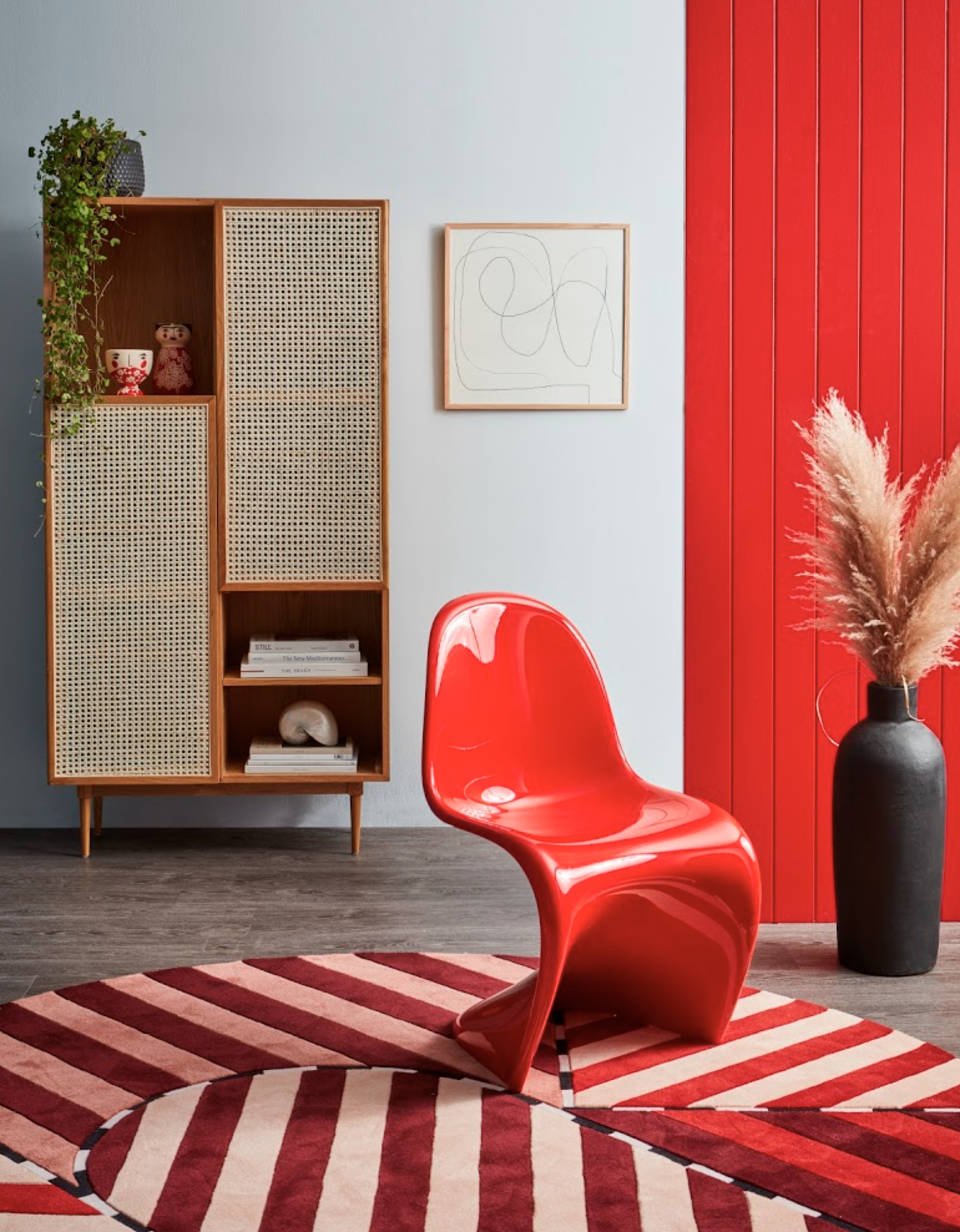
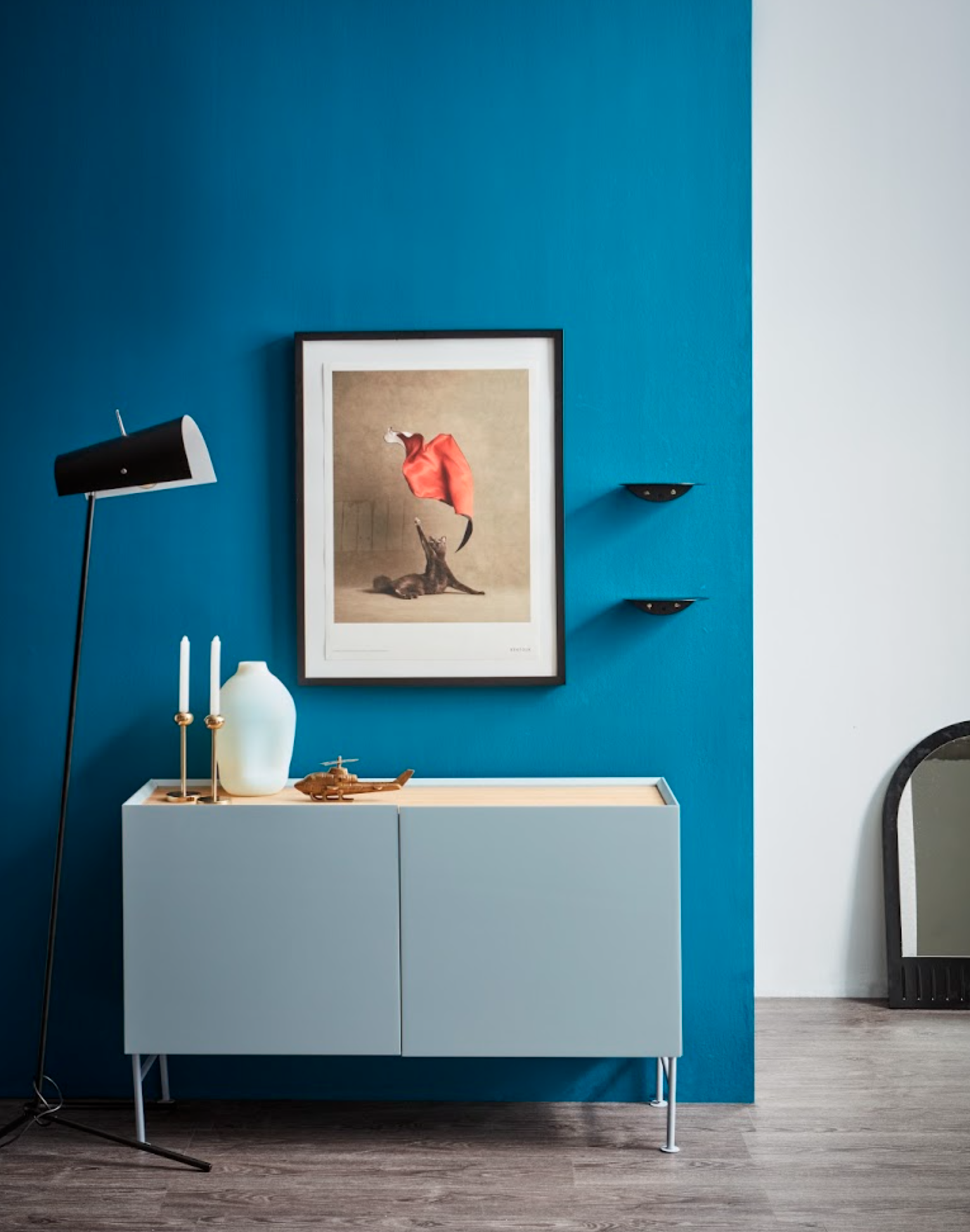
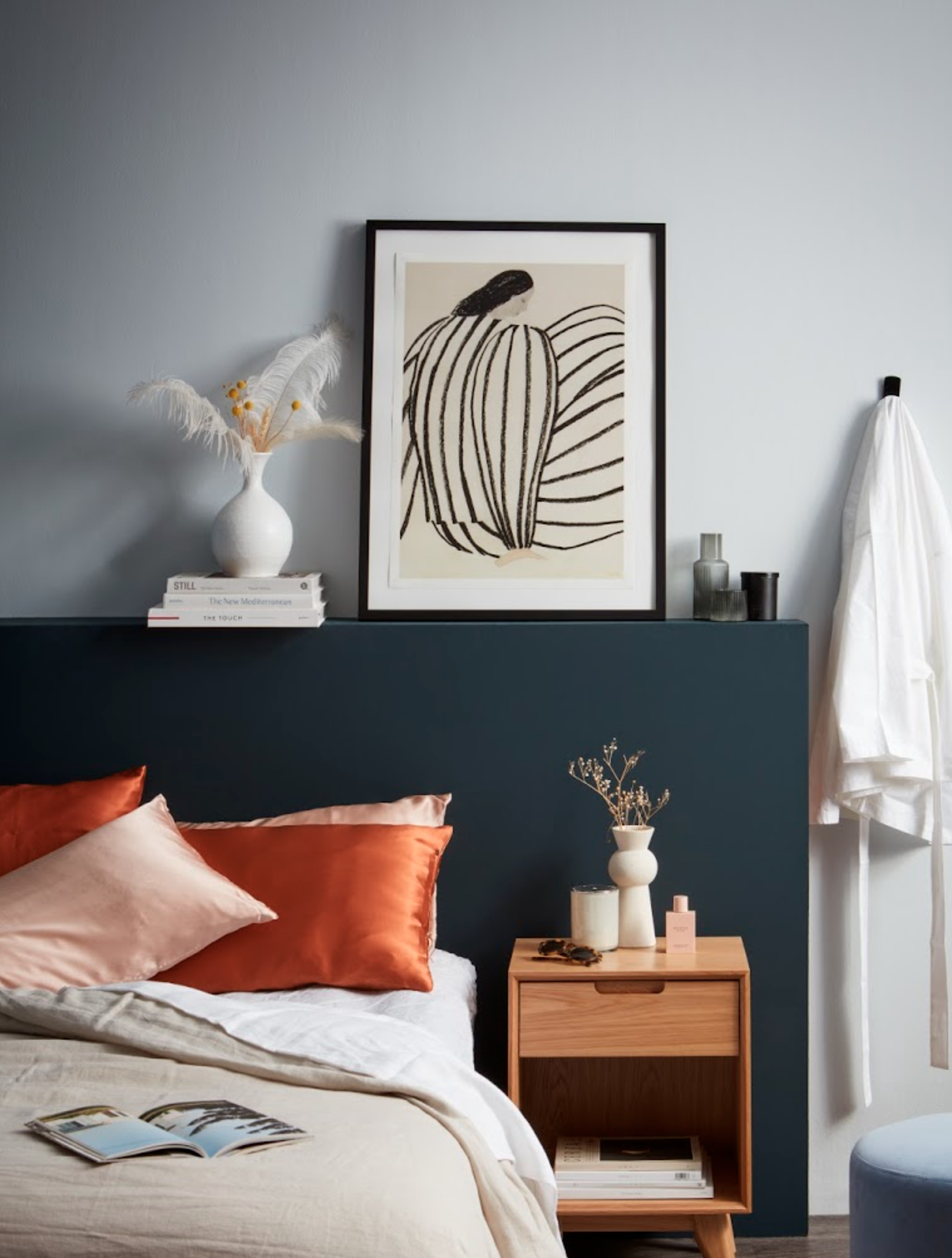
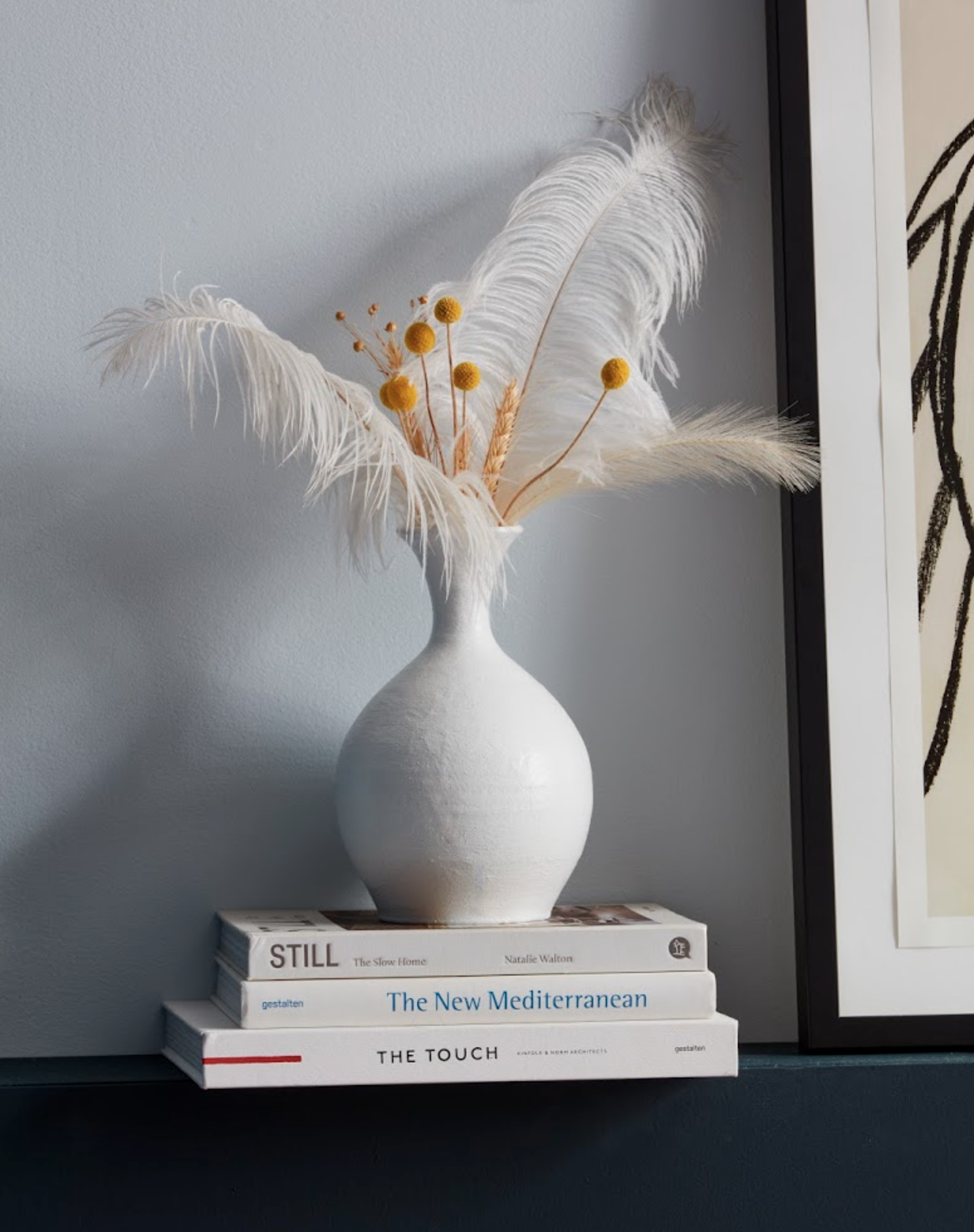
STYLING + ART DIRECTION AMBER ARMITAGE / PHOTOS WENDY FENWICK AT FLASH STUDIOS
PRO TIP #1: Strike a balance by teaming an audacious colour (as in this statement chair and wall in Resene Red Berry) with soft neutrals like Resene Zumthor. Combining areas of dynamic interest (this rug, for example) with areas of calm will also help to ensure your bold scheme isn’t visually overwhelming.
PRO TIP #2: When combining two bold colours, try using complementary pairs (such as the red and blue pictured here, or green and magenta) to create a super-strong contrast, then keep your accessories paired back.
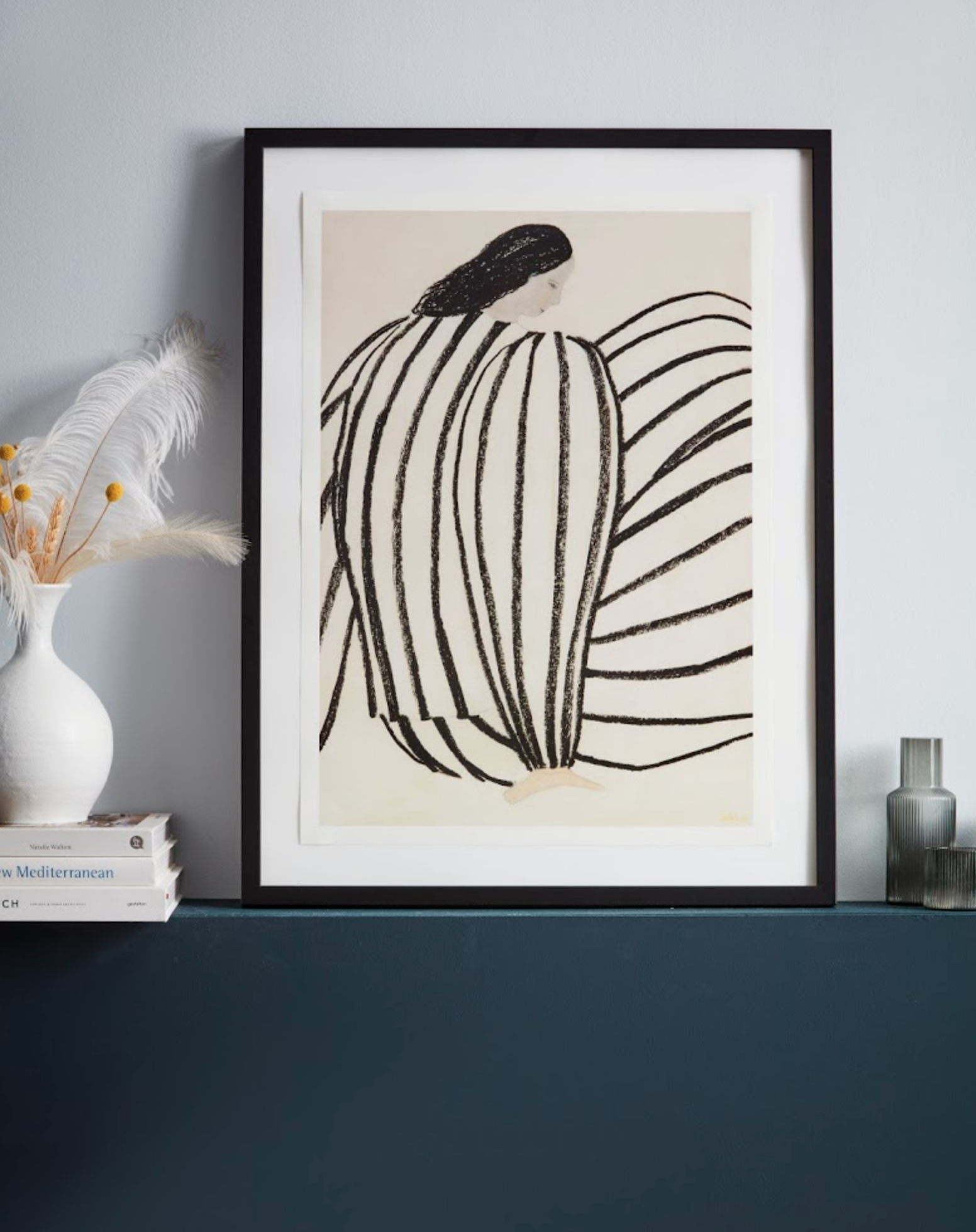
Pale wall in Resene Zumthor, right wall in Resene Red Berry, floor in Resene Colorwood Dark Ebony. Hobnail planter from Republic. Bodhi bookcase from Danske Mǿbler. Albert vase and Rosy Friday vase by Jones & Co from Republic. Figgoscope rug by Marta Figueiredo from Designer Rugs. Panton Classic chair by Vitra from Matisse. Figure 01 artwork and frame from Slow Store. Lombok pot from Republic. All other items stylist’s own.
Dark wall in Resene St Kilda. Claritas lamp by Nemo Lighting from Matisse. Pemboke candle holders, Yoko vase by Papaya and Aviateur helicopter from Republic. Cassia sideboard from Danske Mǿbler. Panton Classic chair by Vitra from Matisse. Le Chat Chic artwork by Kinfolk from Slow Store. Fold Round shelves and Arch Lean Low mirror from Made of Tomorrow.
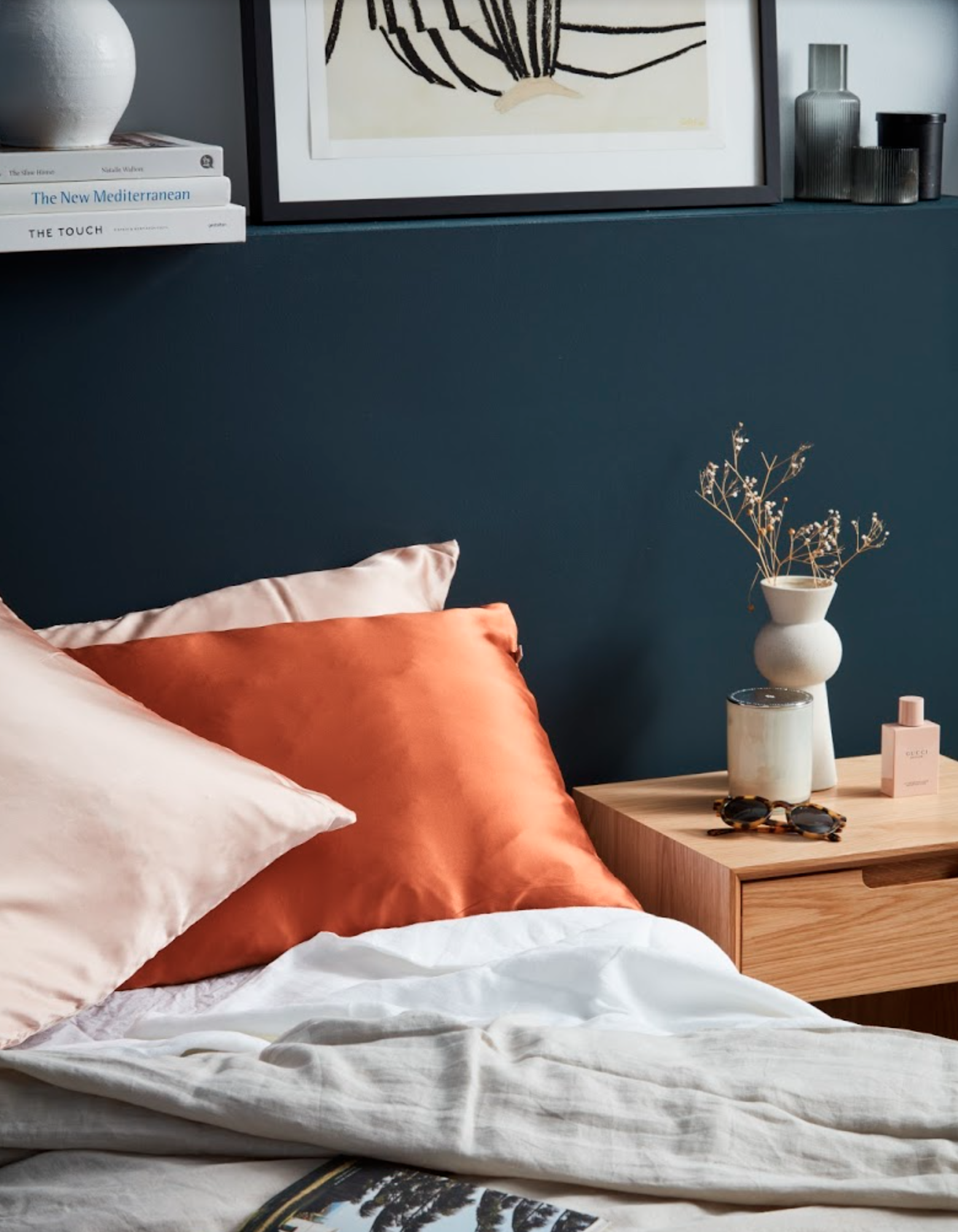
Wall ledge in Resene Blue Bark. Beauty pillowslips and duvet covers from Penney & Bennett. You artwork by Sofia Lind from Slow Store. Rho bedside from Danske Mǿbler. Candles from Ecoya. Carafe set by Ferm Living from Sunday Homestore.Smoking jacket from Penney & Bennett. Aurora pouffe from Republic.

Neutral gear: Interior expert Nicola Travis and her latest design picks
Looking to give your bedroom an overhaul? Here’s how to coast through it.
Looking to give your bedroom an overhaul? Here’s how to coast through it.

FROM THE EXPERT: Nicola Travis
When it comes to styling the ideal bedroom, first decide on your theme and colour palette. Think about what your end goal is for the space – do you want to go for a trend-driven look or create a calm retreat? If you’re the type who likes to update your home with the seasons, it’s best to go for a neutral-coloured base that you can easily transform with new décor items, such as bedding, art and objects.
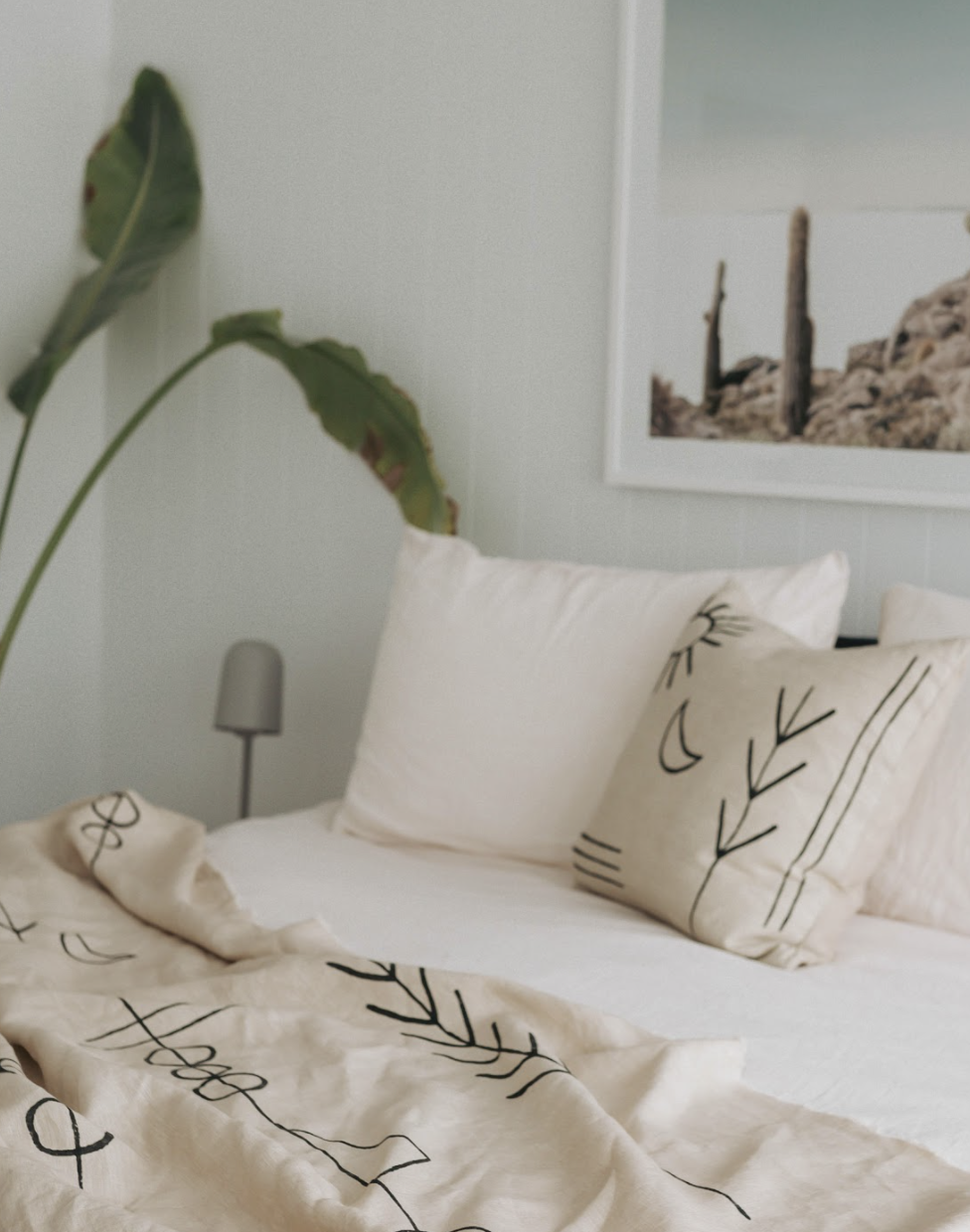
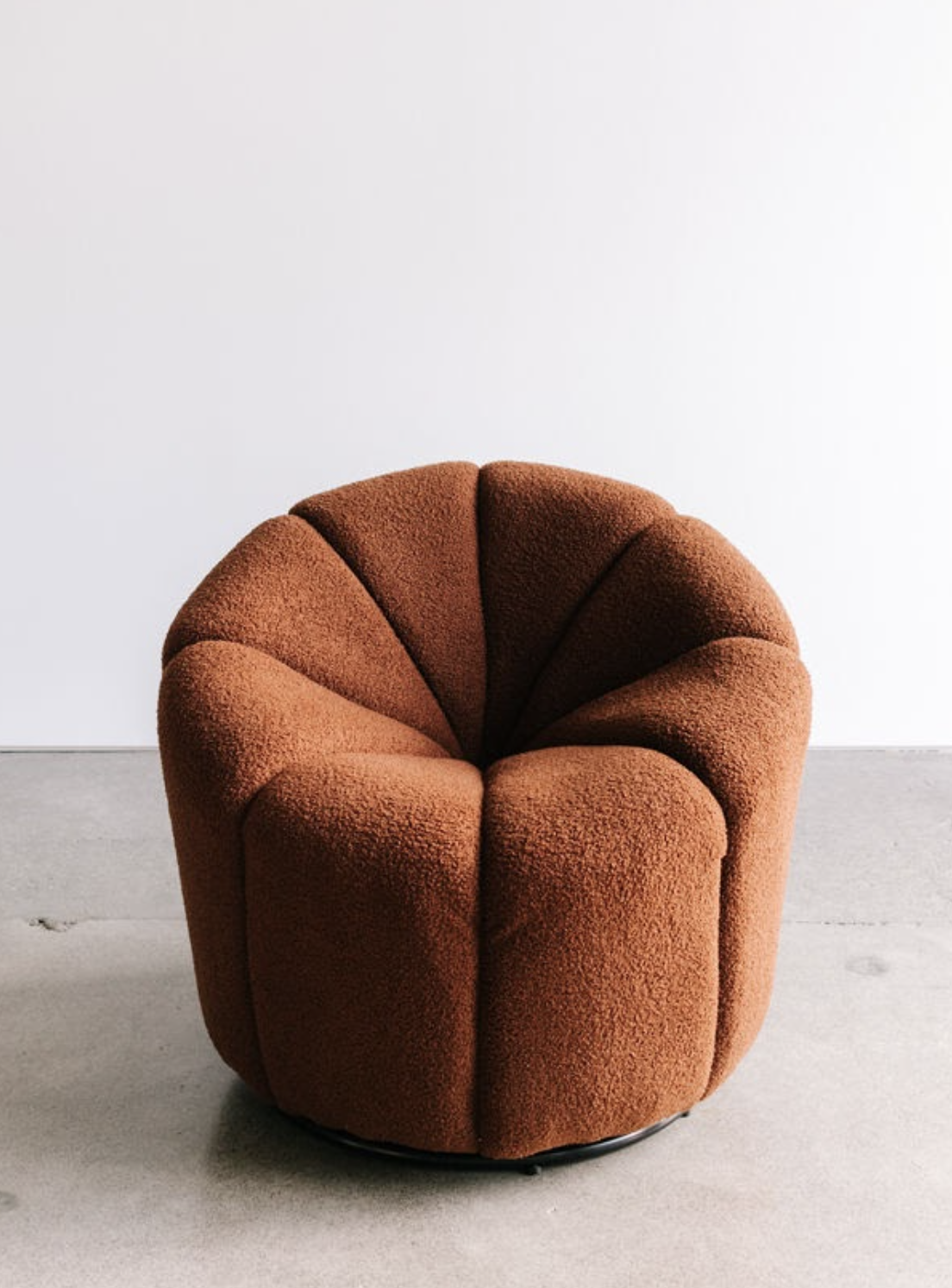
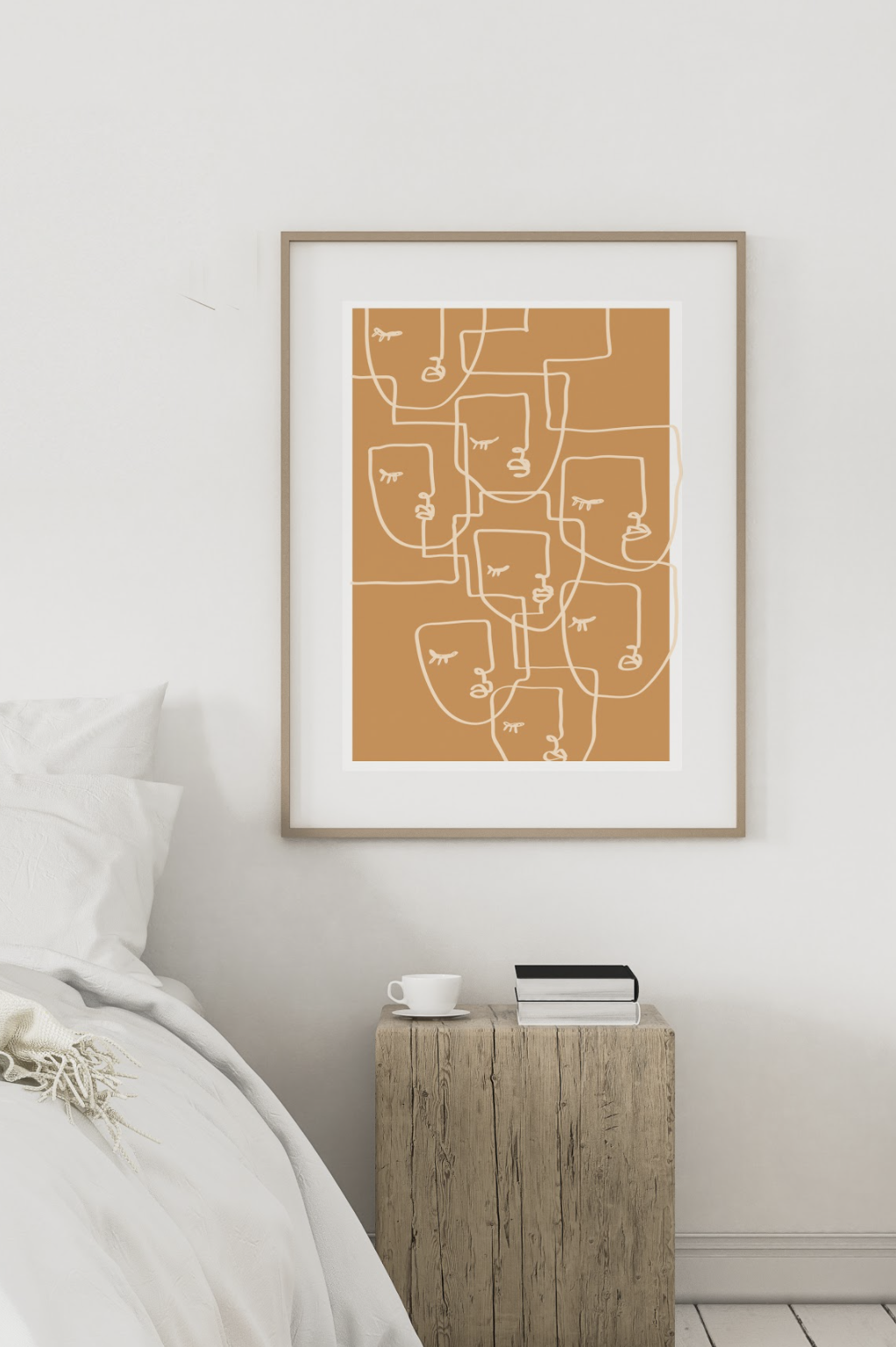
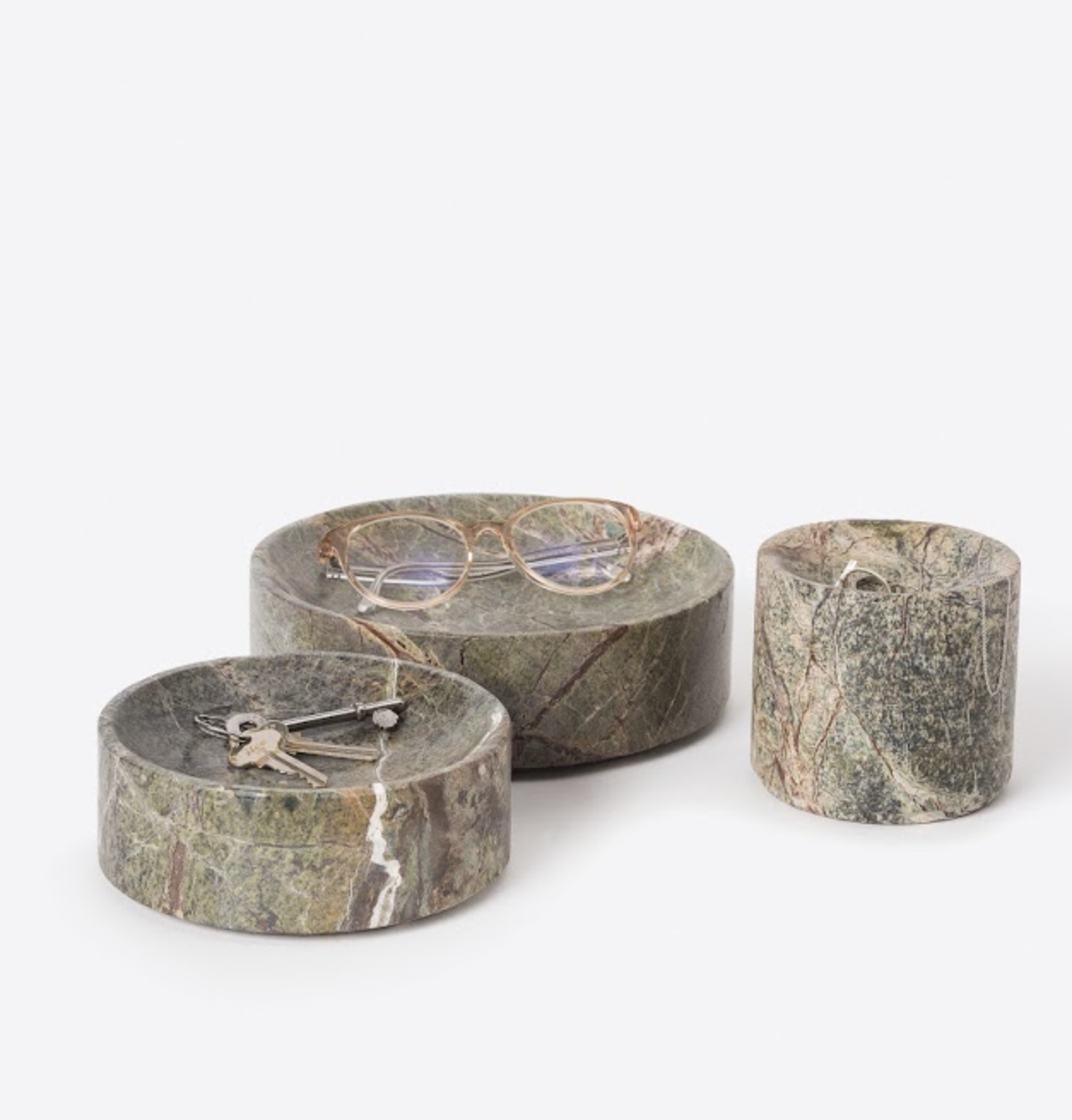
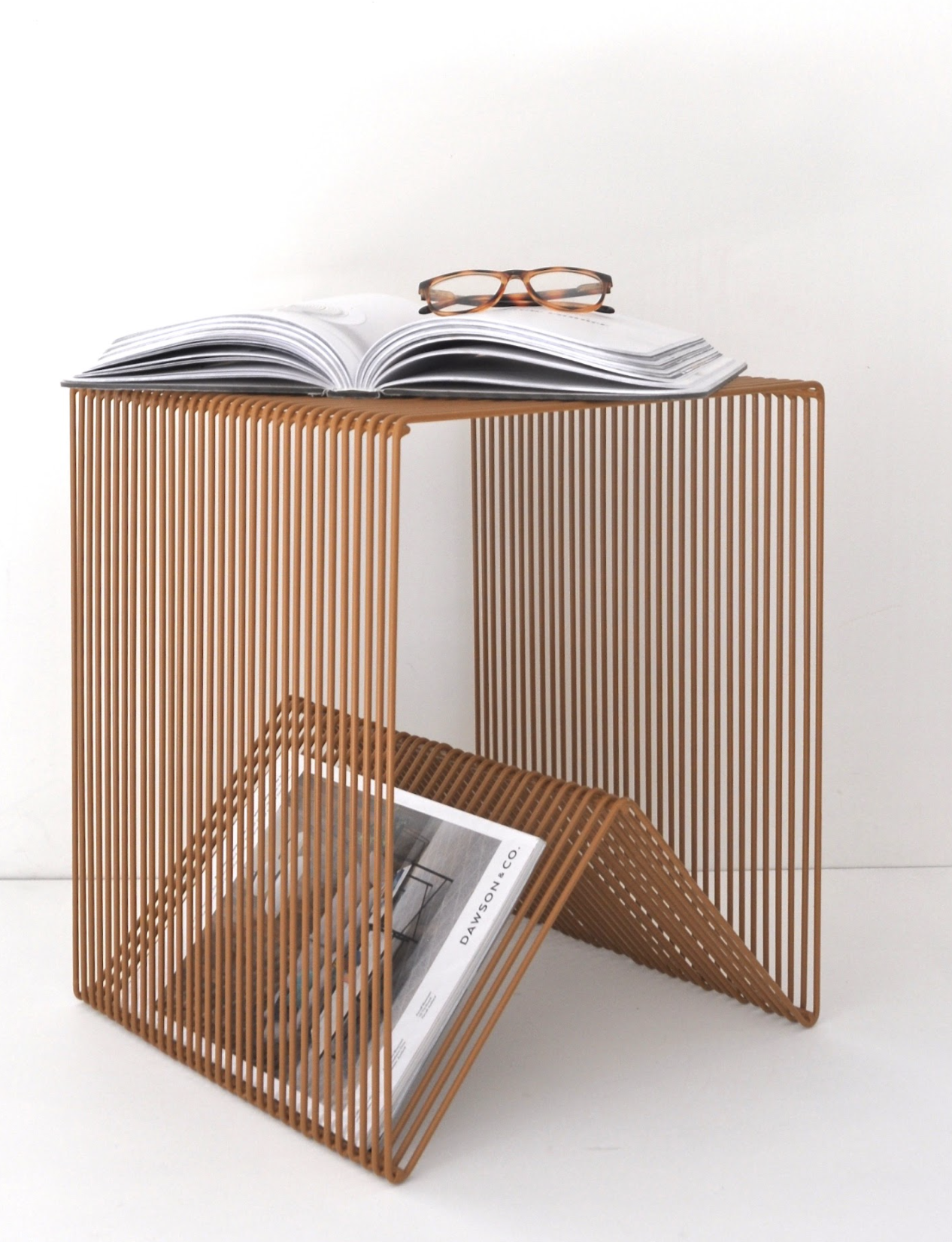
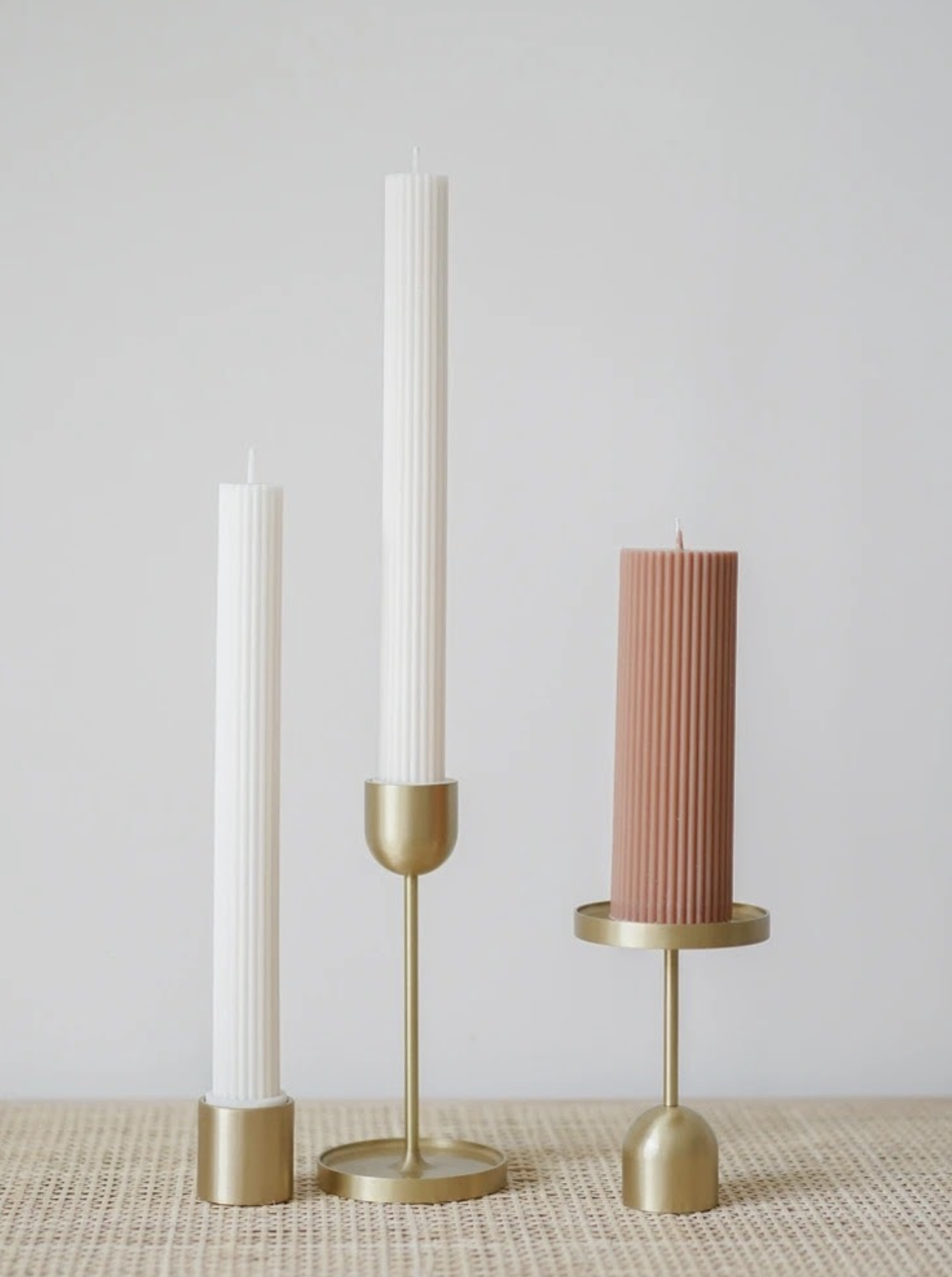
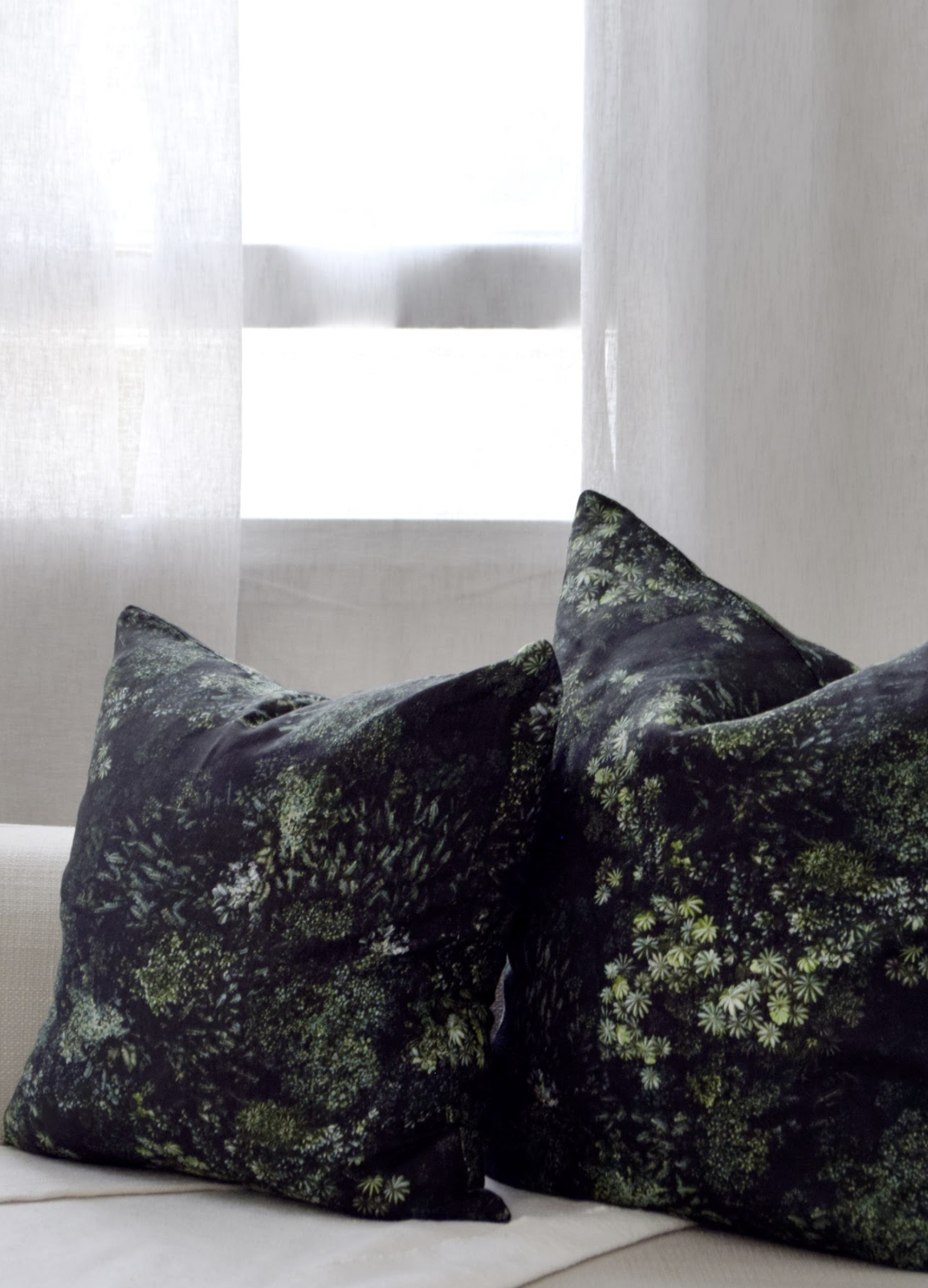


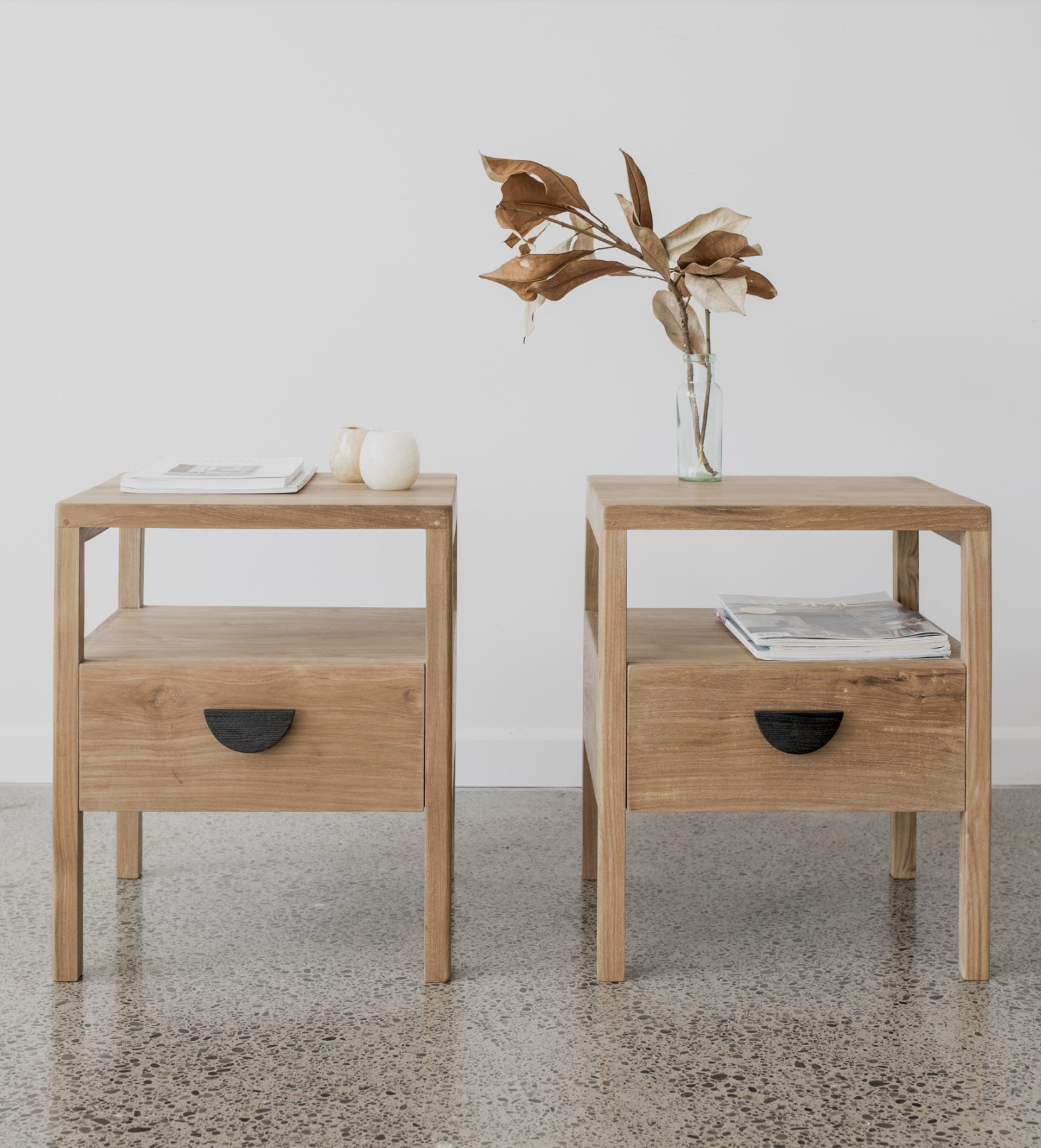
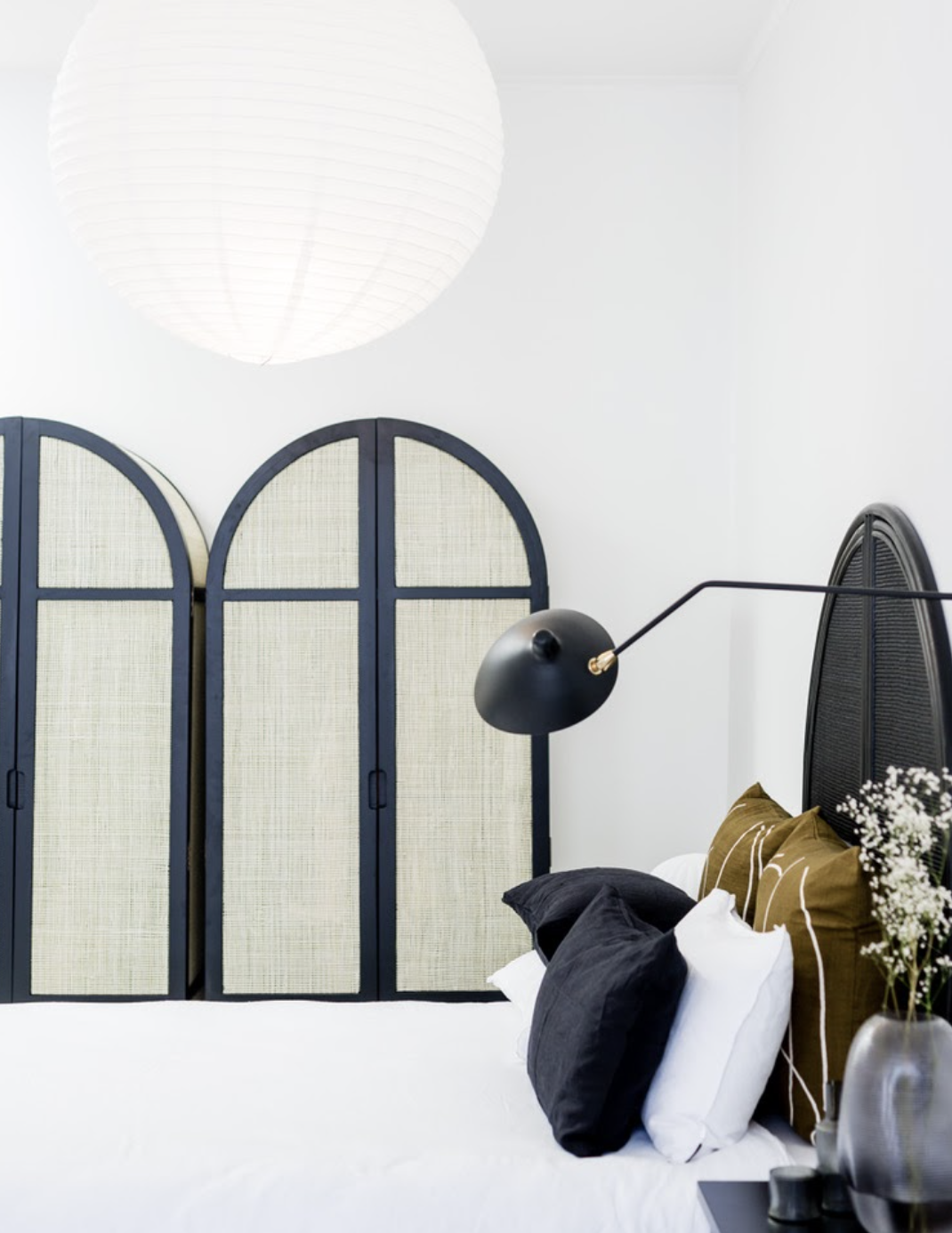
IN ORDER FROM TOP LEFT 1. WILDE THE LABEL 2. KINDRED ROAD 3. Calm print by MAIKO NAGAO 4. Grove dishes from CITTA 5. ICO TRADERS 6. Column pillar candles by BLACK BLAZE from HUSK HOME 7. HOMEBODY Linen cushion cover 8. Bed linen from FOXTROT HOME 9. FLOORING XTRA 10. Lo bedside table from CORCOVADO 11. THE CANE COLLECTIVE

Stylist Amber Armitage shows us how to create a space to call home
It’s the little touches that make a house a sanctuary. We put the pieces together to create a space for ultimate calm.
PAINT + WALLPAPER Resene STYLING Amber Armitage PHOTOS Wendy Fenwick at Flash Studios
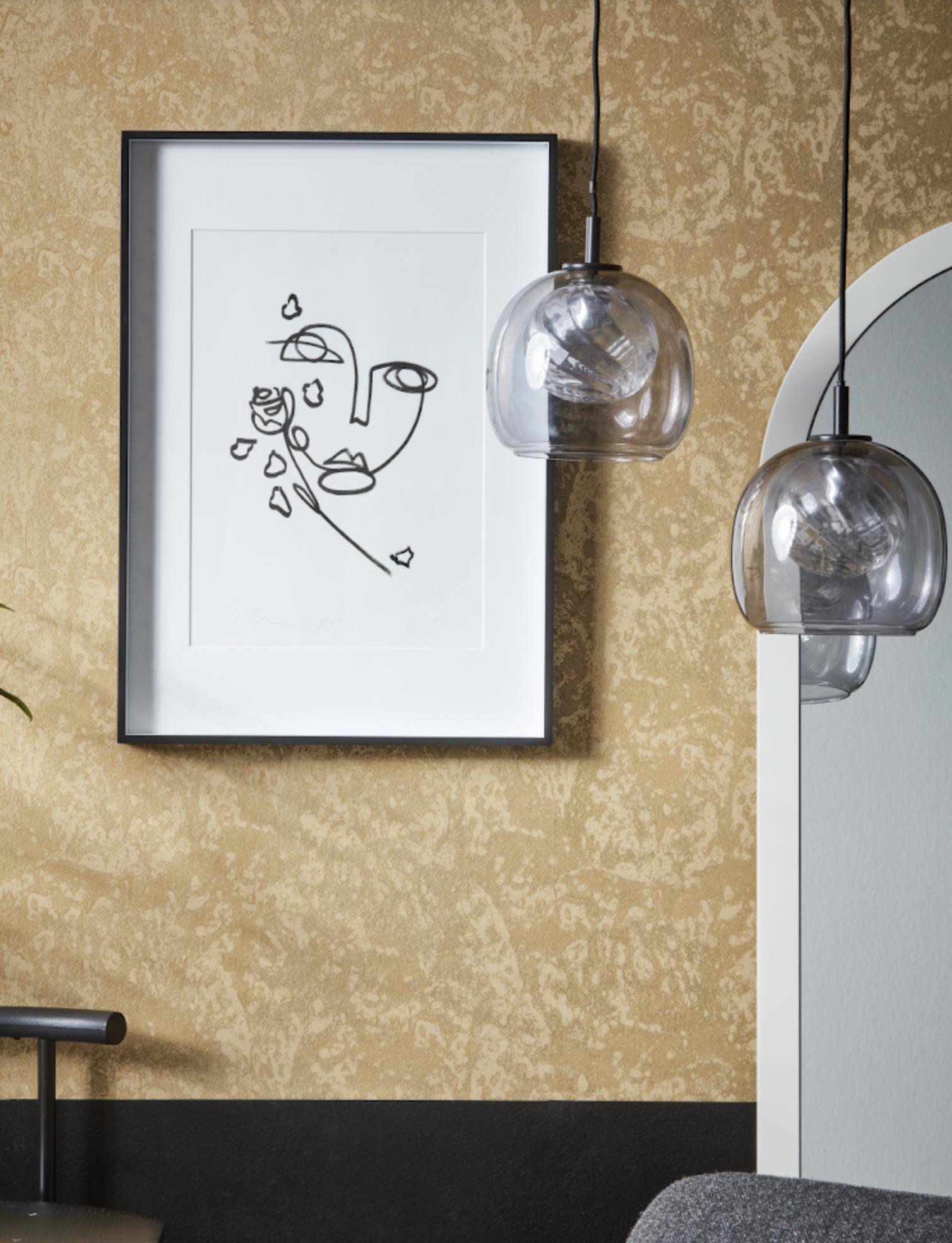
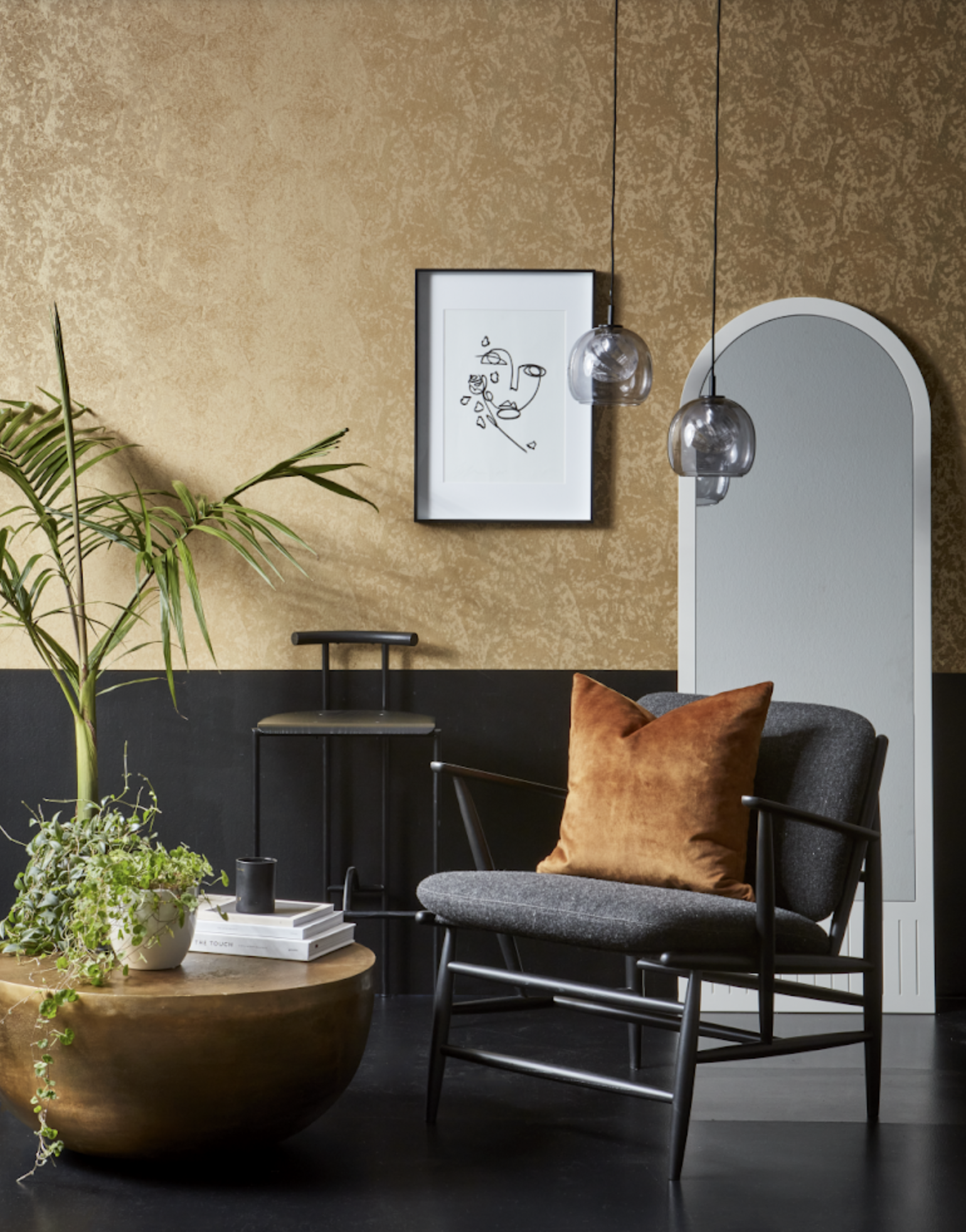
Resene Wallpaper Collection MG11102, walls and floor in Resene Nero. Art print original by Claire Stapleton X LA TRIBE. Frame from Country Road, Inside Pendant Lamps by Oblure, Tokyo Stool OMK 1965, ‘Von’ armchair by Ercol, all from Good Form. Cushion from Mood Store. Arch Lean mirror by Made of Tomorrow. Brass drum coffee table from Contempa. Books and magazines from Sunday Home Store. Pot, plants and candle stylist’s own.
Expert tip: By pairing the wallpaper with a bold colour paint, you add even more impact. We’ve teamed Resene Wallpaper Collection MG11102, a gold patina look wallpaper, with Resene Nero to add even more drama.
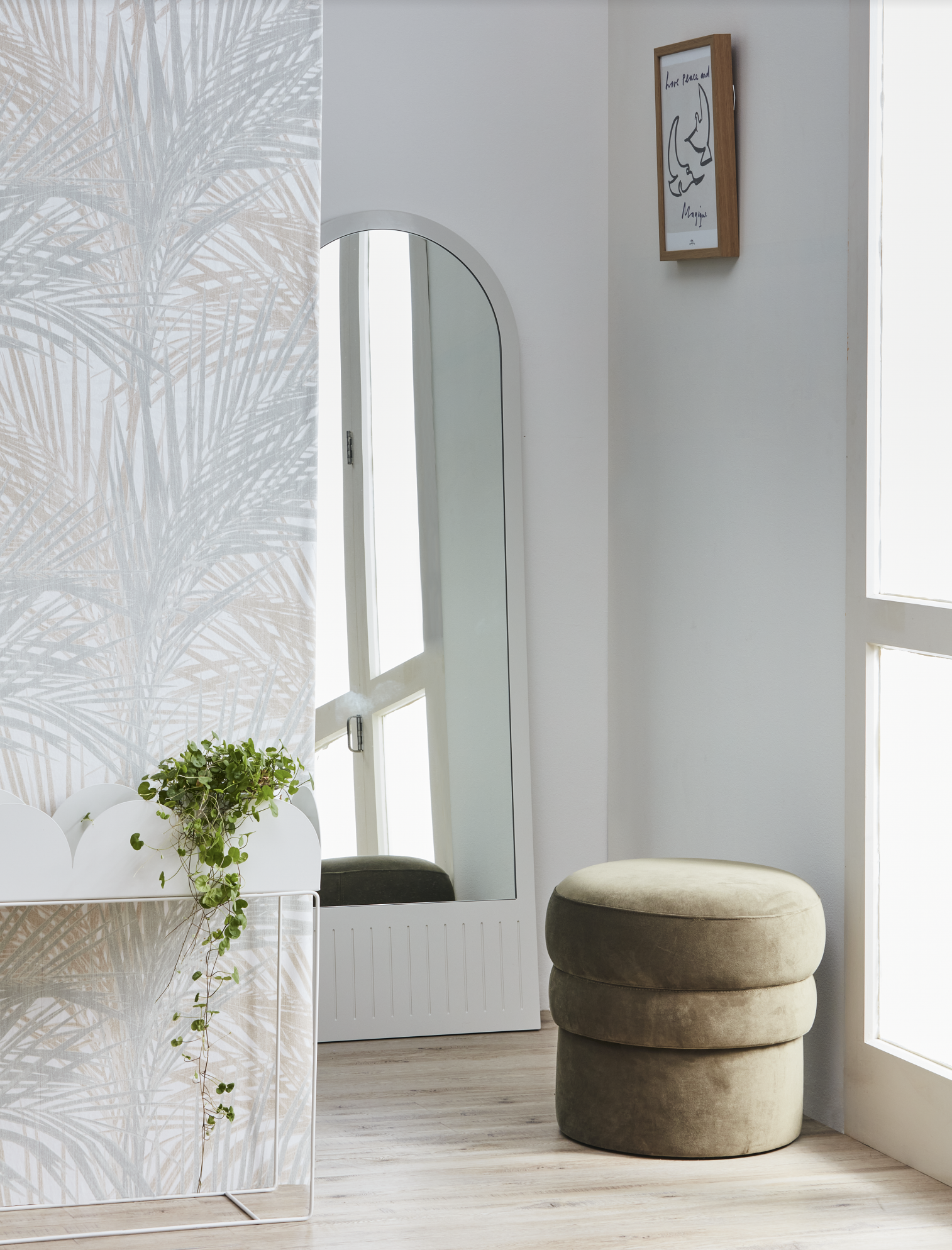
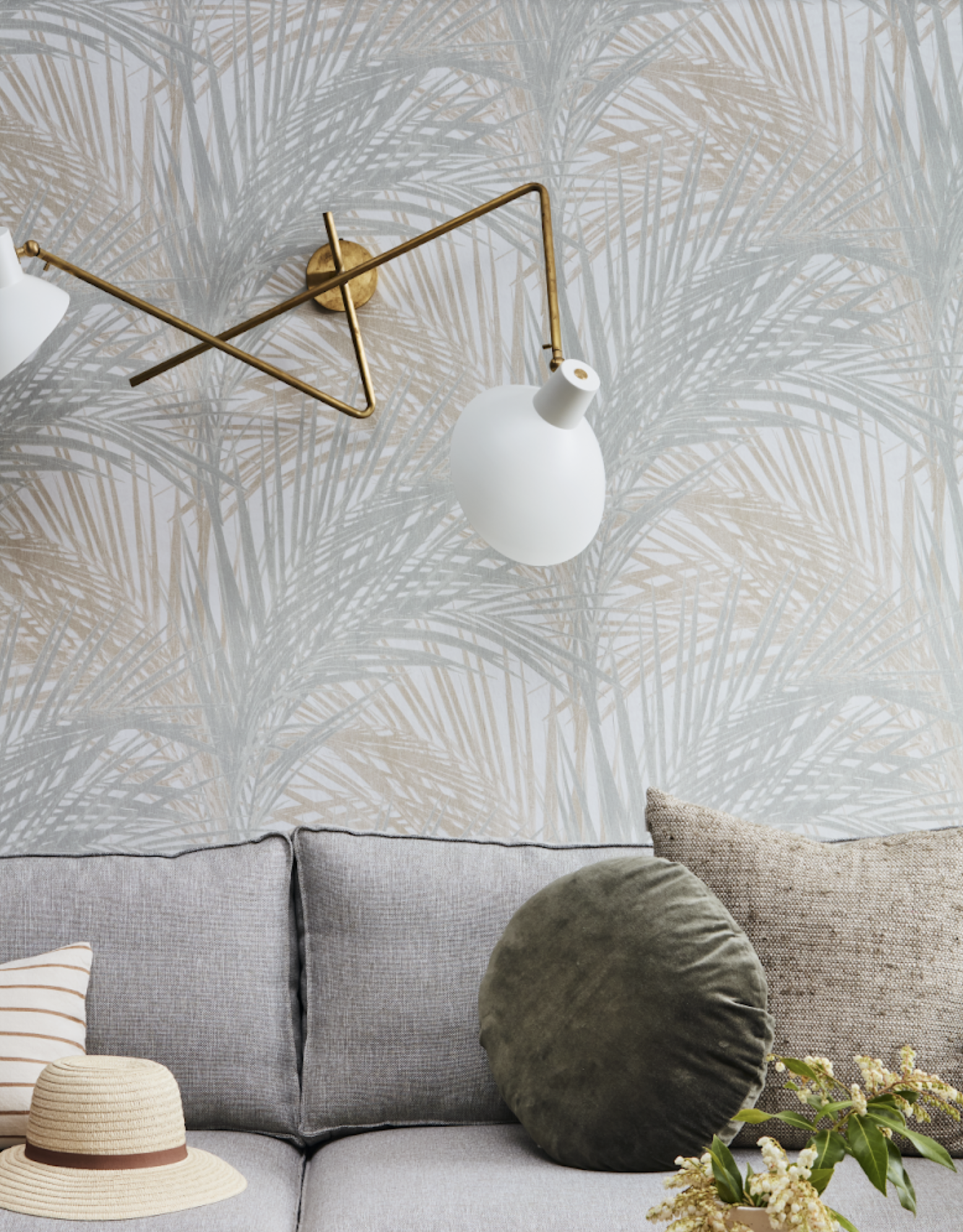
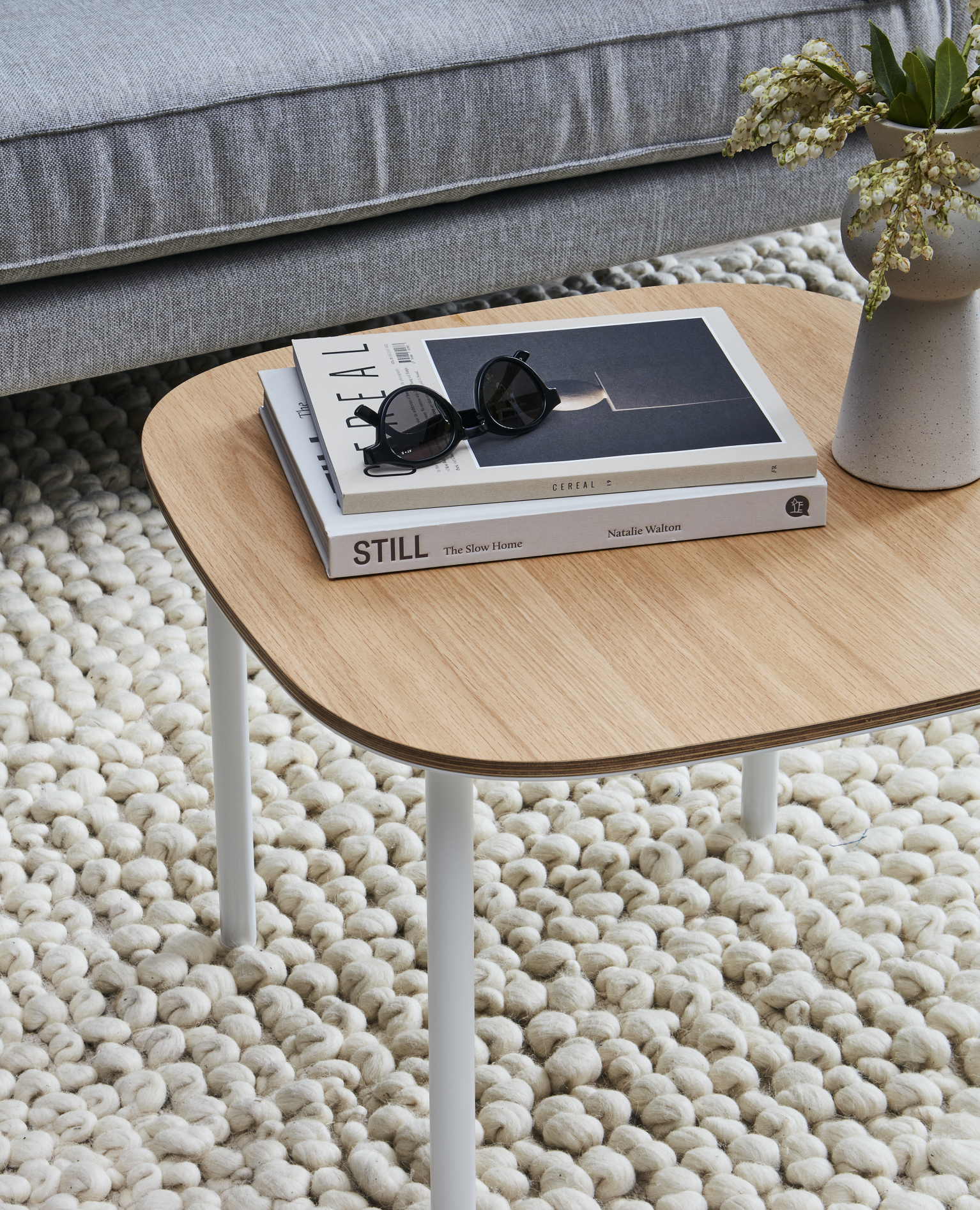
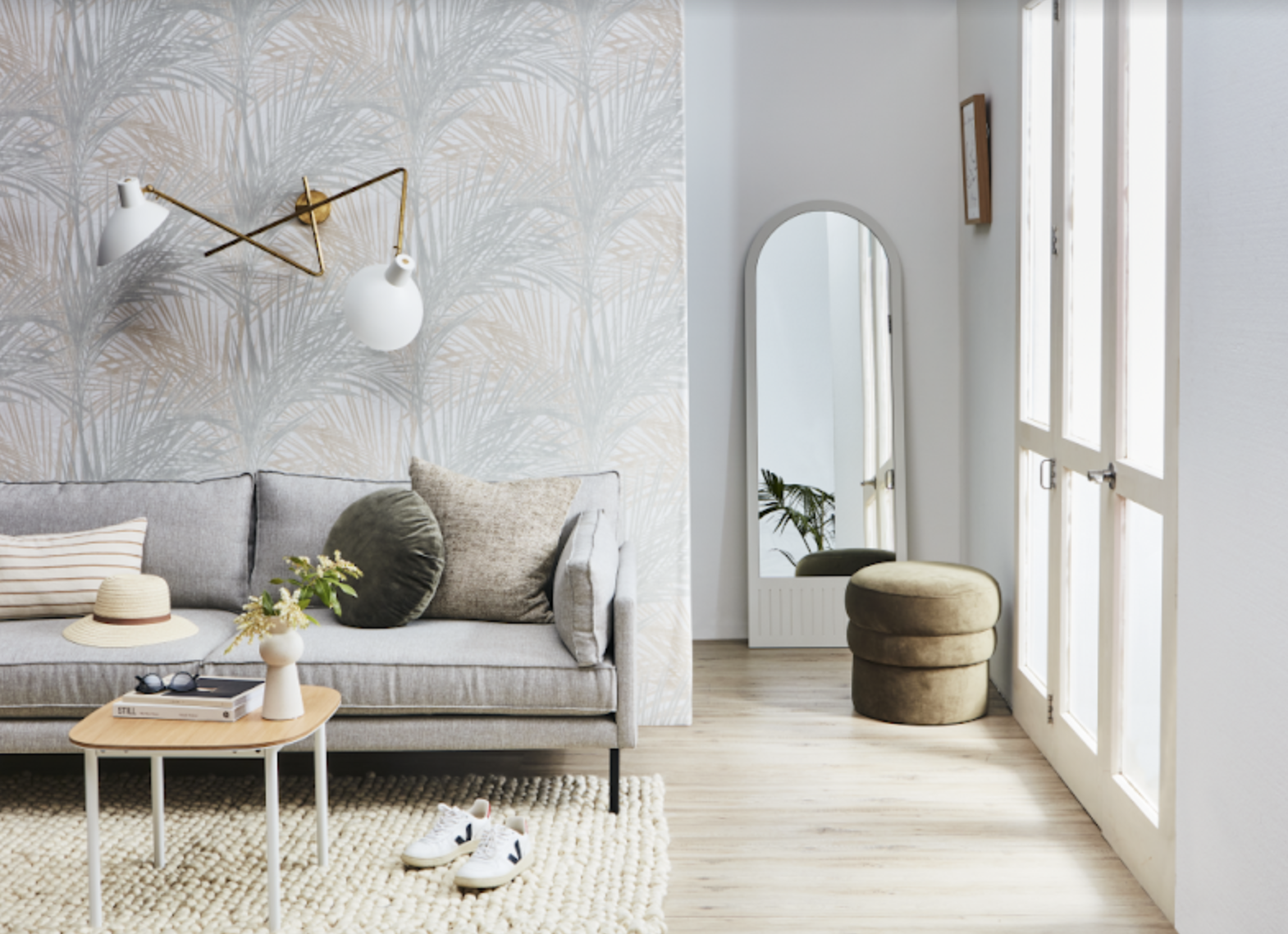
Resene Wallpaper Collection 218741. Walls in Resene Alabaster. Floor in Resene Colorwood Rocksalt. VV Cinquanta Twin wall lamp by Astep from Good Form. Soho 3 seater sofa and Juno Ottoman in Olive from Contempa. Cushion covers and Elevation side table, all from Città. Sophie So Shady hat by Sophie Store. Ay Soho sunglasses, Veja sneakers and framed print, all from Father Rabbit. Books and magazines from Sunday Home Store. Vase stylist’s own. Rug from Mood Store. Arch Lean mirror by Made of Tomorrow.

Making homeowners happy - one house at a time
With his father in the trade and having pretty much grown up on building sites, it was inevitable that Matt Gudsell would be a builder.

Prepare to upgrade your dream home standards with these incredible Bay of Plenty builds by Gudsell Builders.
WORDS Andy Taylor PHOTOS Amanda Aitken
With his father in the trade and having pretty much grown up on building sites, it was inevitable that Matt Gudsell would be a builder. He farmed for five years, but the tools soon called him back, and that’s a good thing, because Matt has built a solid reputation for creating beautiful homes throughout the Bay of Plenty and Waikato – and for making their owners happy indeed.
“What attracted me to building was seeing the result of all the effort and time that goes into building one of our houses,” says Matt. “I like to see the reward of a job really well done, and that comes down to attention to detail and quality of finish, making sure everything’s just right and to the very highest standard.”
To achieve those standards, at Gudsell Builders, Matt has built a team that shares his keen eye and a passion built on 30 years in the trade. “People are much more discerning now – they know what they want,” says Matt of their customers. “The industry is constantly evolving too. In addition to our team of 24, we have eight apprentices, and the old hands and new guys work hard to keep up to date with the latest technology and products to make sure we offer the very best available. I like to think that what people see in us is dependability and quality, and seeing the job well done is still what I love about what I do – I wouldn’t be doing it if I didn’t.”
The semi-rural resort
Wood, concrete + space
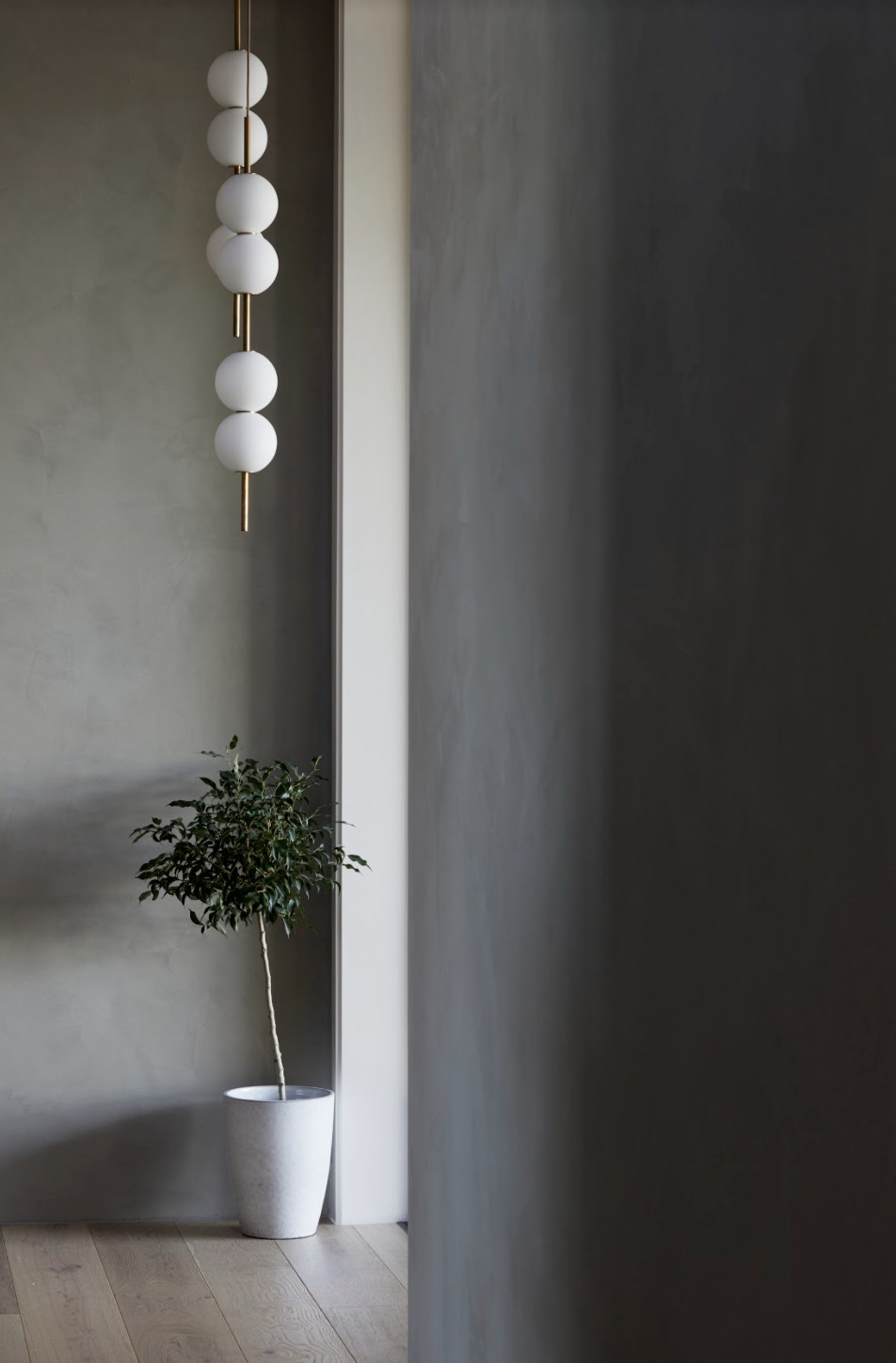
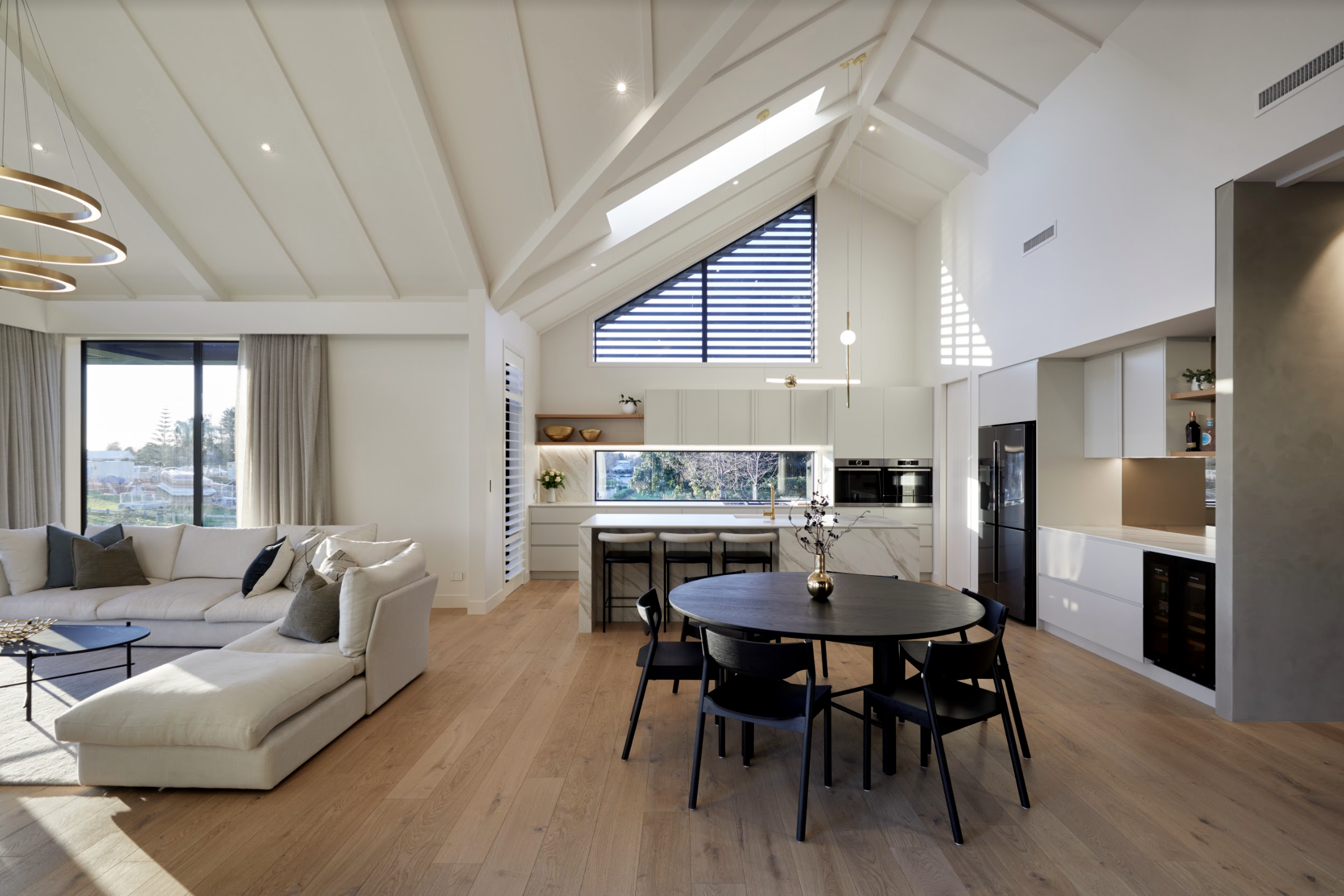
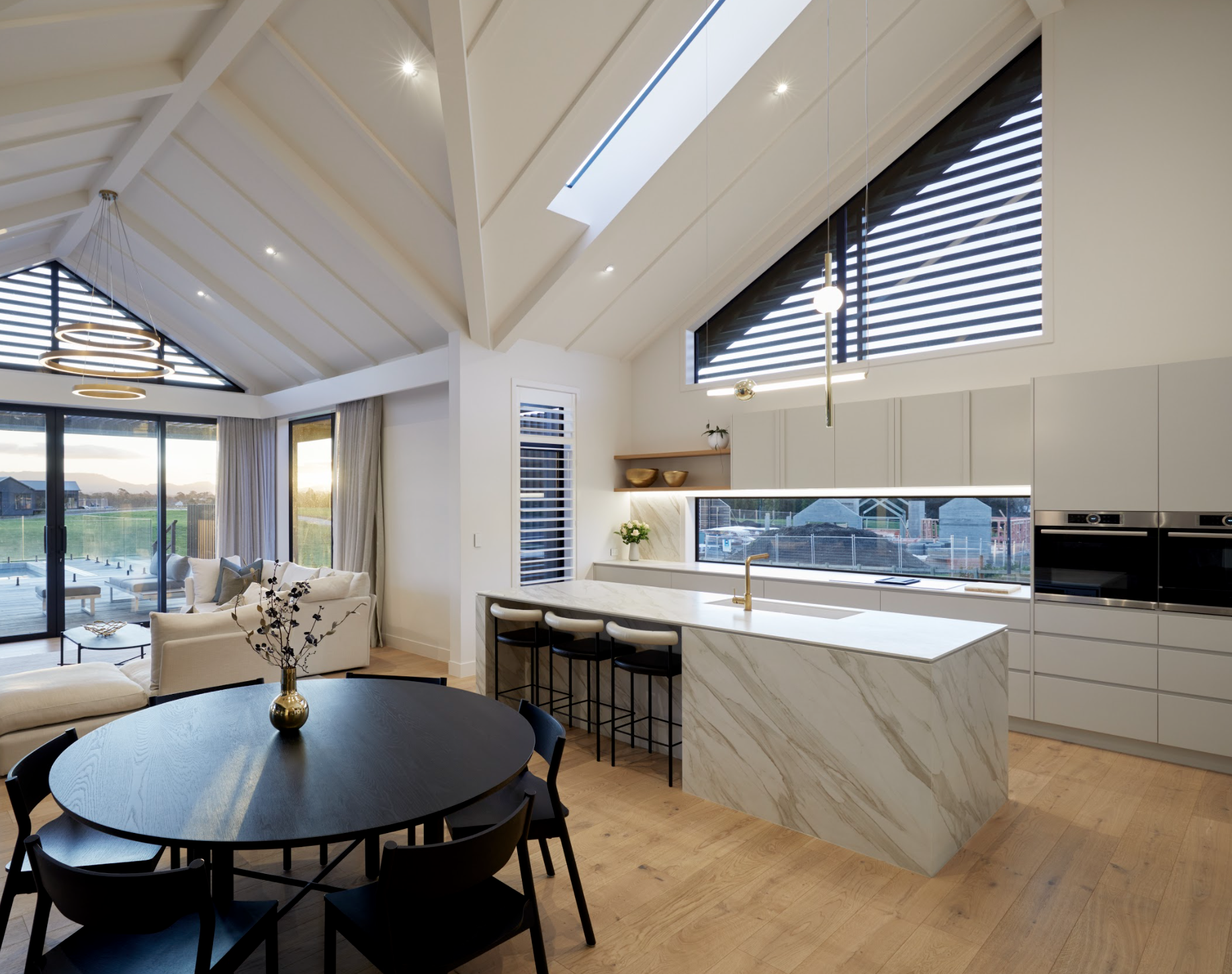
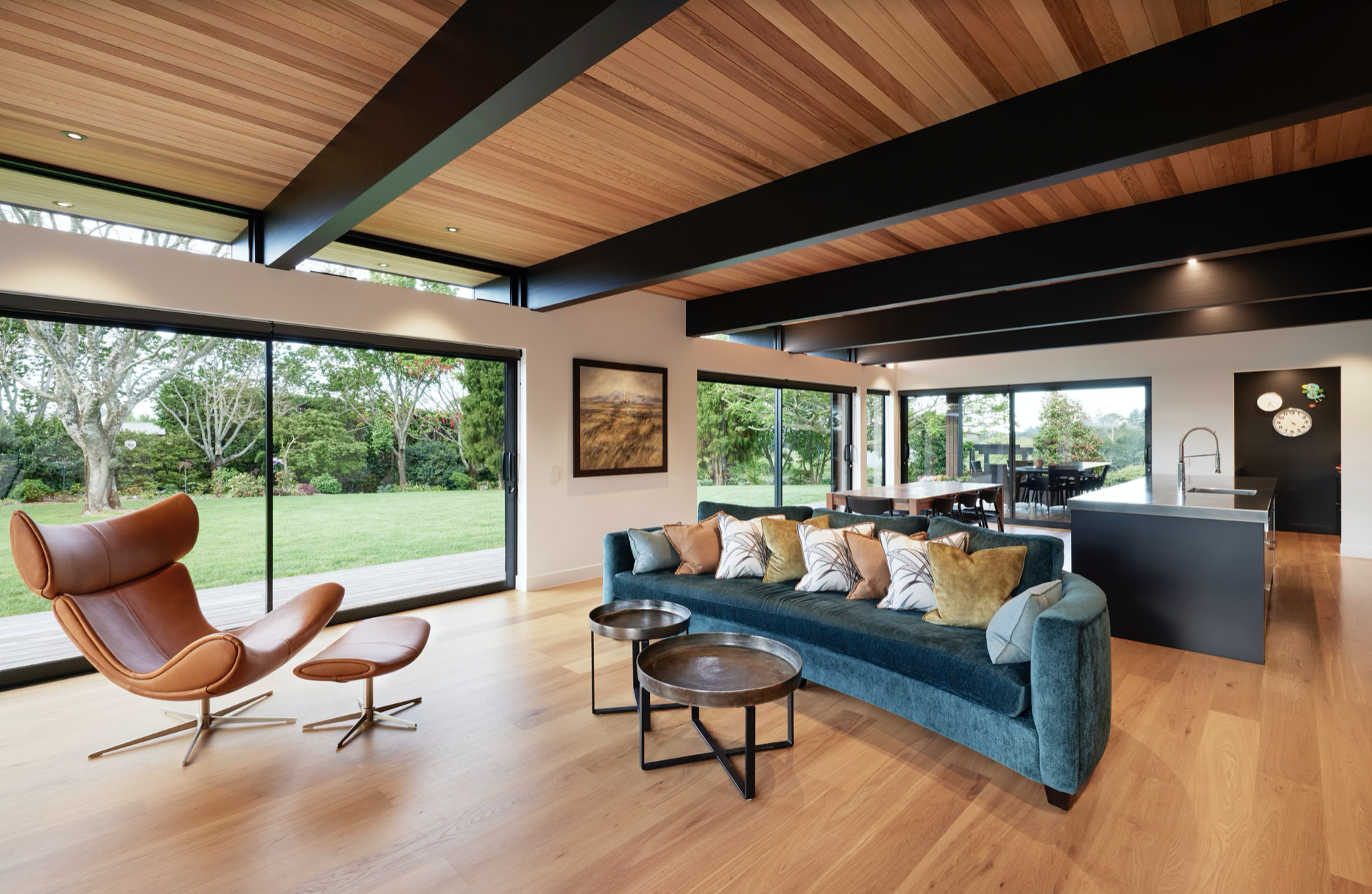
Dependability and quality is certainly what attracted the owners of one of Gudsell Builders’ latest projects in Tauranga’s Bethlehem, for a family of four who were relocating from the Mount and wanted more living space and room to entertain. “Our first experience of building had been great,” says one of the homeowners, “but we were taking our new build to the next level, so we wanted a trusted builder, someone who’d done a lot of quality homes – and Matt had a good reputation for that and for being financially secure.
“Throughout the whole process, we knew that if there was any problem, we could take it to him and he’d take it seriously and fix it. Quality’s very important to him, so if he sees something that isn’t right, he’ll get it fixed, and that’s really important. From a client’s perspective, you don’t always know what to look for, so having his attention to detail was fantastic.”
That shows through in the finished home, which Matt says was a big project with many decorative concrete finishes that took careful setting up to get just right, as well as large decks built for family and friends.
“Gudsell Builders have a great team, which means the whole process flows really well, with plenty of communication,” adds the homeowner. “You hear people saying that they’ll never build again, but we loved the whole process. When you have a partner like Matt, it makes it easy.”
The country retreat
Contemporary cedar luxe
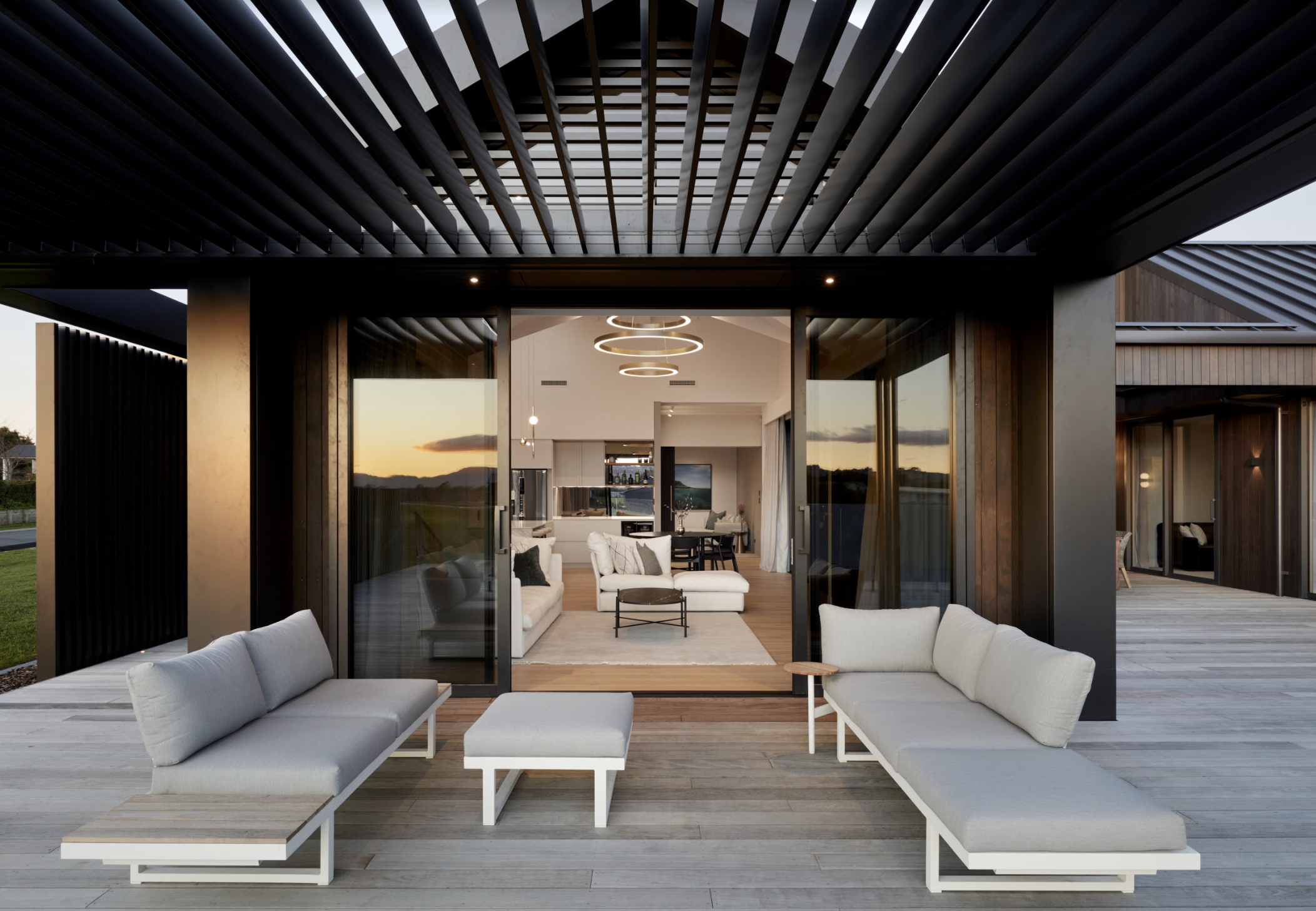
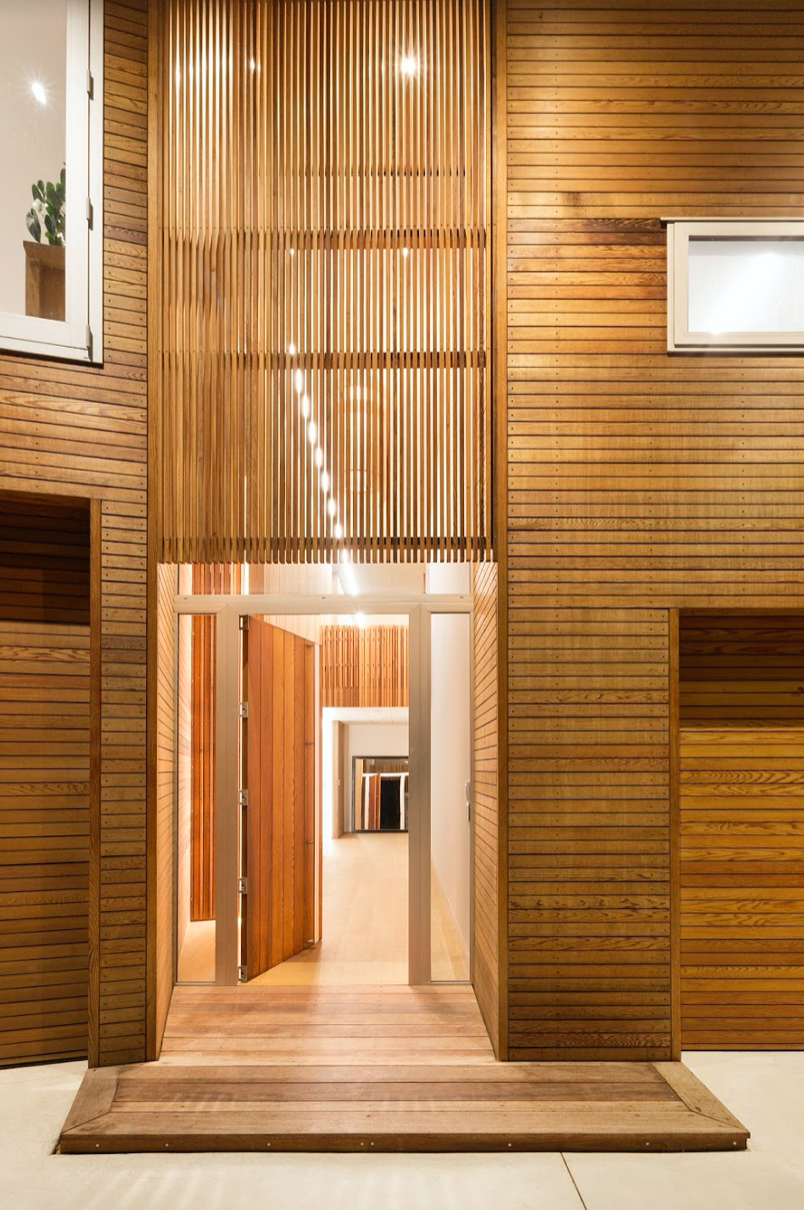
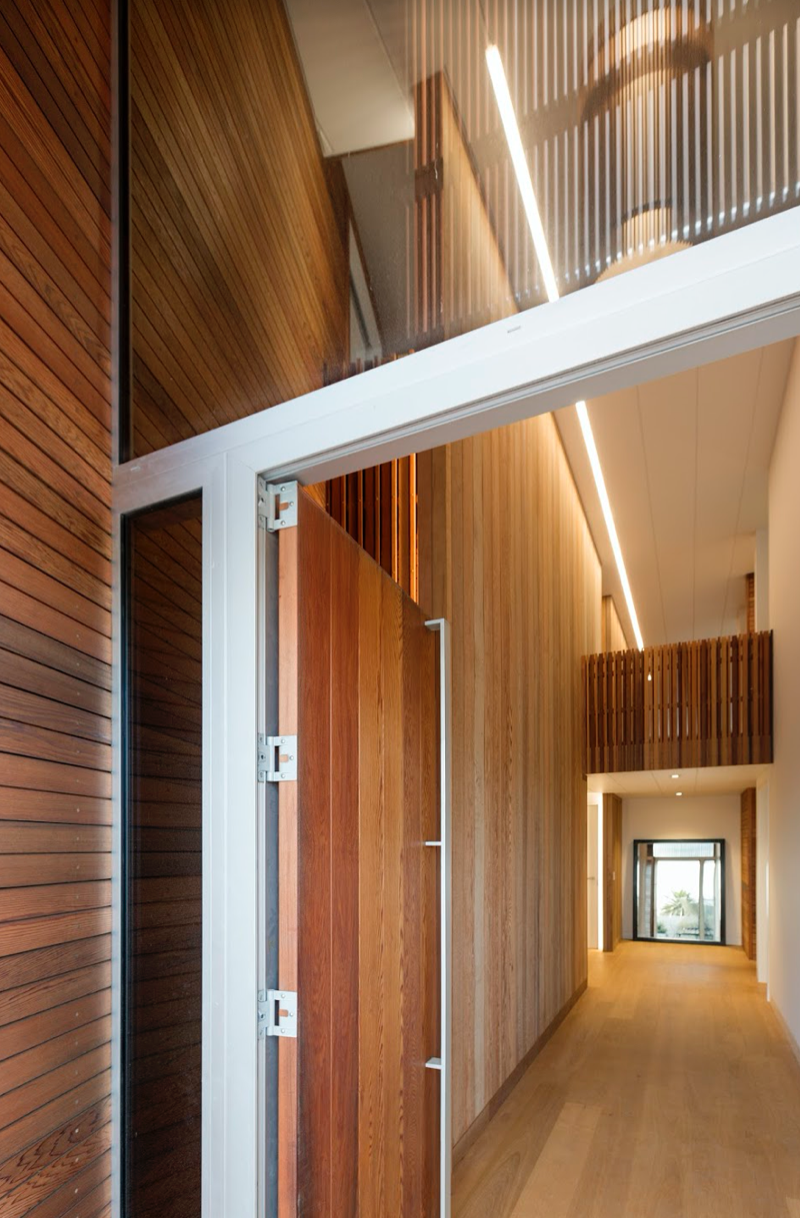
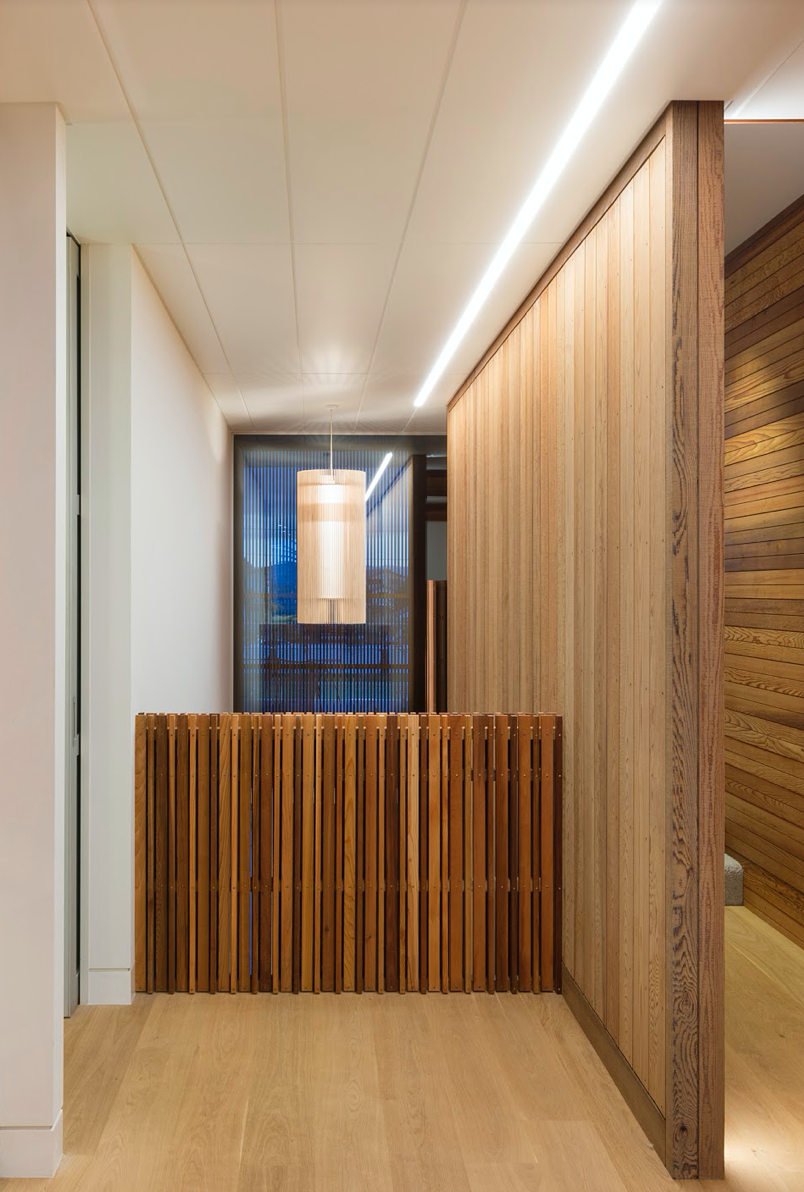
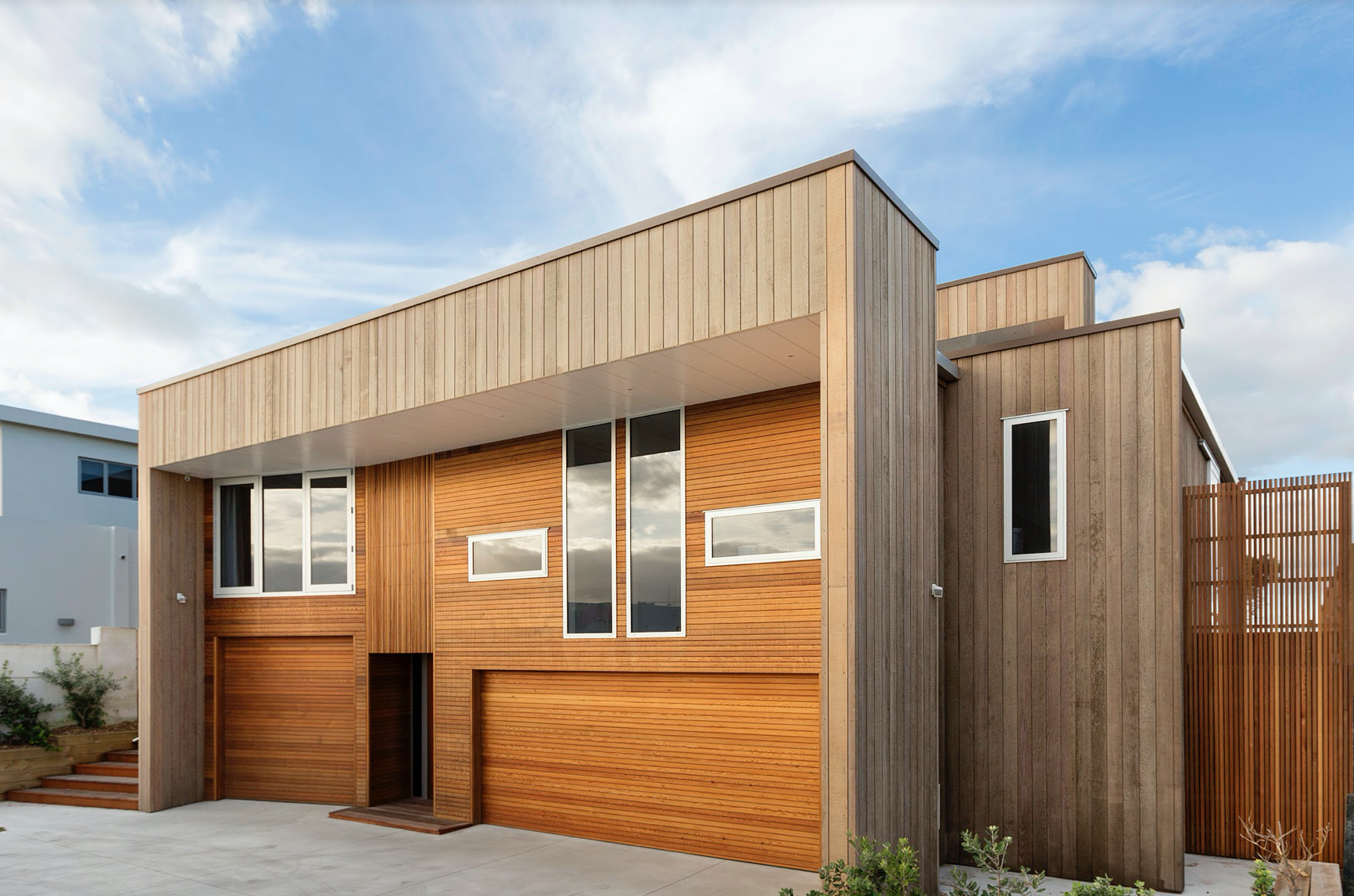
The two-storey home the team built for George Lin and his wife in Te Puna, Tauranga was the couple’s first new build, but they’re already thinking about doing it all again – with Gudsell Builders. The contemporary dwelling with cedar timber throughout is testament to their commitment to quality and communication.
“It was our architect, Brendon Gordon, who recommended Gudsell Builders to us,” says George. “We found Matt and his team really easy to talk to. I really enjoyed the process, so much so that I started thinking that I should build another house! I’ll definitely use Matt and his team again – I wouldn’t change a thing about working with him.”

The beach breeze
A good time all round
Meanwhile, Pete McSweeney’s beachfront Mt Maunganui home merges the Kiwi coastline with thoroughly modern living spaces that champion the tone and texture of stone and timber. Thanks to its carefully crafted open plan, floor-to-ceiling glass and showcasing of materials, it was a design that demanded top-notch craftsmanship and expertise to bring it alive.
“We wanted a modern-day beach house and a builder who could deliver the dream we had and that the architect encapsulated,” says Pete. Gudsell Builders seemed the obvious choice. “I looked at some of the homes they’d built and was really impressed. Gudsell Builders have a great team of people who weren’t just top builders but top blokes as well. Having good banter on site made the process so much easier.”
The evolution build
Glass + light
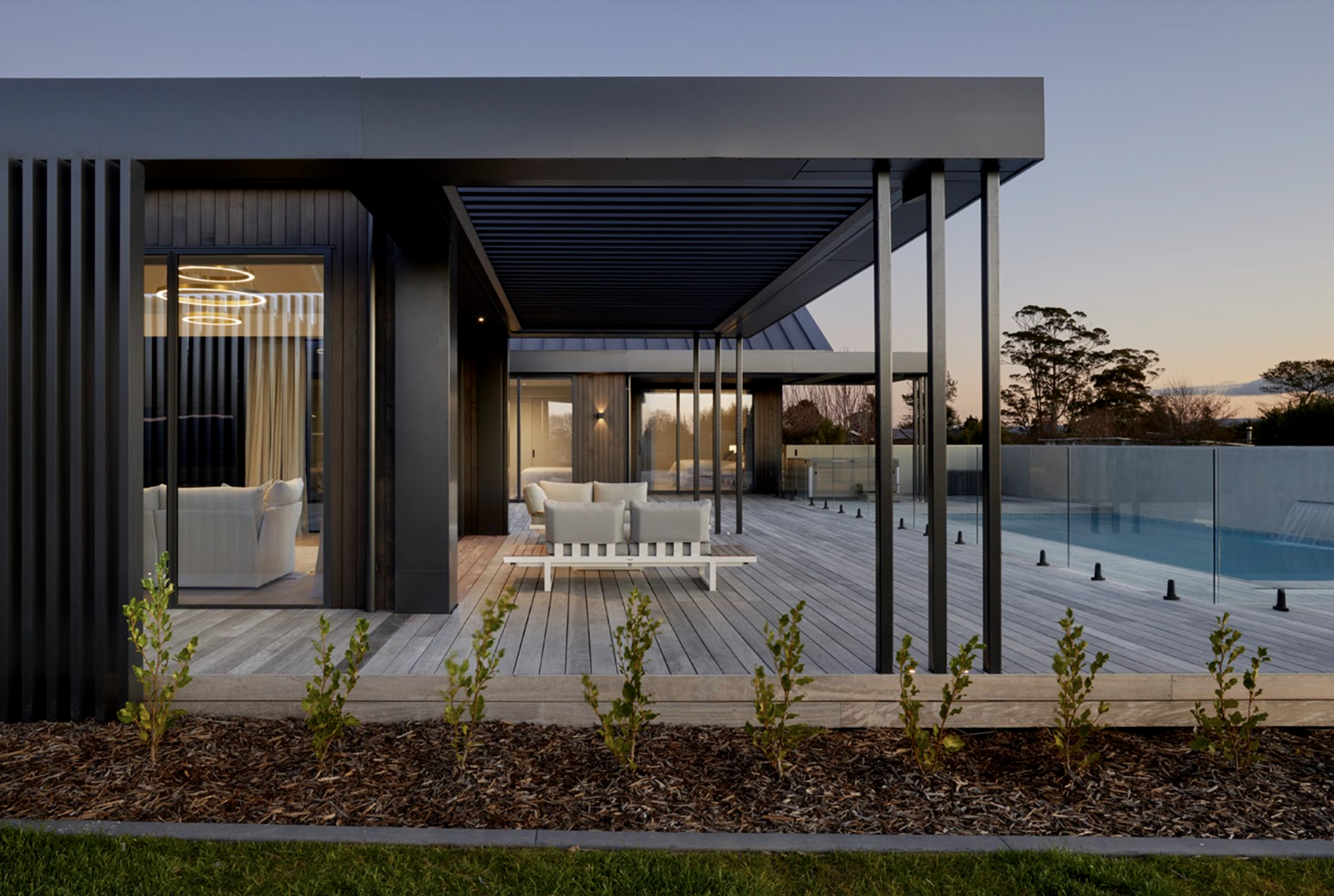
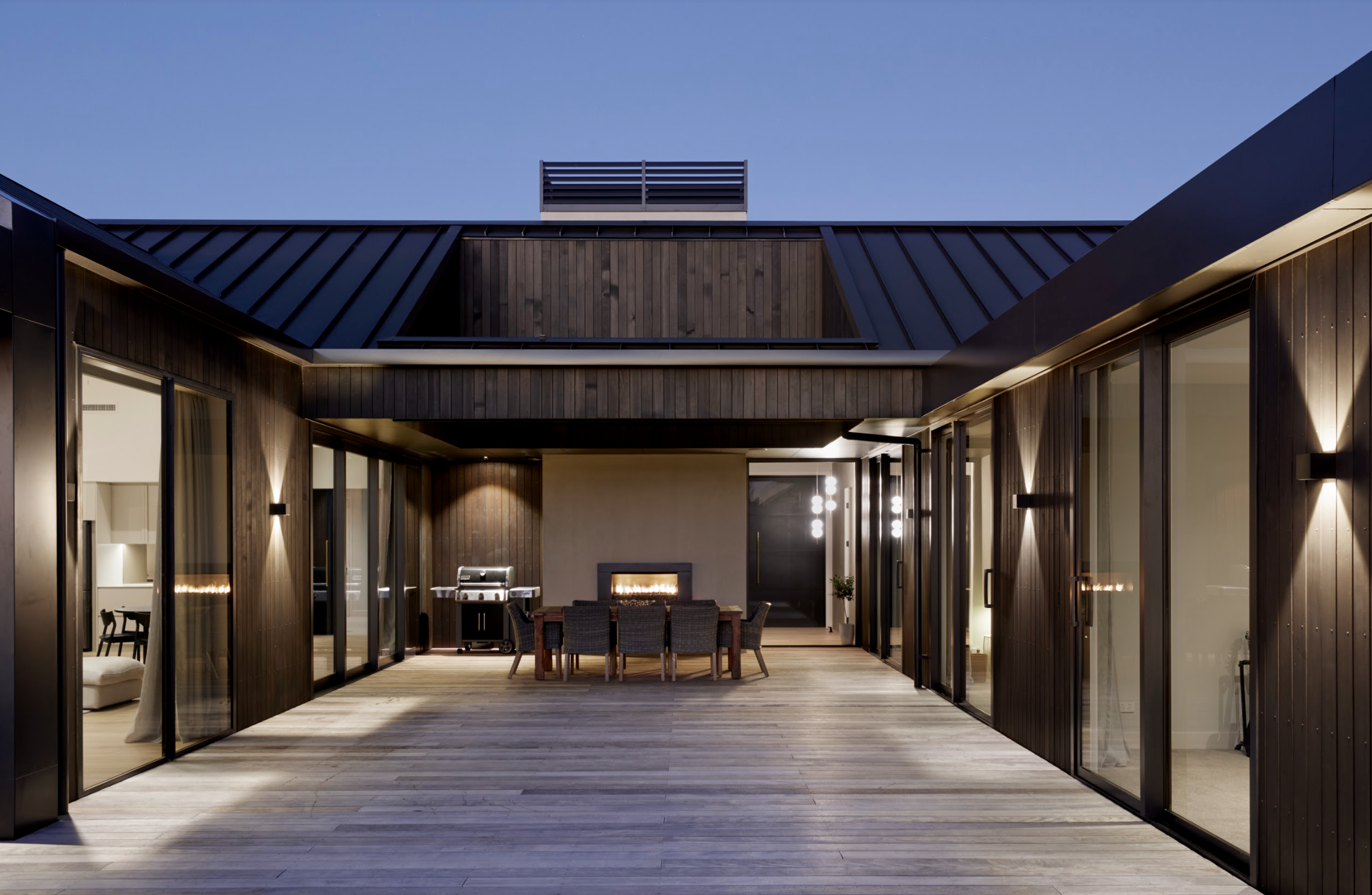
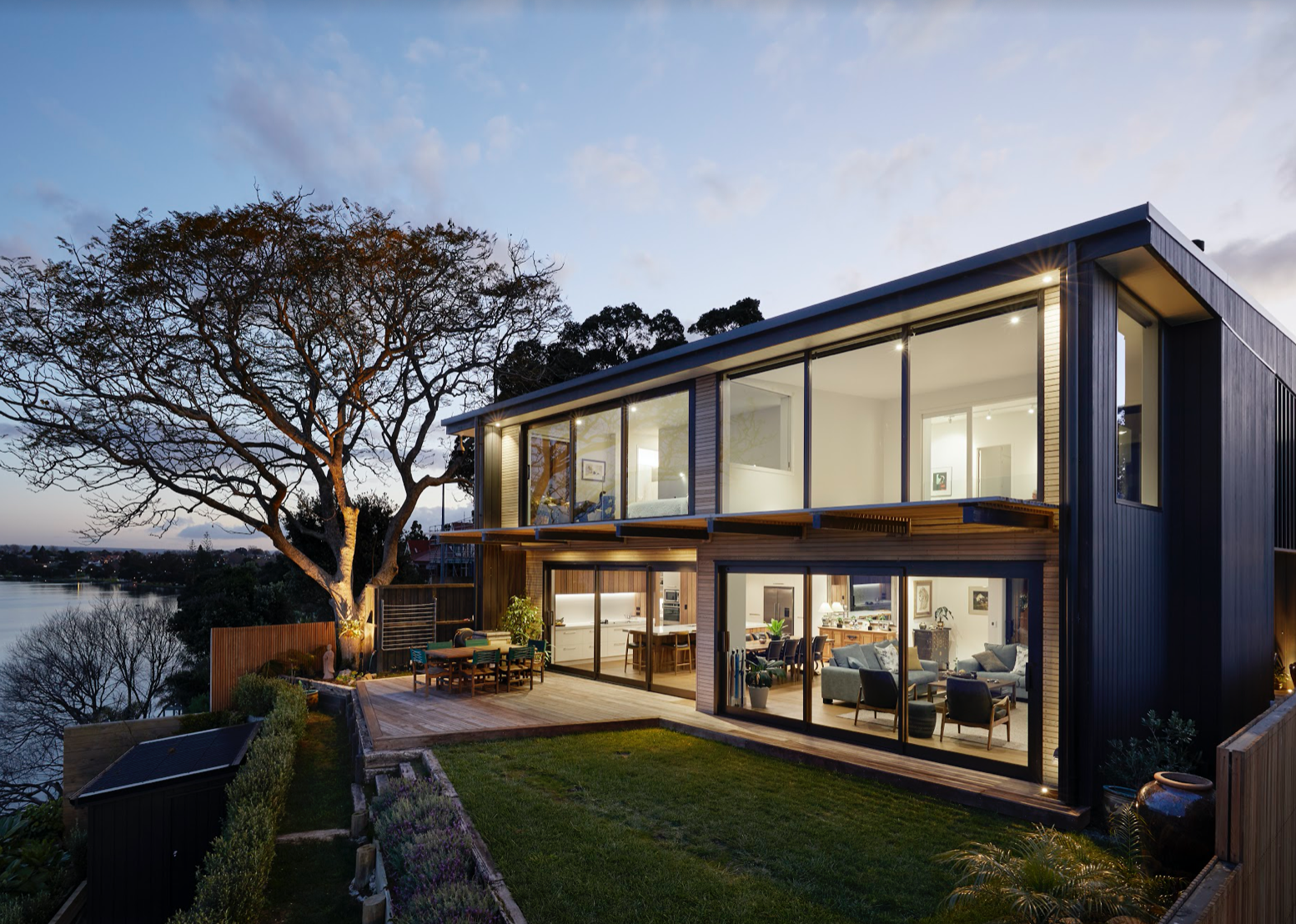
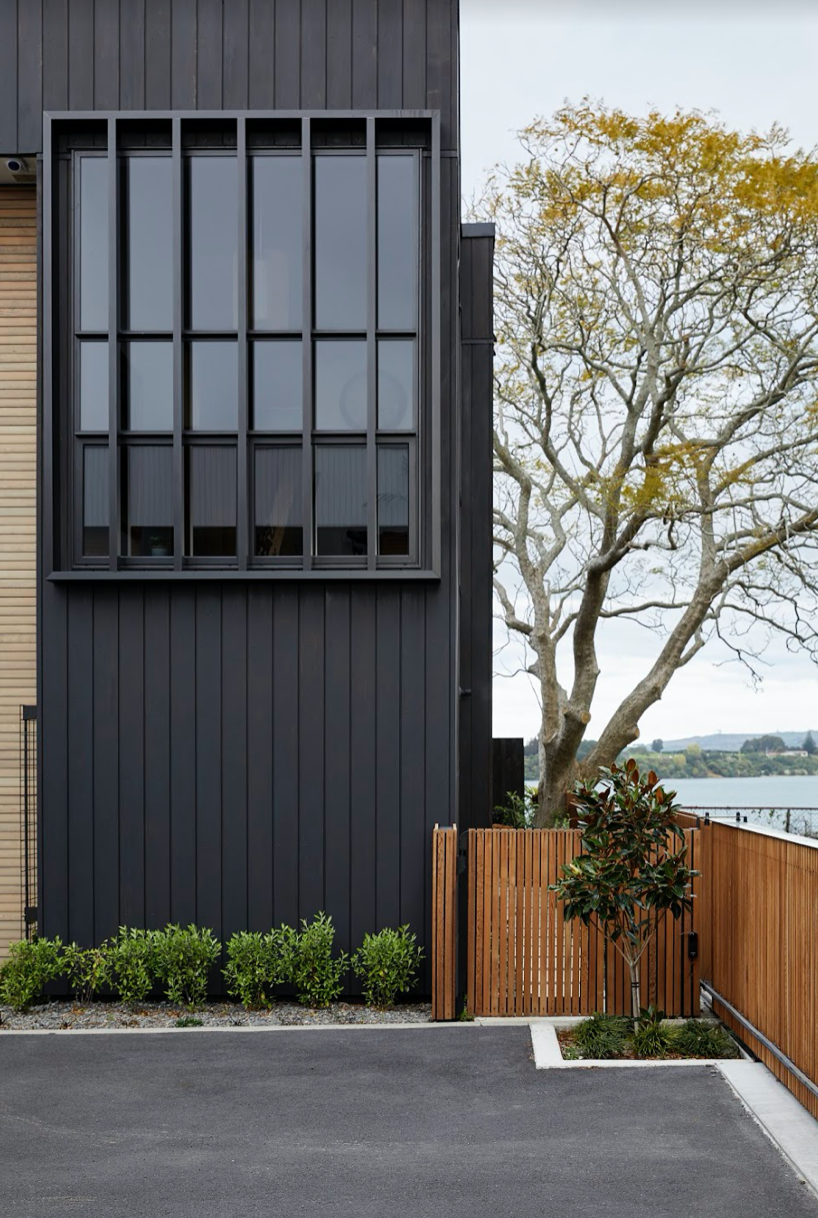
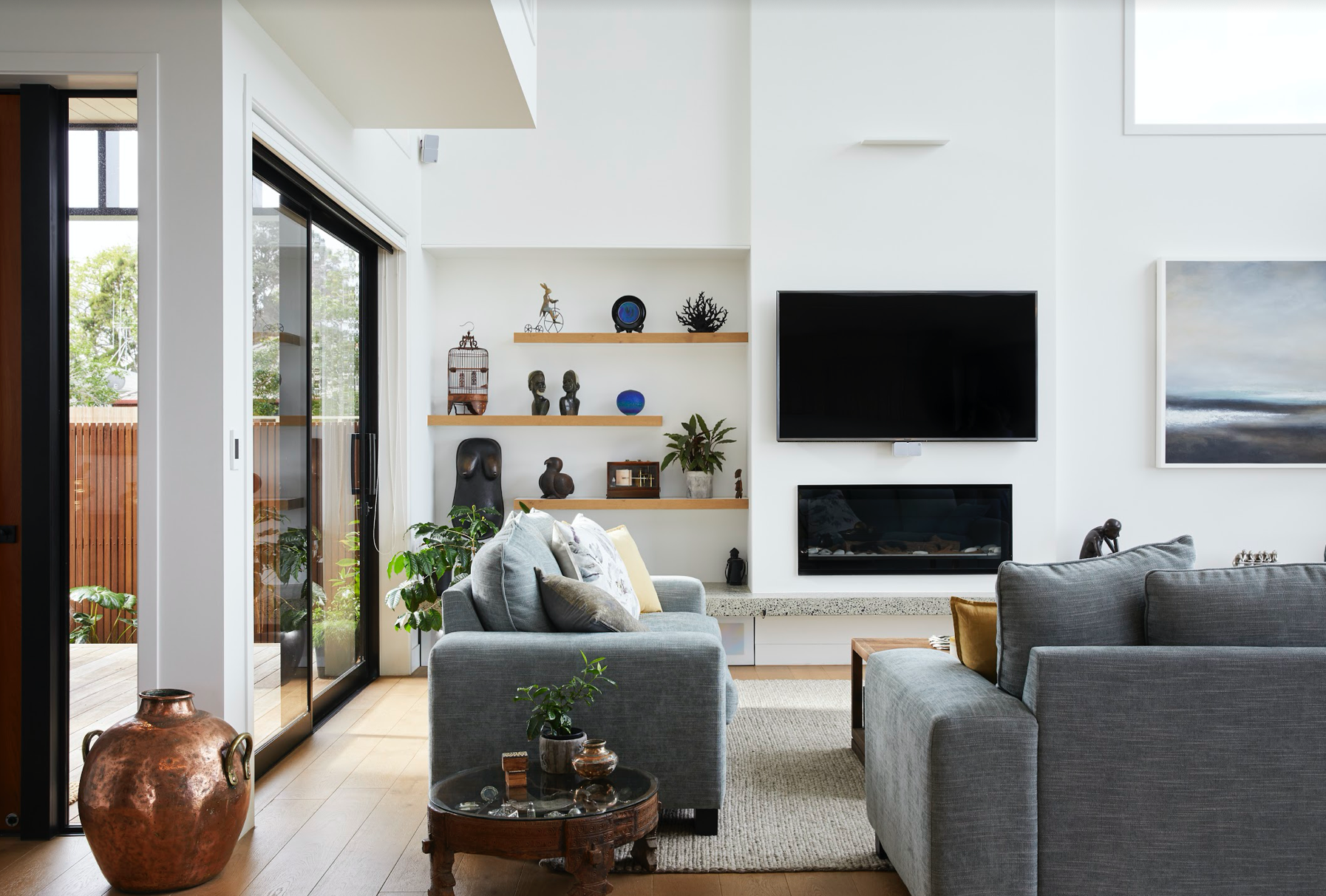
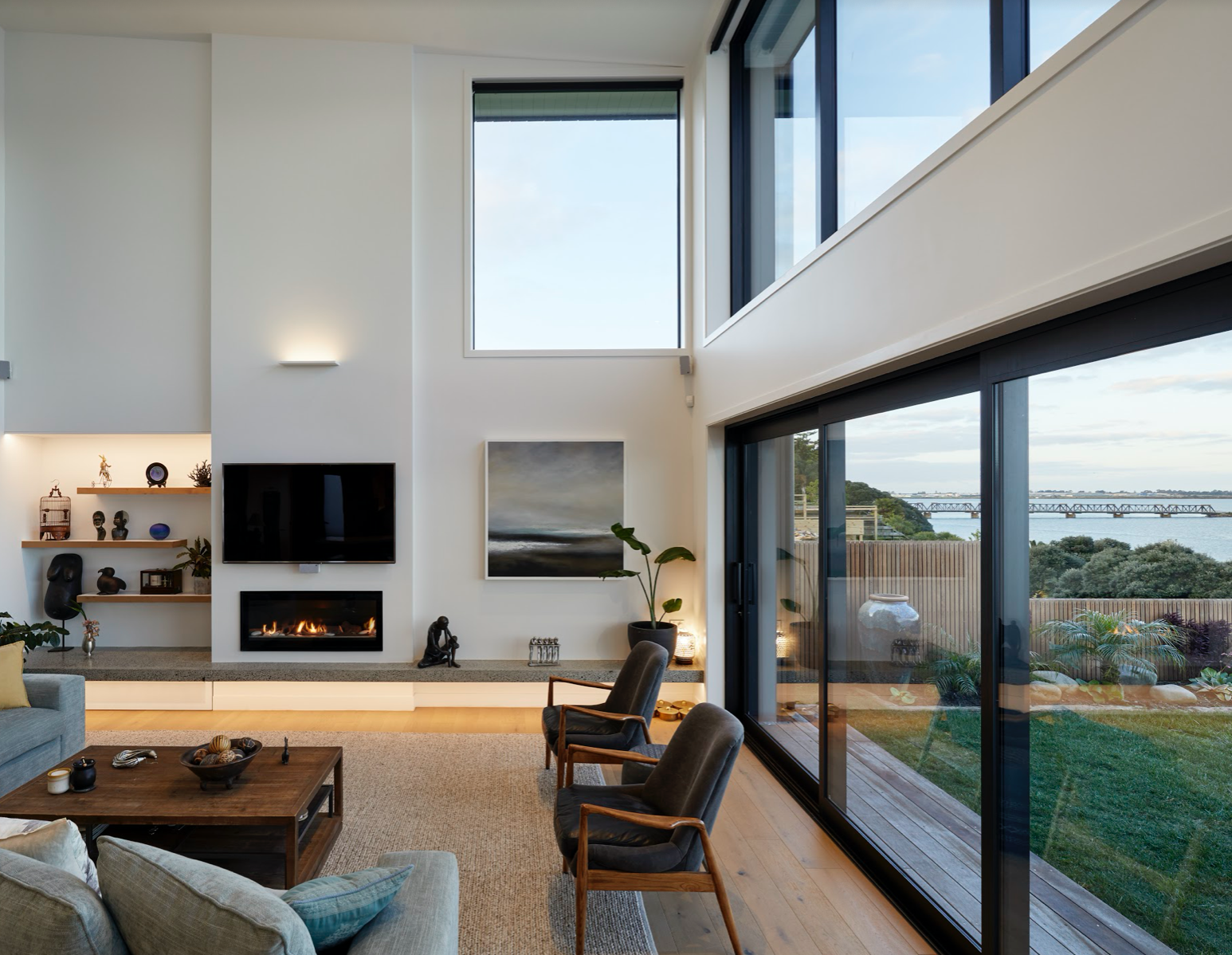
David and Ainsley Ewings’ impressive property in one of Tauranga’s avenues began as a concept drawing, but in collaboration with their architect and Gudsell Builders, it evolved into something unique. The pavilion-style house features a double-storey living area, vertical shiplap cedar and unobstructed views – and the couple are quick to credit Matt with helping to make it a reality.
“He’s very collaborative, and any issue he saw was flagged well ahead of time so it could be discussed,” says David. “The build went smoothly, even though it was quite a difficult time, with problems with materials being withdrawn meaning we had to consider other options. But we worked on that with Matt and just worked our way through it. I’d recommend Gudsell Builders to anybody.”
“They were such a nice team to work with,” says Ainsley. “Matt is just delightful – and man, did he get the job done. This house is so different, it’s fantastic, so we’re really, really happy.”

A change in the air: how Passive Homes could be the (cosy) future of the way we live
We spoke to architect Brooke Cholmondeley-Smith about his experience with Passive Homes; having built the second ever certified PassivHaus in New Zealand, and living in one himself with his young family.

Whether you live in a new build or an old house, if you live in New Zealand, you’ll probably be familiar with the feeling of chilly toes, the obsolescence of a coat rack (because you never take your coat off), and maybe even whistling door frames or puddles on your windowsills.
As beautiful as our homes often are, the reality of New Zealand’s historical building standards means a nation of houses that are often lacking in performance; a deficit we often feel most keenly in the winter months.
While newer homes and the technologies that come along with them are lifting the bar for warmer, drier abodes, Passive Homes; a concept borrowed from Europe, offer a higher standard of comfort, sustainability and performance that most of us, with our electric blankets and indoor coats, could only dream about.
We spoke to architect Brooke Cholmondeley-Smith of TAWA Architecture about his experience with Passive Homes; having built the second ever certified PassivHaus in New Zealand, and living in one himself with his young family.
How did you become familiar with the concept of Passive Homes?
When I was working in London for an architecture firm I was sent off to Berlin to work for a few months - I got to know some architects there, who were all designing and building to a passive house code. I got an understanding of it, but when I moved back to New Zealand I lost touch with it, it just wasn’t a thing here.
What is a Passive Home?
High-performance homes, such as Passivhaus projects, have specific requirements to meet in order to be called a PassivHaus or Passive Home. These requirements are non-negotiable, and require meticulous planning from the start of the project to make sure all elements work together in the end result. As a structure, it’s a well-insulated and orientated building which makes considerations to regulate the internal environment without little to no need for additional heating sources. It reduces on-going living costs, makes the home comfortable, healthy, quiet, and most amazingly, the perfect temperature all year-round.

How did you come to start building Passive Homes here in New Zealand?
In 2015 I found a course on it in Auckland. It was a really rigorous course, with an international exam at the end. I’d learnt about passive solar when studying to become an architect but we didn’t really look into how the heat leaves the home, so it was that next level of understanding the performance of a home.
Our first Passivhaus project was built in New Zealand in 2011/12. This project was a pioneer for the Waikato region, and the clients were, and still are, passionate ambassadors for this type of housing. The project was well-planned, managed and built but we needed verification, and the best way to do this was to install temperature sensors throughout the home and monitor the performance over several seasons and years.
We were very lucky that the owners of the home played an active part in providing us with extensive data to use and give us a clearer understanding of how Passivhaus worked within the New Zealand climate.
Does building a passive home restrict the design?
Not at all. We design it to a high-performance standard; the walls are built differently, the doors are different from what you’d normally have. But you can design all other aspects as you’d want them. The passive house knowledge is locked into the home at the start and then we can carry on and build a beautiful architectural home from there. We can build them out of any material - we have lots of flexibility around it.
Do you design passive homes as standard?
We build passive home standards into every one of our homes, but there are two outcomes; you can go through the process of becoming certified, get a plaque on your wall and get a mention on the Passive Home website, or you can just enjoy all the benefits without actually having a certified passive home.
How do you test if the house is passive?
One of the ways is to carry out a blower door test. This is an internationally recognised testing system that provides tangible results for the project team to use during the build.
It provides a test result that is universal throughout the world and allows the owners to benchmark their project.

What does it feel like to live in a passive home?
A passive home needs little or no heating or cooling - we aim for the ambient temperature to sit at 20 degrees celsius all year round. We sometimes add a small heater if that particular family wants it to be a little warmer still. We have a passive home ourselves, and it’s unbelievable - we all stay well, we have summer sheets on the bed all year, we’re always in t-shirts and shorts. We couldn’t go back to a normal house now.
It’s much quieter, and you don’t actually know what the day feels like outside. We do have to open the door to see what the day’s like - the kids are in t-shirts and shorts leaving the house for school and have to go back in to get more clothes on! We don’t even wear socks inside - those days are gone. Some people say it’s extreme for New Zealand, but we don’t think so. Living this way is so normal for us now, we forget that it’s not what everyone else is experiencing.
How close are passive homes to becoming the mainstream?
It’s getting there slowly - a lot of our clients are in two groups; people that have immigrated to New Zealand and have built a new home, only to find it incredibly cold to live in! The other biggest group would be older people building their forever home and they want something high-performance that they’re going to be really comfortable in.
About two-thirds of people want to go to the extra expense of their home being certified but most just want us to build all the benefits into the design.

Five top interior trends for your autumnal refresh
From eco chic to indoor plants, the world of interiors is currently one that reflects the moods of the world outside. Home is evermore a sanctuary and a safe haven, and comfort is key.

WORDS Nicky Adams PHOTOS Jahl Marshall
From eco-chic to indoor plants, the world of interiors is currently one that reflects the moods of the world outside.
Home is evermore a sanctuary and a safe haven, and comfort is key. For obvious reasons the last 12 months has seen a surge in home renovations, interior decorating and general home and garden improvements. Whilst it’s important to reflect your own personality in the choices that you make, we’re inevitably led – all be it sometimes without even realising – by what’s trending in home interiors, so with that in mind it’s worth looking at the direction 2021 is taking.
Pleasure zone
There is no real fashion barometer for what homely looks like, however for this year the move is towards indulging in cosy comfort. Think sink-into-sofas, and rich, tactile fabrics. Luxurious candles, unusual pieces from craftspeople rather than mass-produced items – there’s a real shift to furnishing your home with items that will stand the test of time as opposed to something that will only last until the next fashion cycle. Imagine soft wool rugs underfoot, chairs that you want to sit in and sofas that you can’t get out of. More than ever there’s an increased love of carefully selected pieces, and an appreciation of artists and artisans.
Staying Revived
‘Granny chic’ is a trend that is working its way into our homes in all kinds of ways. Humming away in the background has been a growing nostalgia that has led to a love of retro-trends, so much so that the term ‘cottage core’ has been termed. In terms of our homes, there has been a steady revival of accessories that bring to mind the comfort of bygone eras. Stunning antique pieces, home crafts such as crochet blankets, fine china, floral cushions or coverings, and to be honest vintage touches and whimsy in general is hot to trot.

Nice and Natural
Natural and recycled fabrics look as though they are edging ahead in the popularity stakes. Sustainable and natural textiles don’t just fit with the heightened awareness of environmental impact, they are also beautiful both to the touch and to the eye. Organic cotton recycled polyester and low impact linen are all favourites that are huge for the year ahead in both home furnishings and fashion.
Club Tropicana
Global inspiration is a reoccurring theme to the looks for 2021 – and one way in which this is playing out in home décor is through a relaxed tropical vibe. It’s not hard to see why this has struck a chord, because it means that while we can’t get to the tropics, we still have the power to bring representational elements into our home. Bold and beautiful, spaces that reflect travel can be seen incorporating florals, lush greenery and seascapes, all bringing a contemporary edge to a more classical feel. The ‘distant shores’ trends incorporate tropical brights, subtle monotones and soft yellow into one huge aspirational wave of joie de vivre.
Potluck
Not since the 1970s have indoor house plants have been more on point. Plants provide a wonderful double dip when it comes to an interior feature – aside from the plant itself, there is also the all-important pot that it sits in. Perhaps the popularity is in part due to the quality of faux plants. No longer the lack lustre imitations, it’s now pretty impossible to tell the difference between a plant that needs watering and one that doesn’t. Add to this the extensive selection with everything from hanging creepers to elegant palms, and you have a statement piece that is almost unprecedented in its versatility within the home.

Upstairs for thinking
Registered Master Builder Brent Stewart has never met a construction conundrum he couldn’t develop a savvy solution for.
Registered Master Builder Brent Stewart has never met a construction conundrum he couldn’t develop a savvy solution for.
WORDS Casey Vassallo PHOTOS Salina Galvan
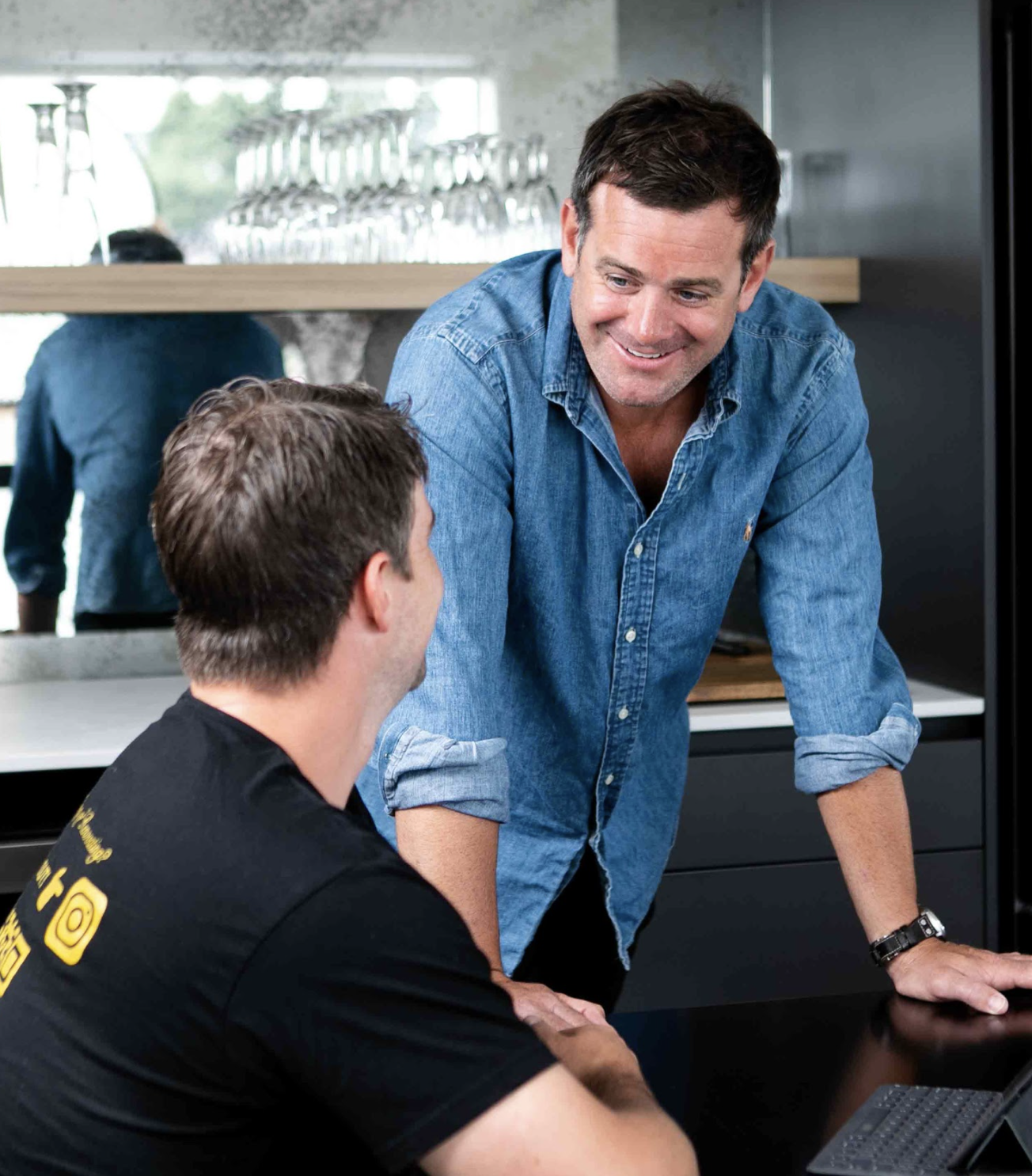
Brent Stewart solves puzzles, but not jigsaw-shaped ones. His puzzles are building-related: tricky sites, leaky homes, renovations and opportunities to add value.
The director of Stewart Construction says, “I love to use property to help people achieve their goals in life. It's always worth taking a few steps back to look at the bigger picture before deciding what to do with your home. If you overcapitalise, you’re soaking up money that could be used elsewhere, like for your child's education, or to fund another property to increase your financial freedom."
The property pictured here presented its own challenges. A steeply sloped site at the end of Wharf Street in Tauranga, it was a feat of engineering to build four high-end apartments here while maximising the magnificent view across the Waikareao Estuary. The result is beautifully finished and feels luxurious. But “We're not any more expensive than anybody else,” says Brent. “We just work really smart.”
Another of Brent’s clients had a three-bedroom home they wanted to renovate and retire in. They felt they needed to pull most of the house down, which saw the cost creeping above their budget, so Brent suggested subdividing, taking the top off the existing dwelling and using it to create one built on piles on the newly created section. The inspiration for that kind of creative thinking came from the success of his own home. He and his wife/business partner Milly had bought an unremarkable property on Marine Parade, and rather than demolish it, he relocated the second storey onto their kiwifruit orchard. The renovation and sale of the orchard and its new home funded the construction of their now award-winning beach house, which has garnered national press.
Brent is originally from Cromwell, and Milly’s from Otorohanga; together they’ve made a home in Tauranga with their children Rocco (12) and Tulsi (9). They started Stewart Construction in 2007. Despite a recession looming, they carved their way through by becoming recladding and leaky-home specialists.
"I hired five people right from the start to support our clients through the increasing number of homes with weathertight issues,” says Brent. “Our team has grown, but I’ve been very careful to make sure everyone’s an expert in their field."
With 23 years of experience, Brent sees the big picture as creating value and capital for his clients. The straight shooter works closely with his foremen Dylan Hone and Johnny Mills and an extensive trade network to deliver each job to the highest standard.
"I’m looking to help my clients add value to their homes by making the right decisions regardless of whether the market goes up, down or sideways,” says Brent. Just las you’d go to a stockbroker or financial advisor for advice on how to maximise your earnings, going to Stewart Construction for property guidance will help you grow the value of the asset that, for most of us, is the biggest we’ll ever own.
“The best time to come to talk to us is before you've started drawing and designing,” says Brent. "That way, we can spot potential solutions before you've invested anything. By thinking bigger than just the four walls of a home and with your best interests at the core, the answer isn't always conventional. I feel really good when I think of the successes our clients have had."
Brent lights up again as he starts to run through some of the ideas he has for the beachfront site he and Milly are about to start building on. Then he’s off to solve another puzzle.
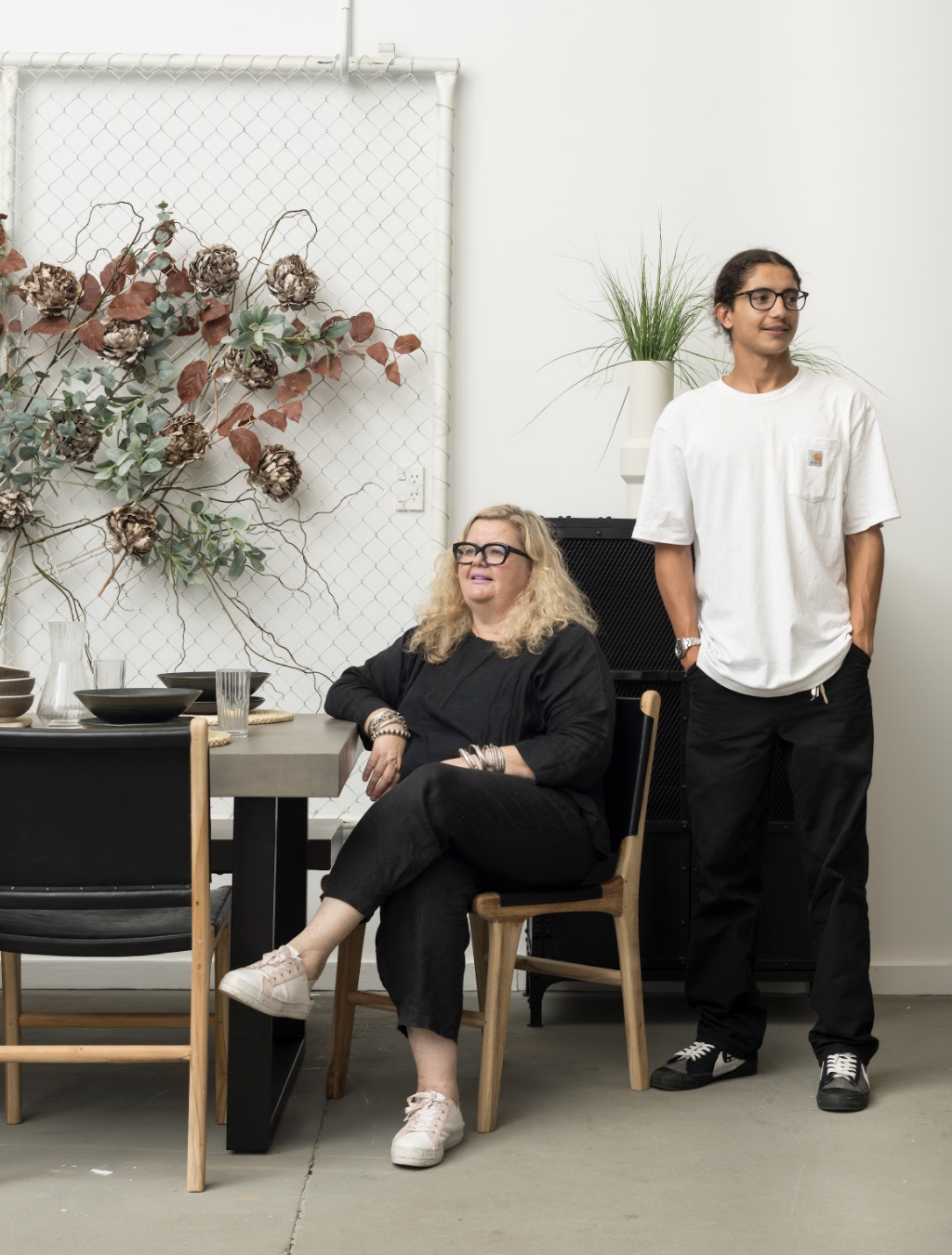
How this mother-son homewares store found a new direction after devastation
At 5am on a Saturday morning, the phone rang; unanswered, it rang again. Then again. Sandy Crooks finally got to it. “I heard a pre-recorded message saying, ‘This is Tauranga Fire Brigade. Please attend immediately. 7 Clarke Road is on fire.’
Starting afresh, Sandali Home is once again brimming with treasures.
WORDS Nicky Adams PHOTOS Jahl Marshall
At 5am on a Saturday morning, the phone rang; unanswered, it rang again. Then again. Sandy Crooks finally got to it. “I heard a pre-recorded message saying, ‘This is Tauranga Fire Brigade. Please attend immediately. 7 Clarke Road is on fire.’ And my heart – it just sank into my stomach,” Sandy says. “I threw on a sweatshirt and raced down there.”
Sandy initially assumed that Clarke Road Kitchen Eatery, her cafe based at Te Puna Village, was the premises on fire. But upon arriving at the scene, she realised that it was actually Sandali Home, the furniture and homeware store she co-owns with son Ali Mohammed.
This was just over a year ago, and the loss to the business was devastating. When Ali awoke to the news that Sandali Home had been decimated, he was “overcome with emotion.” Together, he and his mother Sandy had spent three years building up a successful store and, in a flash, it was gone.
The fire had started in a neighbouring premises and spread to Sandali Home, which was engulfed in smoke. Surveying the aftermath, Ali remembers, “I knew straightaway that it was going to be a case of starting from scratch.”
However, the ensuing onset of COVID-19, lockdown and travel restrictions have made this an epic journey that neither Ali nor Sandy could have imagined.
When the entrepreneurial pair first toyed with the idea of opening up a homeware store, it wasn’t the wildest of leaps. As Sandy says, “I had always dreamed of being an importer, and at my previous café, Delicacy in Eleventh Avenue, I introduced some of the lovely artisan home pieces that I adore.”
Ali, on the other hand, has grown up in a multi-cultural family (his father is Egyptian) and home was a reflection of travels and an appreciation of beautiful artefacts. He is a naturally warm person with a love of interior furnishings; together, Ali and Sandy realised they could create something really unique.
Throw into the mix Sandy’s acquisition of a new café situated opposite the premises, and the vision became reality: Sandali Home would not just be a store, but a destination.
Post-lockdown, however, it became clear that the way Sandali Home had previously sourced its stock would have to evolve. Shopping trips to rural Indonesian villages to handpick locally crafted treasures were – for now – on hold.
The 10 months it took to rebuild the store gave the pair time to plan the new direction for Sandali Home. It was imperative that they stay true to their original vision of unique, quality pieces, but the place they found themselves in slowly became even more exciting. Sandy, always positive, points out, “We have been able to take the stock in the direction that we were naturally heading towards – clean, simplistic, uncluttered, with neutral colours.”

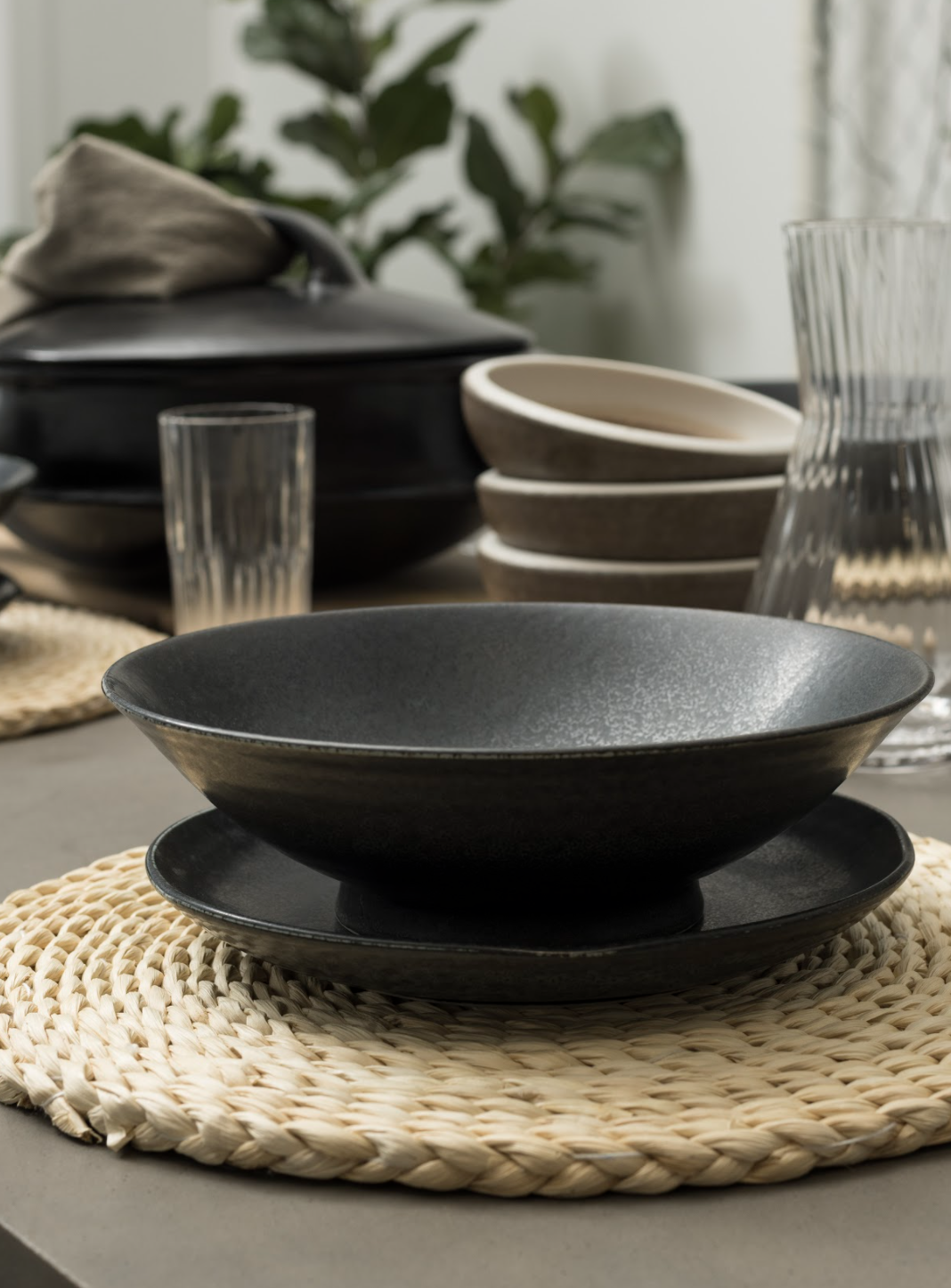


Ali agrees. “We had seen exactly what people loved and we work to that. We’ve also expanded our gift range; customers often come looking for something really special but don’t want to travel further afield. Our beautiful handmade Japanese ceramic range, for example, has been flying.”
Buoyed up by the phenomenal support of the existing clientele who were thrilled to see them reopen, and excited about new customers, Sandy and Ali are quietly confident they have hit their stride.
As a result, Sandali Home has reemerged as a sleeker, more evolved version of its original, lovely self. The emphasis is still on the desire to support artisans and helping their clients to shop sustainably. They are still sourcing beautiful, hidden gems – always, as Ali says, “hunting and gathering”.
7 Clarke Road, Te Puna
07 552 4556

That’s lifestyle
A forward-thinking development on the cusp of Mt Maunganui and Papamoa brings together two unique destinations to redefine not just the way retirement villages look, but the whole concept of retirement itself.
A forward-thinking development on the cusp of Mt Maunganui and Papamoa brings together two unique destinations to redefine not just the way retirement villages look, but the whole concept of retirement itself.
WORDS Andy Taylor PHOTOS Jahl Marshal
Pacific Coast Village and Pacific Lakes Village are in prime locations close to the spectacular Bay of Plenty coastline. The setting is consistently voted one of New Zealand’s top beachside holiday spots, but these residential properties don’t just rest on the laurels of location, location, location. Instead, they’re creating an entirely new retirement experience as part of the Generus Living Group, who’ve built an unrivalled reputation since the 1980s for creating some of New Zealand’s most respected lifestyle villages.
Already an admired destination, Pacific Coast Village is a place people are proud to call home. As manager Carl Braddock says, Pacific Coast’s model isn’t based on the outdated concept of a ‘retirement home’ but is firmly rooted in hospitality. “Our team and our thinking come from a hospitality background, so we aim to offer something with a very different feel – something more like a resort, with lounges and eateries you’d be happy to visit and invite friends to visit,” he says.
It’s a concept that has very much found favour with locals. Many service clubs have gatherings here, and Pacific Coast’s The Grill Brasserie was voted 2019’s Restaurant of the Year by the Tauranga Beefsteak & Burgundy club; it’s a favourite among families in the area.

Given the Village’s setting and facilities, it’s easy to see why. The centerpiece Beach House Community Centre houses the brasserie, an eatery and a lounge; a club lounge bar; study, craft and activity rooms; a hair salon and spa treatment room; and a movie theatre. Taking design cues from the classic Kiwi beachhouse, the Summer House is home to a lounge and library area complete with fireplace and television, pool table, bar, kitchenette and dining space. Immaculate grounds, a pool, spa and gardens complete the picture, all backed up by the kind of elevated care that’s nice to know is there but doesn’t get in the way of enjoying life.
“I really think we’re doing something ahead of the curve here,” says Carl. “We run everything on a style and service level of 4 to 4.5 stars, while also offering advanced care. In March, we’ll add to this when construction of our Hikurangi independent apartments begins – these will offer a bit extra for residents who need some more help around the home and will even feature concierge-delivered vehicles for independence. This is a really active place – and we’re here to make sure residents get the most out of what this great location and community has to offer.”
This leading of the curve is echoed at Pacific Coast Village, which has state-of-the-art facilities and a true focus on wellbeing and community spirit. “We really set out to ask the question: ‘What is retirement living?’ and we’ve made a conscious decision to meet the needs of residents rather than have them adapt,” says manager Mark Vincent. “This worked very well – so much so that we’ve had visitors here ask, ‘Where’s the retirement home?’ when they’re standing in the middle of it!”
It’s an easy mistake to make. Pacific Lakes Village is fantastic, with buildings and facilities that merge with the coastal setting and park-like grounds, and come together to offer so much more than just somewhere to live. With the next stage of construction already underway, there is even more to come.
“Assisted living is the point of the village, but it wasn’t the starting point,” says Mark. “The model is to provide an active living lifestyle; it’s not just about ‘retirement’, because the generation that’s coming into that part of their lives isn’t stepping back from life, they’re starting again, and we’re here to make sure they make the most of that.”

The embodiment of this approach ranges from not just the more expected elements – such as great accommodation, man-made lakes and on-site restaurants and cafés – but to facilities not usually seen in retirement villages of old. “There’ll be a market garden, commercial glasshouse and climate-controlled growing house, and a variety of fruit trees scattered throughout, enabling residents to grow their own produce and connect with their surroundings,” says Mark. “In addition, the Lake House – which will be the focal point for the village and completed in 2021 – will have sweeping decks, a barbecue area, a bowling green and the like, and it’ll be operating off the grid, with solar power and a rainwater recycling system.”
Like Pacific Coast Village, Pacific Lakes Village is an active part of the local community. “This is a great location, close to the beach and shops but not isolated, so residents are still able to enjoy the city and the coast, and keep in touch with friends and family,” says Mark. “It’s a great lifestyle, a home away from home but with extra care there when you need it.

Life & soul
These furniture and homeware finds from interior designer Nicola Travis are a little bit boho and a lot less ordinary.
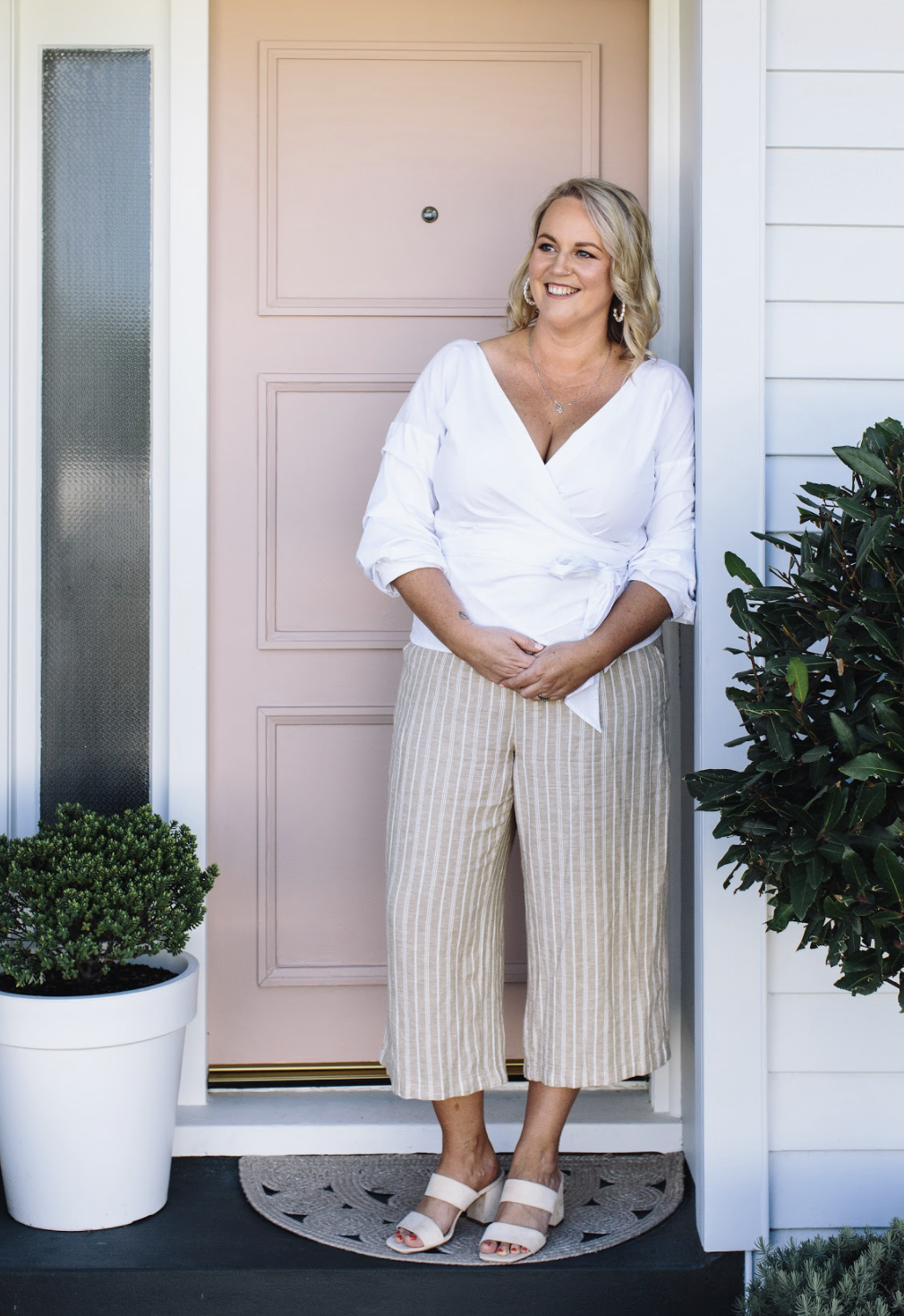
THE EXPERT - Nicola Travis
Nicola has a passion for creating inviting spaces by combining fresh whites with pops of personality in a way that’s unique to you. “It’s important to me not only to make your home beautiful and cohesive but also to shape your décor so it truly reflects your personality. Giving your house some soul will take it from ‘show home’ to ‘your home’.
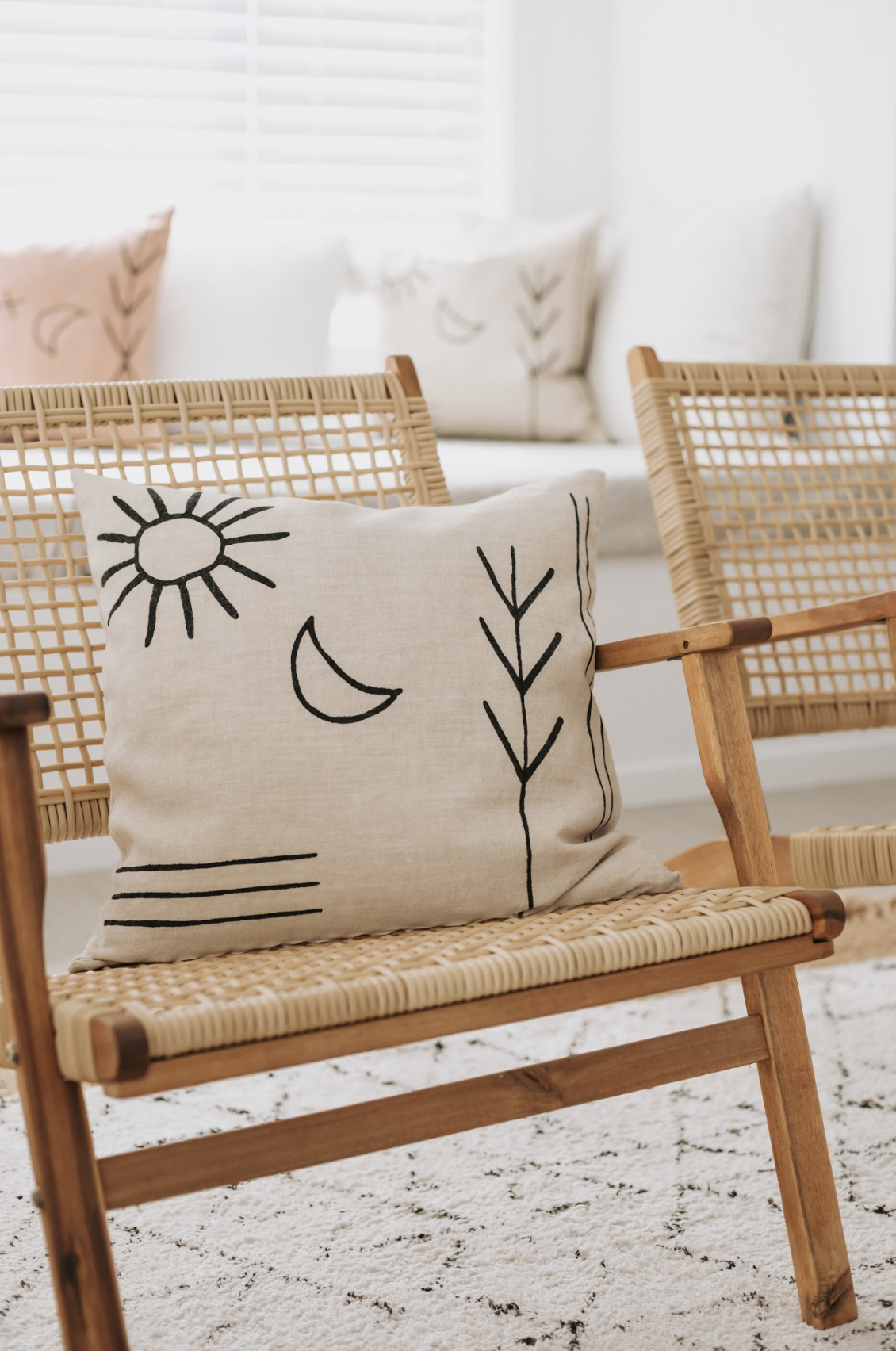
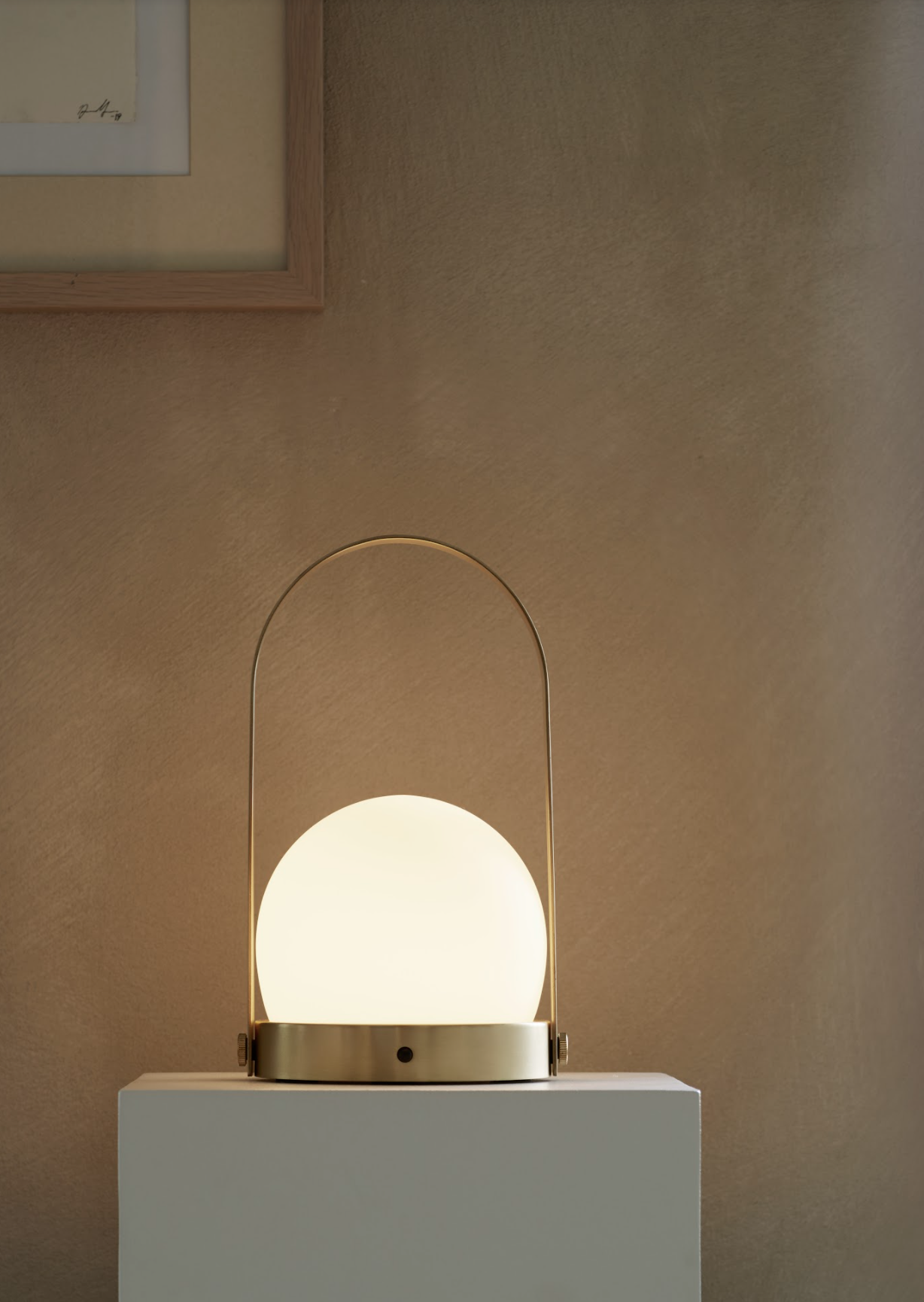
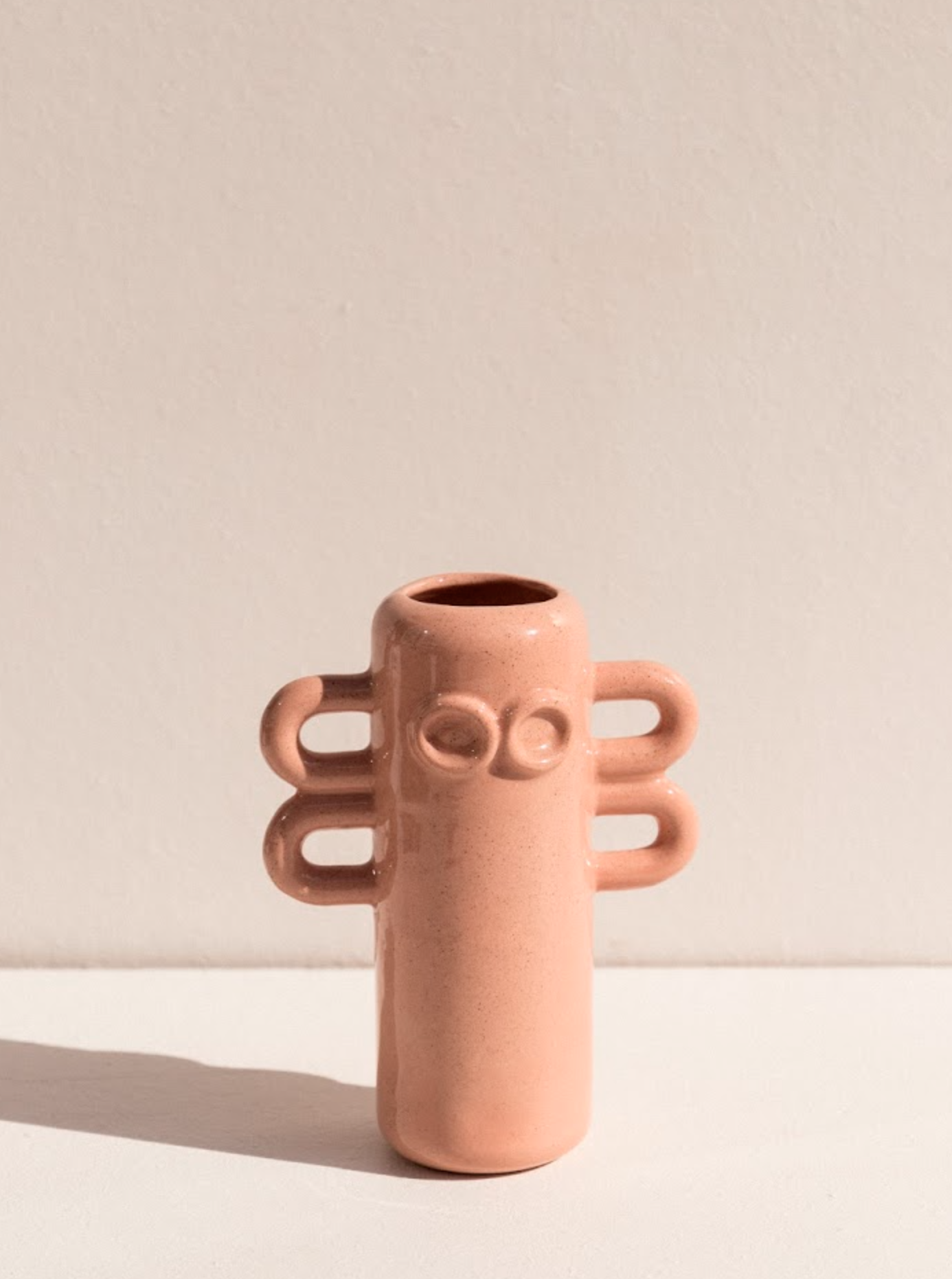
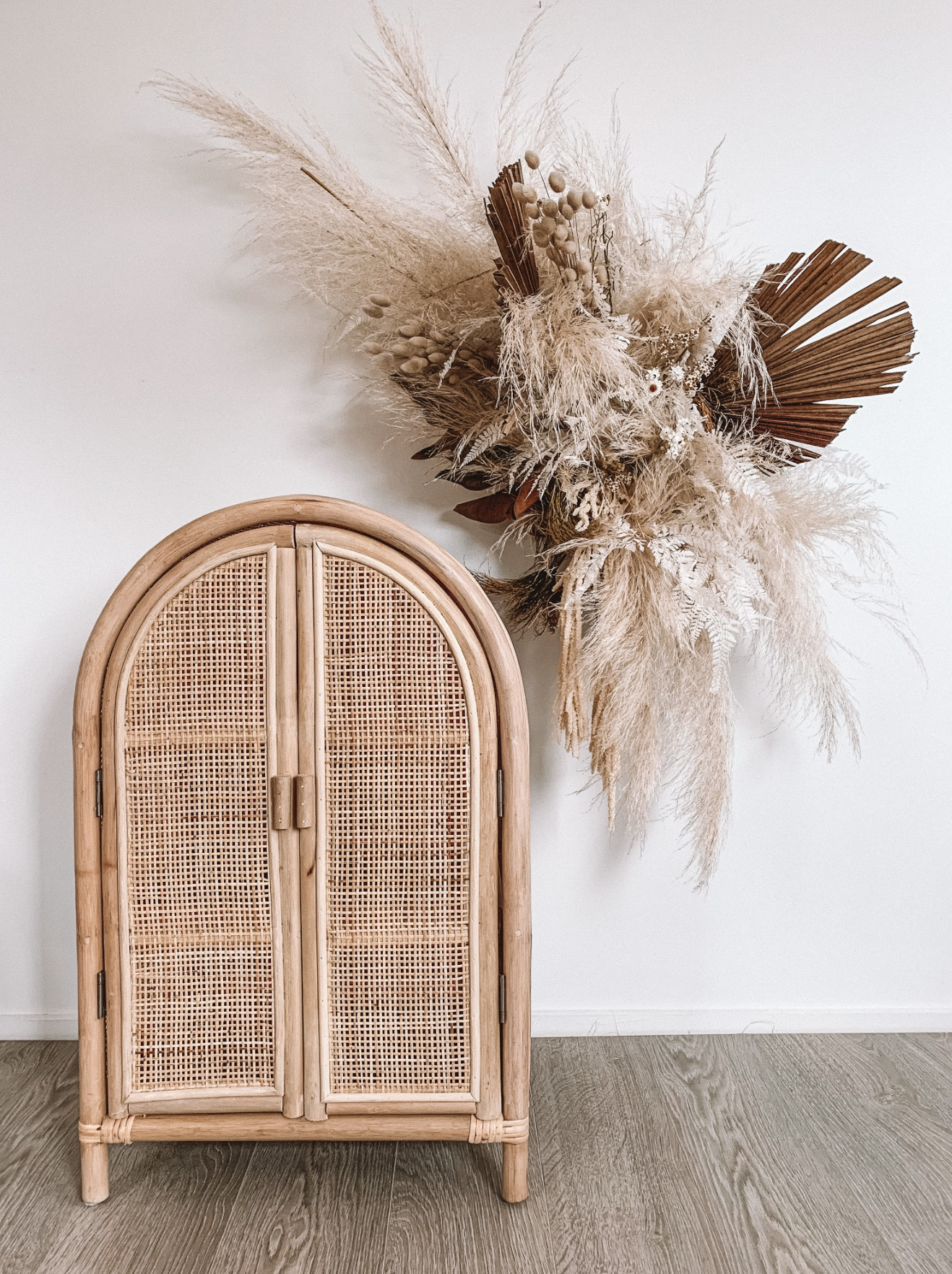
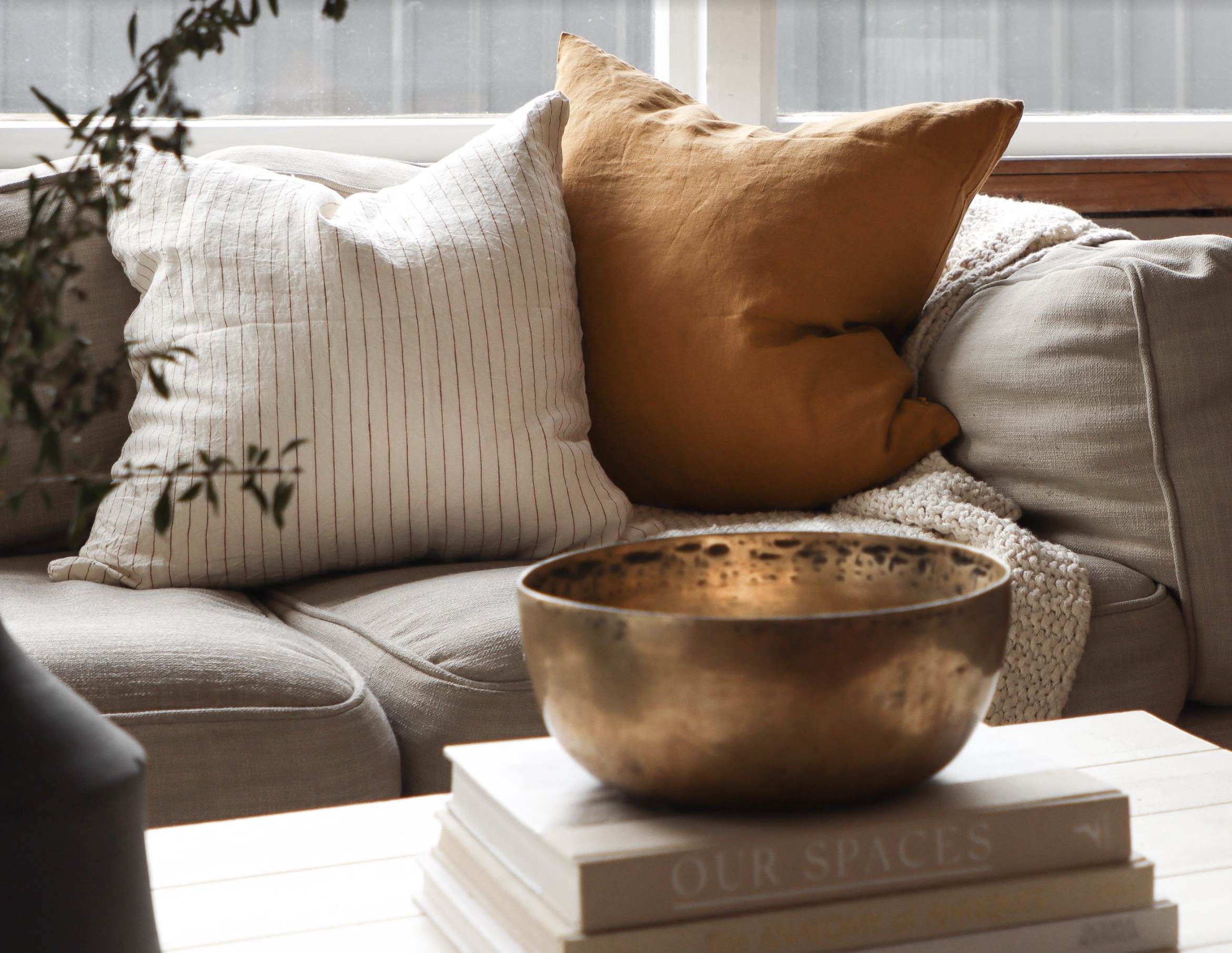
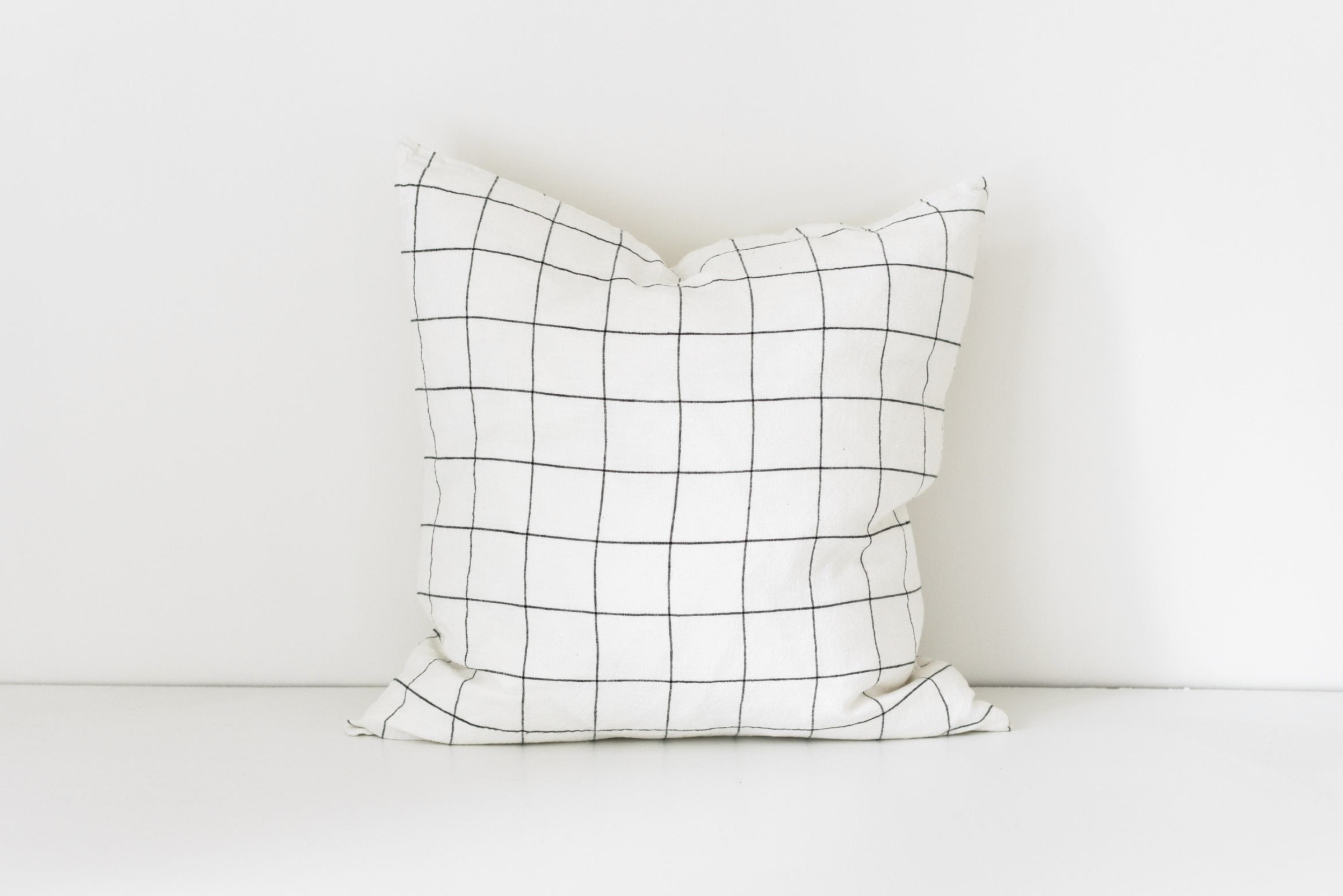
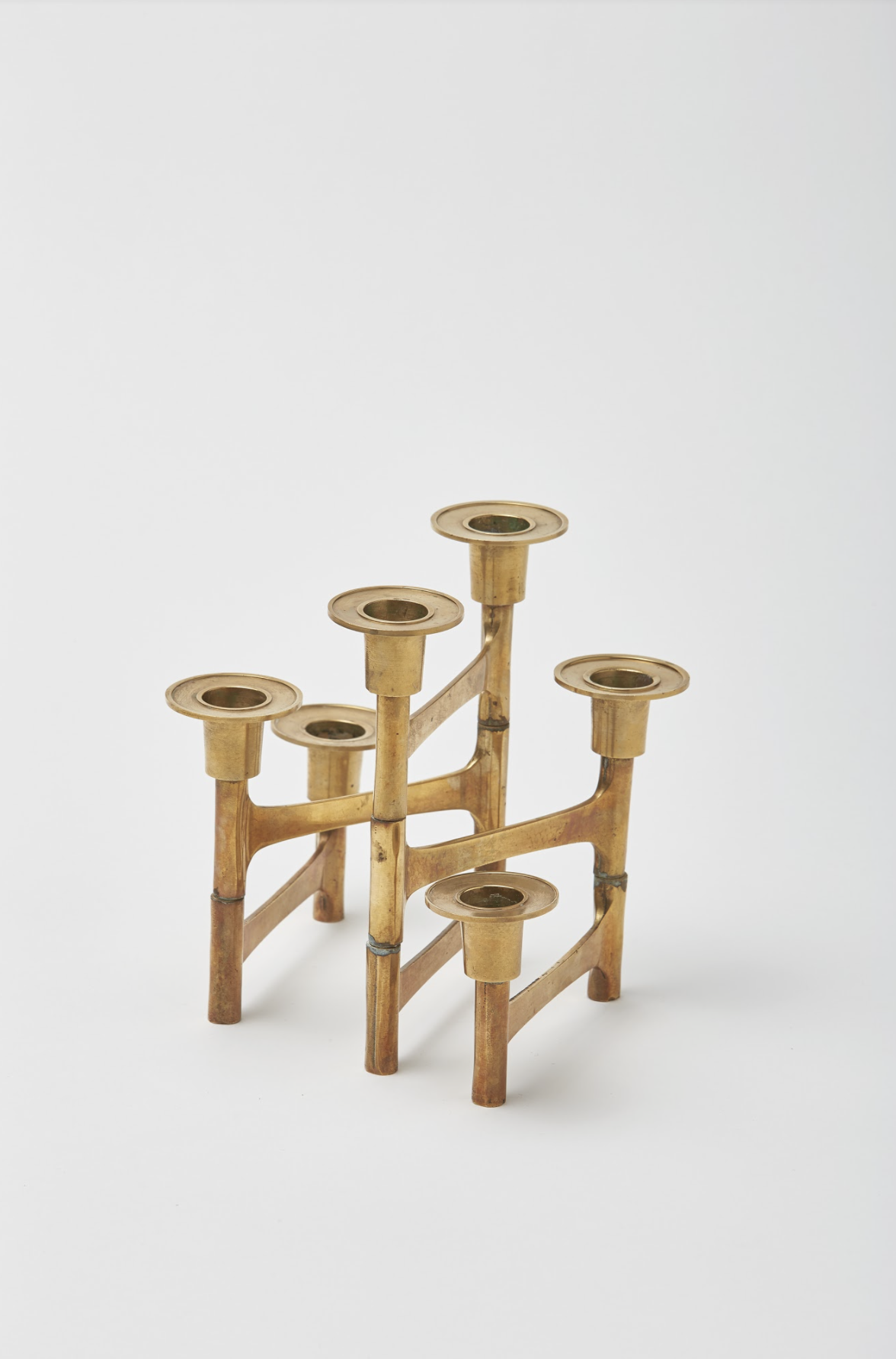

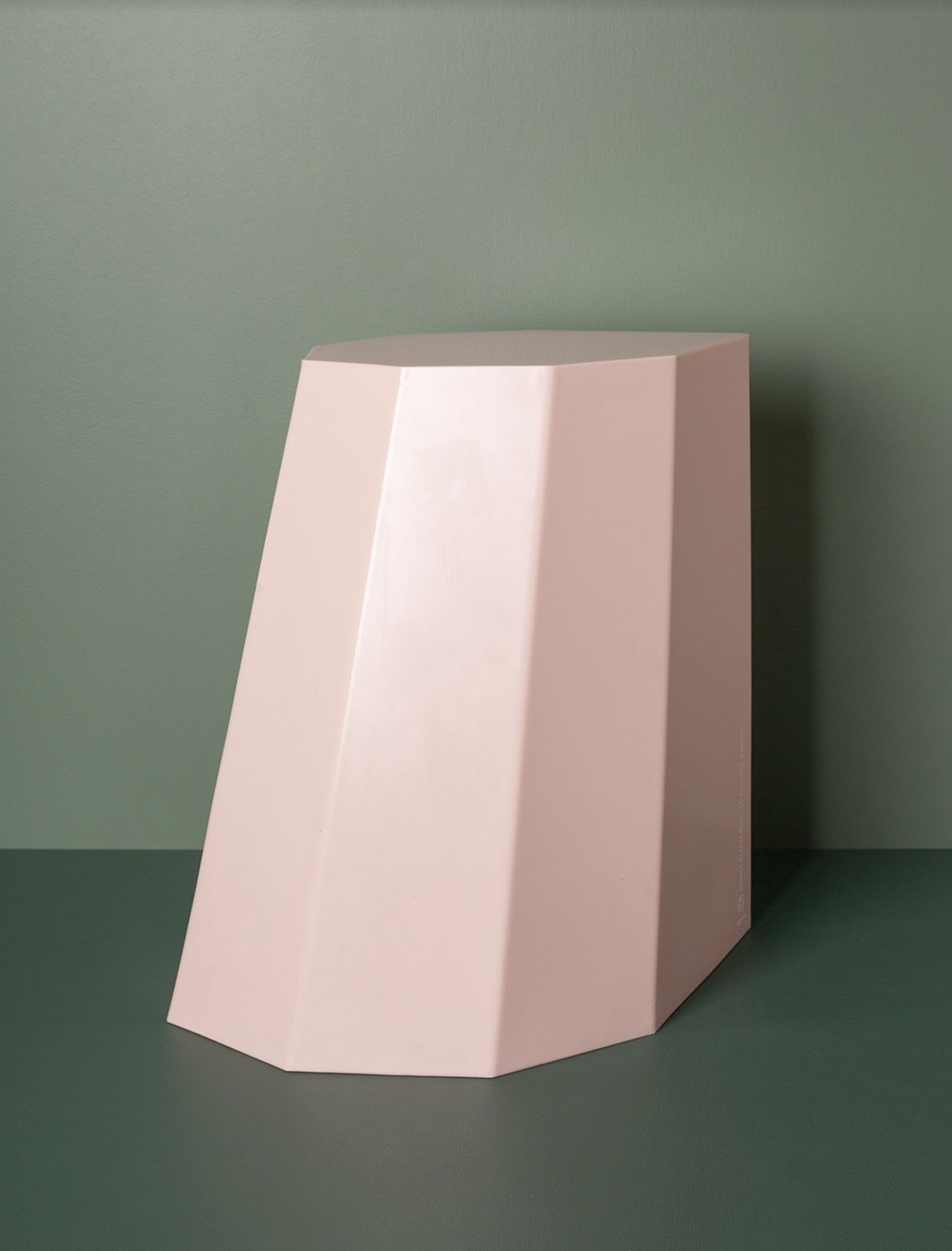
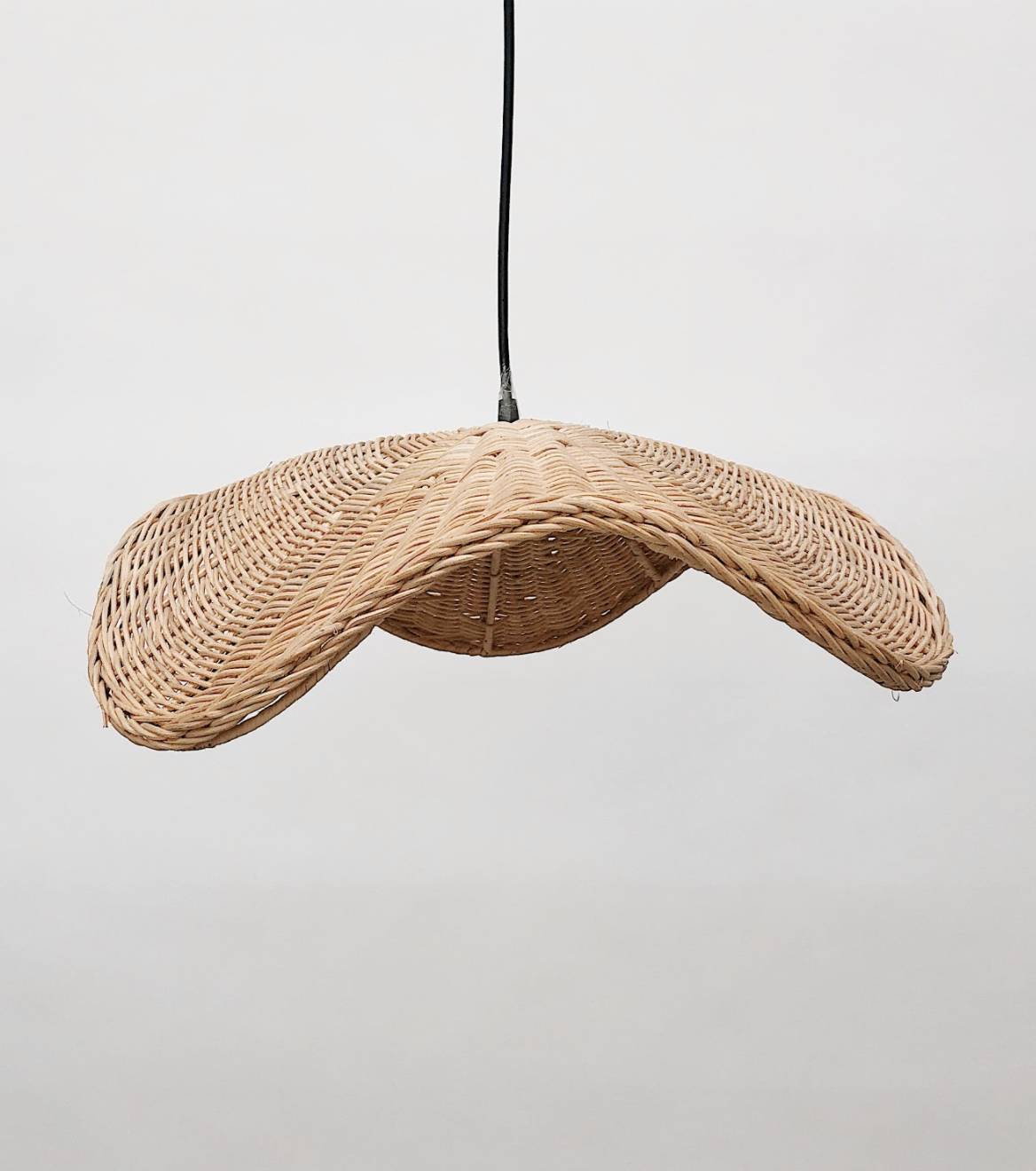
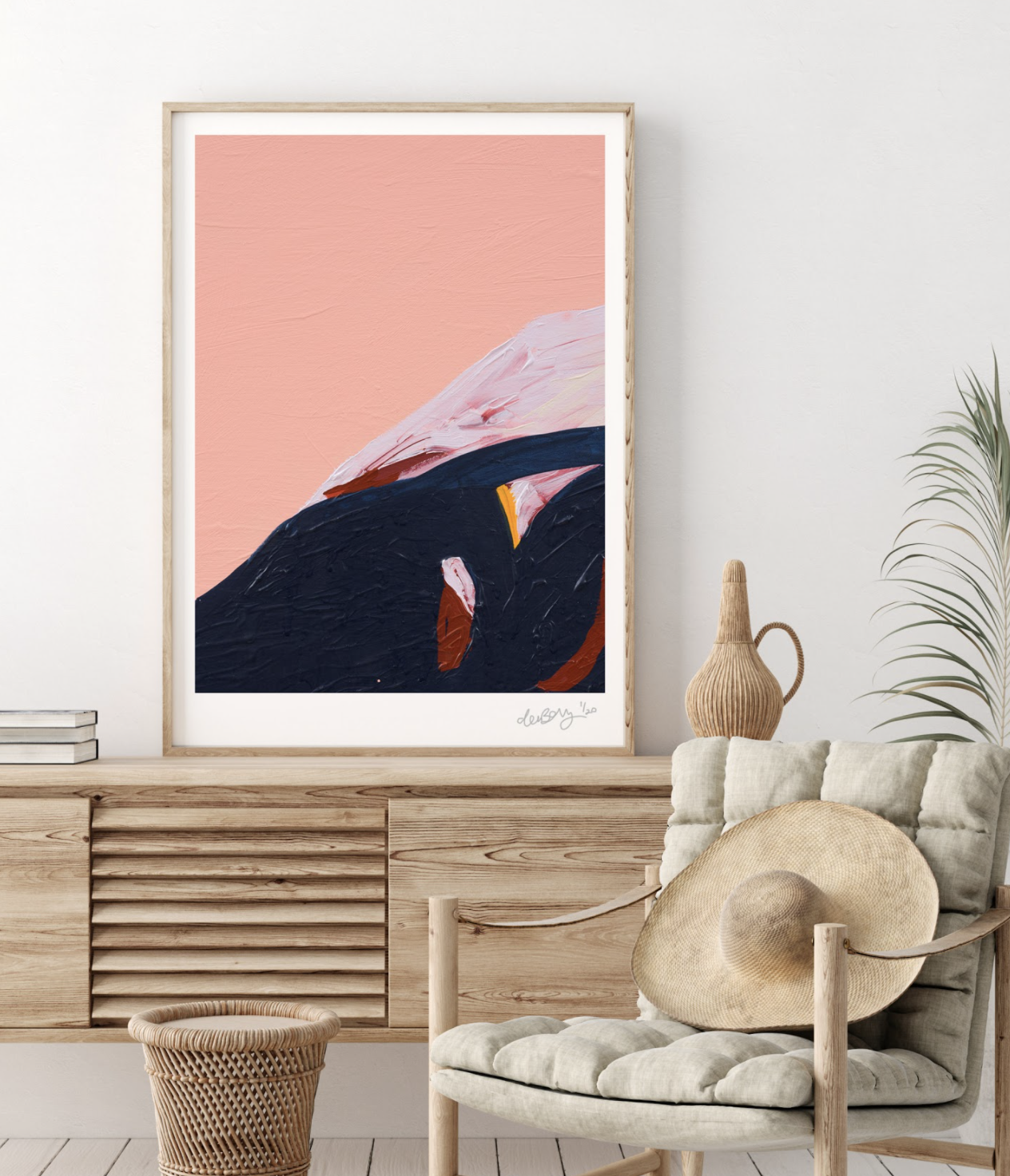

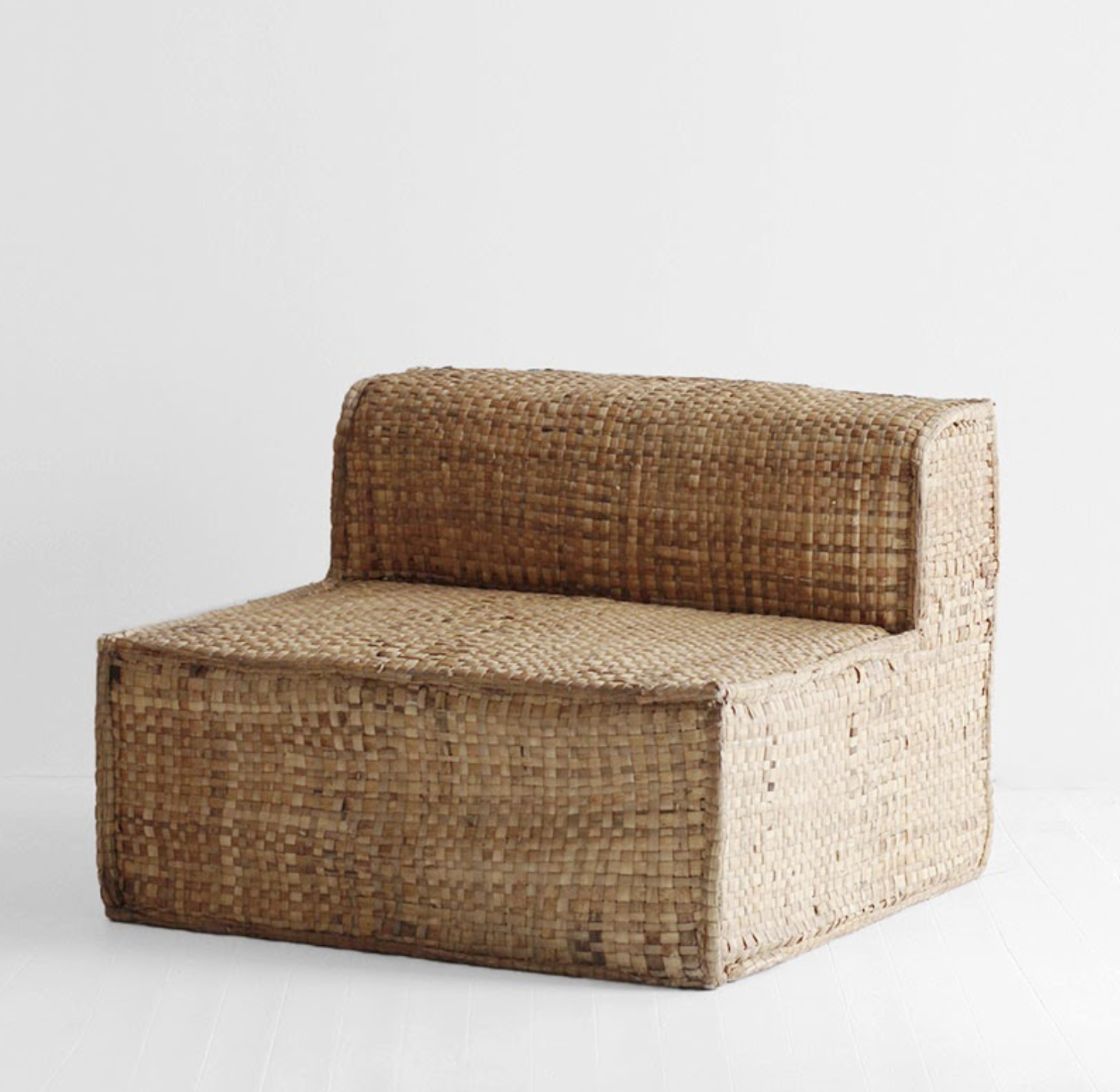


These furniture and homeware finds from interior designer Nicola Travis are a little bit boho and a lot less ordinary.
WILDE THE LABEL 2. Menu Carrie lamp by NORM ARCHITECTS from PAPER PLANE 3. Interiors expert Nicola Travis 4. Small totem vase by ABS OBJECTS from MAKERS MRKT 5. Archer cabinet by INKAH 6. FOXTROT HOME 7. Grid cushion FOXTROT HOME 8. Vintage brass candleholder from FOURTH STREET HOME 9. Watering can by ZAKKIA from FLUX BOUTIQUE 10. Arnold Circus stool by MARTINO GAMPER from EVERYDAY NEEDS 11. Wabi lightshade by BOHÈME HOME 12. Mauao print by ALICE BERRY 13. Stoneware leaf vase by A&C HOMESTORE 14. Jaxon Lounger by A&C HOMESTORE 15. Ferm Living by A&C HOMESTORE 16. Nicola Travis

The art of architecture
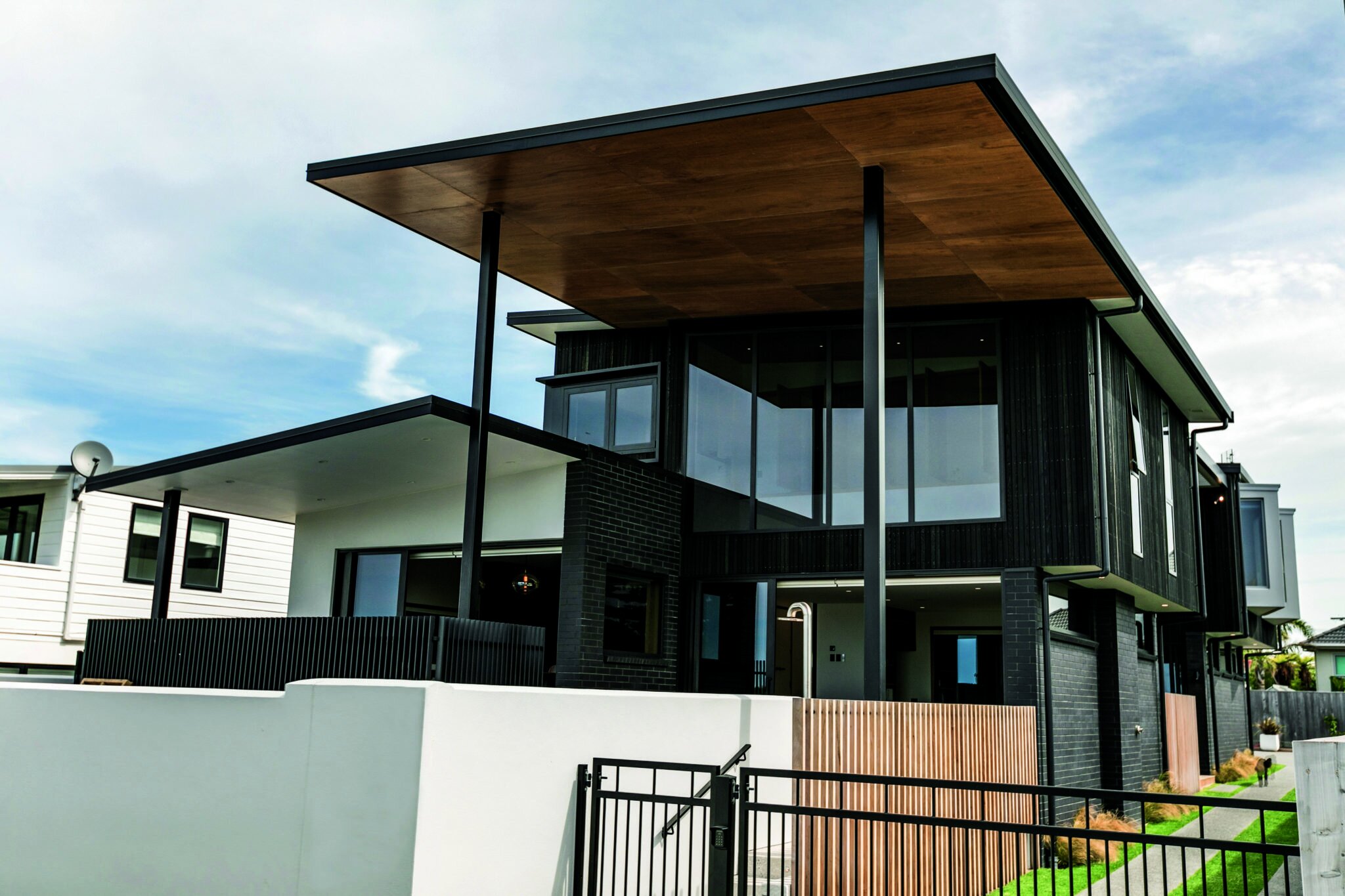
In-demand architect Camden Cummings talks about his grand designs for homes in the Bay of Plenty.
WORDS DANIEL DUNKLEY / PHOTOS SALINA GALVAN
In-demand architect Camden Cummings talks about his grand designs for homes in the Bay of Plenty.
For Tauranga architect Camden Cummings, designing a home is all about marrying the “pragmatic” with the “poetic”. Sure, a home needs the right number of rooms, a big enough kitchen, and space for your cars, but it also needs somewhere for those moments with the family, a spot to relax and read a book, or a deck to take in the view.
“Architecture isn’t just pragmatics, it’s an art of pulling different elements together,” Cam says. “Good architecture stands apart as it creates special spaces. A home is a container of your memories. It’s where you retreat from the world. You spend so much time there, so you need it to feel special.”
On Marine Parade, Cam has combined the pragmatic and poetic to great effect. A new home on the Mount’s most exclusive street has fellow architects talking, and Cam’s business, Cummings Studio Architects, recently won an NZIA Waikato Bay of Plenty Architecture Award for the split-level property overlooking Mount Maunganui’s main beach.
The award marks a huge early win for Cam’s Tauranga-based company. Before forming his own business, Cam worked for a large national firm behind the concept for the redeveloped Tauranga Airport and Waikato University campus in Tauranga. Out on his own, Cam is keen to add further architectural interest to our cities and suburbs.
An artist and designer at heart, Cam has formulated ideas his entire life. Hailing from Waihi, he initially cut his teeth as a draughtsman, building up skills in technical software and design in New Zealand and Europe. He then spent several years in Australia, studying for a masters in architecture, later working on commercial projects in Melbourne and Brisbane.
After settling in the Bay of Plenty with his wife Peta – an interior designer – and two children, family homes are at the top of his agenda.
“Designing residential homes on a smaller scale is what I love,” he says. “It’s more meaningful working with mums and dads and families. With commercial projects, you’re two or three people removed from the decision-makers. I prefer a closer relationship.”

Cummings Studio Architects was established in 2017, and finished its first award-winning project last year. The grand design, nestled in the heart of Marine Parade, is private enough to feel tucked away from the street, but open enough to view waves crashing towards the beach.
It’s easy to see why the home has earned recognition. The lower floor is split into two sections: a kitchen and dining area with views of the beach, and a “sunken” private lounge. The property strikes the right balance between views and privacy; the front is framed by glass, but occupants in the upstairs bedroom can close things off with timber shutters.
“When we tackled the project, one of the biggest issues was the road,” Cam says. “How could we retain the view of the waterfront, and not make it a fish bowl? For privacy, the bedroom is often at the back of the plan. The client wanted the master bedroom at the front but also wanted to control their privacy. It was a simple solution for them, in the end.”
The Marine Parade house boasts a courtyard between two modern living quarters, and, once inside, people can view the full length of the property. Despite its size, the home doesn’t feel sparse or vacuous, but well-proportioned and warm.
Cam enjoys the challenge of meeting people’s demands, tackling the practicalities, and pairing it with his own creative vision. At the start of each project, clients write a brief and set a budget. Ideas are then pulled together, and cutting-edge technology is used to give clients a glimpse of their creation.
THE PROPERTY STRIKES THE RIGHT BALANCE BETWEEN VIEWS AND PRIVACY
Cam’s practice likes to design the bathrooms and kitchen joinery in his projects, to ensure that design intent is followed through. “These are smaller representations of the larger house, so are equally as important,” Cam says. He pays meticulous attention to detail to ensure cupboards, tiles, bricks and taps match the aesthetic of his design. Only “honest” natural materials are used for the finishing touches. “So many homes look like they’re designed by two different people –I don’t want that,” he adds.
Cam says realising a client’s brief and budget is the most important part of the job. When projects come together, as they have on Marine Parade, a happy homeowner is the most satisfying thing of all, he says.
“One of the nicest things is hearing from the clients at the end. “For me, that’s all it takes – to know they love the house and feel their expectations were exceeded, and that they have a special space to enjoy. As an architect, that’s the biggest compliment you can get.”

A good night in next to nothing.
Gregory Davidson from George Street Linen says to invest in the best bed linen, your body and your wellbeing will thank you for it.

Gregory Davidson from George Street Linen says to invest in the best bed linen, your body and your wellbeing will thank you for it.
Don't wear pyjamas. That's the advice from bed linen expert Greg Davidson at George St Linen in Whakatāne. He says if you invest in the most carefully sourced and woven sheets and duvet covers, then you don't want anything else on your skin.
Textiles for life
Gregory has been in textile design for 40 years in New York, Sydney, China, everywhere! He’s travelled the world supervising the production of textiles and design.
The textile centre of the world moved to China, so he lived in Shanghai from 2003 and supplied businesses like John Lewis and Macy's with their own branded linen. He’d been living in Shanghai with 25 million other people, and in 2018 visited Whakatane. “I thought, what a cute little town with no traffic lights! I fell in love with it and saw a 1920s garage for sale, so I bought it, filled it with beautiful bed linen, and here we are,” says Gregory.
Gregory’s guide to the best fibres when it comes to bedlinens:
Au naturel
I'm a great believer in natural fibres. We use cotton, linen, bamboo, wool and merino. The benefit is that they are all temperature regulating, keeping you warm in winter and cool in summer.
Cotton
Our cotton is a blend of American, Australia and Chinese. We spin the same cotton, one yarn, and we weave it in different waves. We use the same supplier of yarn as Calvin Klein uses for his underwear.
Percale
A plain weave with a smooth surface, so it's more likely to keep you cool at night.
Sateeen
There are more yarns on the face than on the back, so it's a buttery soft weave, giving a shiny effect that's very soft.
Cotton jersey
This is knitted on a circular machine. We do a reverse twist on every second yarn.
Linen
Our linen is Belgian. We like it because there is a low minerality in Belgian water that makes the linen very strong when it's processed.
I'm linen all the way, it's my personal favourite.
Merino
There are so many benefits with New Zealand-made merino, so I had a sample duvet cover made and slept in it. Total heaven, and very easy to throw in the washer and dryer. I think we are the only ones in the world, I haven't heard of merino duvet covers before.
Colours
We are seeing earthy colours like clay, olive, hazel, cypress. Mustard is being used as an accent, the shot of yellow is very popular.
See the full range at
16 George St, Whakatane
Sisters & Co, 208 Maunganui Rd, Mt Maunganui

Homes we love: a look back over 40 issues
Re-visit some of our favourite homes from the last 40 issues of UNO magazine.
Re-visit some of our favourite homes from the last 40 issues of UNO magazine.

Featured:
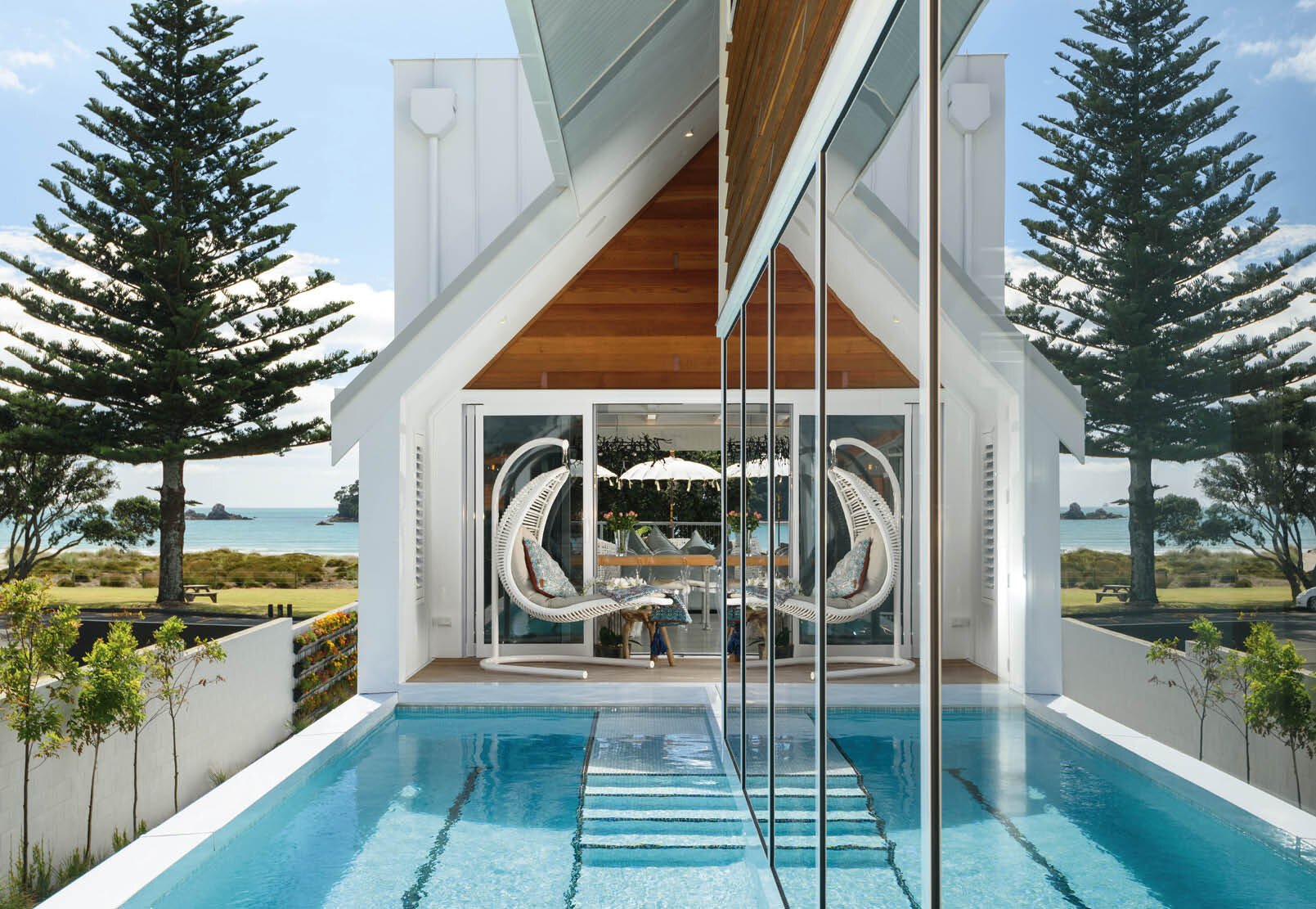
Designer: Jorgen Frandsen Location: Otumoetai, Tauranga Issue: 11, summer 2011
The owners needed a home they could work and live in, and one that reflected both the ocean and the industrial nature of the nearby Port of Tauranga.
Designer: Paul Jones Location: Tauriko, Tauranga Issue: 10, spring 2007
The main living areas in this Tauriko home boast a four-metre stud height, expansive polished concrete floors and customised stainless steel fittings.
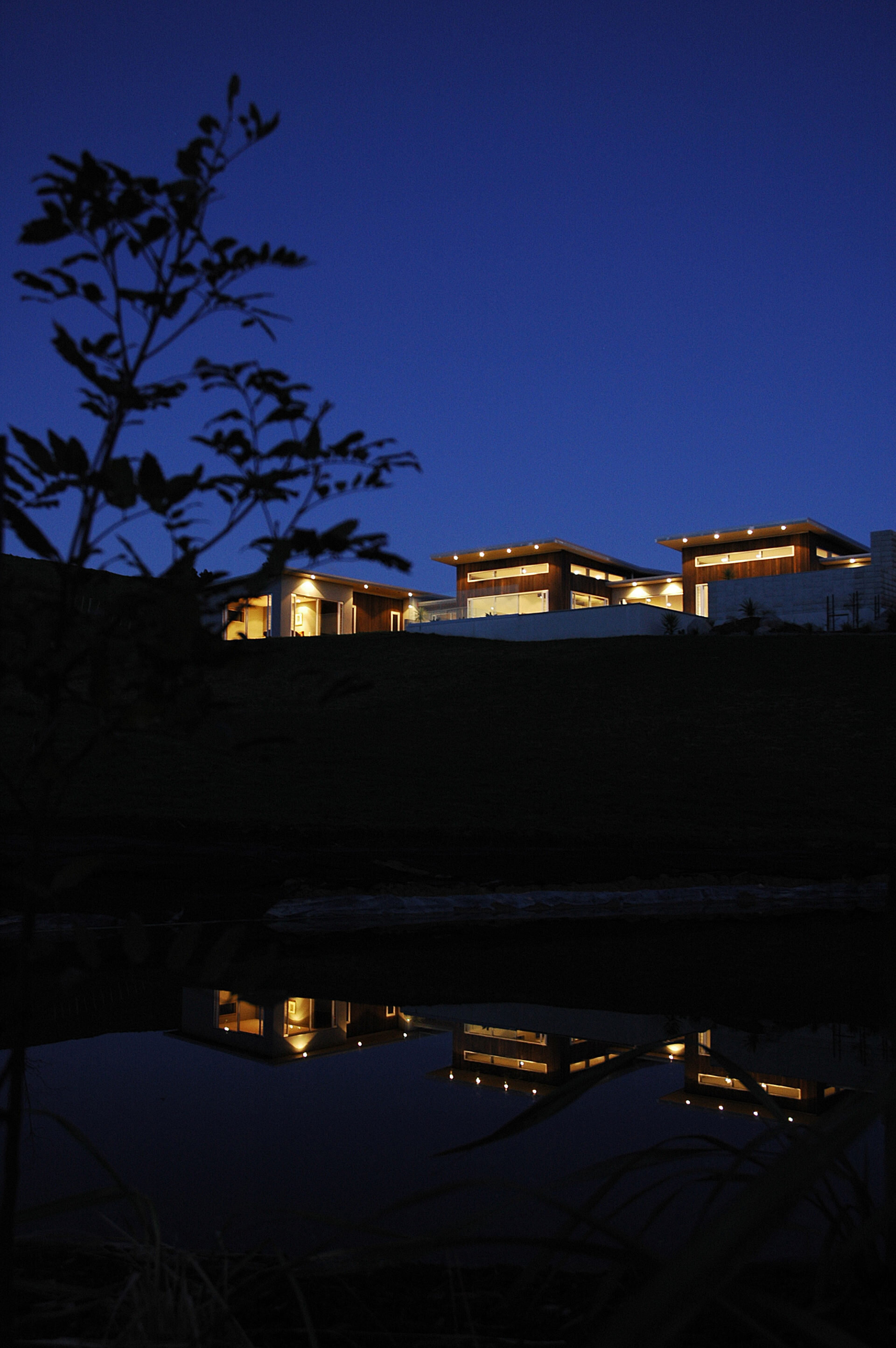
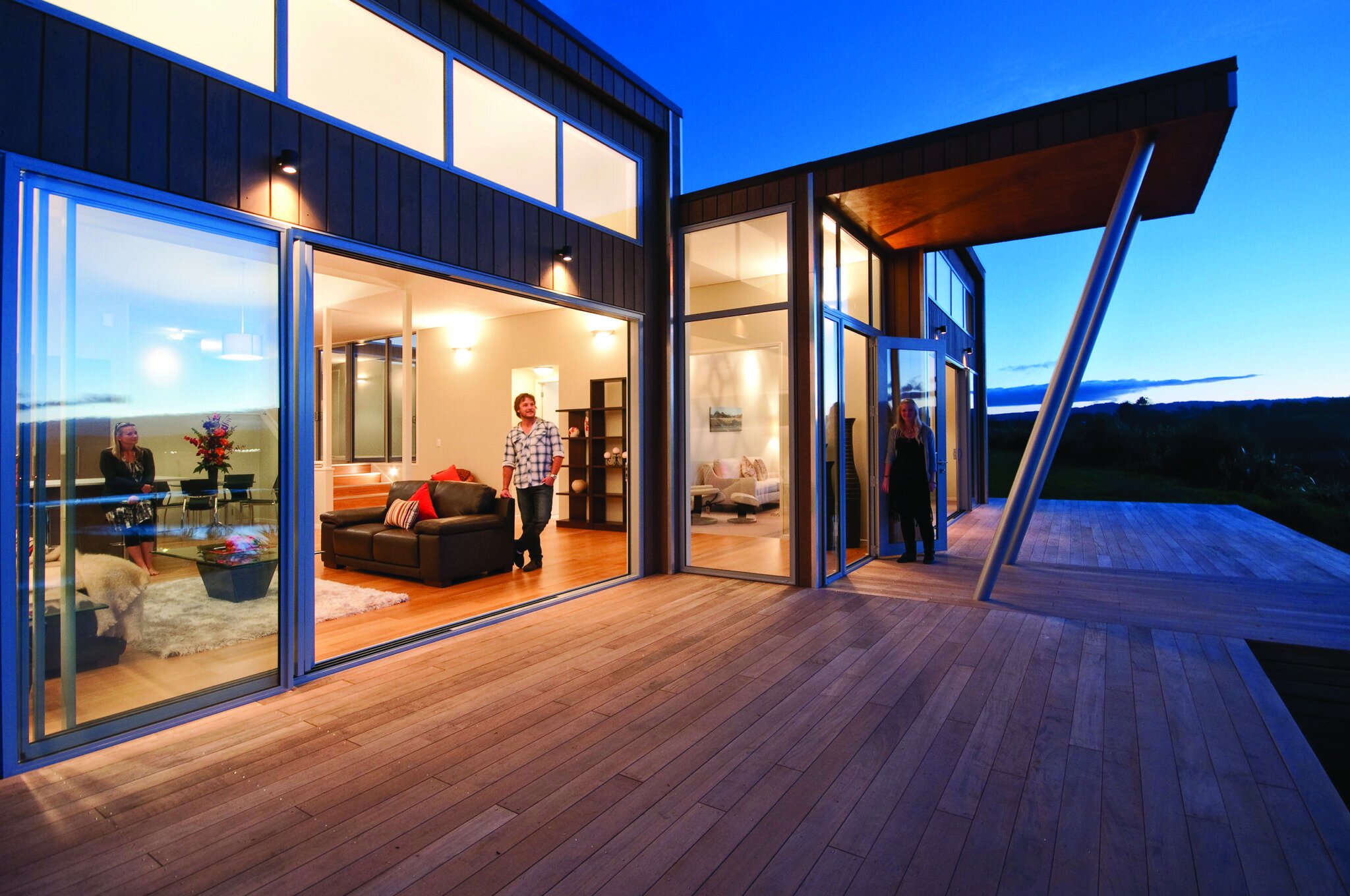
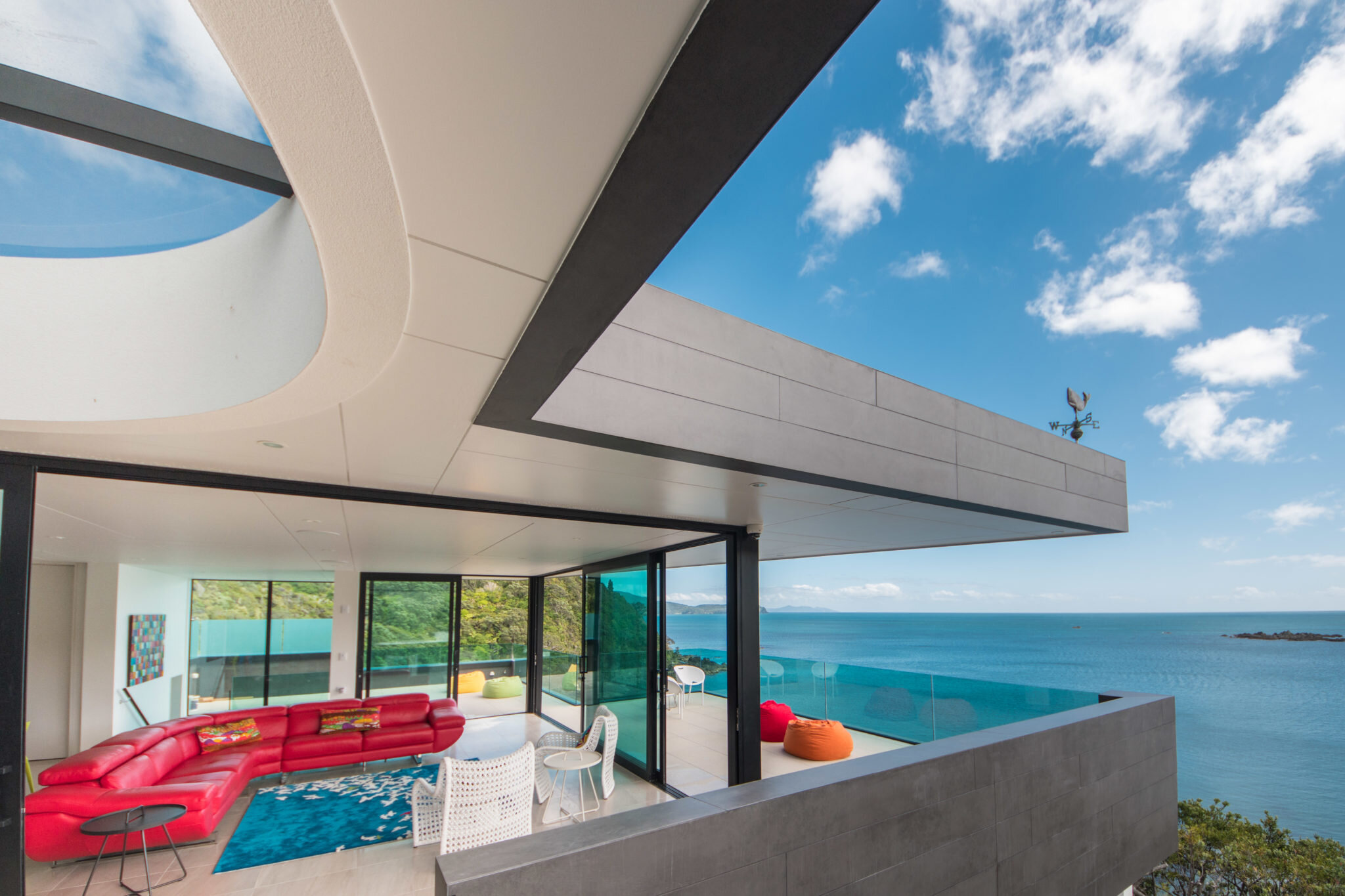
Designers: Jorgen Frandsen and Nick Chibnall-West Location: The Lakes, Tauranga Issue: 14, spring 2011
Inspiration is taken from the Californian Sea Ranch, and a desire for the dwelling to resemble a series of sheds, with columns like tent poles extending at either end.
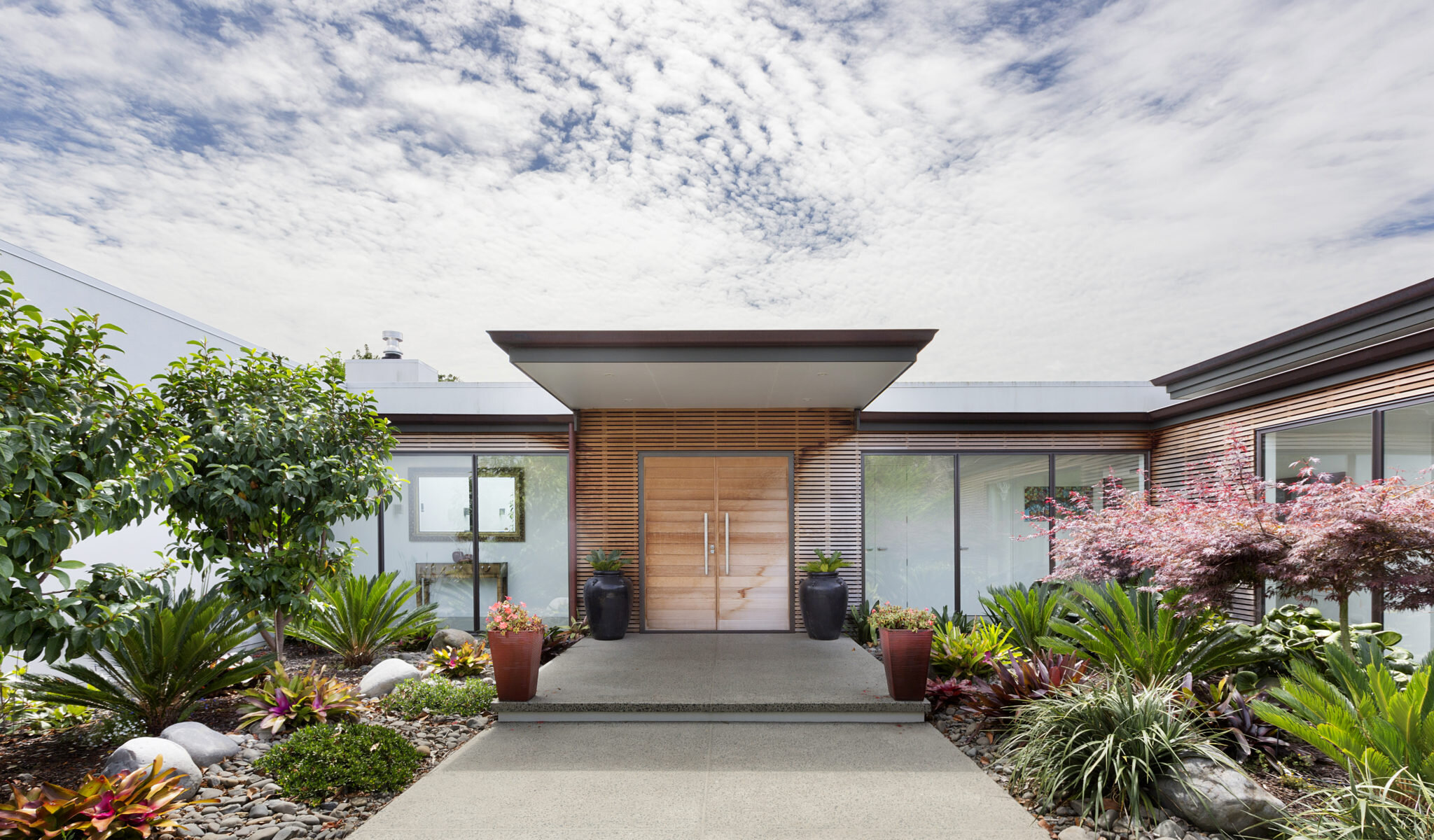
Architect: Steven Chambers Location: Tauranga Issue: 28, autumn 2015
This private oasis was conceived as a cluster of differing scaled pods that allow the landscape to ebb and flow around them.
Designer: Ambienti Architects Location: Ōhope Issue: 24, autumn 2014
This bach is nestled into 100-year-old pohutukawas on a hillside, looking out to the ocean at Ōhope. The brief was to recreate the feeling of the old bach which stood in its place: not in design or layout, but in its relationship with setting and the way the family used the home.
Designer: Will Tatton Location: Mt Maunganui Issue: 35, summer 2016
Will Tatton says that his job is a blend of many things: art, psychology and business. “I delve back into dreams and ideas, unpack them, and bring them back to life in a home.”
Designers: Creative Space Architectural Design Location: Coromandel Issue: 32, autumn 2016
Extensive interviewing and planning ensured the owners had a home which will never need to change.
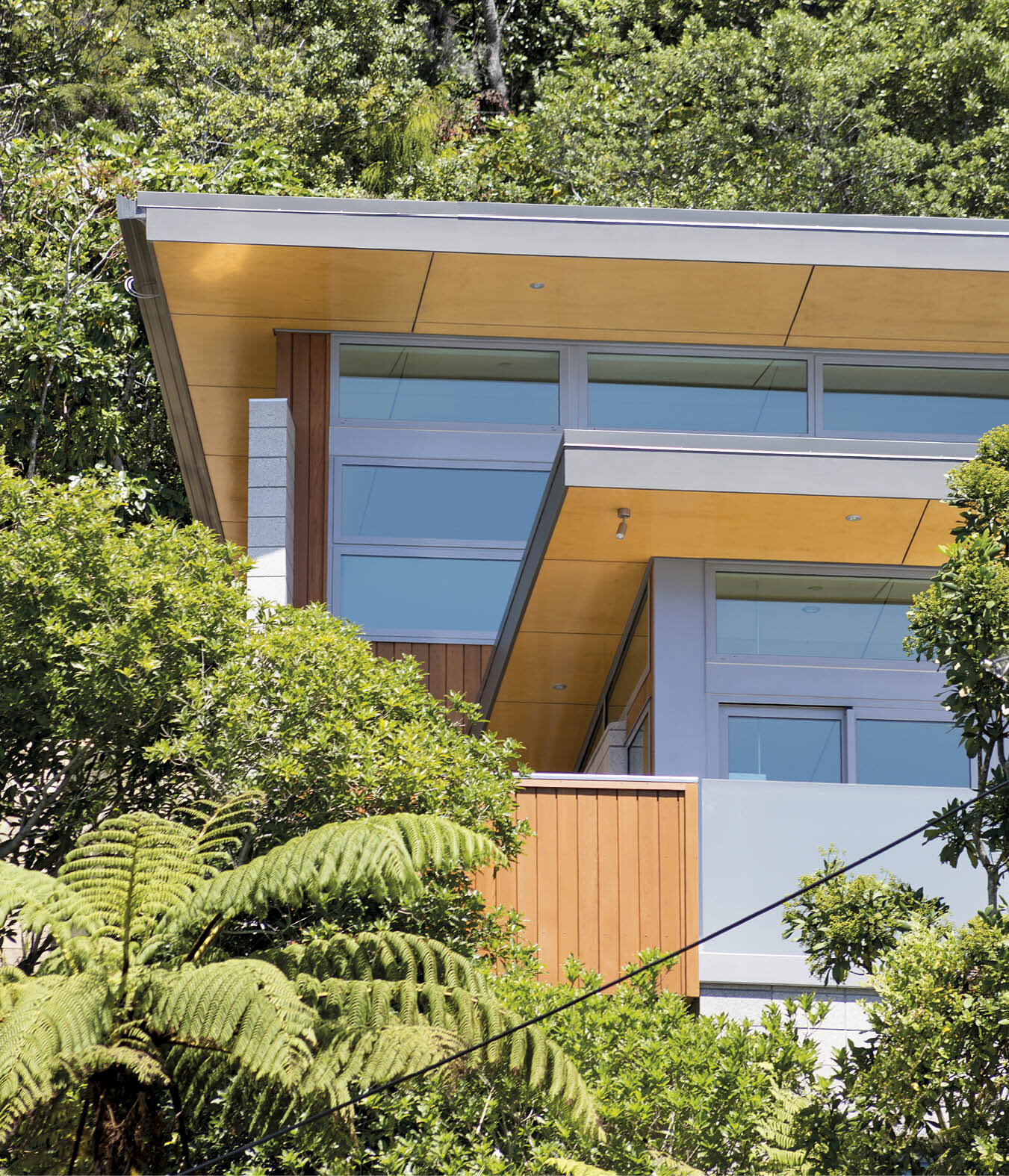
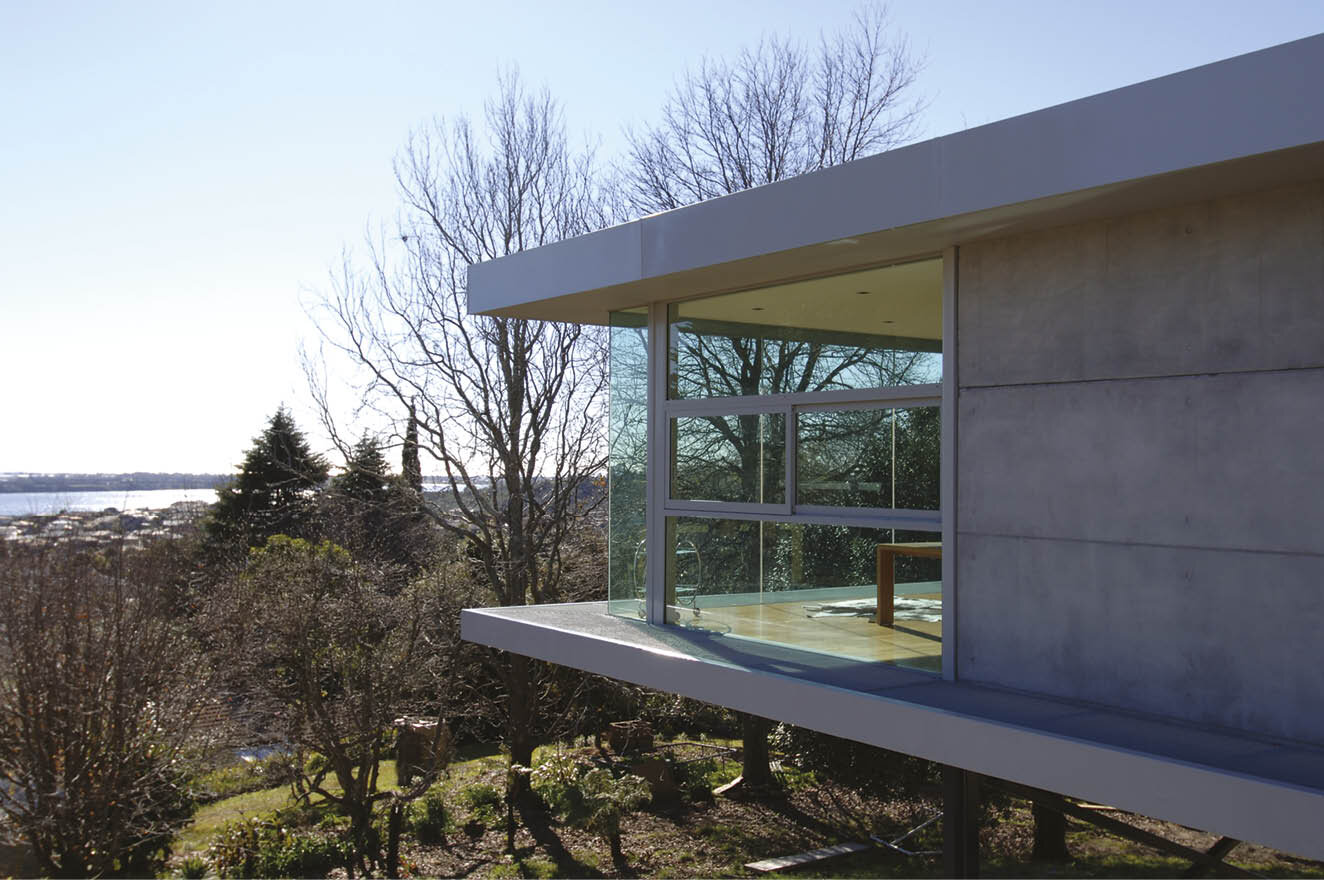
Architect: Steven Chambers Location: Welcome Bay, Tauranga Issue: 6, spring 2006
Perched on a slope in Welcome Bay, this industrial style home rises above the ground and cantilevers out on beams. It looks like it’s floating over the land.

Creating the dream
Good design is a process of elimination. Weigh up the negatives and positives, get the proportions right, and you are well on your way. Where is the best view? Where is there most shelter? Mark Cashmore spends lots of time at the start, looking at every option before designing.
Good design is a process of elimination. Weigh up the negatives and positives, get the proportions right, and you are well on your way. Where is the best view? Where is there most shelter? I spend lots of time at the start, looking at every option before designing.
WORDS MARK CASHMORE / PHOTOS QUINN O’CONNELL
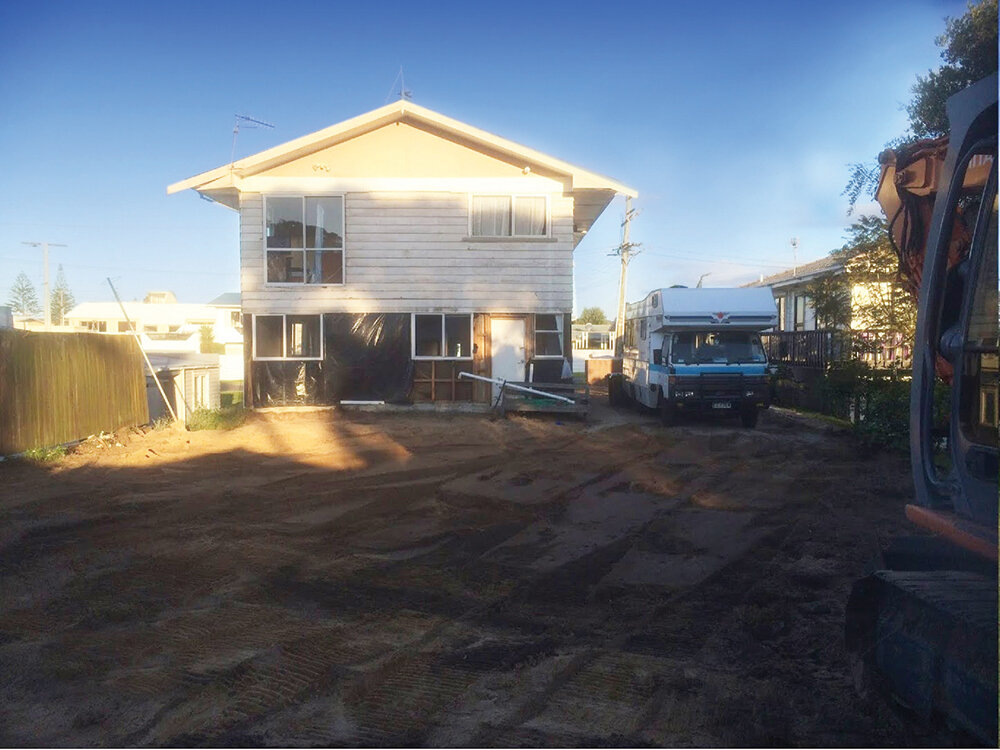
This home in The Mount was a favourite project. I am often asked to design landscapes and swimming pools. But this renovation included altering the interior and the house’s façade. I started the whole landscape concept with a curved line, which ended up as the pool’s edge. The lawn leads to a semi-enclosed pool deck with a spa. It’s rather nice to look back to the house and get away from it all.
THE START OF THE PROJECT: The house had great bones, and sat really well on the property. It was tucked up close to the road, which left a large plot of enclosed, private, north-facing land here at the back.
CLEARING THE SPACE: Under the brolite exterior were weatherboards in fantastic condition, which was an exciting discovery at the start of the project. They de ned the whole beach theme for the house. The entire façade was removed, and the layout recon gured to maximise the north-facing view of The Mount.
Bedrooms were moved upstairs, and the living area moved downstairs
BEACH HOME: The entertainment area is entirely covered by the deck. A pergola extends further, so you can sit outside all year round. Every element has been designed and constructed as a whole: the deck, pergola, the stairs, balustrades and the sail shade. I use expert carpenters to bring these detailed structures to life. It’s designed so that light is maximised where needed, and shade is created to give pockets of cool relief in the summer. All lighting was installed with dimmers to help create atmosphere.
THE CURVE: The whole design of the outdoor area started with a curved line through the section, which ended up being the edge of the pool, the edge of the lawn, and the bottom of a slope. The line could have developed into a wall, or a path, or something entirely di erent. Everything evolved from that line, keeping balanced proportions for the house and land.
DETAILS, MATERIALS, LIGHT AND SHADOW ADD ATMOSPHERE TO EVERY SPACE.
The step, connecting indoors and outdoors, needs to be just the right level for easy transfer of drinks and dinner. It was constructed to give a beachy, boardwalk feel.
This is the crucial view, from inside the house out through the entertaining space, the lawn and the pool. It’s so often spoiled with a fence. By raising the pool slightly and dropping the lawn, there’s no need for one.
A semi-enclosed space for the outdoor shower, with timber detailing to act as a screen.
Get the look with Mark Cashmore
Swimming Pools + Landscapes + Renovations
POOLS NEED TO BE SAFE. But that doesn’t mean you need a fence around it. I use levels, materials, slopes, drops and geometry to design pools that look like water features, feel like part of your landscape, and are perfectly safe and legal.
ACHIEVE YOUR LOOK BY THINKING DIFFERENTLY. I used white pebbles in white concrete as an exposed aggregate for the entertaining area. It reflected light back up into the details of the white pergola and really added to the beach feel.
EVERY PROPERTY AND EVERY CLIENT IS UNIQUE. I will conceptualize the task and develop original design ideas, no matter what size the project. Sketches and lots of communication are important.
44a Tay Street, Mount Maunganui
T. 021 996 300 SWIMMINGPOOLDESIGN.CO.NZ

Kitchen perfection
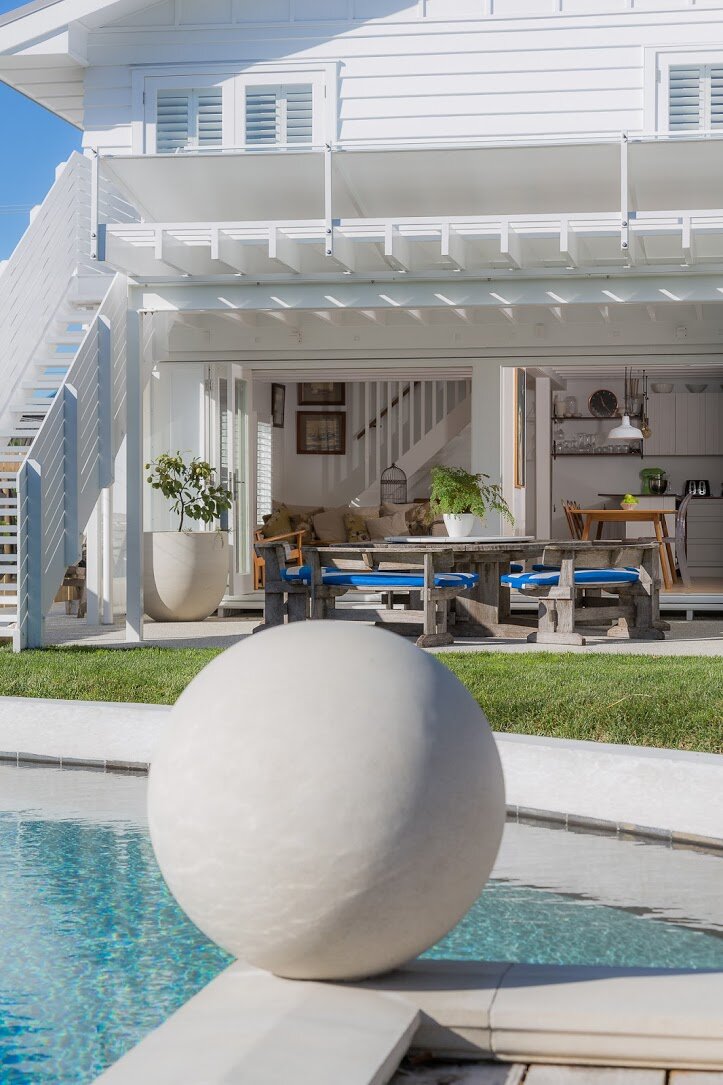
Filled with bright light, flowing out to a view of the ocean, this kitchen has been designed with coastal living in mind.

Filled with bright light, flowing out to a view of the ocean, this kitchen has been designed with coastal living in mind. Design details are absolutely everywhere: port holes are set at eye level above the marble splash-back, and the kitchen bench has an intricate, floral, tin façade . The bench itself is topped with cool marble.
But it’s super-functional too. The roller cupboard means everything you use frequently, like toasters and kettles, can be accessed quickly from the bench top.
The pantry has deep, smooth-close drawers and holds more than a tardis! Bottles of wine and pantry staples – everything you need for a minimum of supermarket visits.

Boom town
We talk to Shane McConnell of GJ Gardner Homes, Tauranga, about investing in new builds and how to get involved.
We talk to Shane McConnell of GJ Gardner Homes, Tauranga, about investing in new builds and how to get involved.
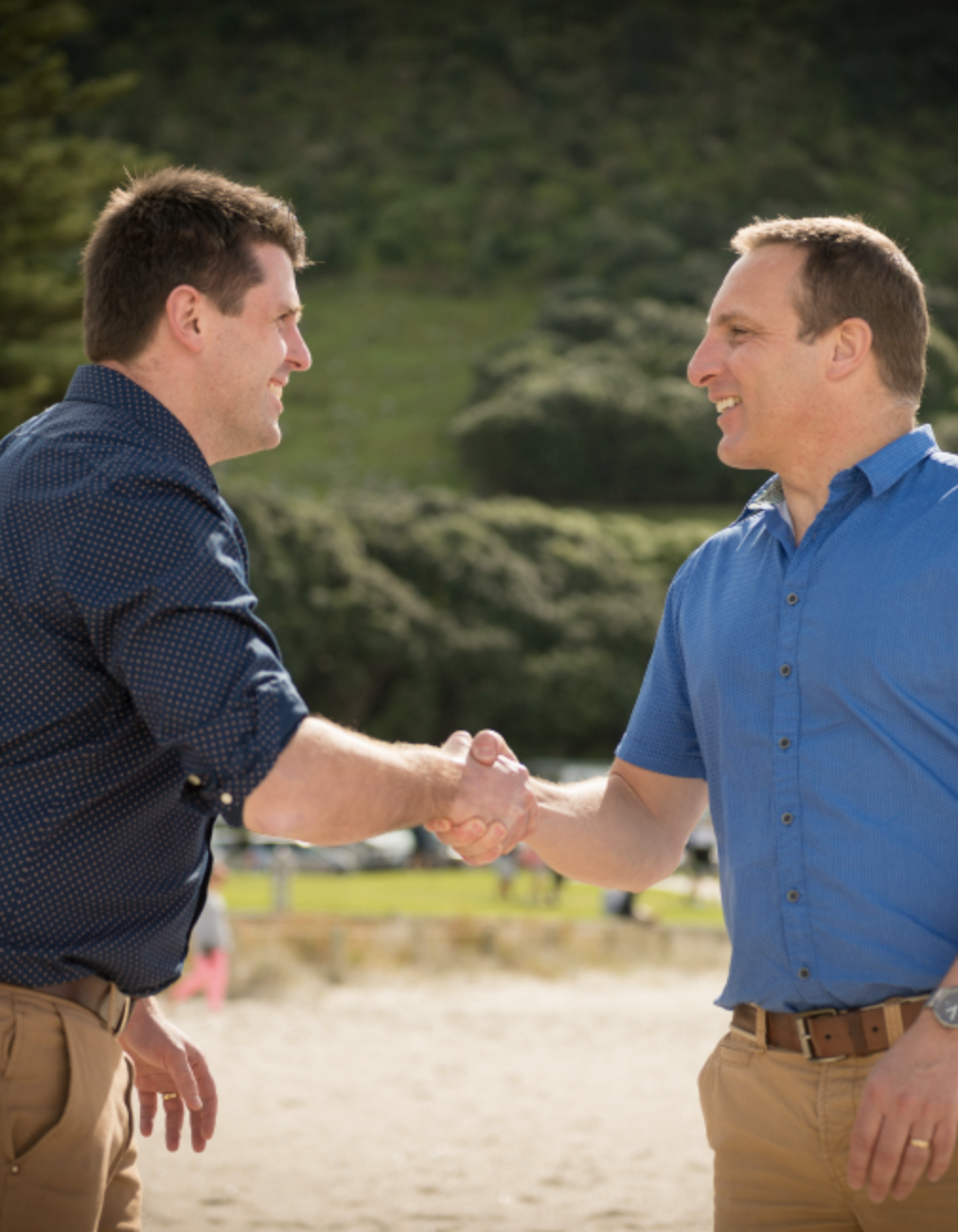
Jono Sharrock from BNZ and Shane McConnell talk about the Tauranga boom.
PHOTOS JAHL MARSHALL
You may be eligible to borrow up to 90% for a new build, but only up to 80% for an existing house that you will live in, or only 60% if you’re an investor. It’s allowing some people to get into the market, where they couldn’t before and it’s helping to address the shortage of homes.
Before starting, we assess the total cost of completing the build, which includes borrowing costs such as any rent you may need to pay during the build. This all gets capitalised in the loan and is paid for as you incur build costs. That’s why it’s really important to work with a reputable building company that understands time frames and costs.
What’s happening in the market?
Q There have been explosions in the housing market before; why’s this one so special?
Many economists agree on factors affecting the current boom. We have strong immigration into New Zealand, creating a shortage of housing. Increasing numbers of Aucklanders are looking for affordable land to buy and Tauranga is seen as a good solution, particularly with its attractive lifestyle. This has exaggerated the shortage of housing in our region. Add to this low interest rates, favourable government lending criteria for new builds and strong growth in property values and you have all the ingredients for the kind of boom we are experiencing now.
Q I have bought a house, will it reduce drastically in value at some stage?
During the last recession some areas, like Bethlehem, actually increased in value during the recession. Others stayed pretty flat, some areas of The Mount dropped, but overall there wasn’t a big dip. Like most investments, the long-term ones tend to be less risky. It’s risky to take on a mortgage you can only service at low lending rates, as interest rates will inevitably rise again. If you are buying houses to sell them quickly, this too is risky as you need to be selling in a rising market. Always factor in tax implications and realise that at some point the market may dip.
Q Surely it’s not sustainable, this kind of growth. When do you think it will stop?
The Ministry of Business, Innovation and Employment recently released a report predicting the continuing rise in construction in the Waikato and Bay of Plenty, peaking in late 2017 then flattening out over the next four years to similar levels to those seen at the start of this year. Remember, things often get shaken up which are well outside the control of our economy and impossible to predict, such as interesting choices for the next American president which could seriously affect the worldwide economy.
Q Are the new rules with lending going to affect me?
If you are buying a home to live in, generally the new rules shouldn’t affect you. The rules favour new builds, and we use Onion Home Loans and Insurance for our clients. They specialise in brokering construction lending to provide competitive funding packages for new builds. Many of our clients have used this service to access competitive lending terms, and have been given the means to own a new home where it has been previously been denied. As a business, we bank with BNZ, so they also offer great construction lending packages to our clients.
Jono Sharrock from BNZ and Shane McConnell talk about the Tauranga boom.
How do I get into the action?
Q Can I buy a section and sell off a plan?
Yes. Before the title is issued, you pay a deposit of up to 10%. Once issued, you’ll need to pay the rest up front. We have clients who buy a GJ house and land package and put it up for sale before it’s out of council, repeating the same process over and over again. Purely anecdotally, I’d say these clients have done very well! They use us from start to finish for the design, full quote, drawings, selections and sale of their package.
Often, the biggest gains are made by actually building. Once the house is under construction, assess whether it is better to sell the house straight away to release cash for other projects, or wait to extract potentially bigger gains. I suggest you get as much advice as you can from as many sources as possible.
Q Where can I buy a section?
We usually have stock available all over Tauranga: people just like you are still finding great opportunities. Go to gjgardner.co.nz and check our ‘Tauranga listings’. They change frequently with new ones being added, so it’s worth checking regularly or give us a call to find out the latest.
Q Do you have to be registered to buy these packages and build on them?
You must be registered as a New Zealand taxpayer with an IRD number. You can use a trust or a company to buy and sell property. Before getting involved, I suggest you talk to your accountant and lawyer about the best set-up for you.
Q Should I just build the house and sell it, or get someone else to do it?
With the new health and safety laws firmly in place, our responsibility continues long after the build ends. It continues for many years to come. As an individual it is very difficult to find the best quality labour, and if there is a problem with the home during the build or in the future after you’ve sold it, you will be treated as the ‘head contractor’ and legally, the buck stops with you. If you build with us, you get the benefit of our hard-earned reputation, and the quality and value of our established trade and supplier network. You also get an industry-leading, independent, Certified Builders, Halo ten-year guarantee. That is a lot of peace of mind.

A design for life - Will Tatton
We look through some of the ICONIC Mount houses designed by architectural designer Will Tatton, starting with his own.

We look through some of the ICONIC Mount houses designed by architectural designer Will Tatton, starting with his own.
INTERVIEW JENNY RUDD PHOTOS JAHL MARSHALL
“The honest simplicity of a modest all-timber house appeals to me as house construction has become more complex and more processed, more artificial, more everything: ensuites, double garages, automated systems. The list and the costs grow and grow. It’s new builds on steroids.
“Looking for a home for my family, I happened across a ubiquitous 1963 L-shaped, Beazley standard-plan house. What makes it feel so solid, enduring and part of the landscape? This family home is 105 m2 with three bedrooms, one toilet, one basin. The single garage is in original 1963 corrugated steel. What an antidote to today’s expectations.”
Slender, wearing a checked shirt, black woolen blazer, wooden-framed glasses and leather brogues, Will rides his bike everywhere. “We have about ten houses under construction at the moment, and I managed to visit five of them on a bike ride the other day.” He reminds me of a gentle, intelligent, preppy professor at Harvard.
Will Tatton is part of the Bay of Plenty fabric. Of our last two of our covers he says: “Peter Williams is my brother-in-law, and Anne Sharplin is a good friend.
“It’s such a relief, after the recession, to move back to working with the end user. We deal with fewer people now, not so many builders and subcontractors. But that actually makes our job more sociable, and a bit like psychology, which I like.
“My job is a pleasant blend of art and business. The people side of things is eternally fascinating to me. As designers, we work out how people’s lives are going to be led, then we design a house around those patterns.”
PITAU RD, THE MOUNT
The owner’s brother cast the concrete kitchen benches.
“We are all different, but we are all common. In reality, we all have different dreams in our heads, and Kiwis generally feel that they can make those dreams come true with our own house design, whether it’s large or small.
“Over the years, I have developed a way of dissecting people’s lives, working out what their dreams are, what they’ve achieved, and what they’ve accumulated in their brains over years of thinking.
“I often ask clients what kind of materials they liked when they were young, like cedar or stone, what games they used to play, where they’ve been, what they’ve seen and what they loved. All these thoughts collect over many years. I delve back into that psychology, into all those dreams and ideas that are stored in there somewhere. Then I unpack them, and bring them back to life.”

Andre Laurent - Total Perfectionist
My career started in the early nineties when, not having any real idea about what to do, I took a job as a chippy on a building site here in Tauranga.
My career started in the early nineties when, not having any real idea about what to do, I took a job as a chippy on a building site here in Tauranga.
WORDS Andre Laurent

It didn’t take long before I noticed there was a real lack of respect for designers and architects; simply, the plans they gave us were often inaccurate or lacked any proper detail and information, leaving us to try and figure things out for ourselves on site.
I knew there had to be a better way and could already see back then the problems this was potentially going to cause. So, while continuing to work full-time as a builder, I completed an architectural design degree and took up contract drafting work at night. My drive throughout was to bridge the gap between the office and the work site.
I quickly established a reputation for supplying highly accurate information and critical details that my friends and colleagues back on the building site fully appreciated. I established Creative Space Architectural Design Ltd in 2003.
PUSHING THE BOUNDARIES OF SIMPLICITY
My focus on design accuracy and highly detailed plans led to exploring the idea of simplicity. I began to wonder how far we can push this perceived boundary into the space of design excellence. And the answer is, quite a lot actually.
I finally had the opportunity to test out my ideas when we sold our first home and bought a beautiful big piece of land sitting at the top of the Wairoa Valley hills. This time, I wanted to design and build a home that would cost the same as an entry-level brick and tile yet have the features and benefits of a high specification, architecturally designed home.
LOOKING AFTER THE BUDGET
One of the great things about reducing the cost of building your home: there’s more budget to spend on everything else. However, the simplicity of the structure is part of its beauty too. The home has a 2.7m stud height, feels spacious and gets as much sunshine or breeze as we want. We have a high-spec kitchen, full gable double-glazed stacking doors along two sides of the ground level, pivot windows in the roof of the top level, a hardwood deck and plenty of budget left over for the spa pool and new furnishings.
Another discovery that came out of this experiment was the development of the previously unused roof cavity into more living and storage space. This further reduced both the construction costs and building footprint, plus the entirety of the roof space is now used, with the low ends of the attic trusses providing storage.
HIGH PERFORMANCE
One of the ways we were able to increase the performance of our home without adding any extra cost, was to use Insulated Concrete Forms (ICF) for the main structure. This, combined with opposing windows and doors, has meant we are comfortable in any weather. The ambient temperature of our home remains around 22 degrees all year around, without any extra heating or cooling systems.
I am constantly comparing the temperature inside and outside. In the middle of winter, it can be an overcast day of 10 degrees and be 26 degrees inside. With no additional heating overnight, by 6am the internal temperature will have dropped to 22 degrees whilst outside it might be just one degree.
The other benefit of using ICF – longevity. Our new home will last several lifetimes. Just as all homes should.
This exercise in simplicity has given my family the most incredibly warm, comfortable, stylish home, at an entry-level budget. I think it’s safe to say that the experiment was a total success.

A higher plane
Having sound architectural credentials is a given when you've been in business for 21 years. Interviewing the two partners at DCA Architects in Rotorua, my ear is on the hunt for something which sets them apart from their peers.
WORDS JENNY RUDD PHOTOS TRACIE HEASMAN

Having sound architectural credentials is a given when you've been in business for 21 years. Interviewing the two partners at DCA Architects in Rotorua, my ear is on the hunt for something which sets them apart from their peers. Darryl Church, founded the business in his garage in Rotorua after a bit of nagging from his wife 21 years ago. In 2016, Werner Naude, a South African with a German forename, a French surname and a refined brain, joined Darryl as partner. The pair have great professional chemistry. They look at each other and listen carefully when the other speaks. Early in the interview, Darryl said "I have practiced as an architect on my own as well as in a group. And there is no doubt that having more minds on a job means you come up with a better solution for the client. Especially if you've selected those minds carefully from the outset."
And that's what sets DCA apart from their peers. They are expert problem solvers. And that enables them to outperform a brief given to them by a client.
Darryl explains, "We have six core values. These values were crystallised when we thought about the way we work. By analysing our most successful projects, a pattern emerged. We now use those core values to guide our employment choices, the way we work, and also drive success for our clients."
They are: Open ears and open minds. Design is in our DNA. Lifelong learners. Quality relationships. We see things differently. Design for the future.
I ask for some examples of how their core values appear in their work. Werner gestures to the wall behind us which is covered in technically brilliant photography, a visual CV of recent work. There are some immediately recognisable buildings in the Bay: Green Park School in Greerton, new apartments on Pilot Bay, Golden Sands Primary School, the Toi Ohomai Institute in Rotorua. And some beautiful, luminescent cylinders of light in amongst trees. The toilets in the Redwoods, Rotorua. It's not often you are able to comment favourably on public loos. But it's worth drinking plenty of water as you walk through the woods so that you have good reason to check them out.
REDWOODS TOILETS, ROTORUA
Darryl: Our client - Rotorua Lakes Council - was willing to take a design journey with us and rise above the mundane. It would have been far easier to build another concrete block of toilets. But as we went through the process, we realised we would have an even better outcome if we collaborated with an artist. Our client was receptive to the idea. Collaborating with the screen artist, Kereama Taepa, brought a special narrative to the project which captures the spirit of The Redwoods forest with the designs laser cut onto the corten steel cylinders. The toilets are now a contemporary piece of art, sensitive to their environment and the people of Rotorua.
TOI OHOMAI CENTRE OF NURSING, HEALTH AND SCIENCE, ROTORUA
Werner: Part of our brief for this project included a 200 seat, tiered lecture theatre and auditorium. During a full review of their facilities, we saw there were already two theatres like this, and they were underutilised. We knew they were having art exhibitions that year, and fashion shows which would need a catwalk. So, we suggested a flat floor lecture theatre space which had so much more flexibility, and could still be used as a lecture theatre. Similarly, we were briefed to provide six nursing wards for training purposes. Once we started researching, we realised that the health system is moving away from ward setups. We decided to pull back, not wanting to build something which would be outdated soon. We were able to buy back floor area to provide more space for socialising. Other than an old cafeteria, there was nowhere for students to stay on campus and hang out, socialise and study.