
MINDSET RESET
You’ve gotta love the vibe of a good spring clean – but what if waste warrior Kate Fenwick told you you could enjoy feeling centred and sorted year round, without lifting a finger?
You’ve gotta love the vibe of a good spring clean – but what if waste warrior Kate Fenwick told you you could enjoy feeling centred and sorted year round, without lifting a finger?
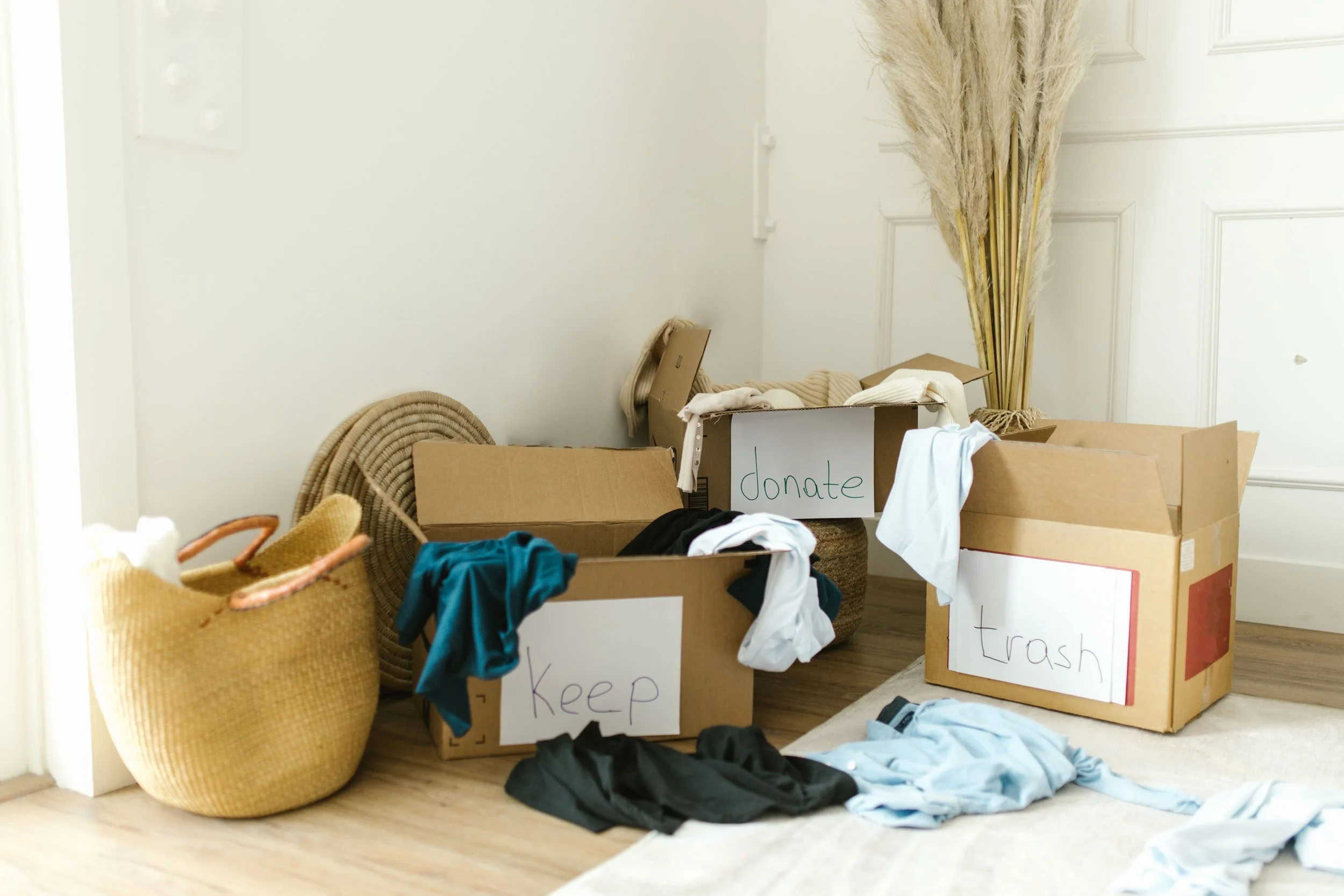
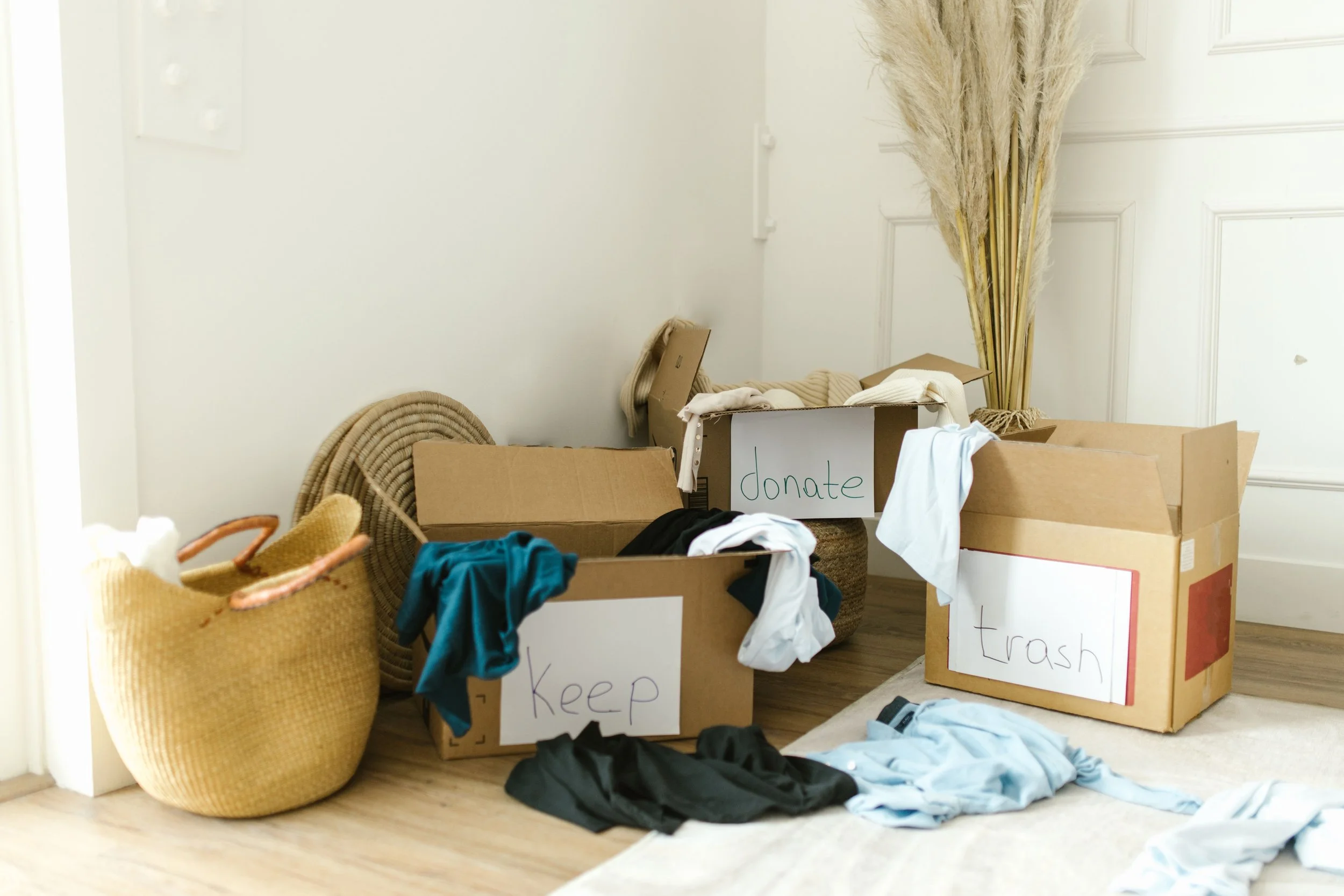
Every spring, we seem to collectively lose our minds. The sun comes out, we open those cupboards we’ve successfully ignored for years, and suddenly we’re standing in the hallway surrounded by three rubbish bags, an exercise machine nobody has ever exercised on and 17 reusable drink bottles. Welcome to the great spring clean.
I have a slightly controversial suggestion. What if we didn’t need one?
I’m not suggesting we live surrounded by dust. Clean your house – please. No, I’m talking about the other kind of spring cleaning – the annual purge that sees us remove stuff from our cupboards, congratulating ourselves on being wonderfully organised, then driving half of it to the op shop.
Somewhere along the way, decluttering has become almost as fashionable as consuming. We buy, we accumulate, we get overwhelmed by how much stuff we own, then we have a massive cleanout so we can feel lighter – and make room for some new stuff.
The problem isn’t really the spring clean. The problem began months or years prior, when the things came through the front door. If we consumed less in the first place, our homes might not need these seasonal evacuations.
Before you fill the boot and head triumphantly towards your local op shop, there’s another uncomfortable conversation we need to have.
Op shops aren’t free rubbish dumps with nicer signage. If your frying pan has lost half its coating, your jeans have an unidentifiable stain and your plastic container has been missing its lid for years, donating it doesn’t magically make it useful. Someone at the other end now has to deal with it – and that costs charities time and money.
Absolutely rehome good things; donate quality clothing, pass on furniture, sell things, give things away. But a pretty good rule is this: if you’d be disappointed to buy it, think carefully before you donate it.
Owning something comes with responsibility not just for the exciting bit when we swipe our card and take it home. When something has genuinely reached the end of its life, we have to pay to dispose of it properly.
Perhaps this spring, instead of focusing on what needs to leave your house, start watching what comes into it. Ask yourself if you need that new thing, and whether you’ll actually use it.
The most effective decluttering method I’ve ever discovered doesn’t involve labelled baskets or colour-coded wardrobes – it’s simply buying less stuff. The ultimate spring flex is opening the cupboard, looking inside and thinking, ‘Actually, we’re pretty good here’, then going outside to enjoy the sunshine instead. WASTEDKATE.CO.NZ
LEFTOVER LEGENDS
Waste warrior Kate Fenwick explains how leftovers are the foods we waste most, and what we can do about it.
Waste warrior Kate Fenwick explains how leftovers are the foods we waste most, and what we can do about it.
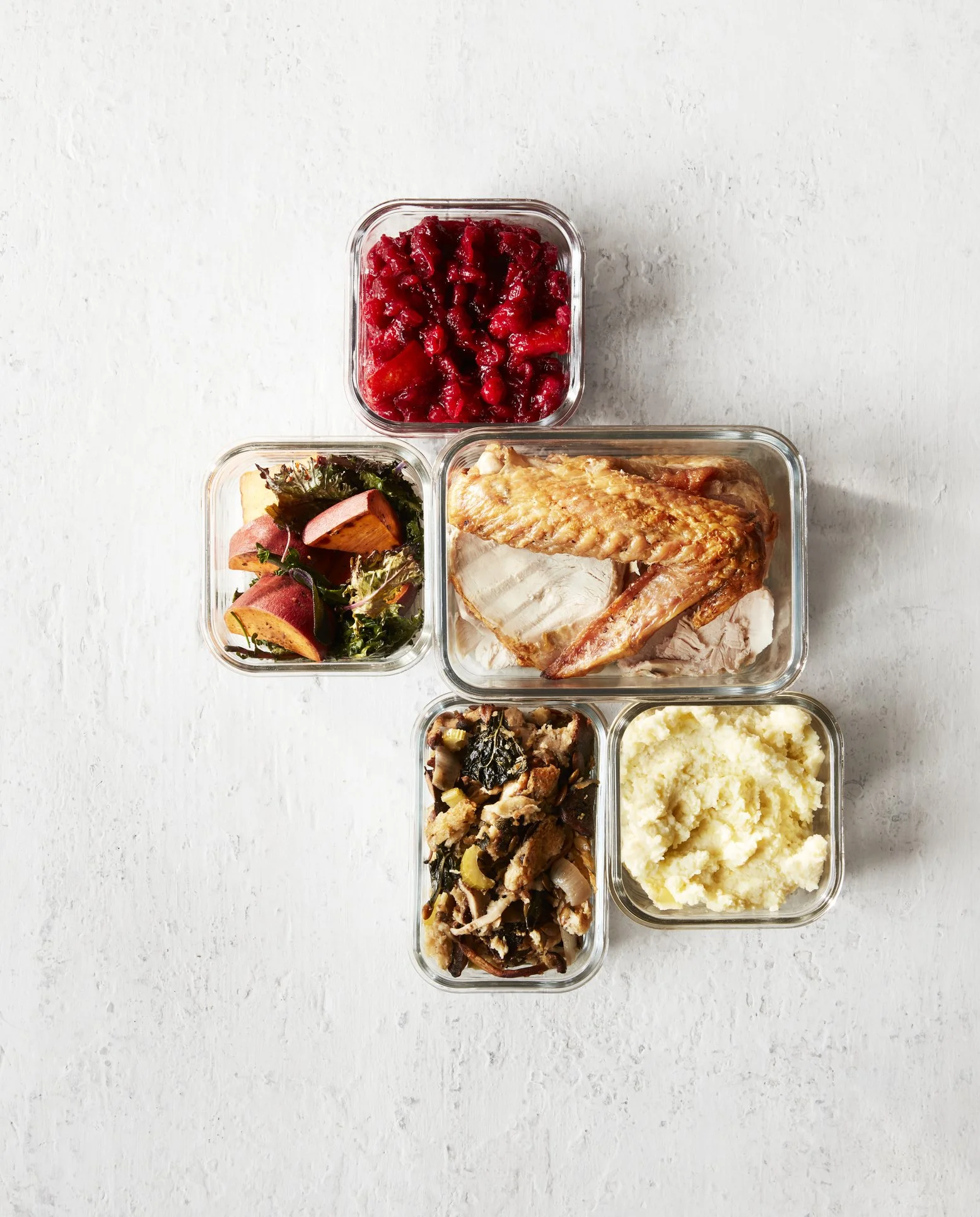
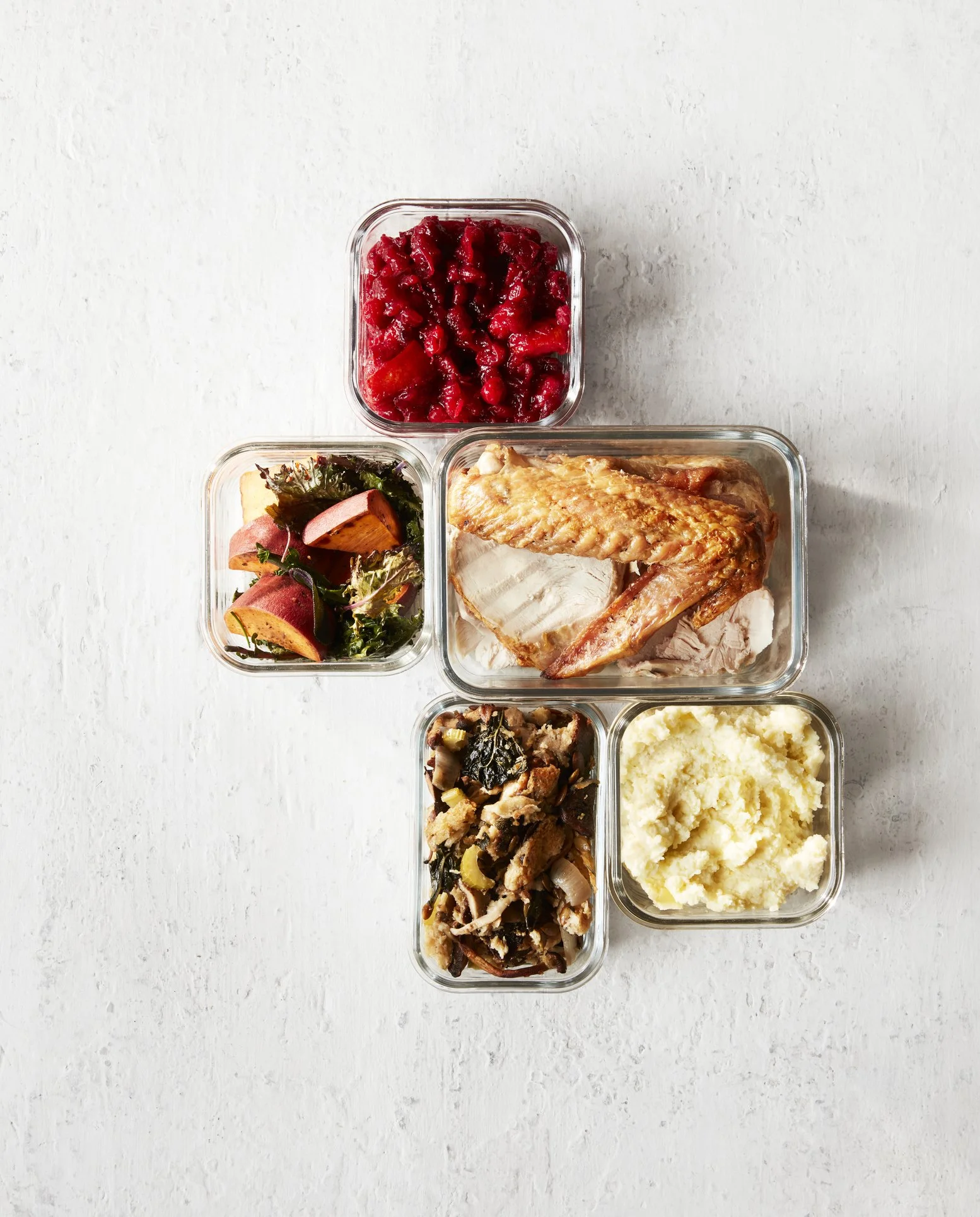
When you peek in the bin, it’s rarely a dramatic scene. It’s not half a roast lamb, it’s the small, slightly neglected things like the bread crust, a container of rice you meant to eat, the last bit of roast chicken, a bag of saggy spinach, or three bananas that ripened overnight. These everyday foods are the casualties of busy lives and optimistic weekly grocery shops.
Bread is hopeful. We buy it imagining neatly packed sandwiches and weekend toast. By Thursday, it’s firm around the edges. But stale isn’t spoiled. Blitz it into breadcrumbs and freeze them. Cube it, drizzle with olive oil, and bake for crunchy salad toppers. Or dip it in egg and milk for French toast. Suddenly, it’s not “old bread.” It’s brunch.
Rice is slightly high-maintenance. Cool it quickly, store it in the fridge, and eat within 24 hours (ignore this at your peril). Once respected, rice is a superstar. Try it fried with leftover veg and protein for a five-minute fakeaway, or stirred with milk, cinnamon and sugar for a comforting dessert.
Roast chicken deserves more than the back of the fridge. Shred it into wraps, toss it through salads, stir it into pasta, or simmer the bones with veggie scraps for stock. Stretching cooked meat into another meal reduces waste and stretches your grocery budget. That’s a win in any economy.
Vegetables are the most misunderstood leftovers. Things like broccoli stalks, carrot tops and wilted greens are often wasted because they “look past it.” They’re not off; they’re ready for a new role. Roast random veg together for sandwiches or grain bowls. Blend greens into pesto. Stir wilting veg into soups or omelettes. No one notices the slight change in texture and the flavour stays intact.
Bananas are fruit with a short shelf life. Overripe bananas are baking gold: make banana bread, pancakes, smoothies or blitz frozen for instant “nice cream.” Suddenly, browning fruit feels like culinary genius.
In our house, an “Eat Me First” shelf keeps soon-to-expire items front and centre. We label leftovers with the date, freeze portions before we tire of them, and, most importantly, transform rather than reheat. A roast becomes wraps. Rice becomes fried rice. Veggies become soup. Bread becomes brunch. Leftovers don’t need to look like leftovers, they just need a remix.
Waste less food, save money, and feel triumphant every time you turn what would have been rubbish into a meal. That’s forkin’ good. WASTEDKATE.CO.NZ
FORKIN’ GOOD DRESSING
Kate Fenwick explains why DIY might just save your fridge – and the planet.
Kate Fenwick explains why DIY might just save your fridge – and the planet.
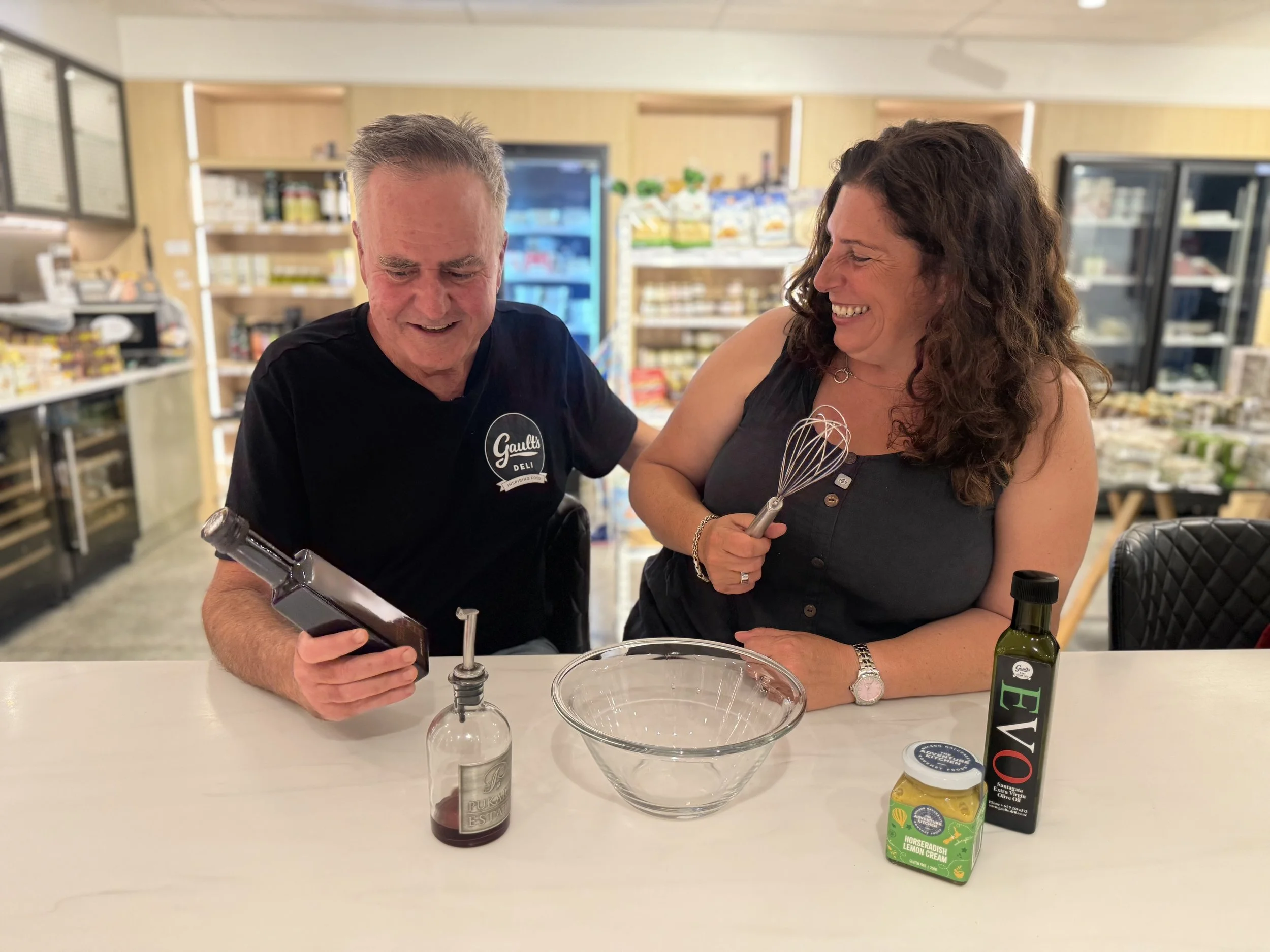
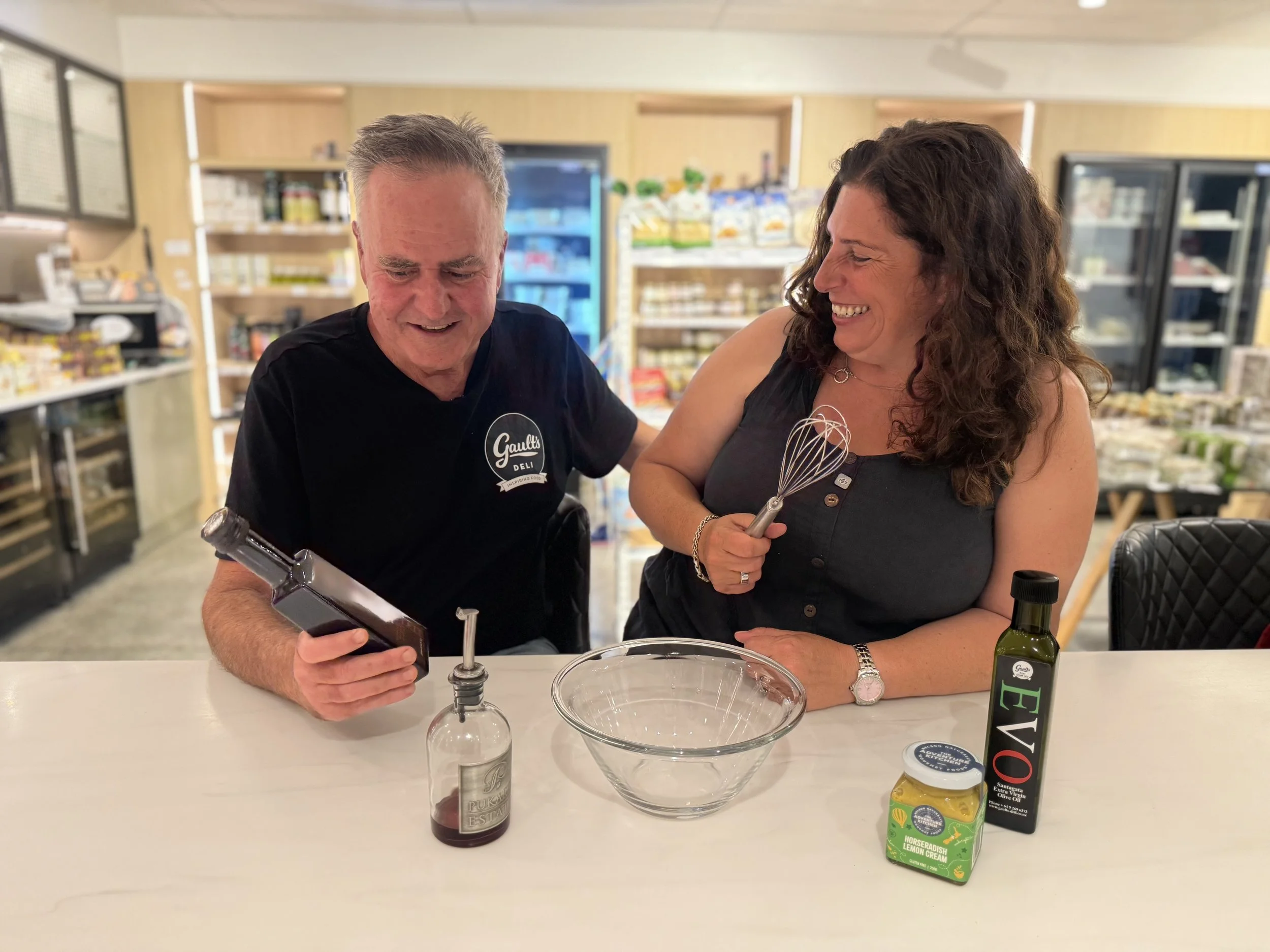
Simon and Kate on the set of their podcast, Forkin' Good.
If you’d told me last year that co-hosting a podcast with celebrity chef Simon Gault would turn me into a homemade salad dressing evangelist, I would have laughed and pointed to the 14 half-used condiments permanently living in my fridge door. Yet here we are.
The Forkin’ Good Podcast, for me, was meant to be about mainstreaming waste education, but it has also become my unofficial weekly cooking lesson, complete with gourmet wisdom and the occasional joke aimed at my "creative" kitchen habits.
One of Simon’s greatest gifts so far is teaching me the world’s simplest, most versatile salad dressing: 1 tsp creamy mustard, 3 tbsp extra virgin olive oil and any amount of balsamic vinegar you like. Whisk it. Then pretend you’re a culinary genius. It tastes incredible.
More importantly, it solves a huge part of the waste problem sitting in your fridge. New Zealand households throw away over 100,000 tonnes of food waste every year, much of it because we overbuy, underuse and forget what is lurking in the back of the fridge. Add to that the estimated 1.76 billion single-use plastic containers we send to landfill annually, and suddenly that innocent-looking bottle of sesame-lime dressing becomes part of a much bigger issue.
Store-bought dressings are classic "use once, abandon forever" items. You try a new flavour, use two tablespoons, then it becomes a long-term fridge tenant until the expiry date finally forces you to confront your choices. That is food waste and plastic waste in one sad bottle.
Making your own dressing means: using ingredients you already have, so there is less waste and fewer forgotten bottles; avoiding preservatives and fillers, which is better for you and better for the planet; cutting back on plastic, because you can reuse the same jar over and over; and actually finishing what you make (wild concept, I know). And the best part is that you become more connected to your food again.
It is a tiny step back toward the DIY kitchen culture our grandparents lived by, where food was simple and nothing went to waste because resources were respected. That is the heart of the Forkin’ Good Podcast: learning simple shifts and rediscovering the joy of doing things yourself.
So tune in if you want practical tips and the occasional roasting of my cooking skills. We are pretty much on every platform you can find, including YouTube if you want to actually see what we are up to. Your fridge, and the planet, will thank you.

Give it a try July
Kate Fenwick shares simple ways to create small changes that make a difference.
Kate Fenwick shares simple ways to create small changes that make a difference.
You know how January gets all the hype for being the month of big resolutions and gym memberships you use twice? Well, I’d like to propose a new tradition: Give it a Try July – the one month a year where we make a small but mighty change to how we deal with waste.
Don’t worry, I’m not asking you to become a full-blown zero-waste wizard or start washing and reusing your dental floss (please don’t). This is about finding one habit that feels doable, maybe even fun, and giving it a red-hot go for 31 days. No guilt, no eco-perfectionism, just good intentions and a bit of fun along the way.
Behaviour change takes time, and trying to overhaul everything at once is a fast track to burnout (and possibly crying in the supermarket aisle). But choosing one behaviour to focus on? That’s achievable.
That’s the sweet spot. And over time, those small changes stack up into something pretty impressive. So what might you try in July? Here are five waste-minimising behaviours that are surprisingly easy to adopt – and the goal is to change that one behaviour permanently moving forward.
1. Change the way you wrap
This month, become a cling film quitter. Swap it for beeswax wraps, containers with lids, or just plonk a plate over your leftovers. Your sandwiches will still survive, I promise.
2. Make friends with your freezer
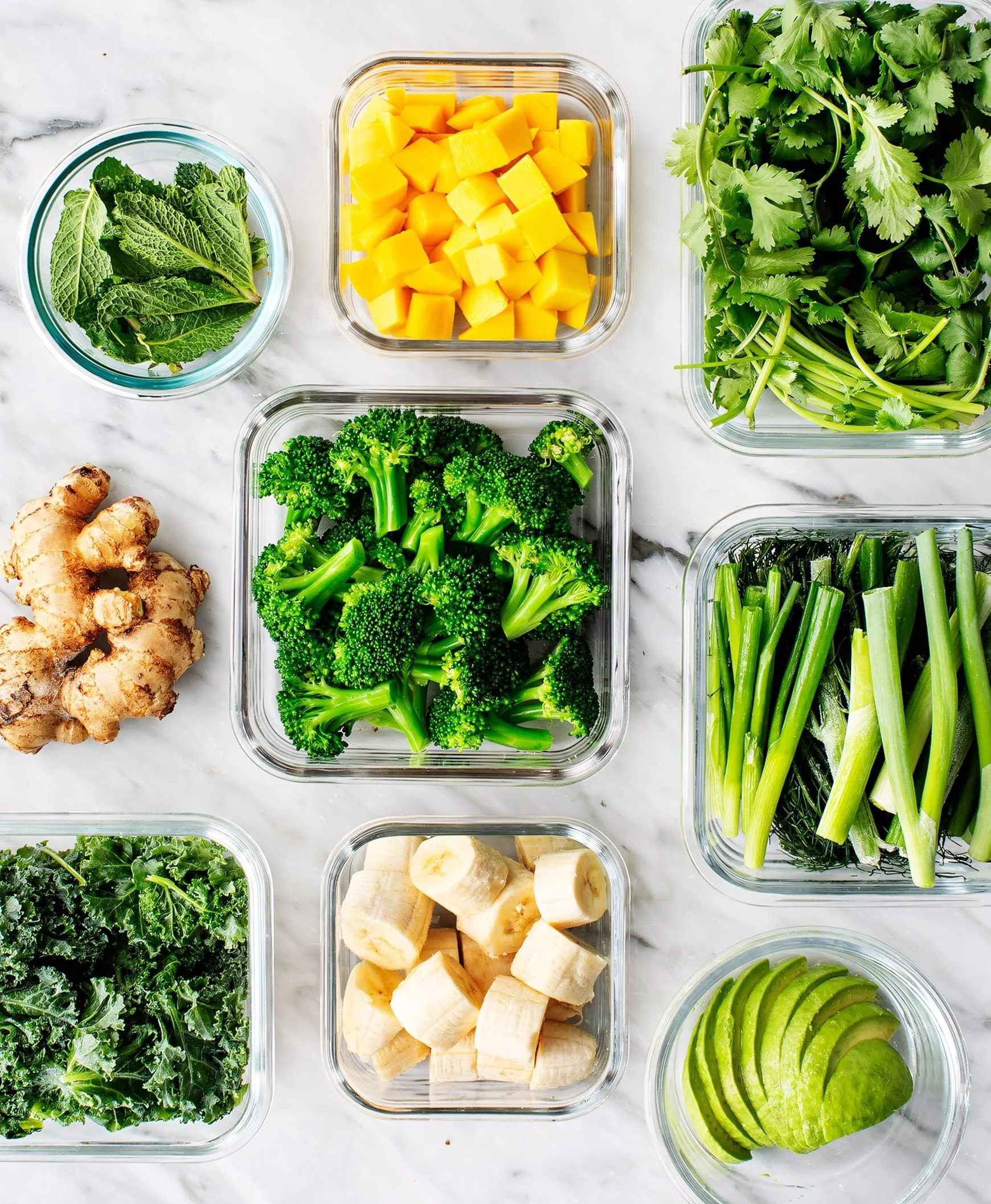
If your veggie drawer regularly turns into a compost starter kit, July is your time to shine. Chop and freeze your wilty greens, overripe bananas, and half-used herbs before they cross over to the dark side.
3. Ditch the wish-cycling
Let’s stop putting random stuff in the recycling bin and hoping for the best (aka wish-cycling). Take a few minutes to check what your local council actually accepts and find the places you can take things like metal products, soft plastics and e-waste. Knowledge is power – and also less landfill.
4. BYO everything (except drama)
Whether it’s your coffee cup, shopping bags, or lunch container, try bringing your own. Bonus points if you manage to awkwardly carry five groceries in your arms because you forgot your tote again. We’ve all been there.
5. Get nosy about your rubbish
Yes, I’m telling you to poke through your bin. Do a mini waste audit and see what keeps showing up. Is it snack wrappers? Receipts? Wine bottles (no judgement)? Once you spot a pattern, you can tackle it head-on.
The magic of Give it a Try July isn’t about nailing it perfectly. It’s about giving something different a whirl, proving to yourself that change doesn’t have to be hard or heroic.
So go on, pick your one thing and give it a try. Worst case scenario? You end up with a sense of accomplishment and a cleaner bin and you definitely made a difference when it comes to minimising your waste.
Have fun with it and even create a challenge with your friends or work colleagues.