

BEYOND BIG CITIES AND BEYOND THE PLATE
Michelin has created an appetite our food columnist Rae Baker sees as an opportunity. How about we band together to show what our food culture’s made of?
Michelin has created an appetite our food columnist Rae Baker sees as an opportunity. How about we band together to show what our food culture’s made of?
PHOTO TOURISM BAY OF PLENTY
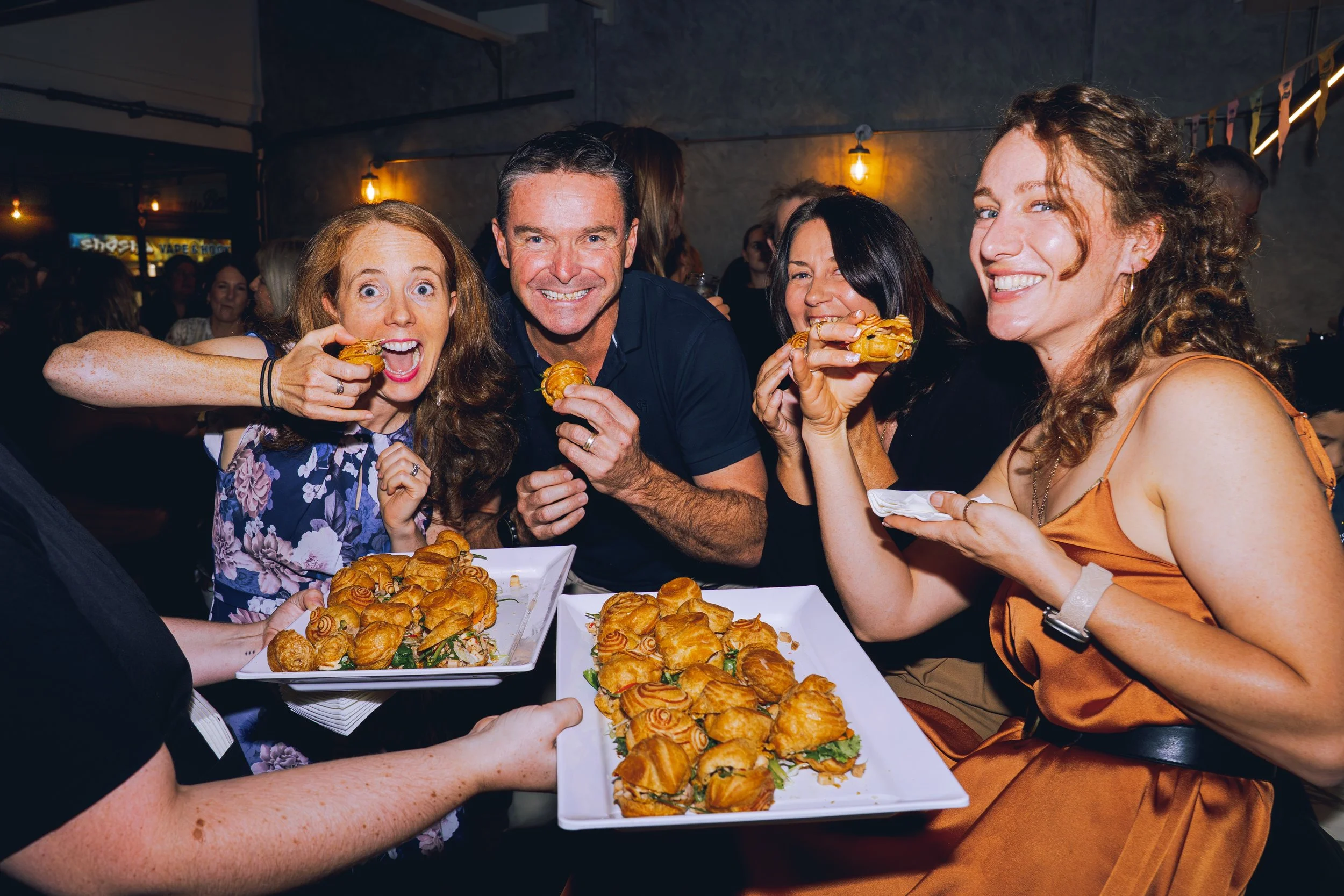
The arrival of the Michelin Guide in New Zealand has generated plenty of excitement, and rightly so. Internationally, a Michelin recommendation or star can transform a restaurant’s reputation, attract global visitors and elevate an entire country’s culinary profile.
For New Zealand, it’s another chance to showcase our food story on the world stage, but although much of the conversation has centred on which restaurants might earn recognition, I think the bigger opportunity lies elsewhere. It’s with the regions.
Tourism New Zealand has identified food and beverages as a key driver of international visitation, recognising that today’s travellers increasingly choose destinations based on the experiences they’ll have, not just the sights they’ll see. Food has become one of those experiences. Visitors want to discover local produce, meet the people behind it and experience the flavours that define a place.
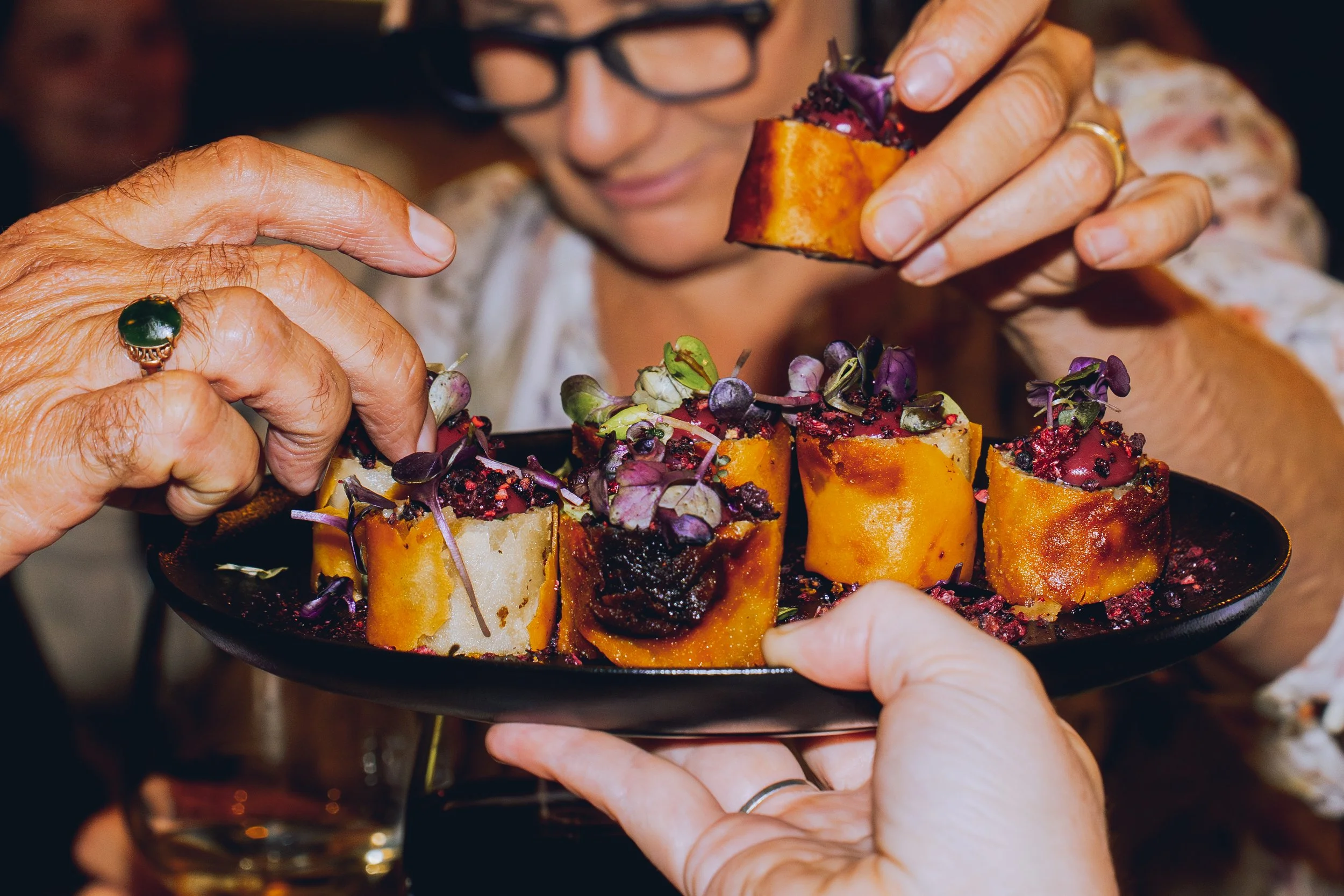
Michelin has the potential to put New Zealand on more international itineraries. The question is: once visitors decide to come, how do we encourage them to travel beyond our major cities?
That’s where our beautiful Bay of Plenty has a genuine opportunity to shine. We’re fortunate to have many of the ingredients already in place: a thriving horticulture sector, innovative producers, talented chefs, award- winning restaurants, boutique breweries and distilleries, bustling farmers’ markets and a climate that allows incredible produce to flourish almost year-round. More importantly, we have something visitors are increasingly seeking: authenticity and manaakitanga (hospitality, generosity...) in abundance.
The Bay of Plenty has never tried to be a fine-dining capital – and that might be one of its greatest strengths. Our food culture is relaxed, welcoming and deeply connected to the people and the landscape that produces it. Whether it’s sharing a long lunch overlooking the ocean or meeting the grower behind the ingredients on your plate, our hospitality reflects the lifestyle that makes this region special.
The challenge isn’t creating great food experiences, it’s making them easy to discover. This is where regionalcollaboration becomes so important. Food trails, seasonal campaigns, destination marketing, accommodation packages, festivals and events all help visitors to see the bigger picture. Rather than promoting individual venues in isolation, they create a compelling reason to spend another night, explore another town or venture a little further off the beaten track.
Events such as Flavours of Plenty have already demonstrated what’s possible when an entire region comes together to celebrate its food identity. By connecting producers, chefs, hospitality businesses and communities, they offer visitors something they can’t replicate elsewhere – a genuine taste of place.
As Michelin shines a brighter spotlight on New Zealand’s culinary credentials, the Bay of Plenty has an opportunity to ensure our region is part of that story – not by trying to imitate the world’s dining capitals, but by confidently showcasing what makes our own food culture distinctive. After all, people don’t travel to the Bay for a single restaurant. They come for the beaches, the orchards, the sunshine, the hospitality and the lifestyle. Great food simply brings those experiences together.
Perhaps that’s the opportunity Michelin presents – not to chase stars, but to give more people a reason to discover everything else that’s waiting beyond the city limits.

EXPERIENCE NECESSARY
Diners might have traditionally come for the food and drinks, says new UNO columnist Rae Baker, but more so than ever, we’re staying for all the feels.
Diners might have traditionally come for the food and drinks, says new UNO columnist Rae Baker, but more so than ever, we’re staying for all the feels.

Somethin’ Somethin’.
There was a time when dining out was simple. You chose a place, ordered a meal, and if the food was good, you’d come back. These days, something else is at play. We’re not just going out to eat, we’re going out to feel something.
I’ve spent much of my career working in events and experience design, and what’s happening in our food scene feels like a natural evolution. We’re living in what’s often called the ‘experience economy’, in which people place value not just on what we buy, but also on how it makes us feel.
In hospitality, that means the lighting, the music, the story behind the dish, the welcome at the door and the company around the table matter just as much as what’s on the plate.
For operators, this creates both opportunity and pressure in an already demanding environment. It’s no longer enough to simply serve great food – the expectation now is a complete experience. Diners want atmosphere, personality, connection and something that feels memorable enough to justify both their time and their money.
It’s exciting to see how this is taking shape in the Bay of Plenty. Pop-ups and collaborations are creating space for creativity to thrive without the commitment of a permanent venue, while established operators are reimagining their spaces through one-off takeovers and themed experiences.
There’s a growing willingness to experiment and invite people to be part of something a little different. In doing so, communities are forming around food.

Leopard Boy Pizza.
Take Leopard Boy Pizza, for example. Owner Andy Bowker started out working at Sal’s as a teenager, honed his craft and began exploring how making pizza could become not just a skill, but also a business. By leaning into the Bay’s grassroots hospitality scene and collaborating with the likes of Special Mention, Blondie, Benny and Brew, and most recently Best Behaviour Rum, Leopard Boy has built a pop-up model that feels distinctly local.
Pizza is only the beginning – it’s about that unmistakable feeling of connection that defines genuine hospitality. That same thinking is showing up in different ways across the region.
Wine bar Solera recently wrapped a month long Spanish takeover, complete with Spanish wines by the glass, regionally inspired dishes woven through the menu, and lively Saturday pintxo afternoons built around sharing food and conversation.

Solera.
Somethin’ Somethin’ has cultivated a Honey Club following by using the loyalty club to engage customers beyond their daily coffee ritual and fill seats across a growing calendar of themed events. Over the coming months, they’ll be hosting Latin-inspired evenings, Ragtag collaborations and a Beaujolais Nouveau celebration, all designed to turn casual customers into an engaged community.
We’re keener than ever to invest in experiences that feel thoughtful, immersive and worth talking about long after the table’s been cleared. Perhaps that’s the real change. Forget simply consuming meals, we’re collecting moments. In a region rich with creativity, produce and passionate people, it’s a shift in thinking that opens up a world of possibility.