

BEYOND BIG CITIES AND BEYOND THE PLATE
Michelin has created an appetite our food columnist Rae Baker sees as an opportunity. How about we band together to show what our food culture’s made of?
Michelin has created an appetite our food columnist Rae Baker sees as an opportunity. How about we band together to show what our food culture’s made of?
PHOTO TOURISM BAY OF PLENTY
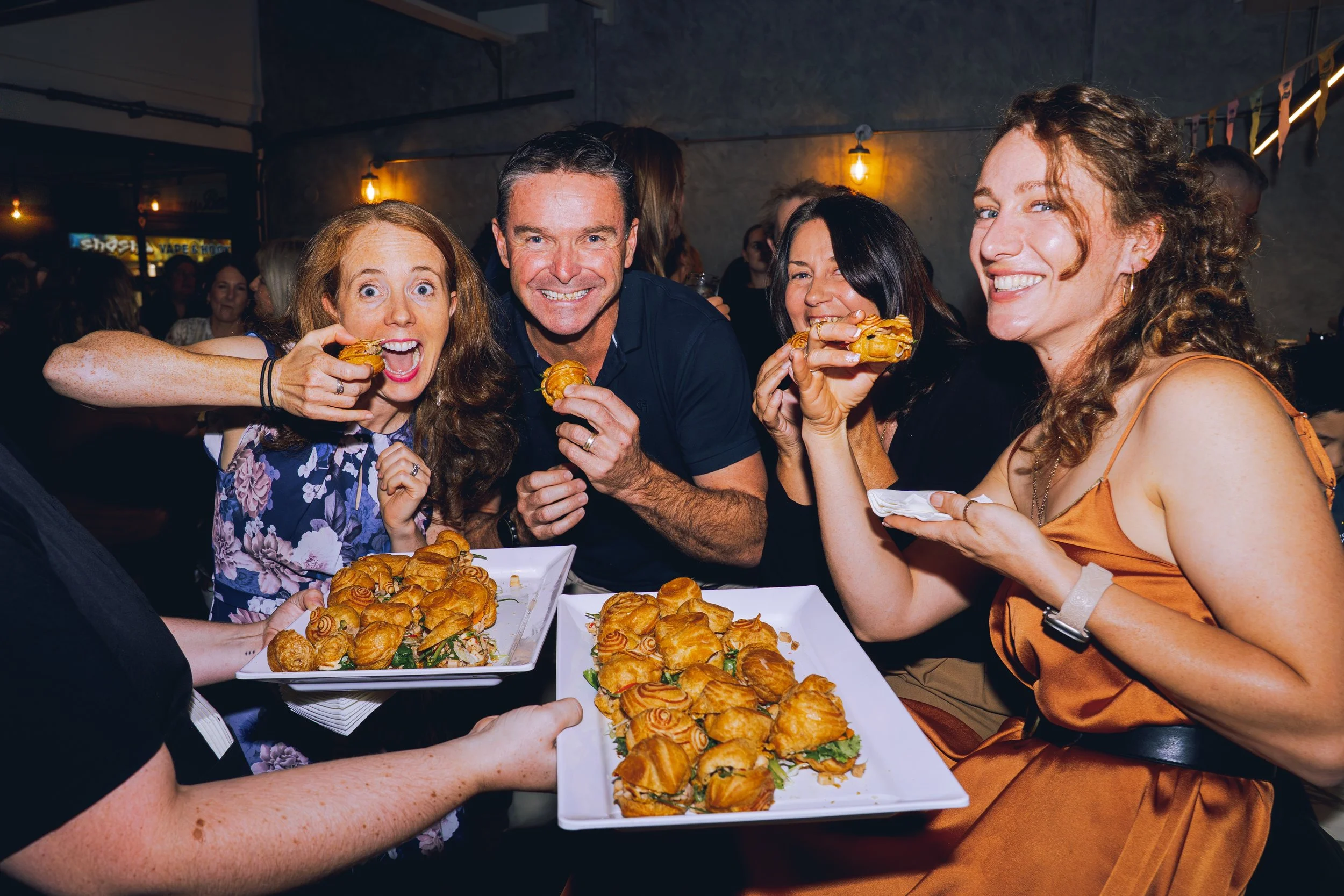
The arrival of the Michelin Guide in New Zealand has generated plenty of excitement, and rightly so. Internationally, a Michelin recommendation or star can transform a restaurant’s reputation, attract global visitors and elevate an entire country’s culinary profile.
For New Zealand, it’s another chance to showcase our food story on the world stage, but although much of the conversation has centred on which restaurants might earn recognition, I think the bigger opportunity lies elsewhere. It’s with the regions.
Tourism New Zealand has identified food and beverages as a key driver of international visitation, recognising that today’s travellers increasingly choose destinations based on the experiences they’ll have, not just the sights they’ll see. Food has become one of those experiences. Visitors want to discover local produce, meet the people behind it and experience the flavours that define a place.
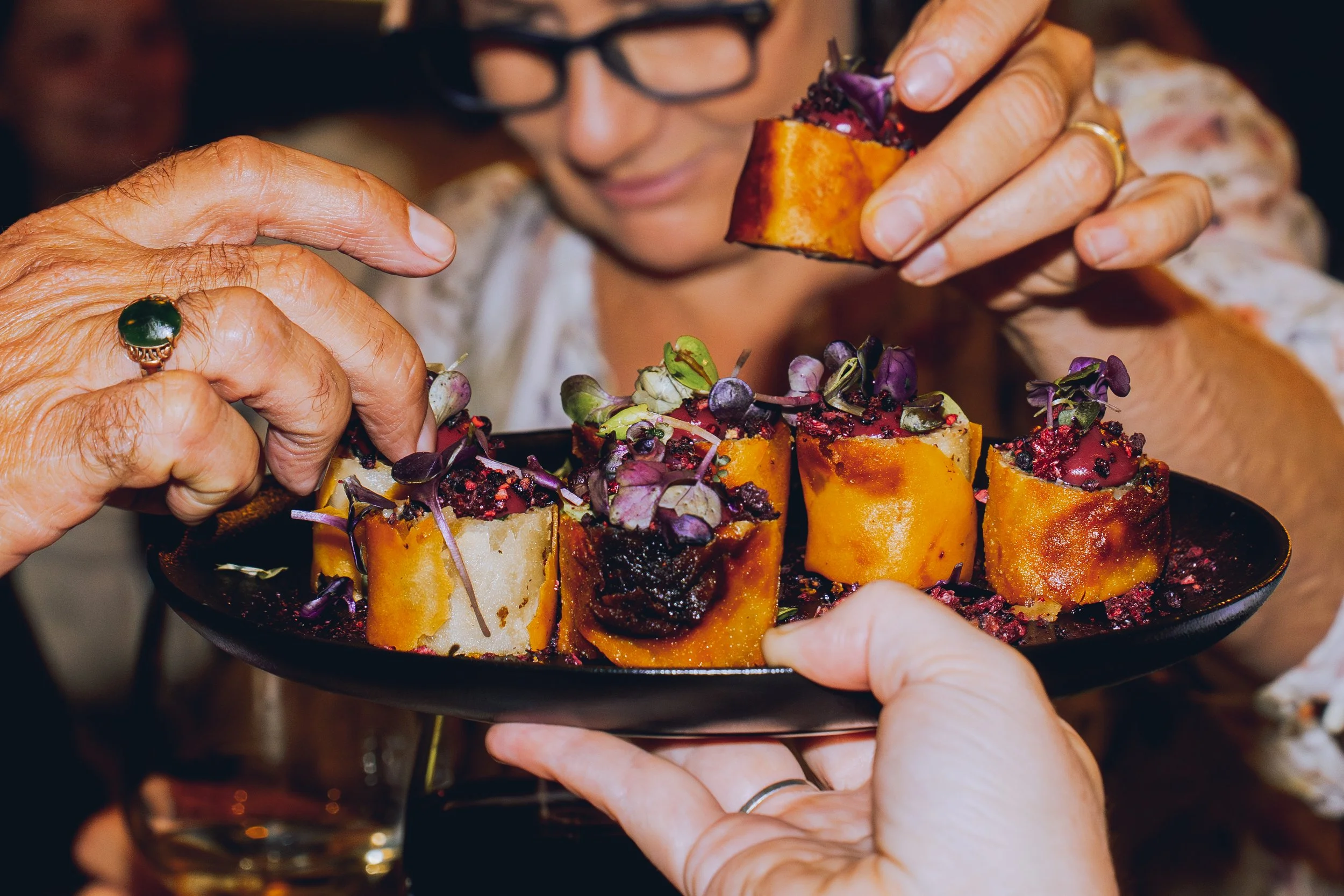
Michelin has the potential to put New Zealand on more international itineraries. The question is: once visitors decide to come, how do we encourage them to travel beyond our major cities?
That’s where our beautiful Bay of Plenty has a genuine opportunity to shine. We’re fortunate to have many of the ingredients already in place: a thriving horticulture sector, innovative producers, talented chefs, award- winning restaurants, boutique breweries and distilleries, bustling farmers’ markets and a climate that allows incredible produce to flourish almost year-round. More importantly, we have something visitors are increasingly seeking: authenticity and manaakitanga (hospitality, generosity...) in abundance.
The Bay of Plenty has never tried to be a fine-dining capital – and that might be one of its greatest strengths. Our food culture is relaxed, welcoming and deeply connected to the people and the landscape that produces it. Whether it’s sharing a long lunch overlooking the ocean or meeting the grower behind the ingredients on your plate, our hospitality reflects the lifestyle that makes this region special.
The challenge isn’t creating great food experiences, it’s making them easy to discover. This is where regionalcollaboration becomes so important. Food trails, seasonal campaigns, destination marketing, accommodation packages, festivals and events all help visitors to see the bigger picture. Rather than promoting individual venues in isolation, they create a compelling reason to spend another night, explore another town or venture a little further off the beaten track.
Events such as Flavours of Plenty have already demonstrated what’s possible when an entire region comes together to celebrate its food identity. By connecting producers, chefs, hospitality businesses and communities, they offer visitors something they can’t replicate elsewhere – a genuine taste of place.
As Michelin shines a brighter spotlight on New Zealand’s culinary credentials, the Bay of Plenty has an opportunity to ensure our region is part of that story – not by trying to imitate the world’s dining capitals, but by confidently showcasing what makes our own food culture distinctive. After all, people don’t travel to the Bay for a single restaurant. They come for the beaches, the orchards, the sunshine, the hospitality and the lifestyle. Great food simply brings those experiences together.
Perhaps that’s the opportunity Michelin presents – not to chase stars, but to give more people a reason to discover everything else that’s waiting beyond the city limits.

From Paris to paradise
From French bistros to New York dreams, globe-trotting chef Paul Patterson has found his anchor at Ōhiwa Harbour's Fisherman’s Wharf.
From French bistros to New York dreams, globe-trotting chef Paul Patterson has found his anchor at Ōhiwa Harbour's Fisherman’s Wharf.
words SUE HOFFART
photos CLAIRE HOUSE PHOTOGRAPHY

Fijian-Kiwi chef Paul Patterson admits it was fun rather than food that lured him into commercial kitchens. The Ōhope restaurateur was 15 when he began washing dishes in a city pizzeria, relishing the vibrant social scene and comparative maturity of his female workmates. But everything shifted on the night a short-staffed chef called him to the stove.
“I was chucked in the deep end and I loved it,” he says. “By the time I was 16, I was half-running the pizza joint.”
So began a culinary career that has taken him to Paris, New York and to the Waiheke Island bowling club. He has flown to Glastonbury music festival to cook for celebrities and once scooped an award at the barbeque world championships in the American city of Memphis.
There have been a few additional stops along the way, too. Like starting a horticulture degree and completing an auto engineering diploma, with stints as a drainlayer, a security guard and photographer for a music industry magazine. Not to mention appearances on reality television show The Bachelorette. “But I always end up back in the kitchen.”
Now, at 40, he is settling into small-town life while casting for kingfish out the window of the Fisherman’s Wharf restaurant he has purchased on the edge of Ōhiwa Harbour. It was an act of charity that introduced him to the coastal community three years ago.
Paul had agreed to donate a personal chef experience for an animal welfare fundraising event, held at the Ōhope Beach Golf Links clubhouse each year. On that first visit, he was gobsmacked by the stunning beach backed by rolling hills and an especially relaxing rural ambiance.

During a subsequent stay, for the same event, he discovered a wharfside eatery with a bank of wooden windows that overlook darting stingrays, sailboats and a waterway stocked with fresh oysters.
Paul claims he pestered the previous owner into selling. Last year, he and partner Sarah Day moved their toddler son Hendrix to Ōhope to immerse themselves in a different kind of life.
“It’s a really beautiful place and this region is amazing, with the water and the bush. I can watch people floundering out the front here and 40 minutes’ drive from work, I can shoot a deer. A 40 minute boat ride and I can catch a marlin.
“I have customers with a gin distillery and there’s an island across the harbour with an avocado orchard on it. You can’t really beat it.”

Paul admits he was vastly less enthusiastic about the New Zealand lifestyle when Covid forced him to leave his central Parisian apartment and fly home in March 2020. He had been living on the banks of the Seine river, working as a restaurant consultant responsible for opening more than a dozen eateries in Paris and beyond.
In fact, he was weeks from launching an eatery in New York’s Lower Manhattan when the global pandemic scuppered not only the restaurant but his own plan to live part of the year on that side of the Atlantic Ocean.
Suddenly, Paris became eerily empty and Paul’s Fijian-born mother and Kiwi dad begged him to return to Auckland. He found himself marooned, unable to return to the bright lights of his former life and unsure how to move forward in his homeland.
It was, he says, a tough pill to swallow. So he dug drains to fund a new restaurant business in Parnell. When that didn’t work out, he moved to Waiheke Island to run the kitchen inside the island’s sole bowling club.
During his tenure, membership swelled from 300 to 900 members. His brief and unlikely screen career was sparked by an unsolicited casting call for The Bachelorette. He said no. However, he warmed to the idea after a few too many glasses of Bourbon with friends.
“And, actually, it was great. It was definitely a fun experience. You learn a lot about yourself. You’re stuck in a house with no phones, no music, no TV, so you have a lot of time to be in your own head. It was therapy.”
As always, he returned to his chef whites. “Yes, I love the food, the creativity, the thrill of getting a menu perfect but it’s more than that. For me, the kitchen is a place of crazy ups and downs, with a lot of emotions and a lot of pressure. You’re forever chasing something, trying to fix something, get better service, a better dining experience, better leadership of your staff. It’s addictive.”
On April 5, Paul will host a ‘Scales and Ales’ beer and seafood event for the Flavours of Plenty Festival. His ‘Cray Tales and Cocktails’ evening is scheduled for the following Saturday.