CROWD PLEASERS
The Bay of Plenty is rapidly becoming a hotspot for events. Karl Puschmann talks to the key people behind some of the Bay’s biggest events to get a behind-the-scenes look at what it takes to bring these events to life, their cultural and economic impact, and discover if this is just the beginning.
The Bay of Plenty is rapidly becoming a hotspot for events. Karl Puschmann talks to the key people behind some of the Bay’s biggest events to get a behind-the-scenes look at what it takes to bring these events to life, their cultural and economic impact, and discover if this is just the beginning. PHOTOS ROBBIE HUNTER | HAIR + MAKE-UP DESIREE OSTERMAN
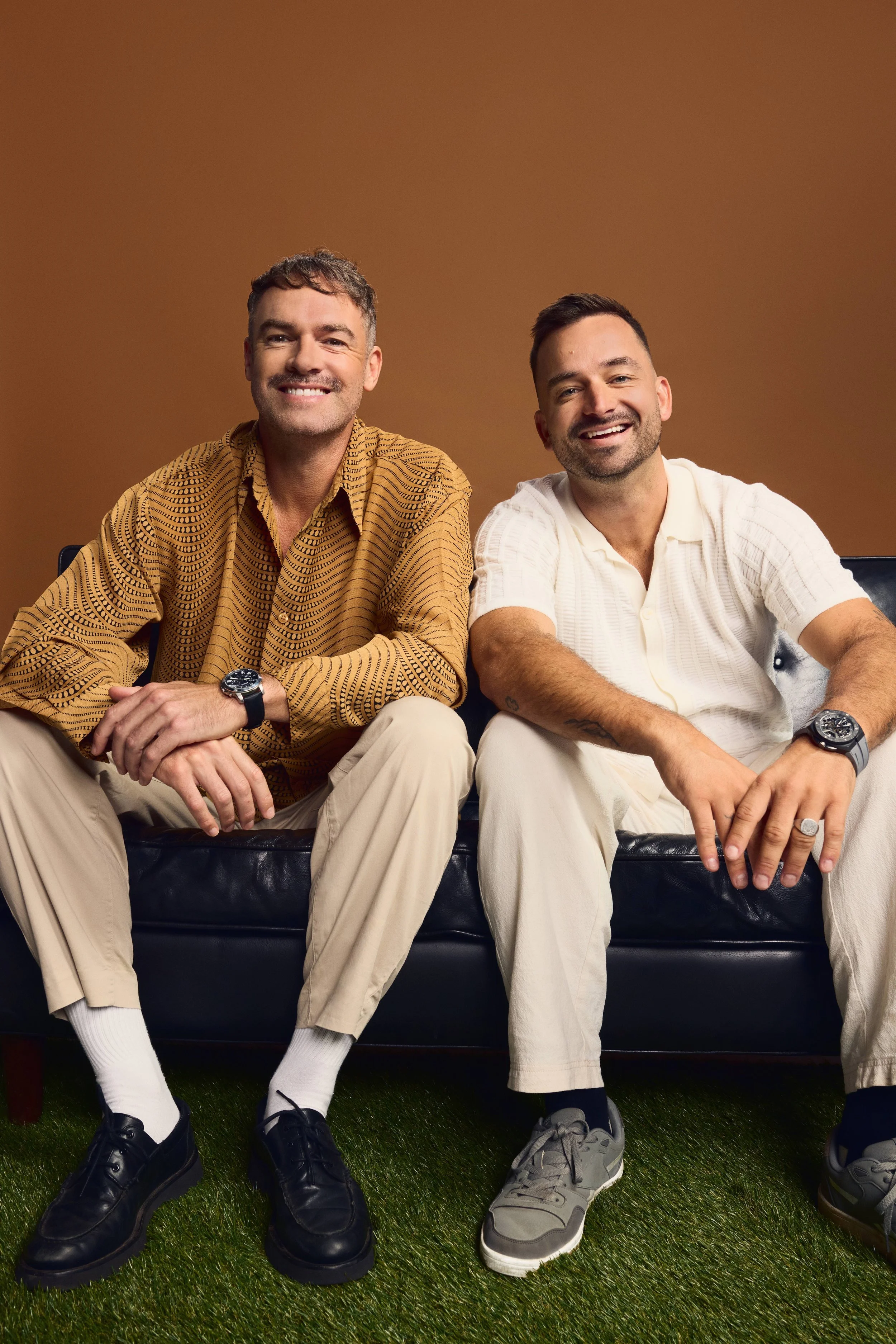
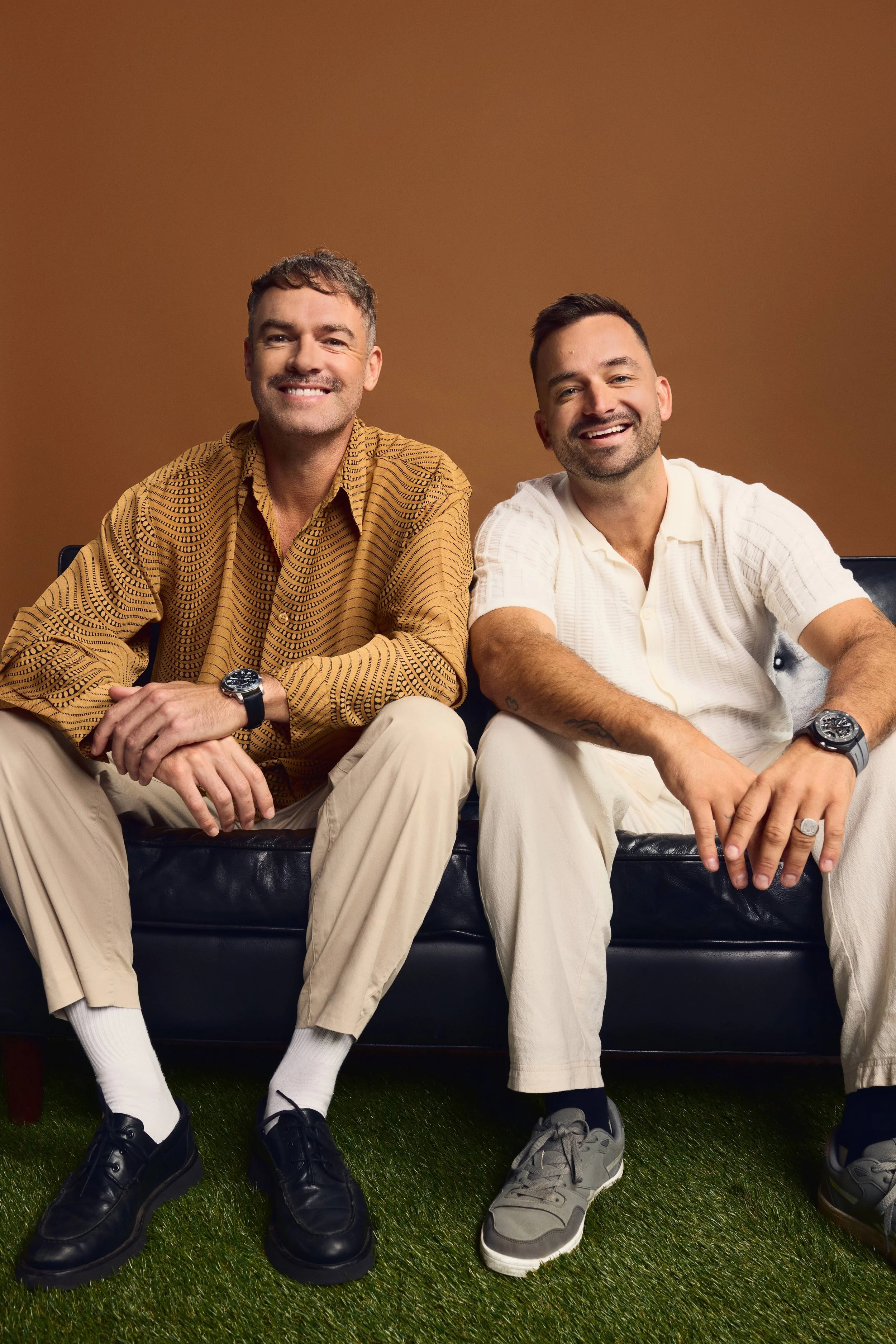
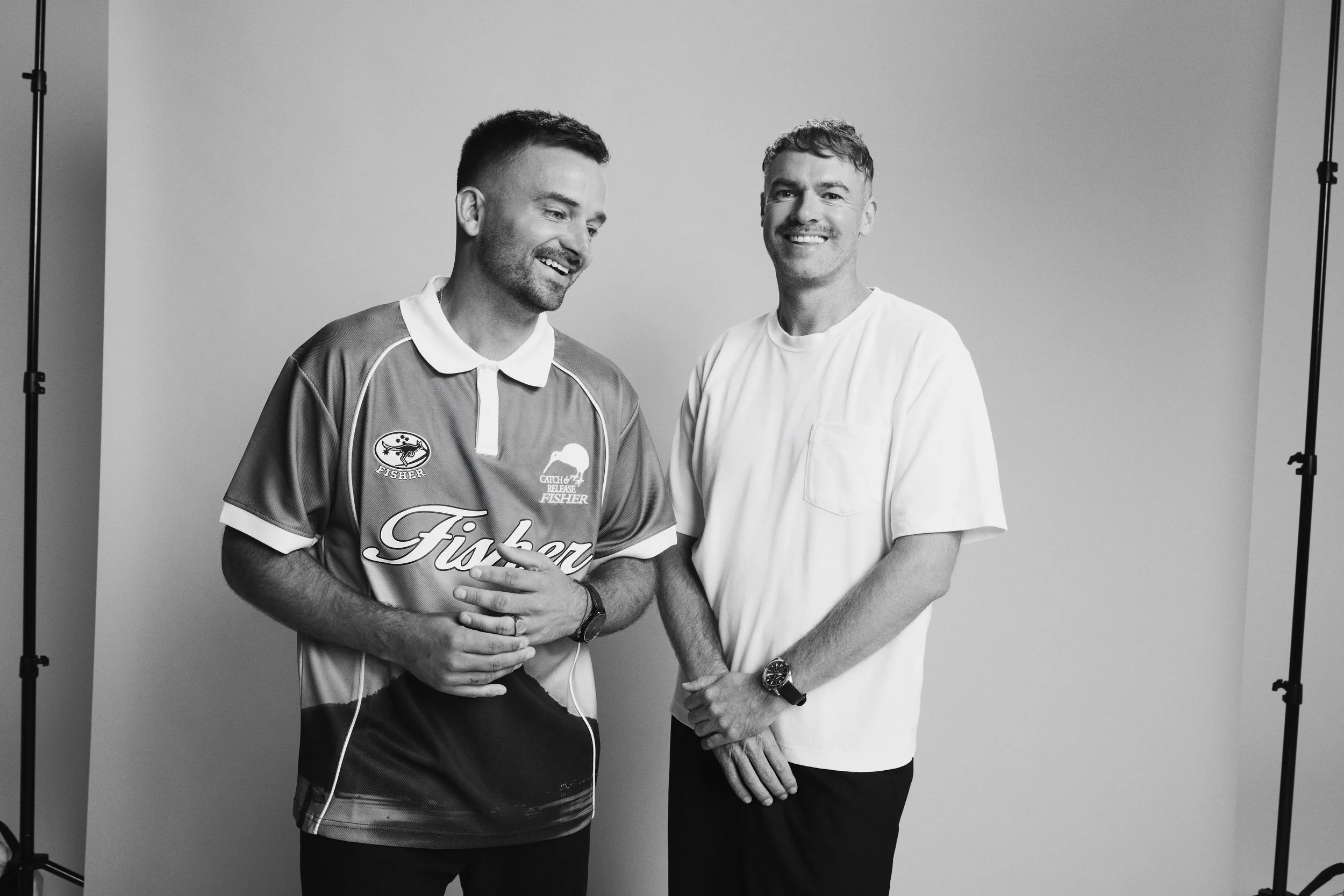
Toby Burrows and Mitch Lowe
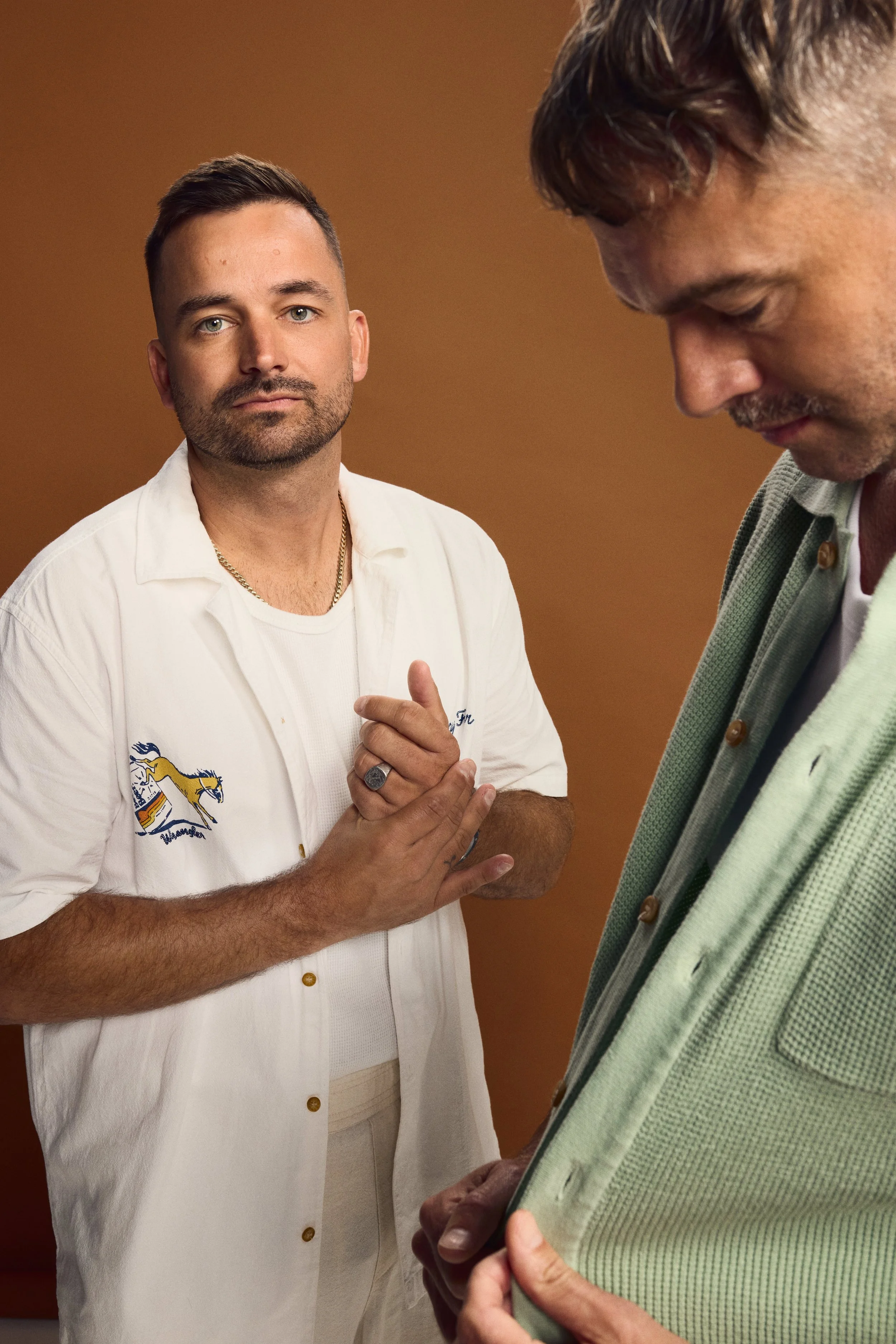
I’m standing in the heart of Mount Maunganui’s industrial area, in front of a large warehouse, wondering if I’m in the right place. This unlikely, unglamorous spot is where some of the Bay of Plenty’s biggest events are dreamed up, organised and, if all goes to plan, brought to life. I’ve come to talk to Mitch Lowe and Toby Burrows, the two chaps behind the summer’s history-making Fisher concert at the Bay Oval, about the resurgence of events in the Bay of Plenty, what goes into staging them, and the impact, both economically and culturally, that they have on our region.
But first, I need to find the front door.
I walk down the long driveway, and past the side of the building, whose sliding doors have been pulled open on this bright, hot day, affording me a view of the welders inside who are hard at work behind a shower of bright sparks. It’s a far cry from the triumphant firework display that lit up the sky to bring the Fisher concert to a close.
Near the end of the building, there’s a door. I poke my head inside and see a wall covered in framed concert posters, and a top-of-the-range Pioneer DJ set-up in a booth to my left. This is more like what I was expecting. What I don’t see is people.
“Hello?” I offer, walking inside and knocking on the wood of the DJ booth. Toby bounds down the stairs to greet me.
“Hey mate,” he says, shaking my hand. “Can I get you a Red Bull?”
Energy drinks in hand, he leads me up the stairs and into a boardroom, which is also decorated with framed posters, and where Mitch is sitting in front of a laptop, which he closes as we walk in. It’s here, from this office, tacked onto the back of an industrial factory, that the pair plan out over 150 events a year around Aotearoa.
“The Bay’s always been a priority for us,” Mitch says. “Because we’re local, we’re going to push as much as we can into the Bay. It's a really exciting time.”
“The summer’s been pretty busy,” Toby adds.
That feels like something of an understatement. After a barren few years following the COVID pandemic, there’s been an unignorable resurgence of events happening here in the Bay recently. Coupled with the freshly rejuvenated city centre, the upswing in trendy cafés, bars and restaurants popping up and the ongoing suburban growth down the Pāpāmoa coastline, it’s beginning to feel like the region is shedding its old, and somewhat unfair, reputation as a haven for oldies and gaining a name for itself as a spot where there’s always something happening.
“When I moved to Tauranga a decade ago, people used to go, ‘Oh, it’s a retirement village,’” Mitch laughs. “That used to be the general feeling before we started doing big events here and trying to bring a bit of life to it. Now, I know tons of people who have moved here. They think of Tauranga as one of the event capitals of New Zealand. It’s cool to be a part of that.”
The pair have spent decades working in the events industry — Toby for 23 years and Mitch for 16. Before joining forces, Toby was heavily involved in Gisborne’s New Year’s Eve festival, Rhythm & Vines, while Mitch built his career touring DJs and electronic acts and running club nights. Around a decade ago, Mitch moved to the Bay to launch the single-day music festival Bay Dreams, which debuted in 2016 and ran each summer until it was officially placed on hiatus last year.
The pair knew each other from the industry, and decided to work together on the legacy rocker Bryan Adams’ 2019 Aotearoa tour, which took in Auckland, Wellington, Nelson and Christchurch. This was a significant success, leading the partnership to continue and become more formalised, with Toby moving from his home in “Gizzee” to come to the Mount a year or so later.
“I did a lot of humming and hah-ing about it, but committed to the decision. Now I look back and wonder what I was humming and hah-ing about,” Toby laughs. “It has the beaches and the lifestyle, and geographically it’s sort of in the middle of everywhere. It ticked all the boxes.”
“We love it,” Mitch says. “We’re both raising our families here, which is a good indication of our passion for the place.”
The success of Bryan Adams had shown them there was a gap in the market for legacy artists, so the pair naturally doubled down, bringing over legendary acts like Toto, The Jackson 5 and Snoop Dogg, while also creating one-day festivals targeted at different music genres and audiences, like Rock the Bowl, Le Currents and, of course, Bay Dreams. Most did well. But, the pair admit, not all.
“The funniest one was when I asked my dad’ s opinion on a legacy act,” Mitch recalls. He said, ‘Oh, that’s a guaranteed sell. Absolutely. No question’. We booked it, promoted it, went on sale… and it flopped.” Jokingly, he says, “Dad doesn’t get free tickets anymore.”
But that’s the nature of the events biz, he says. Every show is a gamble that could literally see you losing your house. Something, the pair say, has almost happened more than once over the years.
But that was when they were younger, more naive and excited. But there were some growing pains, and Mitch says they had to learn how to run their business properly.
“We’re not taking stupid risks anymore,” Mitch says. “We’ve learnt how to take calculated risks. Now, when we go into things, I’m confident that we’re either going to win or we’re going to lose an amount that we can handle.”
“We manage risk in a way that doesn’t feel too risky,” Toby says, noting that while their gut feeling still plays a role, they also have a stringent process of running the numbers and looking at specific artist metrics that have to add up before they decide to go ahead with an event. “We’re not risking everything if it doesn’t work anymore. Initially, I was brazen and not afraid to lose everything I had, because I had nothing. As I’ve gotten older, you know, I don’t want to lose everything. We say ‘No’ to a lot of things that come to our desk.
It’s got to fit within certain metrics to make sense.”
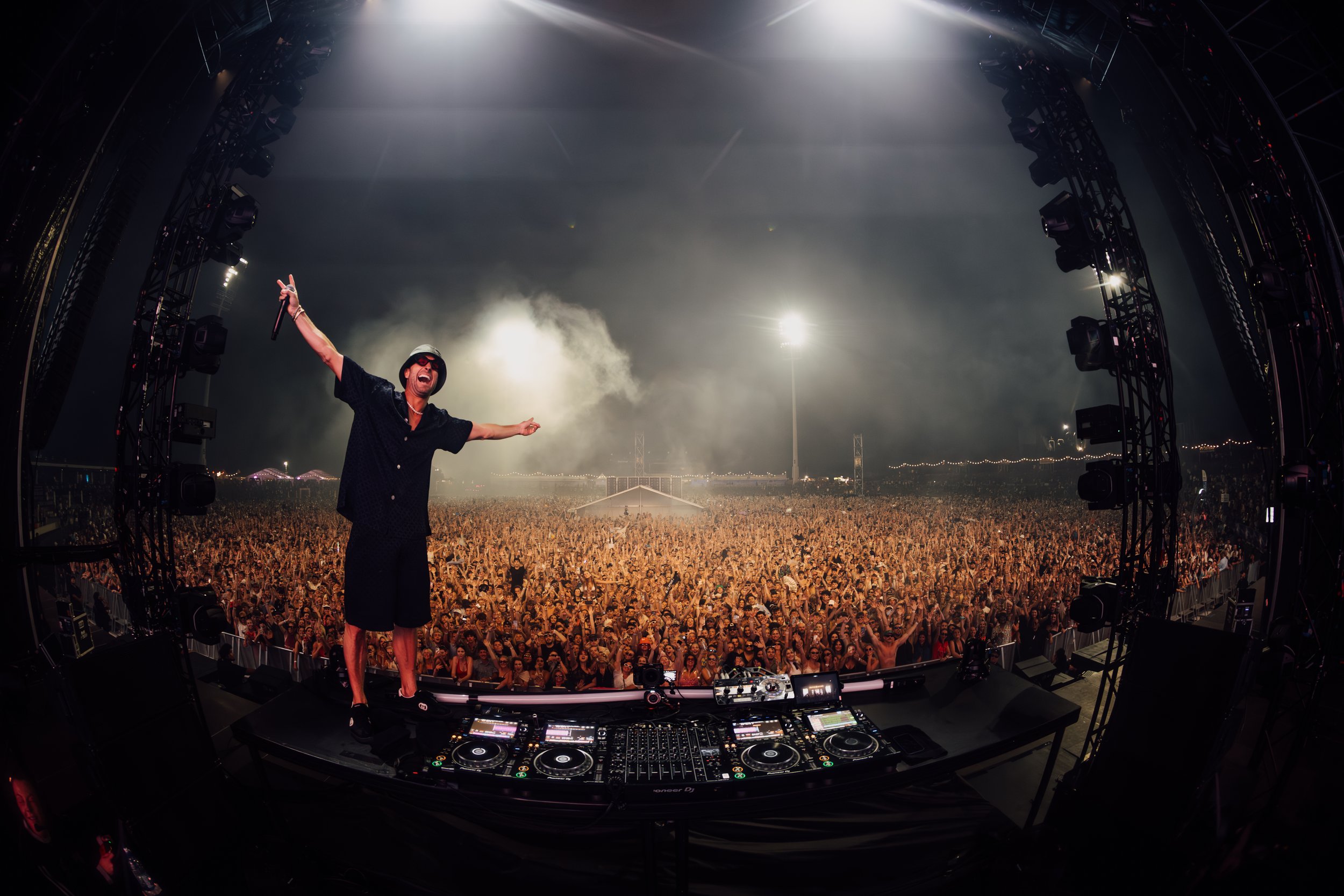
Which brings us to Fisher. If there was a single moment that announced the Bay’s arrival on the national stage, it was that summer concert at Bay Oval — the first-ever music event held at the iconic stadium. In hindsight, it seems like a guaranteed success. But at the time, it was a bold gamble. And while their homes weren’t literally on the line, a flop would have set their business back years.
They’d invested half a decade securing Bay Oval and were determined to headline the first show with a global name. Still, having toured Fisher the previous year, they worried it might be too soon to bring him back.
“We thought if we brought him to the Mount in the middle of summer, put him on at Bay Oval with the right line-up around him, and marketed it properly, it would work,” Toby says. “We’re entrepreneurs at heart. We’ve lived with risk for so long that we’ve learned to thrive under that pressure.”
Adds Mitch: “We’ve done massive things here in the past, like Bay Dreams, but to promise one of the biggest acts in the world that they could come to this little region and still do the same numbers that they do in Auckland or Christchurch was pretty ballsy. It paid off.
“We were doubting ourselves right up until that moment we went on sale,” Mitch grins. “Within five minutes, we were like, ‘Okay, we’re good.”
“Fisher was a proof of concept. We wanted to show what was possible,” Toby says. “The goal was to prove that the Bay could deliver numbers and production values comparable to the big cities.”
It certainly did. Over 20,000 punters packed into the Oval for the show. But it wasn’t all locals. More than 82 percent of the punters who attended were from out of town, truly making the Mount the hottest place to be in the whole country that weekend.
Tauranga mayor Mahe Drysdale describes the Fisher concert as an “amazing success for our city”.
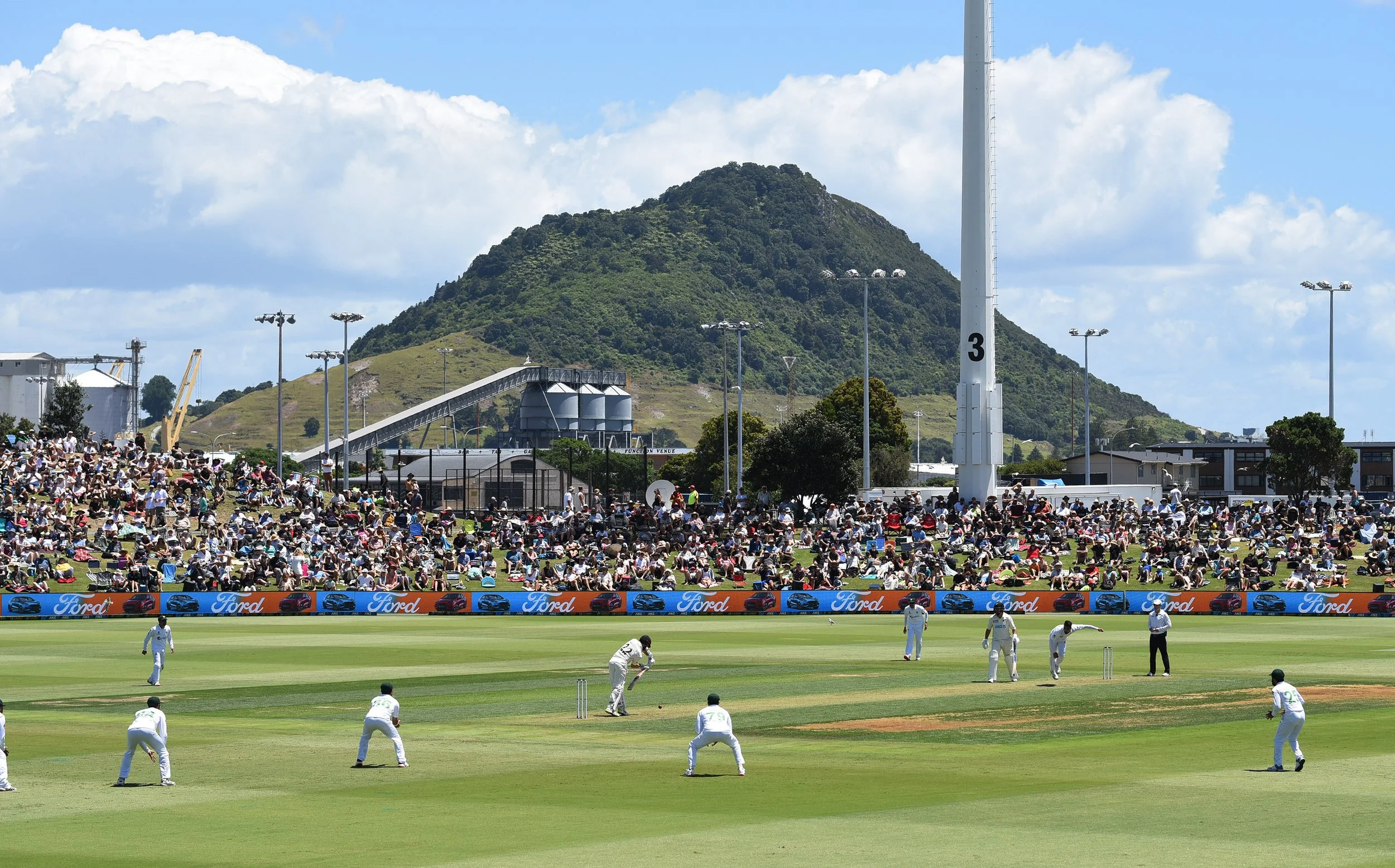
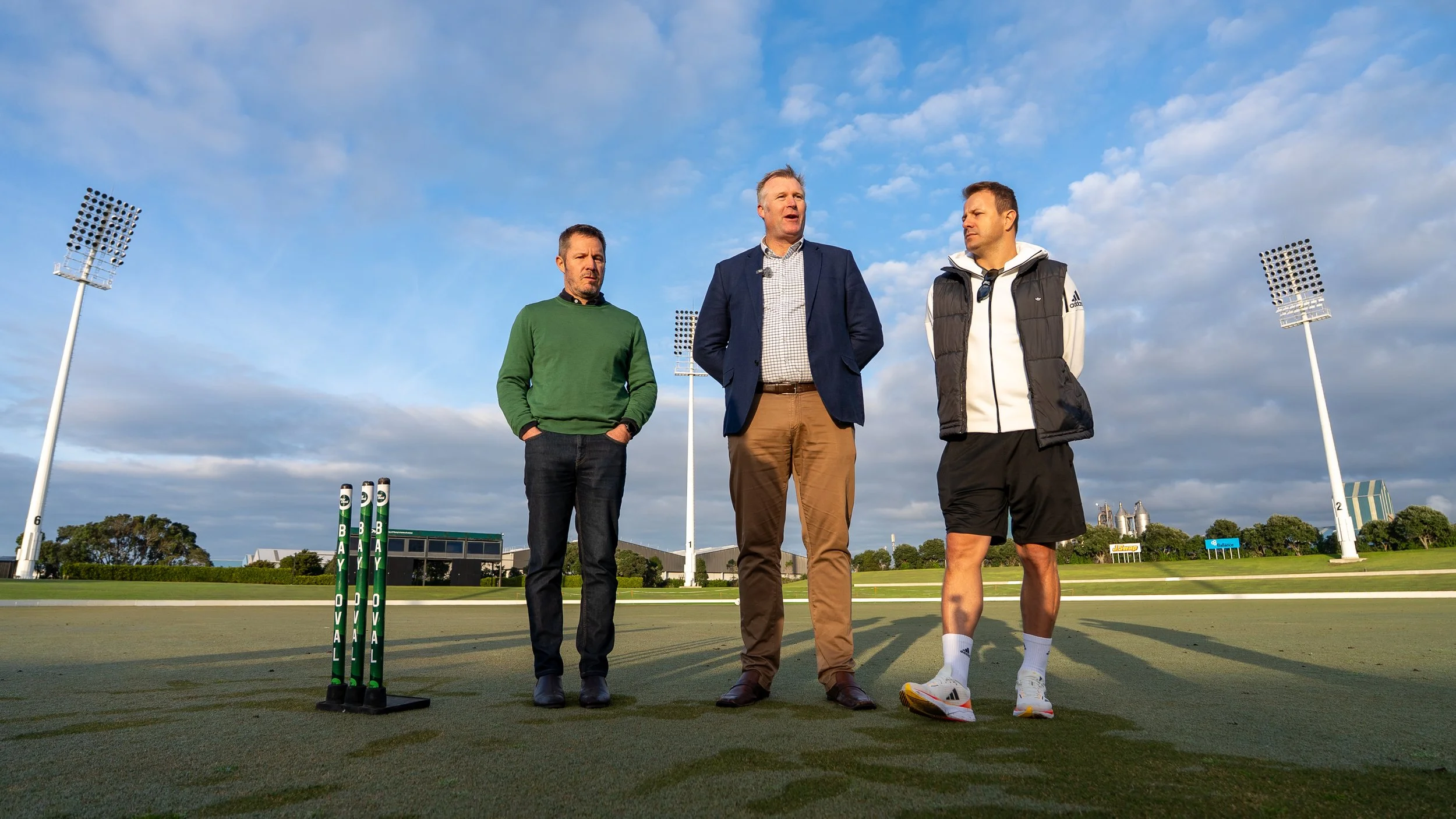
“It worked really well,” he tells me. “The feedback we’ve had is that it was an awesome venue, and there’s an opportunity there to grow. Bay Oval is a real jewel in our crown. We’ve had some really great cricket events over the summer, which is what it’s set up for, but we’ve said to Bay Oval, we really want to see more music acts and other events there.”
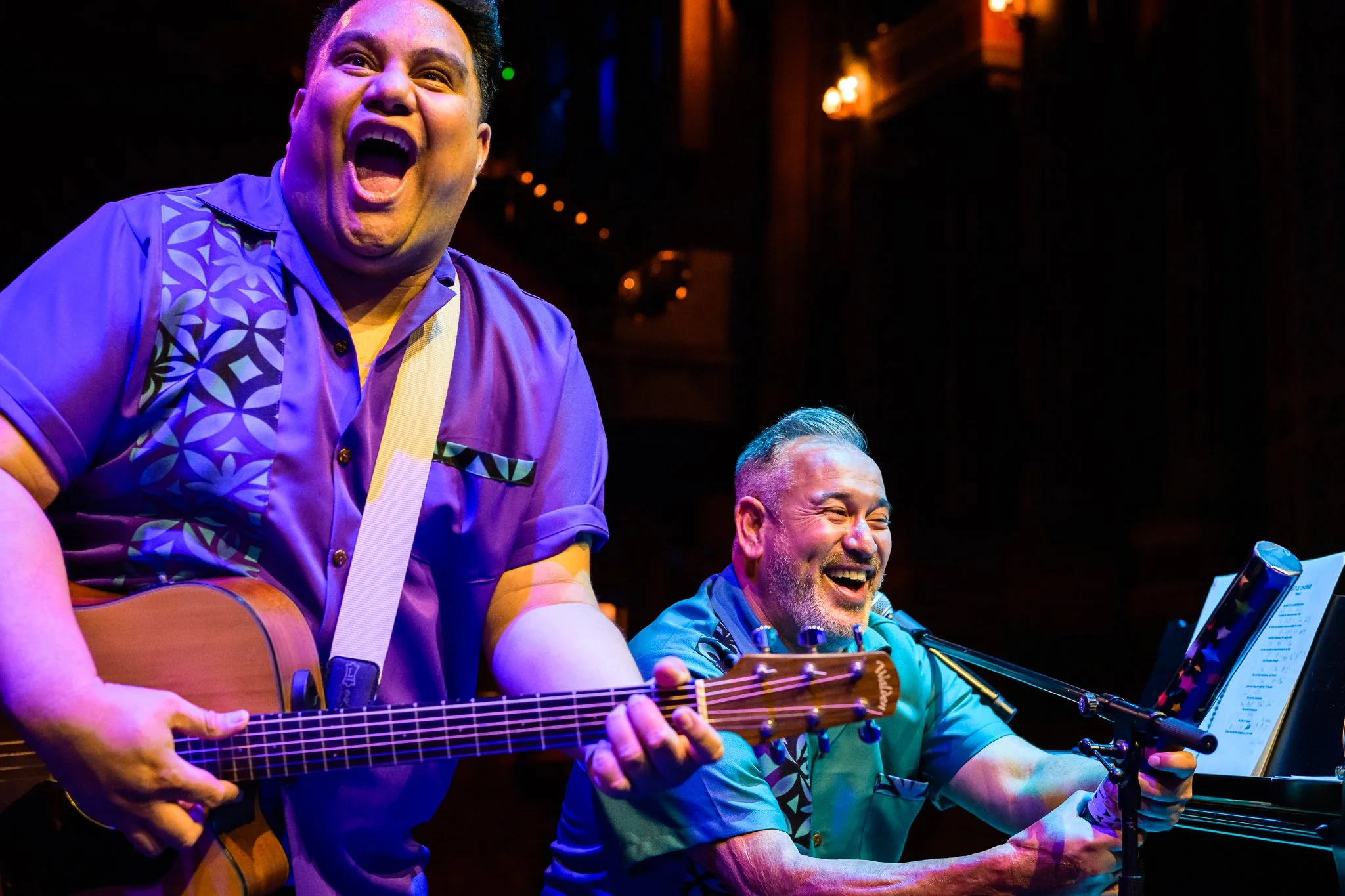
The one-two punch of Fisher, followed a week later by the UB40 with Ali Campbell concert, has proved the Oval works as a “legitimate venue”. Mahe says promoters can now have confidence that the Bay can successfully pull off these sorts of big events.
“Once one person’s done it, it opens up a whole lot more opportunities in the future,” he says. “We’ve identified events as being one of our priorities and one of our strategies to make this a better place. We want events here because of what they do for our region, for the accommodation providers, the local businesses, the hospo businesses, and for the sense of vibrancy that they attract. We can see the economic benefits of what events do for our city.”


He says the council is actively going out and finding ways to accomplish this strategy, pointing to the upcoming World Triathlon Series as an example.
“We’ve got three years of world-class athletes coming to our city to compete,” he says. “There are so many events out there that we can attract. We’re really excited.”
But what is it that’s attracting these events to the region? Why are organisers increasingly choosing to put on events here?
“The Bay is blessed with natural beauty. That’s certainly a big part of why it’s attractive,” he says. “A lot of people want to come here, so when events are on, people jump at the opportunity to come and enjoy the region. It’s a win-win,” he smiles.
“We can share our beautiful city, but also they help drive our economy. They have a significant economic and social benefit.”
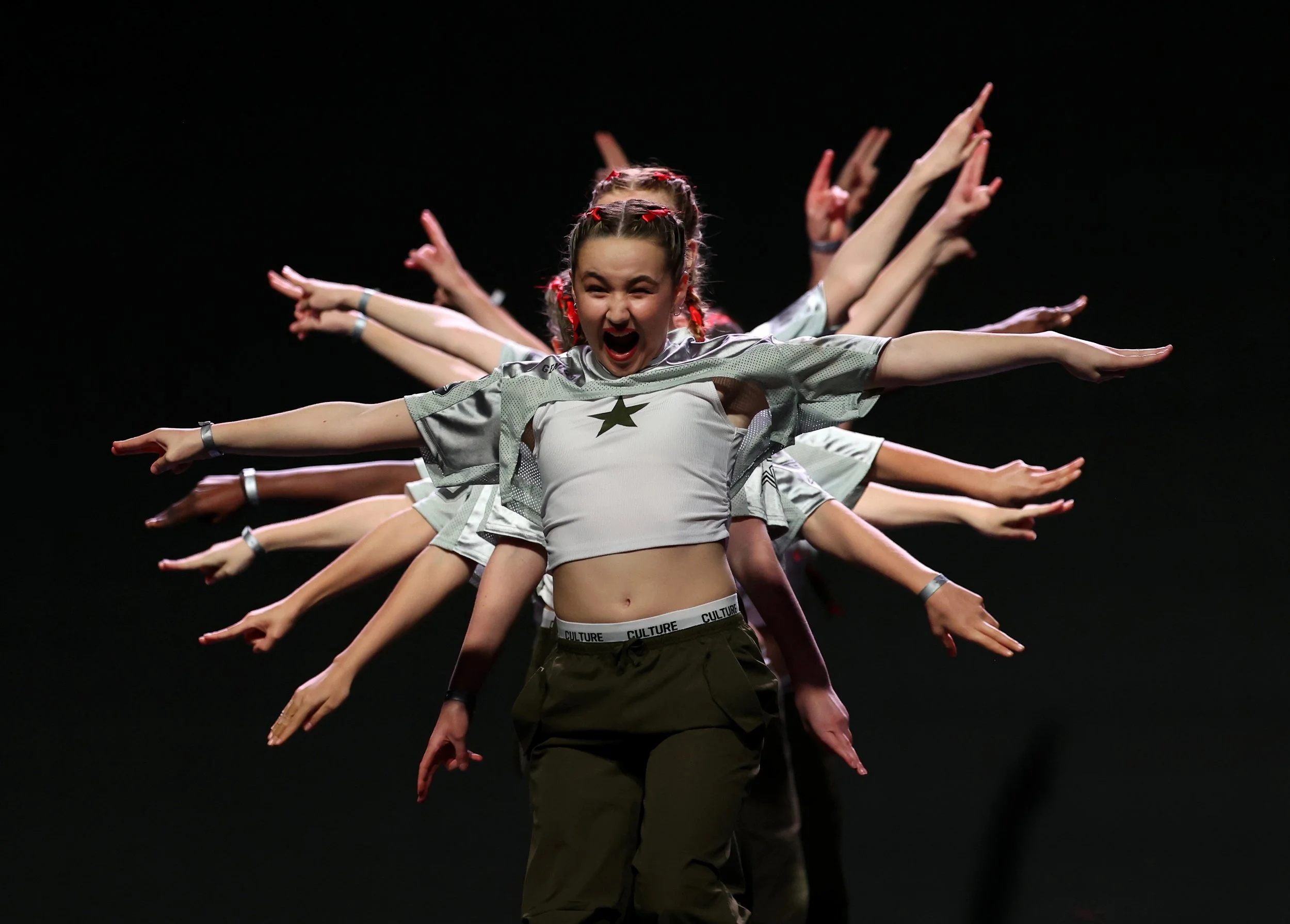
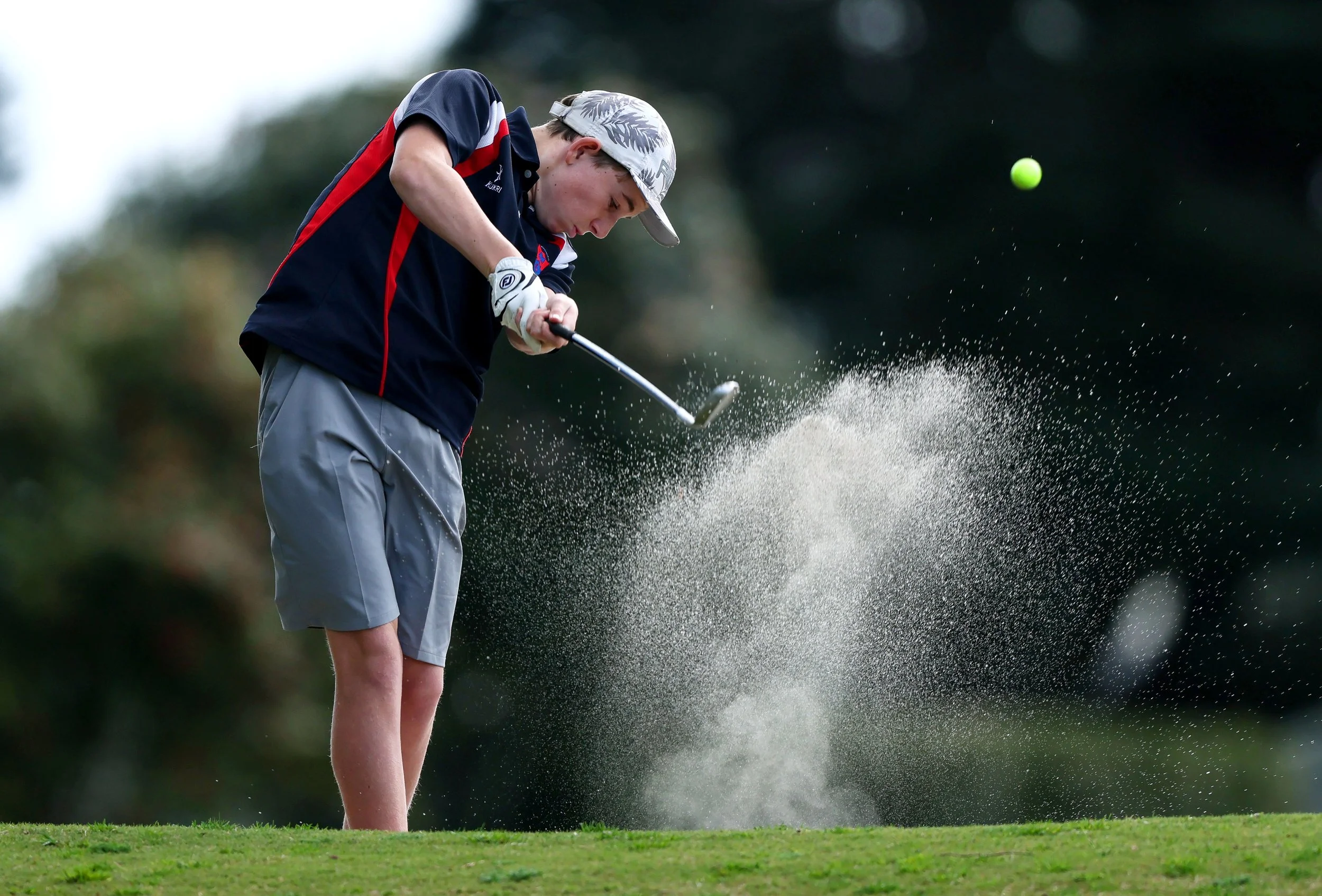
One of the best examples of this economic and cultural coming together is the annual AIMS Games. The week-long multi-sport tournament brings together thousands of Year 7 and 8 students from across New Zealand and the Pacific to compete in 27 different sporting codes, generating a tangible excitement as well as some serious cash for the region.
“Last year we had just over 14,000 athletes from 431 schools,” Kelly Schischka, the AIMS Games tournament director, tells UNO. “They compete in sport, make new memories and new friends in f it-for-purpose sports venues across the region. That, for us, is what makes it work so well.”
Add in coaches, managers, officials and supporters, and that number jumps to 29,558, with a whopping 23,425 of those coming in from out of town. This one event alone generated a huge $9,751,958 of tourism expenditure in Tauranga.
“Economically, the AIMS Games makes a big contribution, but more so, it really builds that pride of being hosts. That’s incredibly important,” Kelly says. “You can’t stage an event without the support of the community, and we absolutely have that with the AIMS Games. We’re incredibly lucky.”
The event started here in 2004 and has steadily grown in popularity ever since. The week-long event now takes over 29 different venues around Tauranga and the Western Bay of Plenty.
“The AIMS Games have really helped shape Tauranga’s identity as an event city. There’s nothing quite like being in town when they’re on,” Kelly smiles. “There are 14,000 kids here for a week-long sleepover with their friends. The energy levels are incredibly high. It’s hard not to get caught up in that. It’s a really special thing to be a part of.”
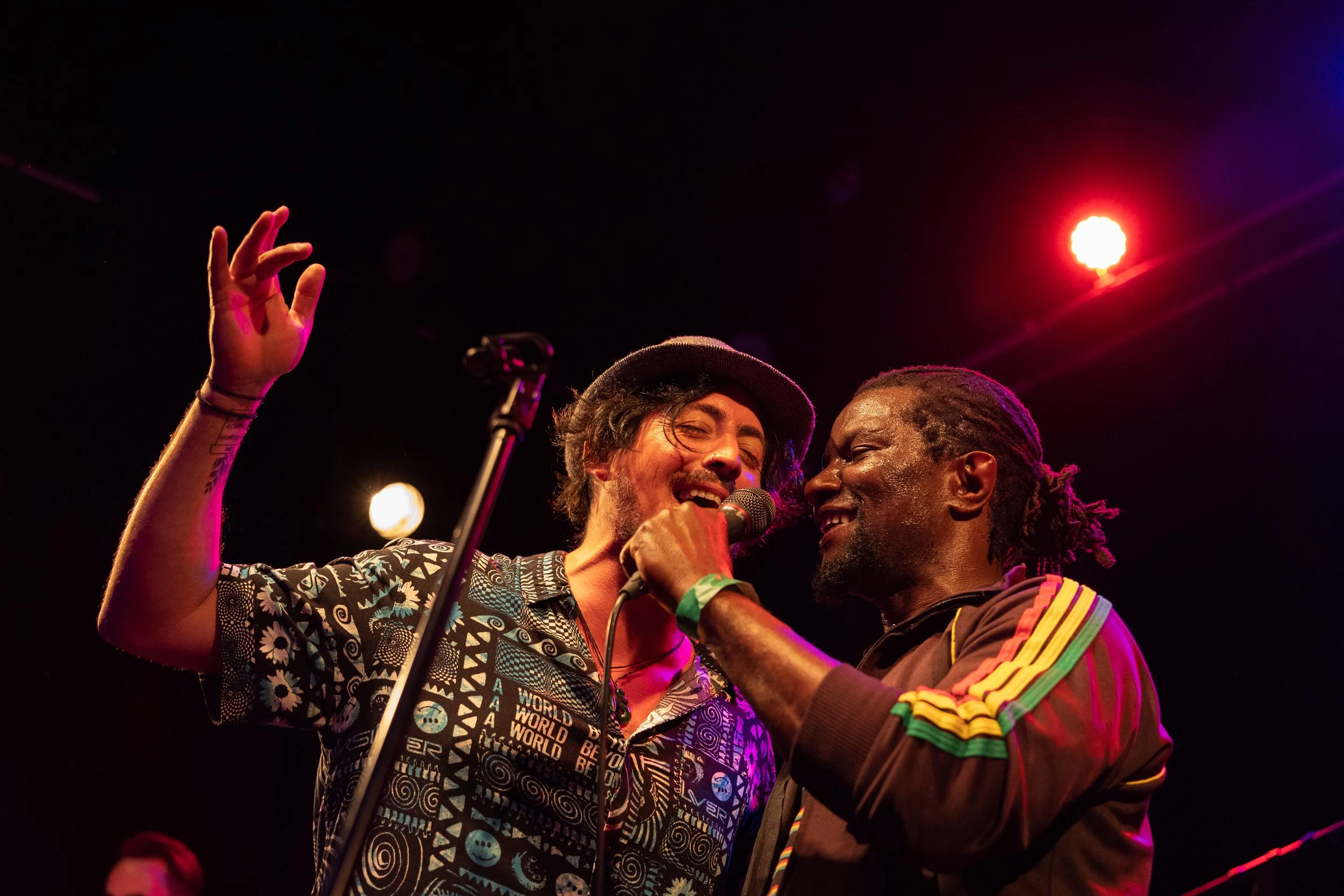
Along with the AIMS Games, Kelly says there are many events that are now synonymous with Tauranga, making it a vibrant place to live, and encouraging people to visit. There’s the Tauranga Marathon, the Jazz Festival, the Arts Festival, the Flavours of Plenty food festival and the Mount Festival of Multisport, one of the country’s longest-running and most iconic triathlons, to name just a few.
“These are part of the fabric of Tauranga,” Kelly says. “We’ve proven ourselves to be able to host international sporting events and fantastic music events incredibly well. It’s great for those of us who live here to be a part of that, and it’s fantastic to be able to showcase our city to different types of visitors who are here for different types of events.”
Things may feel big now, but it really is just the beginning, as national and international events are increasingly attracted by the region’s stunning backdrop, infrastructure and proven ability to be welcoming hosts for major events.
“It’s an exciting time,” Toby enthuses. “We have agents and artists from all over the world wanting to come down and work with us. There’s a lot of exciting projects in the pipeline right across the country, including here in the Bay.”
“I agree,” Mitch nods. “I have the feeling now that I had when we launched Bay Dreams back in the day. It feels like the start of something big. We literally have the biggest acts in the world asking us to do cool things.”
After the triumph of Fisher, the pair are already working on next summer's show. They know Fisher's a tough act to follow. I cheekily ask who's on their radar and they both grin and say there's some exciting options on the table. Just before I leave, I mention that it's a great time to be living in the Bay.
"It's exciting," Mitch agrees. "And this is just the start."