
THAT’S CHOICE
Far from telling kids what to do, the organisation behind everyone’s favourite giraffe is taking a different tack to give teens the tools to make good decisions for themselves.
Far from telling kids what to do, the organisation behind everyone’s favourite giraffe is taking a different tack to give teens the tools to make good decisions for themselves.
Most Kiwi parents will be familiar with happy, smiley Healthy Harold. The mascot giraffe has been the friendly face of Life Education since 1988, visiting primary schools around New Zealand to help make lessons about health and wellbeing fun and memorable.
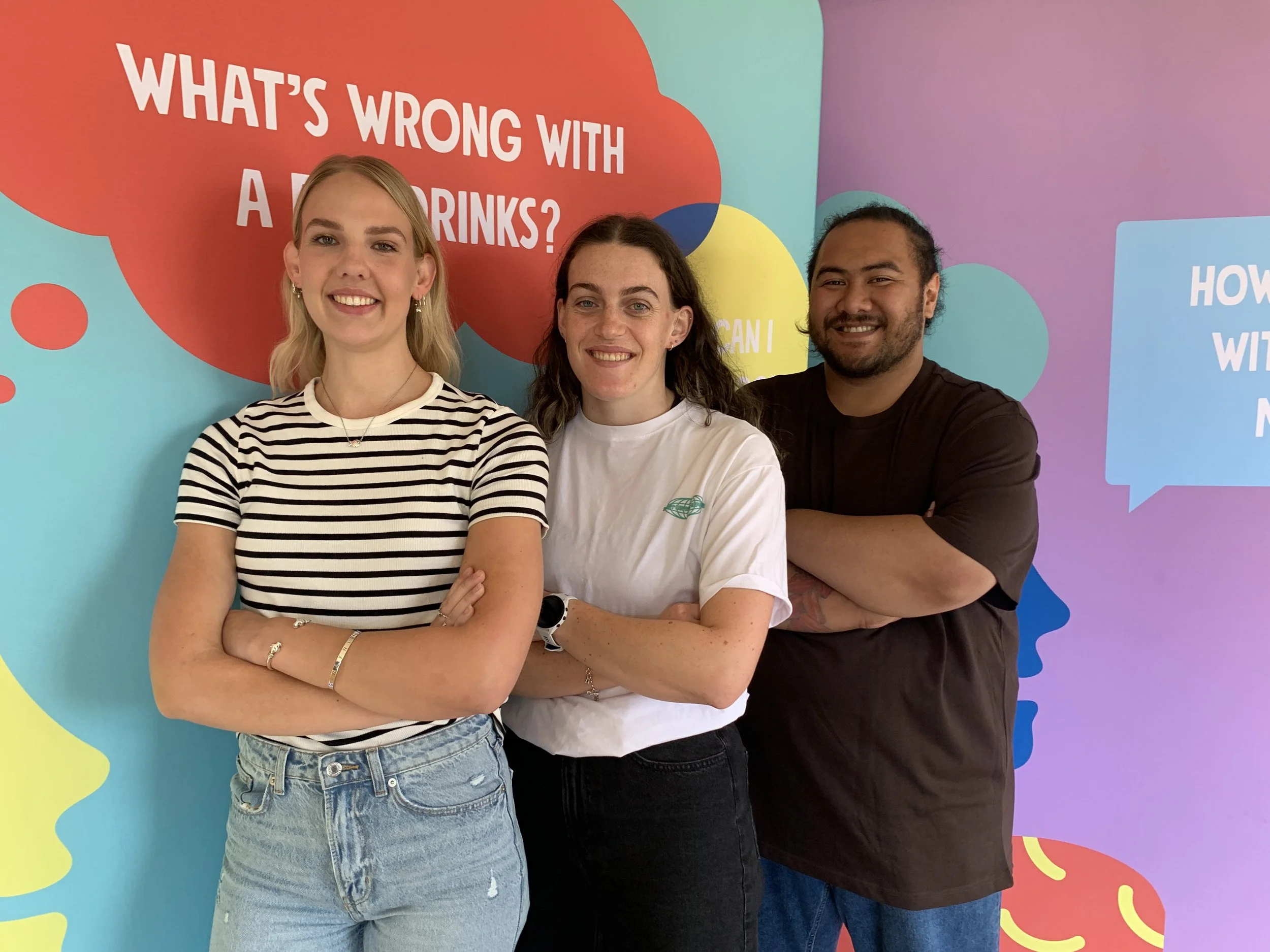
Now, Life Education’s graduating to intermediate and secondary schools via its Theatre-in-Education programme, which the trust’s chief executive Jo Malcolm-Black says is an exciting extension of their mission to help young people make positive choices. “It uses live performance and interactive workshops to meet young people where they are, developmentally speaking,” she explains.
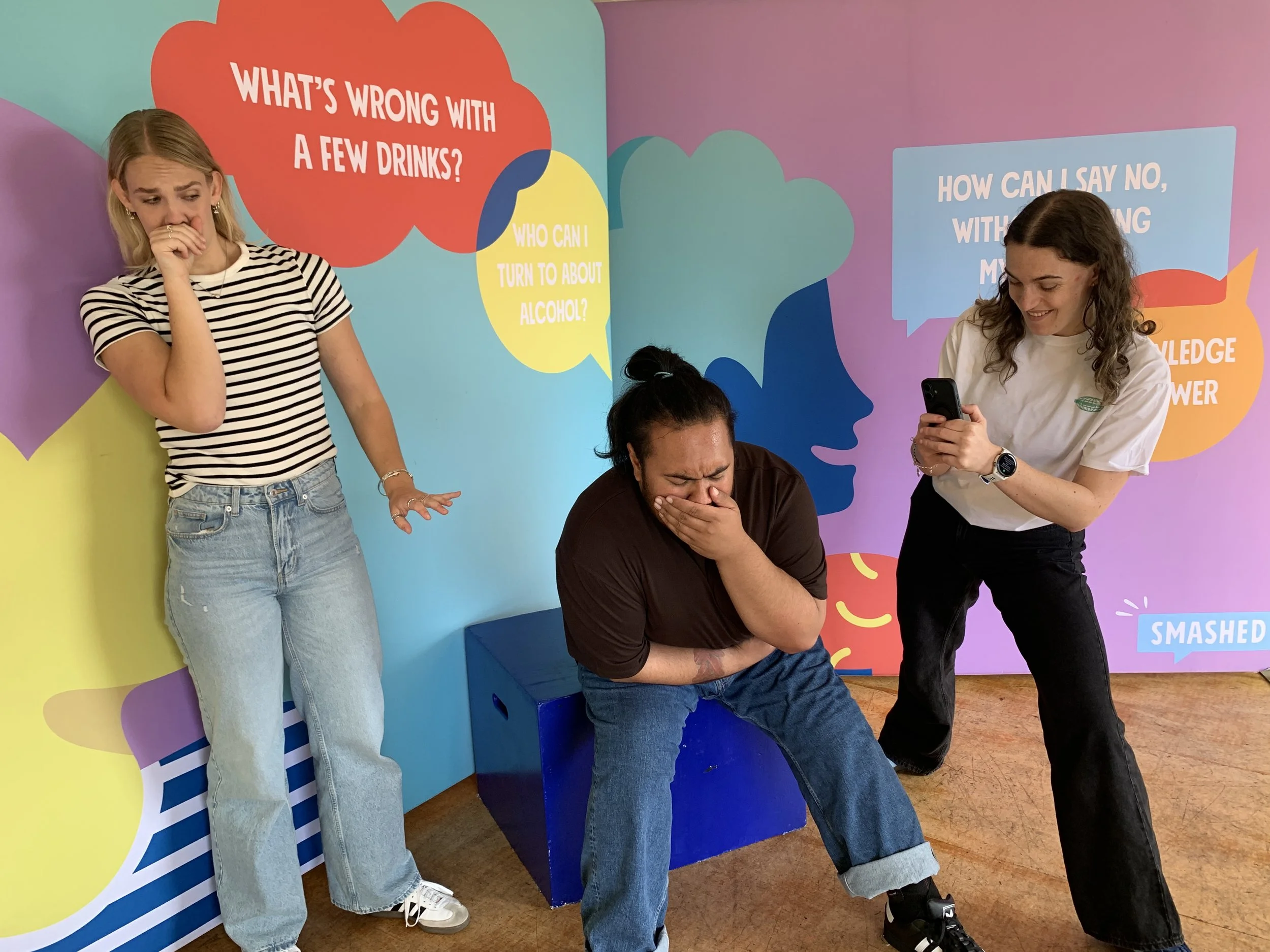
The idea is to use theatre to tackle some of the trickier territory faced by the teens of today. Three performances are currently visiting schools. Smashed deals with underage drinking, peer pressure and the consequences of alcohol; Smart$ teaches teens financial literacy and helps with everyday money decisions; and Behind the Scenes is about vaping and the traps of influencer culture and social media.
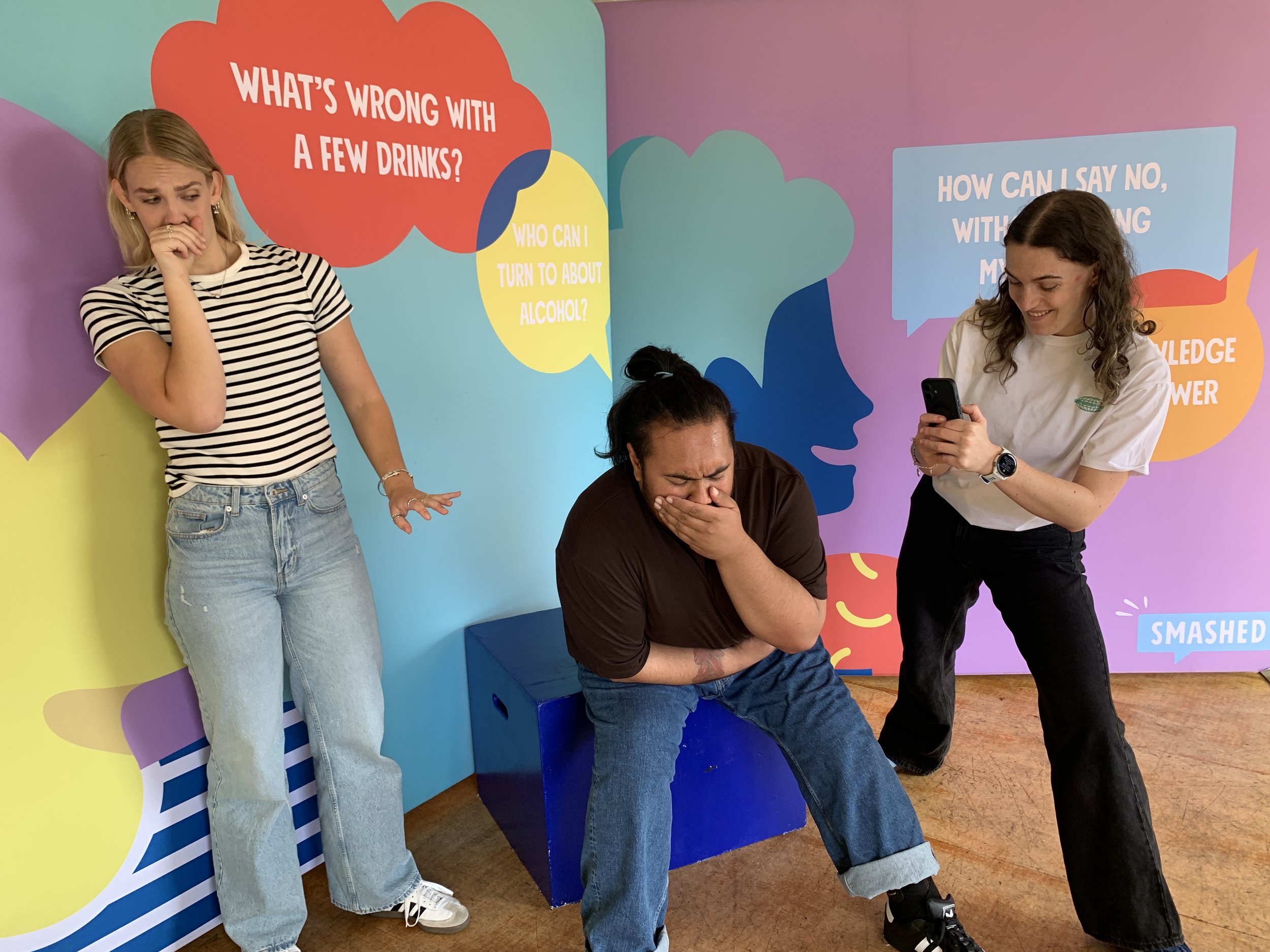
Jo says the three plays have been written to get teens thinking about the decisions they might have to make before they have to make them. To ensure they’re relatable, they’re performed by actors not much older than the kids in the audience. The scenarios have all been drawn from the real world and are followed by interactive workshops in which students can unpack what they’ve seen, question the characters’ choices and explore what they might do differently.
“It’s kind of a practice run for life,” says Jo. “Adolescence is so critical, because that’s the window where people develop the part of the brain that helps with judgment, impulse control and the ability to self-regulate, and learn how to weigh consequences. If you think about the kind of mistakes you made as a young person, the reflection comes after the mistake, not from the mistake itself. That reflection is what builds a person’s capacity to reason well next time.”
Instead of telling teenagers what they should or shouldn’t do, the programme lets them try out different responses – to, for example, being offered alcohol – in a safe environment.
“They’re invited to watch, they’re invited to question, they’re invited to discuss and form their own opinions,” says Jo. “We aim not to lecture them. They don’t need that. We just want to give them the confidence to make their own informed choices.”
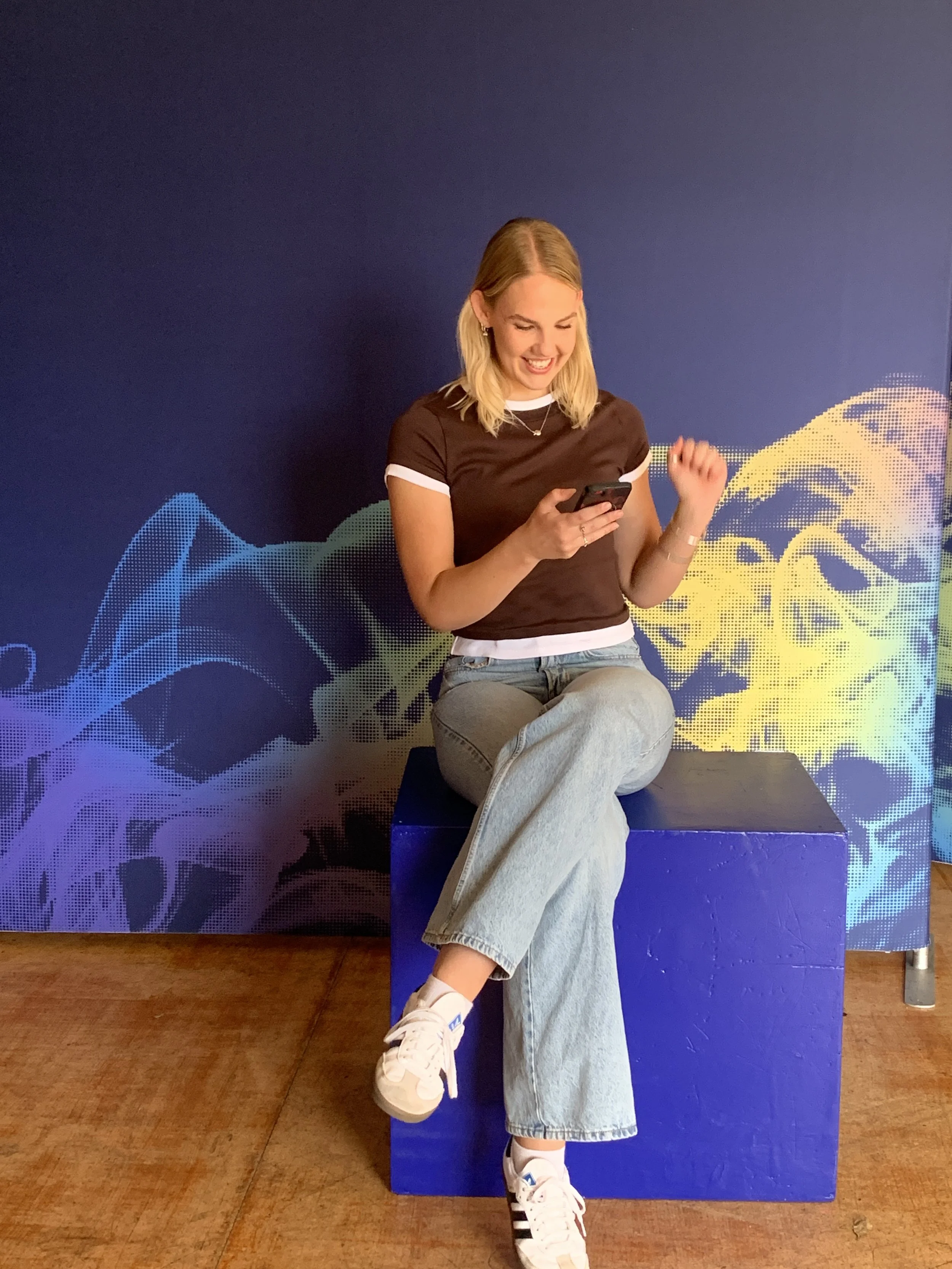
Lauren plays an influencer in Behind the Scenes.
The topics may be serious, but the approach isn’t heavy-handed. Jo explains that theatre creates enough distance to allow young audiences to really consider these difficult situations without feeling like they’re being put on the spot.
“Storytelling is quite magical, even at the ripe old age of 13 or 14,” she says. “If you combine storytelling and conversation, you can make quite challenging subjects relatable and more accessible.”
The programme has been developing since 2020 and is now touring schools around Aotearoa. Although the issues facing young people can vary between schools, Jo says the broad challenges are universal. Social media has made the world a much smaller place, meaning teenagers in regional New Zealand are navigating many of the same pressures as those in the country’s biggest cities.
“There’s a lot of anxiety there,” says Jo. “Some of the things young people worry about are much bigger and scarier than what you or I might have worried about when we were young.
“They’ve seen COVID. They see what’s happening internationally. They worry about the environment. They worry about lots of things because they’re dealing with much bigger topics than we might have had at school.”
This is what makes Life Education’s work so important. It’s giving teens practical tools and the practice space in which to use them.
Jo says she doesn’t expect a 60-minute theatre show to solve these problems. Instead, the goal is to normalise having healthy conversations that allow a young person to ask questions or reflect on what’s troubling them.
“Healthy conversations have to happen not just at school – they have to be at home and in their friend group,” says Jo. “These pro-social behaviours are all great things for helping them become incredible young adults.” LIFEEDUCATION.ORG.NZ