
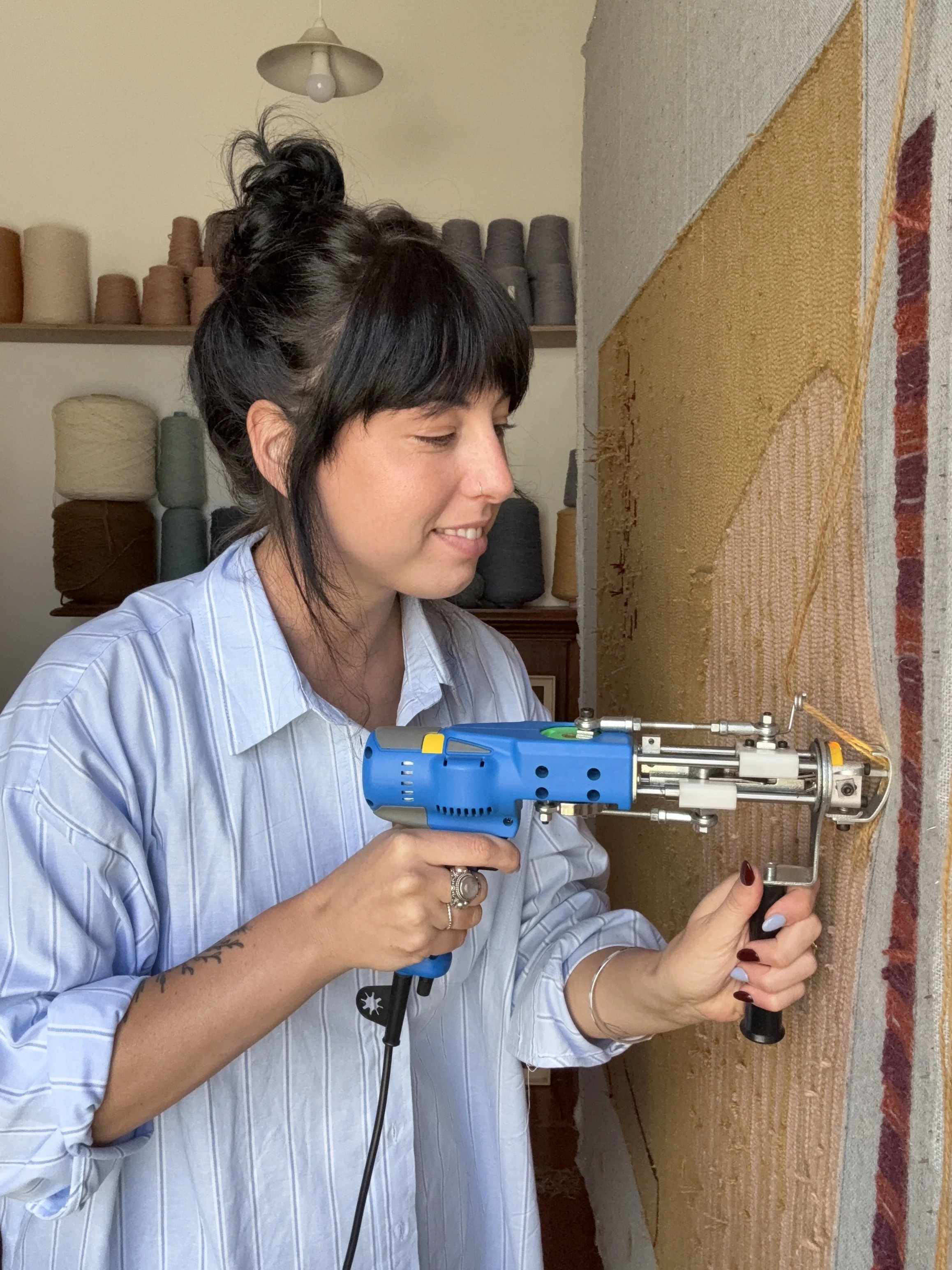
TUFT LOVE
Irish-born textile artist Leah Creaven explores landscape through richly textured rug-tufted works made with New Zealand wool.
Irish-born textile artist Leah Creaven explores landscape through richly textured rug-tufted works made with New Zealand wool.
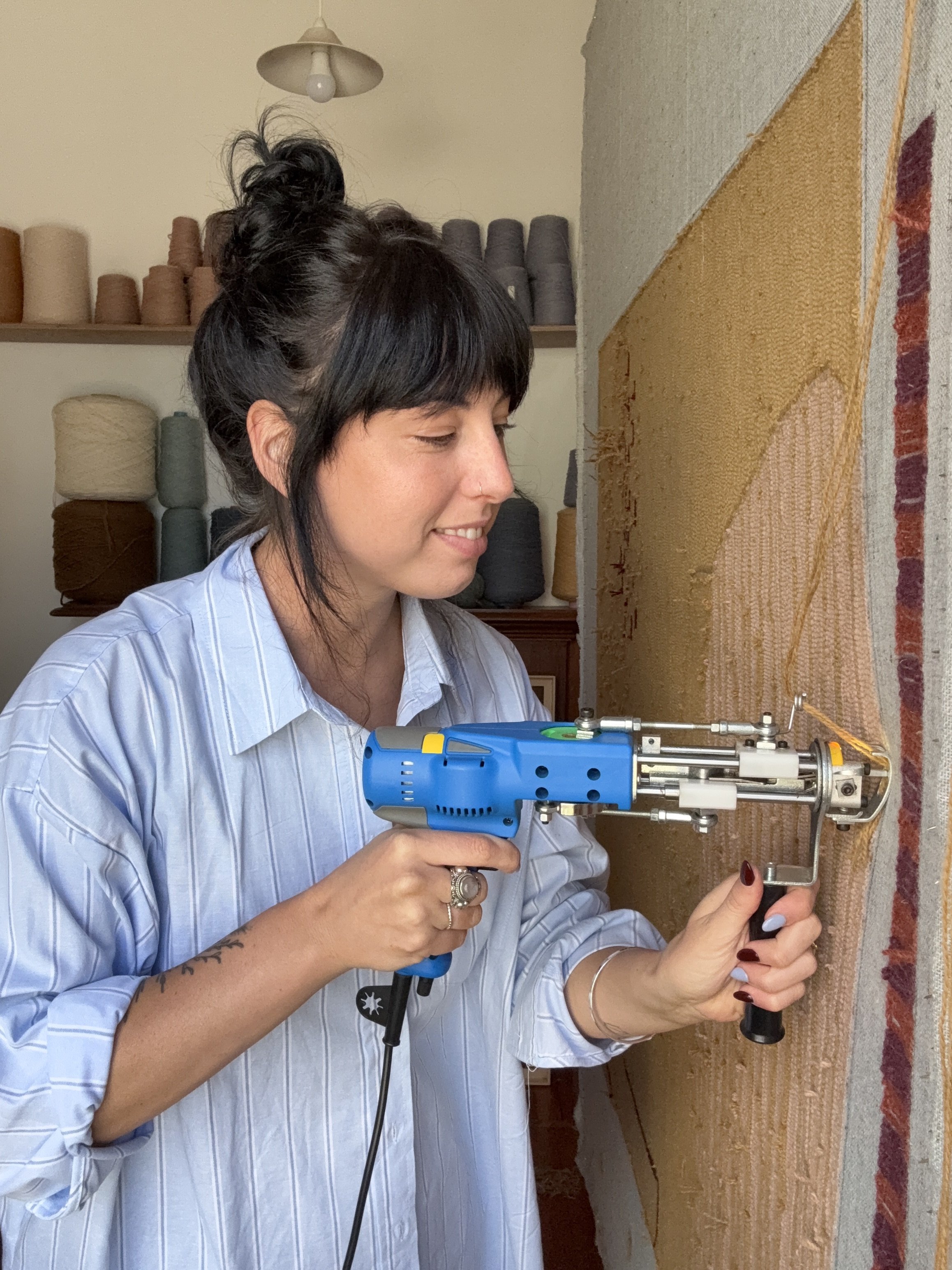
Rug tufting might be having a moment, but for textile artist Leah Creaven it’s a deeply personal way of translating landscape and feeling into form. Here, she talks process, inspiration and why working with wool feels like painting with fibre.
UNO: What first drew you to this medium, and what continues to captivate you about it? Leah: I was drawn to rug tufting a few years after finishing my degree in Textiles and Surface Design in Dublin. I started creating small art with a punch needle and wanted to work on a larger scale, so I guess I started rug tufting out of a desire to explore scale and impact. I’m continuously captivated by the freedom that rug tufting gives you. In my eyes it’s like painting with wool, but with the outcome being both beautiful and tactile. The repetitive rhythm of tufting is also meditative and helps me to shut out the noise (while music blares in my earpods!).
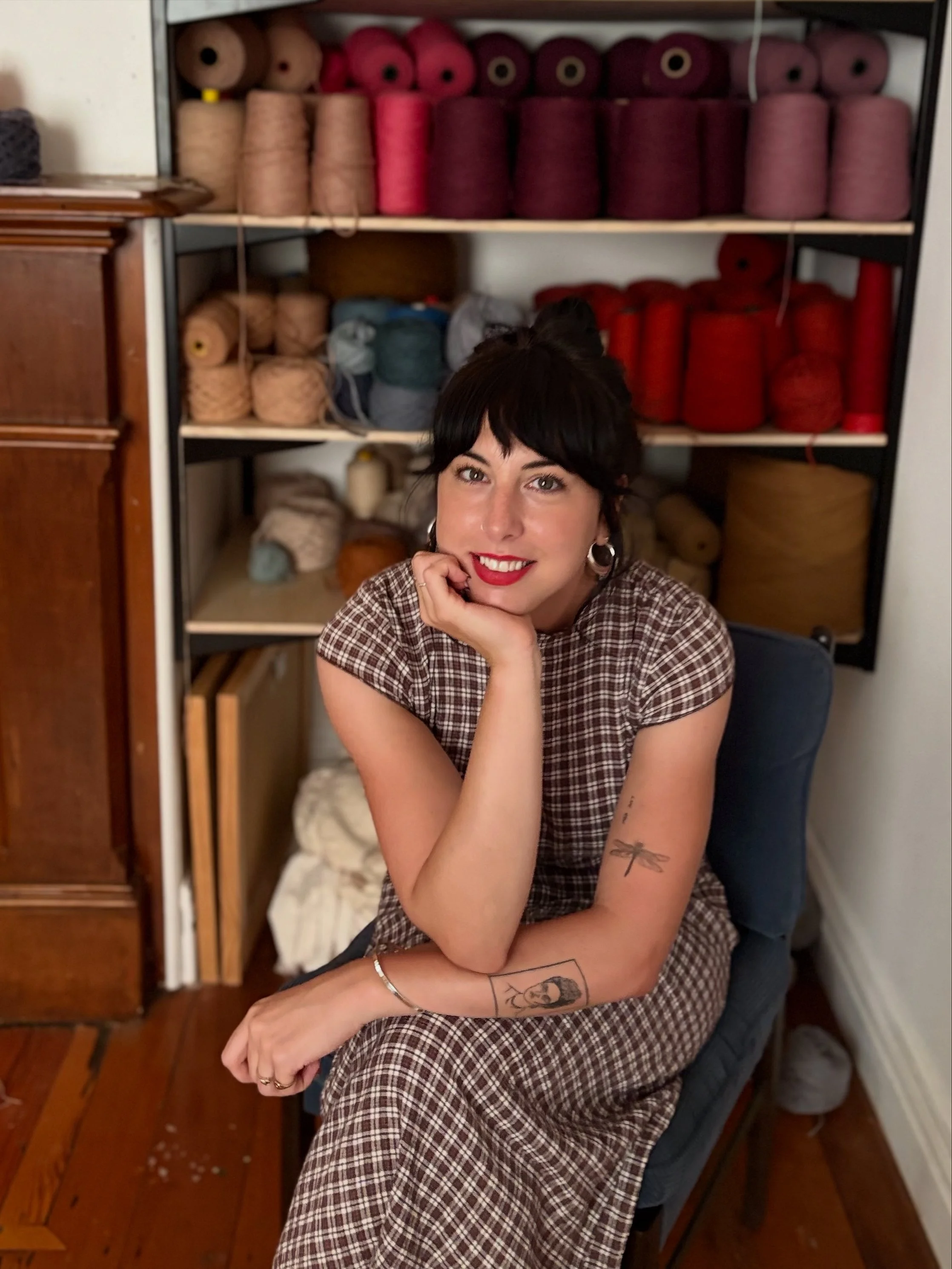
Your pieces often blend influences from both Irish landscapes and the land around you in Aotearoa New Zealand. How do these environments shape the stories you tell through your art? Ireland shapes the inner landscape of the pieces with memory and emotion. It’s less about depicting Ireland directly and more about carrying its emotional weight — a way of feeling land as archive and as something storied and tender. Visually, however, my response is grounded in New Zealand where I now live. The land here informs the physical language of the work. In that sense, my work kind of exists between inheritance and observation, emotionally anchored in Ireland and visually shaped by Aotearoa which allows them to hold both memory and presence at the same time.
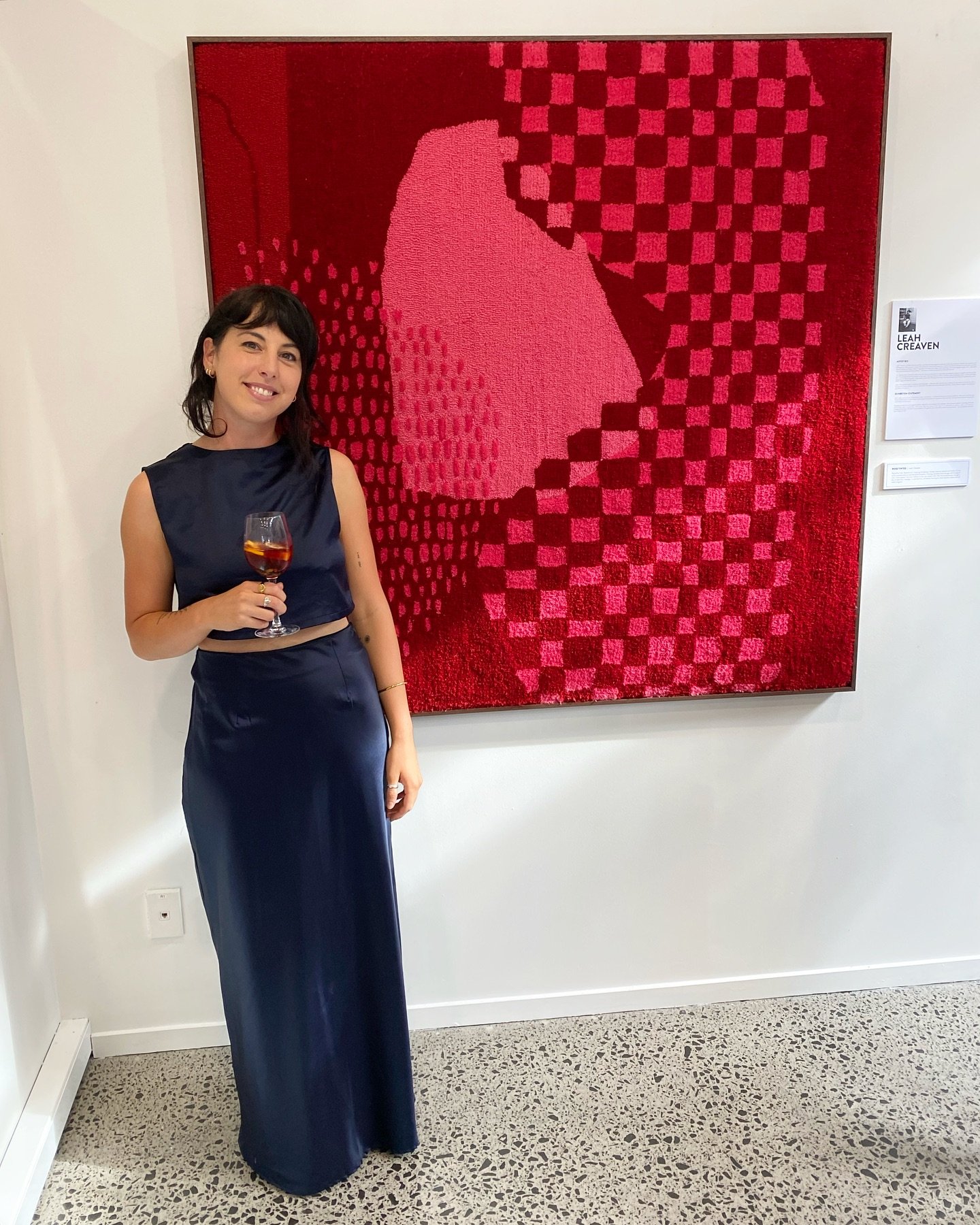
Can you talk about your creative process, from initial concept to finished piece, and how you decide on colour palettes and forms? My process usually begins with an idea or a feeling that I hash out with my husband or my dad. I’m a big communicator and voicing these ideas helps me make sense of them before they become visual. They’re normally responses to landscape or a memory or a shift in light. I’ll sketch loosely on my iPad, mostly abstract shapes that suggest contour or horizon, but I leave space for the work to evolve once I begin tufting. Colour is often the first concrete decision (and the most exciting one!). I build a palette guided by emotional tone or seasonal shifts. Then I’ll test combinations by tufting colour samples to see which complement or compete with each other. Then it is time to bring my drawing to woolen-life on my canvas.
You consciously choose New Zealand wool for your art. What significance does this material have for you beyond its physical qualities? Choosing New Zealand wool is a conscious way of grounding my work in the place where it is grown. Beyond its durability, wool carries a sense of locality. Using it allows the work to hold a direct relationship to its environment and embeds the landscape quite literally into the surface. Wool also holds warmth. It has clothed, sheltered and comforted people for generations. In my work, it reinforces the themes of grounding and belonging.
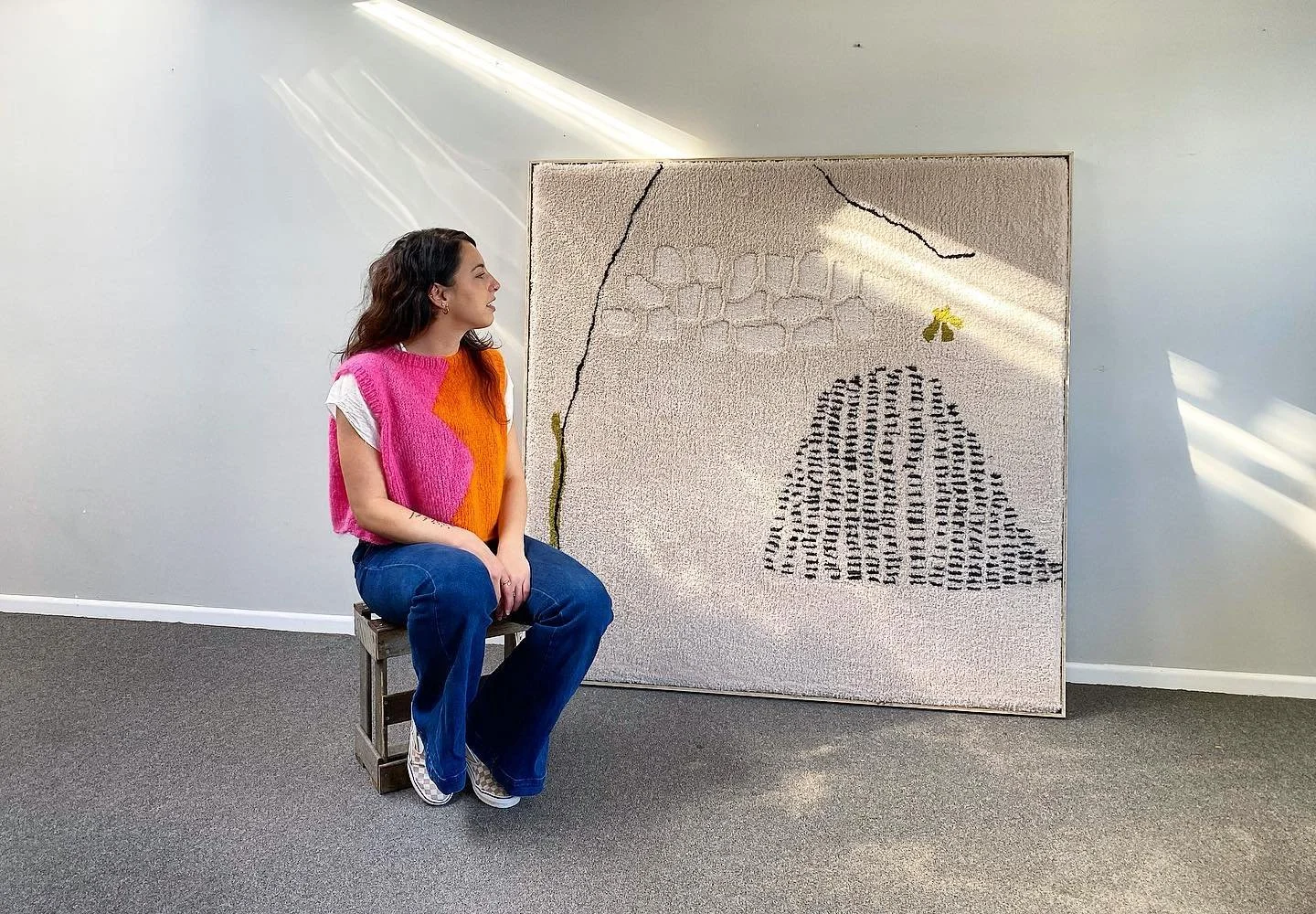
Your ‘Land Girl’ exhibition and pieces like ‘Rapa Rising’ have received critical acclaim. Has public response influenced the direction of your work or your confidence as an artist? While the public continues to be supportive and affirming, what I feel matters most is the sense that the work resonates. That the viewers recognise something of their own relationship to land, memory or belonging in it. That particular connection reinforces my belief that textile-based practices can hold conceptual and emotional weight. Public engagement hasn’t really shifted the conceptual foundation of my work but it has deepened my sense of authenticity and to honour the materials and stories I’m working with.
What role do workshops and teaching (like your rug tufting classes) play in your practice? Does interacting with other creatives change the way you think about your own art? Teaching rug tufting workshops is such an important extension of my practice. Rug tufting can at times feel solitary so the workshops help top up my social meter, but also provide a space for creative exchange. I learn so much from the participants! There’s something exciting about watching people encounter a medium for the first time. Participants bring different stories and aesthetics into the space and that diversity expands the conversation around what tufting can be and encourages me to remain open and curious within my own work.
Looking forward, are there new themes, techniques or collaborations you’re excited to explore in your upcoming work? I’m experimenting a lot with layering and texture, which is very exciting to witness and learn from. I just moved to the Bay of Plenty so I’m feeling inspired conceptually and am looking forward to including some local walks and feelings of rejuvenation in my work. I’m really loving my new studio and being amongst the artistic activity at the Historic Village. It has been a wonderful boost in energy, but also in my confidence. It feels like being back at university, where bouncing ideas and learning of art events is an everyday occurrence.
How long have you lived in the Bay and what do you love about it? I moved to Otumoetai in November so we’re pretty fresh but are absolutely loving it. I’m passionate about the outdoors. Being close to the ocean and surrounded by beautiful walks is everything we could have asked for. I also love an evening scene so it’s been great to experience the fantastic restaurants and live music that are available to us too.