
LAST DRINKS
The kids are alright – and increasingly, they’re sober. As Gen Z turns its back on booze, older Kiwis are drinking at hazardous levels. UNO looks at why our relationship with alcohol is changing.
The kids are alright – and increasingly, they’re sober. As Gen Z turns its back on booze, older Kiwis are drinking at hazardous levels. UNO looks at why our relationship with alcohol is changing.
WORDS HAYLEY BARNETT
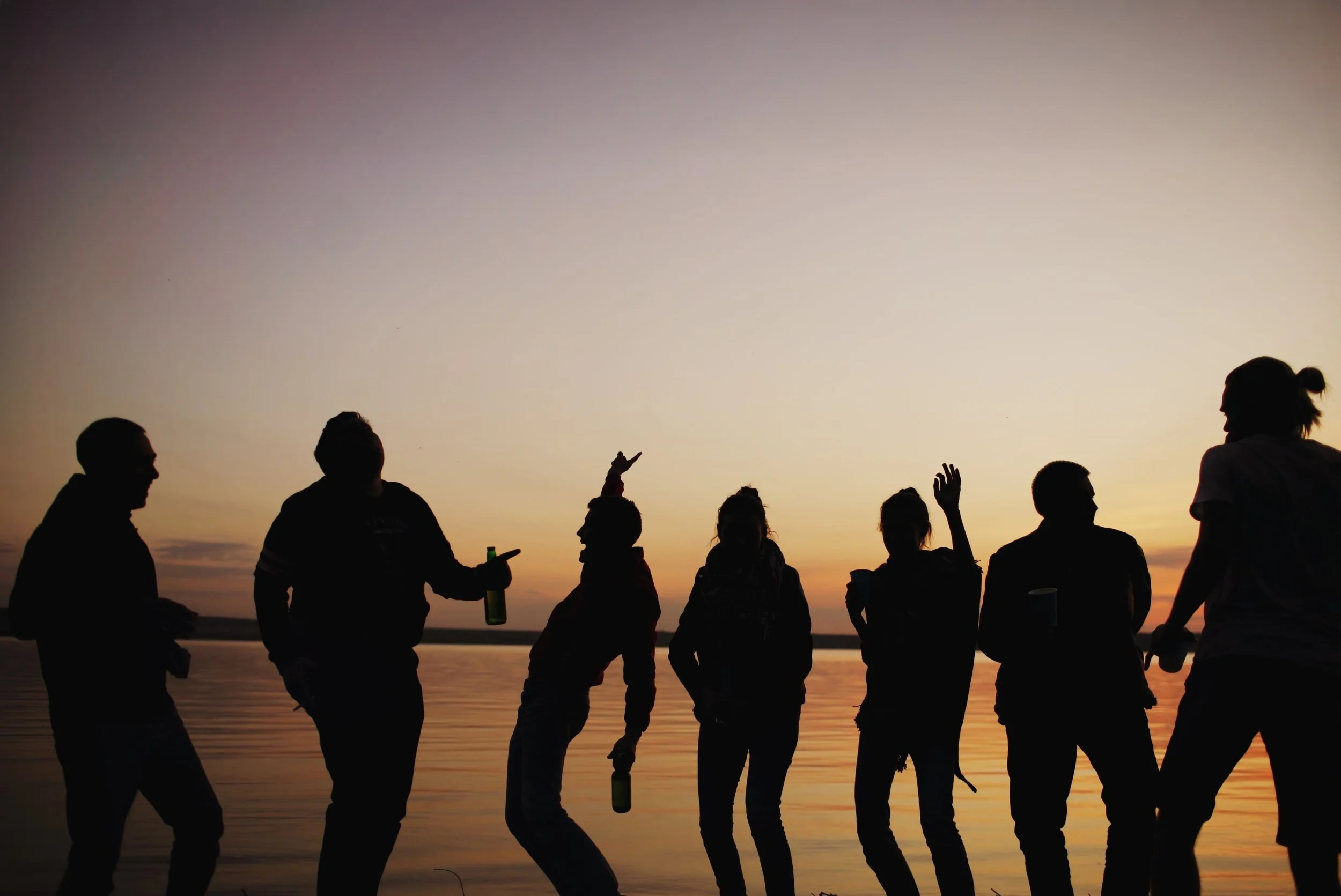
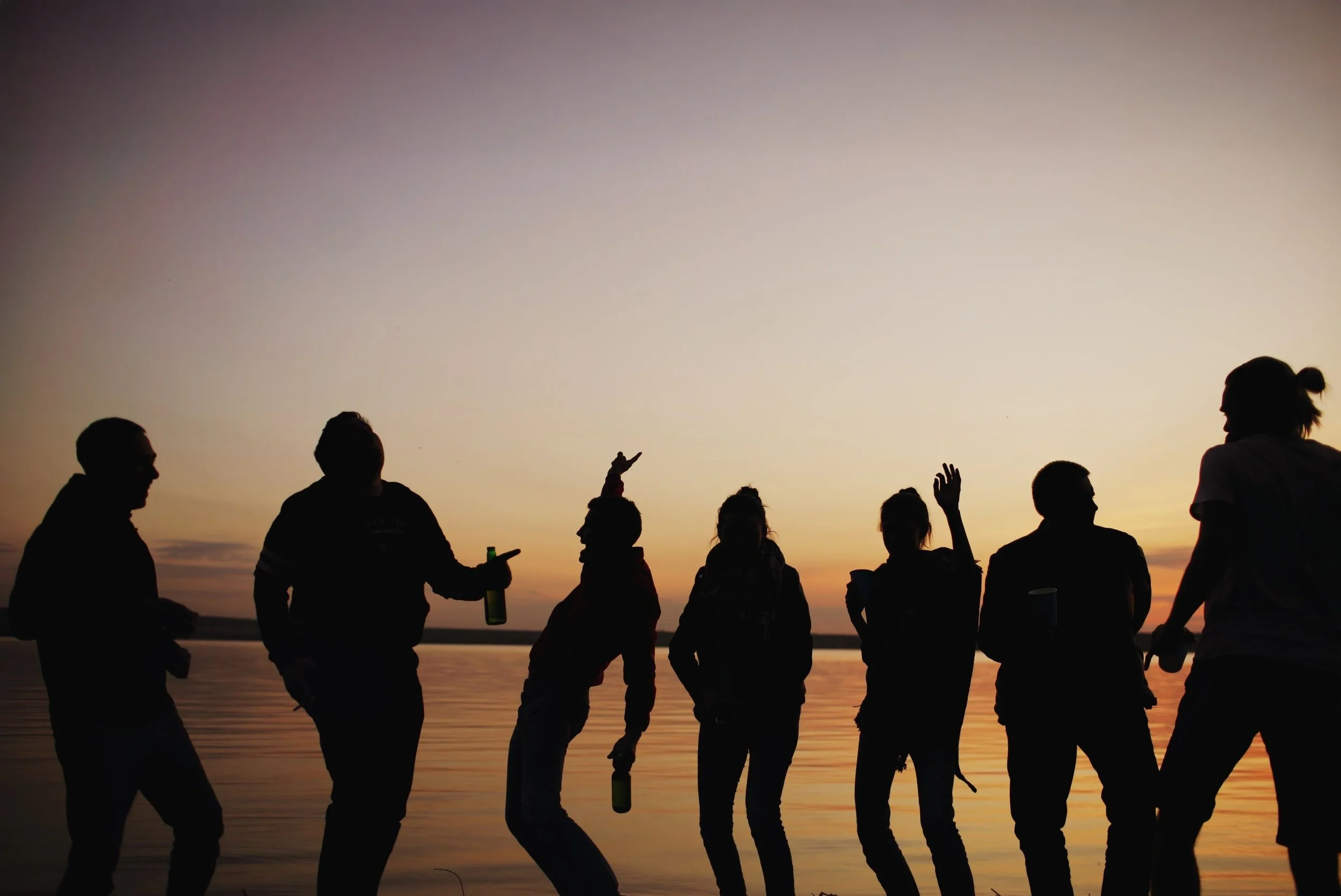
Ask 19-year-old Payten Thomsen what a flat party looks like these days and she’ll break it down like a pie chart. A third of the room are drinking, a third are high on substances, and the rest, herself included, are stone-cold sober.
“There’s not a lot of pressure to drink,” she says of her generation, first-years scattered throughout flats around Hamilton. “If you go to a party, you’re not the only one who’s not drinking.”
Her maths lines up with the official numbers too. In the 2024/25 New Zealand Health Survey, hazardous drinking among 18- to 24-year-olds fell 13.2 percentage points in five years, down to 22.6 percent. Across the whole adult population, three in four New Zealanders had a drink in the past year, down from 81.6 percent in 2019/20, and the number of us drinking at hazardous levels has dropped from 21.3 percent to 16.6 percent over the same period. Something’s changing in how this country drinks.
Associate professor Andy Towers, co-director of Massey University’s Mental Health and Addiction Programme, says the stats are considerably less flattering for anyone over 45. “Everyone keeps talking about youth drinking as the problem. It’s not – it’s Kiwi drinking, and more often than not, it’s actually middle-aged or older drinkers who are the problem.”
Andy’s spent the past decade using Massey’s long-running study of ageing, which tracks around 4,500 New Zealanders, to look specifically at how people aged over 50 drink. What he found surprised even him. Roughly 35 to 40 percent of New Zealanders aged 50-plus qualify as hazardous drinkers, drinking often enough, or heavily enough in a single sitting, to put themselves at real risk of cancer, heart disease and stroke down the track.
When Andy’s team compared that figure with England, the US, South Africa, China, Mexico and several other countries, New Zealand came out worst. “We get the gold medal for drinking,” he says. “We drink more frequently on more days a week than pretty much anywhere else in the world, and about 16 percent of that group binge every single time they drink, which is around six or more drinks, whenever they touch it.”
He traces it back a century, to six o’clock closing, driven by the law that shut New Zealand pubs at 6pm from 1917 until 1967, and allowed no food, entertainment or women at the bar. Workers would finish their shift and race the clock.

“It taught two generations of Kiwis that when you drink, you drink to get drunk – it’s not for enjoyment or atmosphere,” says Andy. “We got rid of six o’clock closing, but we never got rid of the culture. It’s taken this long for it to actually start changing, and it’s not us changing it – it’s our kids.”
So why the generational split? Andy puts it down to a handful of things, including decades of clearer public health messaging that there’s no truly safe level of drinking, a cost-of-living squeeze that’s made big nights out a luxury, and a generation that grew up with phones recording everything.
“My own daughter, who’s 18, said to me, ‘I don’t want to be drunk and have people videoing me. I just don’t think it’s cool,’” says Andy.
Of course, there’s also the fact that Gen Z is doing more of its socialising online rather than at the pub.
Payten sees the same pattern from the inside. “It’s a big cost thing,” she says. “We’re students, we don’t have a lot of money, so it’s just not financially viable.”
She also points to a steady diet of short-form video content on TikTok and Instagram, flagging new research on alcohol and health. “I never see advertising for drinking. I see a lot more negative than positive.”
Where Payten’s non-drinking stance does get pushback is, funnily enough, from her own family at Christmastime. “They always offer and wonder why I won’t have one, and I’m like, ‘No, no, no,’” she laughs.
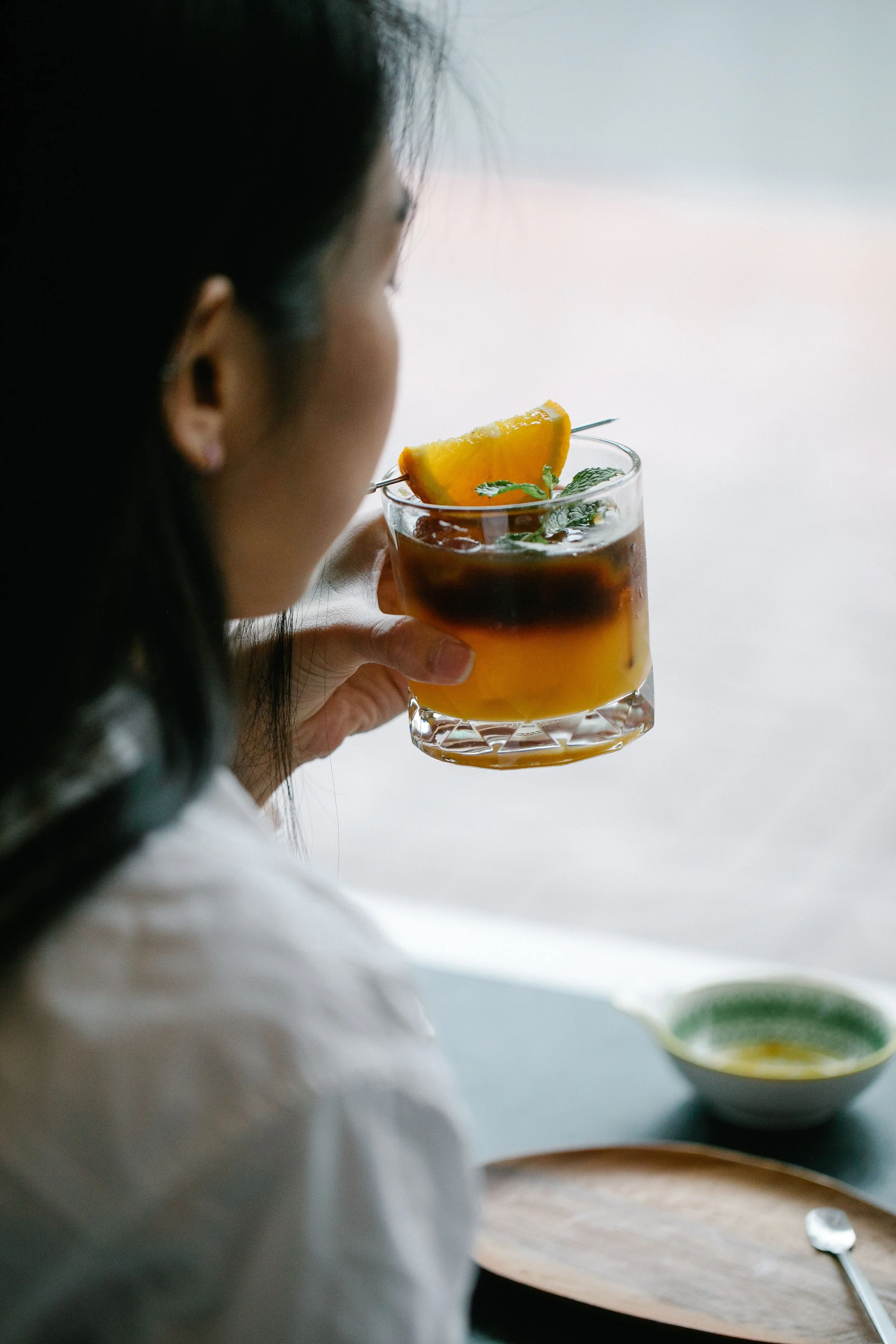
The rise of good non-alcoholic drinks has made this change feel a lot less like a sacrifice. Andy sees the boom in sophisticated zero-alcohol beers, wines and spirits as one of the reasons the change has stuck.
“People don’t have to choose anymore between being part of the occasion and looking after their health,” he says. “You can still hold a drink that fits a barbecue or a wedding or a Friday night – you just don’t pay for it the next day.”
The change in younger people not feeling the old pressure their parents’ generation still carries is, in Andy’s view, the real story. New Zealand’s official low-risk drinking advice hasn’t changed since 2011, when a moderate drink or two was still considered heart-healthy. It currently allows men up to 15 standard drinks a week and women 10, which is far looser than Australia’s revised limit of 10 drinks a week for anyone, and Canada’s proposed ceiling of two.
Andy’s helping lead the review of New Zealand’s guidelines, work that’s been repeatedly slowed, he says, by an alcohol industry with a habit of turning up to meetings public health researchers never get invited to. Nationally, alcohol is linked to roughly 900 deaths, 1,250 cancer diagnoses and 30,000 hospital admissions a year, at an estimated cost to the country of $9.1 billion.
For 41-year-old Sarah Jesson, these statistics stopped being abstract on a Friday night in May 2023. She and a friend had already worked through a couple of bottles of wine that night when they told themselves they’d just have one between them. They ended up walking to the bottle store for a box of RTDs. “I’d said I wouldn’t, and then I did,” she says. “My husband said he couldn’t really trust my word anymore. I realised then that I wasn’t in control.”
Two nights later, she was at an AA meeting with a friend who’d recently got sober herself. “I think I needed the shock factor,” she says. “I was in a room full of people whose lives had actually been derailed. It was a picture of where things could go.”
She hasn’t had a drink for more than three years now, though she’s candid that her first stretch exemplified what’s sometimes called ‘Cali sober’, when people swap wine for weed before quitting that too. Real sobriety started just over a year ago.
Underneath the drinking was anxiety Sarah had been managing since experiencing a run of hard life events. “It was masking it, but not fixing it,” she says.
“The odd drink did take the edge off, for a while, but I needed more and more of it just to feel normal.”
She’s seen a free counsellor through the Salvation Army, who talked her through what she calls the “pleasure-pain circuit”. It’s the idea that heavy, repeated use of a substance rewires the brain’s reward loop, and that the first two years of sobriety carry predictable relapse points at three, six, nine, 12 and 18 months.
The part she’s still working on is the identity that came with the drinking. “I’ve always been a party girl,” she says. “I love nothing more than a big night out.”
Rebuilding that without alcohol has meant relearning how to be silly, loud and sober at dinners and nights out that she used to think she needed a drink to enjoy. “It’s actually been a fun challenge, working out if that side of me exists without the chemicals. It turns out it does!”
Sarah admits she’s amazed at how ordinary it’s felt to ask for help, and how rare that seems to be among the generation just ahead of hers. Her mother worked in alcohol and drug detox for years and told Sarah that mid-life is exactly the moment to make the change, because habits set in more the older you get.
“I think it’s a lot harder for that Boomer generation,” says Sarah. “It’s the generation of silence. You’re stoic, you just get on with it. That’s not necessarily a bad thing, but it makes it so much harder to put your hand up and say, ‘Actually, I don’t want to do this anymore.’”
Andy agrees, and has heard the same thing from retirees who come to his talks. Many only stop drinking once they’re already sick. He’d like to see people feel able to opt out long before that point arrives.
“If you’re thinking about it, there’s a good chance other people your age are thinking about it too,” he says. “They’re just too scared to say it first.”
At Payten’s flat parties, nobody feels the need to be first. Sober is normal on a Friday night, alongside drunk and high and everything in between. It might be a slow handover, in which each generation’s deciding to drink less than the one before, but it’s a movement that’s quickly gaining traction.
New Zealand spent a century teaching itself to drink hard and fast. Now it’s taking its time teaching itself not to.