

FACE VALUE
The injectables industry is booming, driven by a desire to take control of ageing. But for many, questions still linger. UNO looks into the world of cosmetic injectables, with three renowned BOP experts.
The injectables industry is booming, driven by a desire to take control of ageing. But for many, questions still linger. UNO looks into the world of cosmetic injectables, with three renowned BOP experts.
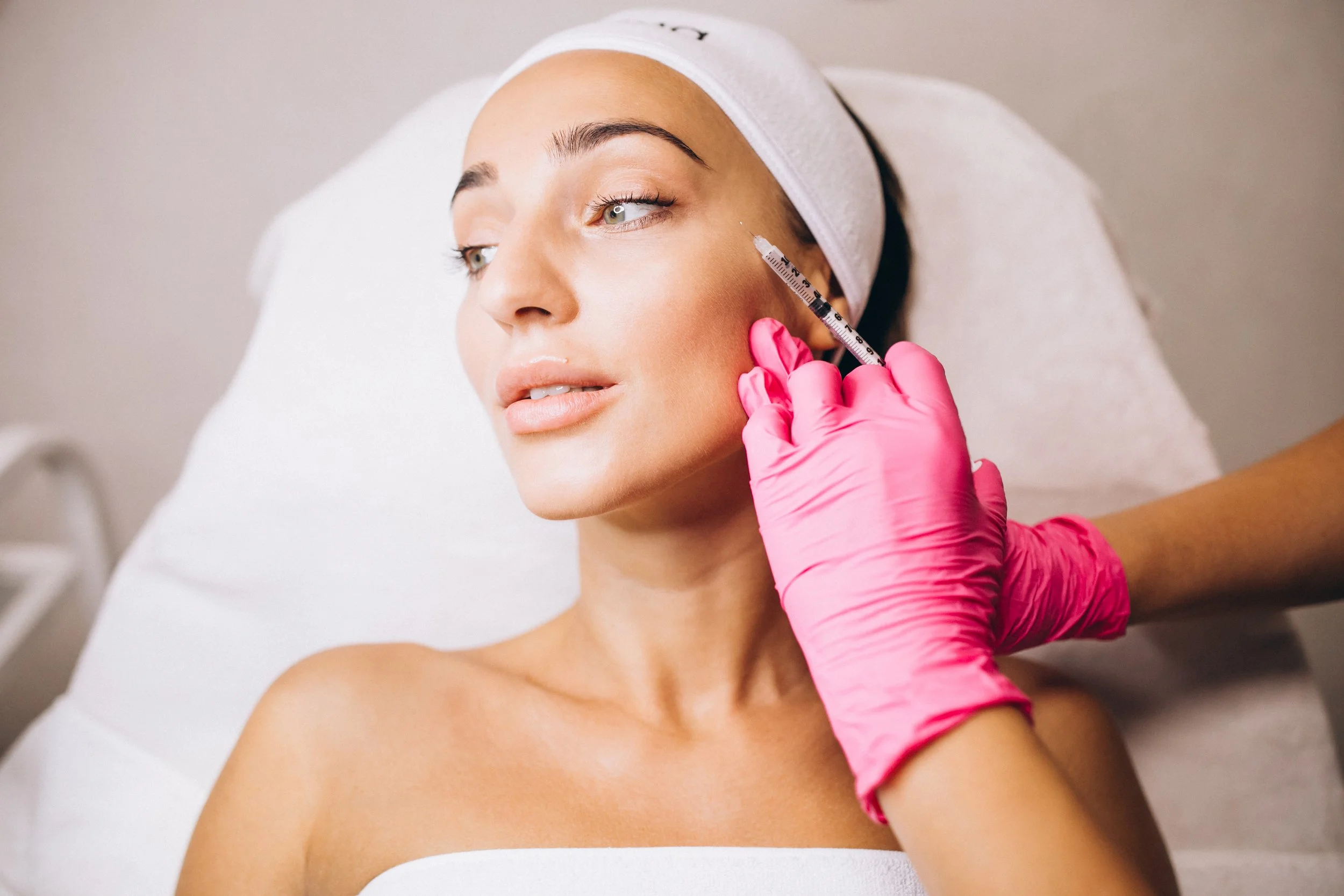
It wasn’t long ago that cosmetic injectables were whispered about behind closed doors. Today, they’re everywhere, and it’s getting harder to tell if someone is 20 or 65. While the stigma around treatments like Botox and dermal filler is fading, there is still a tonne of confusion and caution about injectables. Does filler really dissolve on its own? And what’s going on with those puffy celebrity cheeks.
To cut through the noise, we spoke with three experts in the Bay of Plenty, including Leanne Cashmore, registered nurse and founder of Cashmore Clinic in Mount Maunganui, Dr Adam Bialostocki, surgeon and founder of Da Vinci Clinic in Tauranga, and Dr AJ Seine, skin specialist at The Skin Centre in Tauranga, to unpack the how, why and what-next of cosmetic injectables.
WHAT ARE INJECTABLES, REALLY?
Cosmetic injectables are medical treatments used to smooth wrinkles, restore facial volume and refine features. The two most common are Botox (and other botulinum toxin brands), which temporarily relax muscles, and dermal f illers, typically made from hyaluronic acid, which restore volume and contour. “People come in thinking Botox and filler are the same thing, but they do completely different things,” says Leanne. “Botox relaxes muscles, so it’s great for dynamic lines, but filler is what you need when volume is lost or lines are etched in.”
AJ explains further: “Think frown lines, forehead and crow’s-feet for anti-wrinkle injections. Dermal fillers restore shape or contour using a soft gel that blends with your natural tissue. Bio-stimulators are newer again; they help your own skin make more collagen over time instead of simply filling space.
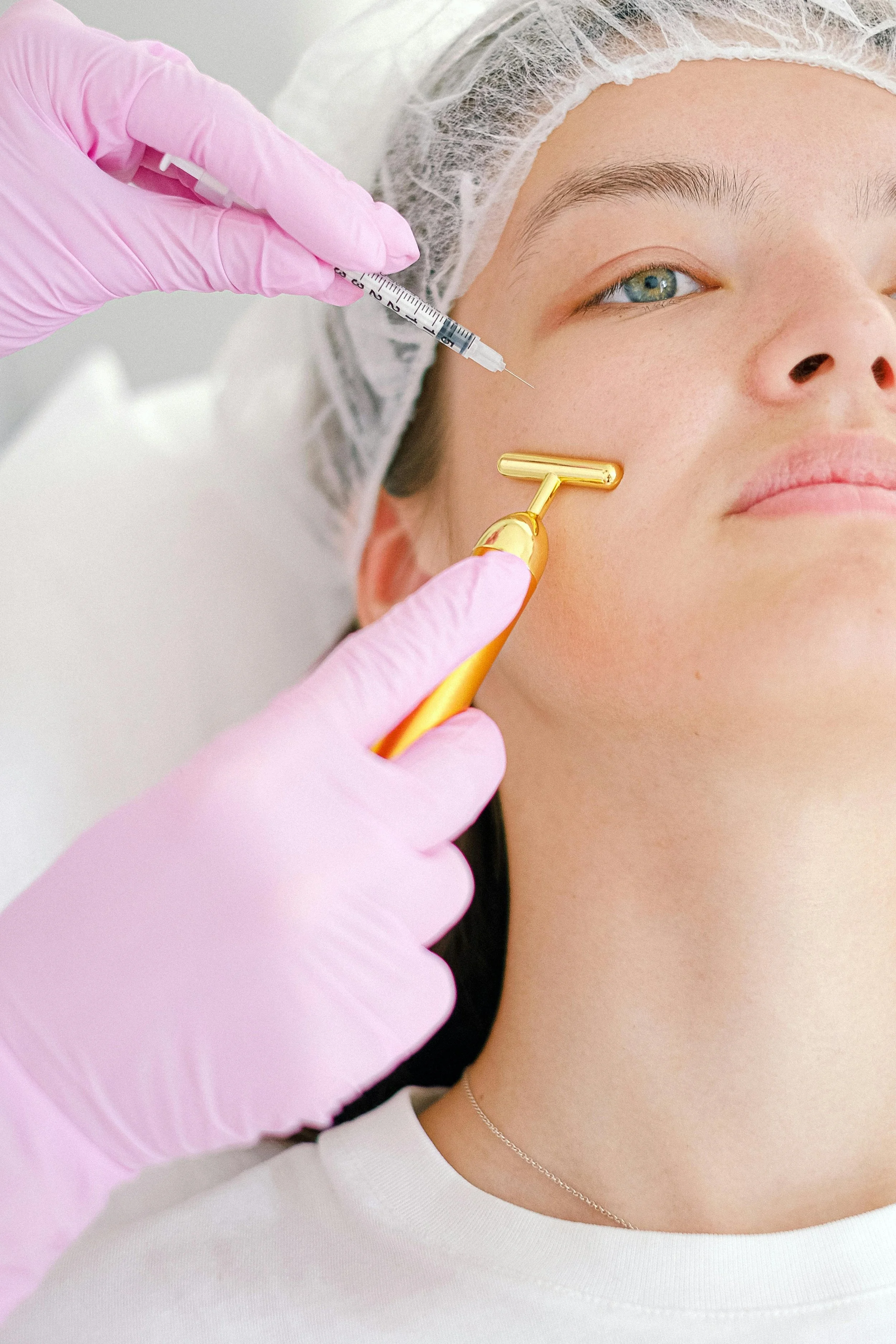
WHY ARE THEY SO POPULAR? r Leanne has seen demand grow year after year. “Younger clients are now starting early, often in their 20s or 30s,” she says. “Not to change how they look, but to delay ageing before lines really settle in.” This preventative approach, she explains, is part of a broader shift toward subtle, long-term maintenance rather than quick fixes. Adam agrees that smaller, regular treatments often achieve more natural results than infrequent large-volume corrections. “Smaller top-ups, done regularly, tend to look more subtle,” he says. AJ adds that this shift reflects a cultural change: “People now see injectables less as a makeover and more as maintenance. It’s become a bit like dental care for your face, with small, regular touch-ups rather than big overhauls.” BOTOX OR FILLER? According to Leanne, understanding what each product does is key. “If you’re seeing forehead lines or crow’s feet when you move your face, Botox is the fix,” she explains. “If those lines stay even when your face is relaxed, or your cheeks have hollowed out, that’s when we look at fillers.”
WHAT ABOUT RISKS?
Leanne is quick to remind people that injectables are medical procedures, not beauty treatments. “With Botox, the main risks are mild and temporary,” she says. “If it spreads to the wrong muscle, you might have a droopy eyelid or uneven smile, but it wears off.”
Filler, on the other hand, carries more serious, but still uncommon, risks. Adam points to bruising, swelling, asymmetry, and lumps as possible side effects, with infection or vessel occlusion being rare.
“Blindness is exceedingly rare,” he says, “but this is why experience and technique matter.”
AJ agrees: “Most negative stories come from unqualified injectors or unsafe settings. When performed by trained medical professionals using approved products in a proper clinic, the risks are extremely low.”
AVOIDING THE “PILLOW FACE”
We’ve all seen it. It’s that overfilled look that’s become a meme in itself. So how do skilled injectors avoid this?
“Experience,” says Adam. “It’s about placing product in the correct plane, respecting natural facial proportions, and often doing staged treatments instead of all at once.”
Leanne echoes this with a less-is-more philosophy. “We’re not trying to change your face,” she says. “We’re enhancing what’s already there.”
AJ adds that modern approaches are far more refined than they were a decade ago. “Ten years ago, the focus was on filling lines; now it’s about restoring balance and healthy-looking skin. The goal has shifted from changing to refreshing.”
COMBINING TREATMENTS
Today’s best results often come from combining injectables with skin-improving treatments. Leanne integrates other advanced options like skin boosters.
“We use products like Profhilo, Sunekos and Rejuran for skin quality,” she says. “These aren’t for volume, however. They hydrate and improve texture. Think of them like injectable skincare.”
“We use Botox for lines and to reduce downward pull from muscles, and fillers for shape and volume,” says Adam. “Then energy-based devices like Sofwave or Renuvion help with skin tightening.”
HOW LONG DO RESULTS LAST?
Filler longevity depends on the area, product and individual lifestyle. Adam says lips last around six to nine months, nasolabial folds and tear troughs nine to 12 months, and cheeks, jawline and chin 12 to 24 months.
As for Botox, Leanne notes most people need top-ups every three to four months, though frequency can decrease over time with consistent use.
AJ adds: “Anti-wrinkle injections last around three to four months. Fillers last six to 18 months depending on the product and area treated, and bio-stimulators can last longer again, as they help your skin build its own collagen.”
THINKING OF TRYING IT?
If you’re curious about injectables, every expert agrees on one thing. You need to choose your provider carefully.
“These are medical treatments,” says Leanne. “People think it’s like getting your nails done, but it’s not. You need someone who understands facial anatomy, not just someone who’s watched a YouTube video.”
AJ advises checking qualifications: “Look for a medical doctor or registered nurse working under specialist supervision, ideally with postgraduate training in cosmetic medicine or dermatology.”
Experience and personalisation matter most. “Some clinics use a cookie-cutter approach,” says Leanne. “But every face is different. What works for your friend might not work for you.”
Ultimately, Leanne believes injectables should enhance, not transform. “Start slow,” she advises. “You don’t have to do everything at once. And if you̓re not ready for injectables, start with great skincare and microneedling. That alone can make a huge difference.”
AJ agrees that the benefits extend beyond aesthetics. “When people see a version of themselves that looks less tired or tense, they carry that confidence into every interaction. It’s not about vanity; it’s about alignment between how you feel and how you look.”
Whether it’s a subtle refresh or a more sculpted profile you’re after, one rule applies. Go to someone qualified and honest. Because the best injectables are the ones no one can tell you’ve had.

Leanne Cashmore
INJECTABLE SKINCARE
One way of achieving glowing, plump skin is with a new wave of injectables which are blurring the line between cosmetic treatment and skincare. Products like Profhilo, Sunekos and Rejuran feed the skin, rather than fill or freeze it.
“Think of these treatments as high-performance hydrators that work beneath the surface,” says Cashmore Clinic’s Leanne Cashmore. “They’re basically moisturisers you inject that deliver hydration, collagen stimulation and improved texture.”
Profhilo uses pure hyaluronic acid to hydrate and stimulate collagen and elastin, improving skin firmness and elasticity. Sunekos combines hyaluronic acid with amino acids to restore volume and smoothness, targeting dullness and fine lines. Meanwhile, Rejuran, made from polynucleotides derived from salmon DNA, focuses on healing and regeneration, which is particularly effective for improving texture, tone and scarring.
“These treatments are perfect for people who don’t necessarily want fillers but do want their skin to look fresher and healthier,” adds Leanne.
Each treatment works differently, but all hydrate skin, to make it look naturally rejuvenated with no filter required.

AGE AGAINST THE MACHINE
Cashmore Clinic’s Leanne Cashmore reveals why more people are choosing steady, regenerative treatments that age well.
Cashmore Clinic’s Leanne Cashmore reveals why more people are choosing steady, regenerative treatments that age well.
PHOTO SALINA GALVAN

As we wrap up 2025, I’ve been aware of how people’s approach to their skin treatments has changed over the years. More clients want a sensible, long-term approach instead of pinning their hopes on a single quick fix. Injectables are still a key part of treatment plans, but they’re no longer only about softening lines or adding volume.
There’s been a real move toward options that encourage the skin to strengthen itself. Treatments like Rejuran, Profhilo and Sunekos that boost collagen and elastin so the skin gradually feels sturdier and more refreshed. There’s also been growing curiosity around regenerative treatments that work deeper down.
Growth factors, exosome-based therapies and polynucleotides made from salmon DNA all support the way skin cells communicate and heal. When that foundation is functioning well, the improvement of the day-to-day look and feel of the skin naturally follows.
Lately, timing is something clients are paying closer attention to as well. Rather than waiting for lines or texture changes to fully settle, many clients are choosing to build and “bank” collagen earlier. To make that effective, we often map out a mix of treatments, like skin boosters, regenerative injectables, needling, LED, laser and targeted skincare, and pace them in a way that suits how the skin works best.
This change in attitude has shaped how I work, too. Good treatment planning has become just as important as technique in understanding what the skin needs now, what it’s likely to need next, and how each treatment supports the one before it. When the sequence is right, the results stay consistent and look true to the person.
Looking ahead, I think people will keep looking for treatments that feel gentle and sustainable. They want to slow the signs of ageing while keeping their skin healthy and comfortable — fresher, without that “done” look.
If I had to summarise the year, I’d say the most satisfying results came from a balanced plan and a bit of patience. When treatments are chosen carefully and given time to do their job, the change looks natural, but simply better.