
DUMPED
Waste warrior Kate Fenwick spotlights the growing cost of the rubbish we leave behind – and how we can all be part of the solution.
Waste warrior Kate Fenwick spotlights the growing cost of the rubbish we leave behind – and how we can all be part of the solution.
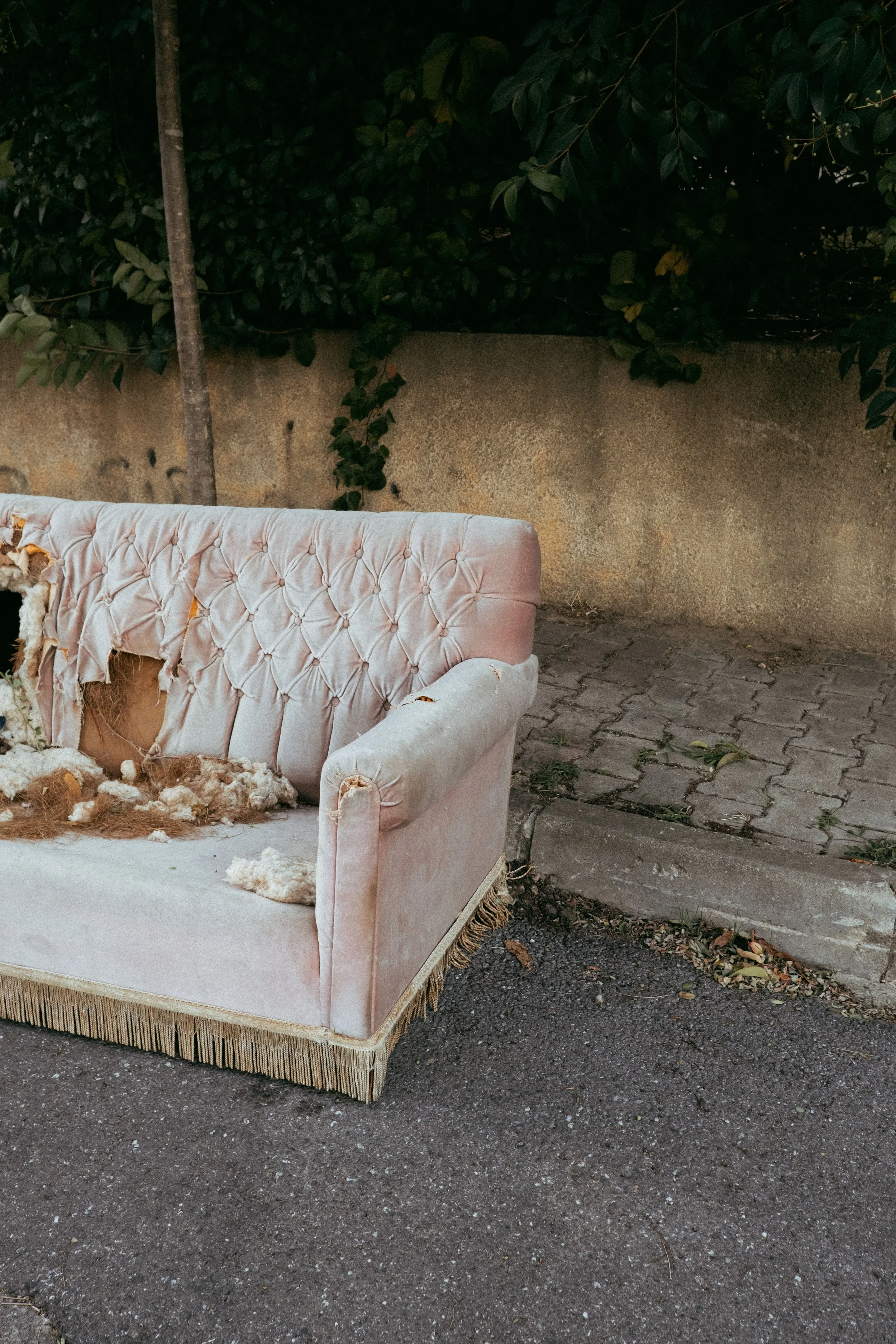
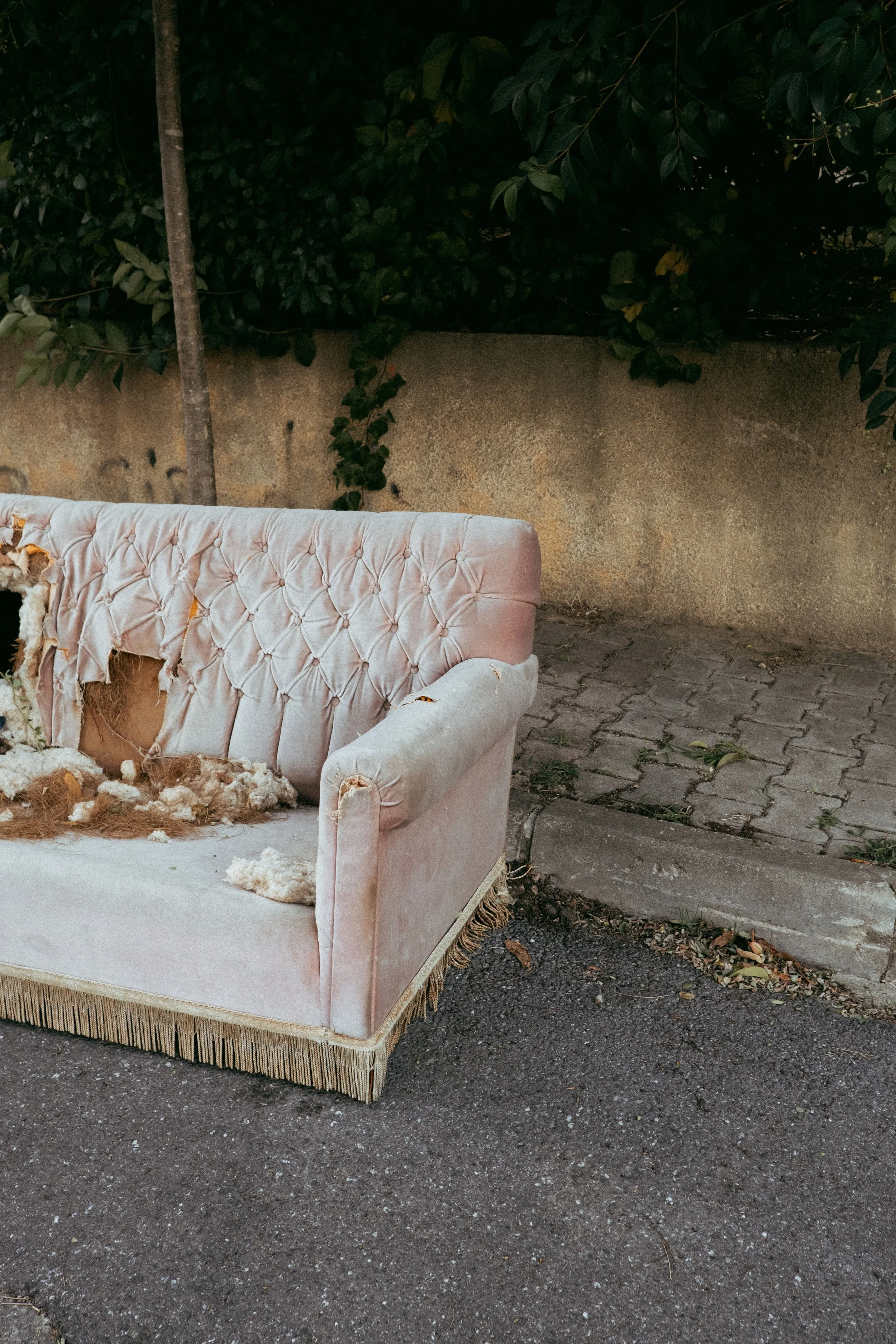
I was driving past a beautiful stretch of coastline recently when I saw it. A couch. Not near a house and not outside a shop, just sitting there in the long grass as if it had decided to retire early.
It would have been almost funny if it wasn’t so bleak.
Illegal dumping has a way of sneaking up on us. A mattress on a roadside, a pile of renovation waste tucked into a reserve, bags of rubbish stacked beside an overflowing charity bin. It becomes part of the scenery, until one day you realise it’s not scenery at all. It’s neglect.
Every year, throughout New Zealand, councils spend millions of dollars cleaning up illegally dumped waste. That money comes from rates; from the same budgets that fund playgrounds, libraries, footpaths and community programmes. Every dumped couch quietly diverts money away from something that could have improved a neighbourhood.
Then there’s the environmental impact. Dumped waste can contaminate soil and waterways, especially when building materials, tyres and hazardous substances are involved. It creates safety risks, attracts pests, harms wildlife, and once a pile appears, others often follow. A single act of dumping can quickly create a hotspot.
Councils are trying to keep up. The problem is that
dumping often happens at night, in quiet places, and without witnesses. Fines exist, but they rely on being able to identify who did it. If no one can be identified, the clean-up still has to happen.
What fascinates me most is the mindset behind it. Illegal dumping is often justified as a response to cost. Disposal fees feel high. Life feels expensive. It can be tempting to see public space as an easy option.
But it’s not free, it’s simply paid for differently. When someone leaves waste in a reserve, they’re shifting their inconvenience onto the entire community – onto the person who walks their dog there, onto the family who swims at that beach, onto every ratepayer who funds the clean-up.
Most of us would never dump a couch in a ditch, but we all have a role in shaping what’s normal. Plan ahead before a big clean out, check local transfer station options, use bulky-item collections when available, report dumping early before it grows. These are not dramatic actions – they’re small acts of stewardship.
Public spaces reflect how much we value where we live, and when waste ends up in a place it doesn’t belong, the cost is more than financial. It’s about pride, responsibility and the decision to leave a place better than we found it.