

POLES APART
Penguins or polar bears? Are Antarctica and the Arctic similar or poles apart? Sarah Porter from Wild Earth Travel, supplier to YOU Travel & Cruise Bethlehem, sailed as a guest on the French ship, Ponant Le Commandant Charcot.
Penguins or polar bears? Are Antarctica and the Arctic similar or poles apart? Sarah Porter from Wild Earth Travel, supplier to YOU Travel & Cruise Bethlehem, sailed as a guest on the French ship, Ponant Le Commandant Charcot.
Understanding the difference between these two regions at the opposite ends of the globe starts with simple geography. Antarctica is a frozen continent surrounded by ocean; the Arctic is frozen sea surrounded by land.
The Arctic region extends over Canada, Alaska, Greenland, Russia, Norway and Iceland, which are all homes to native communities. Antarctica does not belong to any country and has many scientific bases, but no permanent inhabitants.
WILDLIFE
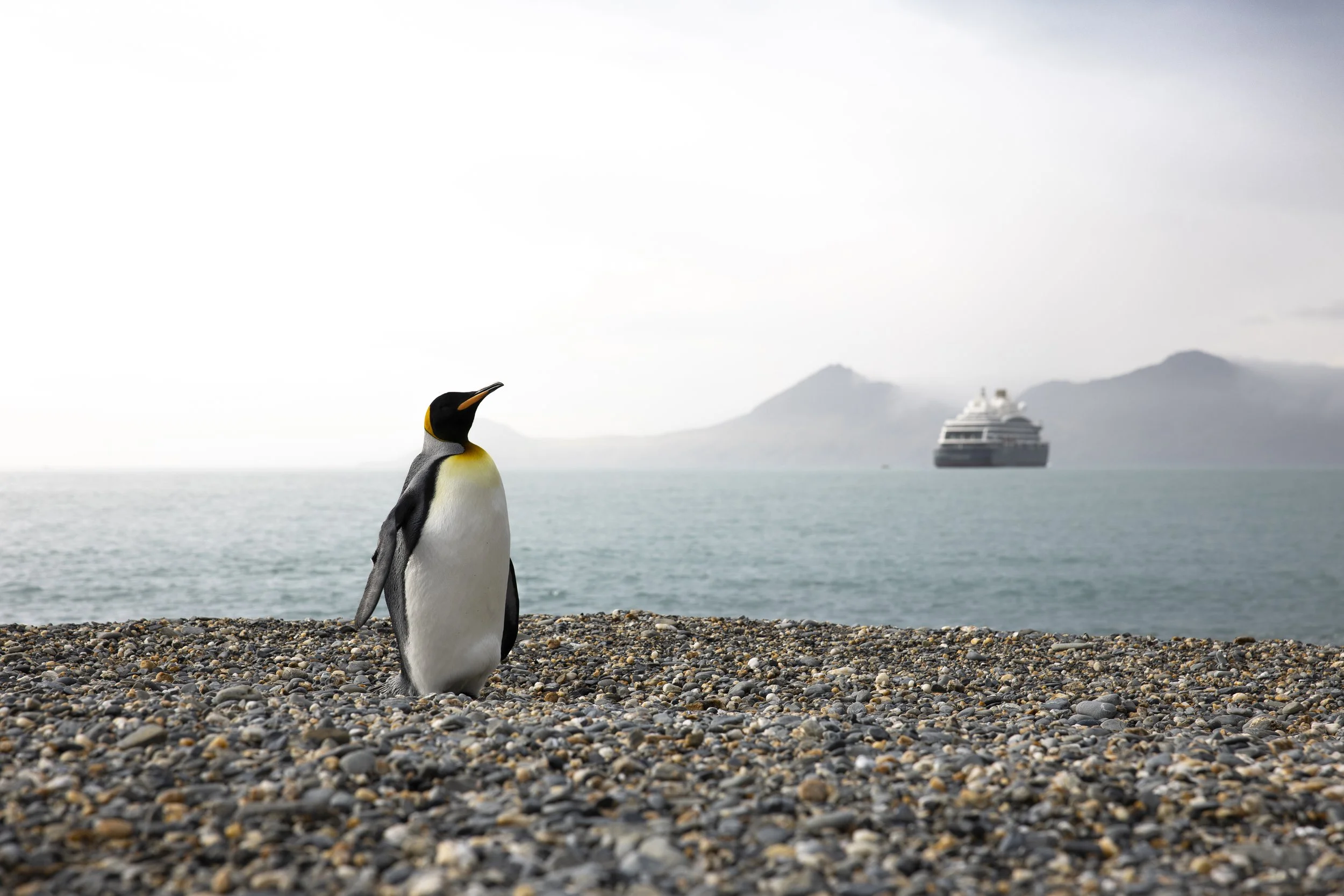
Wildlife is one of the biggest differences between the polar regions. My first view of Antarctic wildlife on South Shetland Island was a shoreline covered in penguins and seals, whales not far off land. Human contact is limited in the Antarctic which makes the animals fearless and inquisitive and penguins will likely come and inspect your boots.
The word Arctic is derived from the Greek ‘arktos’ meaning’ bear’, and one of the main reasons to visit the Arctic is to see the polar bear. Arctic foxes, reindeer, walrus, musk ox, seals and whales are also found in the north, as well as birdlife.
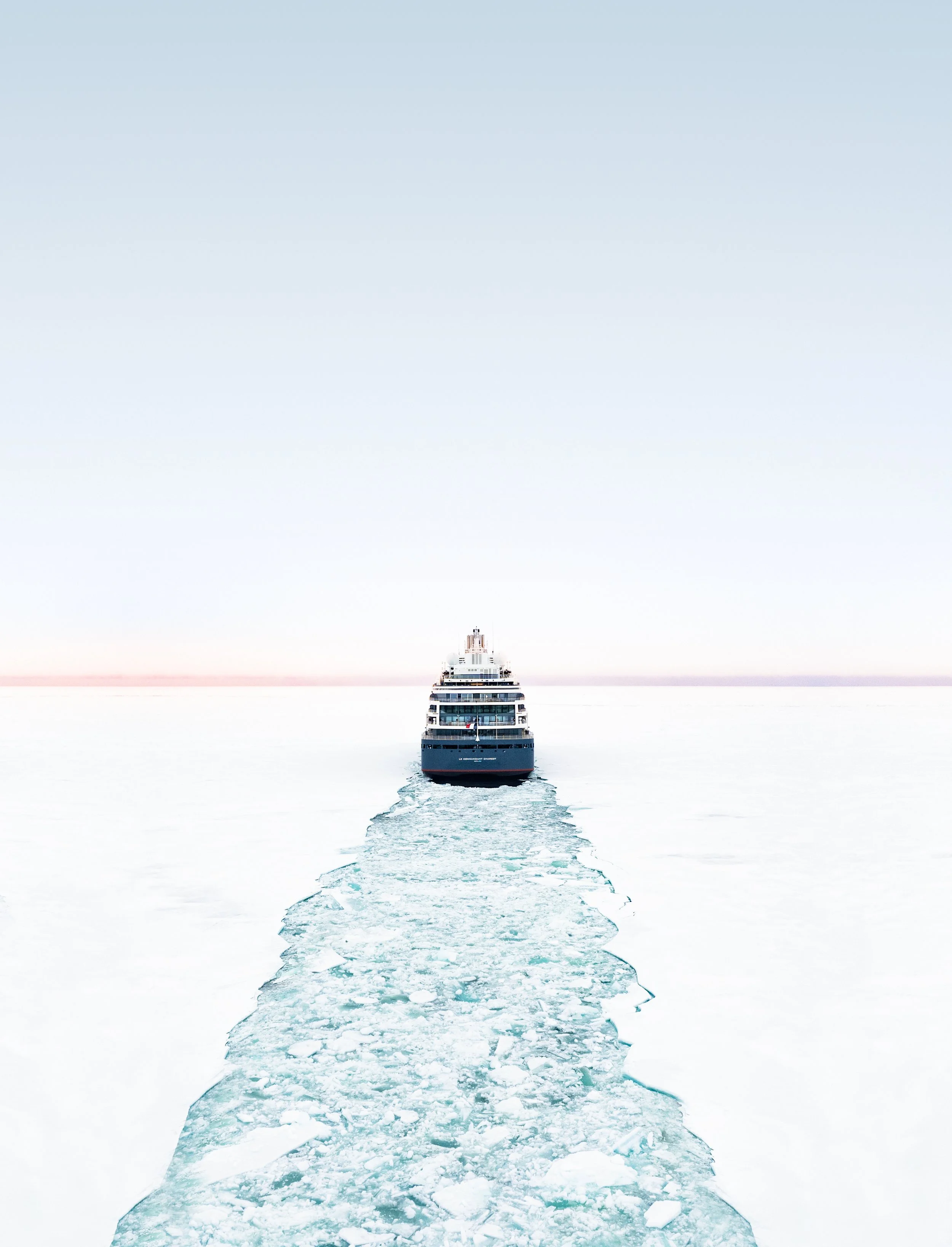
I visited the Arctic on a journey to East Greenland on the world’s only luxury ice breaker, Ponant’s Le Commandant Charcot, at the beginning of the season. We came across a whale carcass wedged between two ice sheets, a natural buffet attracting an astounding 68 polar bears, a first even for our captain and our Inuit ‘polar bear spotters’.
PEOPLE
The six countries of the Arctic region create diversity in culture, language and customs, though sharing traditional livelihoods like f ishing and hunting. As our Greenlandic guides kept watch for polar bears, I learnt what it is like to live in in complete darkness for much of the year and how their community of Ittoqqortoormiit (the most remote in the world) is only accessible by helicopter for nine months due to frozen sea ice.
On the Le Soleal in Antarctica I enjoyed chats with people posted at the bases and stations over the summer season, but there are no ‘locals’ in Antarctica. On both voyages historians within the ship’s expedition teams shared stories and insights into the early explorers, from Erik the Red in Greenland to Scott, Shackleton and other Antarctic explorers.
ICE
Ice became a topic of surprise and delight as I learnt how different it is in each region and how many forms it takes — fast ice, first-year ice, brash ice, pack ice and, of course, ice bergs (to name a few!). Sea ice in the Arctic freezes in winter and melts during summer. Antarctica is not constrained by landmasses so sea ice spreads over a much larger area. Antarctic glaciers are much bigger than those of the Arctic, the Arctic icebergs more jagged in shape.
SEASONS
You can only travel to Antarctica in summer (November – March), with the ice more pristine and the penguins courting early in the season. In February and March you see penguin chicks and March is best for whale watching. The Arctic summer is peak tourist season with longer days (the midnight sun) and milder temperatures for outdoor activities.
Many visit in winter to see the northern lights. Which wins? I loved both for the sense of vastness and unexpected wildlife encounters, the deafening silence and magical atmosphere. Seeing 68 bears made the Arctic my favourite voyage, however Antarctica would be my favourite destination. I’d return to both in a heartbeat for I have only experienced the very tip of the iceberg.