
ART YOU CAN EAT
Where some see a grazing table, VECETO sees a blank canvas. Tauranga’s edible artist is turning food into immersive landscapes designed to be explored and remembered.
PHOTOS ALICE VEYSEY
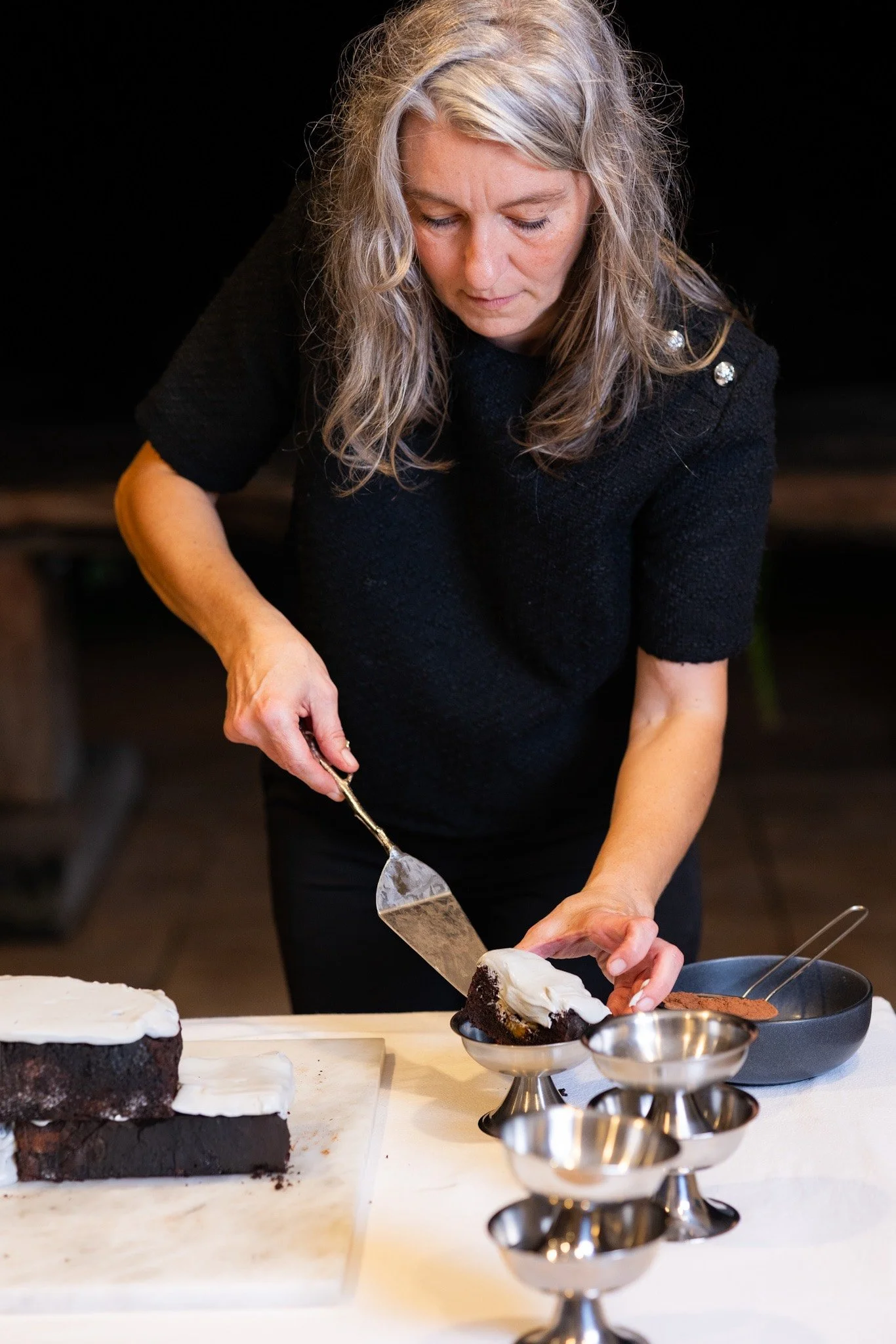
Food is usually something we gather around to share and enjoy. For Tauranga creative and the founder of VECETO, it’s also a way to tell stories and bring people together through art. Artist Kerstin Pricken creates immersive edible installations inspired by memory and the landscapes of both New Zealand and Europe. Her work invites people to experience food as something to explore as well as eat. UNO spoke to her about creativity, storytelling, sustainability and the future of edible art.
UNO: When did you first realise that food could be a creative medium and not just something to eat?
Kerstin: I’ve always been interested in how people experience spaces and moments. Through my work in hospitality, design and sensory studies, I became fascinated by the way food can connect people emotionally. It carries memories and engages all of the senses at once. Over time, I realised food could be much more than something served on a plate. It became a creative medium that allowed me to combine storytelling and design. VECETO grew from that idea, using food as a three- dimensional canvas to create experiences people remember.
You often describe your installations as “edible landscapes” or “sensory journeys”. What does that mean in practice?
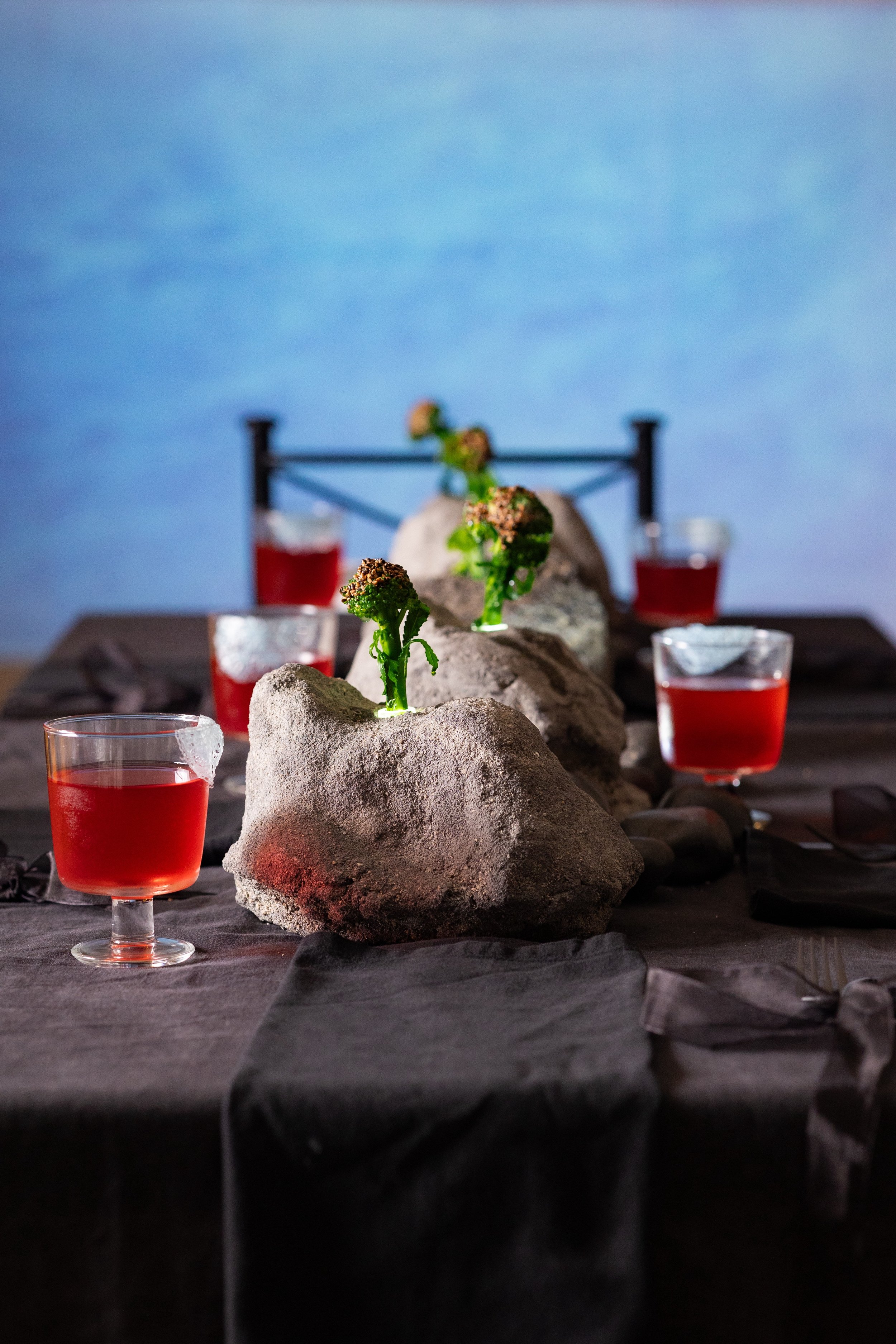
An edible landscape is essentially a large-scale installation built from food and natural materials. Rather than presenting food in a traditional way, I create environments that people move through and interact with. The sensory journey is what happens when guests engage with that space. Textures, colours, shapes and flavours all play a role. I enjoy creating moments where people aren’t immediately sure what they’re looking at, and where their perception shifts as they explore. As the installation is gradually eaten, it changes and evolves. The artwork becomes part of the experience itself.
Nature seems to play a strong role in your work. How does the natural environment shape your creative process today?
Nature is at the heart of everything I create. Growing up in Europe gave me an appreciation for rich textures, forests and seasonal changes, whereas New Zealand offers a completely different energy, like raw coastlines, volcanic landscapes and incredible light. I’m constantly observing patterns and natural forms. Those details often become the starting point for a project. I work with ingredients in their most natural state wherever possible, and allow the materials to guide the design. Instead of imposing an idea onto them, I like to respond to what already exists.
Your installations are intentionally temporary. What draws you to creating art that exists only for a moment?
I think there’s something incredibly powerful about creating an experience that can’t be repeated. The fact that the work disappears is part of what makes it special. Once guests begin interacting with it, the installation starts to transform. Eventually, it exists only as a memory. That sense of impermanence encourages people to be fully present in the moment. While photographs and film help document the work, they’re never quite the same as being there. Forme, that’s part of the beauty of it.
There’s a strong theatrical element to your events. How important is storytelling?
Storytelling is the foundation of every project. Whether I’m working with a brand or a private client, there’s always a narrative at the centre. My role is to translate that story into a physical experience people can step into. Everything contributes to the overall feeling, including the layout, the lighting, the ingredients, the colours and even the way guests move through the space. I want people not to simply observe, but to feel immersed. When that happens, the story becomes something they experience, rather than something they’re told.
Sustainability and plant-based ingredients are central to your practice. How do those values influence your work?
For me, it begins with the materials themselves. Plants, minerals and natural ingredients offer an incredible range of textures, colours and forms. They’re endlessly inspiring to work with creatively. The fact that they’re also accessible and widely understood helps make the work inclusive. People don’t need specialist knowledge to connect with what they’re seeing or tasting – the ingredients speak for themselves. Sustainability is naturally part of that process. Working closely with seasonal and locally available ingredients encourages a more thoughtful approach and helps reduce unnecessary waste.
How has being based in Tauranga influenced your work, and what opportunities do you see locally for edible art?
Tauranga is an interesting place to be creative right now. There’s a growing appreciation for both food and the arts, and people are increasingly open to new experiences. The surrounding environment is a huge source of inspiration. The coastline, native landscapes and seasonal produce all influence my work in different ways. At the same time, being based here allows me to bring ideas from international design and hospitality into a local context. I think there’s enormous potential for immersive food experiences, particularly in events, cultural projects and brand activations. People are looking for experiences that feel memorable and meaningful, and edible art offers a unique way to create that.