
LIFTING THE VEIL ON THE VALE
Adelaide’s abundance of grape-growing greatness is well known, as is the South Australian city’s jewel in the crown, Barossa Valley. If you’re chasing something a little more fresh and a lot more enticing, however, make tracks for McLaren Vale. You won’t regret it.
Adelaide’s abundance of grape-growing greatness is well known, as is the South Australian city’s jewel in the crown, Barossa Valley. If you’re chasing something a little more fresh and a lot more enticing, however, make tracks for McLaren Vale. You won’t regret it.
WORDS + PHOTOS JAMIE TROUGHTON
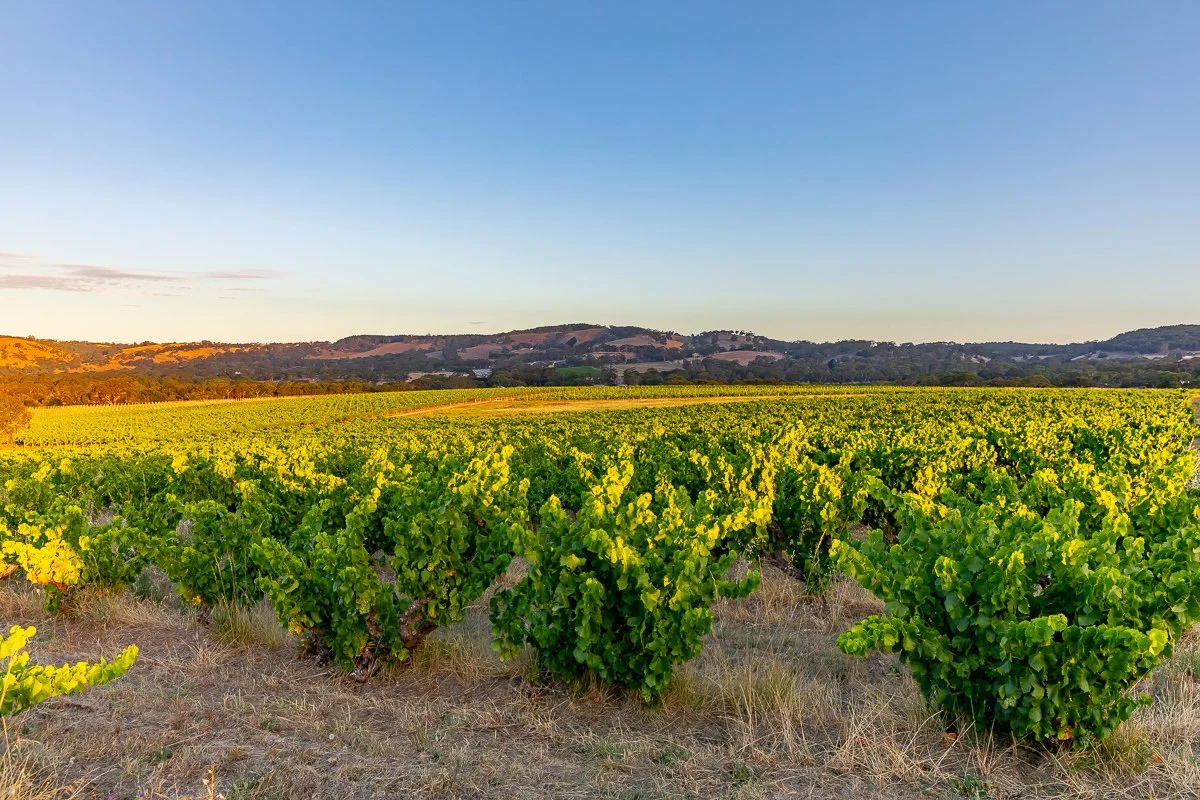
Hot tip: if you’re going in cold to a new wine region, it really does pay to take a professional with you.
Luckily, the crew we’d assembled for UNO wine columnist Jess Easton’s significant birthday included talented Kiwi winemaker Alice Rule, who arrived in Adelaide armed with the local lowdown and plenty of insider insight.
Forget Barossa, she confirmed. Bypass Adelaide Hills and skip Clare Valley. She’d been hearing great things about a few places in McLaren Vale. We need to go there.
And so, mellowed and content after a long weekend of birthday celebrations, music festivals and a decent crack at Adelaide’s multi-ethnic, over-delivering restaurant scene, we boarded a minibus and hit the highway.
The power of proximity
For such a vast and untamed state, South Australia’s viticultural heritage is packed into a remarkably small area Adelaide Hills, for example, is just 20 minutes out of the city centre. On the way, nestled in the foothills, is the grand old lady of Australian wineries, Penfolds Magill Estate. We’d earlier stopped in for an hour-long tour and ended up enjoying a half-day pilgrimage. The depth of history resonating through the high stone walls and deep cellars is unforgettable.
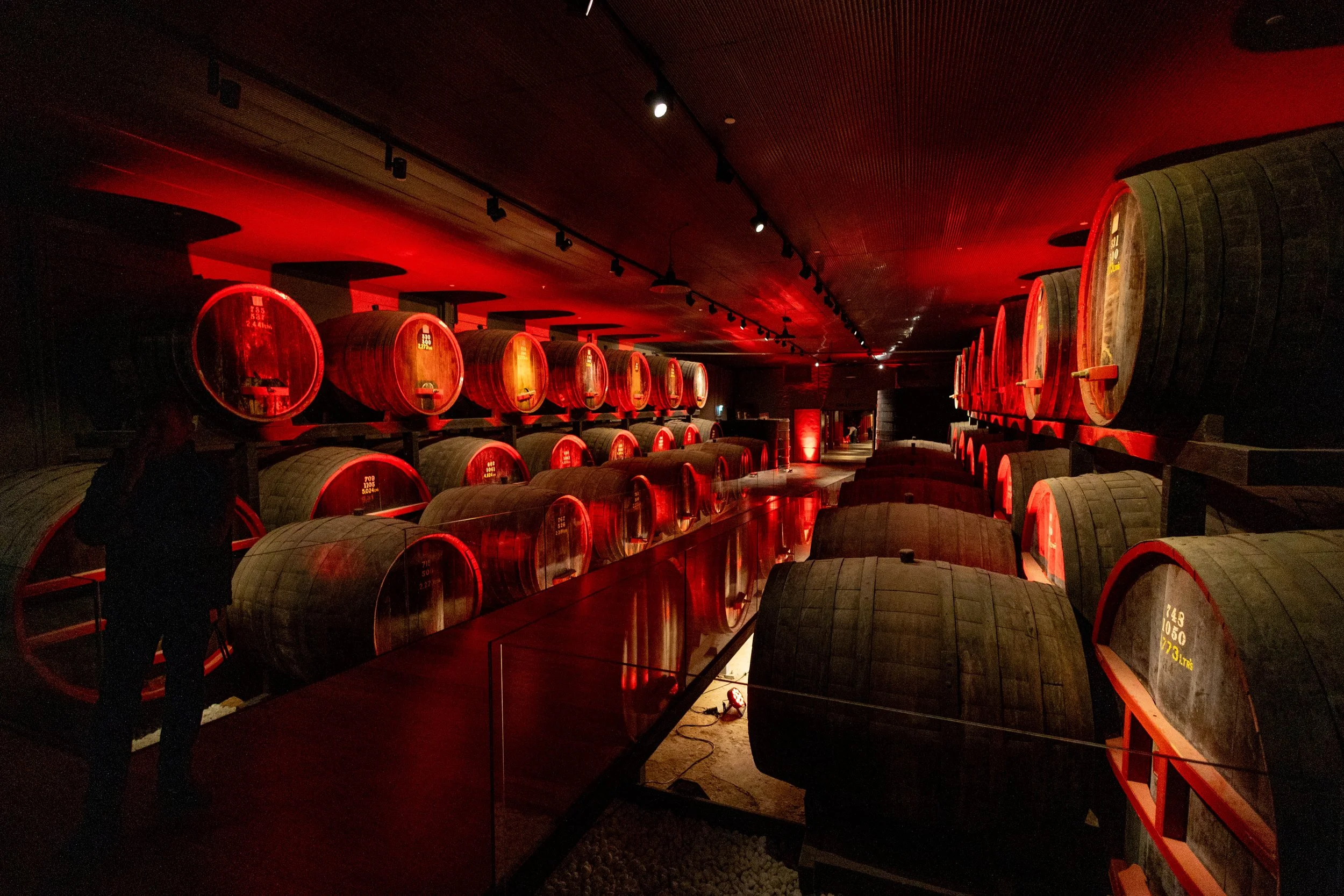
The history and elegance of Penfolds.
Up into the Hills, you start getting cool-climate wines, like Sauvignon Blanc, Chardonnay and Pinot Noir.
The Barossa Valley, meanwhile, is one of Australia’s oldest and most famous regions, boasting more than 150 wineries, renowned for its German heritage as much as for its Shiraz and Cabernet Sauvignon. Even the name ‘Barossaʼ has heft — a weighty, punchy moniker matching perfectly to some of the big, bold wines it produces.
Two hours north of the city is Clare Valley, celebrated for premium Riesling and more than 50 cellar doors, featuring charming villages and the Riesling Trail. Kangaroo Island, Eden Valley and Langhorne Creek are other well-known areas for wine lovers to explore.
Our attention, however, turned towards the coast, a short 40-minute trip south to McLaren Vale, possibly the oldest continuously producing wine-growing region in Australia, first planted in 1838.
Long before European colonisation, the area was the traditional home of the Kaurna people, who enjoyed the regionʼs Mediterranean climate for thousands of years. The cooling sea breezes take the sting out of the hottest of South Australian scorchers, with an array of diverse ancient soils helping grow varieties like Fiano, Sangiovese, Vermentino, Barbera, Montepulciano, Nero d’Avola and Tempranillo.
McLaren Vale is also the most environmentally sustainable wine grape growing region in Australia, which immediately attracted the attention of our illustrious tour guide Alice.
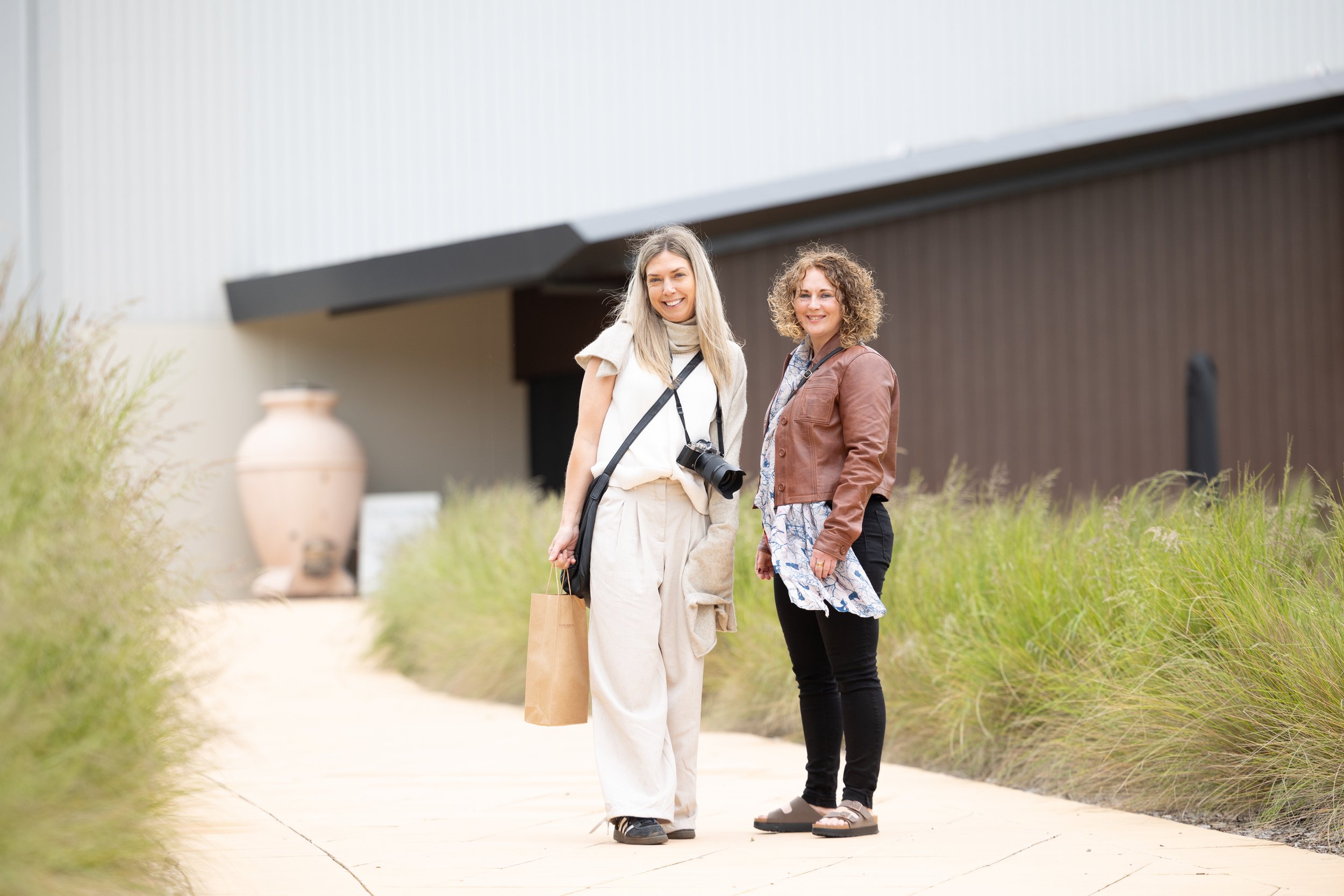
Kiwi wine guru Alice Rule (left) in her natural habitat.
Hostess with the most-ess
As one of the youngest wine producers in New Zealand, Alice established her boutique wine venture, 3sixty2, in 2018 at just 25. She was the first New Zealand wine producer to introduce carbon offsetting at checkout and her focus on environmental stewardship and sustainability is helping set the gold standard in the industry.
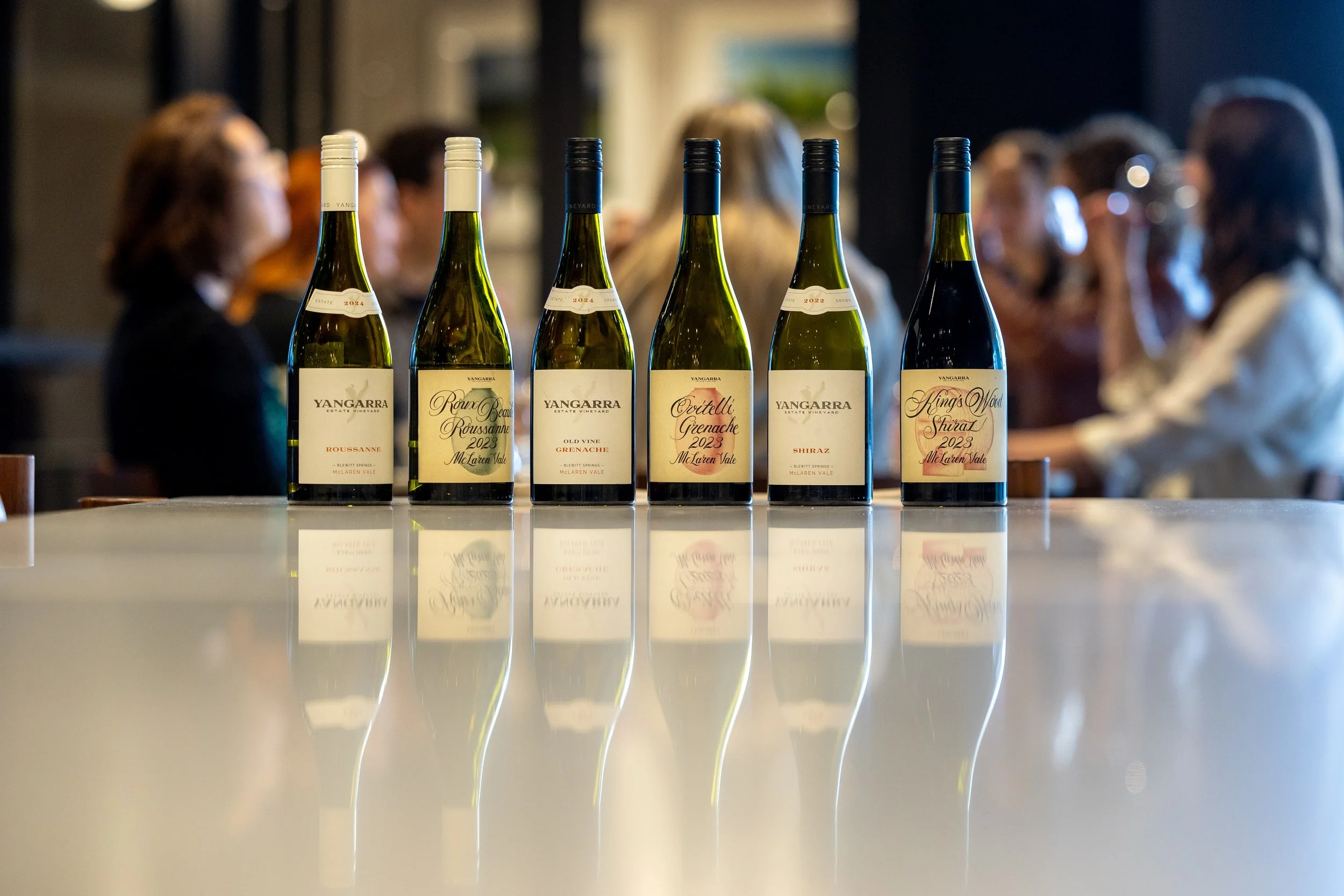
Some of the superb Yangarra Estate line up.
And our first stop, Yangarra Estate, featured biodynamic vineyards surrounding a stunning cellar door, vibrant with Grenache, Shiraz and a treasure trove of alternative varietals.
“I loved their philosophy around biodiversity and loved how interesting their new young wines were, like the unconventional Piquepoul,” Alice said, fresh from a perfectly curated wine tasting experience; textural pottery, Plumm wine glasses, expensive cheese and hand-shaved prosciutto.
“Piquepoul is an ancient French varietal and the name literally means ̔stings the lipsʼ — a reference to the wineʼs characteristically high acidity — but Yangarra wouldn’t do that to you. It was the Jo Malone of white wine, fragrant, delicate and crisp — a unique treasure probably not found very easily.”
Next stop was Dandelion Vineyards, another biodynamic exemplar, where the tasty, innovative wines were elevated to another level by the winemakerʼs mum and her culinary prowess.
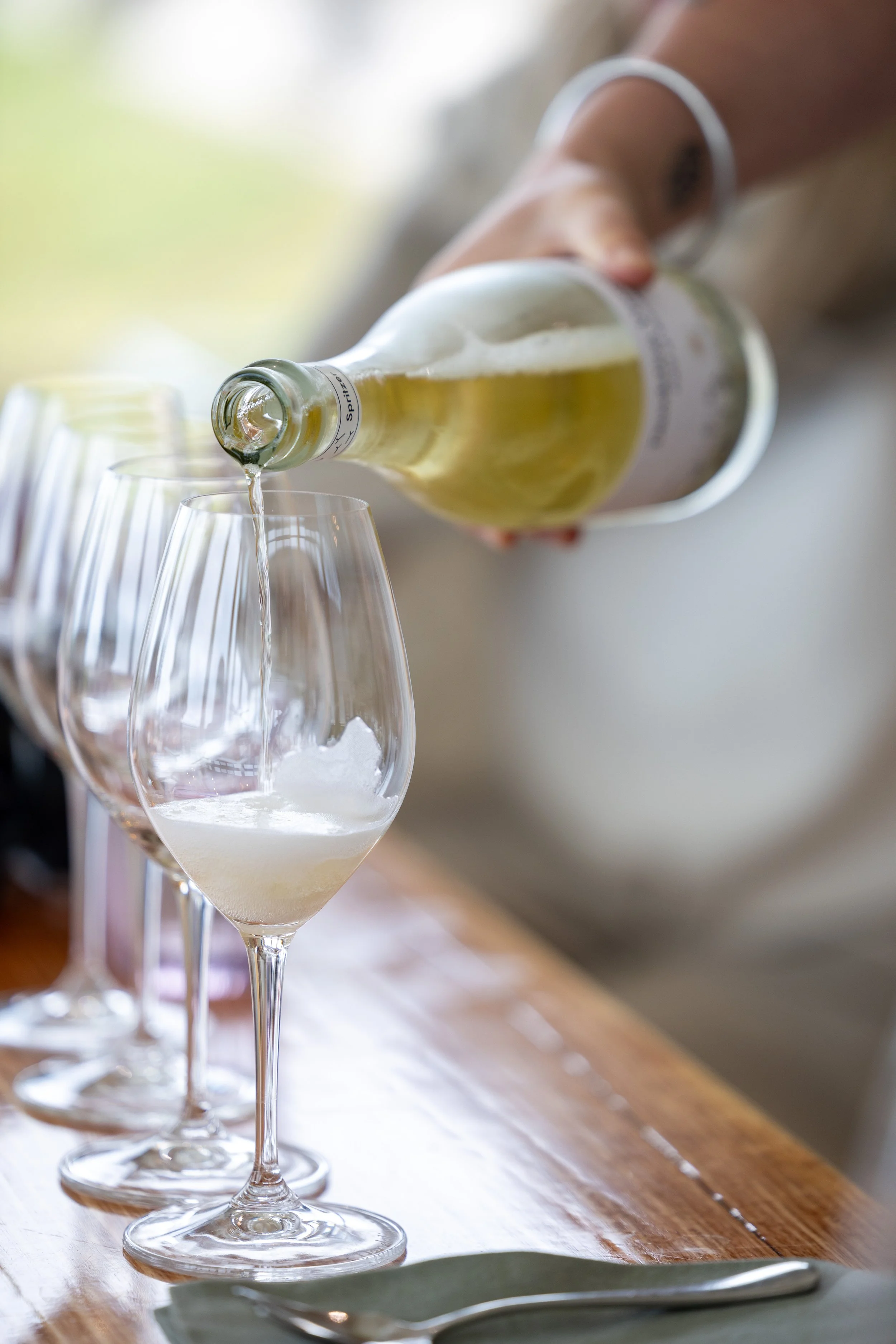
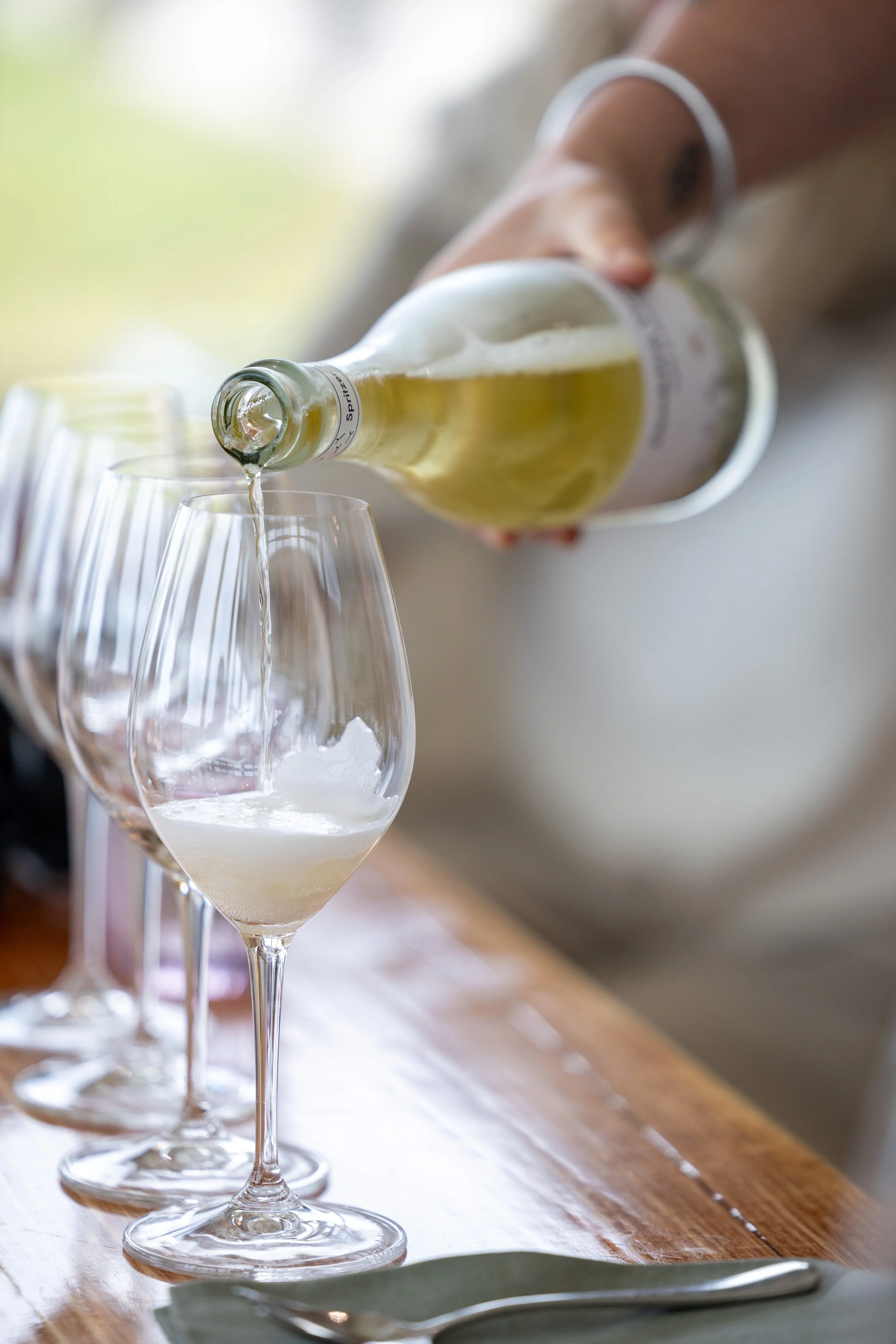
Dandelion's Field of Wonders Chardonnay and Lemon Myrtle Spritzer.
Dandelionʼs Elena Brooks grew up in Bulgaria, set amidst the demise of the Soviet Union, as an influx of western winemakers began visiting the region. Her mum Dani Golakova worked for the Soviets as an MiG mechanic, before venturing into marketing at the large and historic winery Vinprom Lyaskovets in their small hometown. As the only one able to speak English, Elena started helping translate for visiting viticulturalists after school. By the age of 12, she was interpreting barrel tastings with the winemakers. By the age of 15, she had the wine knowledge and vocabulary of a veteran, and by 16 she was making her first batches of Chardonnay.
Fast forward a couple of decades and sheʼs now married and settled in McLaren Vale, like Alice, a rising winemaking star, and with mum whipping up sensational plates of Kashkaval Pane, Kyopolou and Baked White Cheese with Honey and Walnuts for her dazzled guests.
Bekker beckons
If the day had a tactical error, it was right there. Did we expect to feast like Bulgarian royalty just before lunch? Nope. Did that stop us hitting the Salopian Inn and ordering up large? Again, nope. To be fair, after our Dandelion feast, we had every intention of a light snack, but the Salopian Innʼs fare was too good to skimp on.
Some of us lighterweights perhaps had visions of a quick snooze, as we wound down the tour at Bekkers Wine, our last winemaker stop. But there’s something about being greeted by the winemaker himself and being welcomed into a makeshift tasting room — amid renovations — that captures attention, not to mention the curious sight of Grenache grapes growing upright as bush vines — not on wire or trellis.
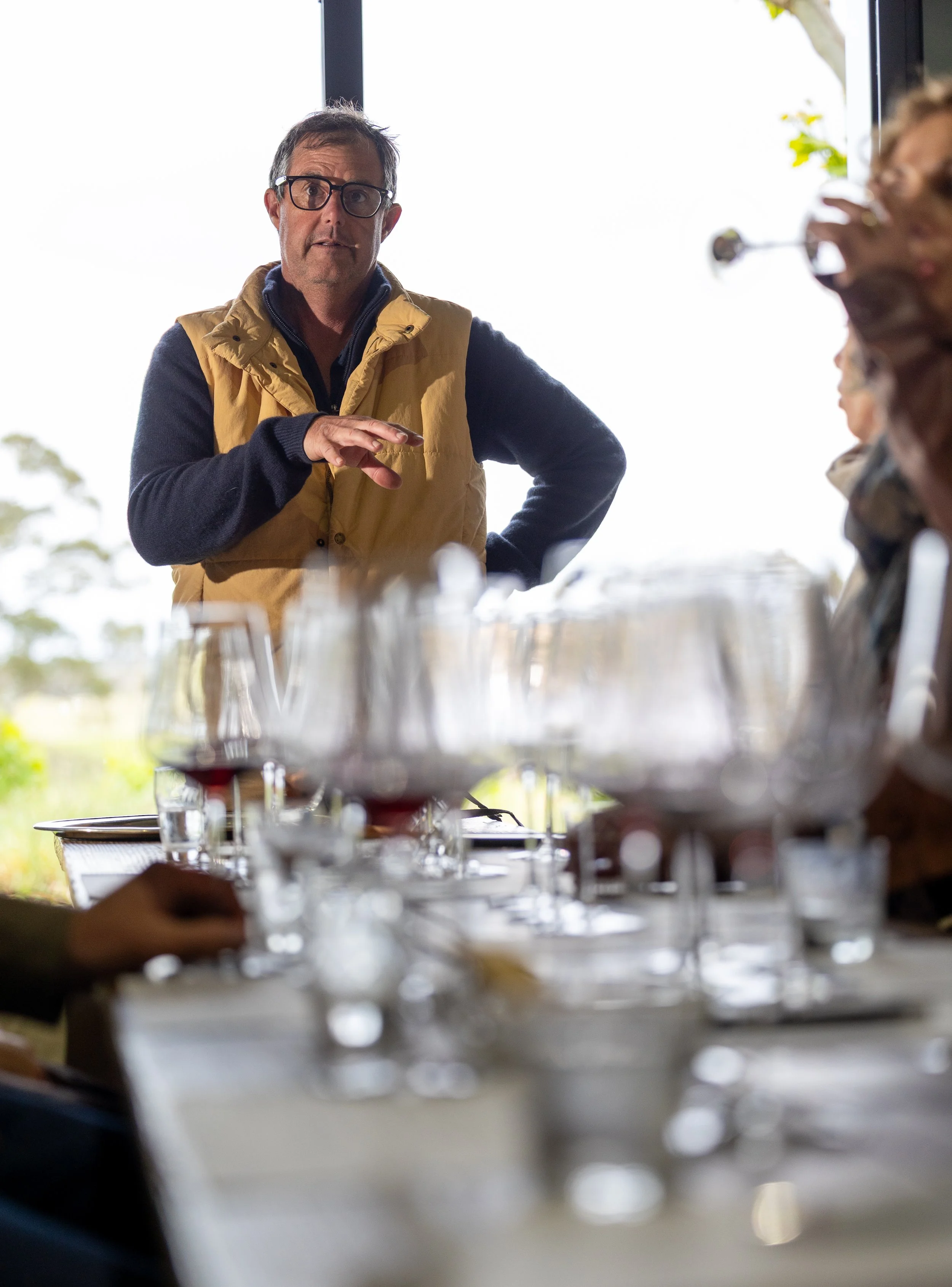
Winemaker Toby Bekkers.
Toby Bekkers is quietly understated, friendly, and someone you instinctively lean in to as you listen. He and his French wife Emmanuelle spend large parts of the year in each otherʼs countries, and their unique styles converge in the glass.
Aliceʼs old Lincoln University mate, Charlie, worked with Emmanuelle during a stint in the state and said Bekkers was a must-visit. After a few sips of a signature Grenache, and a magnificent Syrah, it was easy to see why.
“I’m always really excited when the viticulturist is hosting the tasting because thatʼs where my heart has always been,” Alice said. “And when Toby told us he was going to skip past the sensory descriptions and instead talk about the importance of texture, it really struck a chord. The wines, like Yangarra, are textural, interesting, and though he never mentioned ̔Old Worldʼ, itʼs clear they were made that way, while at the same time respecting the land they grow on, which is inherently New World. Itʼs a careful balance theyʼve gotten right — and I loved how they called their wine Syrah instead of Shiraz. Having a French winemaker wife probably had something to do with this decision, which is a big tick from me!”
And so, we depart, loaded to the gunnels with McLaren Vale vintages. Itʼs been a big tick from all of us.