

MEET YOUR GROCER
Ian Harrison’s rapt to have opened a restaurant all his own, and
everyone’s invited. Just don’t call it fine dining though, okay?
Ian Harrison’s rapt to have opened a restaurant all his own, and everyone’s invited. Just don’t call it fine dining though, okay?
WORDS HAYLEY BARNETT / PHOTOS ERIN CAVE
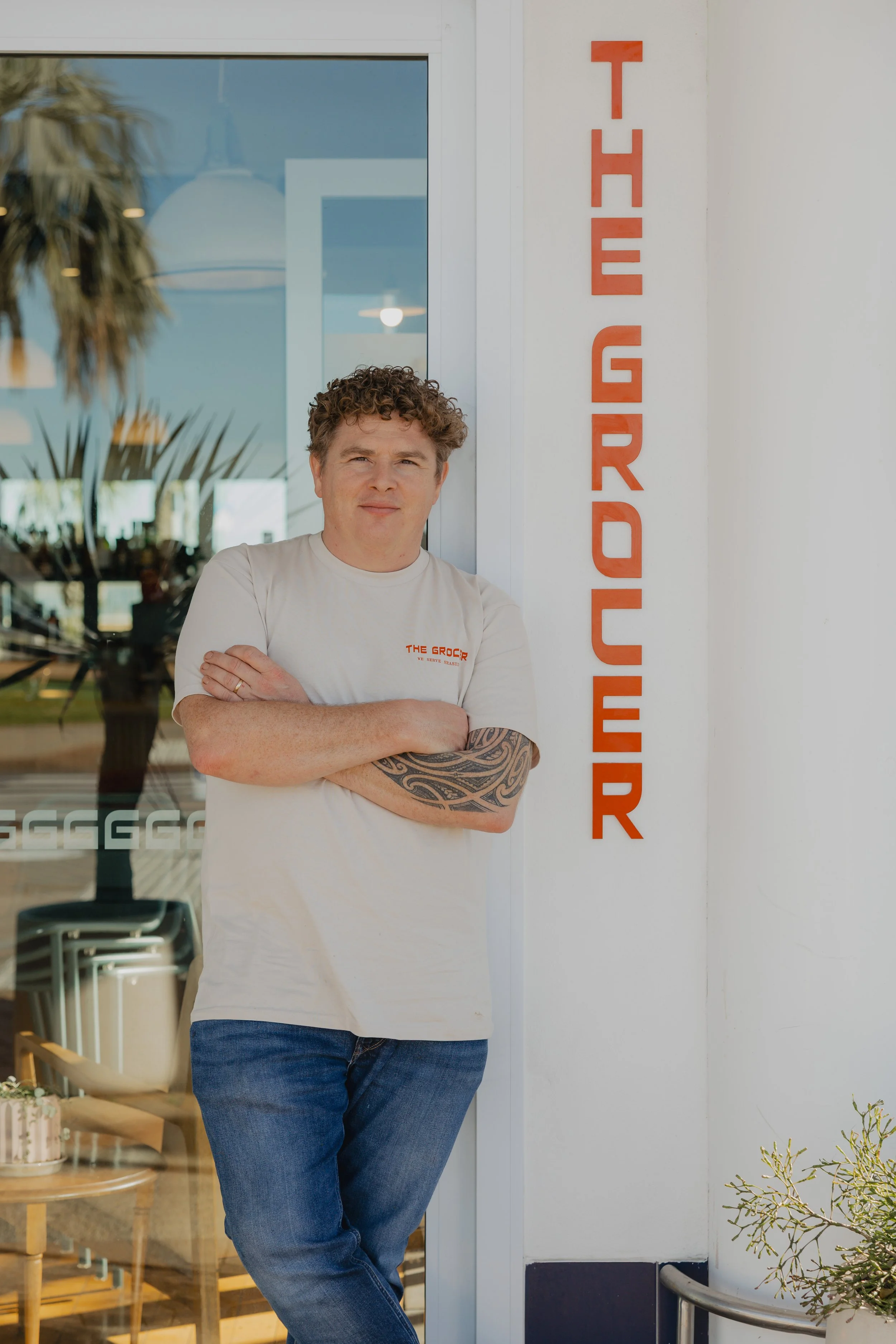
As I enter The Grocer through the kitchen, the first thing Ian Harrison does is apologise for swearing. The second thing he does is swear again.
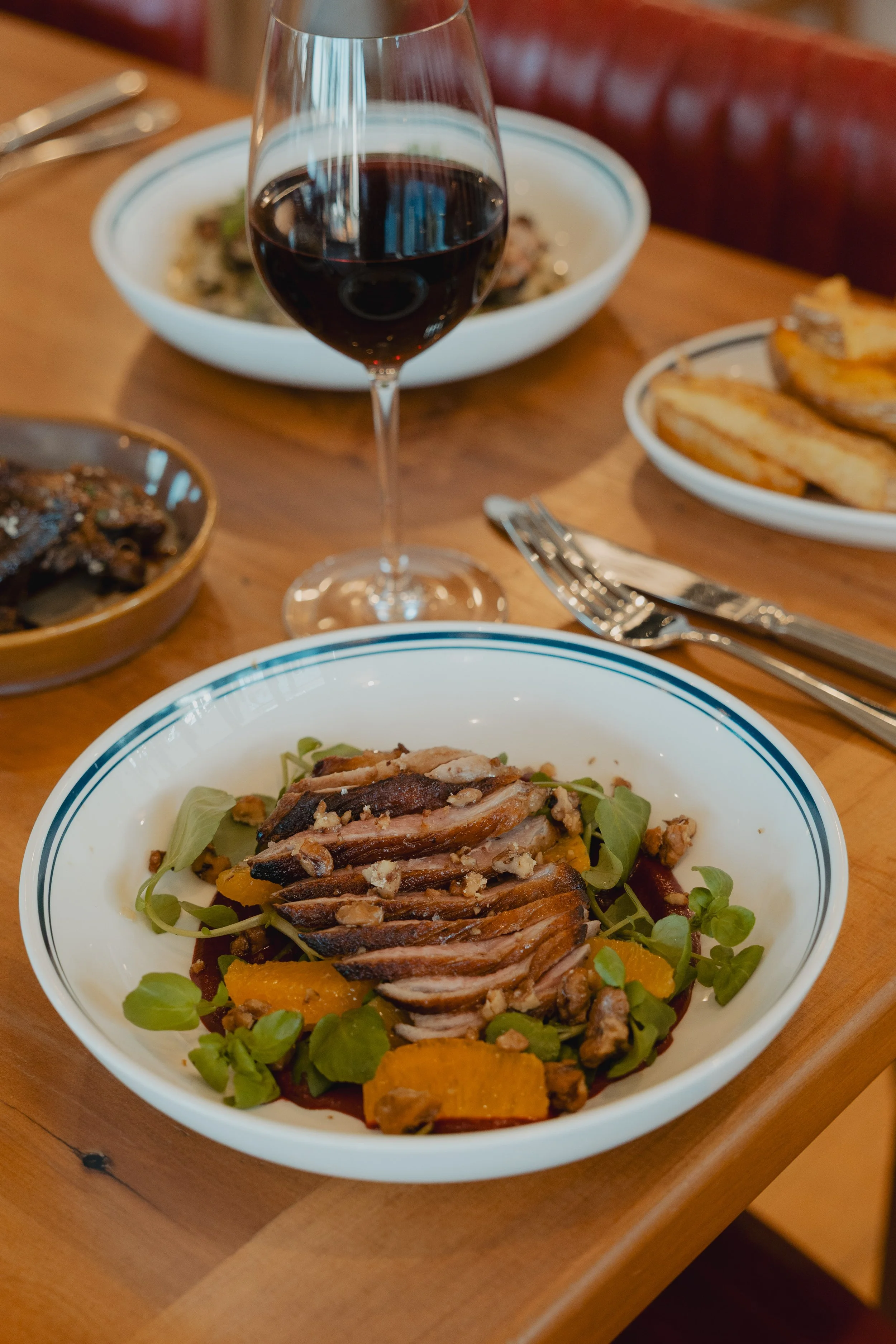
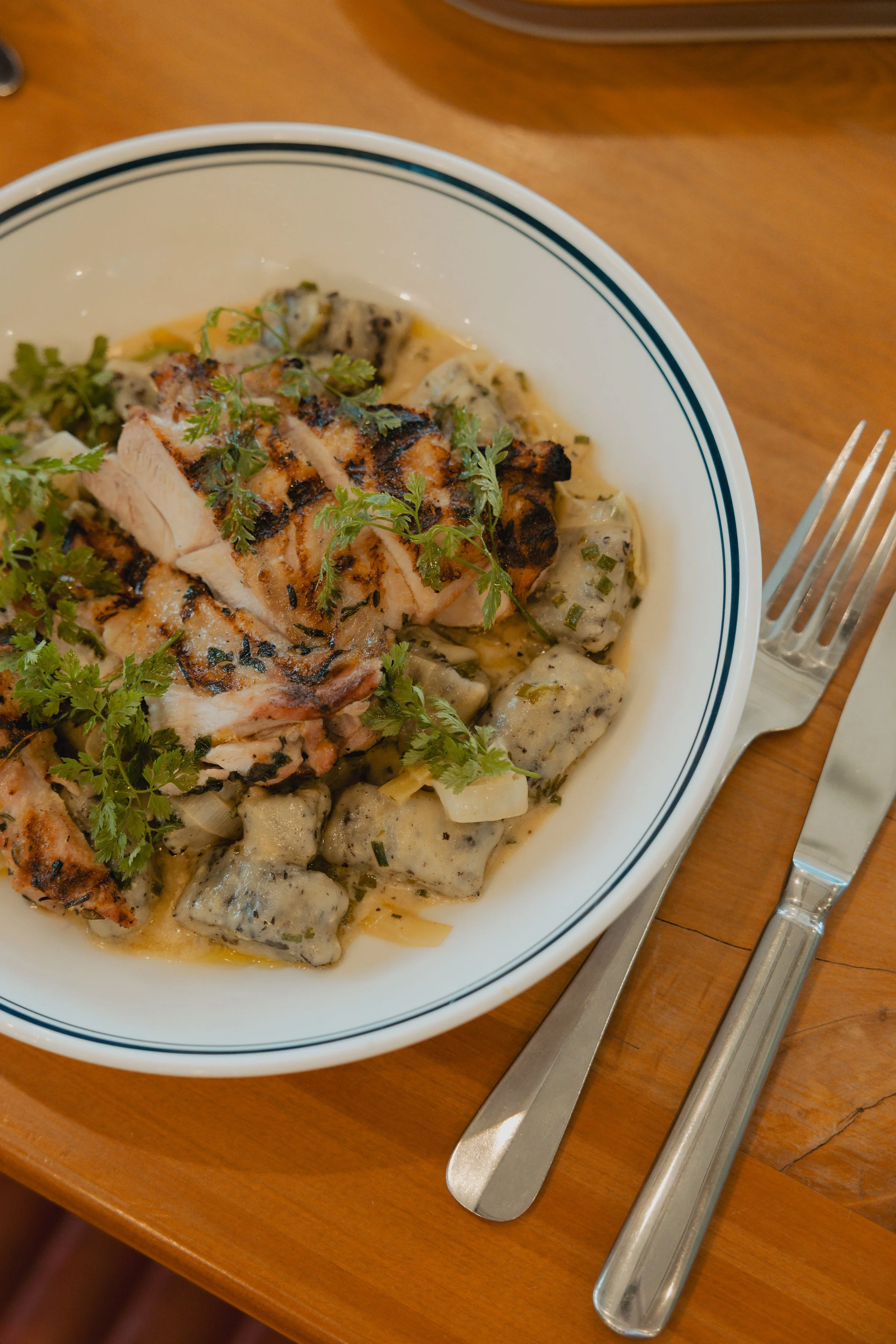
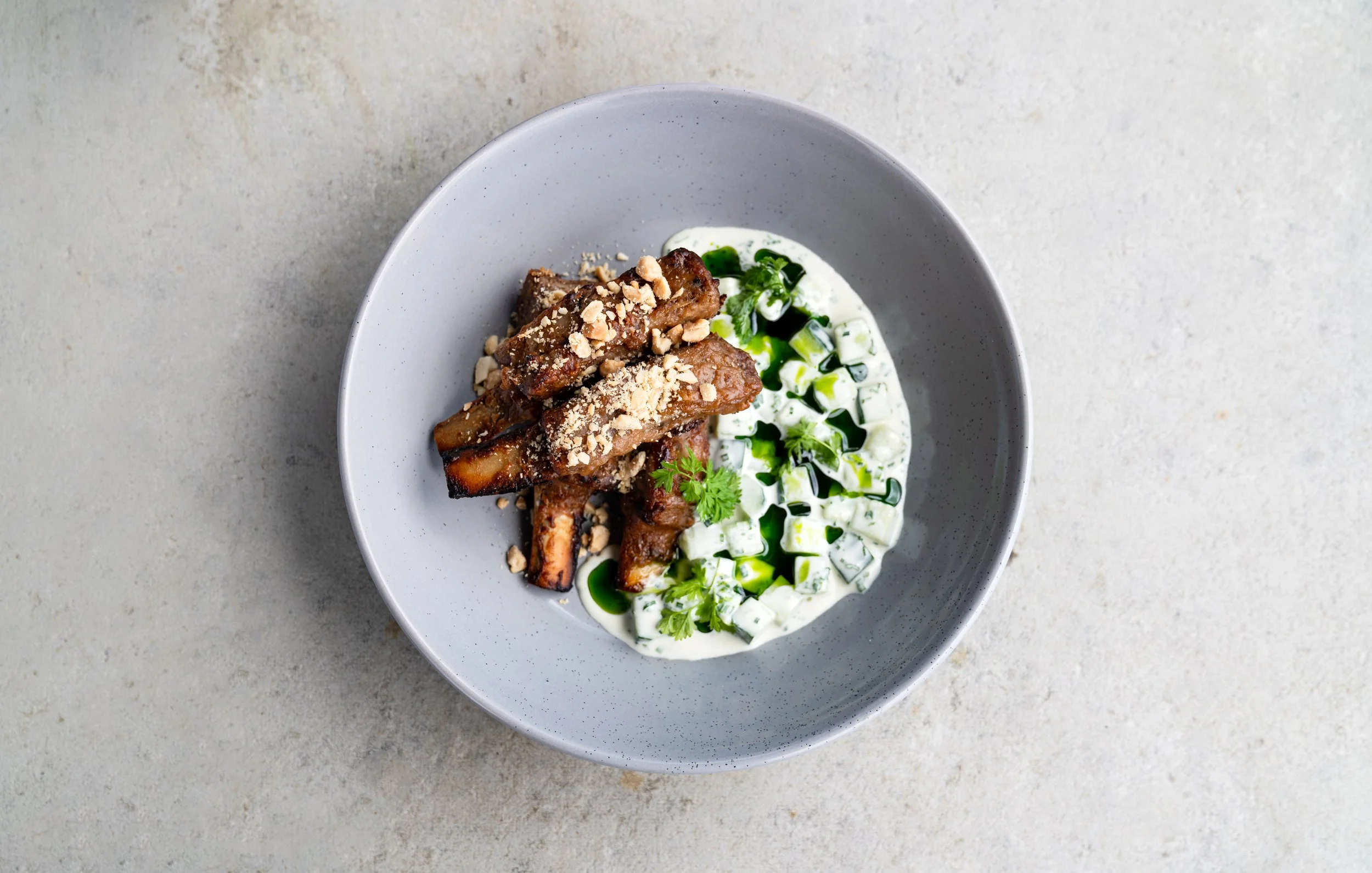
He’s standing in the middle of his new restaurant's kitchen on Tauranga’s Strand, talking about duck fat and why he hates the term ‘fine dining’. He’s also prepping plates of confit duck, mushroom gnocchi and crispy chicken, all updated versions of dishes from his revamped menu.
“This isn’t fine dining,” he says, gesturing toward a duck salad layered with beetroot, orange and walnuts. “If it was fine dining, the orange would be a jelly, there’d be micro herbs everywhere and the sauce would be some over-reduced, complicated bullshit.”
He looks at me, warily.
“I just want to cook really good food.”
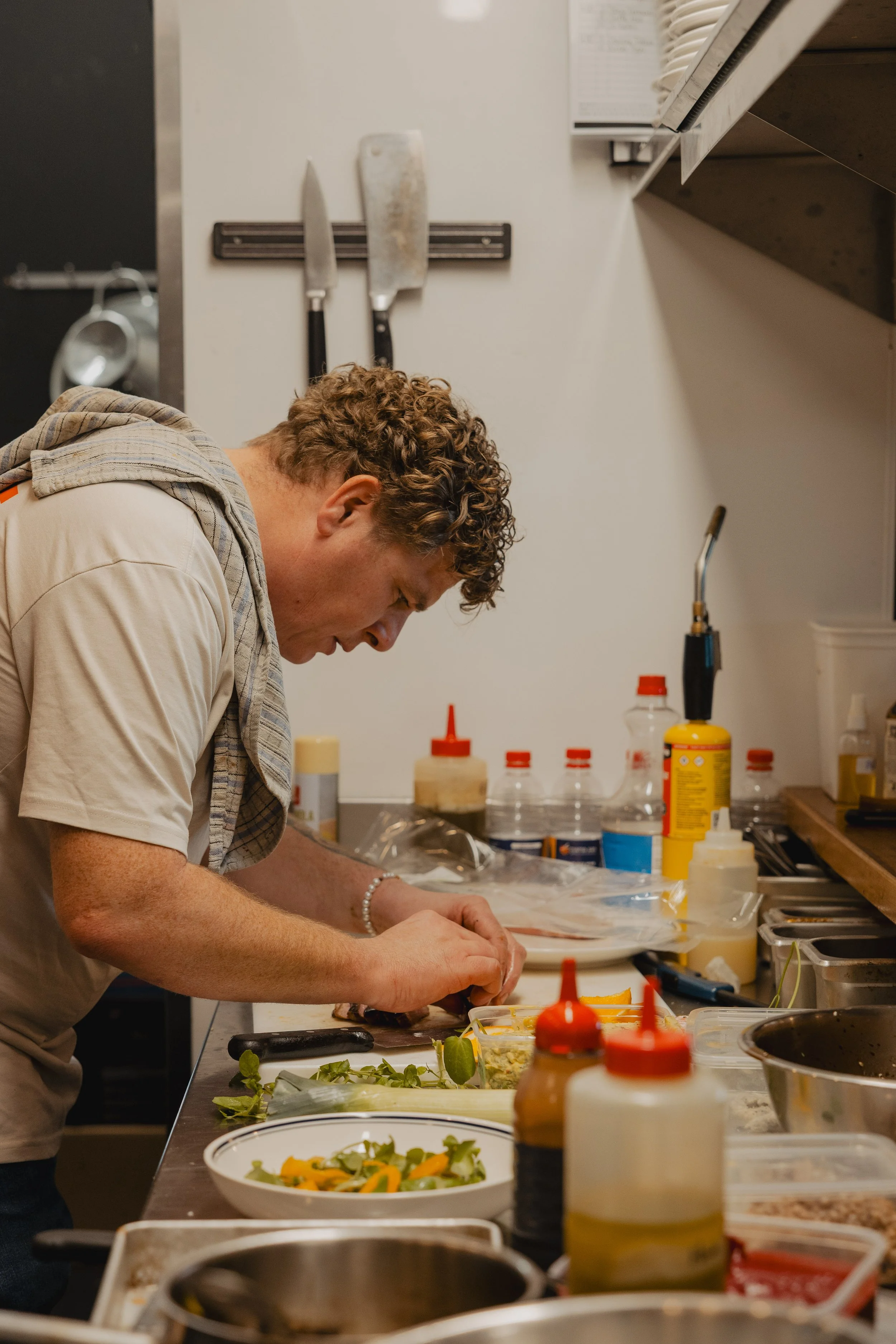
For people in Tauranga, Ian Harrison hardly needs an introduction. Over the past decade, he’s become one of the city’s defining hospitality figures. He’s helped shape restaurants including Sugo, Clarence, Alpino and Florence. Ask around local food circles and his name comes up quickly, usually alongside words like ‘perfectionist’, ‘obsessive’ and ‘brilliant’
– sometimes all three.
The Grocer is different because, for the first time, it’s entirely his. After years spent building other people’s visions, this is the place where he finally gets to cook exactly what he wants.
It’s only a few months old, yet Ian has already reworked the menu, tweaking dishes, refining portions and adjusting it based on what people have responded to. Winter is pushing things further toward hearty British gastropub territory, with slow braises, rich sauces, duck fat potatoes, steak and Sunday roasts. Summer, he says, will pull everything back toward lighter seafood and vegetables.
“It’s probably more Pommie than anything,” he laughs. “But then there’s Asian influence, Kiwi influence, Māori influence. If I feel like putting a curry on later in the year, I’ll put a curry on.”
Ian talks about food the way some people talk about architecture or music. He doesn’t like trends, but he does like details.
“If we do eggs benedict here, I want it to be the best eggs benedict someone’s had,” he says. “Not because we’re trying to be fancy – just because we’ve thought about it more.”
Ian’s mentality was moulded long before he arrived in Tauranga. He grew up in England and spent years cooking his way through Europe. He worked in Michelin-starred kitchens where precision ruled everything. He cooked at three Australian Grand Prix without seeing much more than the inside of a kitchen. Eventually, exhausted by the intensity of hospitality, he decided he wanted out altogether.
He planned an enormous trip from Papua New Guinea to London, using boats and buses, working and diving along the way, but after arriving in Auckland in 2011, he stayed.
“I remember thinking, ‘I’m not doing those chef hours anymore’,” he says, “so I went front-of-house instead – because I’m good with people, I can talk.”
His talent earned him hospitality awards and briefly pulled him away from the kitchen entirely. Then he met Krystal, now his wife, and eventually followed life south to Tauranga. Now they have two daughters, Hine Ao Manawanui and Māia, who have become the centre of everything.
“I probably would have left hospitality completely if this place didn’t happen,” he admits. “It was kind of now or never.”
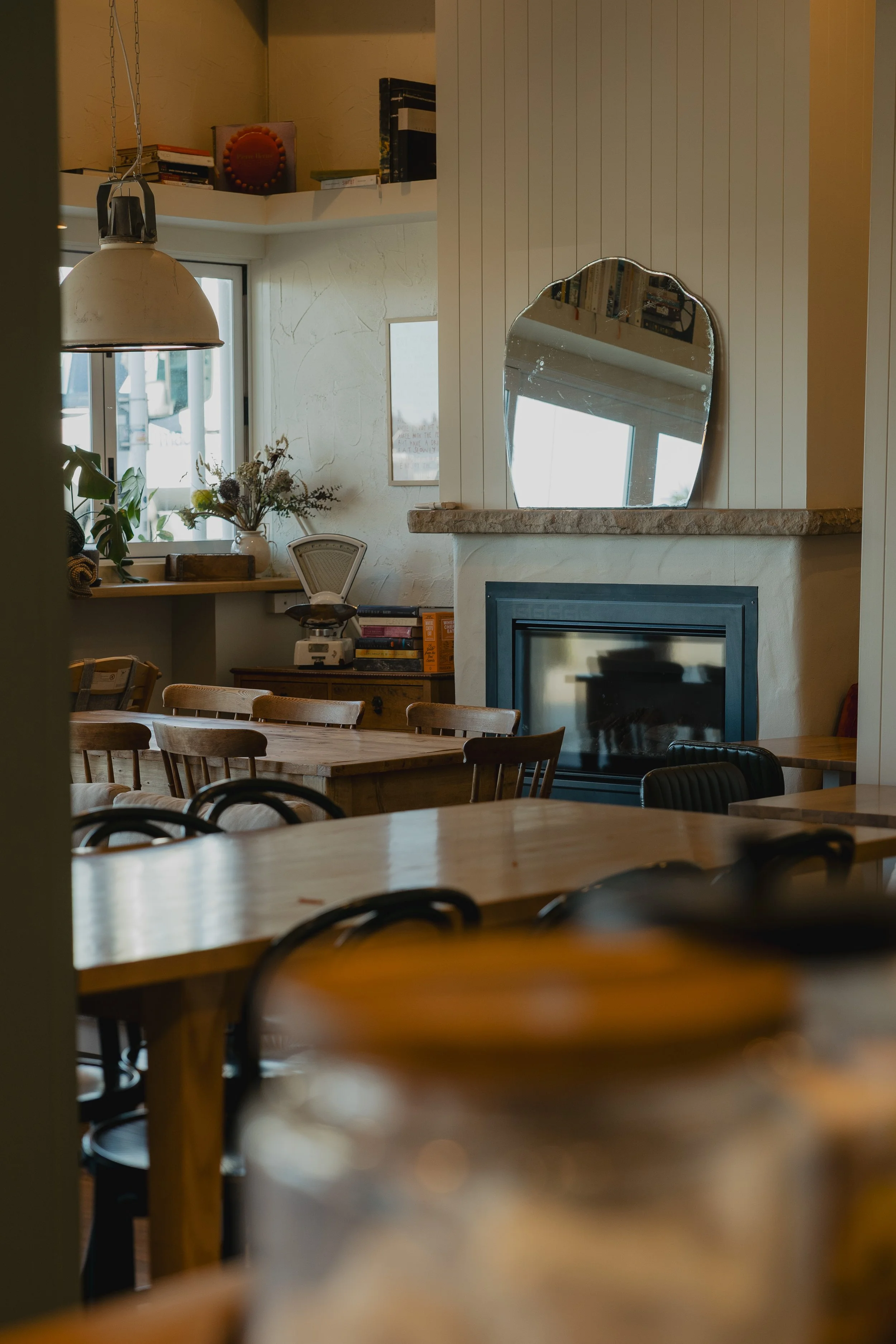
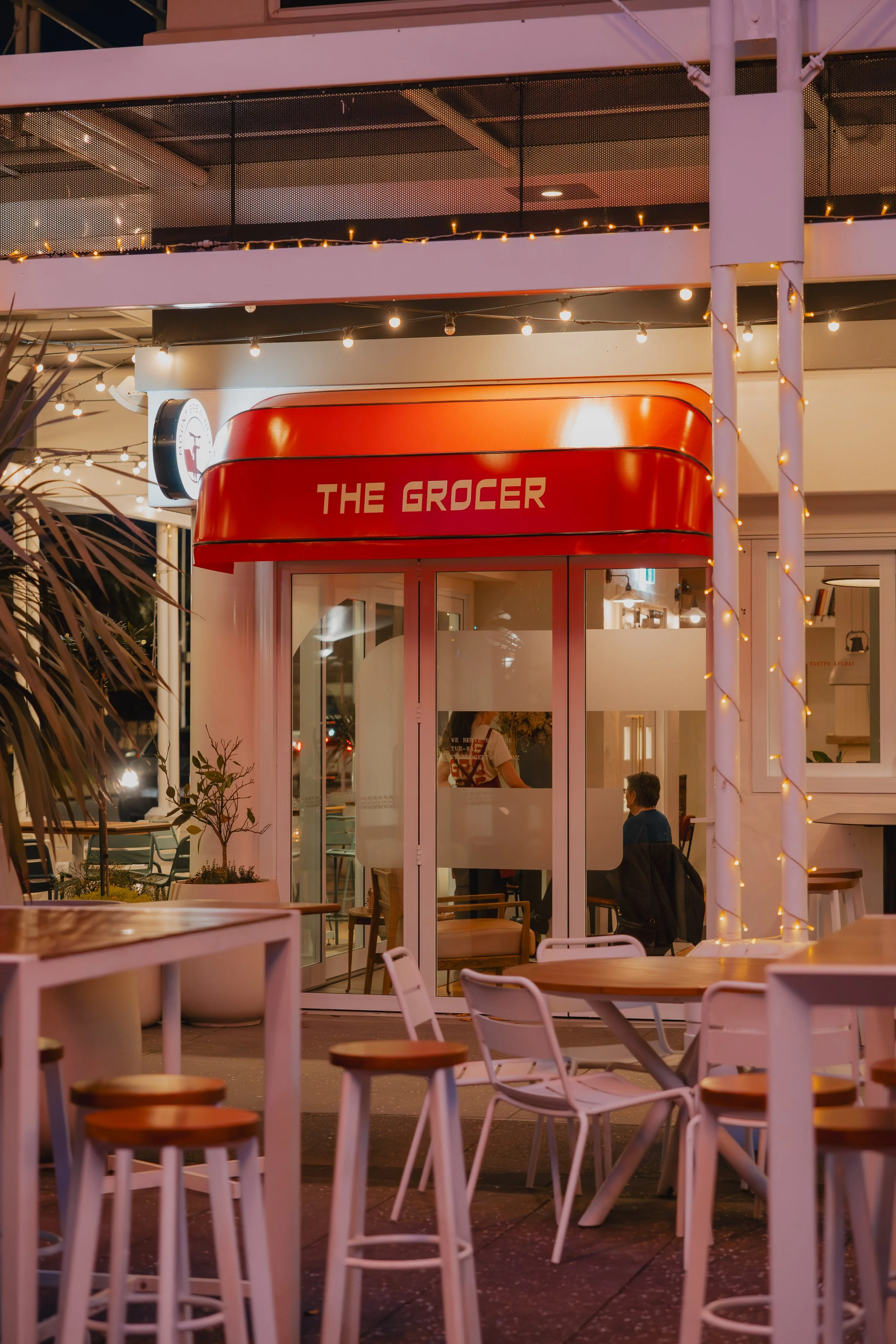
The Grocer occupies a historic building on The Strand that once housed a grocer’s store, among other things, and Ian liked the idea immediately. He wanted to recreate a neighbourhood place filled with essentials, like preserves, sauces, wine, good bread, conversation. He’s already begun bottling house-made condiments to sell, including tomato ketchup, duck fat and preserves made from ingredients used in the kitchen.
“I like the idea that people can take a little bit of the place home with them,” he says.
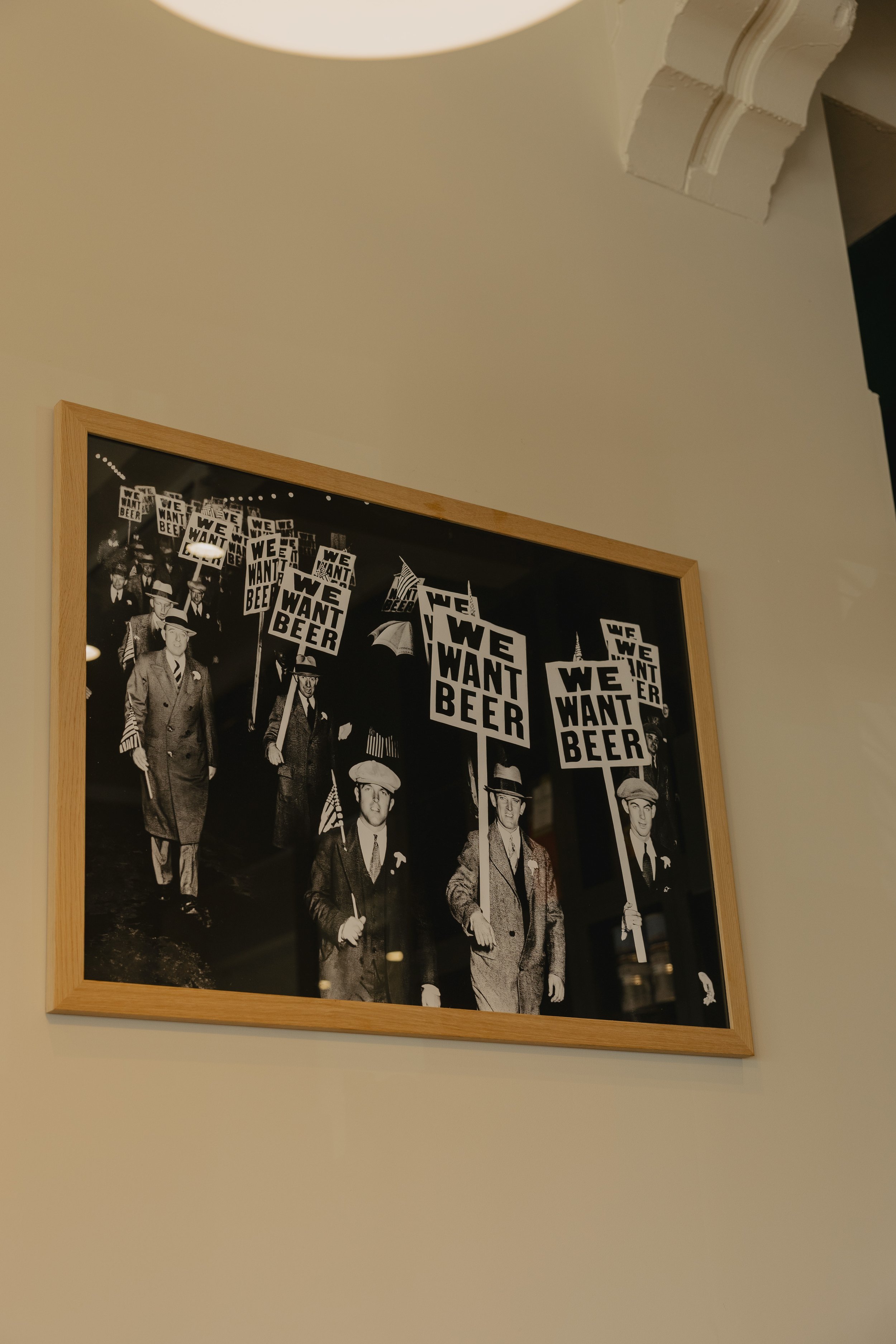
The restaurant itself feels warm. There are candles at night, heavy plates, proper portions and staff encouraged to read tables rather than recite scripts.
Ian talks as passionately about service as he does food.
“I wanted adults,” he says of his team. “People with personality. People who can actually read the room.”
He speaks openly about the realities of hospitality too, especially in Tauranga, where rising costs and cautious spending have made survival increasingly difficult for restaurants. He jokes about seeing himself less as a restaurateur and more as a “drug dealer”, trying to get customers hooked on the experience before they drift elsewhere. But behind the humour is very real pressure.
“This winter’s going to be rough for a lot of places,” he says. “You’ll see casualties.”
Ian remains optimistic, partly because he believes Tauranga’s dining culture is changing. He intentionally chose this location before major developments around the waterfront are completed, because he still believes people want genuine hospitality.
That’s also why he’s resisting labels like ‘fine dining’, despite his background. He says he doesn’t want hats or awards. “I don’t care about being a celebrity chef – I really don’t.”
Ironically, Tauranga already treats him like one. Customers regularly stop to talk to him. Diners specifically ask whether he’s cooking that night. His social media videos pull strong engagement, despite the fact he openly admits he hates spending time on his phone.
“I’d rather be home with my wife and kids, having a wine, than sitting on Instagram.”
That said, he understands modern hospitality requires visibility, and so he appears in videos; talks to media, like me; and promotes the restaurant, even if reluctantly.
“No one sells the place better than I do,” he says with a shrug.
Really, all The Grocer’s aiming for is good food, generous hospitality and enough warmth to make people want to stay awhile. And while Tauranga’s still figuring out exactly what its dining culture can become, that might be exactly the right recipe.

At the water’s edge
Down on the harbour you’ll find this elegant, light-filled eatery, where the food is just as appealing as the view.
Down on the harbour you’ll find this elegant, light-filled eatery, where the food is just as appealing as the view.
Words Karl Puschmann

You’d be hard-pressed to find somewhere to eat with a more spectacular view than The Restaurant at Trinity Wharf. Perched on three piers that stretch out and over the glistening waters of Tauranga’s harbour, the only way to get any closer to the water would be to jump in.
It’s a view that would improve any meal. But Trinity Wharf’s executive chef Rob Forsman, doesn’t want the food to simply match the gorgeous views, he wants it to exceed them. Rob’s been working in restaurants for close to 25 years. During this time he’s worked as head chef for Aotearoa’s restaurant royalty like Simon Gault, Al Brown and the Bay’s Kitchen Takeover team before moving to Trinity Wharf 18 months ago.
It’s a long way from his humble beginnings. “I started as a kitchen hand,” he says. “It was out of necessity. I didn’t grow up dreaming of being a chef. That would be a really cool story to tell but it’s not the case. I’ve always enjoyed cooking, but it didn’t occur to me as a job until I started washing dishes.”

He spent well over a year in the “dish pit,” picking up knowledge around the kitchen and getting trained in the basics. Soon enough his days of scrubbing pans were over and his passion had been ignited. Not just for the work, but for kitchen culture itself.
“To be in a team of hardworking people who are all single-minded in their vision and all working toward the same goal is an amazing feeling. It epitomises kitchen work.”
He worked his way up the chain of command until he attracted the attention of Simon Gault, who offered him the head chef role at Ponsonby’s acclaimed Jervois Steak House. He was there for three years before accepting the head chef role with Al Brown at the trendy Federal Delicatessen beside Sky City.
“I loved working in these places. AI’s whole vision was to treat customers like friends and treat staff like family. It’s inspirational.”
That’s the mindset he’s instilling in his staff at Trinity Wharf. He wants to inspire and feel that inspiration himself. If the kitchen’s cooking, so to speak, then he reasons the food will take care of itself.
To that end, his first priority was to refresh the menu.
“We now use New Zealand ingredients and try to source as much as we can locally. There’s a lot of great produce and fruit in this part of the country and we want to support local business as well.”
While adapting from the single-focused restaurant business to the multi-faceted role at Trinity Wharf, with its multitude of menus for various occasions, events and the day-to-day, has been a challenge, it’s one he’s embraced.
Looking out over the glistening sea which is right outside the window, he reveals his hopes for The Restaurant at Trinity Wharf.
“We’d love to become a destination for the local population.” He smiles. “We’d absolutely love that.”

ASK THE CHEF
Rob Forsman takes on UNO’s quickfire questions.
What’s the best meal you’ve ever had?
The street food in Southeast Asia. It’s not a polished, plated meal but the flavours are insane. It’s so humble but the love has been put into it. I recently went to Indonesia and ate my way around. I didn’t eat any Western food at all.
What’s your earliest food memory?
Baking bread with my grandmother. I was really little and the process was like magic to me – kneading the dough and seeing how it rises. Her secret was to pop it under the bed to proof.
How can you make everyone’s most disliked vegetable, Brussels sprouts, tasty?
Blanch them in a little bit of salt and sugar to take the bitterness off. Get some bacon nice and crispy, some caramelised onions, some chilli if it takes your fancy, and then toss them all together in the frying pan with some butter until you get a little colour on the Brussels sprouts. Colour is king.
What’s the next big trend in food?
I think people are going to start consuming a lot less meat. It’s become too expensive, and there’s a lot more awareness around the environmental impact. I think meat is on its way out. Slowly. We’ll never get rid of it. It’ll just become more opulent. More special.

Home away from home
If Tauranga’s Redoubt Eatery isn’t already your local, get down there for some comfortable vibes, good conversation and signature Sticky Chicken.
If Tauranga’s Redoubt Eatery isn’t already your local, get down there for some comfortable vibes, good conversation and signature Sticky Chicken.
Words Dan Collins | Photos Erin Cave

Sometimes you want to go where everybody knows your name, and they’re always glad you came. Those may be the lyrics to the theme tune of the old classic sitcom Cheers, but for Jacob Henderson, proprietor of Redoubt Eatery, they’re words to live by. “Redoubt is your home away from home,” he says when UNO pops in on a sunny Tauranga afternoon. “You get greeted by name. You don’t have to try too hard or try and be cool. It’s that kind of place.”
Situated about halfway down Tauranga’s picturesque promenade of The Strand, it’s that easygoing and down-to-earth attitude that typifies and differentiates the Redoubt experience. It’s welcoming and unpretentious. The kind of place that knows your name and what you drink, and gets them ready for you as you walk in.
“You don’t have to study a wine list that’s got five sauv blancs, you’ve just got the one,” Jacob says by way of example. “It’s good. It’s reliable. You feel safe and comfortable.” Jacob’s fresh perspective on what makes a place worth visiting could stem from the fact that he’s new to the Tauranga scene and excited to be here. “We’ve got one Redoubt Eatery in Morrinsville and one in Matamata,” he says. “We wanted to see if what we do is good enough to work in the big city.”

It may have only opened its doors in August but it certainly seems to be working. There are plenty of people coming through the doors and, most importantly to Jacob, an ever-growing number of regulars settling in and making Redoubt their local.
He describes the move into town as a happy accident. His cousin walked past one day earlier this year and saw that the previous establishment was for sale. He called Jacob, who immediately spotted the potential. “We thought it was the best location, being on the corner here, and with that deck upstairs. Initially, we thought that deck might be a pain, but it’s such a great area. It’s one of the few places along here where you can see out into the harbour.”
Those gorgeous elevated harbour views are bound to make it a favourite for long summer lunches or post-work evening drinks. “Just about every second person is asking for a table up there. We’re praying for that weather!” he jokes.
With seating for 70 people, Redoubt should be able to accommodate most sun-chasers. But to be on the safe side, you can always book a table. In fact, Jacob says, the team are happy to accommodate wherever they can. It’s all part of making Redoubt Eatery feel like a second home. It’s a philosophy that’s come from Redoubt being a part of his family legacy.
“The first Redoubt Eatery opened in 1999 in Te Awamutu. That was opened by my parents,” he says. “In 2002 my wife and I were overseas. My father rang and asked if I wanted to lease the pub. We said yes, came back and leased the pub for about two years while they went overseas.”
When his parents returned, it was obvious there were now too many chefs in the kitchen, so Jacob and his wife started looking around. In 2006 they opened a Redoubt Eatery in Matamata. The original in Te Awamutu was sold around 2016 so is no longer part of the family. However, Matamata was going so well that they opened a Redoubt Eatery in Morrinsville in 2018.
“Morrinsville doesn’t have a huge amount of eateries,” he says. “It’s nice to go to a place where you’re needed and it was a great opportunity. You always like to think you’re pretty cool and that what you do would work everywhere. Morrinsville went really well. When we went from one to two, it didn’t feel like a huge strain. We’ve got a bit of confidence. That’s why we got so excited about The Strand and thought, ‘What we do could work.’”

That said, some things have been tweaked for the Tauranga market. The decor and fit-out is fairly similar, with sports photos and memorabilia – like an autographed Mike Tyson boxing glove and photos of famous local sports heroes – decorating the walls, but the food and drinks menus have been given a slight makeover. Again, with the specific goal of making you feel relaxed.
“We don’t want people to feel intimidated. We don’t want you to have pretend that you know what certain words mean you know,” he laughs. “We want it to be very Kiwi-themed and comfortable. Certainly good and certainly fresh and seasonal. That goes without saying. But I don’t want anyone to feel intimidated when you’re in here. People can pick up the bone and stuff like that.”
He says they kept on some of the staff from the previous establishment, including the head chef Johnny, who presented his new owners with some ideas for the menu. “It was really impressive. His food is bloody good,” Jacob enthuses. “So the menu is different from Matamata and Morrinsville, except for one dish.”
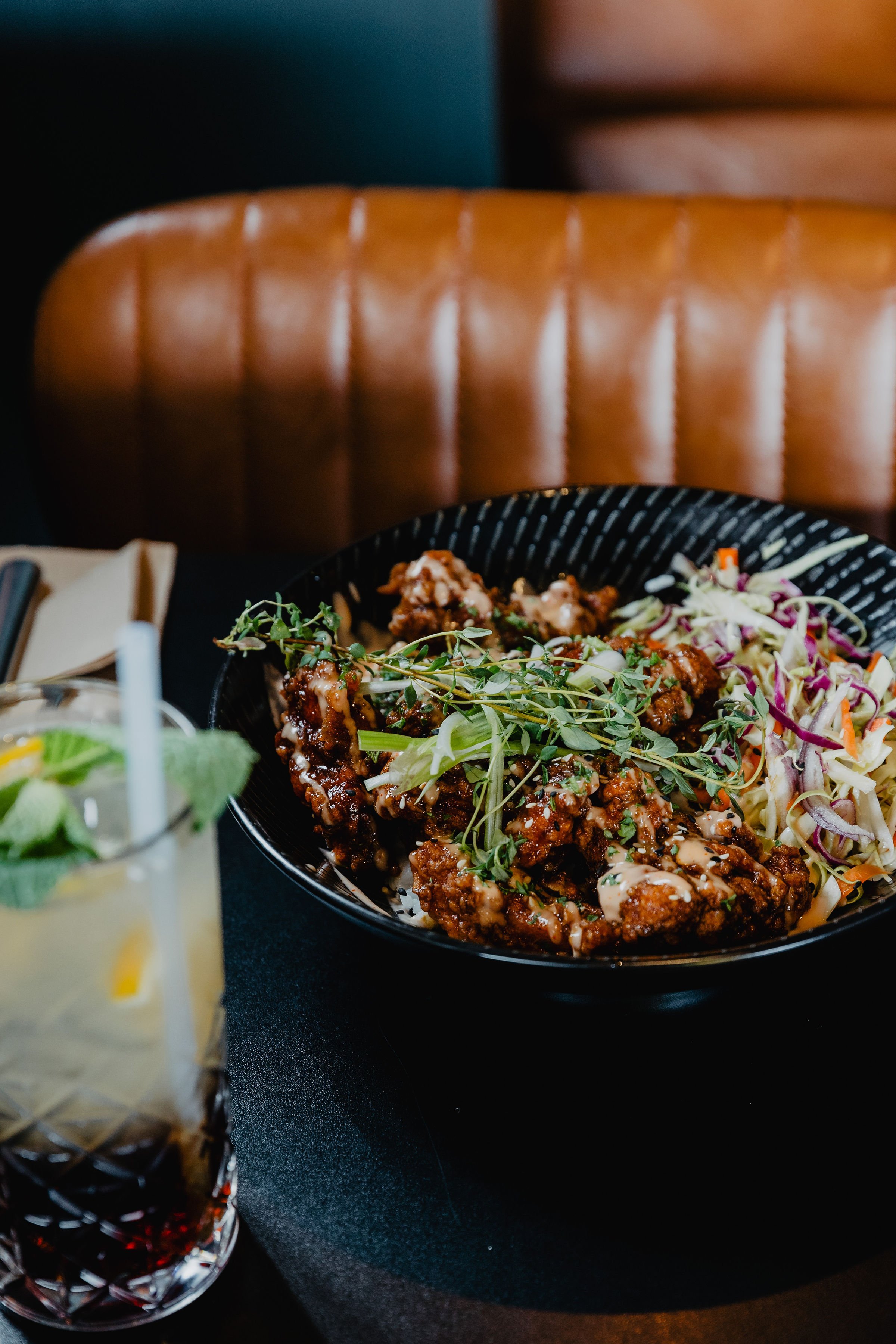
This is Redoubt Eatery’s secret weapon, their hit. The one thing he knew they had to serve. “It’s called the Sticky Chicken. It’s our biggest seller in Matamata. It’s our biggest seller in Morrinsville and now it’s our biggest seller in Tauranga,” he grins as he talks about the chicken dish that comes drizzled in a ginger sauc and served on coconut rice. “It’s comfort food. We can’t take it off. It just goes off. It’s one of the few dishes that’s on the lunch and dinner menu.”
Again, the word “comfort” comes up when Jacob talks about Redoubt. It’s something incredibly important to him, and it turns out there’s a very good reason why. “When I was 19, I was travelling the world and ended up in this town in West Cork, Ireland called Clonakilty. The first day I was there, I went into this pub and the guy behind the bar urged me to try a Murphys and introduced me to a couple of locals. About a week later I was still jobless, running out of money and it was raining. I was thinking my dreams of travelling the world were over. I walked back into the pub and Barry was behind the bar again. He went, ‘Jacob! How are ya mate? Here’s your Murphys.’I just felt like I belonged, and he made me feel special. I thought, ‘This is where I want to be.’ I stayed there for two years. It turned everything around. “That’s what we want to do. It’s so cool to walk in and have someone say, ‘G’day, Jake, here’s your drink.’”
That’s the vibe Jacob wants to create. A home away from a home. A place where everybody knows your name and… Well, you get the idea. This philosophy of creating a community even extends to the photos lining the walls. “The vast majority of the pictures on the wall are of Tauranga things, Tauranga heroes or Tauranga villains. We’re always looking to grow that,” he explains before giving an example.

“I was talking to a mate and his son won the New Zealand freestyle scooter award. He’s a kid, 15 years old, and does triple flips and stuff. We’re gonna get his photo and put it up on the wall. He’ll sit next to Kane Williamson there – who goes without introduction,” he says pointing to a blank spot beside the Tauranga-raised Black Caps captain.
“That’s what makes a good local!” Jacob exclaims. “What I want is for you to be able to sit here and go, ‘That’s my bloody neighbour on the wall!' Because then you feel like you belong there. Eventually, these walls will be covered. I want a photo of your second cousin who played hockey for New Zealand in 1985. People like that. I reckon that’s worthy of being on the wall.”
Jacob’s vision for Redoubt Eatery – and, of course, its signature dish, the Sticky Chicken – should ensure it’s a hit. A relaxed place where you can go with your mates to catch up and chill out with a drink or two and grab something delicious to eat. If only there was a word for something like that. Turns out there is. “One of the meanings of the word Redoubt is ‘a place of refuge or safe haven’,” Jacob smiles. “So I quite like that as well.”